
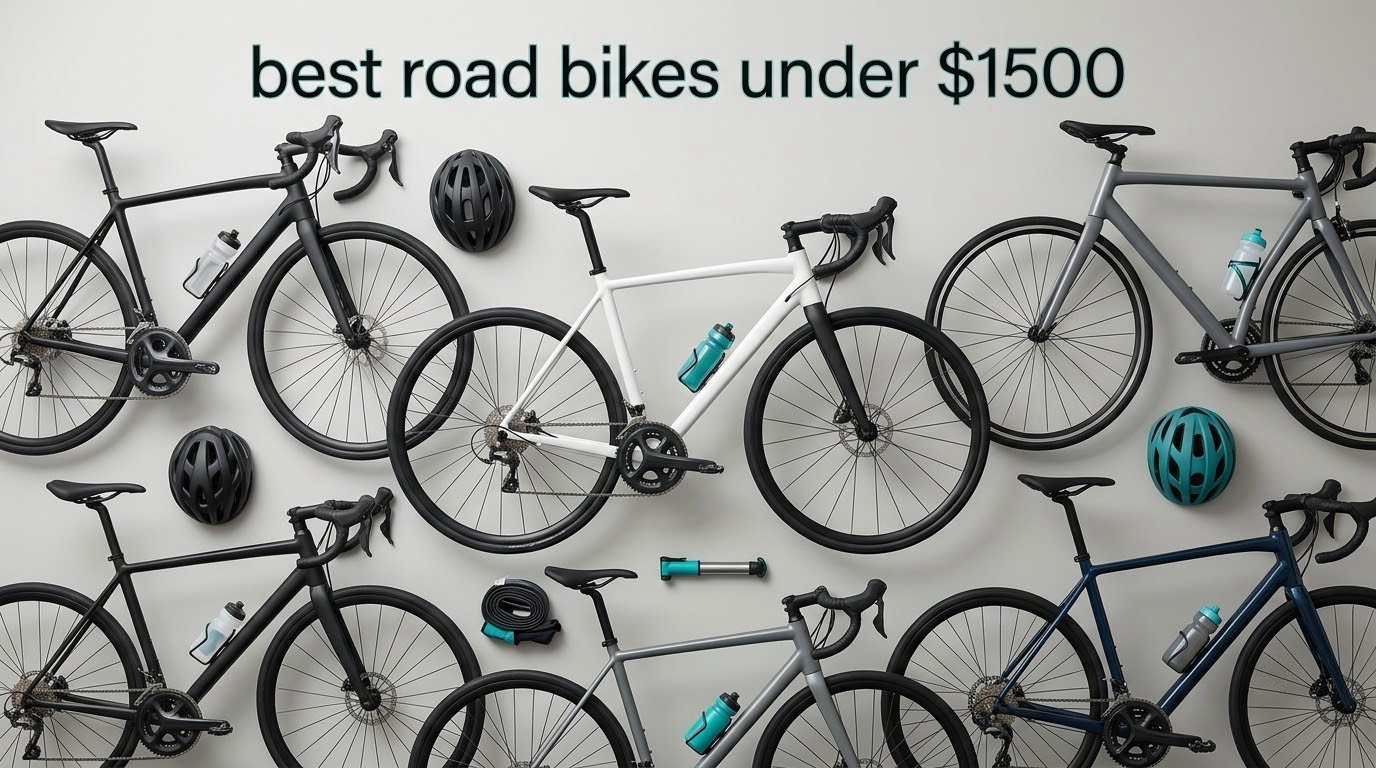
There is no honest way to buy a road bike in 2026 without a hard ceiling in mind, so we set ours at 1,500 and refused to move it. Every bike below that line, every one of them, is in this roundup. Nothing is here because a manufacturer sent it, and nothing expensive has slipped in to pad the list.
That matters because the advice most riders find online was written for a different budget entirely. The big road bike roundups on page one of the search results open at four and five thousand dollars, which is useless if the number you have in the bank is a four figure one. Strip that out and the choice gets simpler and more confusing at the same time: nine alloy frames, two carbon bikes and one steel frame, drivetrains that range from fourteen to twenty-four speeds, and brakes that can be rim, cable disc or hydraulic disc.
So here is the short version of what 1,500 buys. You get a competent alloy frame, and on two of these bikes a full carbon fork, which is where the weight saving lives anyway. On eight of the twelve you get a named Shimano drivetrain rather than unbranded shifters. You get 700c wheels and drop bars, which is the entire point of a road bike. You do not get a modern electronic groupset, tubeless-ready wheelsets, or a frame light enough to win a pro race.
This guide is built for three groups: people buying their first road bike after years on a hybrid or mountain bike, commuters who want something faster and more upright-nosed for weekday miles, and riders who already own a bike and want an upgrade they can grow into. If you are brand new, start with the beginner road bike picks we keep updated, then come back here for the detail.
One more thing before the list. Most of these bikes arrive part-assembled or un-tuned, and that is not a defect, it is how the category works. A bicycle needs brake adjustment, cable tension and a gear index before it is safe to ride to the shop. Budget for a professional tune on day one.
Table of Contents
Top 3 Picks From This Roundup for October 2026
Three bikes stand out once you account for build quality, owner satisfaction and the cost of finishing the bike off. The HILAND Alliance leads on owner volume and value, the Tommaso Forcella is the strongest all-round spec sheet, and the SAVADECK R08 is the only carbon-framed bike in the group with hydraulic disc brakes.

HILAND Alliance 700C Road Bike
- Aluminium frame
- 14-speed drivetrain
- Caliper brakes
- 700C wheels

The 12 Bikes Compared Side by Side in October 2026
If you only read one block, read this. The six quick picks below are the ones we would put a first-time rider on, and the table that follows holds all twelve bikes on the four things that decide a purchase: what the frame and fork are made of, what shifts the gears, what slows you down, and how wide the tyres can go.
SAVADECK R08 – the only carbon frame here with hydraulic disc brakes, at 9.6 kg with a Shimano Sora drivetrain. The best performance per outlay if your legs are ahead of your wallet.
Tommaso Monza – a complete Shimano Tiagra 2×10 groupset on a carbon fork and 6061 alloy frame, with a 50/34T compact crank that climbs anything.
Tommaso Forcella – carbon fork, full Shimano Claris, and the widest size range in the roundup, from a 4 foot 10 rider to a 6 foot 5 rider.
Tommaso Imola – the simplest good bike here. Alloy frame, 3×8 Claris, nothing to break and a lifetime warranty replacement promise.
HILAND Alliance – the most-reviewed bike in the roundup by a wide margin. A straightforward alloy road bike that climbs and rolls better than it has any right to.
Pipleo 80136 – the pick for pure transport. Shimano 21-speed, dual disc brakes, 95 percent pre-built, rack-friendly and quick to set up.
| Product | Specs | Action |
|---|---|---|
| HILAND Alliance 700C Road Bike |
|
Check Latest Price |
 Tommaso Imola Tommaso Imola |
|
Check Latest Price |
| Tommaso Forcella |
|
Check Latest Price |
 EUROBIKE XC550 EUROBIKE XC550 |
|
Check Latest Price |
 Schwinn Volare 1300 Schwinn Volare 1300 |
|
Check Latest Price |
 Tommaso Monza Tommaso Monza |
|
Check Latest Price |
 HILAND Daring 700C HILAND Daring 700C |
|
Check Latest Price |
| SAVADECK R08 Carbon Disc |
|
Check Latest Price |
 SAVADECK Windwar 3.0 SAVADECK Windwar 3.0 |
|
Check Latest Price |
 Pipleo 80136 Pipleo 80136 |
|
Check Latest Price |
 Outroad 14-Speed Road Bike Outroad 14-Speed Road Bike |
|
Check Latest Price |
 Max4out 700C Commuter Max4out 700C Commuter |
|
Check Latest Price |
The table is the honest version of the market at this price. Notice how much of the list is aluminium, and notice how few of the bikes have fender or rack mounts spelled out. Those two details decide whether a bike is a weekend toy or a year-round vehicle.
1. HILAND Alliance 700C Road Bike – The Most Proven Bike in the Roundup
HILAND 700C Road Bike, Aluminum Racing Bike for Men Women Adult, White, S
Aluminium frame
14-speed drivetrain
Dual caliper brakes
700c wheels
Three frame sizes
Pros
- Lightweight alloy frame that climbs easily
- Comfortable upright riding position
- Good value for a first road bike
- Solid welds and decent supplied tyres
Cons
- Arrives 85 percent assembled and needs brake and derailleur setup
- Supplied saddle and plastic pedals are usually replaced
- Stiff gear levers that need time to break in
We picked this one first because the owner record behind it is longer and deeper than anything else in the roundup, with hundreds of reviews behind the 4.3 average. Owners keep describing the same thing: a frame that is lighter than it looks and pedals up hills without complaint, in a bike that costs less than most people expect a road bike to cost.
It arrives 85 percent assembled with a tool kit in the box, which sounds helpful and is not entirely, because the last 15 percent is the part that matters. Brake balance and gear indexing are the two things almost every reviewer mentions, and almost every reviewer also says the same next sentence: once a shop has adjusted it, the bike holds up well over time.
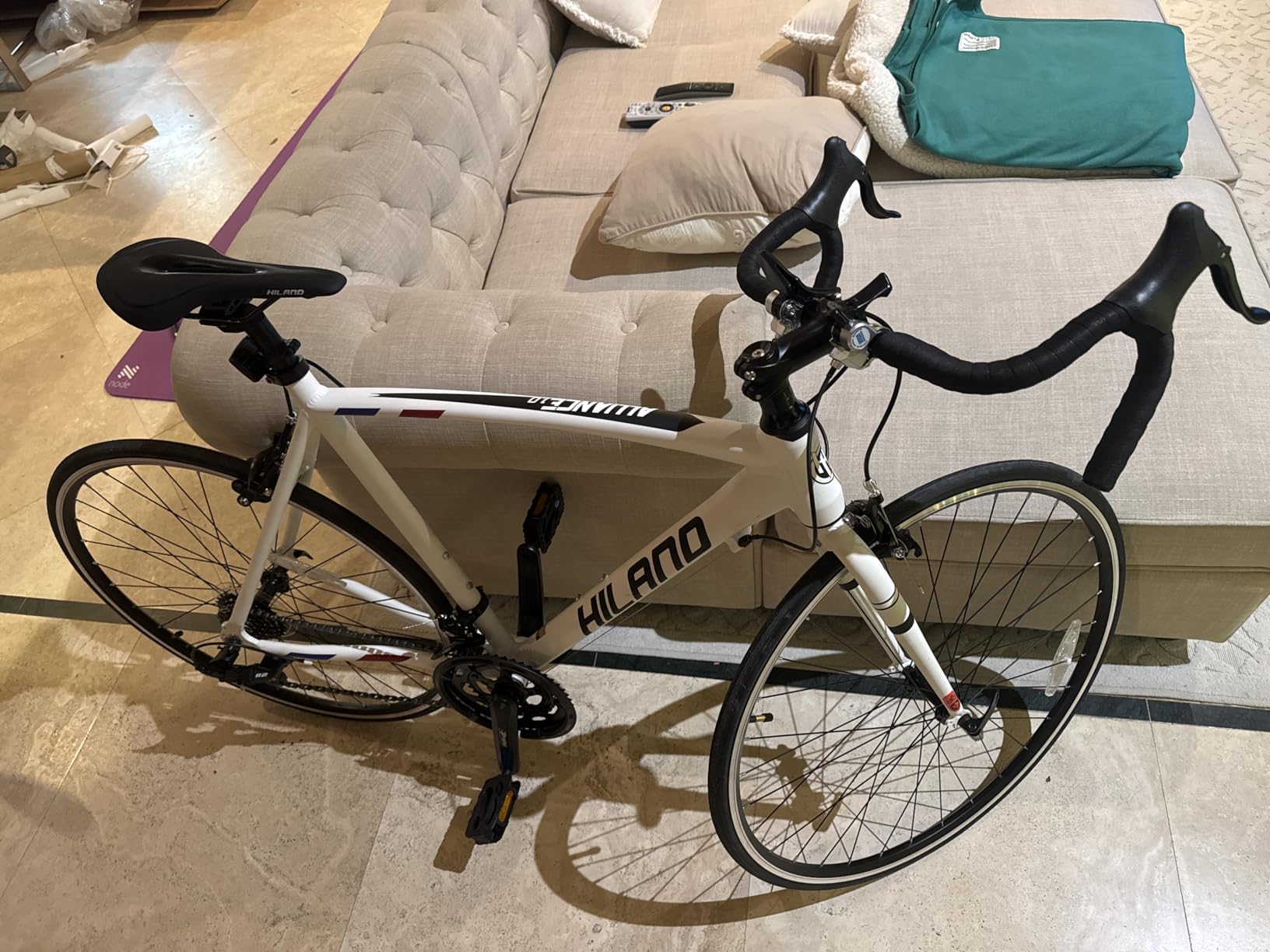
Three frame sizes cover the range from 5 foot 3 to 6 foot 4, split at 49cm, 53cm and 57cm, which is unusually honest sizing for a bike at this level. The company lists paved roads and unpaved trails as intended terrain, and road, gravel and commuting as intended uses, so it is not a track-only frame despite the drop bar.
The 14-speed drivetrain is single ring at the front, which is the right call at this budget. A one-by setup removes the front derailleur, the cable and the adjustment that goes with it, and the owner complaints about front indexing on cheaper bikes simply do not apply here. You lose the ability to spin very steep climbs in a granny gear, and you gain a drivetrain that is far easier to live with.
Whether the owner record backs the value claim
The recurring theme in the reviews is value, and specifically that the frame feels more substantial than the price suggests. Riders describe comfortable, upright positions that are easy to hold for an hour, which is exactly what a first road bike needs to do before it asks for anything else.
Long-term owners also report that once the initial setup is sorted, the bike simply works. That is the highest compliment you can pay an entry bike, and it is why we made it the first recommendation rather than burying it.
What to budget for in the first month
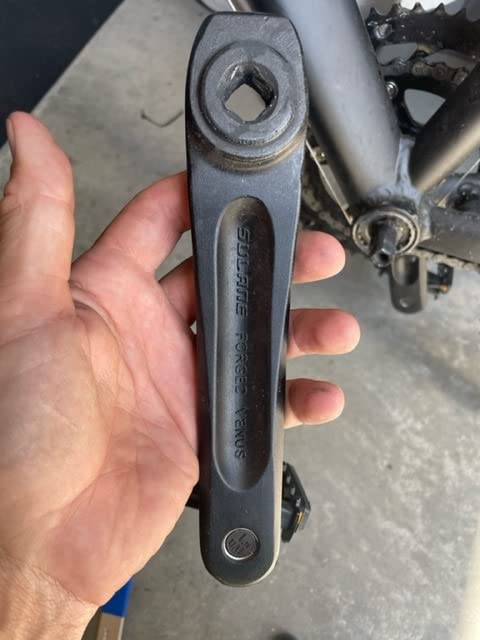
The supplied saddle and pedals are the two components most owners replace within the first month, and the levers need a break-in period before they feel as positive as they will eventually. Budget for both, and for a shop tune, before you judge the bike.
A small number of owners report drivetrain or brake component failures inside the first few months. It is not a common pattern, but it is the reason we would keep the receipt and confirm the one year manufacturer warranty terms before riding away from the shop.
2. Tommaso Imola – Full Shimano Claris on a Simple Alloy Frame
Tommaso Imola – Sport Performance Aluminum Road Bike, Shimano Claris 24 Speeds, for Men and Women, Racing and City Use – Black XL 60cm
3x8 Shimano Claris
Aluminium frame
Integrated brake shift levers
Lifetime warranty promise
Pros
- Full Shimano Claris drivetrain at an entry price
- Lightweight frame that climbs well
- Smooth integrated brake and shift levers
- Well finished welds paint and bar tape
Cons
- Hard rubber saddle that most owners replace
- Front derailleur is difficult to adjust
- No instructions included and some parts still need fitting
The Imola is the bike we would hand to somebody who wants the simplest possible path into road cycling. A 3×8 Shimano Claris drivetrain means every shift, every brake lever and every cable on the bike comes from one manufacturer, which is the single biggest reliability win you can have in this category.
Reviewers describe it as affordable performance rather than entry level, and they describe the frame as gliding and climbing well. The integrated brake and shift levers are called out as smooth and accurate, and the welds, paint finish and handlebar tape are consistently praised, which tells you this is a bike assembled with care rather than assembled as fast as possible.
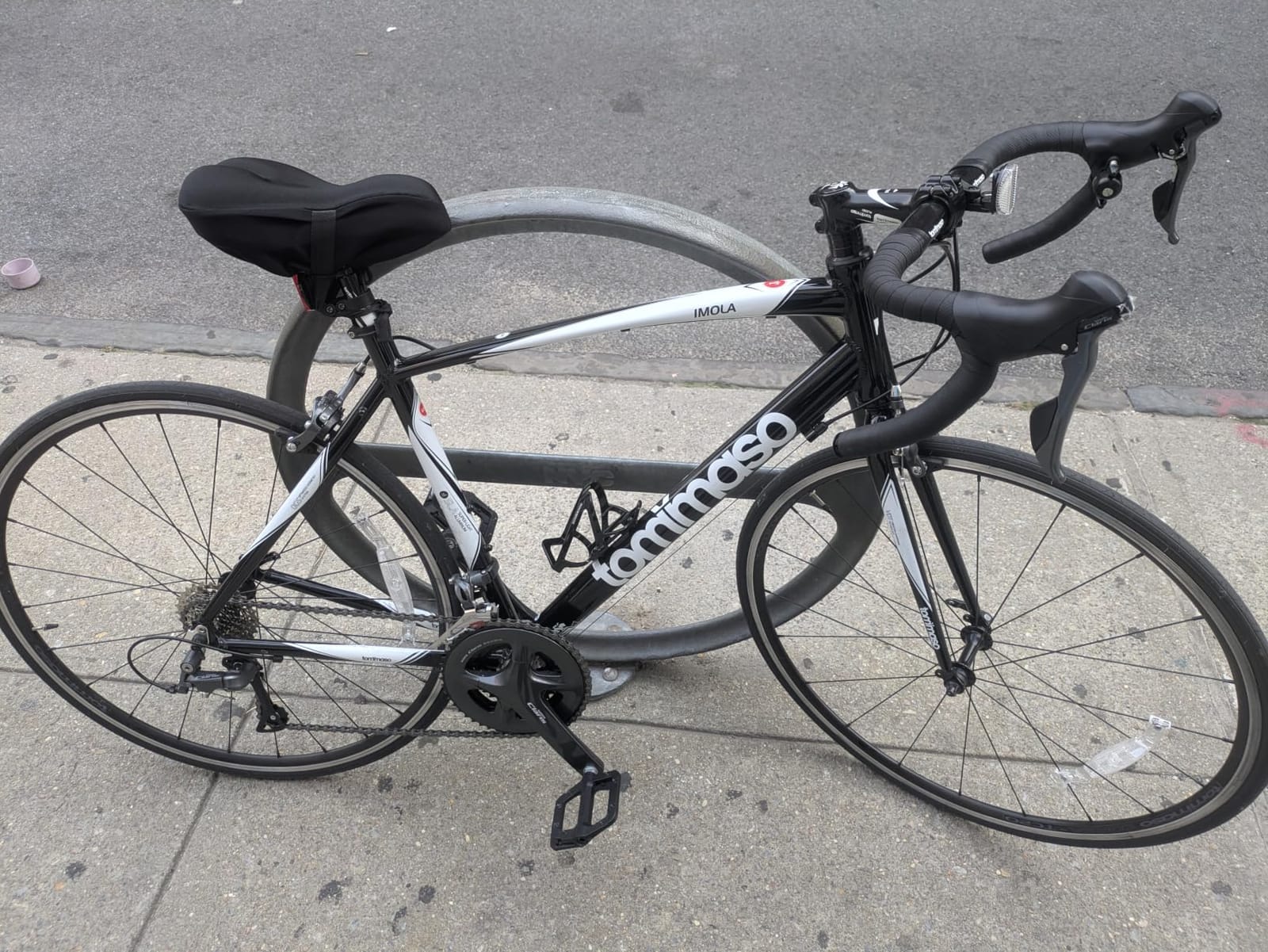
Three sizes are offered, from a 5 foot 6 rider up to a 6 foot 5 rider, and that is a narrower spread than most of the list manages. Check your height against those bands before you fall for the spec sheet, because no groupset compensates for a frame that is too long for you.
The 3×8 layout uses three chainrings and eight sprockets, which gives you a 24 speed range and, importantly, a proper low gear. That matters on the first hill you meet with a heavy rider and a loaded daypack, and it is the argument for a triple over the single ring on the HILAND.
Why a full Shimano Claris group matters long term
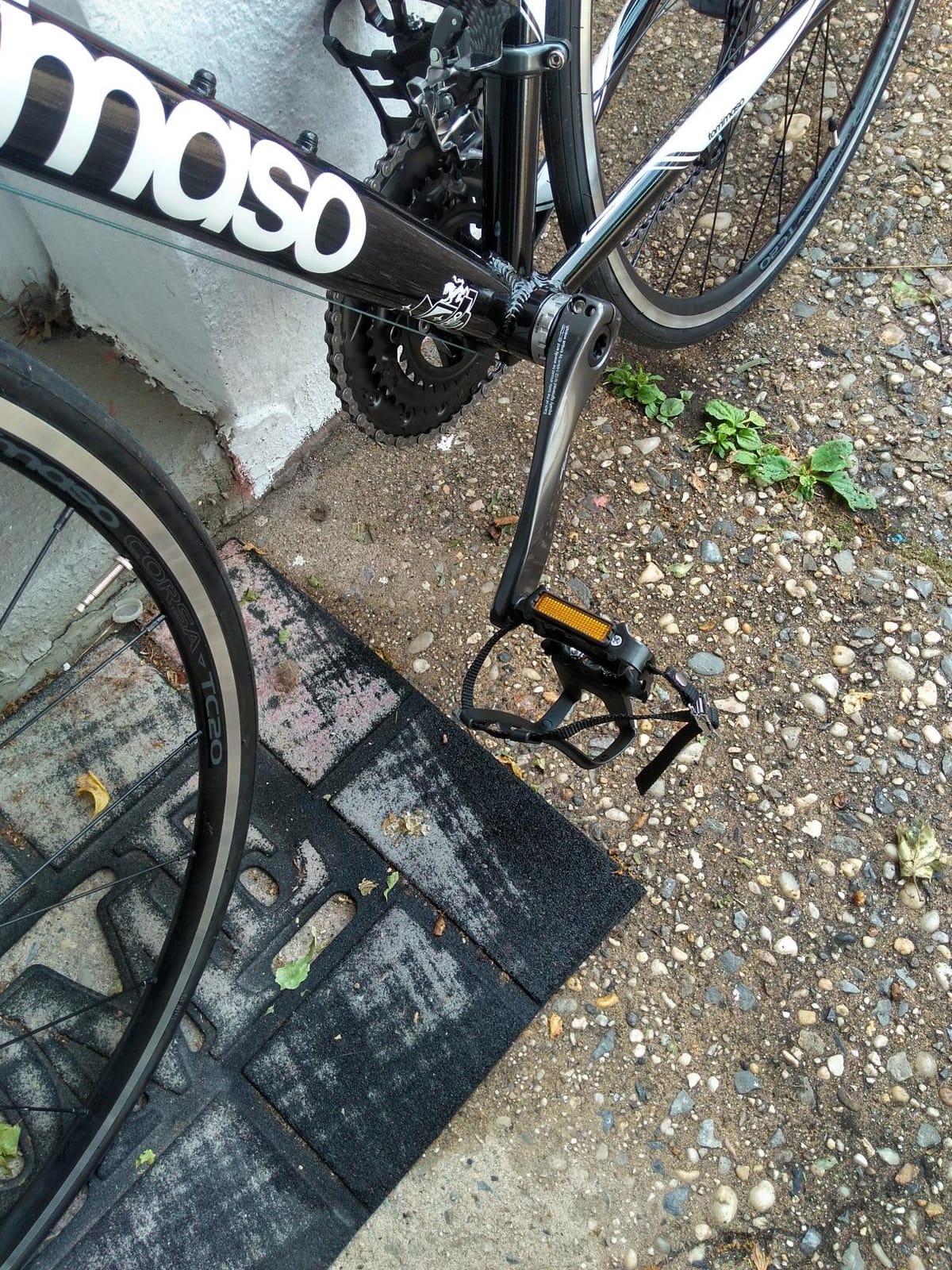
Owners consistently report that the bike holds up over thousands of miles once it is dialled in, and the 4.3 average comes with a 66 percent five-star share. The drivetrain is the reason: Shimano Claris is serviceable, cheap to maintain and available at any decent shop.
Customer service is also mentioned positively by buyers who needed help, and the lifetime warranty replacement promise is a genuine advantage over the one year cover offered by several cheaper bikes in this roundup.
What the factory setup will cost you
The front derailleur is the most repeated complaint, with owners saying it can be very difficult to adjust and shift. This is a setup problem rather than a design problem, but budget shop time for it rather than expecting to do it yourself with the tools in the box.
No assembly instructions are included and some parts still need fitting, and the factory rubber saddle is uncomfortable enough that most owners replace it. A few buyers also report the warranty claim process itself as restrictive, so read the terms before you fall in love with the bike.
3. Tommaso Forcella – Carbon Fork, Full Claris, Five Sizes
Tommaso Forcella Sport Aluminum Road Bike – Carbon Frame, Shimano Claris 24 Speeds, Men’s & Women’s Road Bike, 56cm
Carbon fork
Aluminium frame
3x8 Shimano Claris 24-speed
Five frame sizes
Pros
- Carbon fork at a mid-range price
- Claris drivetrain with a wide gear range
- Five frame sizes from XXS to XL
- Lifetime warranty promise
Cons
- Professional assembly required before the warranty is valid
- Arrives untuned and needs brake and cable adjustment
The Forcella is the step up from the Imola, and the step up is a carbon fork. On a road bike that is the single most effective place to spend money at this budget, because the fork carries the steering loads and takes the sting out of rough tarmac.
Everything else stays deliberately simple: a 3×8 Shimano Claris drivetrain and a premium aluminium frame. Its 4.4 average is the strongest rating of any alloy bike in this roundup, with a 69 percent five-star share, and the reason owners give is that the bike simply feels faster and calmer over broken surfaces than an equivalent all-alloy bike.
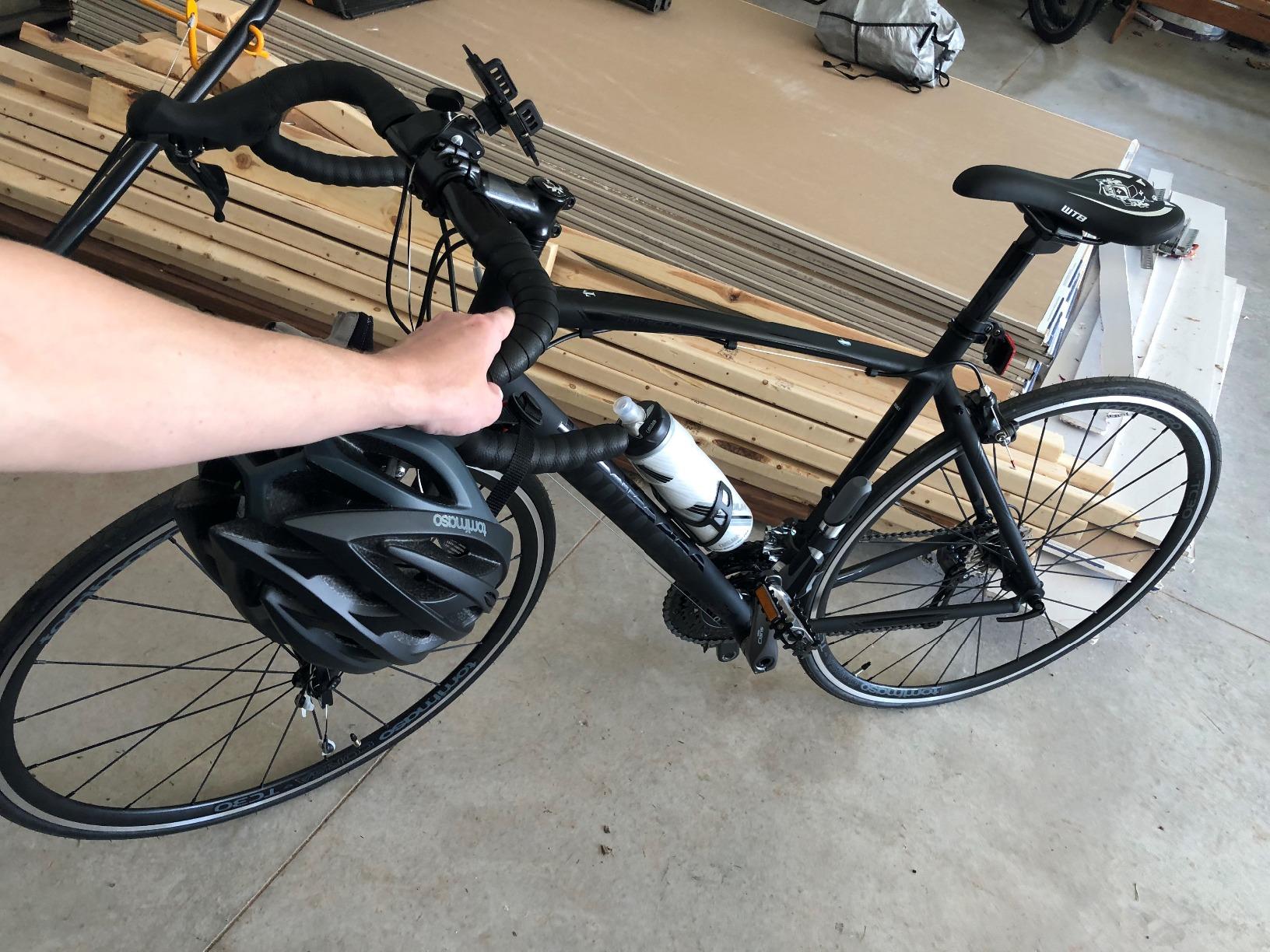
The size range is the standout. XXS, XS, S, M and XL run from a 4 foot 10 rider to a 6 foot 5 rider, and no other bike in this roundup covers that spread. For anyone between standard size bands, that is worth more than a marginally nicer groupset.
The wide gearing range is also called out as a strength for climbing and fast flats, which is the honest description of what Claris with a triple chainring gives you. You have the low gear for the hill and enough top gear to hold speed on the flat without spinning out.
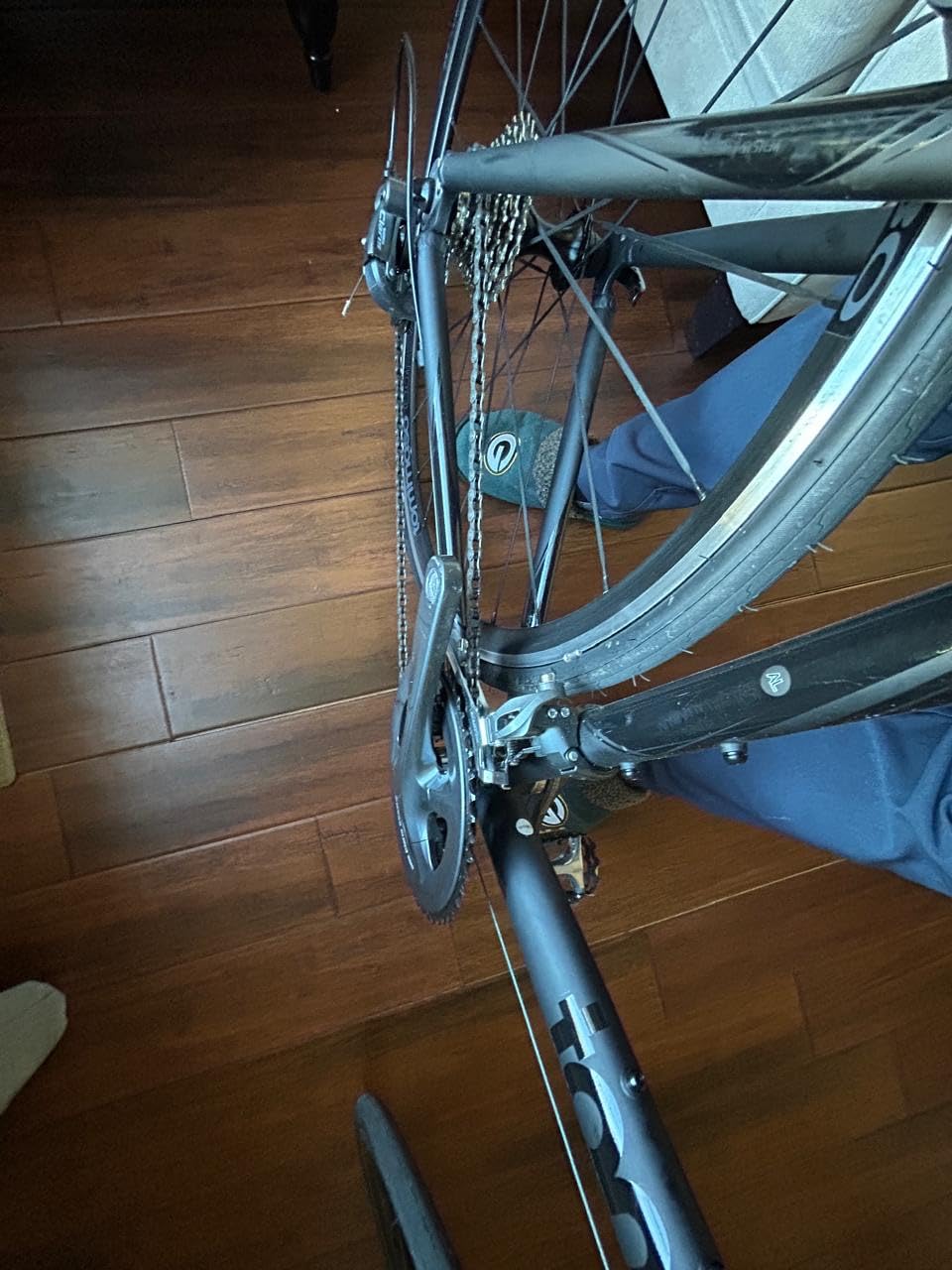
What five frame sizes actually buy you
The consensus is that this is the strongest alloy build in the roundup for a rider who wants a carbon fork and a real Shimano drivetrain without spending three figures more. Owners also like that the frame and fork combination takes road imperfections out of the ride rather than transmitting every crack in the surface.
Five frame sizes and a lifetime warranty replacement promise are the two things that separate it from the other carbon-fork bikes here. Both matter more than most spec buyers realise at the time of purchase.
What the assembly requirement means for the warranty
The bike is not user serviceable out of the box. Professional assembly is required before the warranty is valid, and the bike arrives needing brake and cable adjustment, so this is a purchase for somebody who has access to a shop and will use it.
Reviewer feedback is thinner here than on the two bikes above it in the list, with 146 reviews behind the 4.4 average. That is still a meaningful sample, but it is smaller, and the size range is broad enough that fit advice matters more than usual.
4. EUROBIKE XC550 – Steel Frame, Dual Discs, Bell and Lock Included
EUROBIKE Road Bike TSM 21-Speed Bike Dual Disc Brake 700 C Adult Bike 54CM Frame 3-Spoke Wheels Bicycle
Carbon steel frame
21-speed Shimano
Dual disc brakes
85 percent assembled
Pros
- Bell and a lock are included in the box
- Dual disc brakes at a low outlay
- Assembly takes around 15 to 25 minutes
- Easy to ride on paved roads
Cons
- Heavy carbon steel frame that feels slow
- Hard to control for some shorter riders
- Shifting into the higher gears is unreliable
The XC550 exists in a different part of the market from everything else here, and it is useful to know that. It is a carbon steel bike with 700c aluminium rims, a 21-speed Shimano drivetrain and disc brakes at both ends, which is a lot of hardware for very little money.
Owners like the look of it. Several reviews mention drawing compliments, and the styling is the first thing people notice. Assembly is reported as straightforward, needing about 15 to 25 minutes to finish off a bike that arrives 85 percent built.
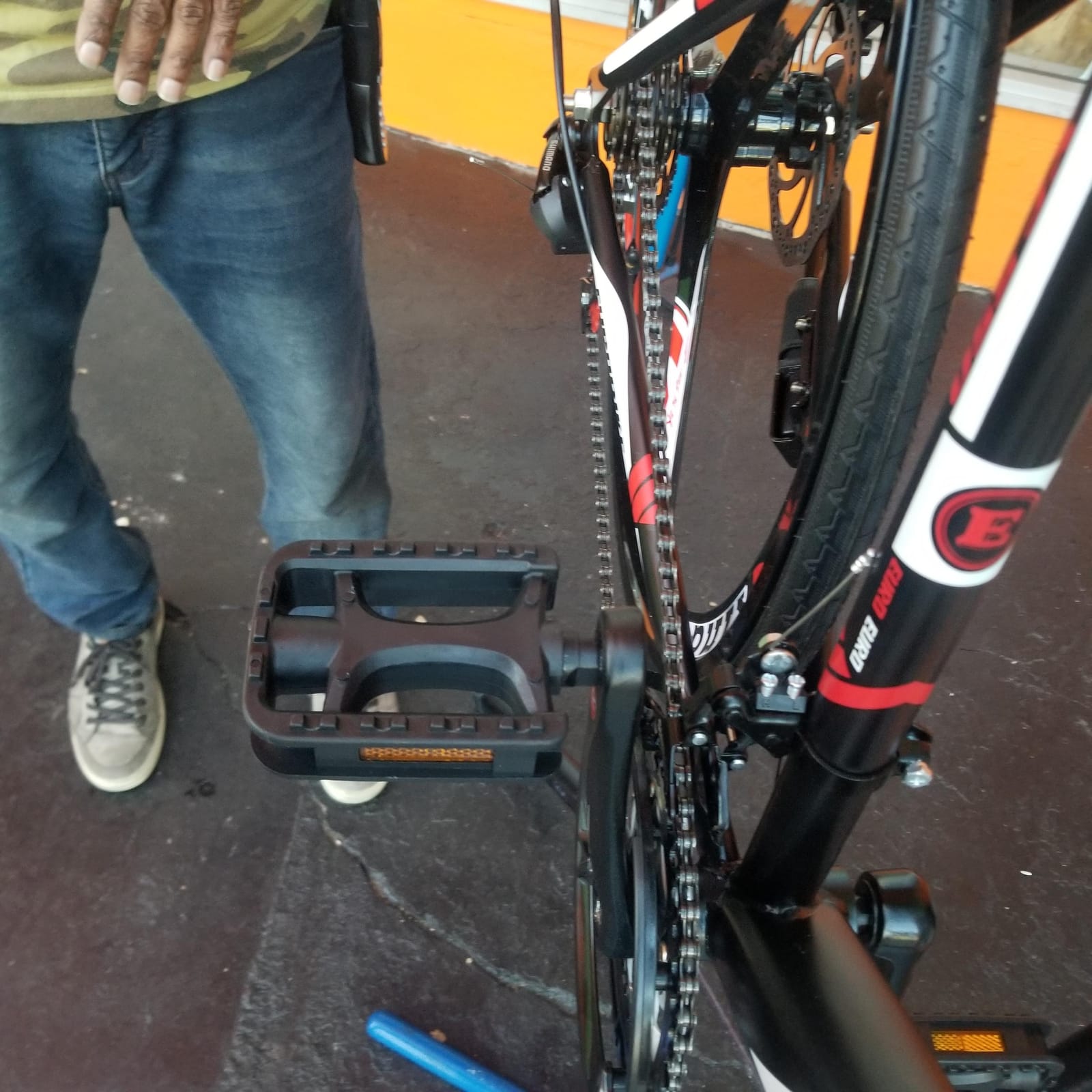
The 3.9 average is the lowest in this roundup and the reviews explain why. Buyers fault the heavy steel frame and the sluggish ride that comes with it, and several one and two star accounts describe component failures inside the first year. Budget components and bearings wear quickly, according to owners.
Sizing is the other problem. A 49cm frame suits riders from about 5 foot 4 to 5 foot 9 and the 54cm from about 5 foot 6 to 6 foot 2, and the narrow effective spread means smaller riders in particular can find it hard to control on uneven pavement.
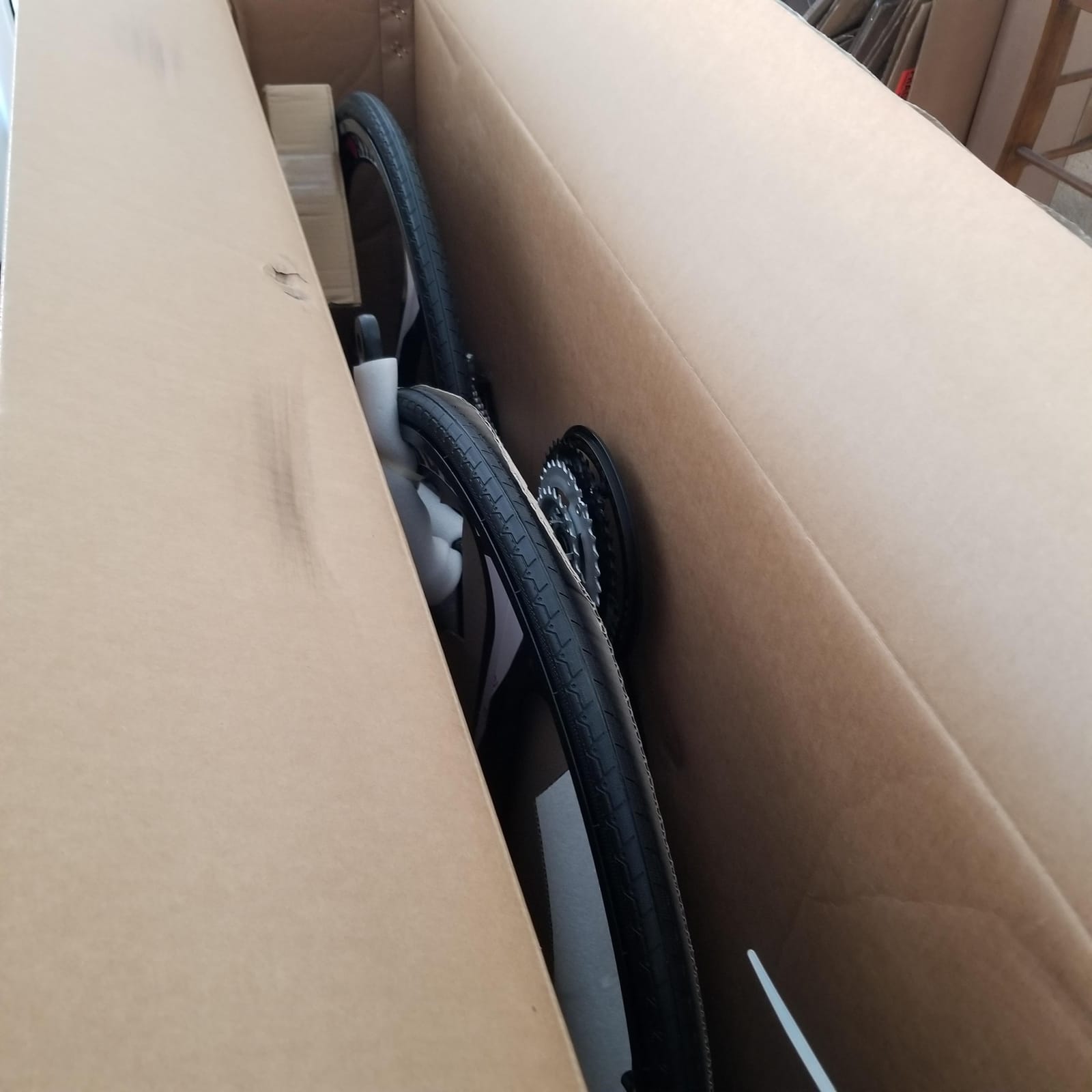
What the included kit is worth to you
At this end of the market, rating is relative. The included bell and lock, the dual disc brakes and the simple 15 to 25 minute assembly are all genuinely useful things that owners specifically mention, and the bike is reported as workable for beginners on paved roads.
The 21-speed drivetrain is a genuine Shimano unit, which at this outlay is unusual, and the 700 by 28C tyres on aluminium alloy rims are a sensible starting point rather than the paper-thin tyres this price usually brings.
How much the steel frame weight costs you
Weight, without question. A carbon steel frame is the heaviest material on this list by a wide margin and you will feel it on every climb, in every headwind and on every return leg home. Riders upgrading from a mountain bike usually notice it within a mile.
Gear adjustment is the second problem, with owners reporting the gears are difficult to tune and shifting into the high gears is unreliable. If you ride hills regularly, choose one of the Claris bikes above instead and pay the difference for a drivetrain that indexes properly.
5. Schwinn Volare 1300 – Familiar Name, Alloy Frame, Honest Specs
Schwinn Volare 1300 Road Bike, 700c Mens and Womens Bike, 14-Speed Drop Bar Road Bicycle, Aluminum Frame, Sport Tires, Fitness Seat, Alloy Caliper Brakes, Adult Bicycle
Aluminium frame
14-speed A050 group
Alloy caliper brakes
700c x 28c tyres
Pros
- Sturdy alloy frame lighter than steel alternatives
- Alloy rims arrived true and stayed true
- Reliable Shimano Tourney rear shifting
- Smooth and quick for the class
Cons
- Brake levers feel unresponsive
- Supplied saddle is not built for long rides
- Cheap thin tyres with limited grip
The Volare 1300 is the one bike here from a name most riders will recognise, and it sits in the middle of the pack on price while sitting mid-pack on everything else. It is a sensible, unexciting aluminium road bike for someone who wants to ride a few times a week rather than train seriously.
What owners like is the frame and the wheels. The aluminium frame is sturdy and lighter than the steel alternatives, and the machined braking surface alloy rims are praised repeatedly for arriving true and staying true, which is not something you can say about the wheels on every bike here.
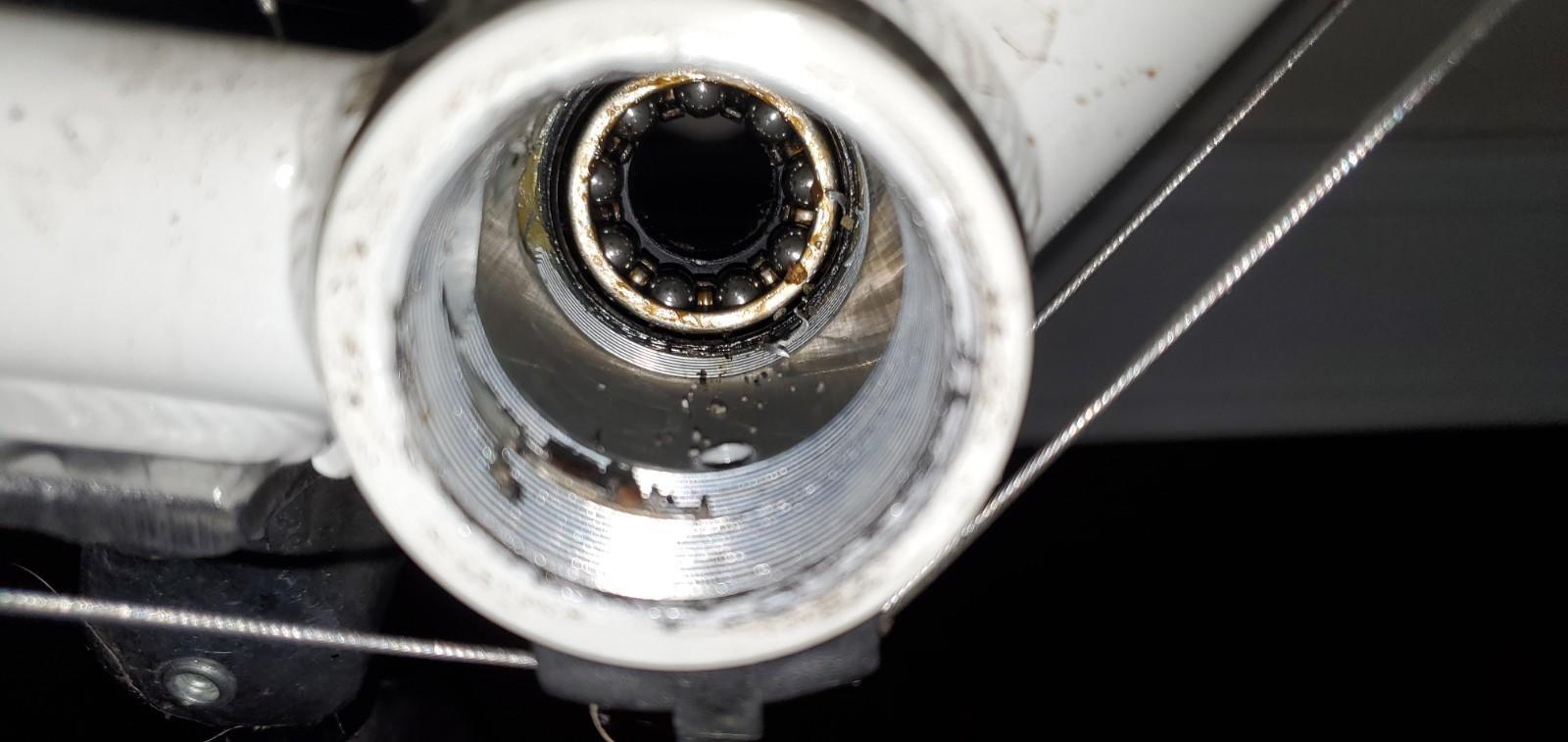
The 14-speed A050 shifters and rear derailleur run Shimano Tourney, which is a durable and widely available rear drivetrain. The 700c by 28C Schwinn sport tyres are the right starting width, though owners consistently describe them as cheap and thin with limited grip.
At 29.8 pounds, or about 13.5 kg, the Volare is not a heavy bike by steel standards, and the single 21 inch frame fits riders from 5 foot 8 to 6 foot 2. The limited lifetime warranty is a nice piece of cover, though it is separate from the component warranties on the drivetrain and brakes.
Which parts you will not be replacing in year one
Owners describe a smooth, comfortable ride that is relatively quick for the class, which is the useful benchmark at this price. For fitness riding and short commutes, the Volare does the job and does it without drama.
The alloy wheels and the Shimano Tourney rear shifting are the two components that do not need replacing in year one, and that is more than several competitors here can claim.
What the single frame size means for fit
Brake lever feel is the recurring complaint. Owners report that the levers feel unresponsive and recommend replacing both pads and levers, and several buyers mention checking the brake, front derailleur, headset and pedal threads straight after assembly.
The freewheel is also criticised, with owners describing a low quality unit with missing bearings and grease, and the supplied saddle is not suitable for long rides. Budget for a set of tyres, a saddle and a brake service in the first six months.
6. Tommaso Monza – Complete Shimano Tiagra 2×10
Tommaso Monza Sport Bike Performance Aluminum Road Bike Carbon Shimano Tiagra 24 Speeds Road Bicycle Men Road Bikes For Men Bike Men Women Speed Bike Racing Bike Adult Bike City Bike Black Medium 56cm
2x10 Shimano Tiagra 4700
50/34T compact crank
Carbon fork
6061 alloy frame
Pros
- Complete Tiagra groupset including crank and chain
- Carbon fork on a lightweight 6061 frame
- Shifting described as rivals to higher tiers
- Pre-drilled for two cages and a rear rack
Cons
- Supplied tyres and tubes are prone to flats
- Supplied saddle has almost no padding
- Wheel set is heavy
The Monza is the most complete bike in this roundup. A full Shimano Tiagra 4700 2×10 groupset includes the crank, both derailleurs, the shifters, the brakes and the chain, and there is no cheaper component hiding anywhere on the drivetrain.
Owners widely consider it exceptional value. They describe the shifting as rivals to higher tier groupsets, the brakes as strong out of the box, and the carbon fork as absorbing road imperfections on a 6061 alloy frame that weighs little over 20 pounds.

The gearing is the part to study. A 50 by 34 tooth compact crankset with an 11 by 32 tooth Tiagra cassette gives you a real low gear and enough range to keep up on the flat, and it is the drivetrain configuration we would most want in a first road bike that will be ridden on hills.
There are four sizes from XS to XL, covering 5 foot 2 to 6 foot 5 riders, and the frame is pre-drilled for two bottle cages and a rear rack. Those mounts are the difference between a bike you can carry a pannier on and one you cannot, and they are increasingly hard to find at this price.
Whether the Tiagra group is worth the step up
Shifting is described as smooth and consistent in all road conditions, and the handling as well balanced. That combination, a complete mid-tier Shimano groupset and a carbon fork, is normally found well above this budget, which is why owners keep using the word value.
Customer service is also singled out, with at least one owner reporting that a defective shifter was resolved. The lifetime warranty replacement promise adds to that, and it is the strongest cover on any alloy bike in this roundup.
What the tyres and saddle will cost you
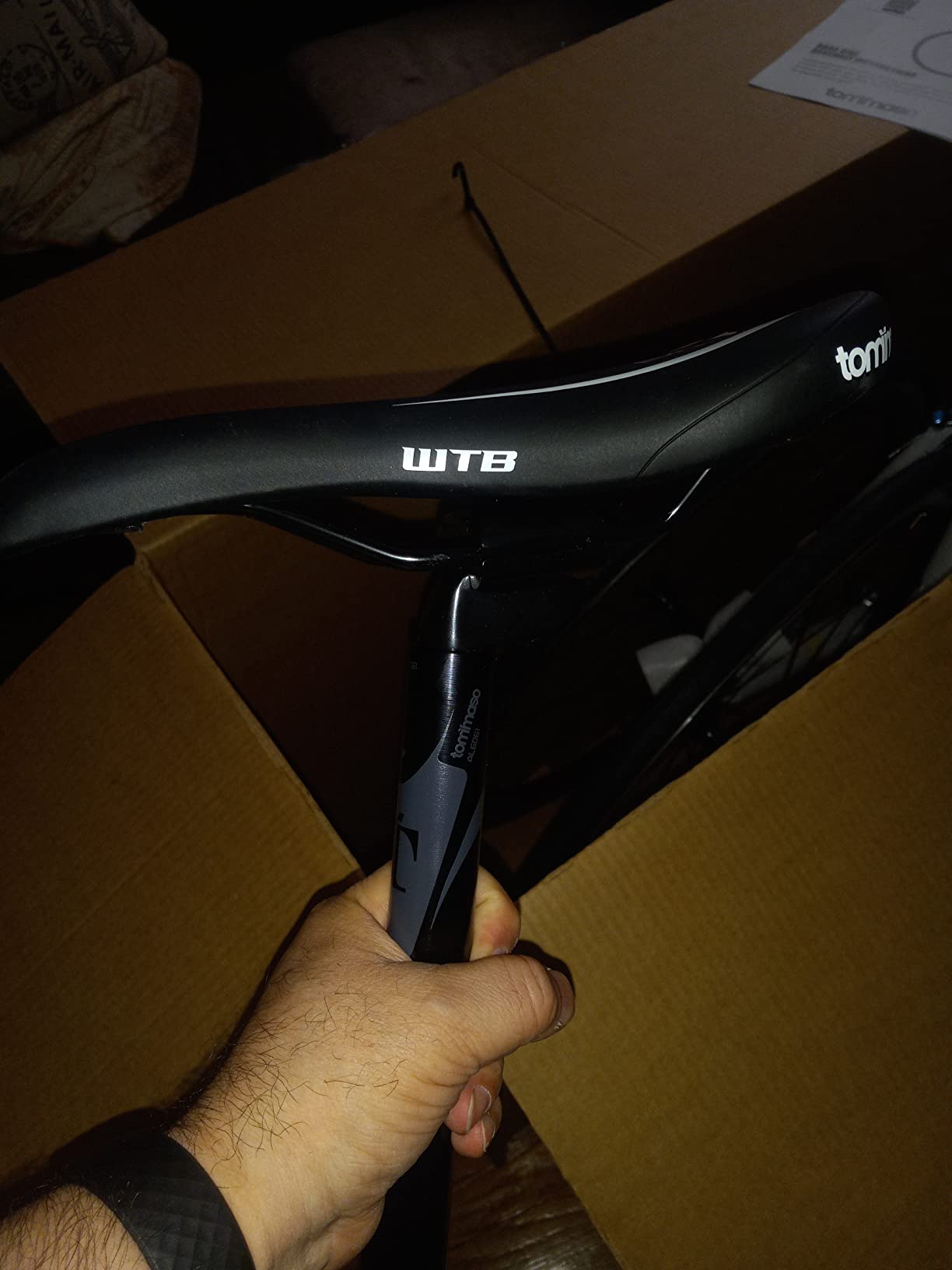
The advice from owners is consistent: replace the tyres and the saddle. The supplied tyres and inner tubes are described as poor quality and prone to flats, and the saddle as having almost no padding, which becomes uncomfortable on anything longer than an hour.
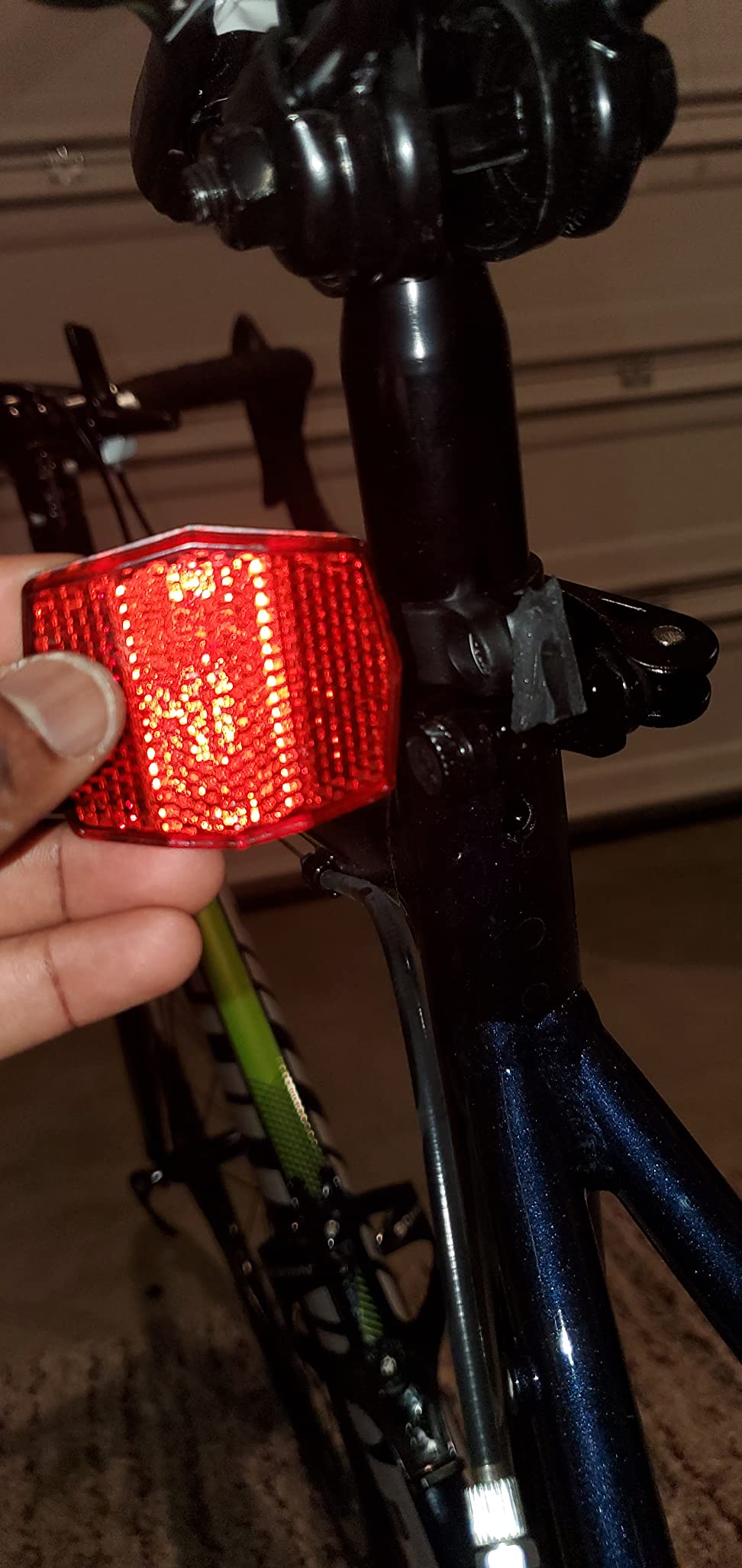
The wheel set is heavy for an alloy bike, and some units arrive with non-working shifters that need adjustment. Budget for a full set of tyres and tubes in the first month and you will have a bike that feels far more expensive than it is.
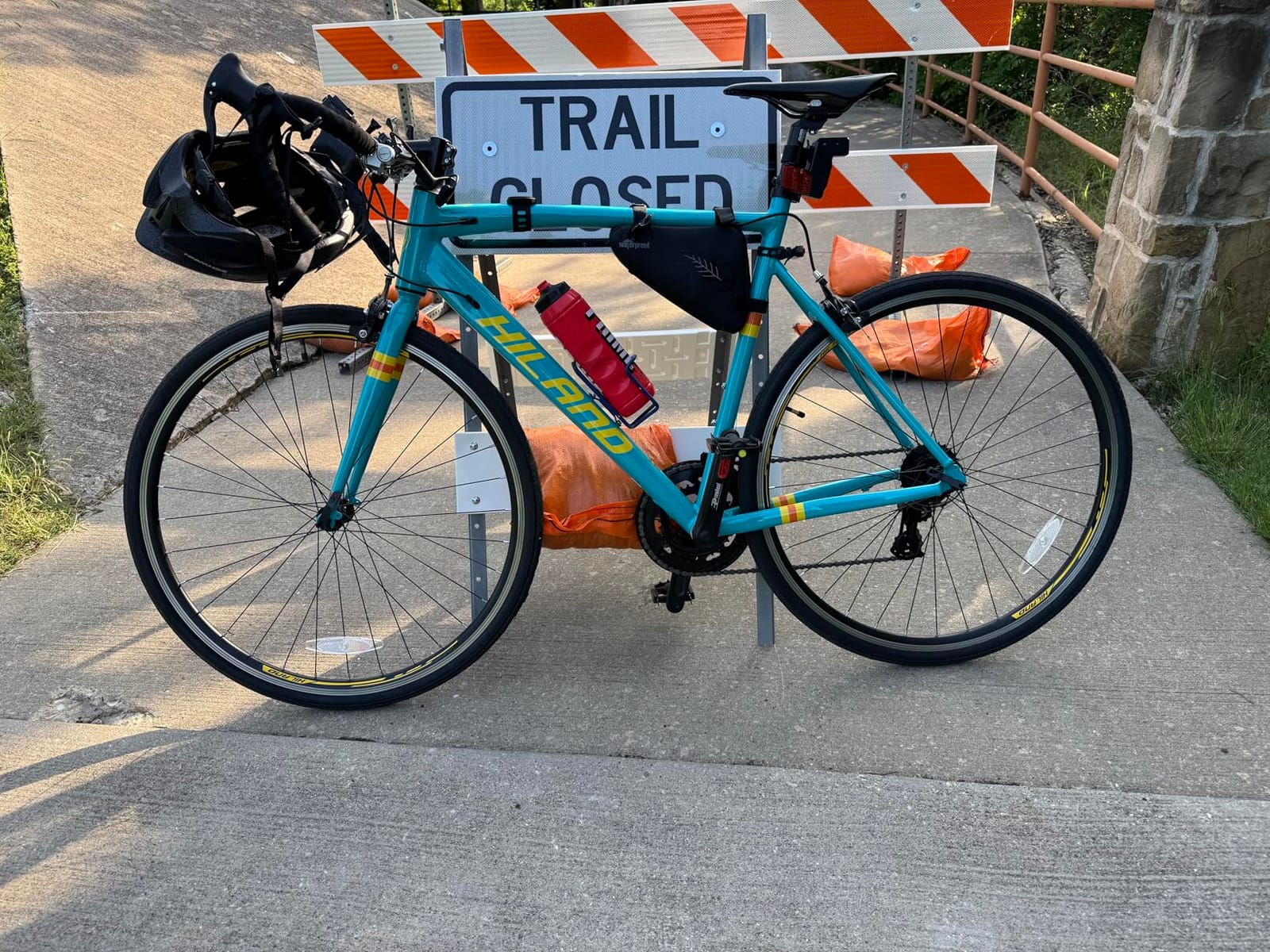
7. HILAND Daring 700C – Clean-Looking Alloy Bike for City Miles
HILAND 700C Road Bike for Adults, Racing Bicycle for Men Women, Black, L
Aluminium alloy frame
Internal cable routing
14-speed rear shifting
700C wheels
Pros
- Internal cable routing keeps the bike clean and light
- 700C wheels roll efficiently on city streets
- Caliper brakes with good modulation
- Arrives 90 percent assembled with tools
Cons
- Rear-only 14-speed limits the gear range
- Brake and gear adjustment needed before the first ride
The Daring shares the HILAND formula with the bike at the top of this list and adds the detail that makes it look more expensive: internal cable routing. No exposed cables means a cleaner front end and less to catch on a bus rack.
Owners describe an agile, lightweight entry road bike aimed at commuting and weekend miles, which is exactly how we would use it. The 700C wheelset is praised for rolling efficiency on city streets and open roads, and the caliper brakes for offering good stopping control.
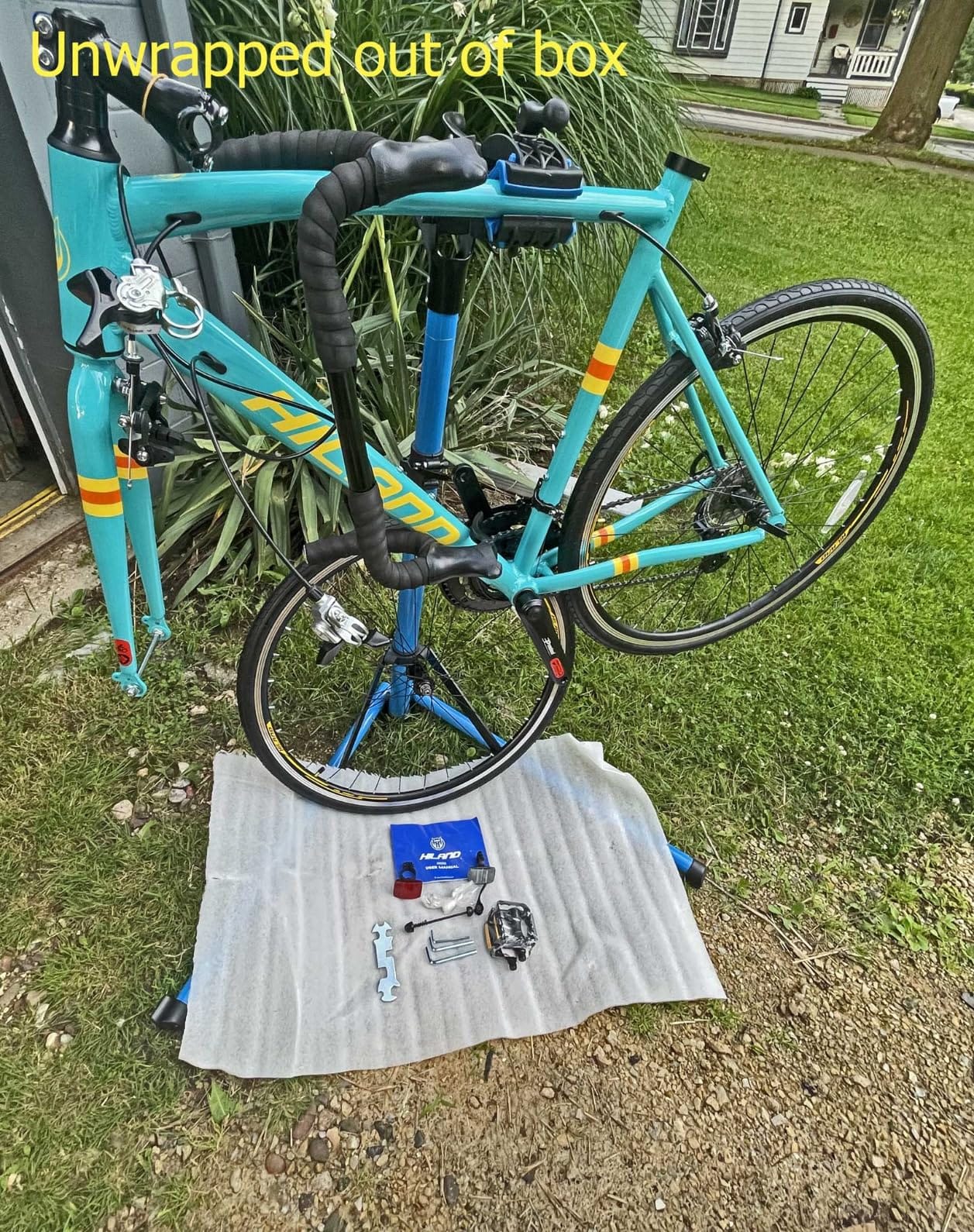
It arrives 90 percent assembled with free tools and pedals, which makes it the least fussy bike on this list to get running. That is a genuine advantage if you have never built a bike and you do not want to spend your first afternoon bleeding hydraulic lines.
Three frame sizes at 49cm, 53cm and 57cm cover riders from 5 foot 3 to 6 foot 4. The listed terrain is paved roads and urban terrain, and the drivetrain is rear only, so this is a bike built for flat, fast, predictable routes rather than for a hill-heavy programme.
Whether internal routing is worth choosing
The combination of a light alloy frame, a 700C wheelset and tidy internal routing gives it a quality feel that owners comment on at this price level. The 4.2 average comes with a 64 percent five-star share across 84 reviews.
Caliper brakes with modulation are described as good stopping control, which is more than several rim brake bikes in this roundup can claim, and the supplied drop bar and saddle are described as comfortable.
What a narrow gear range costs you on climbs
The rear-only 14-speed drivetrain is the real limitation. Compared with the 24-speed Claris bikes above, the gear range is narrower, and if you live somewhere with a serious climb between you and work, you will notice the difference on the way home.
Setup is still required before the first ride even at 90 percent assembly, and the owner record here is the thinnest of the HILAND bikes we have included. Check the brake adjustment and the indexing in a shop before you rely on it in traffic.
8. SAVADECK R08 Carbon Disc – Hydraulic Discs on a Carbon Frame
SAVADECK Carbon Disc Road Bike, Integrated Design Racing Bicycle Carbon Frame Carbon Fork with Shimano SORA R3000 Derailleur System 18 Speed Disc Brake Road Bike for Men or Women(Black,56cm)
Toray T800 frame and rims
9.6 kg
Shimano Sora R3000 18-speed
Hydraulic discs
Pros
- Ultra light carbon frame fork rims and seat post
- Frame flex gives real long ride comfort
- Strong hydraulic disc braking
- True wheels and consistent frame quality
Cons
- Supplied pedals and saddle are cheap
- Disc pads are soft and worth upgrading
- Front derailleur needs significant adjustment
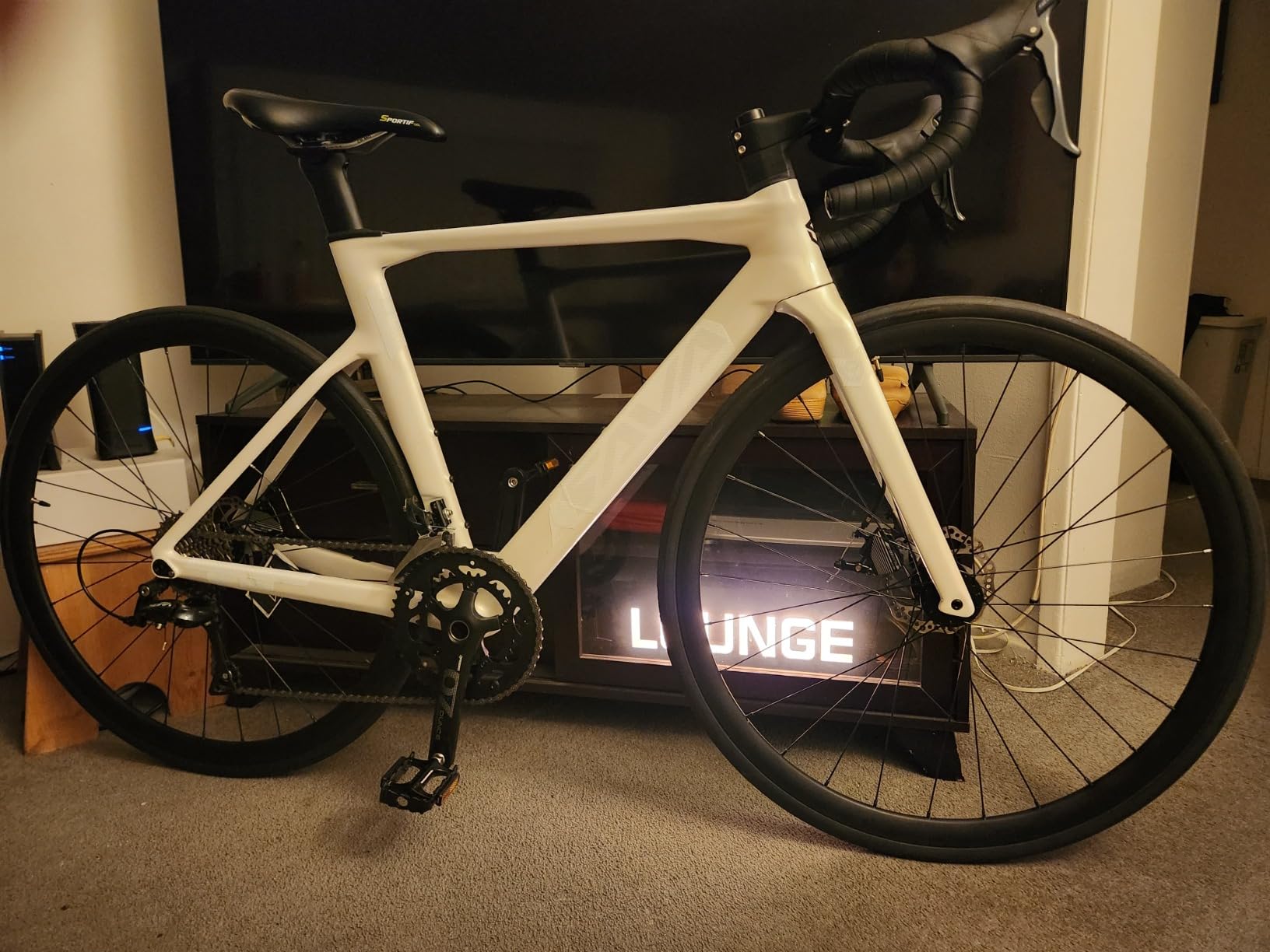
This is the bike the rest of the roundup is measured against. A Toray T800 carbon frame, fork, rims and seat post at 9.6 kg, Shimano Sora R3000 18-speed shifting and hydraulic disc brakes is a specification that would have been extraordinary in this category a few years ago.
Its 4.5 average is the highest in the roundup alongside the SAVADECK Windwar, and it has more owner reviews behind it, with 76 percent five-star ratings. Reviewers consistently call it the best value carbon road bike at this price. The praise centres on the frame flex, which reviewers describe as a noticeably comfortable ride over long distances, and on the braking power.
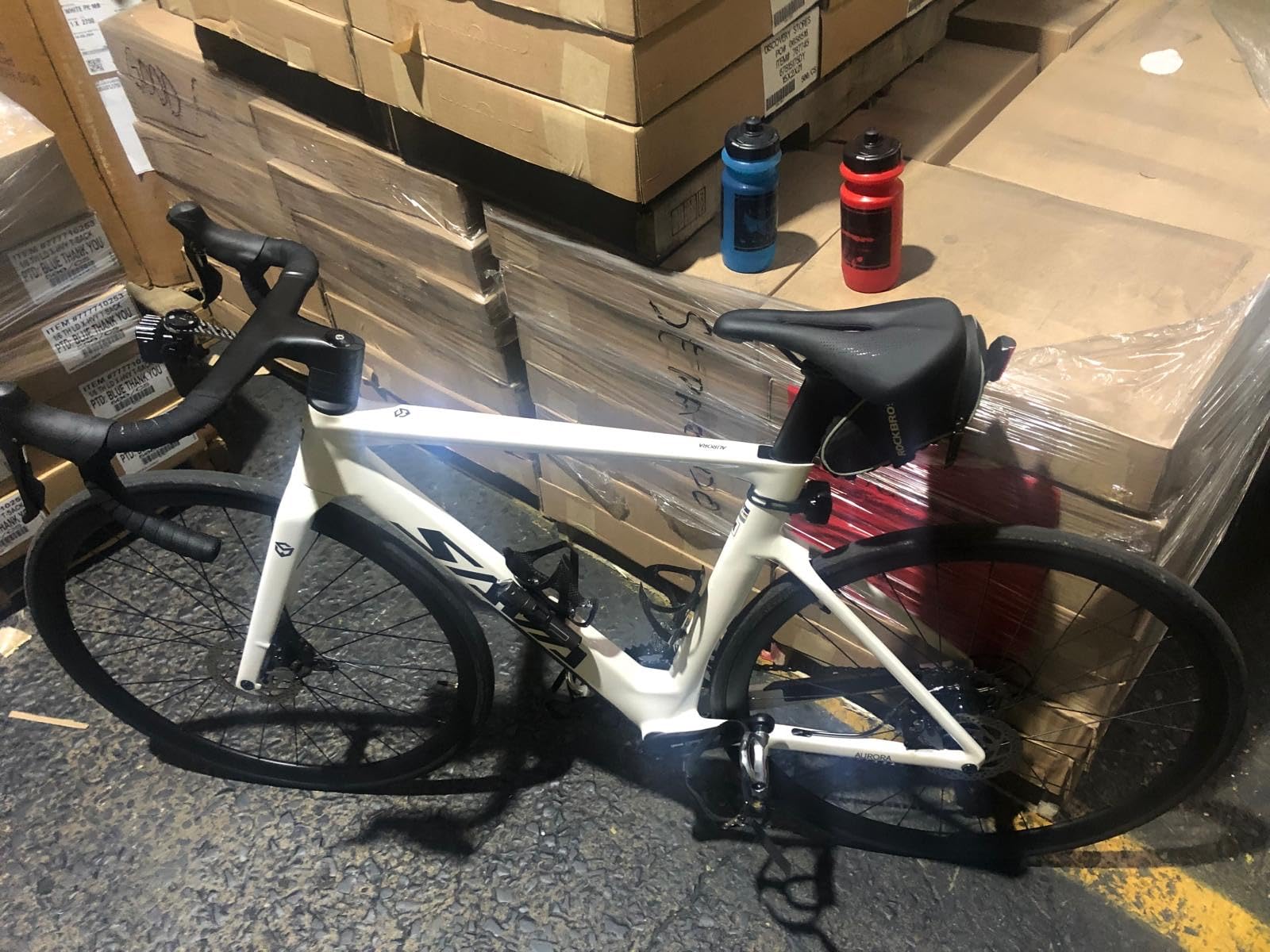
Four frame sizes at 47, 51, 54 and 56 centimetres give you a useful spread of options, and the listing confirms sizing with customers before they order, which owners mention as a genuinely helpful service. The wheels arrive true, and frame quality is reported as consistent across units.
It arrives nearly fully assembled with Continental 700x25C tyres fitted and includes free pedals, so the running-in cost is lower than on most bikes here. Fully internal cable routing and a tapered head tube finish the package, and the model is rated for beginner to intermediate riders.
Whether the 9.6 kg weight is worth it
Weight is the headline. At 9.6 kg for a complete carbon bike with hydraulic brakes, it is the bike you want if you ride hills, and reviewers single out the acceleration that comes with it as much as the climbing itself.
Hydraulic disc brakes are the other headline, and they are the only true hydraulics in this entire roundup. On a wet commute, in a hilly city, or with a heavy load, that is a real and daily difference rather than a specification-sheet nicety.
What you will still upgrade on a carbon bike
Three things get upgraded by almost every owner. The supplied pedals and saddle are cheap, and the included disc pads are soft, so budget for all three before you judge the bike. A set of better pads changes the feel of the brakes more than any other single purchase at this price.
The front derailleur needs significant adjustment and may not function perfectly even after it, and the assembly instructions can be incomplete. With 72 reviews the owner record here is among the thinnest in the roundup, so treat the pattern as promising rather than proven.
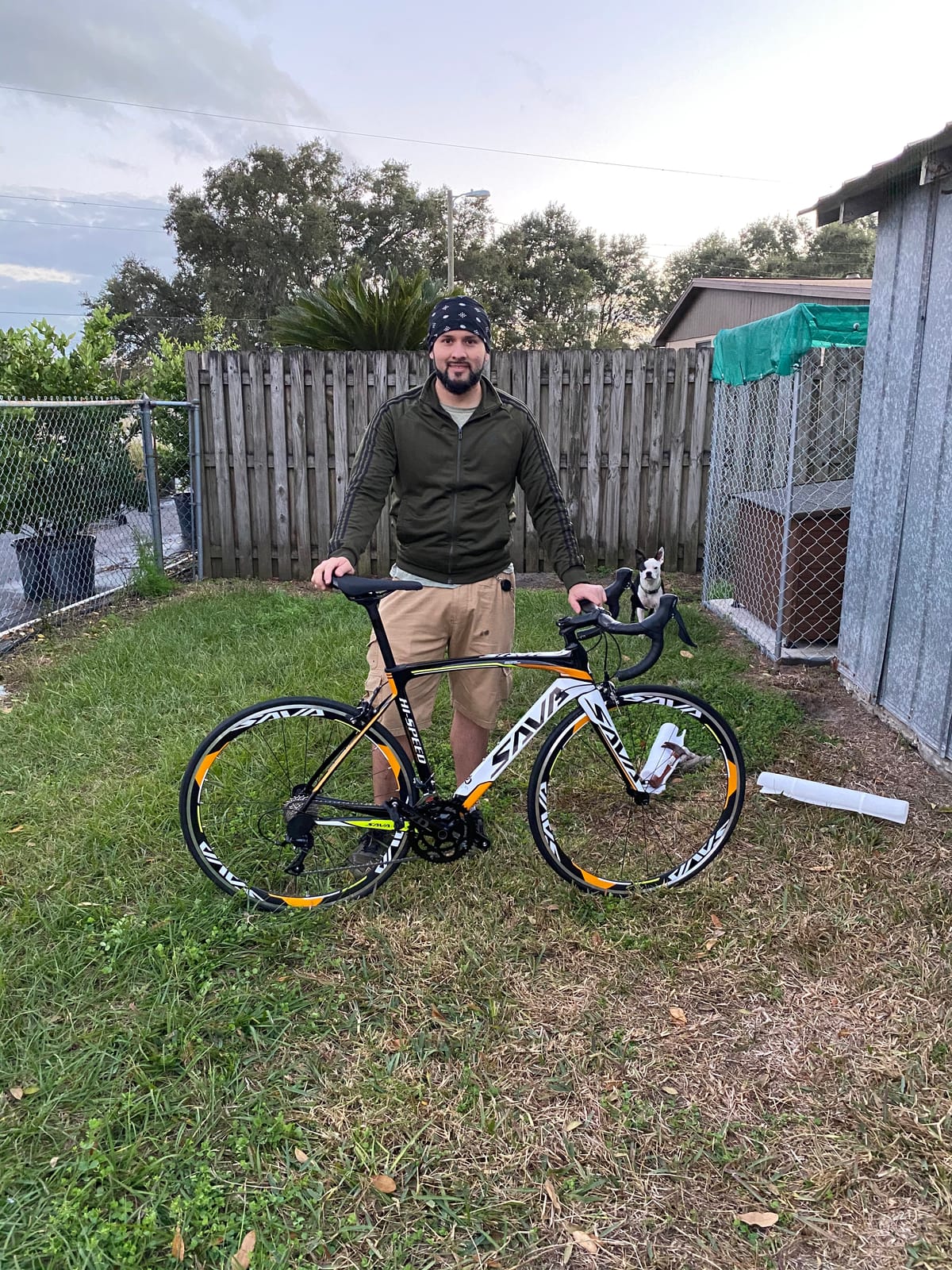
9. SAVADECK Windwar 3.0 – The Lightest Frame Here at 8.9 kg
SAVADECK Carbon Road Bike with Shimano SORA R3000 18 Speed Derailleur System,Racing Bicycle with Carbon Fiber Frame Carbon Fork and Double V Brake for Adult.(White 56cm)
T800 carbon frame and fork
8.9 kg
Shimano Sora 2x9 18-speed
Continental tyres
Pros
- Exceptionally light carbon frame and fork
- Precise Shimano Sora shifting
- Strong acceleration with attractive paint
- Continental tyres grip well when wet
Cons
- Thin supplied tyres are prone to punctures
- Seat post does not hold position reliably
- Bottom bracket creak under steep climbing
The Windwar 3.0 is the lightest complete bike in this roundup, at 19.6 pounds, and it gets there with a T800 carbon frame, fork and seat tube plus a Shimano Sora 2×9 18-speed drivetrain. There is not a cheaper bike here that carries its weight this well.
The 4.5 average comes with a 64 percent five-star share and, unusually, no one-star reviews at all. Owners describe it as a great beginner carbon bike that is light, fast and well finished, and the Continental Ultra Sport II tyres are praised for handling wet roads well.
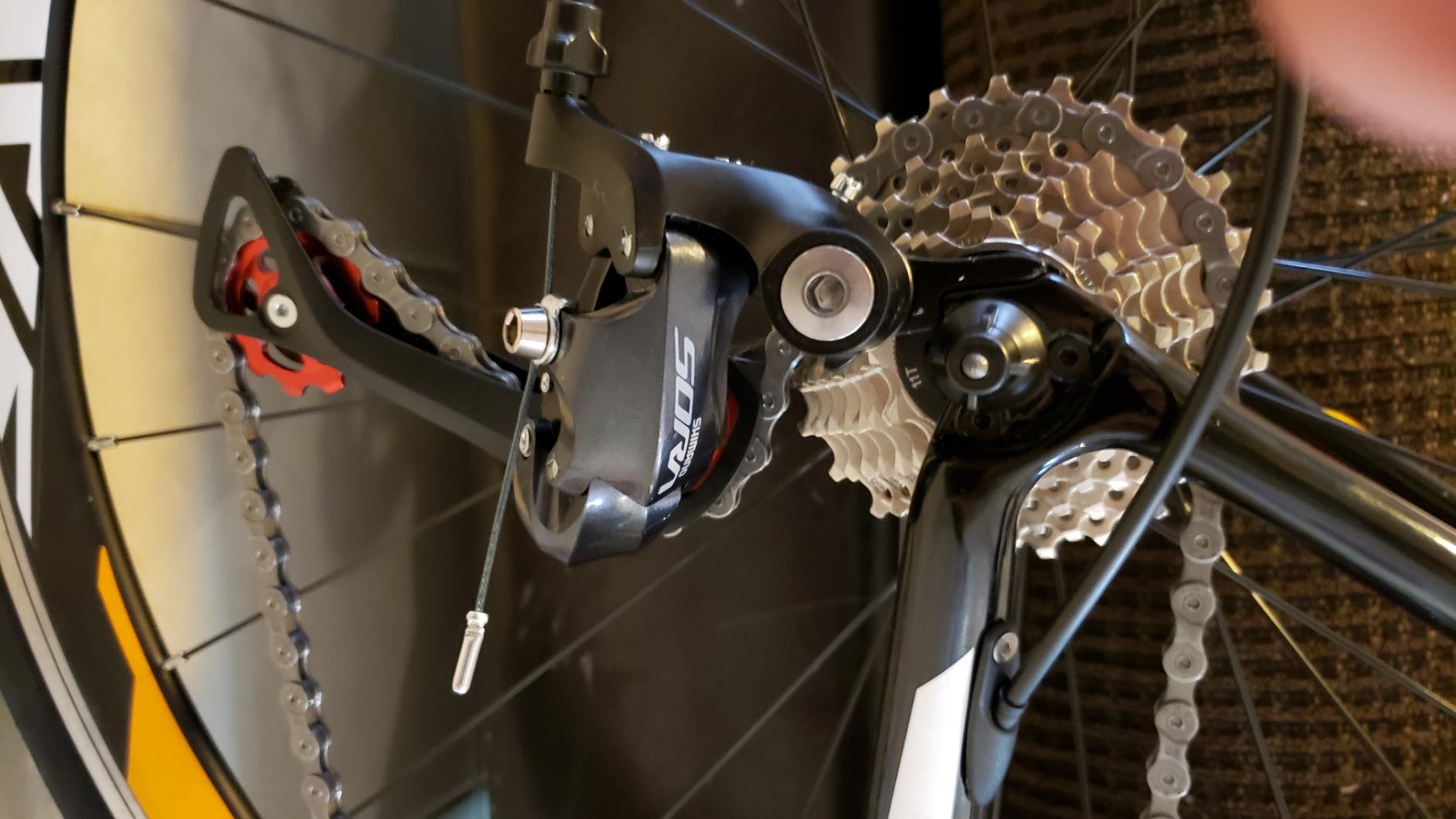
Assembly is the friendliest story on the list, with 90 percent pre-assembly and setup in about 15 minutes, plus free platform pedals and clear instructions. For a first bike sold direct, that matters more than any of the numbers on the spec sheet.
Brakes here are V-brake rim brakes rather than discs, which is the honest trade you make at this weight. In dry conditions they are more than adequate and they need no bleeding, but they are noisier and less consistent in heavy rain than the hydraulics on the R08 above.
Whether the frame size and geometry suit you
Three sizes are offered at 47, 54 and 56 centimetres, and owners mention cutting the seat post to fit very short riders, which is a fixable issue rather than a reason to walk away. Just confirm your inseam with the seller before you order.
The frame itself is described as wind tunnel developed with contoured stays and full internal cable routing, and the result is a bike that accelerates hard and holds speed on the flat. The Oval Concepts 6061 alloy wheelset with 40mm bearings is a sensible choice too.
What to replace before the first long ride
The recurring practical note from owners is the tyres. The supplied 700x25C tyres and rim liners are thin and prone to punctures, and the standard advice after repeated flats is to replace them, which you should budget for in the first few months regardless.
Two build details put some riders off. The seat post does not hold position reliably, which needs a paste or a clamp check, and there is a creak at the bottom bracket under steep climbing. Neither is serious, but both are worth knowing before a long hill ride.
10. Pipleo 80136 – The Practical Commuter Pick
Pipleo Road Bike, 700C City Commuter Bicycle, 21 Speeds Shimano Drivetrain Sport Racing Bike, Light Weight Aluminum Frame, Urban Street Bike for Men Women Adult Bicycle (White, Frame Size 53CM)
Shimano 21-speed group
Dual disc brakes
700x28C tyres
95 percent pre-built
Pros
- Dual disc brakes that work well once set up
- Usable gearing from a Shimano drivetrain
- 95 percent pre-built so setup is about 40 minutes
- Tool-free adjustable foam saddle
Cons
- Separate brake and gear levers are less convenient
- Plastic shifter housings feel fragile
- One frame size runs small for a 6 foot 1 rider
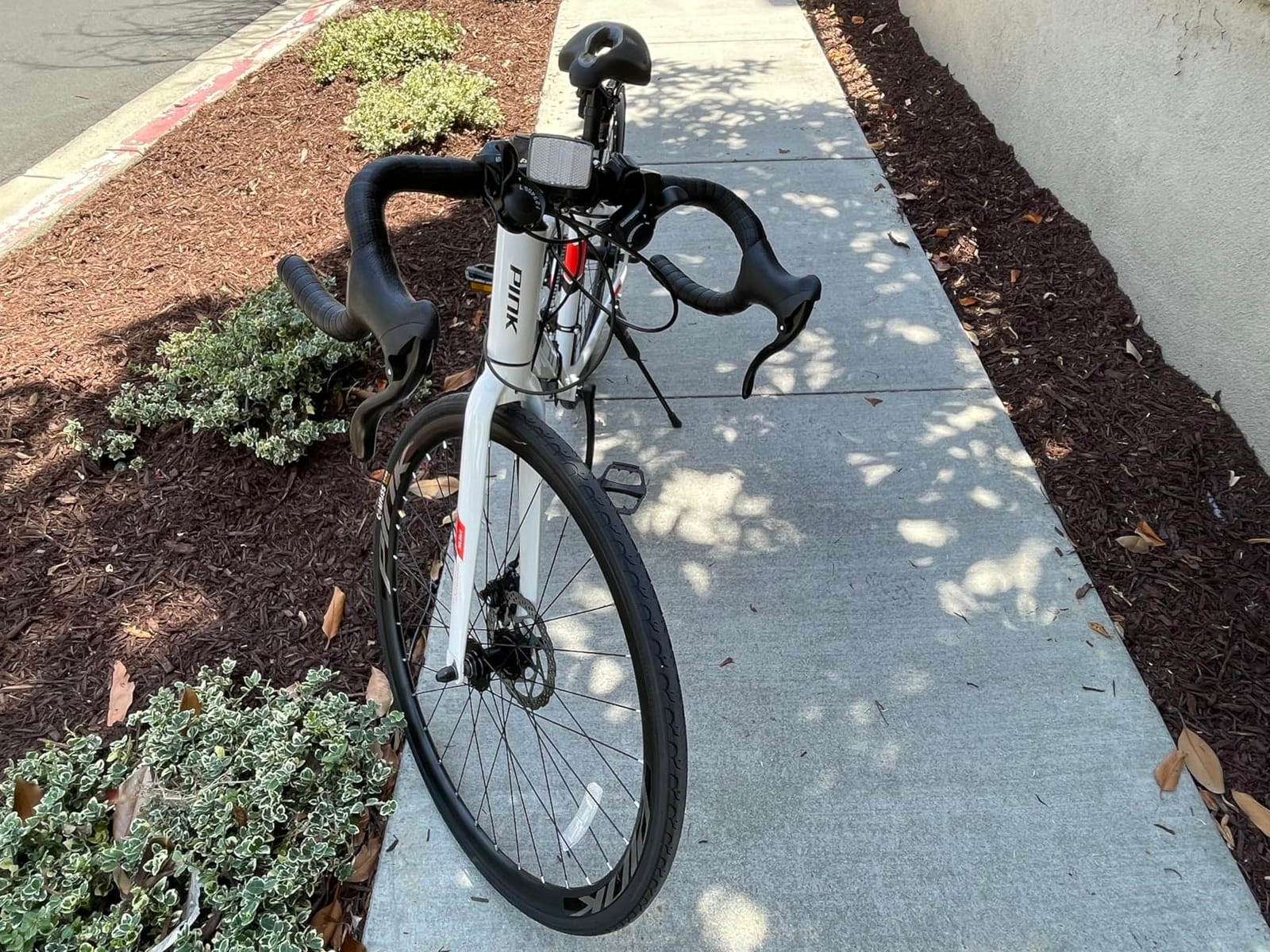
The Pipleo is the bike to buy if the road bike is going to be transport first and recreation second. It ranks first in Road Bikes, it has dual disc brakes, a genuine 21-speed Shimano drivetrain and 700x28C tyres on double-wall rims, which is commuter kit rather than race kit.
Owners generally call it a solid first bike that assembles easily and rides smoothly on pavement. The dual disc brakes are reported as working well once they are set up, and the Shimano gearing is described as usable at the price, which is about as much as you should expect from this tier.
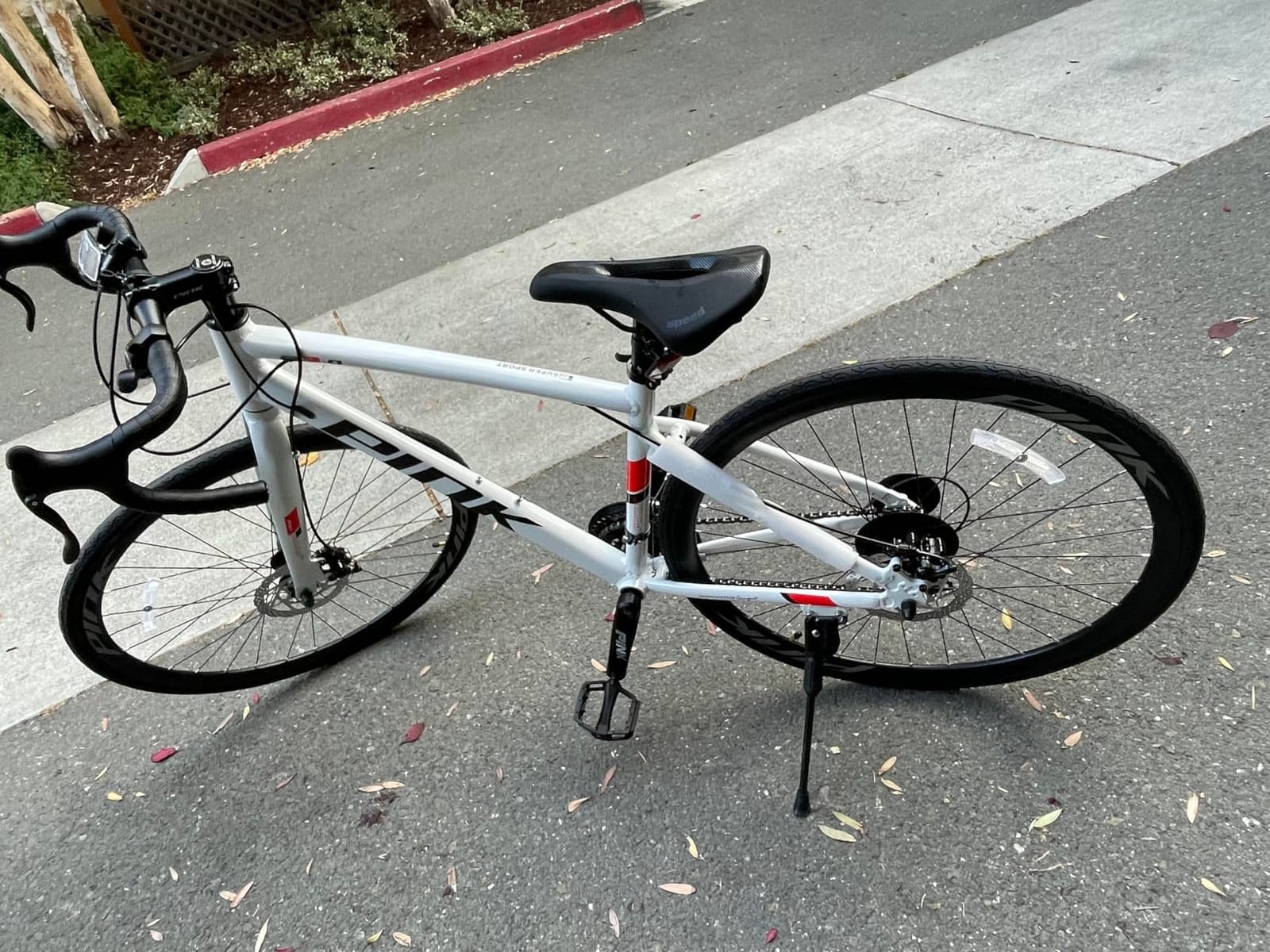
It arrives 95 percent pre-built, so setup takes about 40 minutes, and a kickstand is included. The high-density foam saddle adjusts without tools, full internal cable routing keeps the frame clean, and the delivery is reported as smooth and well packed.
Two frame sizes at 49cm and 53cm cover riders from 5 foot 4 to 6 foot 1. That is a narrower band than several bikes in the roundup, and the critical reviews make clear that the size chart overpromises, with the larger frame running small even for a tall rider whose knees contact the bars.
What the commuter hardware actually adds
Value is the whole story, and the 4.0 average with a 60 percent five-star share reflects that. You are getting discs, a Shimano drivetrain and a decent saddle for very little money, and the ride on pavement is described as smooth.
The armour in the 700x28C tyres and the double-wall rims are commuter details rather than race details, and they are exactly what you want if the bike lives in a hallway and faces rain every Tuesday.
What the size chart and lever layout get wrong
Brake and gear levers are separate rather than integrated, so you shift with one hand off the bar, which is slower and less safe in traffic than the integrated levers on the Tommaso bikes. The plastic shifter and lever housings are also described as feeling fragile.
The tyres lose air quickly and grip poorly on loose gravel, the kickstand is difficult to deploy, and the size chart overpromises. Measure your inseam and check the frame size with the seller rather than trusting the range on the listing.
11. Outroad 14-Speed Road Bike – The Most Forgiving Geometry Here
Outroad Road Bike 14 Speed 700C Wheel with Light Aluminum Alloy Frame Commuter Bicycle with Dual Disc/V Brakes for Men, Women and Adult Racing Bike, 14 Speed-White
Aluminium alloy frame
14-speed shifting
Dual disc and V brakes
Relaxed geometry
Pros
- Light alloy frame that tolerates rough roads
- Adjustable handlebar and seat post
- Relaxed geometry with a shallow bar drop
- Tools and a bottle holder included
Cons
- No manufacturer warranty is provided
- Basic components limit long-term durability
The Outroad is the bike for a rider who is nervous about dropping into a low position. Its relaxed frame geometry and shallow handlebar drop are the design brief, and owners single out the comfortable, adjustable setup and the fact that the shallow drop works in the lower position.
It also has the simplest spec sheet in the roundup: an aluminium alloy frame, 700C road wheels with 14-speed shifting, and a dual disc and V brake setup. The light alloy frame is described as tolerating rough road surfaces, which is a real advantage if your local lanes are not smooth.
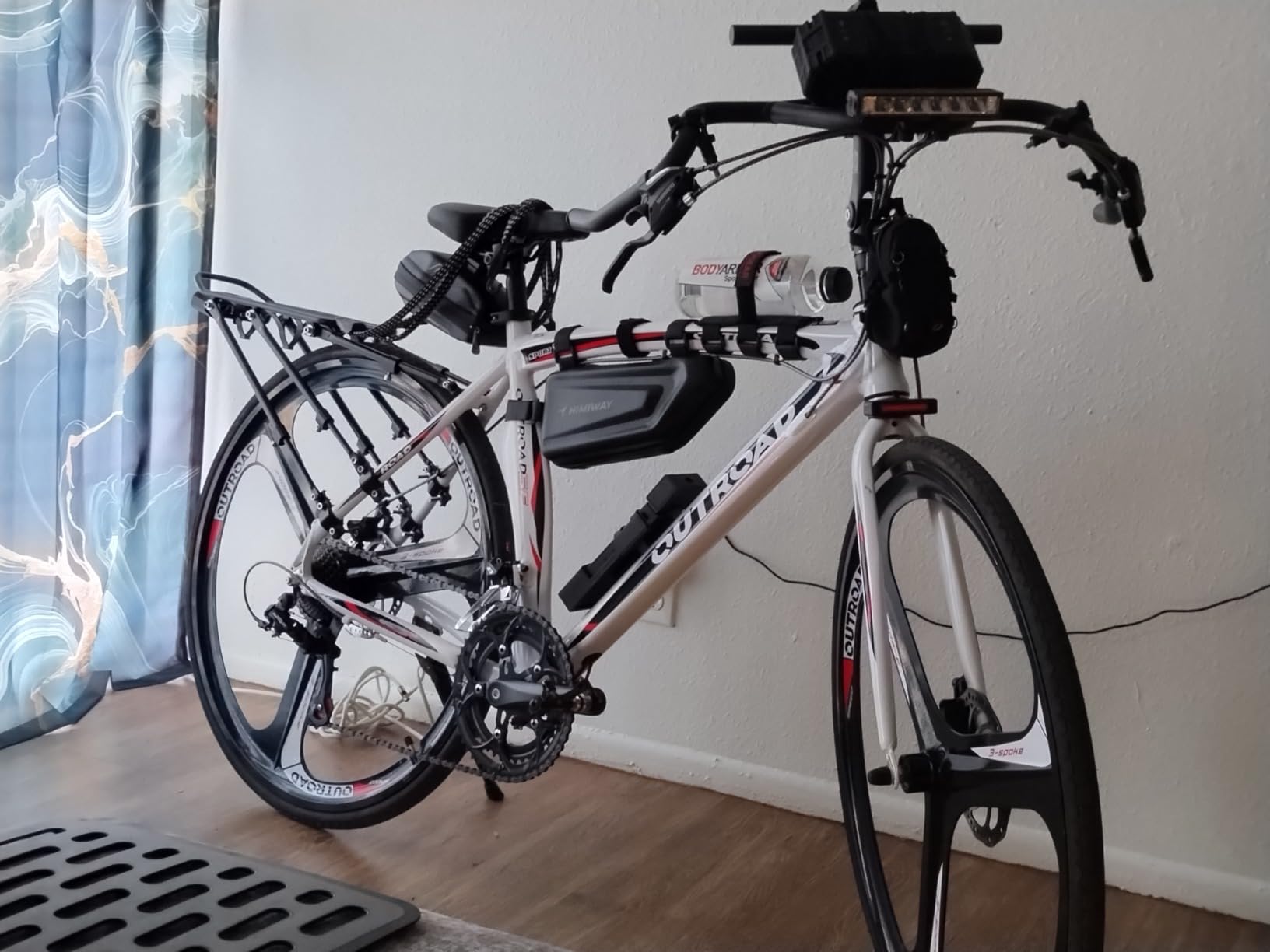
Both the handlebar and the seat post are adjustable, which lets you dial the position in as your flexibility improves over the first few months. Tools for assembly are included, along with a bottle holder, and recommended rider height runs from 5 foot 3 to 6 foot at up to 300 pounds.
The catch is the warranty. There is no manufacturer warranty provided, which makes this the only bike in the roundup you buy with no recourse if something fails, and that is a genuine risk on a bike with basic components throughout.
How the relaxed geometry compares
Comfort and adjustability are what buyers talk about, and both are real design features rather than marketing. The handlebar and seat post adjustability means a rider who starts cautious can end up in a lower position over the course of a season, which is how a new rider should approach position.
Owners also report quick fingertip gear selection across varied terrain, which is the sort of practical detail that matters more on a commute than a spec number does.
What no warranty means for the outlay
No warranty is the deal breaker for anybody planning to keep the bike for years. With no manufacturer cover and basic components, a failure becomes entirely your cost, and the review base here is among the thinnest in the roundup at 30 reviews.
Basic component quality is the other limit. There is no groupset brand to speak of, so shifting precision and brake feel are both a step below the Claris bikes above, and you should expect to replace consumables sooner than you would on a named drivetrain.
12. Max4out 700C Commuter – Dual Discs and Magnesium Three-Spoke Wheels
Max4out 700C Wheel Road Commuter Bike, 14 Speed Shifter, Dual Disc Brakes Racing Bicycle with Light Aluminum Alloy Frame for Adult Men and Women,Black
Aluminium alloy frame
Dual disc brakes
14-speed shifting
Magnesium three-spoke rims
Pros
- Dual disc brakes deliver strong all-weather stopping
- Multiple hand positions on the drop bar
- Three-spoke magnesium rims roll over potholes
- Arrives 85 percent assembled with a toolkit
Cons
- Heavier than expected for the class
- Bike goes out of alignment quickly and is hard to level
- Supplied saddle is uncomfortable
The Max4out rounds off the list with the most straightforward argument for dual disc brakes at a very low outlay. Owners describe strong stopping power in all weather, which is the thing you notice on a wet November ride more than any other spec on this page.
The three-spoke 700C magnesium alloy rims are an unusual choice and owners like them, reporting that they roll efficiently over potholes. Fewer spokes also means fewer things to true and service, which is a genuine advantage for a bike stored on a street.
The drop handlebar gives multiple grip positions, and owners report this reduces fatigue on longer rides. It arrives 85 percent assembled with a professional-grade toolkit, and the delivery is described as quick and well packaged.
Fit guidance is 5 foot 3 to 6 foot at up to 220 pounds, and the drivetrain is rear only at 14 speeds with a cassette. That is a narrower gear range than the 21 and 24 speed bikes here, and it is the single most important thing to think about if you ride hills.
Whether the magnesium rims suit your riding
Owners like the appearance, the value and the simple assembly, and the 4.2 average across 21 reviews with a 62 percent five-star share is a good return for what it is. Strong braking in bad weather is the feature most often mentioned in positive reviews.
For a short urban commute on decent roads, it does the job without asking you to learn about component tiers, and the toolkit in the box means the setup is not a barrier.
What to check before you ride it far
Two mechanical complaints recur. Owners report the bike is heavier than expected for the class, and that the bike goes out of alignment quickly and is hard to level, which points at the handlebar and wheel installation rather than anything you did wrong.
The supplied saddle is also described as uncomfortable and worth replacing. With only 21 reviews the picture is less settled than for the higher volume bikes here, so treat this one as a short trip bike rather than something to build a season around.
How to Choose a Road Bike Under 1,500?
Buy the frame and the fit first, the components second. At this budget the difference between a well-built aluminium frame and a poorly built one is worth more than the difference between two Shimano tiers, and a bike that fits you properly will always be faster and more comfortable than a better bike that does not.
Aluminium beats carbon when the budget is tight
Aluminium is the right answer for most buyers at this price, and the roundup proves it. Alloy frames are cheaper to make well, they take a hit and straighten again, and the repair and resale market for them is far healthier than for entry carbon.
A carbon fork is the smart compromise, and two bikes here pair one with an alloy frame. Carbon is light, it absorbs chatter from bad surfaces, and it is the part of the bike that carries the steering loads, so putting your money there buys the most visible improvement per unit spent.
Groupset tiers: what 14-speed, Claris, Sora and Tiagra actually give you
A groupset is just the named set of shifting and braking parts, and at this price it decides how the bike feels every single day. The chainrings, cassette, derailleurs, shifters and chain all need to be the same speed count, which is why a full named groupset beats a mismatched one even when the price gap looks odd.
Fourteen and eighteen speed drivetrains with unbranded or mixed components are cheaper and simpler, and the single ring version has the least to go wrong. Three by eight Shimano Claris with 24 gears is the first tier that gives you a genuine brand across the whole drivetrain plus a low gear for hills, and it appears on two bikes here.
Shimano Sora appears on the two SAVADECK bikes, at 18 speeds, and is a step up in finish and reliability. Shimano Tiagra at 2×10 with 24 gears is the top of the list and the most complete drivetrain here, with a 50 by 34 compact crank and an 11 by 32 cassette that gives real climbing range. You will not find 105 at this price, and that is fine.
Brakes: caliper, V-brake, mechanical disc and hydraulic
Four brake types appear in this roundup and they are not equivalent. Rim brakes, whether the single pivot caliper on the HILAND and Schwinn or the V-brake on the Outroad, are cheap, light, silent and easy to service, and they are the least consistent in heavy rain.
Cable actuated disc brakes, on the EUROBIKE, Pipleo, Outroad and Max4out, give far more braking power than any rim brake and much of the confidence in bad weather. Mechanical disc brake feel is the number one complaint in owner reviews across this whole price band, and the usual fix is pads, cables and a bleed, not a change of bike.
True hydraulics appear on exactly one bike here, the SAVADECK R08. If you ride in rain, carry loads or live on a hill, hydraulic discs are the reason that bike is worth the money, and the soft pads it arrives with are the first thing to replace.
Tyre width decides comfort more than the frame material does
Tyre width is the cheapest comfort upgrade on any of these bikes. Most arrive with 25 or 28 millimetre tyres, which is fine for short flat rides, and running them at 30 or 32 millimetres where the frame and rims allow gives noticeably less harshness on poor tarmac for very little money.
Wider tyres need rim brake compatibility and adequate clearance, which is one reason the rim brake bikes here are less flexible. If you plan to ride year round, check the maximum tyre size before you buy, not after.
What to budget beyond the bike in your first year
The bike is roughly half of what a new road cyclist actually spends in year one. Add a helmet, road shoes, clipless pedals, a jersey and shorts, bottles, a pump, a multi-tool, a floor pump and at least one shop tune, and the running-in total is comfortably comparable to the bike itself.
A helmet is non-negotiable and we keep a separate guide to the best road bike helmets tested for that. Budget for a professional assembly or tune on day one too, because almost every bike here needs brake and indexing adjustments before it is road safe.
What to upgrade first, in priority order
First, tyres. Better tyres in a sensible width transform how a cheap bike feels more than any other single purchase, and they fix the puncture problems owners report on the Monza and the Windwar.
Second, the saddle. The supplied saddle is the most universally criticised part across this roundup, on the Imola, the Monza, the Max4out and the HILAND, and comfort is personal rather than universal, so try before you commit.
Third, the brake consumables. Pads, cables and a clean rotor improve brake feel more than most riders expect, and on the SAVADECK they are the difference between soft and sharp. Fourth, the pedals, which are cheap and change how the bike feels under you. Leave the groupset alone until something is actually worn out.
Sizing: Match the Frame to Your Height and Inseam
Measure your inseam before you fall for a frame. Stand against a wall in your riding shoes, book a ruler between the floor and your crotch, and write the number down. Divide that measurement by your height in centimetres and you have a rough guide: a ratio around 0.44 usually points to a small or medium frame, and 0.46 or above usually points to a large.
These are guidelines, not orders, because stack and reach differ between brands even at the same nominal size. Where a bike lists rider heights, use them. The HILAND Alliance runs from 5 foot 3 to 6 foot 4 across three sizes, the Tommaso Forcella covers 4 foot 10 to 6 foot 5 across five, and the Pipleo covers 5 foot 4 to 6 foot 1 across two.
If you fall between two sizes, take the smaller one and adjust the saddle height, because you can always raise a saddle post. You cannot shorten a top tube. Riders who buy one size too long end up with a stretched back and numb hands, which is the single most common regret in first road bike forums.
Used or New at This Budget?
At this price, a good used aluminium road bike is a serious contender and the forums say so consistently. Advice threads on cycling communities regularly point first-time buyers toward a quality used alloy road bike as the best value at this budget, because a two or three year old alloy frame is still a good frame and the money saved goes on the kit you will actually enjoy.
New gets you a warranty, known service history and a drivetrain that has not been worn to the point where it skips. At these prices the cheapest bikes carry only a one year warranty, or none at all, so that advantage is smaller than it would be at four thousand dollars.
Look for frame cracks near the bottom bracket and the head tube, and check that the wheels run true with no wobble. Check the chain for stretch and look at the cassette teeth for hooked wear. Test every gear index, because a stretched cable and a worn cable are the cheapest repairs and the most common problems. Check the brake pads and the rotor wear. And check the serial number against a recall before you pay.
Do not skip a test ride. Ride the bike for ten minutes including a hill, and if the seller will not let you take it out, assume the brakes and the drivetrain both need work and price it accordingly.
Frequently Asked Questions
What are some good road bikes under 1500?
The strongest all-rounders at this ceiling are the Tommaso Monza with a full Shimano Tiagra 2×10 groupset and carbon fork, the Tommaso Forcella with a carbon fork and 3×8 Shimano Claris, and the HILAND Alliance as the simplest proven alloy road bike. The best value carbon option is the SAVADECK R08, which is also the only bike here with hydraulic disc brakes. The best commuter is the Pipleo 80136 with dual discs and a 21-speed Shimano drivetrain.
Should I buy a 14-speed or an 18-speed road bike at this budget?
Buy the 14-speed if you want the fewest parts to go wrong, and buy the 18-speed or 24-speed if you ride hills. A single-ring 14-speed has no front derailleur to adjust, which is why the HILAND bikes are simple to live with. A 3×8 Shimano Claris at 24 gears gives you a real low gear for climbing, and the Shimano Sora 2×9 on the SAVADECK bikes sits in between. The deciding factor is not speed count but whether the whole drivetrain is one named brand.
What size road bike frame do I need for my height?
Use the rider height ranges each manufacturer lists and measure your inseam before ordering. In this roundup the Tommaso Forcella covers the widest span at 4 foot 10 to 6 foot 5, while the Pipleo covers 5 foot 4 to 6 foot 1 and the Outroad covers 5 foot 3 to 6 foot 0. If you sit between two sizes, take the smaller frame and raise the saddle, because top tube length cannot be shortened later.
Is it better to buy a new or a used road bike at this budget?
New is better if you want known service history and a warranty, though the cheapest bikes here carry only one year of cover and one carries none. A good used aluminium road bike is a strong alternative, and cycling forum threads regularly recommend one as the best value at this budget. Check for frame cracks, true wheels, chain stretch, gear indexing and brake pad wear before you pay, and always take a test ride that includes a hill.
What should I upgrade first on a budget road bike?
Upgrade the tyres first, because a better tyre in a sensible width changes the ride more than any other single purchase and fixes the puncture problems owners report. The saddle comes second, and it is the most widely criticised component on the Tommaso Imola, the Tommaso Monza, the HILAND Alliance and the Max4out. Brake pads and cables are third, then pedals. Leave the groupset alone until it is actually worn out.
Is a road bike in this price band worth it?
Yes, for anybody moving from a hybrid or a mountain bike. A road bike at this ceiling gives you drop bars, 700c wheels and a lighter frame, which is the difference between a bike you ride in good weather and one you ride year round. What you do not get at this price is an electronic groupset, tubeless-ready wheels or a frame light enough to race competitively. Add a helmet, shoes, pedals and a shop tune to the budget and the total first-year cost is roughly double the bike.
The Verdict: Where to Start
If you want one answer to the best road bikes under 1,500 question, start with the HILAND Alliance. It has the deepest owner record in the roundup, the simplest drivetrain to live with, sizing that covers almost everyone, and a ride that is far better than the price suggests once a shop has adjusted the brakes.
If your legs are ahead of your wallet, buy the SAVADECK R08 instead. It is one of the two lightest bikes here, the only one with hydraulic disc brakes, and at 9.6 kg it climbs like a bike costing far more. Buy the Tommaso Monza if you ride hills and want a full Shimano Tiagra drivetrain to grow into, and buy the Pipleo 80136 if the bike is a weekday commuter first.
Whatever you pick, book the fit, budget for the tune and the helmet, and do not buy a frame that is too long. The 2026 road bike market at this price is full of good machines, and the wrong size or the wrong position will undo every one of them.