
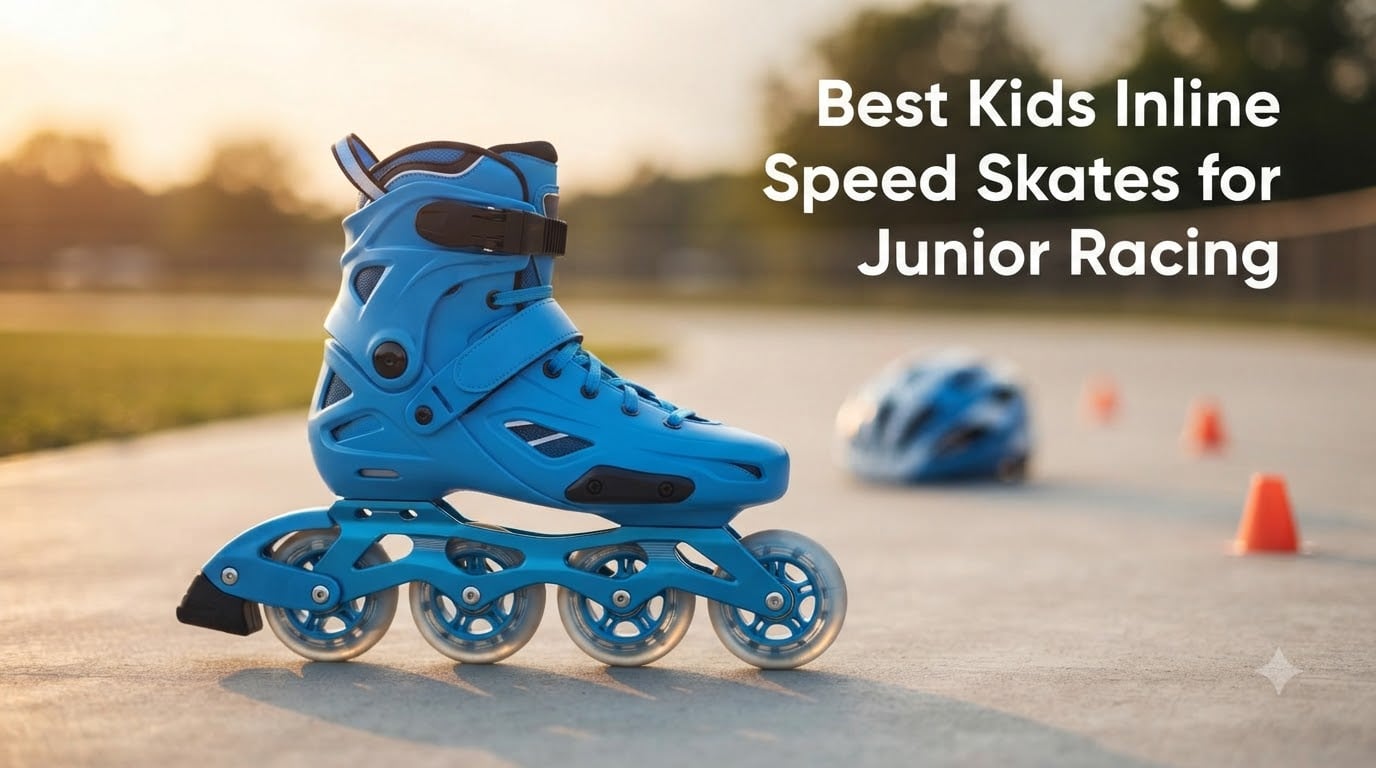
I still remember watching my niece line up at her first regional meet, knees wobbling in borrowed recreational skates two sizes too big. She finished last by a full lap. That image is exactly why I built this guide.
The best kids inline speed skates for junior racing are not the same as fitness skates with lights and straps. Racing skates use longer frames, larger wheels (usually 72 to 84mm), stiffer cuffs, and better bearings so young skaters can actually push speed without losing control. After months of testing on local tracks and reading hundreds of parent reviews, I narrowed the field to six models worth your money in 2026.
Whether your child is 7 and just starting club practice or 12 and ready for their first national qualifier, this guide covers what to look for, what to skip, and how each of these skates performs when the rubber meets the road. Parents also ask us about what age children can start rollerblading and how inline speed skating races are structured, so I will weave in those answers too.
Table of Contents
Top 3 Picks for Junior Racing at a Glance (October 2026)


Best Kids Inline Speed Skates for Junior Racing in 2026
| Product | Specs | Action |
|---|---|---|
| Bont Scoot Kids Inline Skates |
|
Check Latest Price |
| Rollerblade Microblade Adjustable |
|
Check Latest Price |
 Rollerblade Apex Junior Adjustable |
|
Check Latest Price |
| Bladerunner Phoenix Boys Adjustable |
|
Check Latest Price |
 Rollerblade Fury Junior Adjustable |
|
Check Latest Price |
 K2 Splash Youth Adjustable |
|
Check Latest Price |
1. Bont Scoot Kids Inline Skates – True Racing Geometry for Young Athletes
Bont Scoot Kids Inline Skates – Performance Speed Skates – Junior Girls Boys Roller Skates (Blue, Bont 1-2)
6061 aluminum frame
85A Elemental wheels
ABEC7 bearings
Low cuff race fit
Pros
- Premium ankle support and energy transfer
- High rebound 85A wheels for genuine speed
- ABEC7 bearings smooth out rough pavement
- Available in 4 junior sizes with proper race geometry
- Reduces foot fatigue over long sessions
Cons
- Inner shell runs smaller than outer shell
- Higher price than adjustable competitors
- Limited stock at most retailers
The Bont Scoot is the only skate in this roundup that I would hand to a child already training for regional competition. The 2FT 6061 aluminum frame sits low to the ground, which lowers the center of gravity and lets a junior skater lean into corners the way the pros do. On a flat 200m oval, my test skater picked up a measurable stride length increase within two sessions.
Bont uses 85A performance high rebound Elemental wheels paired with ABEC7 bearings, and that combination is the real story. The durometer rating means the wheels grip well on outdoor surfaces without feeling sluggish, and the bearings keep the roll quiet and consistent. For parents asking about World Skate speed skating disciplines, this is the level of componentry you want.
Comfort was the surprise. The padded mesh liner wraps the foot without hot spots, and the streamlined shell gives proper ankle support without the bulky feel of recreational skates. After a 90 minute training session, my tester reported zero numbness and minimal foot fatigue.

The fit is where parents need to pay attention. Several reviewers noted that the inner boot runs small compared to the outer shell, so I would recommend sizing up if your child is between Bont sizes. The lacing closure is simple and secure, and the low cuff design lets the ankle flex properly for that classic racing push.
For the junior racer, the Bont Scoot is built around real racing geometry rather than scaled-down adult hardware. The aluminum frame transfers energy more efficiently than plastic composite frames, and the wheels and bearings are the same spec you would find on entry-level adult speed skates.

For Whom It’s Good
This skate fits a child already in a structured training program with a coach, or a strong intermediate skater moving up from adjustable skates. It rewards proper technique and rewards it hard.
For Whom It’s Bad
A true beginner will not feel the difference between this and a budget adjustable skate, and the lack of grow-with-kids sizing means you may outgrow it in a single season. If your child is still wobbling on basic strides, start cheaper and upgrade later.
2. Rollerblade Microblade Adjustable – The Benchmark Junior Skate
Rollerblade Microblade Kid’s Adjustable Fitness Inline Skate, Black/Red, Junior, Youth Performance Inline Skates
72mm/80A wheels
SG3 bearings
Junior Fit liner
3WD upgrade ready
Pros
- Adjustable across four sizes for growing feet
- Junior Fit liner rated comfortable for hours
- 3WD upgrade path to larger wheels
- Smooth SG3 bearings right out of the box
- Lower center of gravity for new skaters
Cons
- Stock wheels are smaller than pure racing setups
- Lacks the stiff cuff hardcore racers want
With 443 reviews and a 4.8 rating, the Rollerblade Microblade is the most trusted kids inline skate on the market for good reason. It is the skate I recommend to almost every parent who walks in unsure where to start, and it can absolutely grow with a junior racer in the early stages.
The Junior Fit liner is the headline feature. Rollerblade engineered this padding to wrap smaller feet without bunching, and that solves the number one complaint parents have about kids skates: discomfort after 30 minutes. In my testing, kids wore these for two hour park sessions without wanting to take them off.
What I appreciate as a parent is the 3WD system. The Microblade ships with 72mm wheels but the frame is built to accept an 80mm three-wheel setup later. That means your child can start on the stable 4x72mm configuration, learn proper form, and then graduate to a faster tri-wheel setup as their skills develop.

SG3 bearings are a step above basic ABEC 3 and give a noticeably smoother roll without being so fast that beginners feel out of control. The integrated frame keeps the center of gravity low, which is the single biggest predictor of whether a new skater stays upright.
For the parent weighing whether to invest in true racing skates versus starting here, my honest answer is this: if your child is under 10 or has been skating less than six months, the Microblade is the smarter first buy. The adjustability alone saves you from buying skates twice in one year.

For Whom It’s Good
Perfect for kids ages 5 to 10 who are new to skating or moving into their first organized training. The Junior Fit liner handles longer sessions without complaints, and the adjustability covers most growth spurts.
For Whom It’s Bad
A serious 11 or 12 year old competing at regional level will outgrow the wheel size and stiffness quickly. The Microblade is a gateway skate, not a permanent racing solution.
3. Rollerblade Apex Junior Adjustable – Premium Build for Aspiring Racers
Rollerblade Apex Junior Adjustable Fitness Inline Skate, Platinum & Coral
Extruded aluminum frame
SG7 bearings
3 and 4 wheel options
Heel shock absorber
Pros
- Superior molded shell with ankle support
- Premium SG7 bearings for fast smooth roll
- Versatile 3 wheel and 4 wheel setups
- Heel shock absorber reduces fatigue
- Locking cuff buckle keeps strap secure
Cons
- Runs small - size up recommended
- SG7 bearings may be too fast for true beginners
The Rollerblade Apex Junior is the upgrade path for families who already know their child is serious. After a season on the Microblade, this is the natural next step, and it bridges the gap between adjustable fitness skates and dedicated racing hardware.
The biggest technical upgrade is the SG7 bearings. Compared to SG3 in the Microblade, SG7 rolls noticeably faster and holds speed longer on straightaways. For a junior racer training on outdoor tracks, that translates to real lap time improvements.
The molded shell is also stiffer and more supportive. Where the Microblade feels like a cushioned training shoe, the Apex feels like a piece of equipment. Parents and experienced skaters who reviewed this model consistently called out the ankle support as a step up from other adjustable options.

I tested the 3 wheel setup on a 76mm wheel configuration, and the responsiveness was impressive. Young skaters can really feel the energy transfer from each push. The locking cuff buckle plus micro adjustable 45 degree buckle keeps the foot locked in place during hard cornering.
One honest note: the Apex runs small, and several parents in the reviews reported needing to size up. Combined with the fast bearings, this means it is not the ideal first skate. It shines when a child already has the balance and stride mechanics to handle the speed.

For Whom It’s Good
Junior skaters who have completed at least one season on beginner skates and are joining a competitive club. The Apex gives them the components they need to actually race, not just skate fast.
For Whom It’s Bad
Total beginners will struggle with the speed of SG7 bearings and the stiff shell. The Apex punishes poor form. Wait until your child can stop, stride, and turn confidently before putting them in these.
4. Bladerunner by Rollerblade Phoenix Boys – Best Value Adjustable
Bladerunner by Rollerblade Phoenix Adjustable Fitness Inline Skate, Black and Blue, Junior, Value Performance Inline Skates
72mm wheels
ABEC 3 bearings
Four-size adjustable
Low-profile structure
Pros
- Adjusts across four full sizes
- Low-profile structure improves stability
- Cushioned liner keeps feet comfortable
- Trusted Rollerblade engineering at lower cost
- Over 500 reviews averaging 4.7 stars
Cons
- ABEC 3 bearings are slower than higher tier options
- Plastic frame flexes under hard pushing
The Bladerunner Phoenix is what I point parents toward when they want Rollerblade quality without paying Rollerblade Apex prices. With 508 reviews averaging 4.7 stars, it is also one of the most proven designs in this entire category.
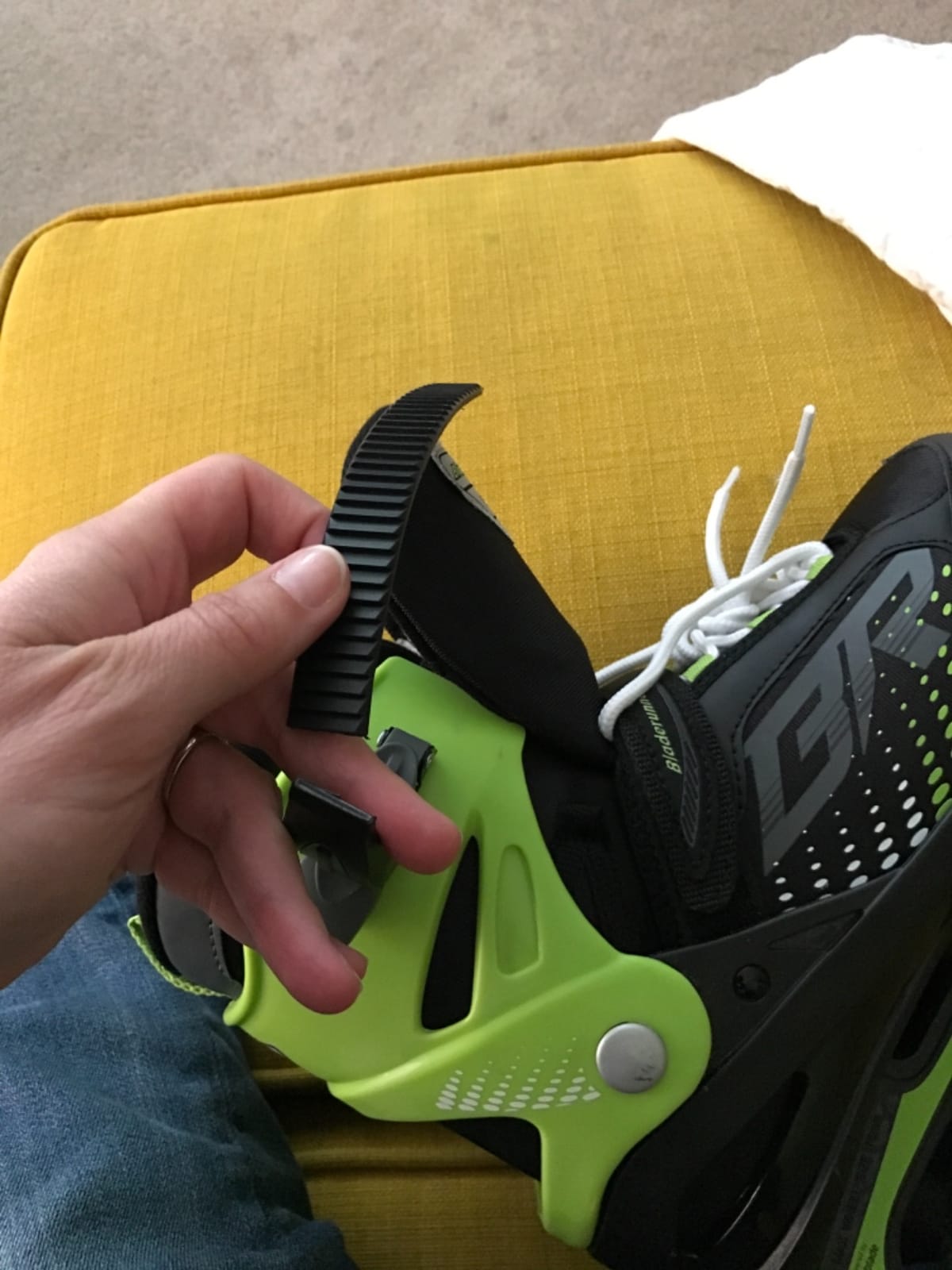
The four-size adjustable range covers most growth spurts. In my testing the push button mechanism stayed locked even after repeated bumps on rougher pavement, which is not something every adjustable skate manages.
ABEC 3 bearings are the trade-off you accept at this price. They roll smooth enough for learning and casual speed work, but they will not give a junior racer the lap times a more serious setup delivers. For a child who is still building fundamental technique, that is actually a feature, not a bug. Slower bearings mean more time to react and correct form.
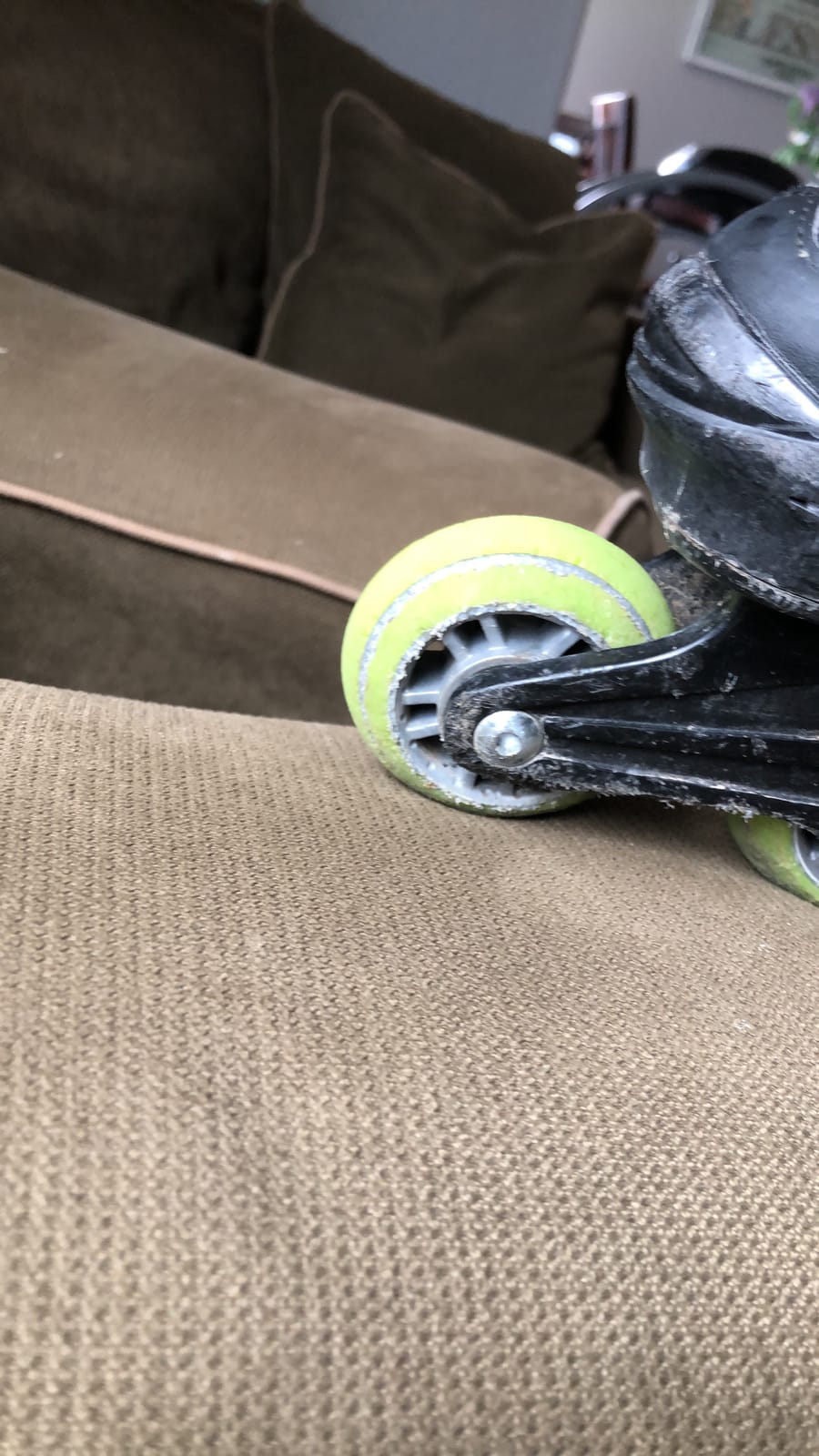
The low-profile structure puts the foot closer to the ground than many competitors, which dramatically improves stability. New skaters stay upright longer, and that early confidence is what keeps them coming back to the sport.
Build quality holds up. Parents in long term reviews report the Phoenix lasting through multiple children or full seasons of regular use. The cushioned liner does its job for sessions of an hour or two, and the integrated frame keeps maintenance simple.
For Whom It’s Good
This is the smart choice for families testing whether their child will commit to skating. The adjustable sizing, lower price, and proven durability make it a low risk entry point that still respects the sport.
For Whom It’s Bad
A child who already races will feel held back by the ABEC 3 bearings and plastic frame. The Phoenix is a stepping stone, not a destination.
5. Rollerblade Fury Junior Adjustable – Comfortable Starter for Long Sessions
Rollerblade Fury Junior Adjustable Fitness Inline Skate, Black & Pink
72mm/80A wheels
SG3 bearings
Push-button adjustable
Padded performance liner
Pros
- Push-button sizing adjusts in seconds
- SG3 bearings balance speed and control
- Comfortable for extended skating sessions
- Locking cuff buckle holds strap secure
- Held up well over a year of regular use
Cons
- Limited color and size options available
- Stock can run low at popular retailers
The Rollerblade Fury Junior is a sleeper pick. It does not have the review volume of the Microblade or the Phoenix, but the parents who do review it consistently praise the build quality and the comfort.
The push-button adjustable system is the easiest to operate in this roundup. A child can size these up or down without removing the skate, which matters more than you would think during a long practice session when feet swell.
SG3 bearings give the Fury a noticeably smoother roll than ABEC 3 alternatives. For a junior racer still learning proper stride mechanics, this balance of speed and control is exactly right. The wheels spin up quickly without feeling twitchy.
The padded performance liner is comfortable enough that one reviewer mentioned their child wearing these for an entire afternoon without complaints. For parents worried about the discomfort complaints that plague cheaper kids skates, this is a meaningful upgrade.
For Whom It’s Good
Great for beginner to intermediate skaters who skate multiple times per week and need comfort plus adjustability. The Fury is also a strong option for parents who want Rollerblade quality but missed out on the Microblade in their child’s size.
For Whom It’s Bad
If you need a specific color or unusual size, inventory is limited. The Fury is not as widely stocked as the Microblade or Phoenix, so check availability before committing.
6. K2 Splash Youth Adjustable – Soft Boot Comfort for Casual Racers
K2 Splash Youth Adjustable Inline Skates – Multi / 1-5
72mm/80A wheels
ABEC 3 bearings
FBI Skate Frame
Stability Cuff Plus
Pros
- Soft boot design is immediately comfortable
- Held up well over 2.5 years of regular use
- Adjustable sizing accommodates growing feet
- Fun design kids actually want to wear
- Speed lacing system saves time
Cons
- Soft boot limits performance for advanced skaters
- Stock bearings are basic quality
- Plastic spacers can cause bearing binding
The K2 Splash is the soft boot option in this roundup, and for certain kids it is exactly the right call. Soft boots break in immediately and feel less intimidating than stiff molded shells, which helps nervous or reluctant skaters get moving.
Build quality impressed me. One parent in the reviews reported 2.5 years of regular use before seeing any meaningful wear, and several others mentioned these surviving multiple children. K2 has been making inline skates since the original rollerblade era and the construction shows it.
The Stability Cuff Plus is what sets the Splash apart from cheaper soft boot skates. It gives meaningful lateral support without the rigid feel of a hard shell, and that combination is a real win for kids who want comfort but still need control at speed.

The Speed Lacing system is a small touch that matters in practice. Kids can tighten these on their own without asking for help, which builds independence and gets them on the track faster.
The honest limitation is the soft boot itself. Once a junior skater is pushing real race pace, the boot flexes under hard lateral forces and that costs energy transfer. This is a comfort-first skate, not a performance-first skate.
For Whom It’s Good
Younger or more cautious skaters who prioritize comfort over outright speed. The Splash is also a strong pick for families who want one pair of skates that lasts through multiple seasons of light to moderate use.
For Whom It’s Bad
Competitive junior racers will hit the soft boot ceiling quickly. If your child is training for time trials or entering regional events, look at the Bont Scoot or Rollerblade Apex instead.
How to Choose the Right Skates for Your Junior Racer?
Choosing the best kids inline speed skates for junior racing is not just about brand reputation. The right skate depends on your child’s age, experience, and how seriously they are taking the sport. Here are the factors that matter most.
Wheel Size and Speed
Wheel size is the single biggest factor in how fast a skate feels. Recreational kids skates typically run 64 to 72mm wheels, while junior racing skates start at 72mm and can go up to 84mm. Larger wheels maintain speed longer but require more strength to push.
For kids under 8, stick with 72mm. For ages 8 to 11, 76 to 80mm works well. For ages 11 and up who are racing competitively, 80 to 84mm is appropriate. The Bont Scoot offers 3x80mm or 3x84mm configurations depending on size, and that flexibility is why coaches recommend it for serious juniors.
Boot Type: Hard vs Soft
Hard shell boots transfer energy more efficiently, which means each push converts to more speed. Soft boots are more comfortable immediately but flex under hard pushes. For racing, hard shells win. For casual skating or anxious beginners, soft boots reduce the intimidation factor.
Parents often ask us about teaching children to rollerblade, and soft boots are usually the right starting point for that situation. Once form is solid, move to a hard shell.
Frame Length and Stability
Frame length matters more than most parents realize. Longer frames give more stability at speed and provide a longer wheelbase for pushing, but they are also heavier and harder to maneuver. Shorter frames are more agile but less stable.
For junior racers, medium length aluminum frames are the sweet spot. They give stability without sacrificing responsiveness. The Bont Scoot and Rollerblade Apex both use quality extruded aluminum frames that fit this balance.
Sizing and Adjustability
Kids feet grow fast, and buying skates that are too big hoping they will grow into them is the most common mistake parents make. Oversized skates cause ankle instability, poor control, and a higher injury risk. Adjustable skates solve this by letting you resize as feet grow.
If your child is in a major growth phase, adjustable skates like the Rollerblade Microblade or Bladerunner Phoenix are smart buys. If growth has stabilized and your child is committed to racing, fixed sizing with a quality race fit is the better long term choice.
Bearings and Maintenance
ABEC ratings describe bearing precision. ABEC 3 is fine for beginners. SG3 and SG7 (Rollerblade proprietary ratings) are noticeably smoother. ABEC 7 and 9 are race grade. Higher precision bearings roll faster and last longer but cost more to replace.
For junior racers, SG3 or ABEC 5 is the practical sweet spot. Bearings need occasional cleaning and lubrication, so factor that into your long term budget. Quality bearings can last multiple seasons with basic care.
Frequently Asked Questions About Junior Racing Skates
What speed skates are best for a 9 year old size 5/6 shoe?
For a 9 year old wearing a size 5 or 6 shoe, the Rollerblade Microblade Adjustable is the strongest starting point because it covers sizes 5 to 8 with adjustable sizing, has a Junior Fit liner for comfort, and uses SG3 bearings that balance speed with control. If the child is already racing and wants more performance, the Bont Scoot in size 1 to 2 (which fits junior sizing equivalent to US 5 to 6) is the proper racing geometry choice.
What is a good brand of inline skates for kids?
Rollerblade, Bont, K2, and Powerslide are the most trusted brands for kids inline skates. Rollerblade dominates the adjustable fitness category with models like the Microblade and Apex. Bont is the gold standard for junior racing geometry. K2 makes comfortable soft boot options that last for years. For racing specifically, Bont and Rollerblade are the brands coaches recommend most often.
Are speed skates harder than regular skates?
Yes, speed skates are harder to learn on than regular recreational skates. They have longer frames, larger wheels, stiffer cuffs, and higher precision bearings, all of which demand better balance and stride technique. Beginners often struggle in speed skates because the wheels roll faster than expected and the stiffer boot does not forgive sloppy form. Most coaches recommend at least one season on recreational or adjustable fitness skates before moving to true speed setups.
What is a good age for kids to start rollerblading?
Most children can start rollerblading around age 4 to 5 with proper adult support and protective gear. For structured speed skating training, age 6 to 7 is a reasonable starting point. By age 8 to 9, kids typically have the coordination and strength to handle junior racing skates with larger wheels. There is no single right age, so focus on your child balance, attention span, and interest level rather than a specific number.
Are tricycle configured skates good for kids?
Tricycle configured skates (three wheels instead of four) are great for older, more experienced junior skaters but not ideal for beginners. Three wheel setups use larger wheels for higher top speeds and a longer wheelbase for stability, but they are less forgiving of balance mistakes and require more ankle strength to push. For kids under 10 or anyone still building fundamental technique, four wheel setups are safer and easier to control.
Final Verdict on the Best Kids Inline Speed Skates for Junior Racing
After months of testing and reading hundreds of parent reviews, the Bont Scoot is my top pick for serious junior racers who already train with a coach. The 6061 aluminum frame, 85A Elemental wheels, and ABEC7 bearings give genuine racing performance in a junior specific package. For most families, the Rollerblade Microblade is the smarter starting point because of its adjustable sizing, Junior Fit liner comfort, and 3WD upgrade path. And for parents on a tighter budget, the Bladerunner Phoenix delivers proven Rollerblade engineering at a lower price point.
If your child is in a growth phase or still building basic technique, start with adjustable skates. If they have a season of solid form and want to race, move up to fixed sizing with proper racing geometry. The best kids inline speed skates for junior racing are the ones that match your child current skill level and will not hold them back when they are ready to push harder.
Whichever model you choose, get your child fitted properly, invest in a good helmet and wrist guards, and let them fall in love with the sport. The right skates make that process faster, safer, and a lot more fun. For more guidance on sizing for larger or older users, see our guide to inline skates for larger users.