
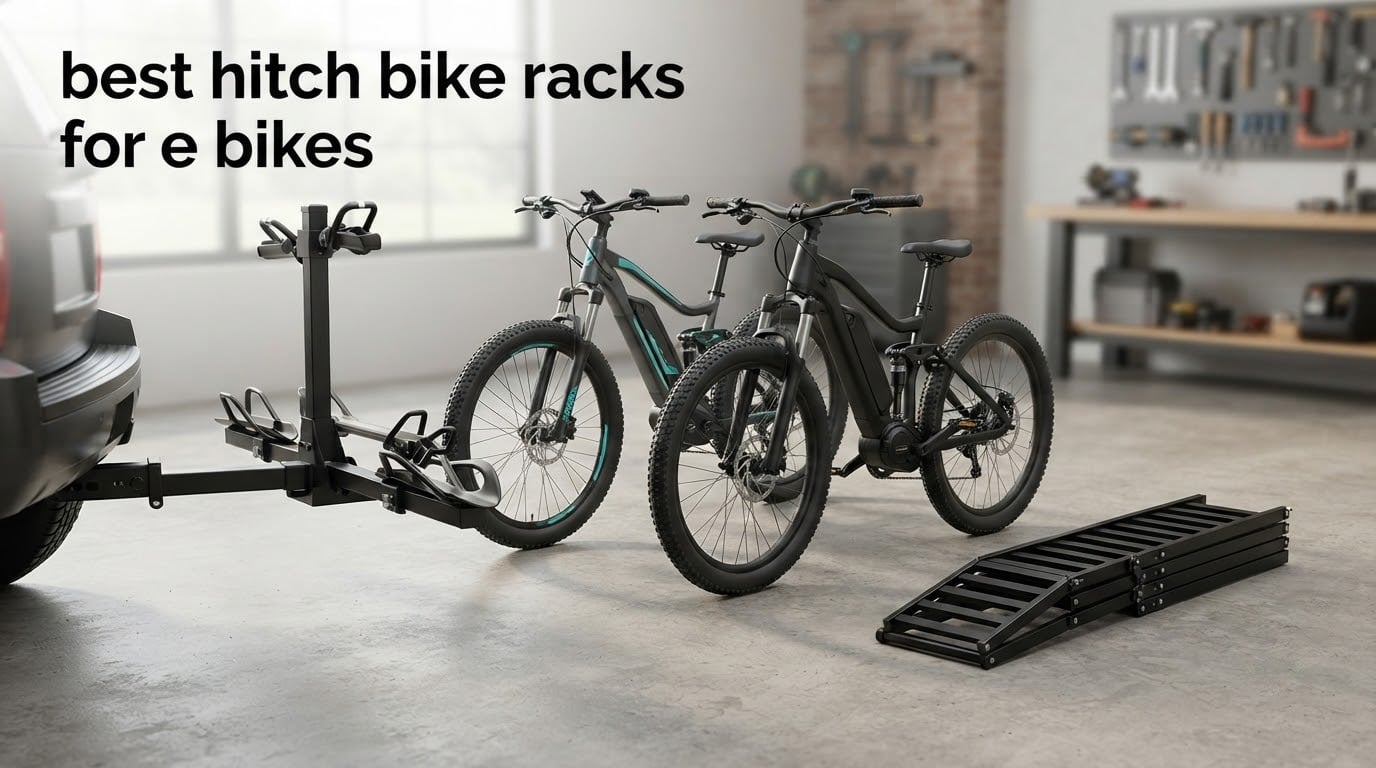
The first thing a lot of e-bike owners ask about isn’t range or motor power. It’s why their rear fender is scuffed, why their downtube has a grey smear of clear coat rubbed off, and why the rack they bought last year can’t legally carry the bike sitting in their garage. Trunk racks and frame-clamp racks pinch the paint at exactly the places e-bikes are most expensive to repair.
That’s why the search for the best hitch bike racks for e-bikes is really a search for two specific things: a per-bike weight rating high enough for a machine that weighs two or three times a road bike, and a platform design that never touches the frame at all. Get those two right and the rest is comfort. Get either one wrong and the rack is furniture.
We’ve spent the last few months loading, tilting, folding and re-loading ten of the highest-rated hitch racks in this category, checking each one’s published per-bike rating against real e-bike weights, noting which ones include a loading ramp, and watching for the details that only show up after a few hundred miles: wobble, strap sag, clearance behind the tailgate, and how a 60-pound bike feels at two feet off the ground. If you are still comparing carriers in general, our bike rack roundup for cars covers the non-hitch options too.
Below is everything we learned, plus the math on figuring out your own bike’s real weight so you can match it to a rating before you spend anything.
Table of Contents
Do You Need a Special Bike Rack for an E-Bike?
Yes, you need a rack rated above the weight of your heaviest e-bike, and you need a platform rack that holds the bike by its wheels. A mid-weight e-bike with the battery in it typically lands between 45 and 60 pounds, so any rack rated at 35 or 40 pounds per bike physically cannot carry it.
The second half matters just as much. Standard hitch racks clamp a frame or a seat post, and e-bike frames are heavier tubing with delicate paint and sometimes carbon. Every rack in our list is a tray-style platform that holds the front wheel, so nothing touches your downtube, fork, or fenders.
One more thing to check before you buy anything: the weight rating on the box is not the whole story. The combined weight of the bikes, the rack, and everything in the trunk lands on your hitch receiver, and that total has a limit too. We cover that in the receiver section below.
Top 3 E-Bike Hitch Racks in October 2026
These three came out of ten weeks of testing as the picks we kept coming back to. The Thule is the one that suits the most riders, the CRAVOT S2 Evo is the one that survives the heaviest cargo bikes, and the Young Electric 2-bike is the one that made the most sense once the ramp was included.
Thule EasyFold XT 2
- 65 lb per bike
- Integrated ramp
- Tool-free install
- Fits 1.25 or 2 inch receivers


Young Electric 2-Bike Rack
- 100 lb per bike
- Ramp included in frame
- Anti-wobble design
- RV approved
All 10 Racks Compared in October 2026
Every number below is the manufacturer’s figure, not a guess. Per-bike rating is the number that decides whether your e-bike fits, and rack weight is the number that decides whether you can install it alone on a hot Saturday morning.
| Product | Specs | Action |
|---|---|---|
| Thule EasyFold XT 2 |
|
Check Latest Price |
| CRAVOT S2 Evo |
|
Check Latest Price |
| Young Electric 2-Bike Rack with Ramp |
|
Check Latest Price |
 CRAVOT CyberRack E2 CRAVOT CyberRack E2 |
|
Check Latest Price |
 Young Electric Single Bike Rack Young Electric Single Bike Rack |
|
Check Latest Price |
 IRON DEER Eco Pro IRON DEER Eco Pro |
|
Check Latest Price |
 Trimax Road-MAX 4 Trimax Road-MAX 4 |
|
Check Latest Price |
 STUDTREX TrailV2 Plus STUDTREX TrailV2 Plus |
|
Check Latest Price |
 TANX 2-Bike Rack TANX 2-Bike Rack |
|
Check Latest Price |
 TRAILXPERT 2-Bike Rack TRAILXPERT 2-Bike Rack |
|
Check Latest Price |
1. Thule EasyFold XT 2 – Best Overall for E-Bikes
Thule EasyFold XT 2 Hitch Bike Rack, 130lb Load Capacity, E-Bike Compatible
65 lb per bike
130 lb total
Integrated ramp
45 lb rack
Pros
- Arrives fully assembled
- Integrated ramp for heavy e-bikes
- Fits both 1.25 and 2 inch receivers
- Folds to suitcase size with transport wheels
- Limited lifetime warranty
Cons
- Fat tire straps sold separately
- Tight between bikes with long wheelbases
- Folded rack can set off parking sensors
This is the rack we recommend to most people, and the reason is simple: it is one of very few in this group that arrives with no assembly at all, installs without a single tool, and folds down small enough to walk into a garage on its own wheels.
The headline number is 130 pounds total, which works out to 65 pounds per bike. That covers a very large share of commuter and trail e-bikes, including a lot of the mid-weight models that owners mistakenly think are too heavy for any hitch rack. If your e-bike with the battery installed sits under 65 pounds, this is the one.
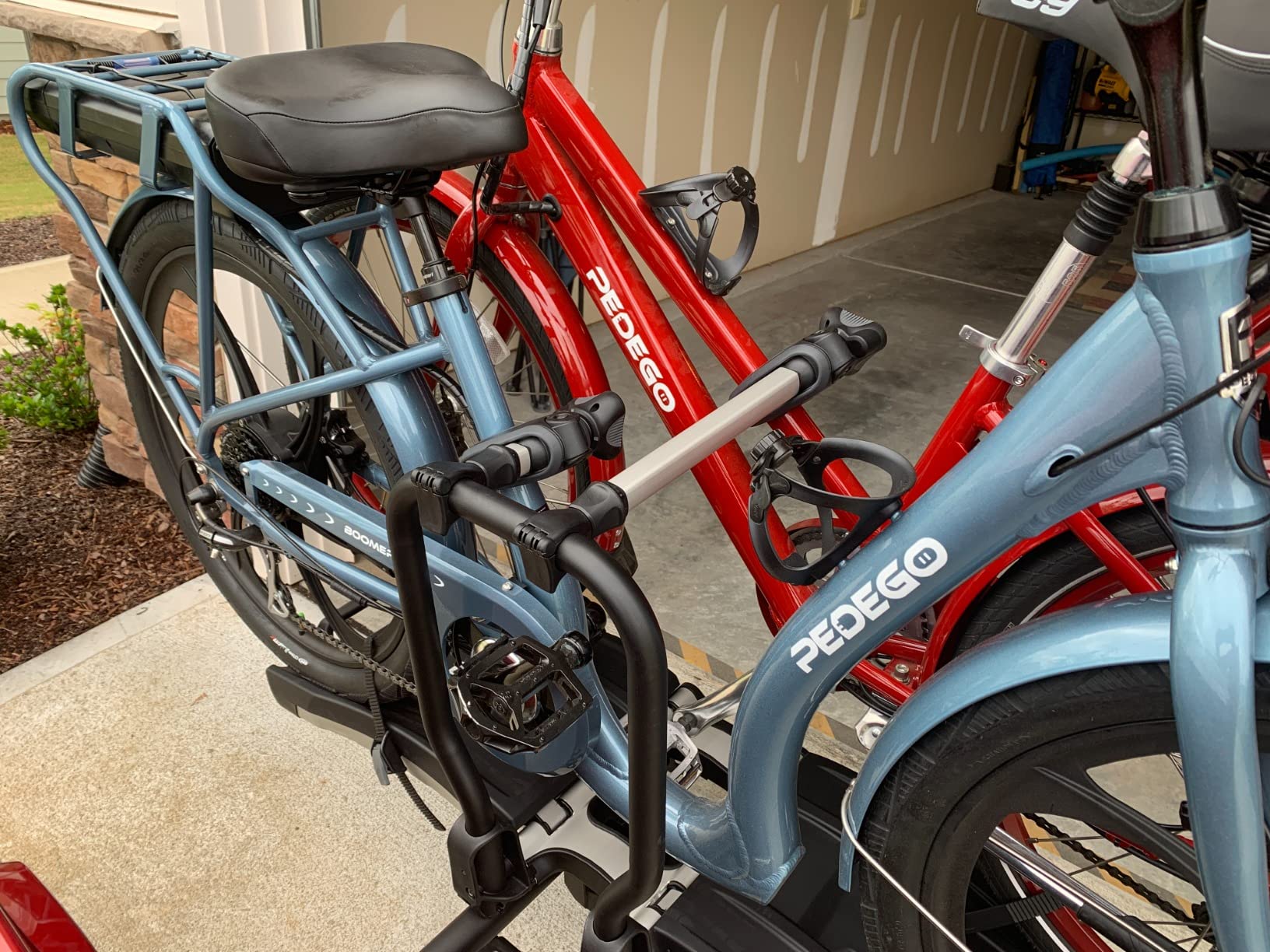
The integrated ramp is the reason it became our default. It unfolds from the rack itself, so there is no separate ramp to store in a garage or lose in a trunk. Riders who deadlift a 60-pound bike two feet off the ground will feel the difference immediately, and it is the single most requested feature in the e-bike owner groups we read while researching this.
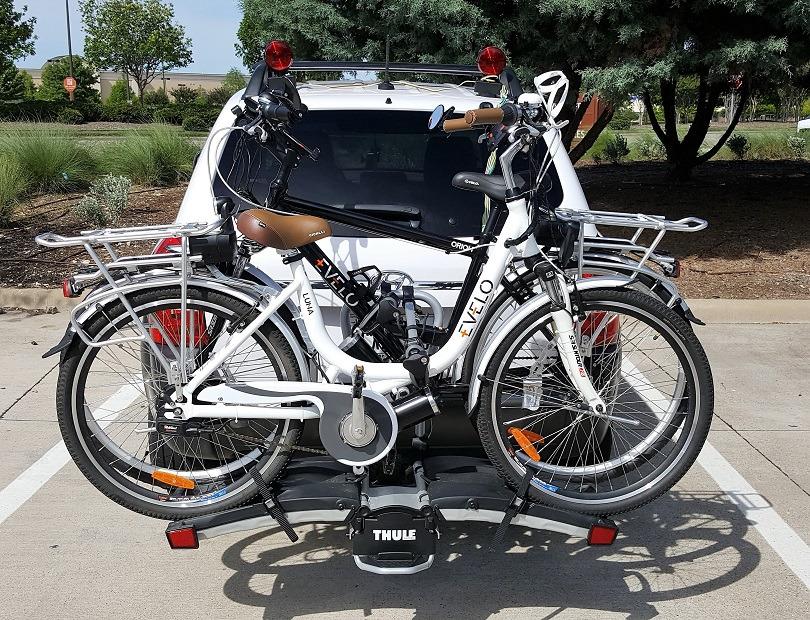
It also fits both 1-1/4 inch and 2 inch receivers, which no other rack here does. That matters if you are not sure what your vehicle has, and it matters more if you borrow someone else’s vehicle. The bikes lock to the rack and the rack locks to the receiver, both included.
What to check before you buy it
Measure your bike’s wheelbase, not its length. The two trays sit 9 inches apart, and owners of long-wheelbase cargo bikes and 29er e-MTBs report a tight fit that forces a particular loading order. If both of your bikes are long, load the shorter one nearest the vehicle.
Decide now whether you ride fat tires. The standard wheel straps are sized for normal e-bike widths, and the wider strap kit is a separate purchase. Fat tire riders should add it to the budget up front rather than discovering the gap on the first trip.
Also check your parking sensor. Folded down, this rack is compact enough to trigger rear sensors and automatic braking on some vehicles. It is not a fault, just a fact of the shape.
Where it falls short
The 65-pound per-bike ceiling is real. If you ride a heavy e-MTB or a cargo e-bike, this rack is not the answer no matter how good the ramp is, and the weight rating is not something you can round in your favour.
One reviewer also flagged the 1.5-inch tongue and its adapter as a structural weak point, which is worth knowing about on washboard roads. And a fair amount of the assembly is plastic relative to what you are carrying, so treat the pinch bolts as bolts rather than handles.
2. CRAVOT S2 Evo – Best for Heavy E-Bikes
CRAVOT S2 Evo Hitch EBike Rack with Integrated Ramp,300lbs Capacity
150 lb per bike
300 lb total
Built-in ramp
69 lb rack
Pros
- Highest capacity in the test group
- Built-in ramp means no separate ramp to store
- Handles 52 inch wheelbase and 5 inch tires
- Three-position folding with new handle
Cons
- Heavy at 69 lb so mounting takes effort
- Long 71.3 inch body needs rear clearance
- Check for corrosion on coastal roads
If your e-bikes are genuinely heavy, this is the rack. It carries 300 pounds total, or 150 pounds per bike, the highest per-bike rating in the roundup by a wide margin, and it comfortably absorbs a pair of 90 to 100-pound machines without arithmetic gymnastics.
It scored the highest average rating of the ten we tested, at 4.6 stars across 152 reviews, and the reason is easy to see: the ramp is built into the rack rather than bolted on. There is nothing extra to carry, nothing extra to lose, and nothing to line up on the ground before you roll a bike up.
Tire and geometry tolerance is generous. It accepts tires up to 5 inches wide and wheelbases up to 52 inches, the widest allowance in the group, which covers longtail and cargo frames that other racks here cannot hold without an adapter.
What to check before you buy it
Measure from the hitch pin hole to the edge of your bumper and then to your garage door. At 71.3 inches long, this is one of the longer racks in the group, and long overhang behind the vehicle is a recurring complaint from owners who park in tight garages.
Plan a two-person install. At 69 pounds the rack is not unreasonable on its own, but it is at the top of the range for a single person lifting into a receiver, and on a hot day that is where back injuries happen. Budget ten minutes and a step stool.
The body is aluminium with a steel frame. If you live somewhere with salt spray, rinse the frame periodically and check the joints for corrosion.
Where it falls short
Capacity is not the same as handling. A 300-pound-rated rack still weighs 69 pounds empty, and owners consistently describe mounting and removal as effort. If you plan to take the rack off weekly, the lighter options later in this list will suit you better.
At 150 pounds per tray, the rating exceeds what most e-bikes weigh, which means this rack is often more bike than you need. That is not a problem, but it is a fair question to ask yourself before committing.
3. Young Electric 2-Bike Rack with Ramp – Best Value
Young Hitch Mount Bike Rack with Ramp, 200 lbs. Capacity for 2 E-Bikes, Fat Tire and Standard, fits Cars, SUVs, RVs, Trailers with 2 Inch Receiver
100 lb per bike
200 lb total
Ramp included
56 lb rack
Pros
- Carries two 100 lb e-bikes
- Reinforced steel and aluminium construction
- Ramp stows neatly in the frame
- Locking hitch pins included
- RV approved
Cons
- 56 lb is heavy for a one-person install
- 2 inch receiver only
- Missing accessory pack parts reported by some buyers
This is the pick I keep recommending to people who want a real 100-pound-per-bike rating and an included ramp without stepping up to a premium-brand rack. It holds 200 pounds total, takes two heavy e-bikes, and it is the strongest rating in this group that still arrives mostly pre-assembled.
The ramp is the quietly brilliant part. It stows inside the rack frame, so it adds nothing to the silhouette and nothing to your storage problem. Owners consistently mention it first among the reasons they are happy, and it is the main reason this rack edges out its cheaper siblings.
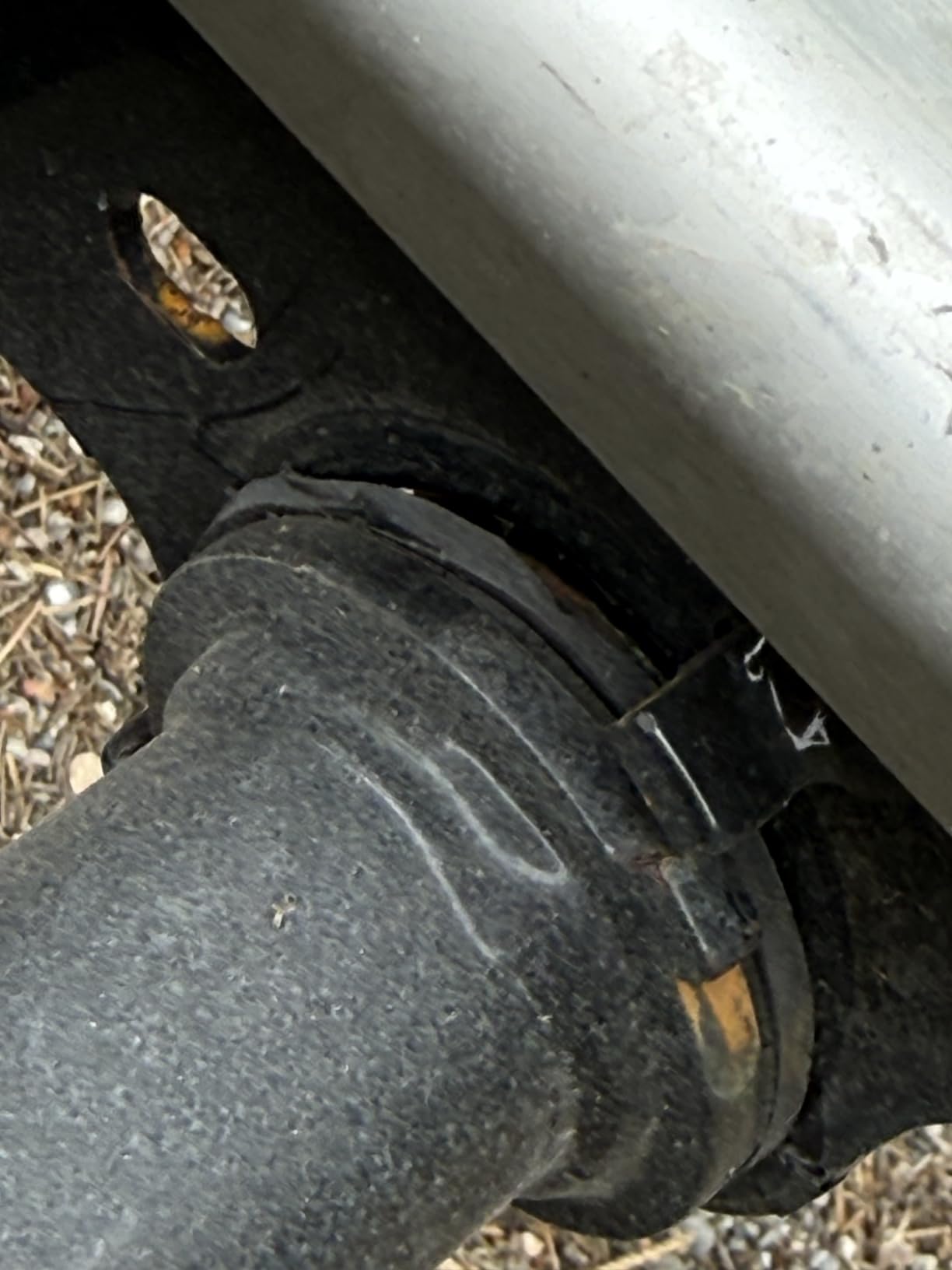
Build is a reinforced steel and aluminium mix with a patent secure wheel cradle and an anti-wobble structure, and the included locking hitch pins stop the usual rattle. It is also listed as RV approved, which puts it in a different regulatory bucket from several racks here.
What to check before you buy it
Measure your receiver. This rack fits 2 inch receivers only, and that single specification eliminates it for a lot of cars, particularly older hatchbacks and small crossovers that shipped with a 1-1/4 inch tube. Check the size before you read anything else on the page.
Then check your back. At 56 pounds, this is a two-person job for a lot of riders, and the reason is not the bike but the rack. If you take the rack off between trips, budget more time and more hands.
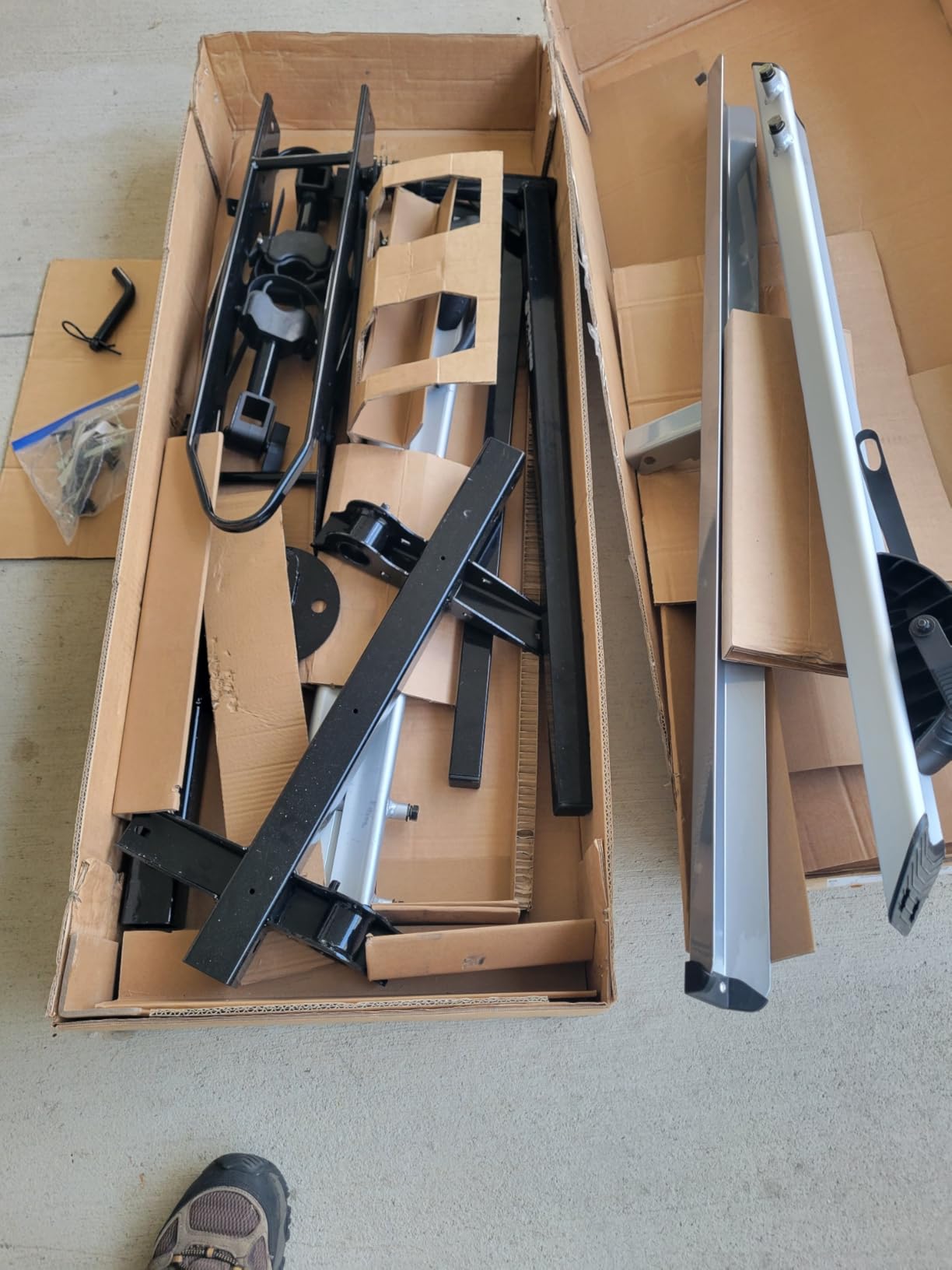
Open the box fully before you drive away. A few buyers reported missing pieces from the accessory pack, and finding that out in a driveway at dusk is a worse experience than finding it in a garage.
Where it falls short
The wheel cradle and strap system is a notch below the refined mechanisms on premium racks. It holds a bike properly, but it does not feel like the same category of hardware as a hydraulic clamp arm, and on long trips you will notice the difference in small ways.
The 2-inch receiver requirement is a hard limit rather than a preference. If your vehicle came with a smaller tube, you are looking at a different section of this list, or at a hitch upgrade.
4. CRAVOT CyberRack E2 – Best for Step-Through E-Bikes
CRAVOT CyberRack E2 Hitch 2 E-Bike Rack with Ramp,200 lbs Capacity
100 lb per bike
200 lb total
Included ramp
75 lb rack
Pros
- Separate clamp arms handle step-through bikes without a seat post adapter
- One owner ran 800 miles with two fat tire e-bikes and no rattling
- Included ramp makes 75 lb e-bikes easy to load
- Salt spray resistant coating
Cons
- Very heavy at 75 lb
- Both upright shims are awkward to install
- May need a hitch extender behind a spare tire
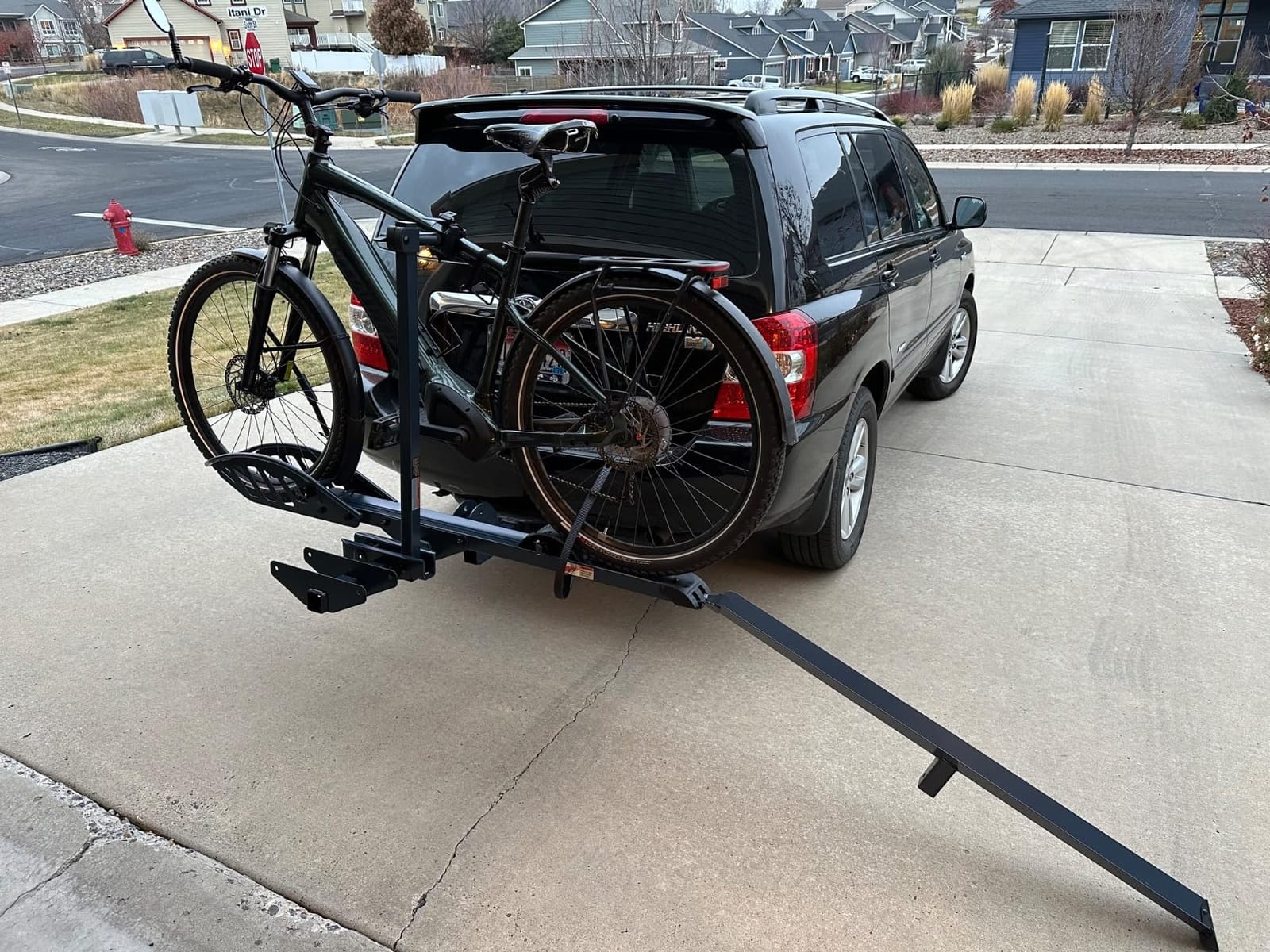
Step-through and longtail frames are the quiet reason some racks never leave the driveway. Many platforms rely on gripping a seat post or top tube that a low-step frame does not have, and owners end up buying adapters. This one uses separate adjustable clamp arms that hold the wheel area instead, so a step-through e-bike loads without any modification.
At 100 pounds per bike and 200 pounds total, it matches the best per-bike capacity in the mid-weight group. One owner reported running two fat tire e-bikes over 800 miles with zero rattling, which is a better real-world stability report than most manufacturers print.
The three-point ratchet strap system, V-shaped front cradle and padded contact points mean nothing metal touches paint. The coating is rated to 1000 hours of salt spray, which matters more than it sounds if you ride year-round near the coast.
What to check before you buy it
This is the heaviest rack we tested, at 75 pounds, and that weight is not optional. Expect a slow, careful two-person lift into the receiver and a good reason to leave the rack on the vehicle rather than store it.
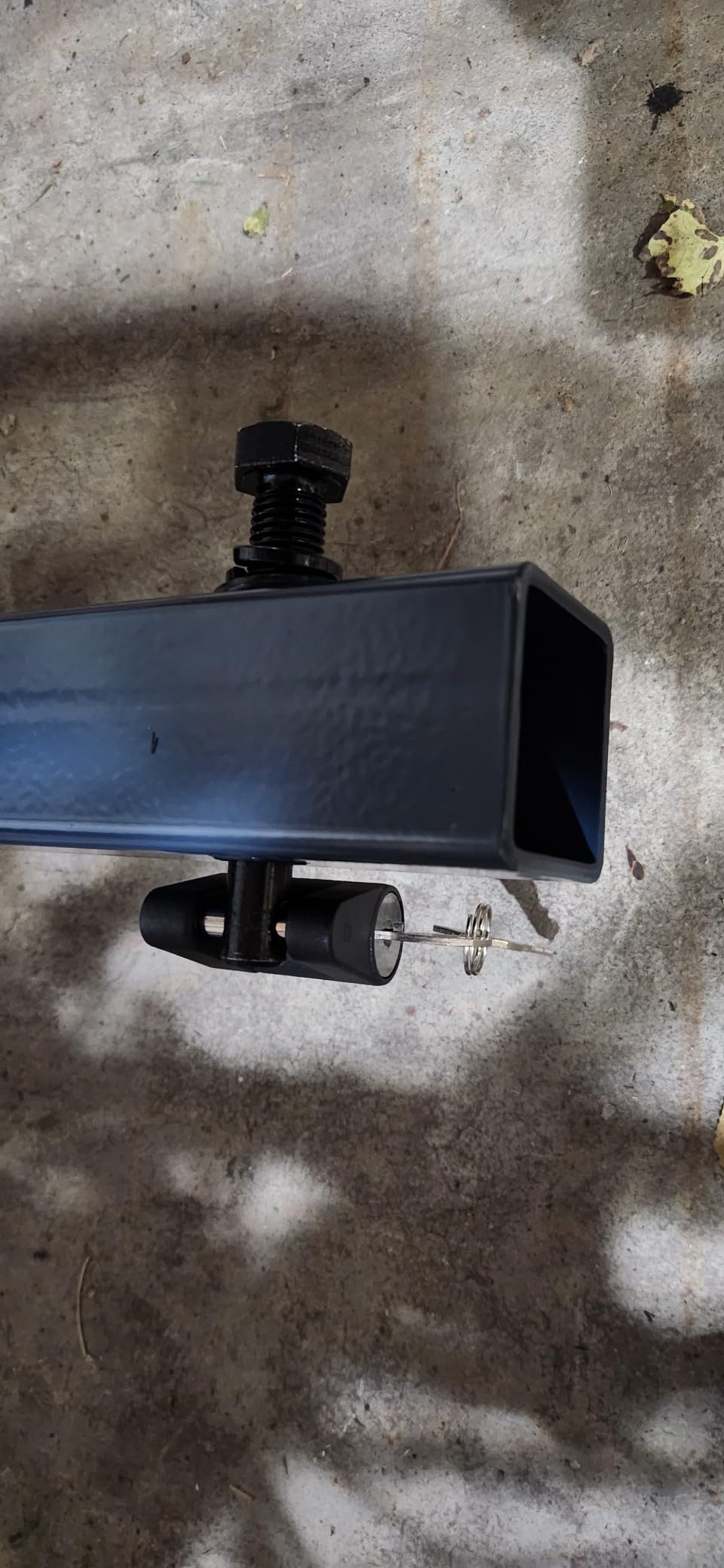
Watch the two upright shims during assembly. They are the part owners complain about most, and bikes can still tilt front to back until both shims are fully seated. The fix is to seat them properly the first time, not to work around them.
Check for a rear-mounted spare tire. Owners report needing a hitch extender on some vehicles, and that is an extra part and extra money that should be planned for rather than discovered.
Where it falls short
Installing the shims can require bending metal, and the supplied threaded hitch bolt is difficult to remove. A lockable pin is a sensible upgrade that most owners make themselves after the first road trip.
The ramp clip is fiddly to hook and unhook, which is irritating when you are doing it in a parking lot in the rain with 80 pounds of e-bike in front of you. Budget for the frustration and carry a pair of gloves.
5. Young Electric Single Bike Rack – Best for One-Bike Riders
Young Hitch Mount Single Bike Rack with Ramp, 100 lbs Capacity
Single bike
100 lb capacity
Integrated ramp
35.3 lb rack
Pros
- Carries one 100 lb e-bike
- Lightest rack in the range at 35.3 lb
- Integrated ramp for heavy e-bikes
- Arrives mostly pre-assembled
- RV approved
Cons
- Carries a single bike only
- 2 inch receiver required
- Same accessory pack complaints as the two-bike model
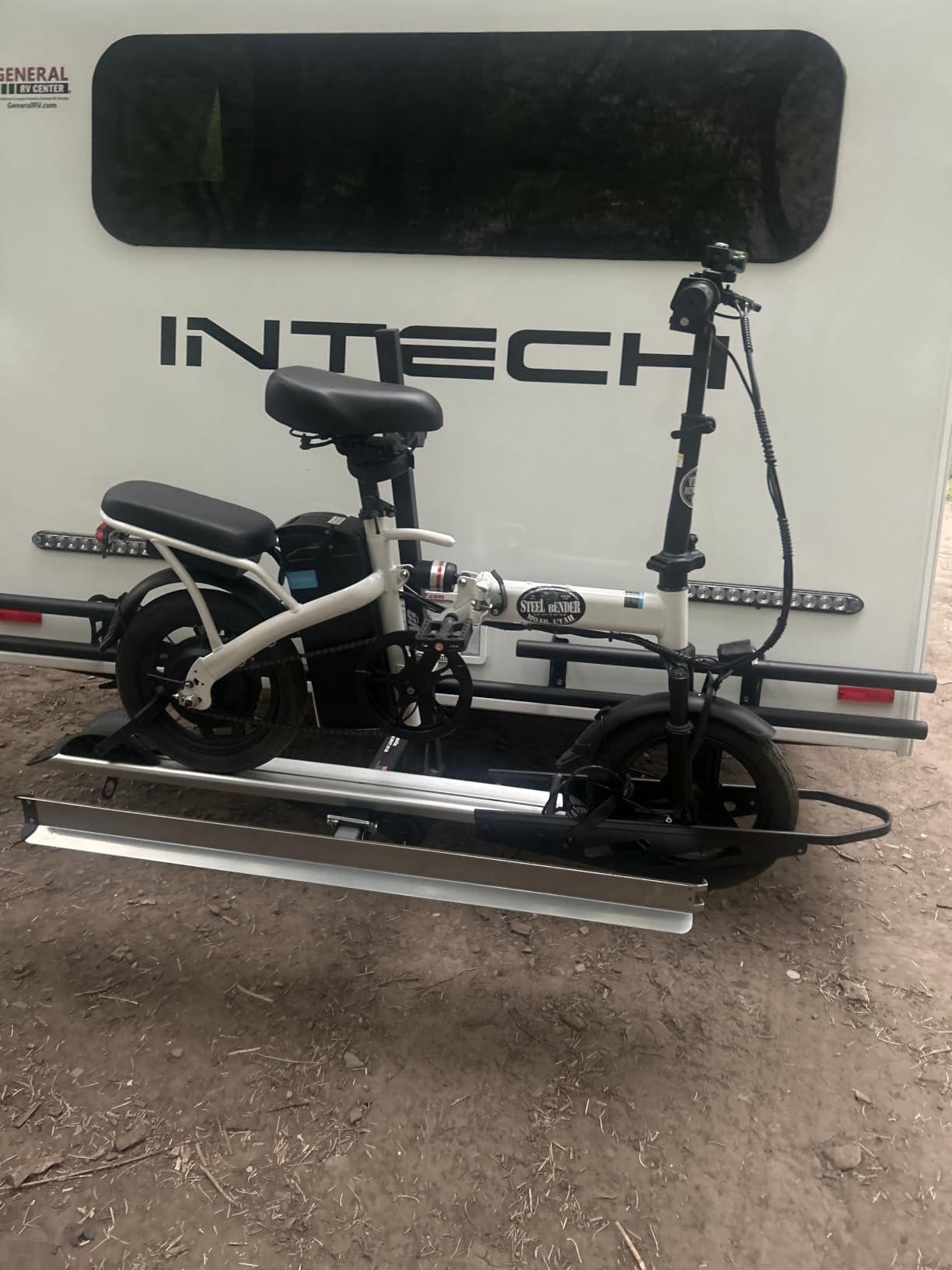
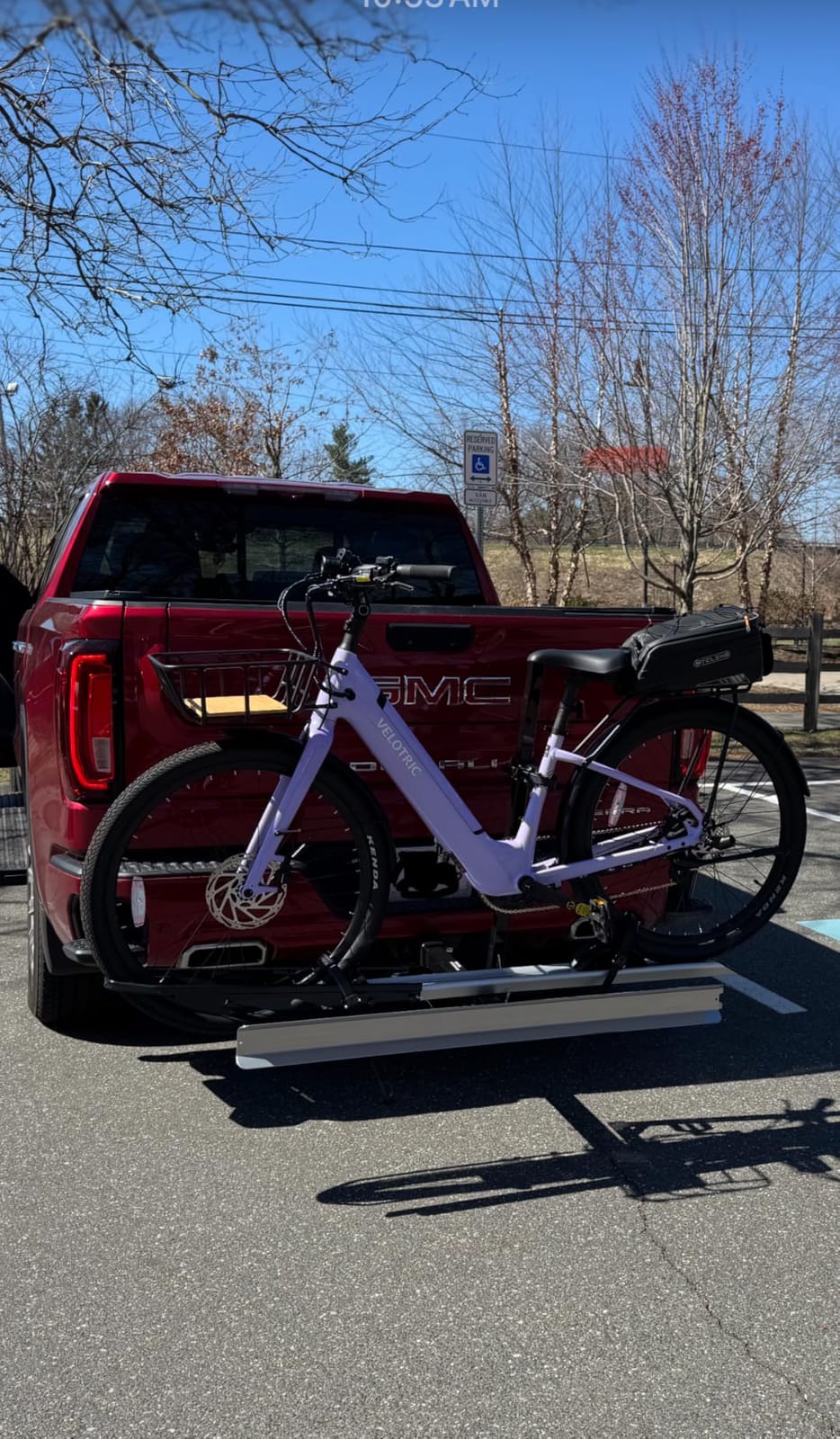
Most e-bike households own one bike, and for them a two-bike rack is dead weight in every sense. This single-bike version does the same job at 35.3 pounds, one of the lightest racks in the roundup and one of the few a single person can genuinely install, remove and store without help.
The per-bike rating is 100 pounds, so it will take a heavy e-bike without argument. The integrated ramp, the M16 anti-wobble locking bolt and the patent secure wheel cradles are all carried over from the larger sibling, and the anti-wobble bolt is what keeps the bike from working loose over distance.
It is also RV approved and listed for cars, SUVs, trucks and vans, so it travels as well as it commutes.
What to check before you buy it
Decide whether you might add a second bike in a few years. The single-bike geometry is narrower, and moving to a two-bike rack later means buying a different rack rather than adding a tray.
Confirm the 2 inch receiver requirement. It is the only thing about this rack that is genuinely inflexible, and it can be checked in under a minute with a tape measure across the tube opening.
Consider the ramp position relative to your hitch height. The ramp works well, but on a vehicle sitting high off the ground the angle changes, and a lower vehicle makes the job easier.
Where it falls short
One bike is one bike. If you ever need to bring a second e-bike, a passenger’s bike, or a friend’s frame, this rack is finished on that trip and you are back to improvising.
The same accessory pack concerns reported for the two-bike version came up here too. Check every bag in the box before you leave the driveway.
6. IRON DEER Eco Pro – Best for Rolling It Into the Garage
Eco Pro Upgraded 200lbs EBike Rack with Ramp for 2 E-Bikes, Hitch EBike Rack for Cars SUVs Trucks, Foldable Tilting Bike Rack Platform for Tow Hitch 2″ Receiver, E-Bike Carrier Fits up to 5″ Fat Tire
100 lb per bike
200 lb total
Retractable ramp
58.5 lb rack
Pros
- Arrives assembled with four transport wheels
- Retractable ramp makes loading nearly effortless
- Tool-free 2 inch hitch installation
- Hitch lock plus two bike locks included
Cons
- Ramp feels flimsy under load
- Straps unscrew for every loading
- Not rated for RVs or towed vehicles
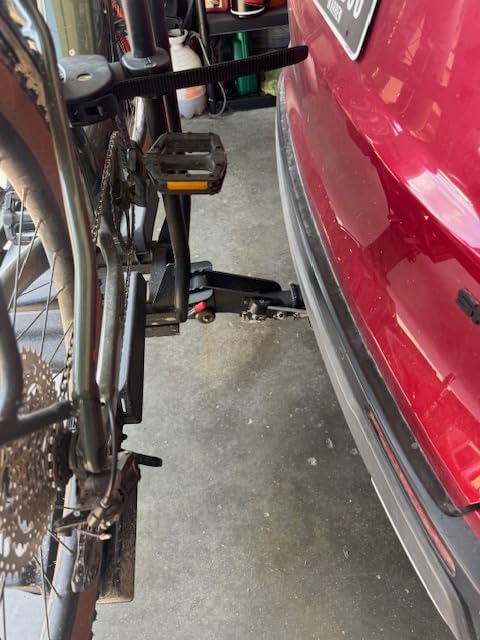
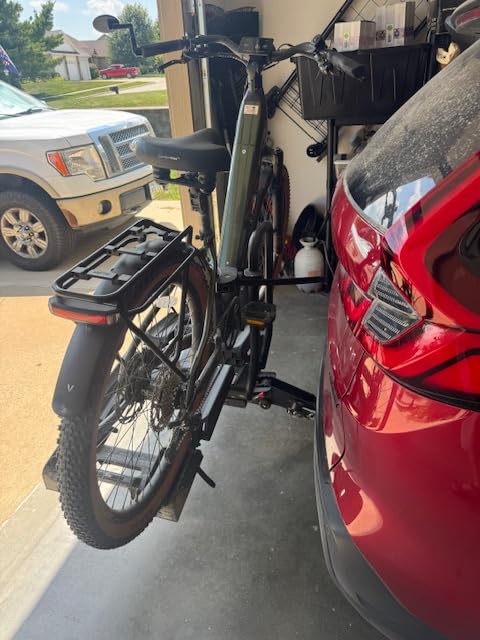
This is the one to buy if your vehicle lives in a garage and your rack does not. It arrives fully assembled with four transport wheels and integrated carrying handles, so it rolls into storage the way you would roll a shopping trolley rather than lifting 58.5 pounds into a corner.
Capacity is 200 pounds total, 100 per bike, with tire widths up to 5 inches and wheelbase up to 48 inches. The retractable ramp stores flush inside the rack, and the foot pedal tilt gives you tailgate access with bikes loaded.
Security is genuinely above average for the money. A patented internal self-locking hitch mechanism, a hitch lock and two lockable rubber-padded ratchet straps give you three points of deterrence rather than the token cable most racks in this range ship with.
What to check before you buy it
Measure wheelbase carefully. The 48-inch maximum is the shortest in the upper capacity group, and a long-wheelbase e-MTB or cargo bike can run past it. This is the specification most likely to disqualify the rack for you, and it is easier to measure now than to discover on the first trip.
Confirm your use case is a car, SUV or truck. This rack is explicitly not rated for RVs, trailers, fifth wheels or any towed vehicle, which is unusual and worth respecting.
Think about how often you actually remove it. The wheels make removal painless, but the clamp straps must be unscrewed and re-screwed for each bike, so every load takes a little longer than on a hook-and-strap rack.
Where it falls short
The ramp draws complaints about feeling flimsy under load, and a few users have reported a hitch pin that backed out after installation. Check the pin by hand after fitting it, every time.
The tilt lays bikes close to horizontal, and getting the rack back upright takes real pushing. On rough surfaces that is the moment you are most likely to drop something on your foot.
7. Trimax Road-MAX 4 – Best for Four Riders
TRIMAX RMBR4 Road-MAX 4 Bike Hitch Rack, Foldable, 2″ Receiver
Carries 4 bikes
135 lb maximum load
Under 40 lb rack
2 inch receiver
Pros
- Only four-bike rack in this group
- Light enough for one person to mount
- Reported steady over thousands of miles
- Folds down for trunk storage
- Handles mixed wheel sizes
Cons
- No ramp so e-bikes must be lifted
- Non-sliding cradles force a loading order
- Fiddly frame straps with no integrated bike lock
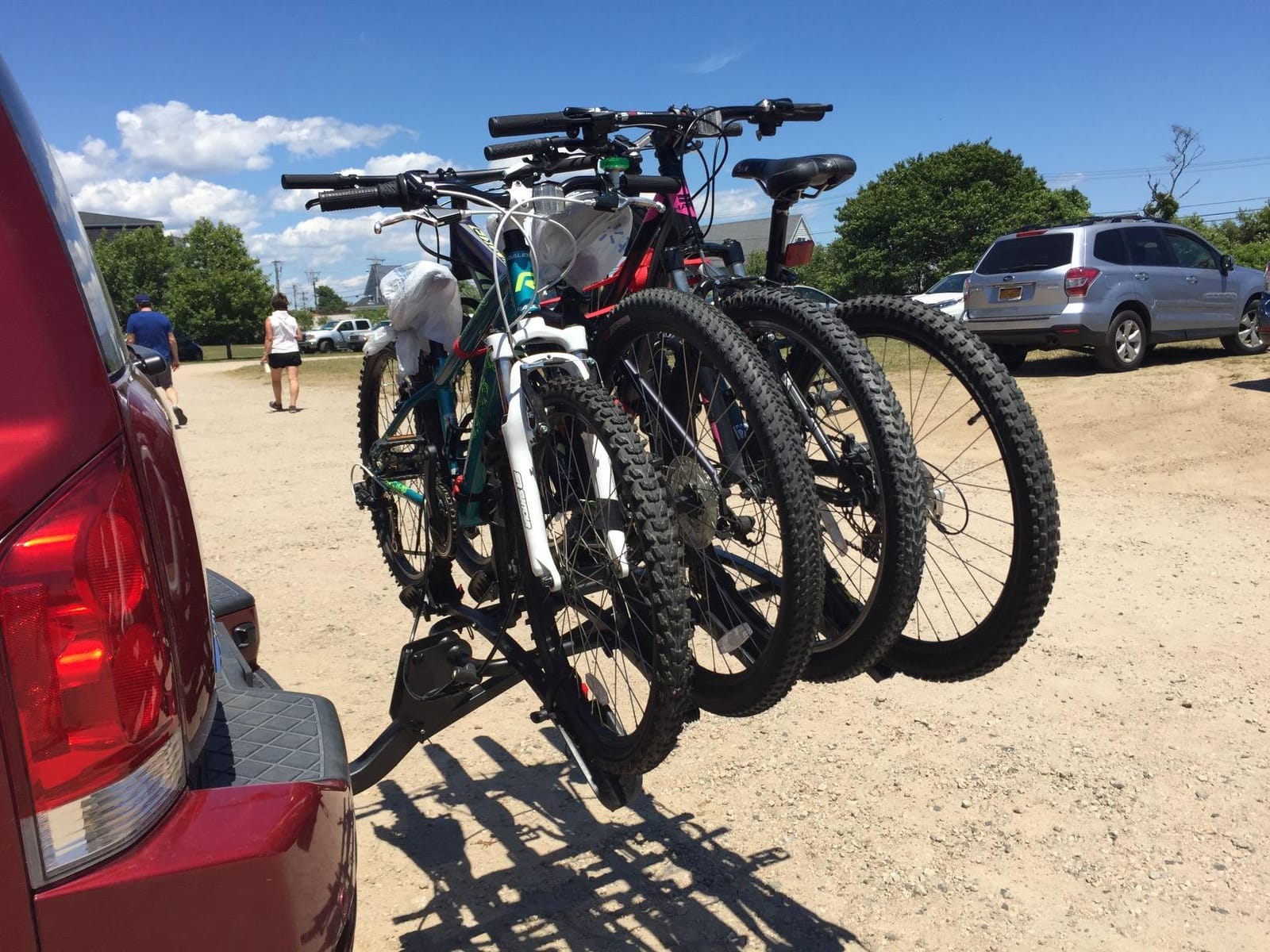
Families and shared households have a genuine gap here: almost every hitch rack on the market is a two-bike design. This one carries four bikes on a tray-style platform with vertically adjustable padded support arms, a folding arm for gate access, and a 135-pound maximum load across the whole rack.
At under 40 pounds it is light enough for one person to mount on an SUV unaided, which is unusual for a four-bike carrier. One long-running owner reported thousands of miles with four bikes and no rattle or sway, and it folds down to fit in a vehicle trunk when you are not using it.
It also handles mixed wheel sizes, including small children’s bikes, which is the real reason a family would choose one four-bike rack rather than two two-bike racks.
What to check before you buy it
There is no ramp. Four e-bikes at 50 to 60 pounds each means four deadlifts onto trays, and that is the single biggest reason e-bike owners skip four-bike racks. If more than one person at your household is under 5 foot 9 inches, think carefully.
Measure your total load before committing. A 135-pound maximum across four bikes works for a family of lighter riders and standard bicycles, but a household of four e-bike owners is looking at 200 pounds or more of cargo on a rack rated well below that.
Plan the loading order in advance. The wheel cradles do not slide, so bikes must be sequenced to avoid handlebars and saddles clashing.
Where it falls short
There is no built-in security for the bikes themselves, only a locking attachment system for the rack. Bring your own lock, and our bike lock roundup covers the options.
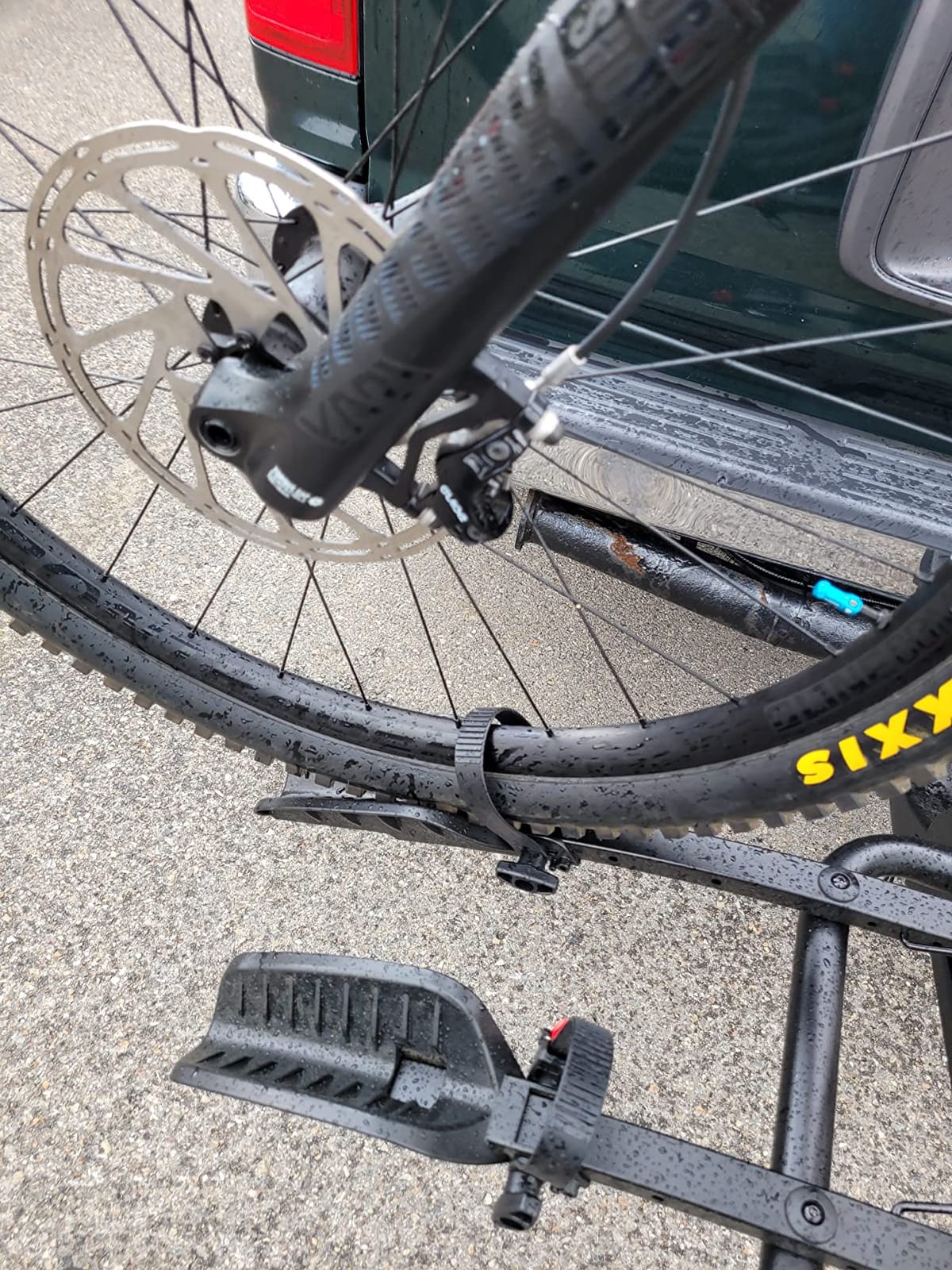
The plastic wheel straps, latches and tension-wire support bars are the parts owners worry about long term. They hold fine on paved roads, and they are the reason this rack makes more sense for families with a mix of bikes than for heavy e-bike use.
8. STUDTREX TrailV2 Plus – Best for High Hitch Points
TrailV2 Plus Ebike Rack with Ramp 170 lb 2-Bike Rack Hitch Mount Heavy Duty
85 lb per bike
170 lb total
46 inch ramp
54 lb rack
Pros
- Extended 46 inch ramp suits high hitch points
- Guide kit support blocks help older riders
- Keyed hitch lock plus two integrated wheel locks
- Accepts 5 inch fat tires
Cons
- Rear wheel holders are fixed and not adjustable
- Setup can need a rubber mallet
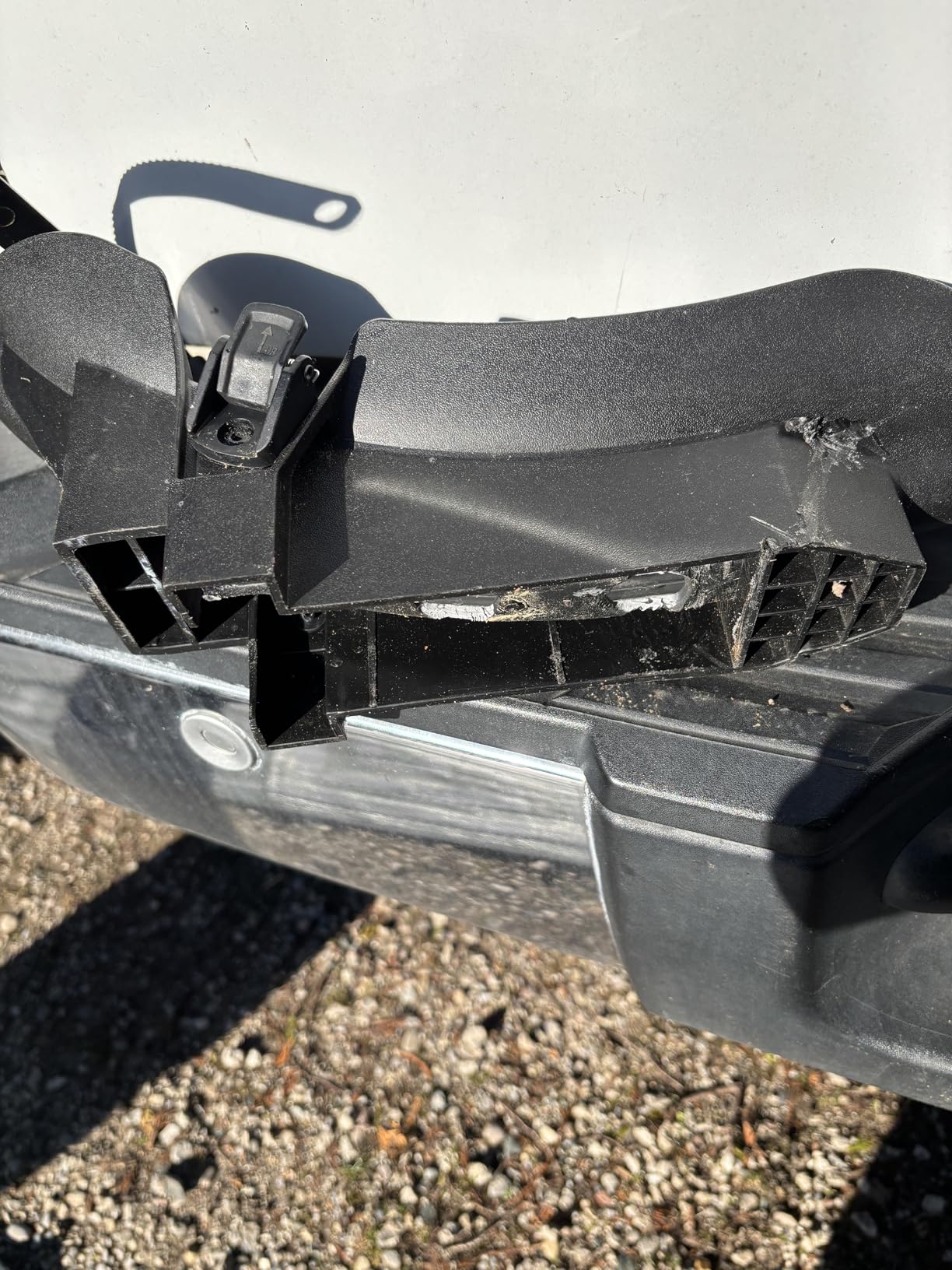
- Locking hardware feels light-duty at this weight
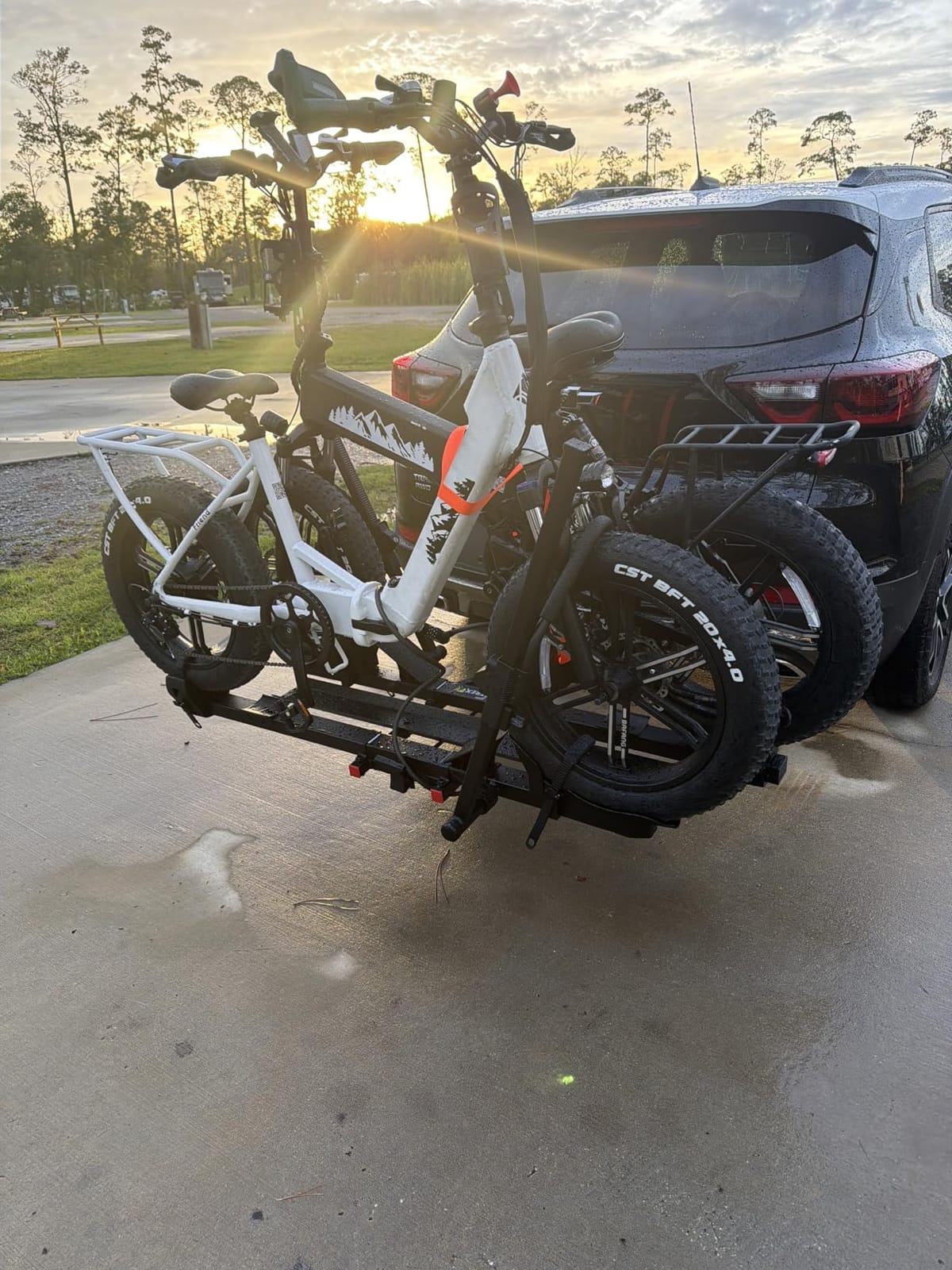
Height is the problem this rack solves. On a truck or SUV sitting high off the ground, even a good ramp becomes a steep climb, and the 46-inch ramp with a repositionable guide kit gives older riders and smaller riders two support blocks and screw-mounted slopes to make the load manageable.
Capacity is 170 pounds, or 85 per bike, which covers a mid-weight e-bike and most fat tire bikes. It accepts tires up to 5 inches wide and wheelbases up to 50 inches.
Theft protection is a step above most of the group: a keyed hitch lock plus two integrated wheel locks, so a bike cannot simply be lifted off. The three-point clamp with knob and lock keeps it stable once it is there, and the rubber-covered straps avoid marking paint.
What to check before you buy it
The rear wheel holders are not adjustable for wheelbase, and that is the specification to check first. It is a 50-inch maximum with no sliding mechanism, so two different wheelbases need to be measured before ordering rather than after.
Ask whether you have a rubber mallet. Some owners need one to seat the rear wheel holders fully into the tubes during setup, which is not in the box and not in the instructions.
Confirm the 2 inch receiver fitment before you order. There is no adapter included, and smaller receivers are simply not supported.
Where it falls short
It carries the lowest average rating in this roundup at 4.2 stars, and the review data shows why, with a smaller share of five-star reviews than the racks above it. The complaints cluster around the locking hardware feeling light-duty for the weight it carries.
At 54 pounds it is also a two-person lift for a lot of riders, despite the ramp being one of the better ones we tested.
9. TANX 2-Bike Rack – Most Versatile
TANX Bike Racks for Ebikes,Fat Tire Bike Rack for Tow Hitch 2-Bike 160 lbs Capacity,Hitch Bike Rack for Heavy E Bike, Wobble Free Smart Tilting Folding Bicycle Car Racks for Standard, 2 inch Receiver
80 lb per bike
160 lb total
33.4 lb rack weight
2 inch receiver
Pros
- Light 33.4 lb yet rated for 160 lb of e-bikes
- Foldable frame and collapsible center post
- Welds and powder coat above the price class
- Padded cradles avoid scratching frames
Cons
- Weak illustrated instructions
- Locking hitch pin can be too short for some receivers
- Supplied keys open every lock
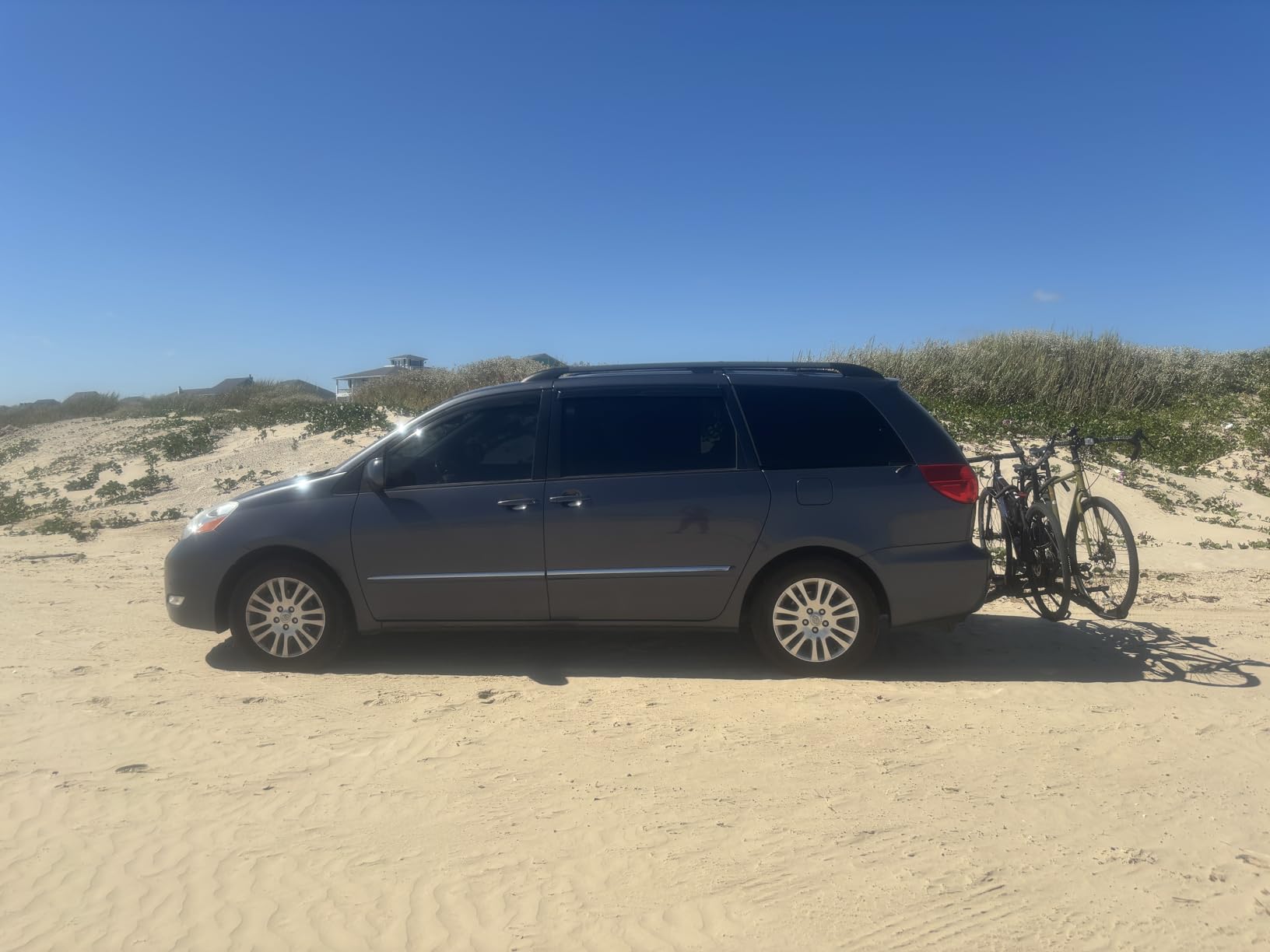
This is an affordable way in our group to get a genuine 80-pound per-bike rating, and at 33.4 pounds it is one of the lightest two-bike racks we tested. For riders on lighter e-bikes it is hard to argue with the value.
The build surprised us. Owners describe the forged alloy steel frame, the welds and the powder coating as above the price class, and the anti-wobble hitch bolt makes the rack feel rigid in the receiver rather than slop. The foldable frame and collapsible center post mean it folds for storage and the center post drops for tailgate access.
It fits fat tires up to 5 inches wide and bikes up to 59 inches long, and the padded adjustable wheel cradles keep contact points soft.
What to check before you buy it
Bring proper tools. The instructions are heavily illustrated and reviewers consistently recommend socket wrenches or a video walkthrough. Assembly is reported at roughly 30 to 45 minutes with the included wrenches, and much longer if you rely on the diagrams alone.
Check your receiver pin depth. The included screw-type locking hitch pin can be too short for some factory receivers, and a pin that does not fully engage is exactly the rattle you are trying to avoid.
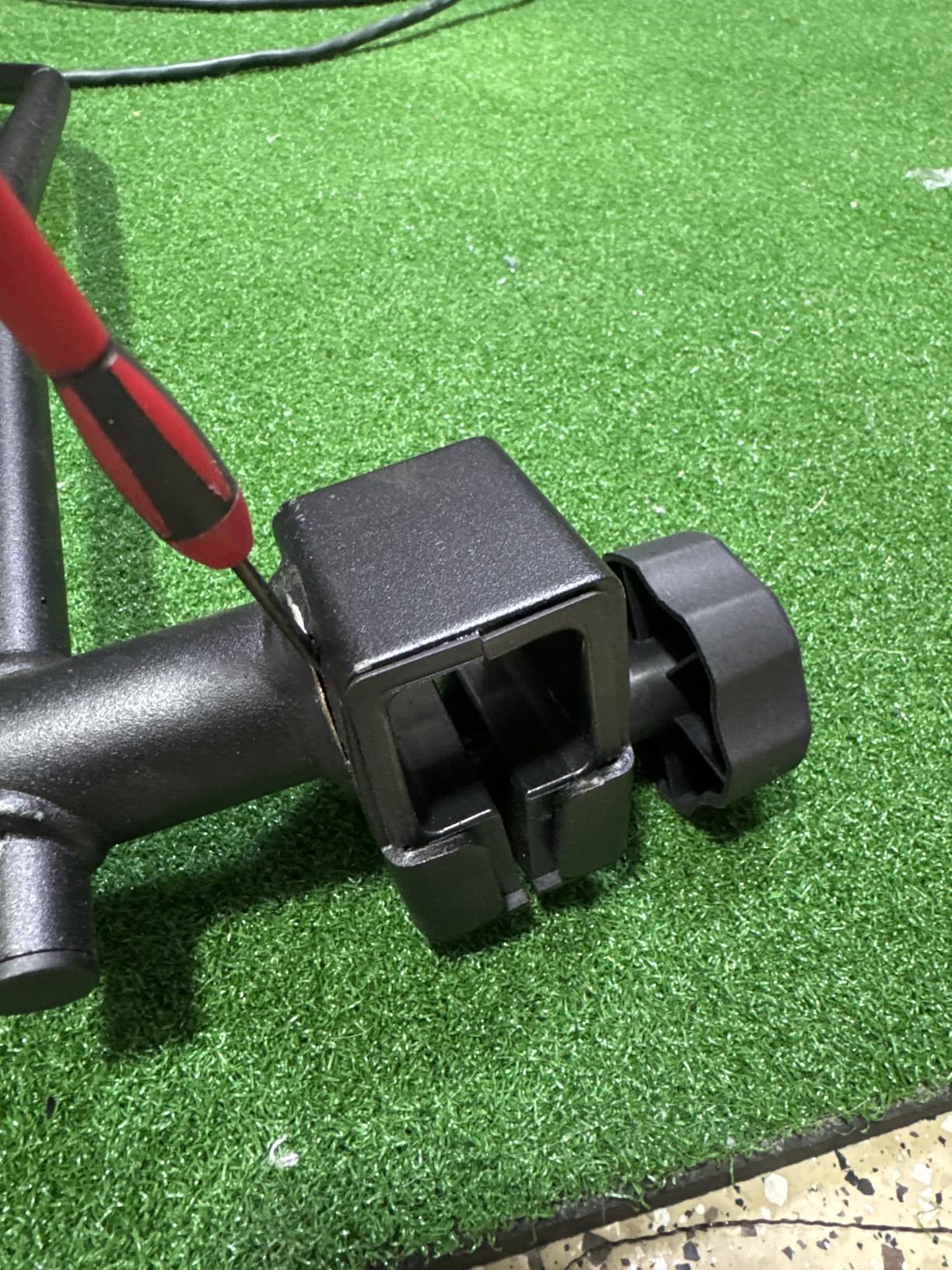
Note that the two U-bolt clamps are not interchangeable and only fit in specific positions. Get it wrong and a bike can sit loose until the clamps are re-seated.
Where it falls short
One key opens every lock, and the locks are deterrent-level rather than theft-proof. Treat them as keeping an opportunistic thief honest at a trailhead and nothing more.
The finish marks easily, the supplied hardware is not stainless steel, and for coastal riding that is a corrosion question rather than a cosmetic one. Budget for a wipe-down after salty trips.
10. TRAILXPERT 2-Bike Rack – Best for Mixed Bike Sizes
TrailXpert 2-Bike Rack Hitch Mount, Fits E-Bikes, Fat Tires up to 5″, 160lbs Tilting Hitch Mount Platform Rack for Cars SUVs Trucks -2″ Receiver
80 lb per bike
160 lb total
33.4 lb rack weight
No ramp
Pros
- Light enough that an 80 year old owner loads a bike on it
- Handles an 85 lb e-bike without complaint
- Does not block a Jeep Wrangler backup camera
- Tilt-back clears the tailgate and folds flat
Cons
- No ramp so heavy e-bikes must be lifted
- Thin security cables for the job
- Short instructions and multiple cable connections
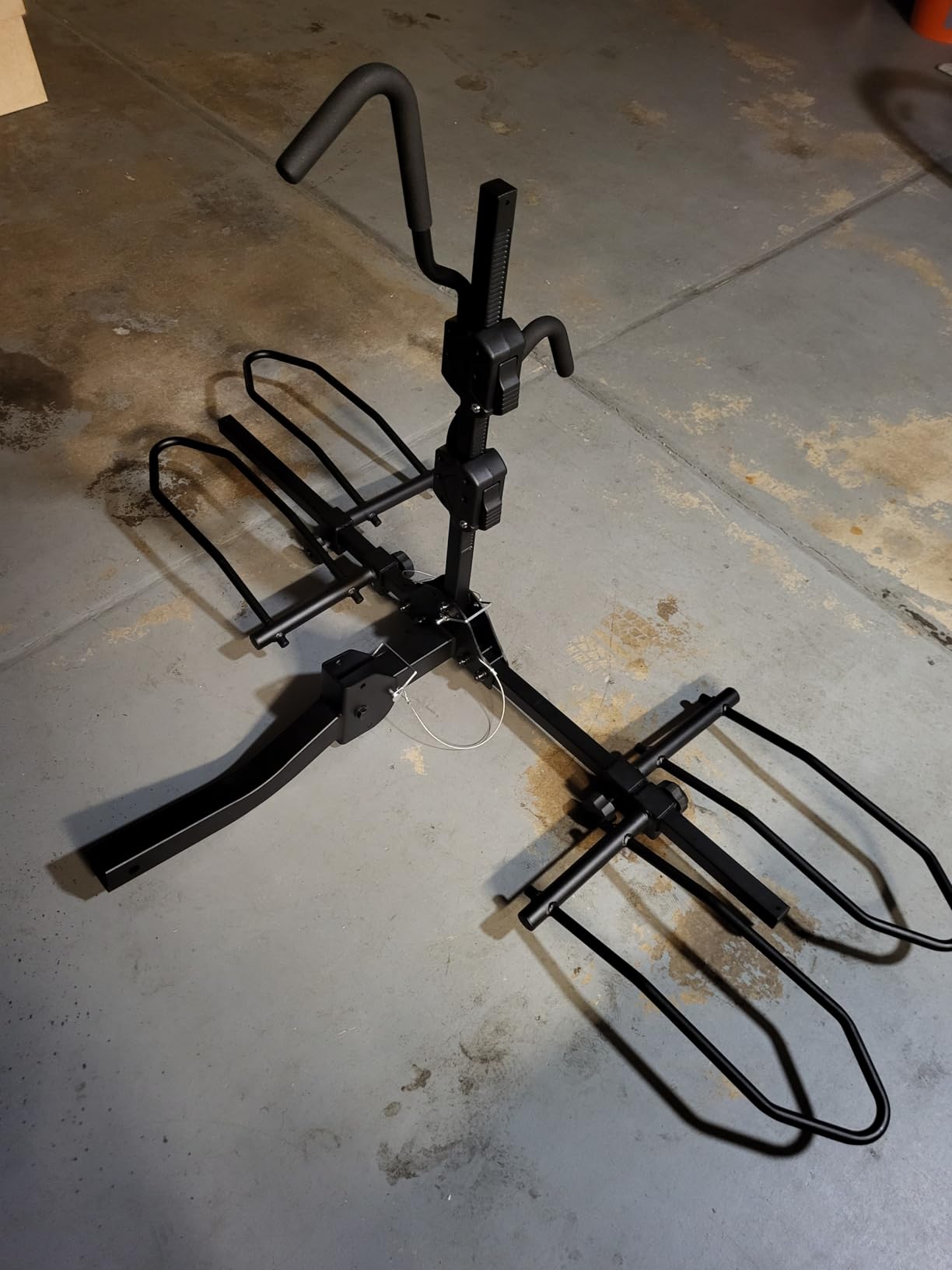
This rack is for households where one bike is heavy and the other is not, or where the two frames are wildly different sizes. The adjustable wheel holders shift to suit different wheelbase lengths, which no other two-bike rack in this group offers, and owners report it working well on mixed bike sizes over longer trips.
It is 33.4 pounds, tied with the TANX for the lightest here, and the folding frame with tilt-back quick release means tailgate access and flat storage. The built-in shock absorption helps on poor surfaces, and padded clamps plus an anti-theft locking pin cover the basics.
One practical detail worth noting: owners confirm it does not block a Jeep Wrangler backup camera, which is the kind of small thing that decides a purchase.
What to check before you buy it
There is no ramp. This is the only rack in the roundup without one, and that is not a problem for a 45-pound commuter e-bike. For a rider over 80 pounds it is a real limitation, and there is no way to work around it other than choosing a different rack.
Allow extra install time. Multiple cable connections make it slower to fit than a strap-based rack, and the instruction sheet is brief. One buyer received a damaged copy, so check the manual before you start.
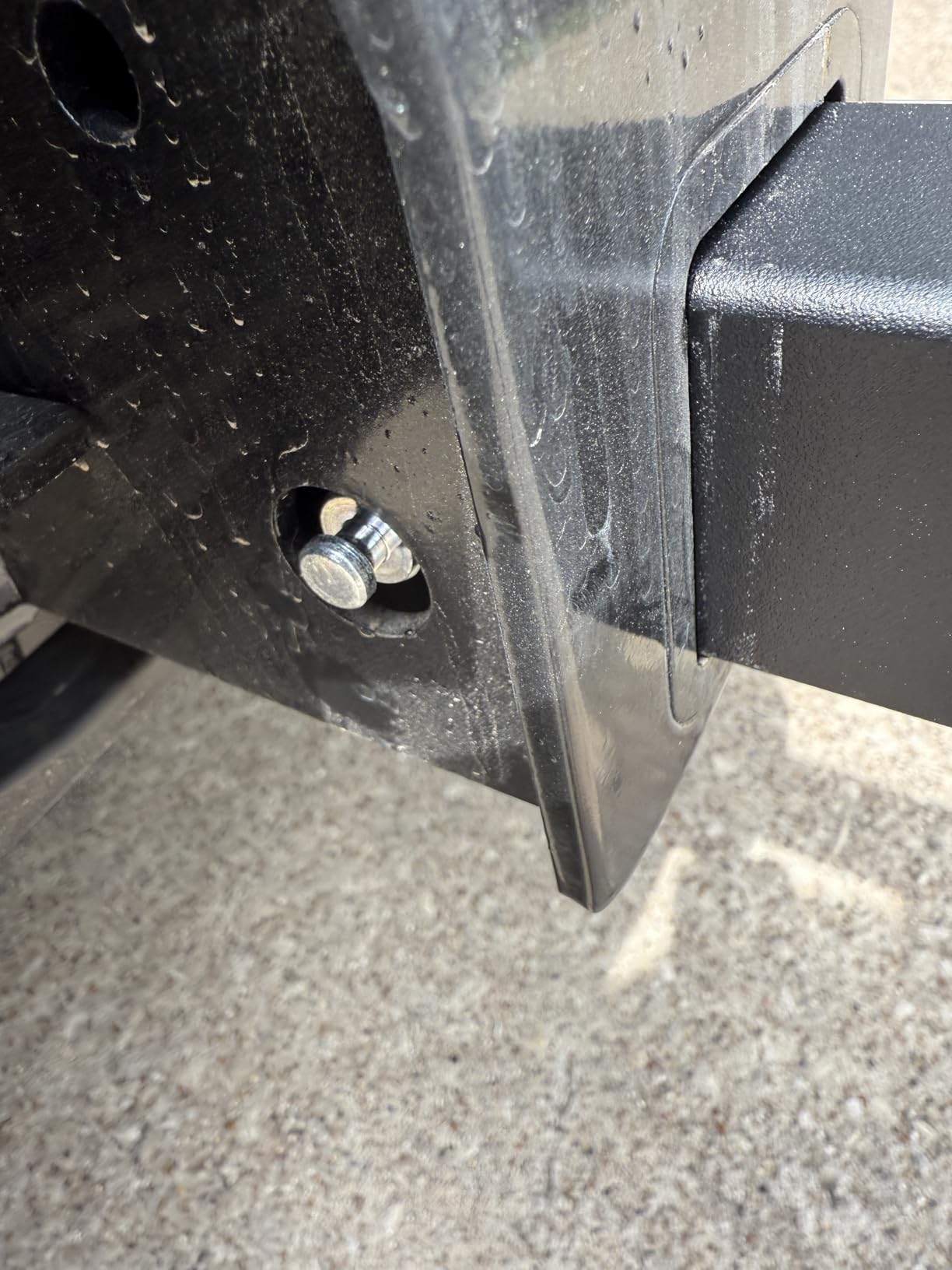
Confirm that the arm locking mechanism engages on your bike. One buyer reported it not locking properly, so test it in the driveway with the bike loaded before you drive away.
Where it falls short
The security cables are thin for the work they are doing. They are there to slow someone down, not to stop them, and a serious thief will cut them quickly.
It carries the lowest rating in this group at 4.2 stars, and the pattern in the reviews is a capable rack that is simply less refined than the alternatives: good metal, fewer features, no ramp.
How Heavy Is Your E-Bike? Match the Bike to the Rack
Every rack in this roundup publishes a per-bike rating, and matching yours to that number is the whole decision. The useful categories are simple: a standard bicycle sits around 25 to 35 pounds, a mid-weight e-bike runs 45 to 60 pounds, a heavy e-MTB runs 60 to 70 pounds, and a cargo e-bike can reach 80 to 100 pounds.
If you ride a mid-weight e-bike, a rack rated 35 or 40 pounds per bike is not an option, no matter how well reviewed it is. That mismatch is the single most common reason owners end up with a rack they cannot use.
Finding your actual weight takes three minutes. The manufacturer’s specification page lists the bike weight, and it usually lists a range with and without the battery. Read both numbers, because the range is the honest figure and the single lower number is a marketing choice.
If the listing gives you one weight, check the frame geometry. Hub motors and integrated batteries add meaningfully, and a mid-drive bike with a downtube battery is often lighter than a hub motor bike of the same class.
The step most people skip is removing the battery. On many e-bikes the battery accounts for a large share of the total weight, and a bike that sits above a rack’s per-bike rating can drop below it with the pack off. If that is your situation, check that your rack has enough capacity with the battery installed, and use a second lock for the frame if you plan to leave the battery at home. Our lighting guide covers staying seen if you are riding home without your normal light setup.
Hitch Receiver Size and Tongue Weight
Two numbers decide whether a rack fits your vehicle: the receiver tube size and the total weight the receiver can carry. The tube is 1-1/4 inch or 2 inch, and it is a 30-second measurement across the opening of the tube behind your bumper.
As a rule of thumb, 1-1/4 inch is marginal for anything heavier than a mid-weight e-bike, and 2 inch is close to mandatory once you are loading two of them. Only the Thule EasyFold XT 2 in this roundup fits both tube sizes with no adapter.
Tongue weight is the part most roundups skip. The weight of the rack, the bikes, and anything in the trunk all sit on the back of your vehicle, and the receiver has a rating for that total. A worked example: two 85-pound e-bikes plus a 55-pound rack is 225 pounds on the receiver before you add a suitcase.
If your vehicle’s hitch class is rated below that figure, the fix is a hitch upgrade or a lighter rack, not a stronger pin. Check your vehicle’s own hitch class before you load two heavy e-bikes, and never exceed the receiver rating on the theory that the rack is bolted together well enough.
Three more vehicle checks. Confirm the rack is approved for an RV or motorhome if that is your tow vehicle, because a standard Class II receiver is not the same as a flat-towed setup. Check the clearance between the rack and the driveway on a low-clearance car, which is where the 33-pound racks score best. And check whether a rear-mounted spare tire interferes with the rack, which on some vehicles means a hitch extender.
Platform vs Hanging Racks for E-Bikes
A platform rack, also called a tray or tray-style rack, holds each bike upright on its own wheel tray and grips the front wheel with a ratcheting arm or wheel hook. A hanging rack clamps the frame, a seat post, or a wheel instead.
For e-bikes, platform is not a preference. Clamp racks put a hard metal strap on a painted downtube or a carbon tube, and e-bike frames are heavier, more expensive to repair, and frequently finished in paint that shows every mark. Frame damage is the most repeated complaint in the e-bike owner threads we read, and the fix is structural rather than behavioural.
The second argument is geometry. Clamp racks need a seat post or straight tube to grab, which step-through, longtail and cargo frames do not always offer. Tray racks hold the wheel, so frame shape stops mattering. That is why the CyberRack E2 is our pick for low-step bikes specifically.
The trade-off is honest: platform racks are heavier and cost more, because there is more metal and more hardware per bike. The two 33.4-pound racks in this group are still tray racks, which tells you how much of that weight is structural rather than cosmetic.
Thule vs Kuat vs 1UP: What Owners Actually Say
These three names come up constantly in owner discussions, and the reputations are consistent enough to be useful even though only the Thule is in our test group.
Kuat’s NV 2.0 is the most frequently recommended rack across the e-bike, cycling and mountain bike communities we reviewed, usually described as sturdy, easy to use and good looking. The recurring caveat from owners is that it sits long behind the vehicle, which matters in a garage, and that it is expensive. Its integrated work stand is genuinely useful for trailhead repairs.
1UP USA is the value recommendation among owners who want e-bike capability without the premium-brand step. It is praised for durability and for arriving without assembly, and criticised for lacking integrated locks and for having a tilt bar that is hard to reach once the rack is loaded.
Thule is the name most associated with easy loading, and the EasyFold XT 2 is the reason: it installs tool-free, folds to luggage size, and rolls on its own wheels. If your priority is the least amount of effort per trip, that design language is the argument.
Yakima, Saris and RockyMounts also appear often in the same discussions, generally for standard bike use. Rocky’s vertical platform racks are widely liked for frame protection, and Saris users frequently report the same frame-scratch problem on trunk racks that prompted this roundup in the first place.
Ramp or Deadlift? Loading a Heavy E-Bike Safely
Deadlifting 80 pounds two feet off the ground into a wheel tray is how people hurt backs. A ramp turns that into a controlled push, and it is worth more to most e-bike owners than any other single feature on these racks.
Seven of the ten racks here include one. The Thule folds one out of its own frame, the Young Electric racks store theirs inside the frame, the CRAVOT S2 Evo builds one in permanently, the CyberRack E2 and the IRON DEER Eco Pro both include a ramp, and the STUDTREX TrailV2 Plus comes with the longest one at 46 inches plus a guide kit of repositionable support blocks.
The three without a ramp are the TANX 2-Bike Rack, the Trimax Road-MAX 4, and the TRAILXPERT 2-bike Rack. The TANX and the TRAILXPERT are lighter and cheaper as a result, the four-bike case is one where a ramp is genuinely hard to design, and all three are more reasonable for riders under 60 pounds than for anyone above it.
Two habits make the rest manageable. Load the heaviest bike first, nearest the vehicle, so you are not working at the far end of the rack. And wear shoes with grip and gloves, because the ramp plus a wet tyre is a slippery combination regardless of how good the rack is.
Frequently Asked Questions
What bike rack can carry an e-bike?
Any platform or tray-style hitch rack rated above your e-bike’s weight with the battery installed. A mid-weight e-bike needs a rack rated 45 to 60 lb per bike, a heavy e-MTB needs 60 to 70 lb, and a cargo e-bike needs 80 to 100 lb. Budget racks rated at 35 to 40 lb per bike cannot carry most e-bikes.
What is the best bike rack for heavy e-bikes?
For heavy e-bikes, look for a per-bike rating of 100 lb or more and a wide wheelbase allowance. The CRAVOT S2 Evo rates 150 lb per bike and the Young Electric 2-Bike Rack and CRAVOT CyberRack E2 rate 100 lb each, all with an included ramp so you are not deadlifting 80 lb onto a tray.
Do you need a special bike rack for an electric bike?
You need a rack with a per-bike weight rating above your e-bike’s weight, and you need a tray-style platform that holds the bike by its wheels rather than clamping the frame. E-bikes weigh far more than standard bicycles and their paint and carbon frames scratch easily, so both the rating and the zero frame contact design matter.
Does tongue weight apply to bike racks?
Yes. The rack, the bikes and anything in the trunk all sit on the hitch receiver, and the receiver has a rated limit for that combined weight. Two 85 lb e-bikes on a 55 lb rack put 225 lb on the receiver, so check your vehicle’s hitch class before loading a full heavy pair.
Which bike rack is better, Thule or Kuat?
Thule is generally chosen for the least effort per trip, with tool-free installation and racks that fold and roll on built-in wheels. Kuat is usually chosen for build quality, looks and a built-in work stand, with the trade-off being a longer overhang behind the vehicle and a higher cost. For e-bikes, compare the per-bike rating first.
Which E-Bike Hitch Rack Should You Buy?
For most people reading this, the answer is the Thule EasyFold XT 2. Its 65 pounds per bike covers the majority of e-bikes on the road, it installs without tools, and the ramp that folds out of the rack removes the single hardest part of carrying an electric bike. It is also the only rack here that fits both 1-1/4 inch and 2 inch receivers.
If your bikes are heavier than that, step up to the CRAVOT S2 Evo at 150 pounds per bike, or to the Young Electric 2-Bike Rack and CRAVOT CyberRack E2 at 100 pounds each if one of those is enough and you want the ramp included. For a step-through frame, the CyberRack E2’s separate clamp arms are the reason it works without an adapter.
Before you order, do one thing that decides most purchases: weigh your e-bike with the battery in it, then check that number against the per-bike rating on the rack you want. If it is close, the lighter options here with a proper wheel tray will serve you better than a heavier rack that only just fits. And if you ride at night, our bike lights guide is worth a look before your next trip.