
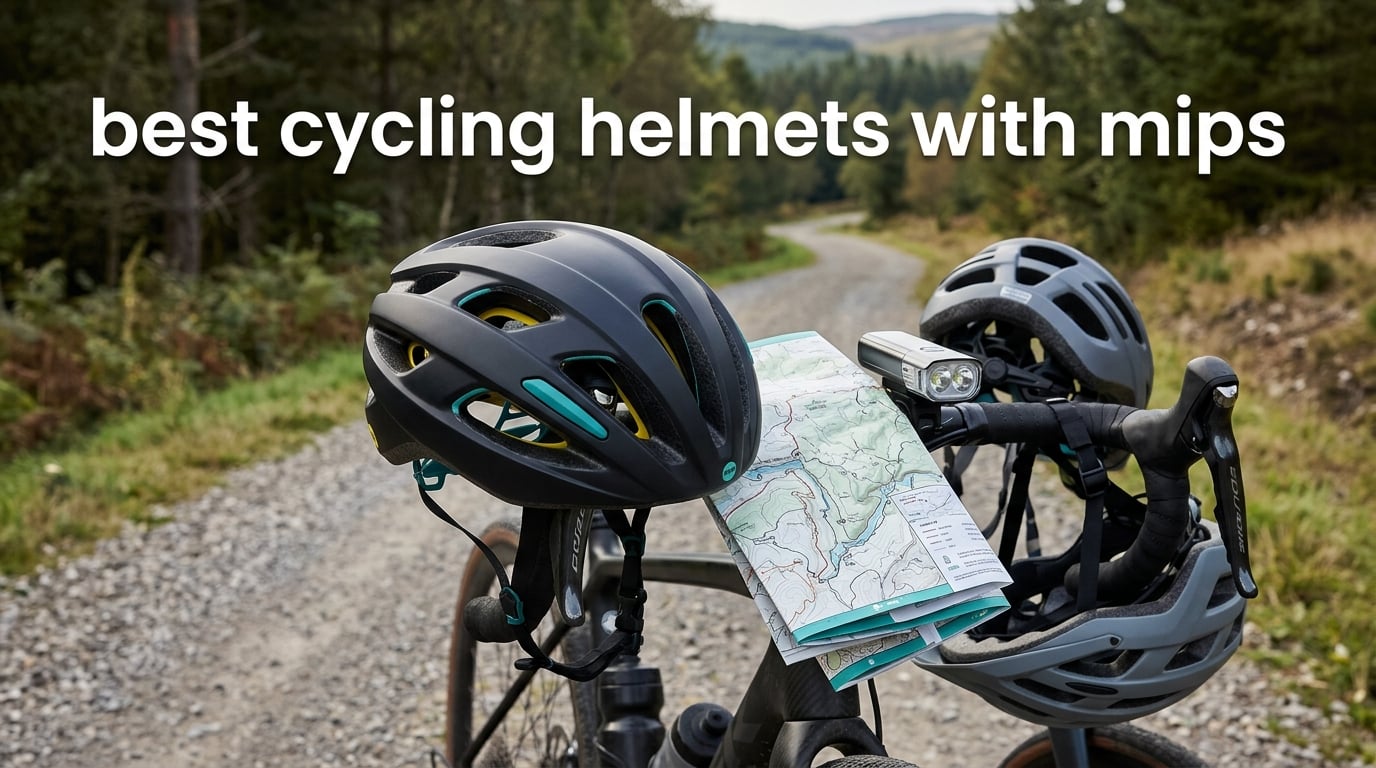
Are MIPS helmets actually better? In short: yes, a MIPS helmet manages angled impacts better than a plain certified helmet, and the technology now reaches the entry tier of the market, so most riders should take it. The caveat is that the system type and the fit matter more than the badge on the box.
That is the honest headline for this roundup of the best cycling helmets with MIPS in 2026. We compared ten of the strongest rotational-protection helmets on the market, from the value multi-sport models that new riders keep in their basket to the premium race shells that competitive riders live in. Every helmet below carries a genuine MIPS slip plane, not a marketing sticker, and each one has enough published owner feedback for us to judge how it holds up over months rather than days.
Last updated October 2026. Helmet lineups churn hard, so we re-check ratings and review volumes before every update.
Before we get into the picks, it helps to be clear about what protection technology can and cannot do. If you want the wider view on how head protection works across sports, we cover the physics in our skating vs cycling vs running impact comparison. For the broader category, our MIPS helmet technology guide goes deeper on the liner engineering.
One quick truth before the list: MIPS is close to standard now. Nine of eleven picks in a leading editorial competitor roundup carried it, and nineteen of the top twenty helmets in the Virginia Tech Independent Helmet Test Lab ratings use MIPS or an equivalent rotational system. The question is no longer whether rotational protection is worth having. It is which generation you are buying, and whether the shell actually fits the shape of your head.
Table of Contents
Top 3 Picks for Cycling Helmets With MIPS for October 2026

Giro Fixture MIPS
- Integrated MIPS slip plane
- Roc Loc Sport one-handed dial
- Universal 54-61cm sizing
- Adjustable visor
Giro Agilis MIPS
- Integrated MIPS slip plane
- Roc Loc 5 fit dial
- Wind Tunnel ventilation
- Two-piece hardshell

Giro Syntax MIPS
- Roc Loc 5 Air MIPS fit system
- Wind Tunnel ventilation
- IONIC+ padding
- Slim road profile
All 10 MIPS Helmet Picks at a Glance in October 2026
| Product | Specs | Action |
|---|---|---|
| Giro Fixture MIPS |
|
Check Latest Price |
| Giro Agilis MIPS |
|
Check Latest Price |
 OutdoorMaster Gem MIPS OutdoorMaster Gem MIPS |
|
Check Latest Price |
| Giro Syntax MIPS |
|
Check Latest Price |
 POC Omne Air MIPS POC Omne Air MIPS |
|
Check Latest Price |
 Bell Soquel MIPS Bell Soquel MIPS |
|
Check Latest Price |
 Bell Avenue MIPS Bell Avenue MIPS |
|
Check Latest Price |
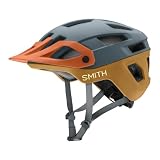 Smith Engage MIPS Smith Engage MIPS |
|
Check Latest Price |
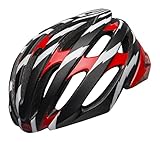 Bell Stratus MIPS Bell Stratus MIPS |
|
Check Latest Price |
 POC Kortal Race MIPS POC Kortal Race MIPS |
|
Check Latest Price |
The MIPS System Types Explained
Riders constantly ask which cycling helmet has the best MIPS system, and the honest answer is that the newer integrated designs are the ones to prefer. Here is how the generations differ, in plain terms.
Integrated slip plane (current generation). The slip plane is built into the retention cradle so the two move together. This is what the Giro Fixture, Giro Agilis, Giro Syntax, POC Omne Air, Bell Stratus, Smith Engage and POC Kortal Race all use. Low profile, well vented, nothing to rattle.
MIPS Evolve. The slip plane is folded directly into the retention dial itself rather than sitting in the padding. The Bell Avenue MIPS is the clearest example in our list. It cuts parts count and weight, and the shell sits closer to the head.
Classic padded slip plane. The original design: a separate padded layer between head and foam. It works, but it adds bulk, can shift, and creates pressure points over long rides. New designs have largely moved past it.
Zonal liner additions. The Smith Engage combines MIPS with zonal KOROYD, a honeycomb structure that adds crush protection in specific zones. You get layered coverage rather than a single system.
All four approaches share one non-negotiable: a properly fitted shell. Whatever generation you buy, run the fit checks at the end of this guide before you ride.
1. Giro Fixture MIPS – The Best-Fitting Entry-Level MIPS Helmet
Giro Fixture MIPS Bike Helmet – Matte Black/Grey – Universal Adult (54-61 cm)
Integrated MIPS slip plane
Roc Loc Sport one-handed dial
Universal 54-61cm
Adjustable visor
Pros
- Best-fitting entry MIPS helmet
- One-handed rear dial secures in seconds
- Strong vent airflow on long rides
- Low profile that suits road and trail
Cons
- Wind noise reaches the rider at speed
- Visor is short for full sun coverage
- 54-61cm range excludes very large heads
Our Editor’s Choice is the one we hand to friends who ask a single question: which one should I buy? The Fixture has 5036 owner reviews averaging 4.8 out of 5, the deepest feedback base in this roundup, and the sentiment behind that number is remarkably consistent. Riders describe it as the best-fitting entry-level MIPS helmet they have owned.
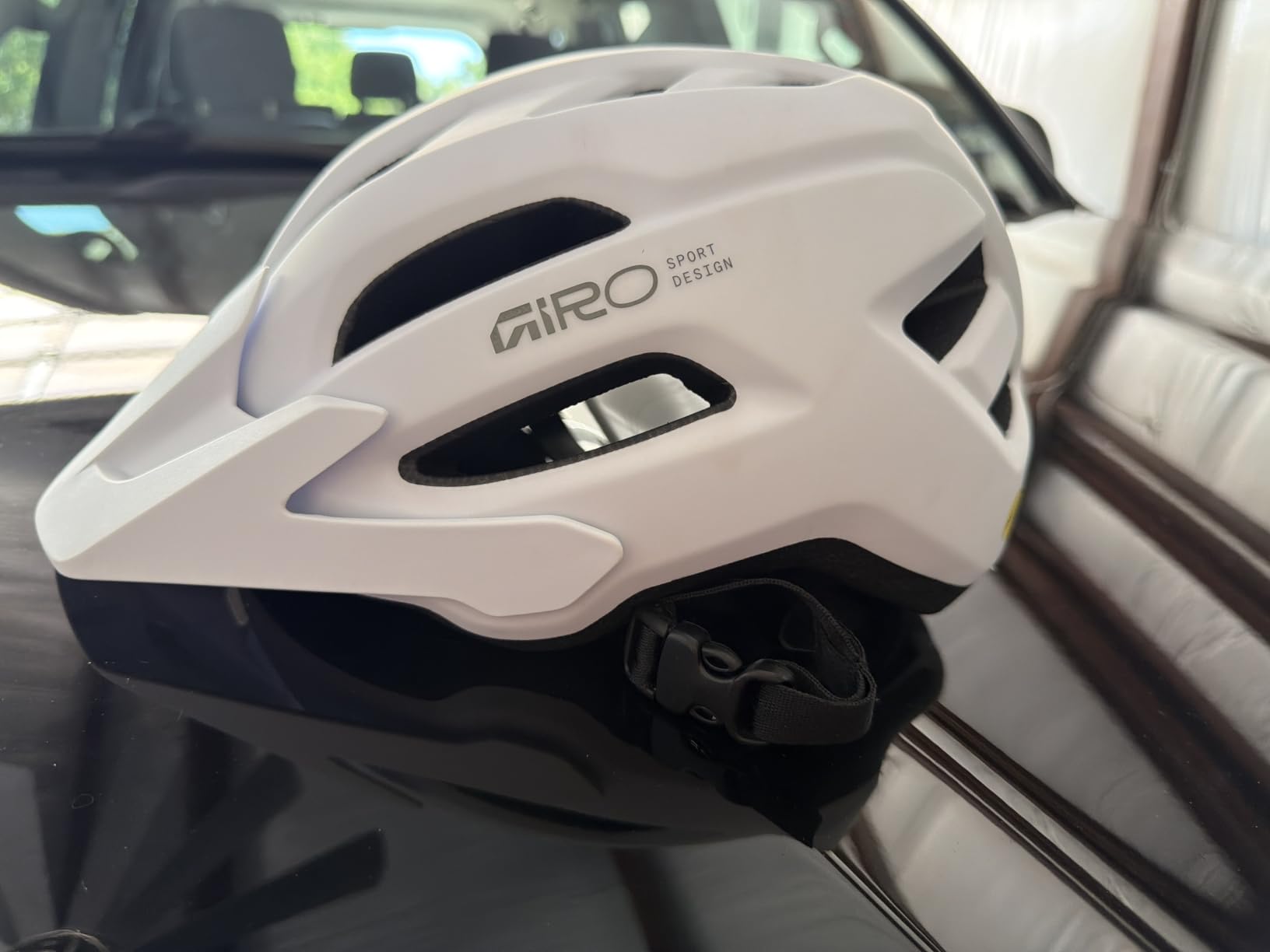
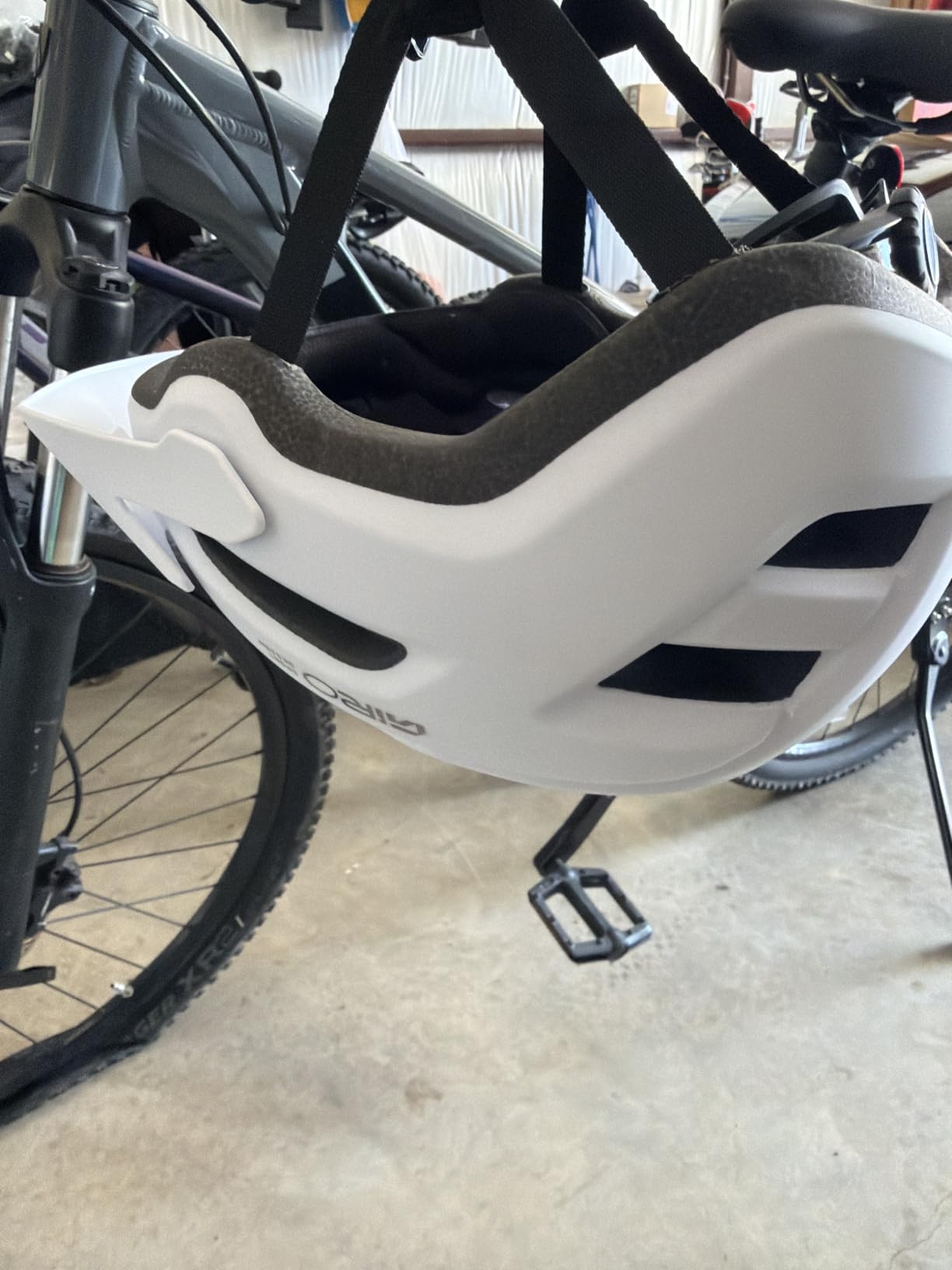
The technical story is straightforward and well executed. Giro fuses a tough polycarbonate outer shell directly to the impact-absorbing foam in a single-piece construction, which keeps weight low and lets air move through. The integrated MIPS Brain Protection System combines the slip plane with the retention system rather than sitting loose in the padding, so it stays put.
What makes it work day to day is the Roc Loc Sport dial. It tightens one-handed with 7cm of adjustment range, and the cradle is shaped with ponytail compatibility in mind. If you have ever fumbled a buckle in traffic lights, you will understand immediately why that matters more than another two vents.
Where the Fixture earns its rating
Fit versatility is the standout. Owners repeatedly note that head sizes around 59cm fit well where three-size competitors on the same shelf would not have covered them, which is exactly the round-head-versus-oval-head frustration that drives returns. The reflective detailing also earns credit for low-light commuting, bouncing light back toward its source rather than merely reflecting ambient light outward.
Where the Fixture falls short
The standard vent layout lets a measurable amount of wind noise reach the ear on fast descents and sprints, and the attached visor is short enough that riders report it sits high when the sun is low. Riders with head circumferences above 61cm need to look elsewhere, because the universal sizing stops there.
2. Giro Agilis MIPS – Precise One-Handed Fit for Road Riders
Giro Agilis MIPS Cycling Helmet – Matte White – Medium
Integrated MIPS slip plane
Roc Loc 5 fit dial
Wind Tunnel vents
Two-piece hardshell
Pros
- Precise one-handed fit and fore-aft tilt tuning
- Wind Tunnel venting cools the head
- Hardbody lower wrap adds durability
- Full size range from Small to Large
Cons
- Comfort depends on correct size choice
- Retention dial needs proper setup before riding
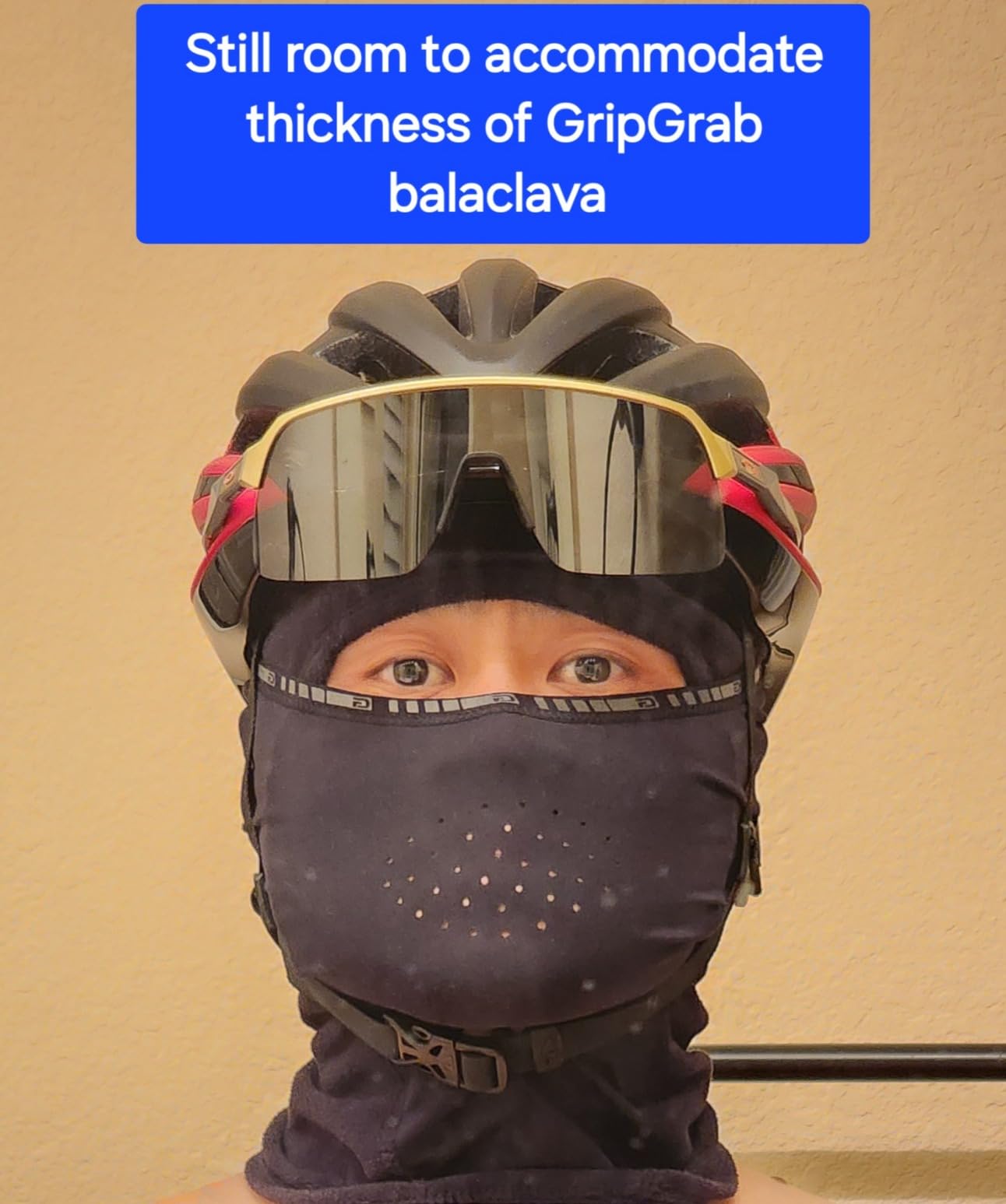
The Agilis is the step up from the Fixture, and the step is almost entirely about fit precision. It carries 1934 reviews at 4.7 out of 5, and the recurring theme in that feedback is the Roc Loc 5 retention dial, which lets you tune both tension and fore-aft tilt with one hand.
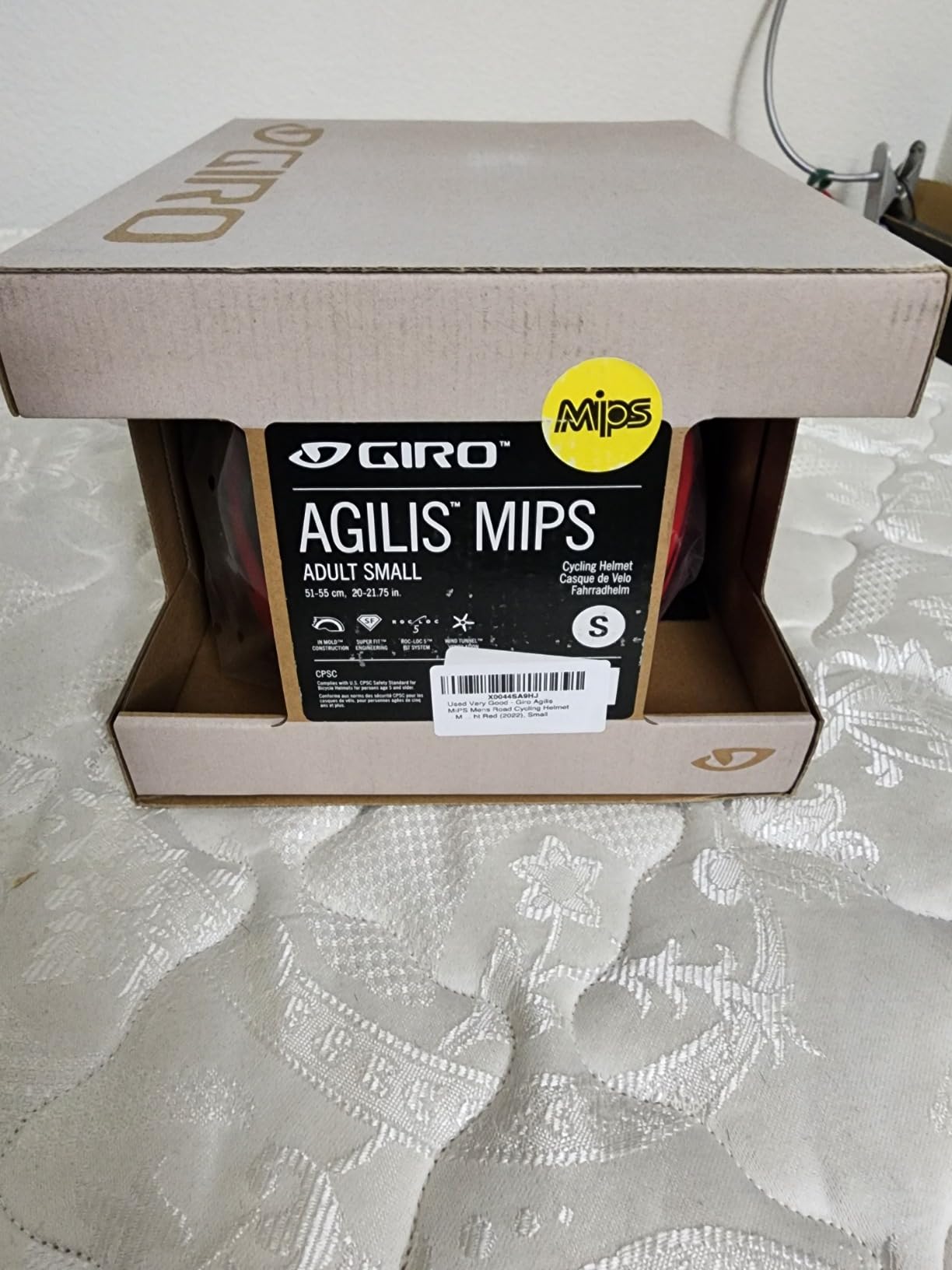
That fore-aft control is what road riders notice. A helmet that sits correctly on the brow changes the airflow over your face and removes the pressure ridge at the front edge. Giro Wind Tunnel ventilation then does its part with active shell vents and internal exhaust channels that move cool air over and around the head rather than simply venting upward.
Construction is a two-piece hardshell with an in-mold hardbody lower wrap fused to the liner. That wrap is a durability play: road riders scuff their helmets against cars, kerbs and gates far more than trail riders do, and the hard lower section takes that punishment. The listed weight in the product data is 0.67 kg, which is a packaged figure rather than a bare shell measurement, so treat it as a guide.
Choosing between the Fixture and the Agilis
If your head sits near a size boundary, the Agilis wins, because the full Small to Large range plus fore-aft tilt control gives you more room to solve the problem. Riders buying for a first road bike who will wear the same helmet for years of long summer rides generally find the extra venting and the firmer shell worth the step up.
Where the Agilis is not the answer
The caveat in the reviews is consistent: this helmet only feels as good as the size you picked. Comfort and ventilation both track heavily with getting the shell and retention dial set correctly in the first ten minutes, and owners who skipped that step report a mediocre experience with a design that is otherwise excellent.
3. OutdoorMaster Gem MIPS – Two Interchangeable Liners in the Box
OutdoorMaster MIPS Adult Recreational Cycling Helmet – Carbon Black,M
MIPS slip plane
Two liner thicknesses 0.23 and 0.31 in
25 vents
Removable visor
Pros
- Interchangeable liners tune the internal fit
- Deep 25-vent layout for airflow
- Removable visor switches open or covered
- Multi-sport build for commute BMX skate and MTB
Cons
- Bulkier profile than dedicated road helmets
- Liner foam feels plainer than premium padding
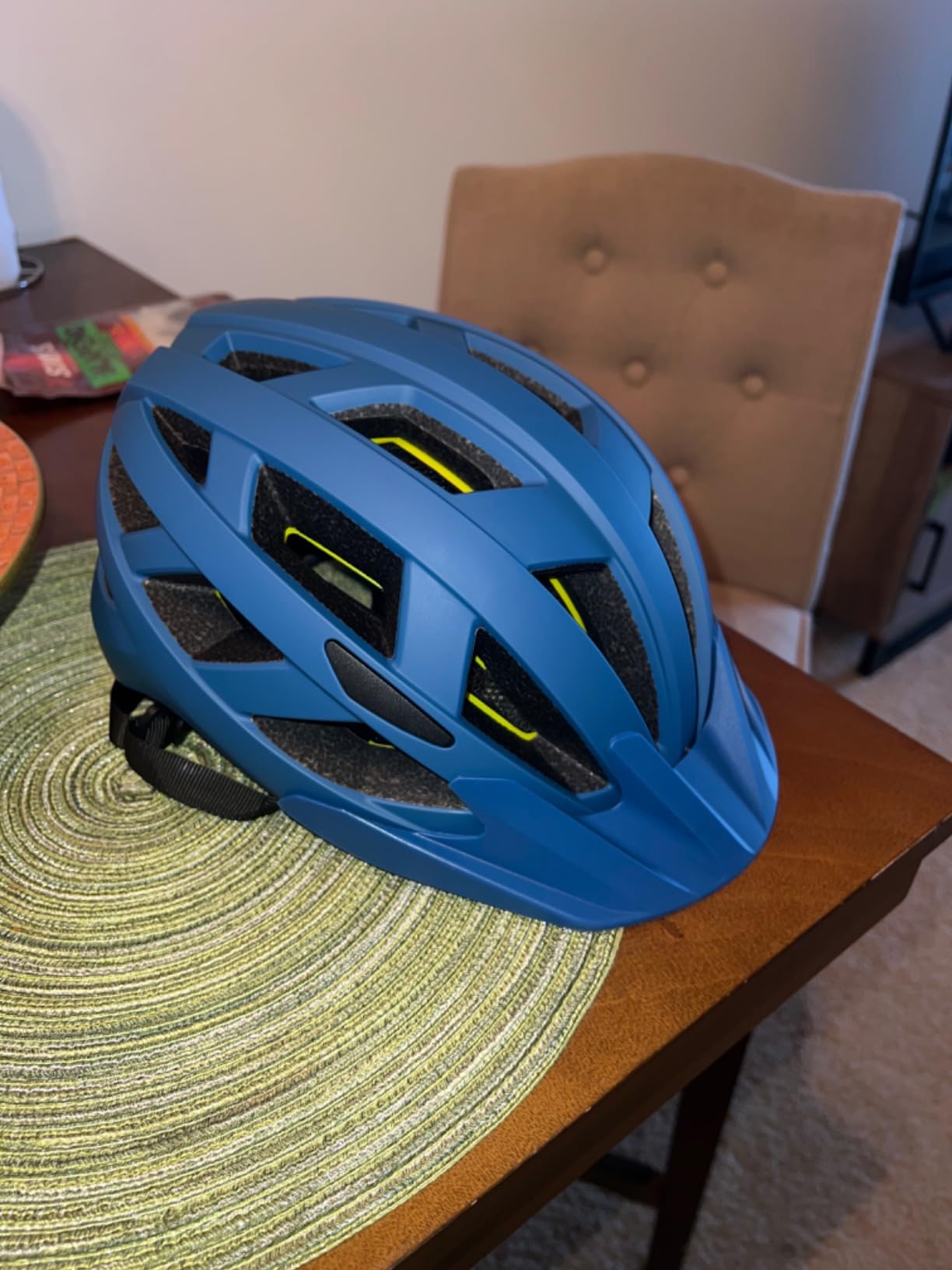
The Gem is the value pick in this roundup, and the reason is a feature nobody else on this list offers. It ships with two interchangeable liner thicknesses, 0.23 inches and 0.31 inches, which you can swap to change how the helmet sits around your head. With 1503 reviews at 4.8 out of 5, that liner swap is the feature buyers single out most.
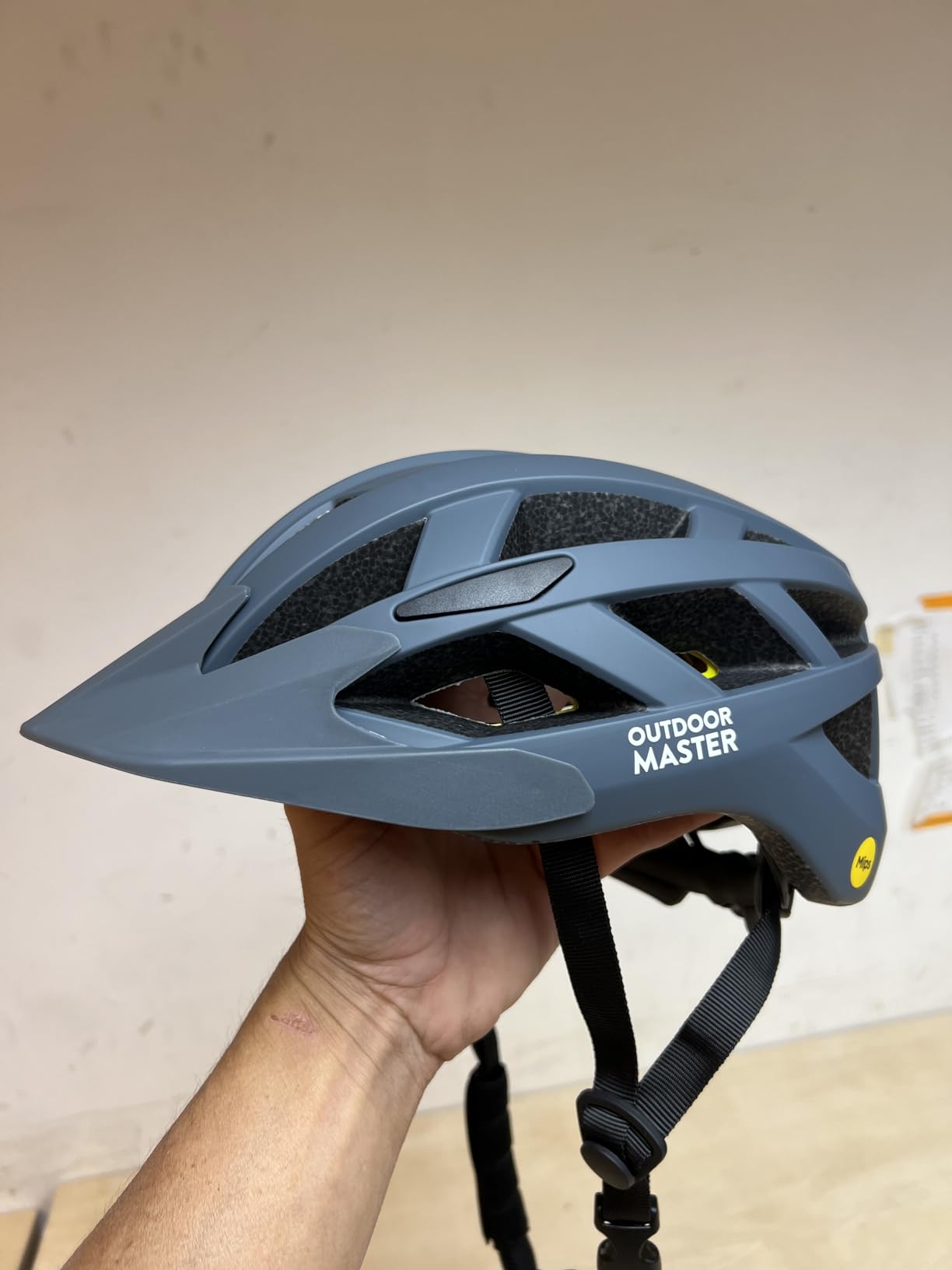
It is genuinely useful rather than a gimmick. A thinner liner gives more room under the shell for round heads; a thicker liner closes the gap for longer oval shapes. Riders who usually feel pressure at the brow after an hour can solve it without buying a different helmet. The rear adjustment dial then dials in the final fit and is positioned to avoid pulling hair, which is a small detail that gets noticed on long rides.
Ventilation is the other strength. Twenty-five individual vents in a deep layout push real airflow through the shell, and the removable visor lets you ride with your eyes uncovered when you are commuting through traffic and with it raised on the trail. The listed weight is 399 grams, which puts it in lightweight road shell territory rather than heavy skate helmet territory.
Who should buy the Gem
Riders with a head shape that nothing else seems to fit, and anyone whose discipline changes week to week. The same helmet works for the commute, a skate session at the park, BMX, and a mountain bike ride, and the liner swap covers the fit problem that usually sends people back to square one. Warranty cover is one year from the manufacturer.
Where the Gem loses ground
The shape is bulkier than a dedicated road helmet, and riders chasing an aero silhouette on the bike will find the profile too tall. The foam liners also feel plainer than the padded systems on Giro and POC models, so if you are sensitive to pressure points over a full day, the premium shells feel better against your skin.
4. Giro Syntax MIPS – Comfortable Through Long, Hot Rides
Giro Syntax MIPS Helmet – Matte Stone – Large
Roc Loc 5 Air MIPS fit system
Wind Tunnel vents
IONIC+ padding
Slim road profile
Pros
- Best-in-class fit from the Air retention cradle
- Slimmer profile sits low around the head
- Excellent sweat absorption on hot rides
- Comfortable enough to forget on long rides
Cons
- Front vents fight sunglass temples
- No built-in glasses storage
- Glue residue around vents on some units
The Syntax is our Premium Pick, and it holds its own on long summer rides. With 1496 reviews at 4.7 out of 5, the feedback points to specific qualities rather than generic praise, which is the mark of a well-tested helmet.
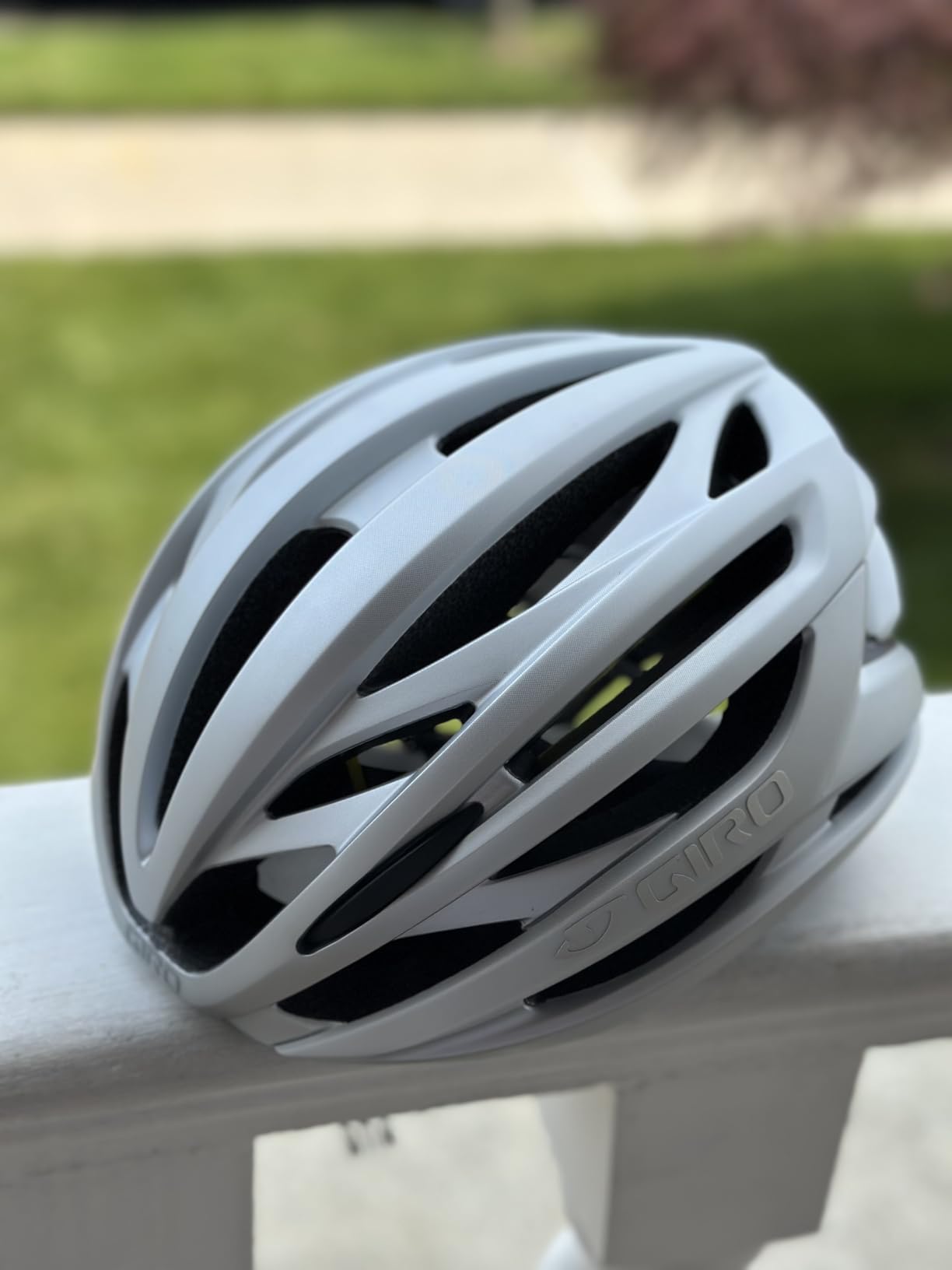
The Roc Loc 5 Air MIPS system is the headline. It suspends the shell slightly off the skull so air can pass over the top of your head, and the dial holds the helmet steady enough to ride with the chin strap fully unfastened. That is a genuinely useful trait on long descents. Giro Wind Tunnel ventilation then works the air through active shell vents and internal exhaust channels, and the fit is slimmer and lower than most helmets in this roundup.
Sweat management is where the Syntax separates itself. IONIC+ padding uses pure silver for permanent odour control, and owners consistently report comfort across multi-hour mountain rides in hot conditions. You genuinely stop noticing the helmet, which is the highest compliment a piece of safety equipment can earn.
Why the Syntax sits above the others
If your riding includes long, hot, sweaty days and you wear sunglasses for most of them, this is the one to try on first. The two-piece hardshell with in-mold hardbody lower wrap gives it the durability for road and gravel use, and the styling is understated enough to match most kit. Owners repeatedly call out that it disappears on the head.
Known annoyances worth weighing
The front vents are not oriented to accept sunglass temples cleanly, so you will be tucking arms in and out. There is no built-in glasses storage and no carry case, which matters if you use photochromic lenses you take off on climbs. An isolated number of owners also report glue residue around the vents on certain units, so inspect the shell on arrival.
5. POC Omne Air MIPS – A Very Light Shell for Urban Miles
POC Omne Air MIPS Bicycle Helmet Bicycle Helmet with MIPS Technology, Adjustable and Optimal Ventilation, for Men and Women, Ideal for Leisure and Commuting
In-built MIPS
360 one-handed dial
Unibody wrapped shell
Listed 0.35 kg
Pros
- Very light for a full wrap
- Good ventilation channels
- One-handed 360 retention dial
- Premium finish with fabric storage pouch
Cons
- Some sizes run small so measure first
- Premium cost for a commuter helmet
The Omne Air is the one to consider if your miles are urban and your helmet spends most of its life on a saddle or on a rack. The listed weight is 0.35 kg, which makes it one of the lighter full-wrap shells we reviewed, and that number matters more in a commute than anywhere else because you wear the thing for a couple of hours regardless of whether you rode.
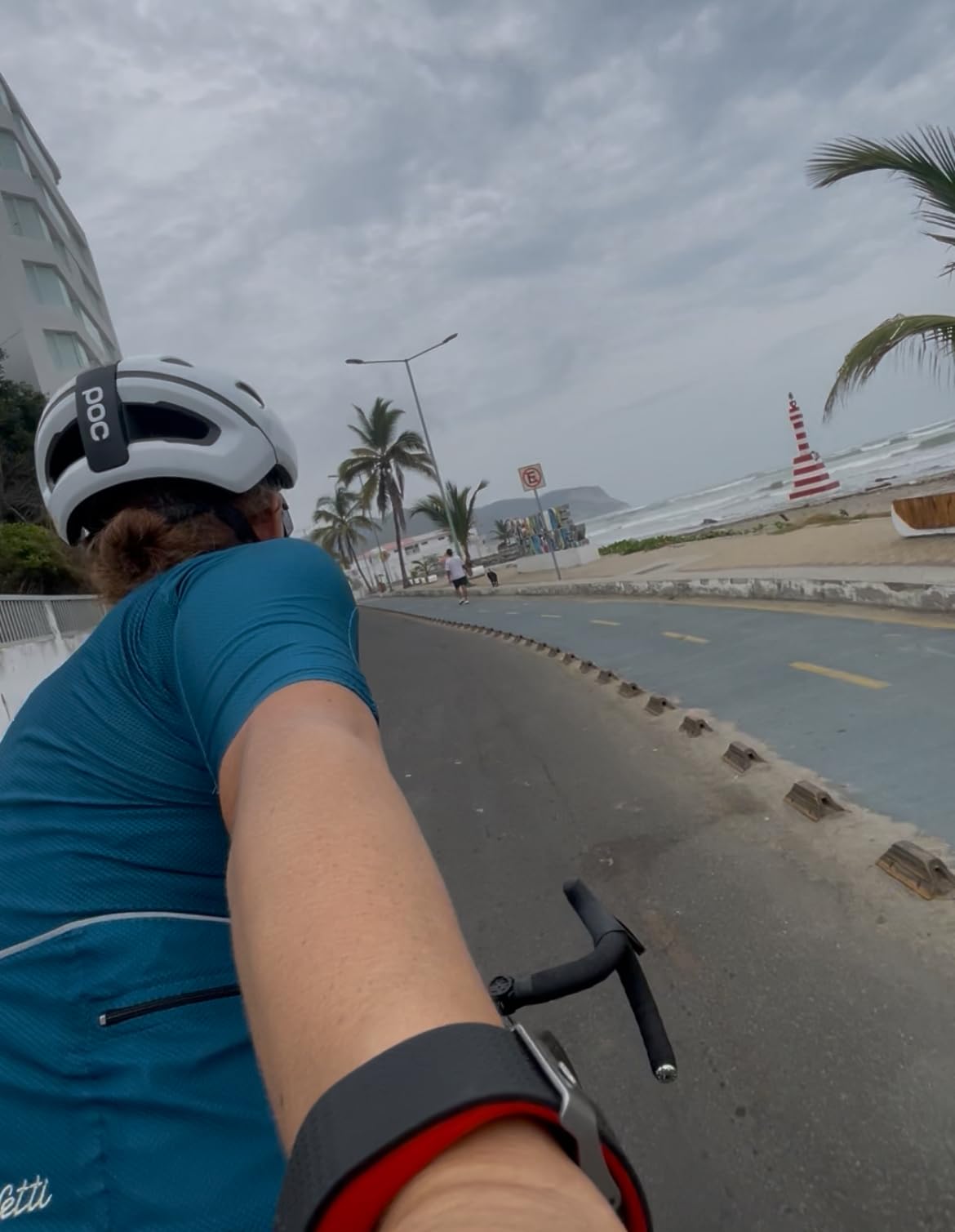
The in-built MIPS system is integrated rather than added, and the shell is a unibody ultra-light wrap over an optimised EPS liner. The straps are moulded directly into the liner, which removes the loose webbing that usually causes pressure points behind the ears. A 360-degree retention dial handles the whole adjustment one-handed, and ventilation channels keep the head cool on a warm climb home.
The finish is among the most refined in this roundup, and it comes with a soft fabric storage pouch. Owners describe a firm but pressure-free fit that holds through long hours, and POC backs the helmet with a two year manufacturer warranty. It works well for road and gravel as well as commuting, which makes it a quiet all-rounder.
Best used for
Urban and e-bike riders who want a helmet that looks considered and feels light, plus anyone riding to work in warmer months who will value the deep wrap coverage over an open road profile. If you want the least helmet between you and the pavement at low speed in traffic, this is the one.
Before you order
Measure your head first. Some sizes run small, and the recurring complaint in reviews is exactly that: a head measurement before buying solves a problem buyers otherwise solve with a return. The second recurring note is that the price sits high for a commuter-oriented helmet, which is a fair criticism if you compare it to the budget tier.
6. Bell Soquel MIPS – A Credible Entry Point to MIPS
Bell MIPS Soquel Bike Helmet, Matte Black Ti
MIPS slip plane
Fusion in-mold shell
Extended rear coverage
12 ounces
Pros
- Lightweight at 12 ounces with a dial retention
- Extended rear coverage for a budget shell
- Fusion in-mold construction feels sturdy
- Lowest entry cost to real MIPS
Cons
- One-size shell suits a narrower 53-60cm range
- Sweat pads wear down faster than premium models
The Soquel exists to answer one question: can you get a legitimate MIPS helmet at the entry point of the market? Yes, and the numbers back it up. It sits at 4.5 out of 5 across 429 reviews, the lowest rating in this roundup, but that reflects a narrower fit range and plainer padding rather than a safety compromise.

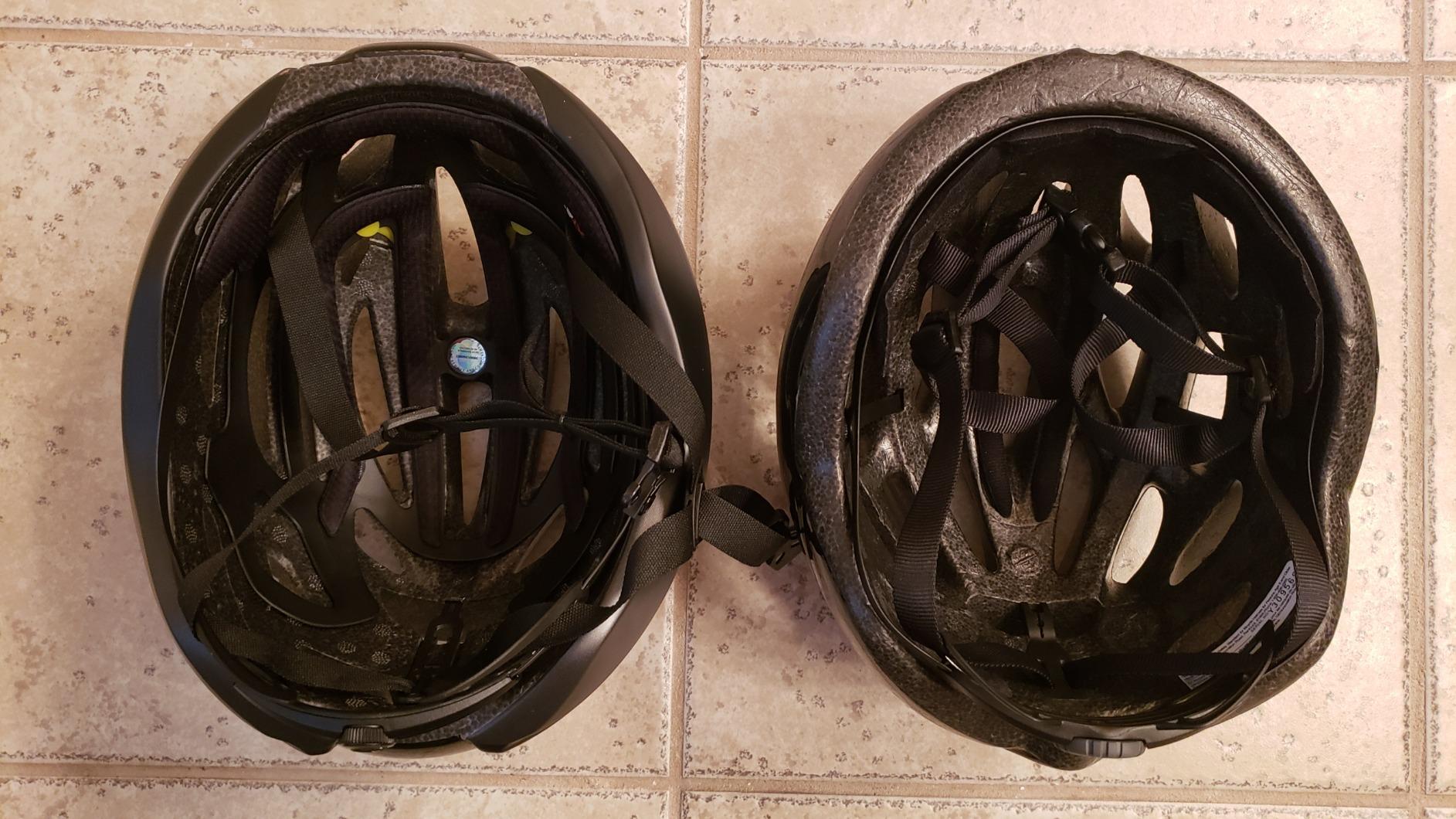
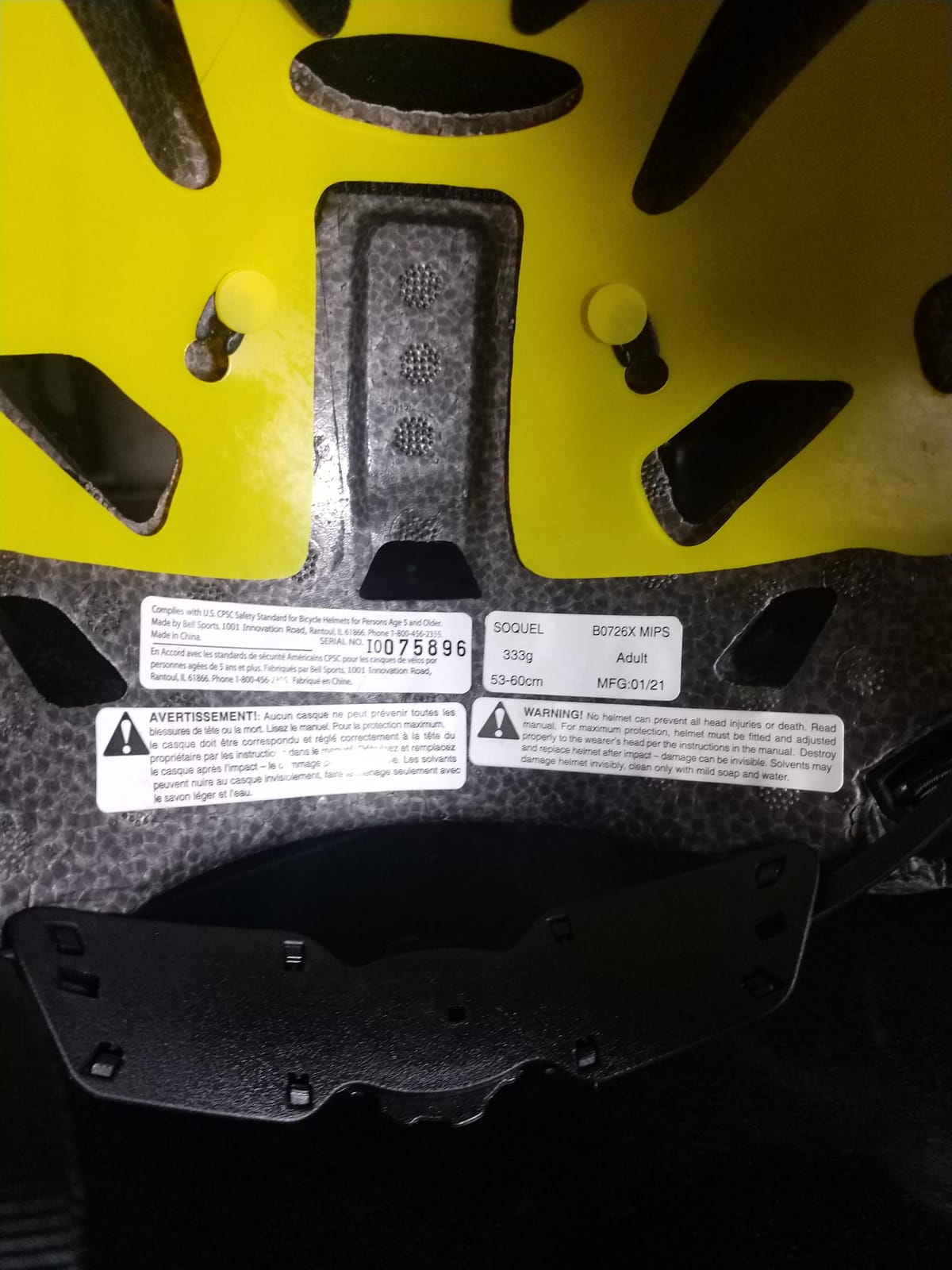
The MIPS slip plane sits inside the shell to reduce rotational forces in certain impacts, and Bell Fusion in-mold construction bonds the outer shell to the EPS liner for more sturdiness than typical entry-level construction. The detail that separates it from cheaper no-name shells is the extended rear coverage: more shell over the occipital lobe, which is where trail and gravel impacts tend to land.
Weight is 12 ounces and the fit system is a simple easy-turn dial, which is all most riders need to get a stable, level fit. The shell is made from ABS rather than the polycarbonate used on the models above, so expect a slightly different feel and a slightly different price. It meets the US CPSC bicycle helmet safety standard for ages five and older and is recommended for adults 14 and up with heads from 53 to 60 cm.
Where it makes sense
First-time buyers, anyone buying a helmet for a child who has outgrown the last one, and riders who want rotational protection without researching ten models. It is also a good spare helmet to keep at the house or in the car, and the extended rear coverage means you are not buying the bare minimum on protection, which is where cheap helmets usually economise.
Where it will frustrate you
One size is one size, and 53 to 60 cm is a narrower window than the multi-size models here, so it will not suit very long or very round heads without adjustment. The sweat pads are the other recurring complaint: less plush than Bell’s higher-end models and they wear down faster, so expect to replace pads sooner on long summer rides.
7. Bell Avenue MIPS – Discreet Road Styling With Integrated MIPS
Bell Avenue MIPS Adult Road Bike Helmet – Matte/Gloss Black – Size M/L (53–60 cm)
MIPS Evolve in retention
Overmoulded fit dial
Sweat Guide brow pad
Two shell sizes
Pros
- MIPS slip plane built into the retention dial
- Compact and well ventilated close to the head
- Sweat Guide pad moves moisture off the brow
- Quick-adjust fasteners keep straps flat
Cons
- Two size options must be matched carefully
- Sizing is the whole decision
Road riders who want rotational protection without a helmet that looks like a trail helmet have a specific problem, and the Avenue answers it. It uses MIPS Evolve, where the slip plane is integrated into the retention system rather than sitting in the padding, and the result is a shell that sits closer to the head with fewer parts and less bulk.
That integration cuts complexity and weight for a compact, better-ventilated fit, which is what you want on a fast road ride. The fit system itself is a rubber overmoulded dial that is easy to turn, and the quick-adjust strap fasteners keep the webbing flat and properly positioned under load, which stops the strap rotating around your ear on a hard effort.
The Sweat Guide pad design pulls moisture away from the brow pad and your eyewear, a detail that matters more than it sounds when you are wearing glasses for a long climb. The styling is clean and low-profile across a range of sizes and colours, and owners consistently describe it as a solid mid-range road helmet rather than a budget compromise.
The fit decision that decides everything
Two shell options cover 50 to 57 cm and 53 to 60 cm. That overlap is deliberate, because head shape varies as much as circumference, and it is where the single recurring caution in reviews sits. Measure your head circumference, then check whether your shape is longer front-to-back or wider side-to-side, and pick the shell that matches the shape rather than the number.
Best used for
Riders who want the shortest, quietest-looking road helmet available with real MIPS integration, and who wear prescription or sports glasses that need flat, well-positioned straps. If you care about how the helmet looks under a cap in the bunch, this is the one in our list that will not upset you.
8. Smith Engage MIPS – Dual Protection at a Mid Price
SMITH Engage MTB Cycling Helmet – Matte Flint/Tarmac, Small
MIPS plus KOROYD coverage
21 vents with AirEvac
Dial retention
Listed 350 g
Pros
- Combines MIPS with zonal KOROYD coverage
- Very light at roughly 350 grams
- Dial retention stays stable on rough ground
- Vents integrate with Smith eyewear
Cons
- Full-coverage trail shape suits mountain riding only
- Integrated visor is fixed to the trail look
The Engage is unusual because it stacks two protective systems. It pairs the integrated MIPS Safety System with zonal KOROYD coverage, a honeycomb structure that absorbs impact energy and adds crush protection in specific areas. At 353 reviews and 4.7 out of 5, owners treat that combination as a genuine bonus at a mid-range price.
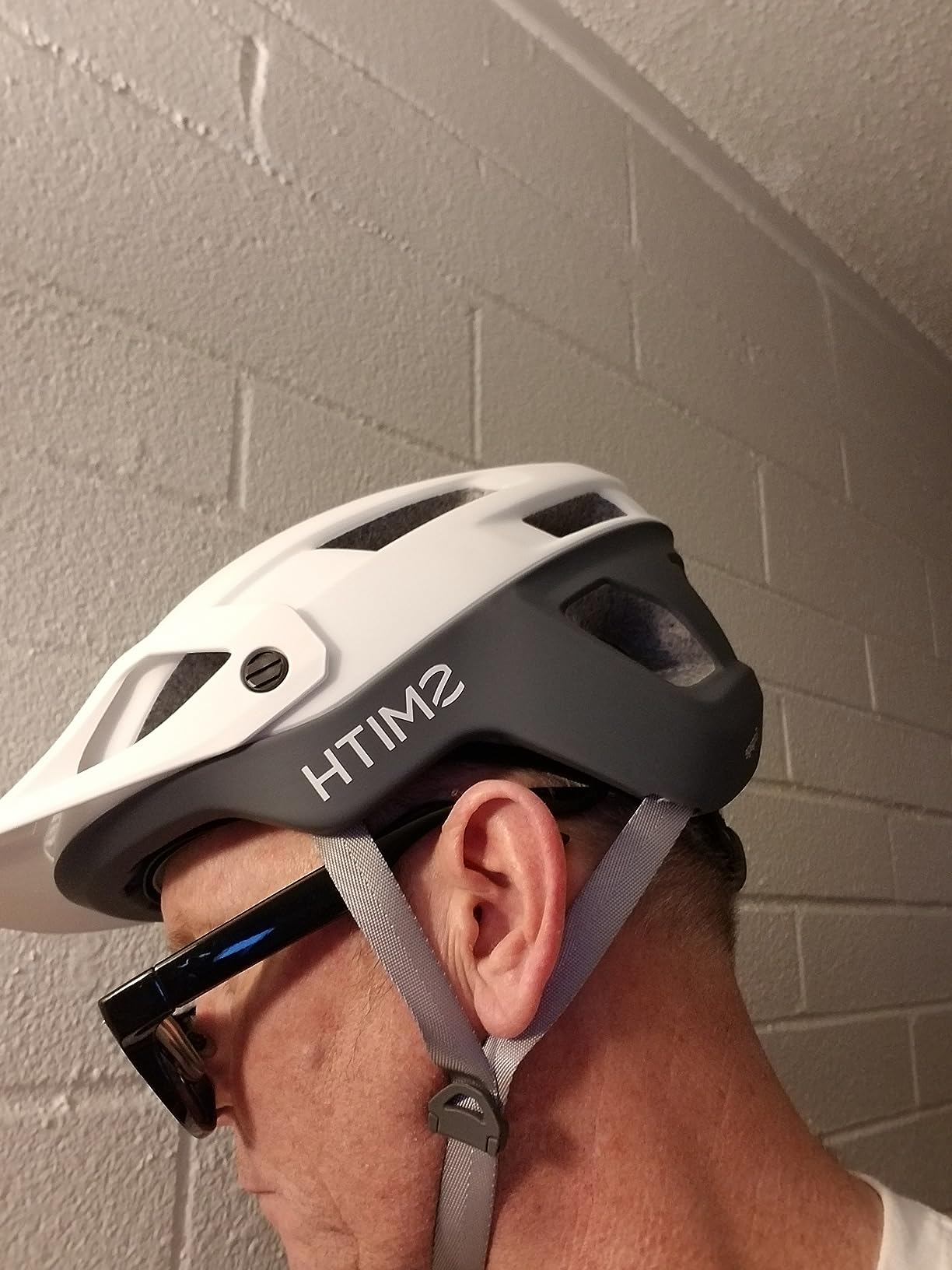
It also meets US CPSC, CE EN 1078 and AS/NZS 2063 standards, a longer certification list than most competitors offer, and that matters if you ride abroad. The listed weight is around 350 grams, low for a full-coverage trail shell, and that is what keeps it comfortable across a long day in the saddle when the trail is flat between features.
Twenty-one fixed vents work with the AirEvac ventilation system to move air across the head on climbs and hot rides, and the shell is designed to integrate cleanly with compatible Smith sunglasses and goggles. The dial fit system is adjustable and, importantly, stays stable on rough terrain rather than shifting every time the bike drops off a lip.
What makes it a trail pick
The full-coverage shape and adjustable visor are built for mountain riding, where the shell takes hits from branches and the ground and your head needs protection from more than one angle. Riders who move between XC, trail and all-mountain terrain will find the coverage and the light weight in the right balance, and the dual system gives extra confidence on exposed rock.
Where it does not fit
This is a trail helmet, not a road helmet. The full coverage and integrated visor look and feel out of place on a road bike, add drag, and the venting strategy assumes you are generating heat at low speeds. If your riding is 90 percent tarmac, choose the Avenue or the Syntax instead.
9. Bell Stratus MIPS – Solid Construction at the Entry Level
BELL Stratus MIPS Adult Road Bike Helmet – Vertigo Matte/Gloss Black/Red/White (2023), Small (52-56 cm)
MIPS slip plane
Internal polycarbonate roll cage
Float Fit dial
18 vents
Pros
- Roll cage makes it feel sturdier than the price
- Float Fit dial and No-Twist straps stay stable
- Overbrow ventilation pulls air in at the brow
- Three size options improve the fit match
Cons
- Sizing must be matched to head shape carefully
- Head shape varies widely even within each size
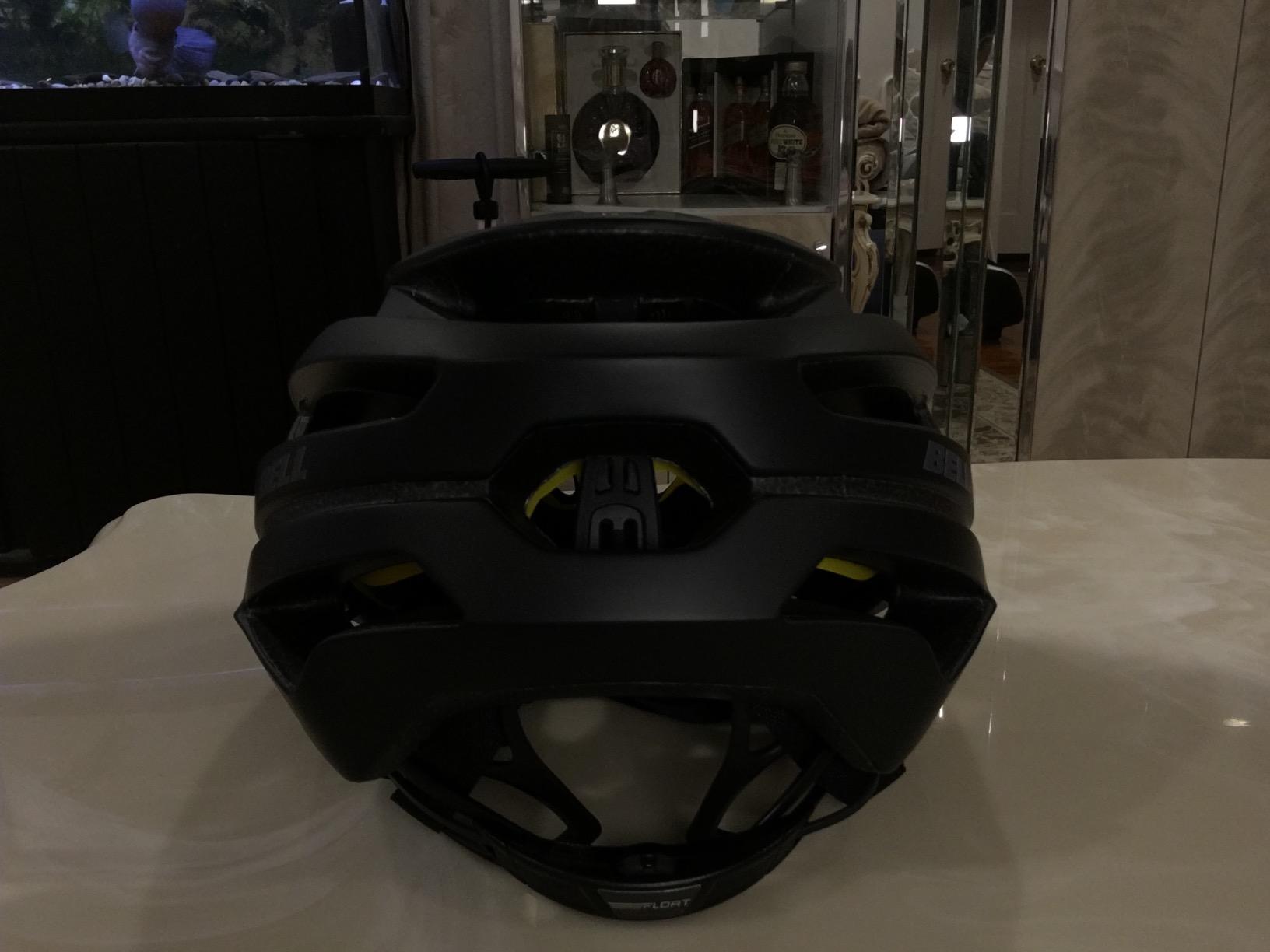
The Stratus is the construction upgrade over the Soquel. It carries an internal polycarbonate roll cage fused with an in-moulded polycarbonate shell bonded to the EPS liner, and owners consistently say the helmet feels sturdier than its price suggests. With 345 reviews at 4.6 out of 5, that build quality is the most common theme.
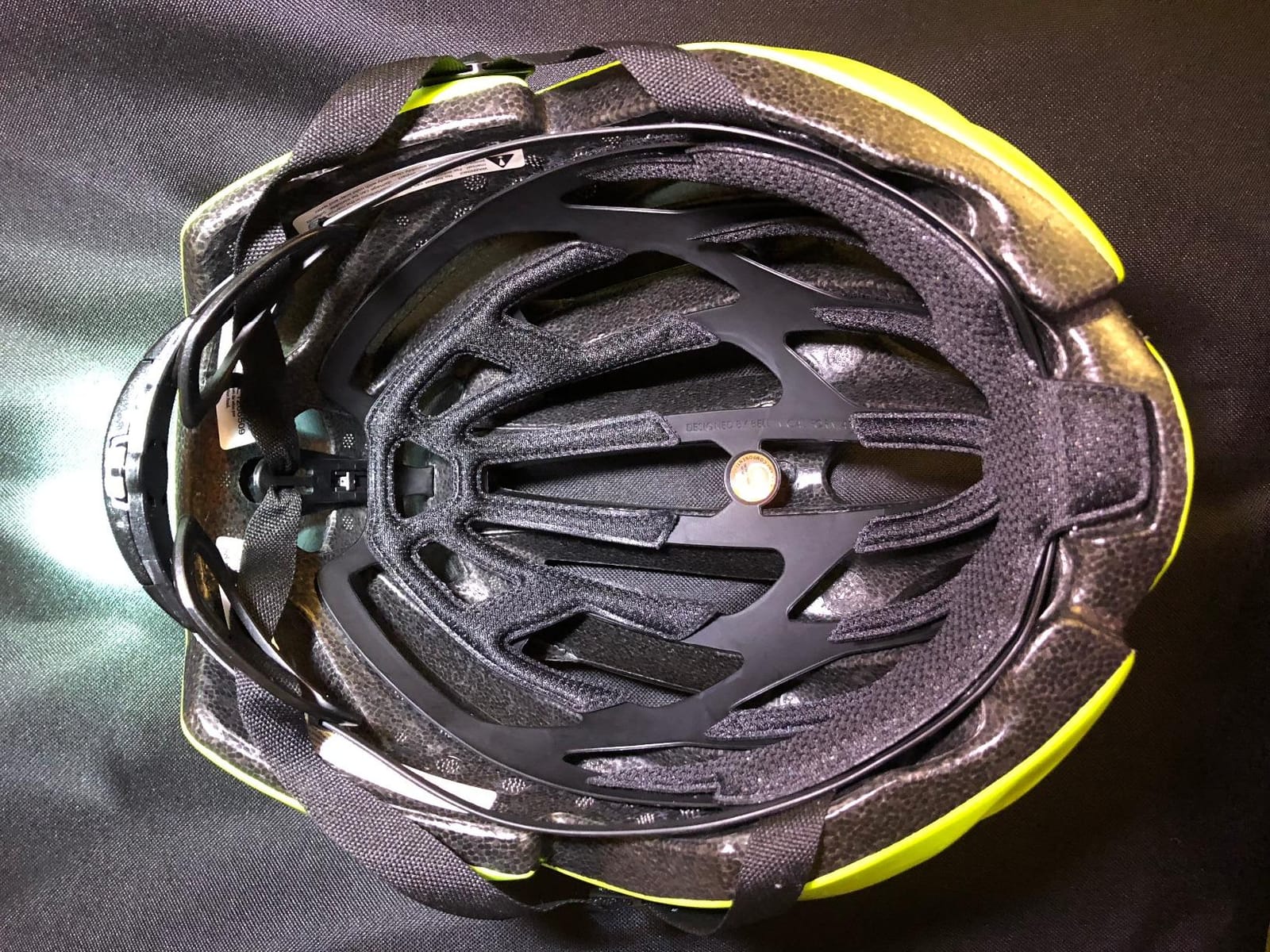
The fit hardware is the other differentiator. Float Fit with a No-Twist Tri-Glide system and a rubber overmoulded dial integrated with MIPS keeps the helmet stable and the straps flat, which solves the strap rotation problem that makes cheap helmets annoying over distance. Eighteen vents plus overbrow ventilation with intake ports at the brow pull air in at the front and push it through the internal channel matrix.
Three size options give a much better fit match than one-size budget helmets: S at 52 to 56 cm, M at 55 to 59 cm, and L at 58 to 62 cm. The Sweat Guide pad keeps moisture away from the brow and your eyewear. This is the helmet in our list for a rider who wants MIPS, wants real build quality, and does not want to move up to a premium price.
Best used for
All-mountain and trail riders on a budget, and anyone who has already had one helmet crack or delaminate. The roll cage is the reason. On bikes where contact with branches, rocks and the ground is a given, shell integrity stops being a theoretical concern, and the overbrow venting shows up on the climbs that define a mountain day.
The one thing to get right
Head shape varies widely even inside Bell’s three size bands, so the size choice still carries most of the outcome. The warning in the reviews is consistent across the Bell range: pick the size by measuring, not by guessing. Bell’s warranty covers manufacturing defects, so inspect the shell and straps on arrival.
10. POC Kortal Race MIPS – Extra Safety Features for Remote Trails
POC Kortal Race MIPS – Advanced Trail, Enduro and All-Mountain Bike Helmet with a Highly efficient Ventilation Design
In-built MIPS
Integrated RECCO reflector
NFC medical ID
Liftable peak
Pros
- Precise fit via a wide adjustment range
- Light for a full-coverage enduro shell
- RECCO reflector and NFC medical ID
- Premium build and finish
Cons
- Deep front shell can block sightlines on descents
- Interior runs narrow at the temples
- Minimal padding supplied as standard
The Kortal Race is the specialist pick, aimed squarely at riders who go far from pavement. It has 538 reviews at 4.2 out of 5, the lowest rating in this roundup, and it earns every point of that because it is a compromise built for a specific job rather than a general-purpose helmet.
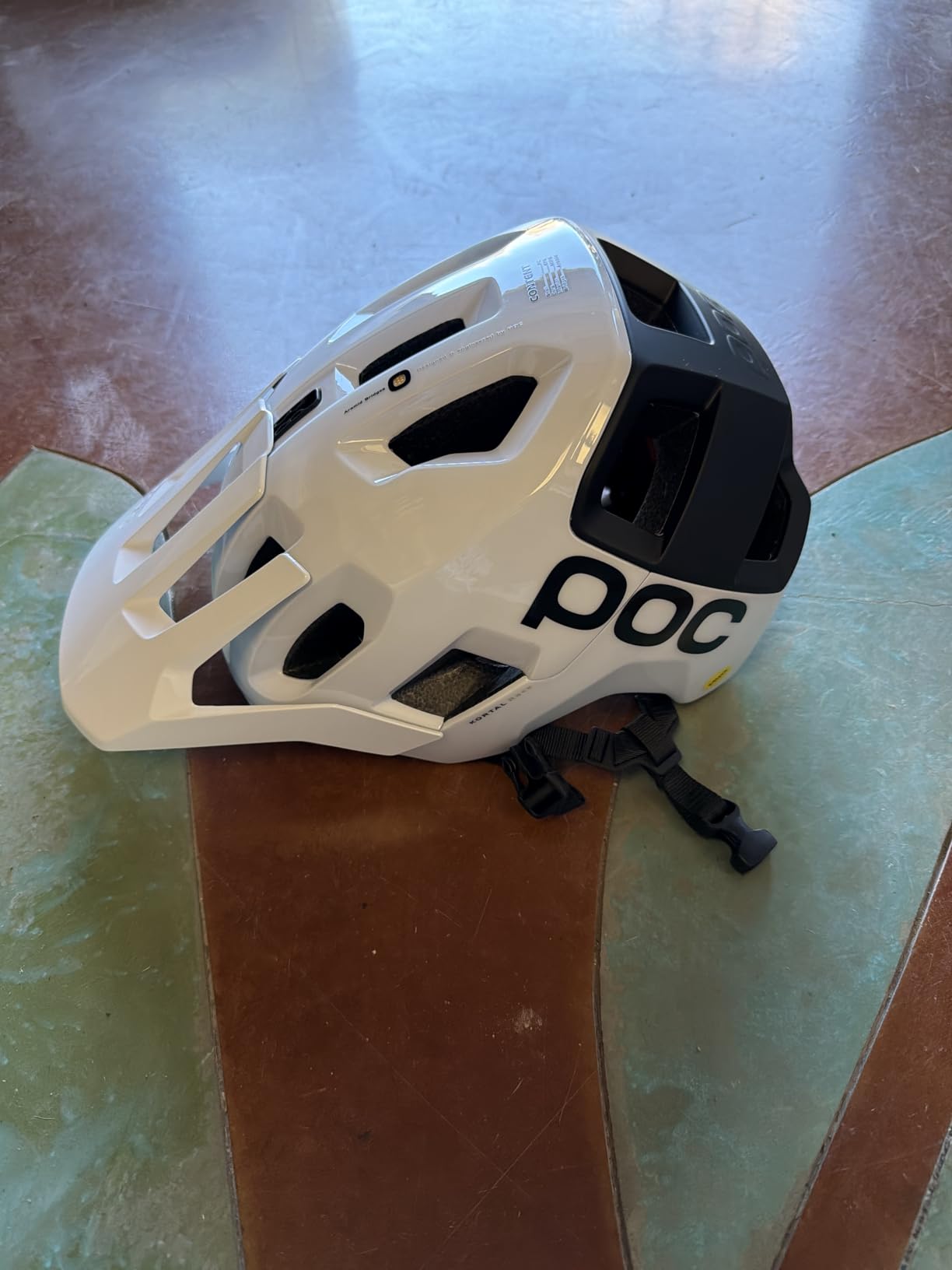
What it does that the other models here do not is add safety infrastructure. The integrated RECCO reflector makes the helmet searchable by rescue services, which matters most exactly when nobody is watching. The NFC medical ID chip stores vital medical details and emergency contacts for first responders. No other helmet in this list carries a feature that can reach a paramedic.
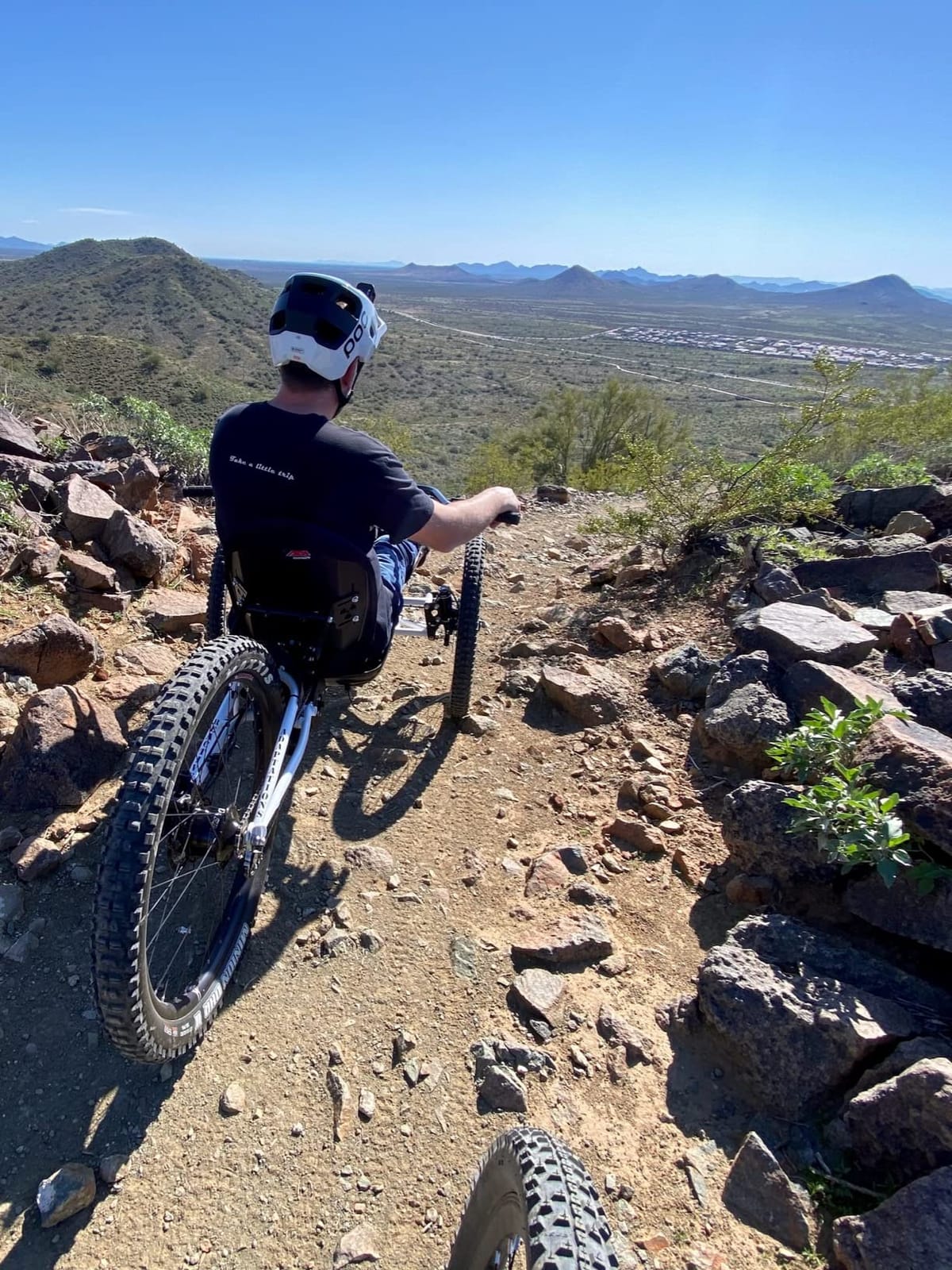
The build is a full-coverage trail and enduro shell with extra coverage at the temples and back of the head, an adjustable peak that lifts to store goggles or sunglasses underneath, and a goggle clip. Ventilation is described as highly efficient and it shows on long climbs, with the listed weight of 0.39 kg staying light for a shell this protective. The adjustment range lets you dial in a very precise fit through the rear dial, and the paint and finish are visibly premium.
Who it is built for
Riders doing enduro, all-mountain and backcountry routes where the consequences of an unwitnessed head injury are real. If you ride remote singletrack, the RECCO reflector and medical ID alone justify the premium, and the light weight and ventilation keep the helmet bearable on the long climbs that bracket a day in the mountains. A two year manufacturer warranty is included.
Why the rating is the lowest here
The deep front shell and large visor restrict forward sightlines for some riders on steep descents, which is a real safety trade-off rather than an inconvenience. The interior shell shape can feel narrow at the temples even when the nominal size matches, which is a repeated fit complaint across the whole roundup. Padding supplied as standard is minimal, so many owners add aftermarket pads. A minority also report rear colour fading with use.
When MIPS Is Not Worth the Extra Money?
We are not going to tell you every rider needs this technology, because that is not an honest position. Here is when the extra money is hard to justify.
Strictly flat, low-speed commuting on separated cycle paths is the clearest case. If your worst realistic outcome is a slow tip-over at a junction, the rotational difference between helmets is unlikely to change the outcome, and the same money buys a better fit, which does more for your protection than the slip plane does.
Budget ceilings are the second case. If a MIPS helmet only fits because you compromised on size to reach it, you would be better off in a correctly sized helmet without rotational protection. A badly fitted MIPS shell moves your head further than the 10 to 15 mm the system is engineered to manage, which is precisely the uncontrolled rotation the design exists to prevent. Fit beats the badge, every time.
It is also worth knowing that MIPS is not the only game in town. Bontrager WaveCel uses a folded cellular structure, Lazer KinetiCore uses a cellular elastomer block, and Koroyd uses a honeycomb liner that crushes on impact. These are legitimate alternatives that sometimes match MIPS on oblique-impact testing. If a WaveCel or KinetiCore helmet fits you better than any MIPS shell in this roundup, take it. The Smith Engage in this list already combines MIPS with zonal Koroyd, which is a fair hint that the two approaches are complementary rather than competitive.
What you should not do is treat price as a safety signal. Expensive helmets are not reliably safer than cheap ones, and the cheapest helmet here uses a real MIPS slip plane with in-mold construction and extended rear coverage. Judge on fit, certification, and independent test data, not on the number at checkout.
The 2-2-2 Fit Rule for Bike Helmets
Two PAA questions ask what the 2-2-2 rule for bike helmets is, and almost nobody answers it properly. It is a fast physical check you can run in a shop in under a minute, and it catches most fit problems before they become hot spots on a long ride.
Two fingers above the brows. Slide two fingers between your eyebrows and the front edge of the helmet. The shell should sit level and slightly forward, low enough to protect the forehead, with the front edge roughly level across rather than tilted up.
Two fingers of side clearance. With the retention dial tightened evenly, the helmet should not pinch at the temples. If you can squeeze two fingers between the shell and your head above the ears with the straps undone, the shell is close to the right size rather than a size too small.
Two straps forming a V under each ear. The side straps should form a V that sits just below your ear on both sides. If they are in a straight line, they are too high. If they sit at the base of the neck, they are too low, and the retention dial cannot compensate for either error.
Then do the movement test. With the chin strap buckled, the helmet should not slide more than about a finger’s width forward or back when you shake your head, and it should not lift off the forehead when you tilt it back sharply. A helmet that moves at all in the side-to-side direction is too loose, and no amount of dial tension fixes a shell that is the wrong shape for your head.
Measure before you order online. Wrap a soft tape measure around the fullest part of your head, just above the eyebrows and above the ears, level all the way around. Note the circumference and also whether your head is longer front-to-back than it is wide side-to-side, because most returns on these ten helmets come down to shape, not size.
How We Picked These Helmets?
We started with the MIPS filter, because that is what you asked for, and then applied the criteria that actually decide whether a helmet works for a rider. Every helmet here has a documented slip plane, published owner feedback at volume, and a stated weight or construction method. We excluded helmets listed as MIPS where the rotational claim could not be verified from the manufacturer description.
For safety data we cross-referenced the Virginia Tech Independent Helmet Test Lab ratings, which measure both linear and rotational performance and publish a star rating and rank for each helmet. Two things about that database catch riders out. First, the star system was recalibrated, so helmets that showed five stars in older reviews can show fewer today without the helmet itself changing. Second, nineteen of the top twenty helmets on that list use MIPS or an equivalent rotational system, which is the clearest available signal that rotational protection is now the expected standard rather than a premium feature.
We also worked from published owner reviews, and the volume matters. Every helmet in this roundup has at least 345 reviews, and the top pick carries 5036. We read the complaint themes rather than the star averages, because the recurring gripes are what tell you how a helmet behaves after six months. We also cross-checked certification details, so you can see whether a model meets the US CPSC bicycle helmet standard, and European or Australian standards where relevant.
We are not crash-testing helmets ourselves, and we do not claim to be. The safety claims here come from manufacturer documentation, published standards, and independent laboratory results, not from our own impact testing.
Buying Guide: What to Look for in a MIPS Helmet?
Match the shell to the discipline first. Road and gravel helmets are low profile, heavily vented and light, and they are the right choice for paved riding. Trail and enduro shells add rear and side coverage, a visor and goggle compatibility, at the cost of weight and drag. Commuter and e-bike helmets sit between the two, valued for deep wrap coverage and light weight. If you ride more than one kind of terrain, the OutdoorMaster Gem in this list is the one shape that covers all of it.
Fit and head shape are the second axis and the one that matters most. Round heads need a shell that is not narrow at the temples, and longer oval heads need the opposite. Several of the helmets in this roundup are reported to run narrow at the sides even when the nominal size matches, and that is the single most common real-world complaint we found. If you are between sizes, prefer the larger shell and bring the dial down, rather than buying a smaller shell and fighting the retention system.
Ventilation and weight come third. Riders in hot, humid climates should prioritise vent count and internal channels over shell count, and highly vented helmets lose the most value in cold weather when drafts reach the ear. On weight, the range in this roundup runs from roughly 0.35 kg for the POC Omne Air to the heavier packaged figures, and every gram matters more over a multi-hour ride than most buyers expect.
The retention system is under-rated by buyers. A dial that works one-handed, adjusts fore-aft as well as tension, and keeps the straps flat is worth more than two extra vents. The Giro Roc Loc 5 family and the Bell Float Fit system are the strongest examples here, and both of them are reasons those helmets sit comfortably through long days.
Finally, certification. Every legitimate bicycle helmet in this roundup meets the US CPSC standard, and the SMITH Engage additionally meets CE EN 1078 and AS/NZS 2063. If you ride competitively or travel, check the extra marks. And on helmet lifespan: replace a helmet after any significant impact regardless of visible damage, and treat the shells as a five to eight year product. The EPS liner is designed to take one serious hit, and its protective value does not survive a hard landing intact even when the shell looks fine.
If you also ride skates or skateboards and are weighing which protection technology to prioritise across sports, our MIPS skate helmet guide covers the different impact profile of those falls. Riders coming from motorcycles often assume bicycle standards are the same benchmark, and our motorcycle helmet roundup explains why the certification is not comparable.
Frequently Asked Questions
Is it worth getting a helmet with MIPS?
Yes, in most cases. MIPS adds a slip plane that lets your head slide 10 to 15 mm relative to the shell on an angled impact, which reduces rotational force reaching the brain. The CPSC standard only tests straight-down impacts, so this covers a scenario the standard misses. At current prices the technology is available in the entry tier, so there is rarely a strong reason to skip it.
Do I need MIPS in my bike helmet?
You need a properly fitted, certified helmet first and foremost. MIPS matters most where speeds, traffic and off-road terrain make angled impacts likely, including road, gravel and mountain riding. It matters least for strictly flat, low-speed commuting. If MIPS is only available to you in a size that does not fit, choose a correctly sized helmet without it instead.
Which cycling helmet has the best MIPS system?
The newest designs. A slip plane integrated into the retention cradle, as used by the Giro Fixture, Giro Syntax, POC Omne Air, Bell Stratus, Smith Engage and POC Kortal Race, gives protection with the least bulk and no rattling. MIPS Evolve, used in the Bell Avenue, folds the slip plane into the dial itself. The older padded slip-plane layers are still effective but add pressure points over long rides.
What is the best MIPS helmet for the money?
The Giro Fixture MIPS is the strongest all-round pick: an integrated slip plane, a one-handed Roc Loc Sport dial with 7 cm of adjustment, and the widest owner feedback base in this roundup. If you want the lowest cost entry, the Bell Soquel offers a real MIPS slip plane with in-mold construction and extended rear coverage. If you need one helmet for road, trail and commuting, the OutdoorMaster Gem covers all three.
What is the 2-2-2 rule for bike helmets?
It is a three-part fit check. Two fingers should fit between your eyebrows and the front edge of the helmet, two fingers of clearance should remain above the temples with the dial tightened, and the two side straps should form a V just below each ear. If any of the three fails, adjust the retention dial or change size before riding.
Bottom Line
If you take one thing from this roundup of the best cycling helmets with MIPS, take the Giro Fixture MIPS. It has the deepest owner feedback base we found, the widest fit range in its class, a one-handed dial that actually works, and an integrated slip plane rather than a padded afterthought. It is the helmet we would put on a friend who asked for one recommendation.
Move up to the Giro Syntax for long hot rides and the best sweat management, to the Giro Agilis for road riders who want maximum fit adjustment, to the OutdoorMaster Gem if one helmet has to cover every discipline, and to the POC Kortal Race only if you ride remote trails and value rescue features above all else. Whatever you choose, run the 2-2-2 check before your first ride in 2026, because a helmet that fits badly undoes everything the technology on this page is designed to protect.