
A dry suit for cold water paddling is a loose-fitting immersion suit with sealed neck and wrist gaskets, taped waterproof seams and attached socks. It keeps your clothing and base layers dry rather than insulating you itself, so all of your warmth comes from what you wear underneath. The American Canoe Association recommends immersion protection once water temperature drops below 60°F (16°C), which covers most of the shoulder season in the northern hemisphere.
That single fact shapes everything in this roundup. A dry suit is not a warmer garment than a wetsuit, it is a containment system, and the right one for your water depends on fabric, gasket style, entry point and how much insulation you need to fit underneath. We picked through seven options for this guide, from a lightweight PFAS-free suit for flatwater and coastal days to a heavily reinforced expedition build for surfzone and multi-week trips.
We also worked through the supporting kit. Anyone assembling a full dry suit setup should budget for dry storage alongside it, and our guide to the best dry bags for water sports covers the roll-top and duffel formats that pair well with a touring suit. Below is what we found across seven dry suits, including the drawbacks that matter after the first season.
Table of Contents
Top 3 Picks for Cold Water Paddling for October 2026

Gill Pro Drysuit
- XPLORE+ 3-layer fabric
- PFAS-free SHIELD repellent
- Reinforced knees and seat

PKEDW Women’s Hooded Dry Suit
- Removable hood
- Latex gaskets with over-cuffs
- Integrated latex socks

Drryfsh Three-Layer Dry Suit
- Relief zipper
- Latex gaskets with volcano overcuffs
- 600D nylon reinforcement
The Gill Pro takes our top slot because it pairs a PFAS-free three-layer laminate with reinforced knees and seat, and it has by far the deepest owner feedback base of the seven. The PKEDW suit is the pick if a removable hood and a women’s-specific cut are non-negotiable. The Drryfsh suit wins on feature-per-spec because a relief zipper and 600D nylon reinforcement at the knees, seat and sock soles are unusual at this build level.
Best Dry Suits for Cold Water Paddling in October 2026
| Product | Specs | Action |
|---|---|---|
| Gill Pro Drysuit |
|
Check Latest Price |
| PKEDW Women’s Hooded Dry Suit |
|
Check Latest Price |
| Drryfsh Three-Layer Dry Suit |
|
Check Latest Price |
 Kokatat Hydrus 3.0 Swift Entry Kokatat Hydrus 3.0 Swift Entry |
|
Check Latest Price |
 Gill Verso Women’s Dry Suit Gill Verso Women’s Dry Suit |
|
Check Latest Price |
 Level Six Emperor Dry Suit Level Six Emperor Dry Suit |
|
Check Latest Price |
 Bare Aqua Trek Tech Dry Suit Bare Aqua Trek Tech Dry Suit |
|
Check Latest Price |
Read that table as a shortlist rather than a ranking. Fabric thickness, seal style and entry configuration all matter more than any single specification, and the best dry suit for your water is the one you can layer correctly and keep dry for a full season.
1. Gill Pro Drysuit: PFAS-Free Three-Layer Build With Reinforced Knees
Mens Pro Drysuit – Fully Waterproof, PFAS Free Water Repellent, Windproof, & Highly Breathable (Black, XL)
XPLORE+ 3-layer fabric
PFAS-free SHIELD repellent
Glideskin seals
Fully taped seams
Pros
- XPLORE+ 3-layer laminate stayed dry through extended immersion in owner reports
- Fully taped seams and the YKK Aquaseal front zipper hold up under heavy spray
- Reinforced knees and seat take abrasion from decks and gear
- Durable fabric socks sit comfortably inside sailing boots
- Light and easy to don and doff for long days
Cons
- No relief zipper
- which matters on long days out
- Tight neck seal has to be trimmed to fit
- Runs small so taller paddlers should size up
This is the suit we kept reaching for during the comparison, mostly because the fabric spec is the most complete of the seven. XPLORE+ is a three-layer waterproof breathable laminate finished with a SHIELD PFAS-free water repellent, and the whole shell is fully taped with a YKK Aquaseal front zipper under a Velcro storm flap. Owners describe it as genuinely waterproof through extended immersion, and the majority of the strongest feedback comes from multi-day and cold-water trips rather than an afternoon on flat water.
The trim details matter more than they look on paper. Pre-marked Glideskin neck and cuff seals can be cut to your exact neck and wrist circumference, adjustable elastic suspenders hold the suit up instead of relying on shoulder fit, and the stretch waist keeps the seal seated when you bend forward. Internal suspenders are the feature I look for first, because a suit that rides up at the torso is a suit that pools water in your lap.
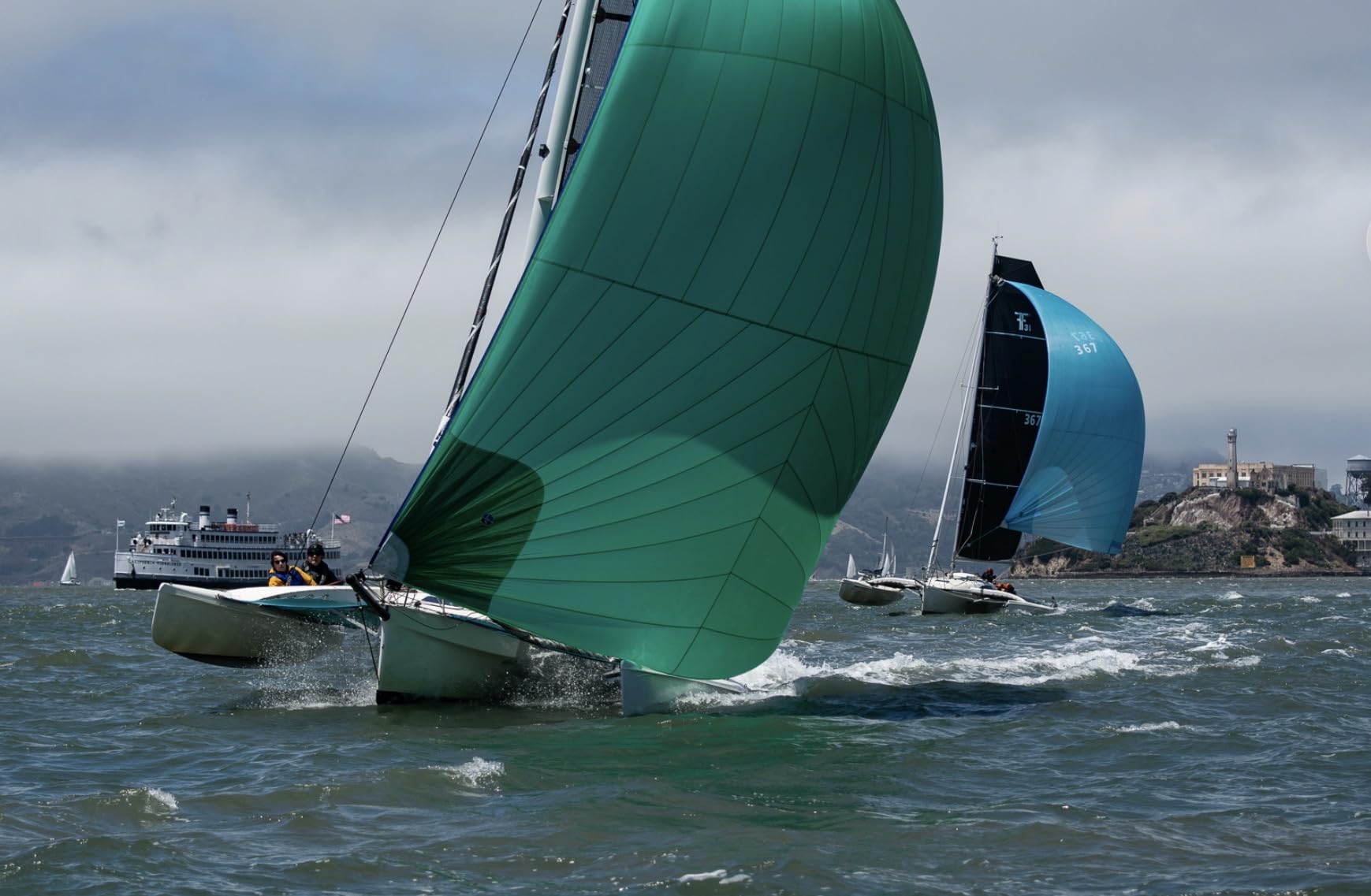
The build is aimed at real use. Reinforced knees and seat cover the two places every dry suit eventually wears through, the fabric socks are cut to pair with sailing boots rather than bare feet, and there is a low profile thigh cargo pocket that sits above the spray skirt line so it stays usable. Breathability is the quiet strength here, since a warm three-layer laminate that vents during a hard paddle is worth a lot on a long tour day.
The honest drawback list is short but real. There is no relief zipper, so long days out mean planning bathroom breaks around the boat. The neck seal is a punch-through Glideskin system that must be trimmed carefully, and first-time owners describe that step as intimidating. The suit also runs small, so if you are layering a thick thermal base you should size up. One reviewer reported seam leakage at the arm pits in a demanding use case, so the durability picture is strong but not universal.
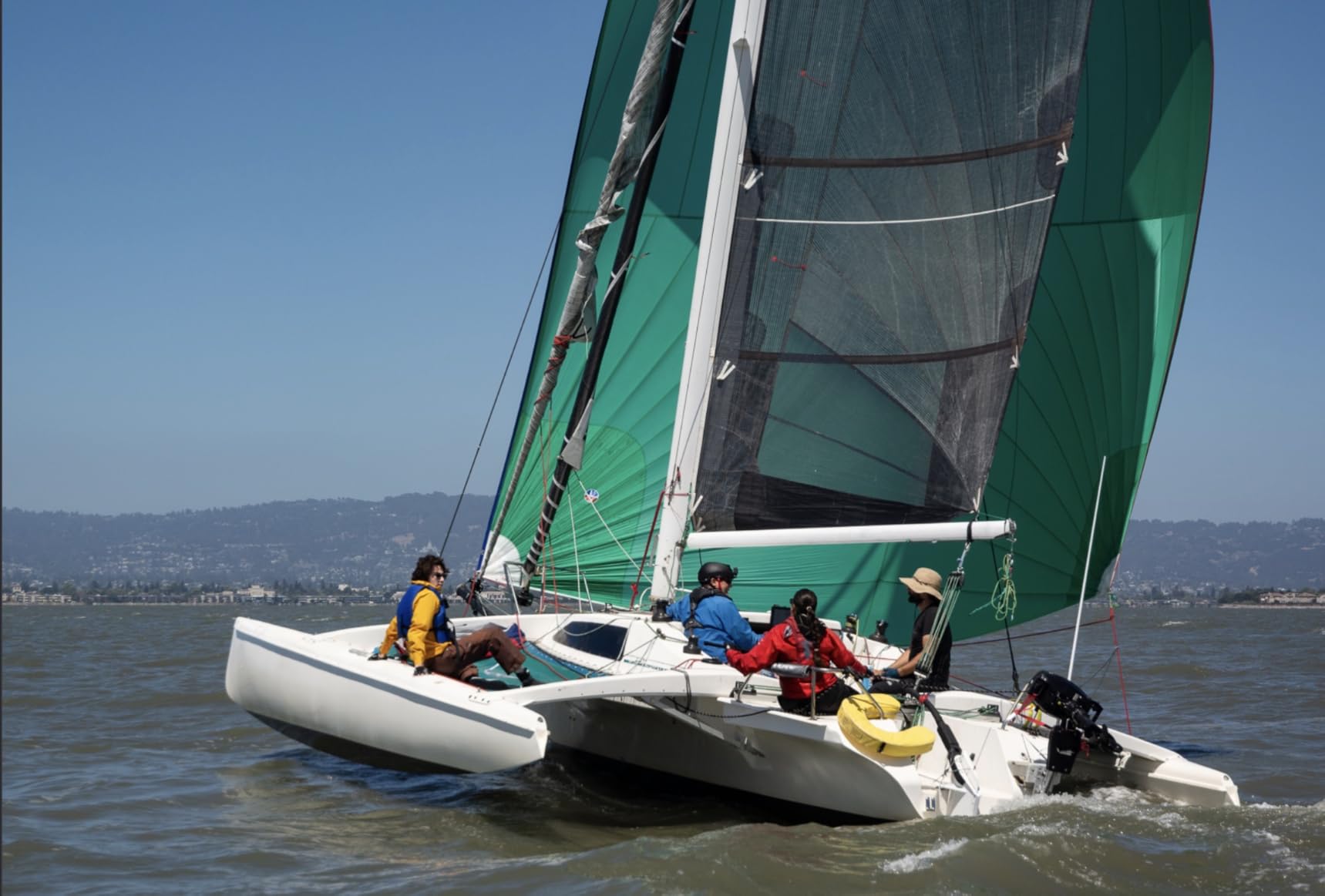
How the Gill Pro holds up in cold water
Because this is a breathable laminate rather than neoprene, it moves far more air than a wetsuit of comparable thickness, which means your base layers can dry out and keep working instead of staying damp against your skin. Over 40°F water with a merino base and a mid-layer, that is the difference between being comfortable and being cold after an hour of paddle work.
The three-layer construction also handles repeated wet and dry cycles better than neoprene, which matters for shoulder-season paddling where you might get wet on a hike-in and then dry out on the water the next day. Watch the arm pit seams if you roll hard, since that is where the one leak report we saw came from.
Who should skip the Gill Pro
If you regularly spend eight-hour days on the water, the missing relief zipper will eventually annoy you. Anyone who cannot trim a gasket comfortably should look at a suit with factory-finished neoprene seals instead. And if you need maximum abrasion resistance for repeated surfzone entries, a heavier reinforced build is a better use of your money.
2. PKEDW Women’s Hooded Dry Suit: Latex Seals And A Removable Hood
PKEDW Women’s Hooded Dry Suits for Cold Water Kayaking & Whitewater Paddling – Waterproof & Lightweight (Green, XLS)
Removable hood
British-imported latex gaskets
Neoprene over-cuffs
Integrated latex socks
Pros
- Women's-specific cut with a removable hood that moves from surf to storm use
- British-imported latex gaskets at neck and sleeves with self-draining neoprene over-cuffs for redundancy
- Integrated waterproof latex socks give head to toe protection
- Dual-adjustable overskirt and bungee drawcord waist hold the seal in place
- Sleeve and thigh pockets for essentials
Cons
- Only eight reviews so long-term field durability is not well documented
- Sizing runs Small through XLS with limited published fit data
This is one of only two hooded suits in the group, and the hood is the reason to look at it. It detaches when the water is flat and warm enough, and goes on for surf crossings, cold wind and open water where heat loss through the head is significant. For whitewater and coastal touring paddlers who already wear a helmet, the adjustable fit is worth checking before you commit.
The seal system is the more interesting detail. You get waterproof latex gaskets at the neck and sleeves, imported from Britain, plus self-draining neoprene over-cuffs layered over the top. That redundancy is the pattern experienced paddlers look for: if the cuff latex ever rolls, the over-cuff still gives you a second barrier, and self-draining cuffs stop water pooling against your forearms.
The base fabric is a three-layer waterproof construction with special coatings for ruggedness and breathability, built on OEKO-TEX certified 160D P/Taslon FD. A large front dry zipper with latex gaskets gets you in and out quickly, and integrated waterproof latex socks complete the head-to-toe seal so you never have to worry about water tracking down inside a bootie.
Fit details are handled well for a women’s cut: adjustable internal suspenders, a dual-adjustable overskirt, and a bungee drawcord waist that keeps the seal seated when you are reaching overhead. Sleeve and thigh pockets mean you are not stashing your phone in a pocket behind your knees.
The drawback is the review base. It carries a perfect 5.0 average, with no one- or two-star feedback at all, which reads as brand new on Amazon rather than a long field record. Only eight owners have weighed in, so we are relying on the specification sheet and the build for anything beyond waterproofing and warmth. Sizing runs from Small through XLS with limited fit guidance published, so if you are between sizes you will want to check the measurements carefully.
Why the hood changes cold water maths
In cold water, a meaningful share of your heat loss happens through the head, which is why paddling in a hooded dry suit changes the base layer plan rather than just the top layer. A hood that fits over a helmet lets you add or drop head insulation depending on whether you are surfing or flat-water cruising.
The latex-plus-over-cuff combination also tends to survive repeated immersion better than a single thin latex seal, because the cuff takes the abrasion that would otherwise work at the latex edge. That matters if you are putting in daily.
Who should skip this suit
Skip it if you want a deep pool of independent long-term owner feedback, because eight reviews cannot tell you how the seams look after five seasons. Anyone who paddles in a warm climate and rarely gets fully submerged does not need to pay for hood and latex redundancy. And if your trips involve a lot of hiking with the suit on, the integrated latex socks need a dry change of footwear at the car.
3. Drryfsh Three-Layer Dry Suit: Relief Zipper And 600D Reinforcement
Dry Suits for Kayaking,Drysuit with Relief Zipper for Cold Water Sailing Paddling Rafting Water Sport (Medium)
Three-layer taped laminate
Latex gaskets with volcano overcuffs
Mens relief zipper
Reflective patches
Pros
- Three-layer laminate with fully taped seams holds water out in winter kayaking
- Relief zipper is a standout feature most builds at this level omit
- 600D nylon reinforcement at knees seat and sock soles takes real abrasion
- Dry and self-draining wet pockets plus two sleeve cargo pockets
- Removable reflective shoulder patches accept club nameplates and aid visibility in fog
Cons
- Latex neck gasket runs tight and one buyer returned over neck circumference
- Runs small so size up if layering underneath
- Zippers feel stiff for the first few outings
The Drryfsh suit is the specification outlier in this group. Almost every comparable listing we looked at quotes a generic three-layer fabric, while this one names a 600D nylon insert at the knees, seat and sock soles, which are precisely the three points that fail first on an ordinary suit. In whitewater and surfzone use, that is the difference between a two-season garment and a five-season one.
It also carries a men’s relief zipper, which is rarer than you would expect at this build level, plus a heavy-duty waterproof front entry zipper with a woven loop at the zipper side so you can pull it with cold wet hands. That loop is a small thing that tells you somebody thought about paddling rather than about a product photograph.
The seal system is a latex neck and wrist gasket pair with neoprene volcano-style overcuffs. Volcano overcuffs sit proud of the wrist rather than sitting flat, so they trap an insulating pocket of air and reduce the gap that causes pressure loss when you paddle hard. A webbing buckle-closure waist belt gives you a real adjustment range rather than a drawcord.
Visibility is handled unusually well for a value-oriented suit. The upper body uses an asymmetrical high-visibility colour scheme with removable reflective shoulder patches that accept club nameplates, which matters more than it sounds in fog, drizzle or a low sun on an estuary. There is a self-draining zippered chest pocket for keys and small gear, plus two sleeve cargo pockets that stay above your PFD straps.
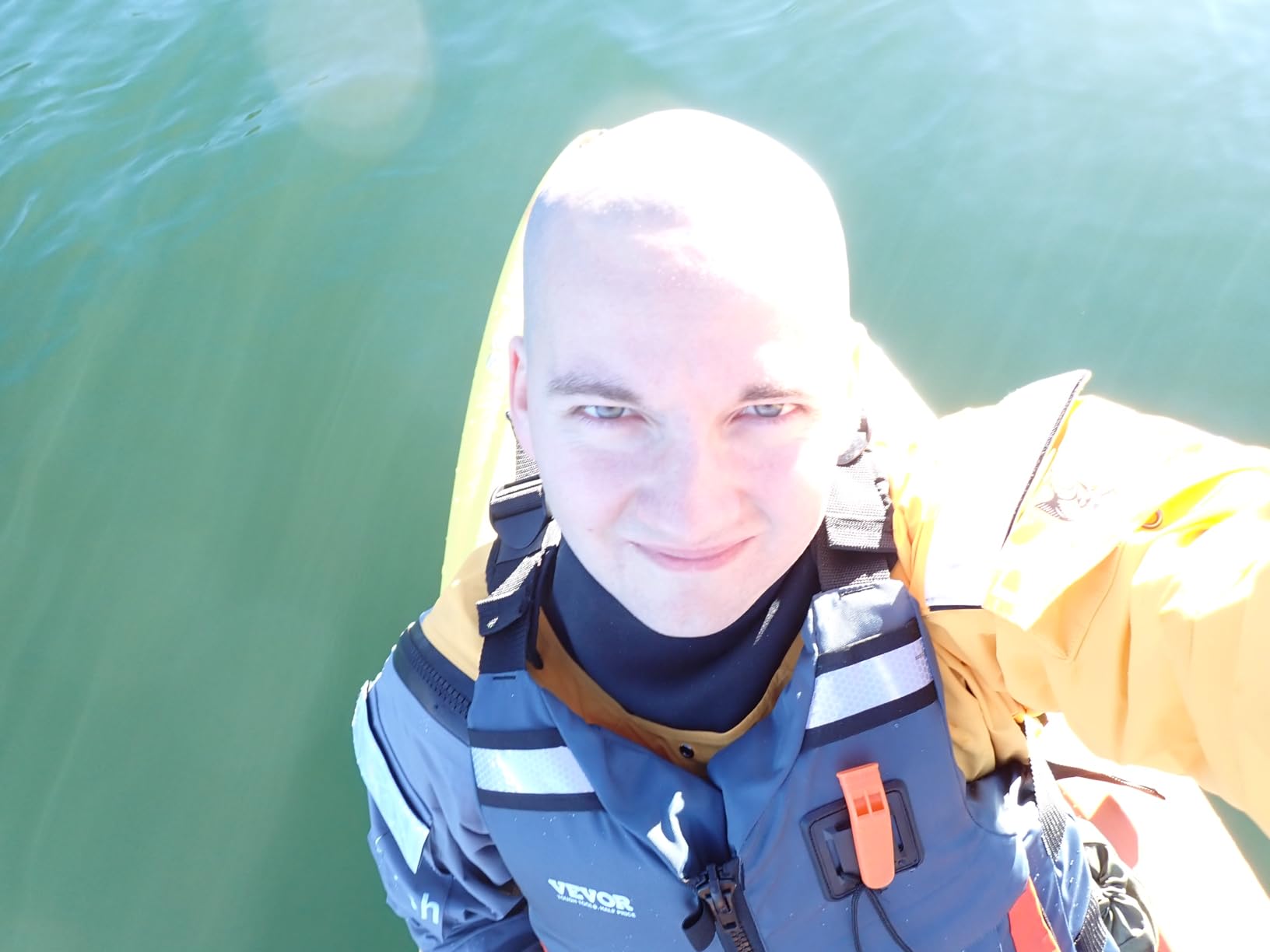
The trade-offs are all about fit and first impressions. The latex neck gasket runs tight, and one buyer returned the suit over neck circumference, which is exactly the failure mode the over-cuffs cannot cover. It also runs small if you plan to wear a sweatshirt or a thick base layer, so size up if you layer heavily. The zippers are stiff initially because of the heavy sealing, and they soften with use.
Where the 600D reinforcement actually pays off
Most dry suit seams that fail do so at wear points rather than in flat panels. Knees contact gravel on landings and boat decks, the seat area takes load every time you lean back, and sock soles grind against deck padding and boat floors. Reinforcing those three points by name is the single most meaningful durability decision a manufacturer can make.
The volcano overcuffs add a second benefit in cold water: the pocket of trapped air between cuff and wrist reduces how much moving water reaches your skin, which keeps your hands warmer on long paddle sessions and reduces the fatigue that comes from constantly flexing a cold wrist.
Who should skip the Drryfsh
Skip it if you have a large neck circumference or need to layer heavily, because the combination of a tight latex neck and small overall fit is the main reason buyers return it. It is also a men’s cut, so if you need a women’s-specific last you should look at the two dedicated options further down. Finally, if you want a deep independent review history, five owners is a thin sample to plan around.
4. Kokatat Hydrus 3.0 Swift Entry: The Lightest Paddler-First Build
Kokatat Men’s Hydrus 3.0 Swift Entry Dry Suit with Relief Zipper & Socks
Hydrus 3.0 three-layer
Swift entry system
Relief zipper
2.5 pound listed weight
Pros
- Hydrus 3.0 is a breathable fully waterproof three-layer fabric designed for paddlers
- Swift entry with a separate relief zipper avoids stripping to the skin mid-paddle
- Integrated Hydrus 3.0 booties create a neck to toe seal
- Listed at 2.5 pounds which keeps it light on the shoulders for long days
Cons
- Only one Amazon review so there is no independent field feedback to weigh
- Waist is a bungee drawcord rather than a structured adjustable belt
Kokatat is the brand that comes up most often in owner discussions about longevity, and the Hydrus 3.0 is their entry point into the range. The fabric is a three-layer breathable membrane built specifically for paddling rather than adapted from a sailing line, which is why the weight sits at a listed 2.5 pounds. On a full day of touring that difference is felt in the shoulders.
The Swift entry system is the feature that separates it from conventional front-entry suits. You step into the legs and pull the suit up and over, with a waterproof front entry zipper and a separate relief zipper so bathroom breaks do not require getting out of the suit entirely. For anyone who spends hours in the boat, that combination removes two genuinely irritating problems at once.
Sealing is handled with integrated Hydrus 3.0 booties, which take the suit from neck to toe without a separate sock-and-boot interface. That removes a leak point and one item from your packing list. The waist uses an adjustable bungee drawcord, which is light and effective but does not offer the range of a structured belt.
Because this is the most paddler-specific design in the group, it is worth understanding what you are not getting. There is no hood, no overskirt and no suspender system listed, so this is a bare-bones suit for paddlers who already own a skirt and hood that suits their boat. That is a fair trade for people who know what they need, and a poor one for a first dry suit purchase.
The main drawback is evidence. It carries a 5.0 rating from a single verified review, which confirms the listing is live and the owner was satisfied but tells you nothing about how the seams or gaskets perform after a season of real winter paddling. Judge it on the Hydrus 3.0 specification and the brand’s paddlesports record rather than on customer feedback.
Who the swift entry system actually suits
Anyone who dresses in a launch where space is tight will appreciate not having to contort through a cross-chest zipper. It is also faster for cold starts on shore, since you can step in, pull up and zip without a long wrestling match with wet neoprene cuffs.
The weight figure is the other argument. If your trips involve portaging, a lighter suit carries less load on your shoulders and takes less space in a dry bag, which is why expedition planning always cares more about grams than paddlers on flat water do.
Who should skip the Hydrus 3.0
Skip it if you are buying your first dry suit and want an all-in-one package, because you will need to source an overskirt, hood and any suspenders separately. Cold water paddlers who roll hard on rocks should note there is no reinforced knee panel listed, so abrasion resistance depends on the base fabric alone. And if you want assurance from other owners, one review is not a track record.
5. Gill Verso Women’s Dry Suit: Drop Seat And A Grown-On Hood
Gill Womens Verso Drysuit – Fully Taped & Waterproof for Watersports Dinghy, Sailing, Kayaking, Canoeing, SUP, Paddleboard (Marine Blue, 8)
Women's cut with drop seat
XPLORE 3-layer fabric
Grown-on hood
Neoprene seals
Pros
- Women's-specific last with a drop seat function for genuine convenience
- XPLORE 3-layer fabric with a plant-based treatment for waterproofness and breathability
- Unique entry system makes stepping in and pulling over the head straightforward
- Grown-on 2-way adjustable hood with a shock-cord loop for stowing
- Inner neoprene dry gaskets at neck and cuffs plus reinforced backseat and knees
Cons
- Only one Amazon review documents the women's fit
- Non-stretch fabric can feel restrictive over thick thermal layers
The Verso is the suit we would point a shorter, curvier paddler toward, and the reason is the drop seat. Rather than routing a relief zipper across the front, the entry and waste system is built so you can step into the suit, sit down, and pull it into place. For anyone who has spent years wrestling with front zippered suits that gape or dig in, that is a meaningful quality-of-life difference.
The hood is grown on rather than clipped, with two-way adjustment and a shock-cord retaining loop that lets you roll it back into the collar when you are not in rough water. Underneath it sits an offset YKK anti-corrosion zip with a soft fleece inner chin guard and laser-cut ventilation holes, which is the sort of detail that only appears when a manufacturer has put thought into long days on the water.
Seals are inner neoprene dry gaskets at the neck and cuffs, so there is no latex to trim or accidentally puncture during a dock launch. The XPLORE 3-layer fabric carries a plant-based treatment for waterproofness and breathability, and the shell is cut to accommodate thermal layers underneath, which is the right starting point for cold water work.
Reinforcement covers the backseat and knees, the two highest-wear areas on a sea kayak suit where the spray skirt ridge and deck lines grind repeatedly. The zip sleeve pocket is designed to sit above your PFD, so keys and a phone stay reachable and stay dry without you having to unfasture anything mid-stroke.
Two drawbacks stand out. The listing has a single review, so the women’s fit is documented at exactly one data point, and that review is unusually positive, describing a shorter, curvier owner who had struggled with fit in many other drysuits and found this one true to size and easy to enter. Treat it as encouraging rather than conclusive. The second is that the fabric is listed as having no stretch, so layering thick thermal base layers can feel restrictive over the seat and shoulders.
Why the drop seat matters more than the price gap
Drop seat and front relief zipper designs exist because waist adjustment on a dry suit is a compromise either way. A drop seat lets the suit sit higher at the waist without gaping at the torso, which stops water tracking in when you lean forward or roll.
The grown-on hood matters for the same reason entry design does. It cannot be lost in a portage bag and it does not depend on a separate retention hood, which is one less item to leave behind when you are moving fast in bad weather.
Who should skip the Verso
Skip it if you need stretch in the outer shell, since the non-stretch build is the one clear limit for anyone layering multiple thermal pieces. It is also a women’s-specific last, so it is not the right cut for everyone regardless of preference. And if you are choosing between the two Gill suits here, this one is the better cold water pick while the Pro is the better all-rounder.
6. Level Six Emperor: Exhaust 3.0 With Cordura Reinforcement
Level Six Emperor Dry Suit-MoltenLava-S
Exhaust 3.0 fabric
Adjustable overcuffs
Cordura at shoulders and knees
Front relief zipper
Pros
- Exhaust 3.0 is a proven paddlesports membrane valued for reliability and durability
- Cordura reinforcement at shoulders wrists and knees takes the contact points head on
- Adjustable neoprene overcuffs at neck and wrist improve comfort and seal security
- Front waterproof relief zipper means you never strip off to answer nature
- Design is cut for unrestricted movement through the paddle stroke
Cons
- Entry configuration can differ from the listing description so check front versus rear before buying
- Only Small sizes listed in the available variants which limits fit options
The Emperor is the most established paddling name in this group, and Exhaust 3.0 is the reason. It is a purpose-built paddlesports fabric rather than a marine laminate adapted for boats, and it is rated across the categories that matter for daily use: protection, reliability and durability in sustained wet conditions.
Reinforcement is placed with intent. Cordura panels sit at the shoulders, wrists and knees, which covers the three areas where a dry suit wears through fastest on whitewater and surfzone use. Wrists are easy to overlook, but on a kayak they take repeated contact with the paddle shaft and the deck edge in a way they never do on a sailboat.
Adjustable neoprene overcuffs at the neck and wrist are what you feel most on a long day. Neoprene is warmer than latex, more forgiving of a slightly oversized fit, and does not need to be trimmed, which makes it a good first dry suit seal if you have never trimmed a gasket before. They also add a comfortable buffer over the pressure points.
The front waterproof relief zipper is a straightforward solution that most paddlers appreciate more in practice than a drop seat, and the overall pattern is cut for unrestricted movement through a full paddle stroke rather than for standing around in a dinghy. Nothing about the design suggests it was laid out for a model photo.
The drawback here is a buying-process issue rather than a quality one. Owners report that the entry configuration can differ from the listing description, with a buyer who expected front entry receiving rear entry, though the manufacturer acknowledged the misprint and the owner kept the suit because of the build quality. If shoulder mobility matters to you, confirm the entry point before you commit. Only Small sizes are listed in the available variants, which limits fit options on this listing.
How Exhaust 3.0 compares for cold water layering
A paddlesports membrane like this is tuned to move moisture vapour out while staying waterproof, so it works best with a base layer you can change rather than a single thick insulating layer. Underneath, use merino or a synthetic base plus a light mid layer, and you can add or remove heat between paddle sessions on the same trip.
The neoprene overcuffs also reduce the amount of heat you lose at the wrists, where paddlers generate a surprising amount of breeze directly onto skin. On a flatwater morning that is the difference between comfortable hands and hands that stop working properly after an hour.
Who should skip the Emperor
Skip it if you need a broad size range, because only Small is listed here. Anyone who cares about long-term field feedback should note the six reviews are all five-star, which is a small and unusually positive sample. And if you require a PFAS-free water repellent finish, this fabric is not described as one, so check with the manufacturer before committing.
7. Bare Aqua Trek Tech: Expedition-Grade Double-Taped Construction
Bare Mens Aqua Trek Tech Dry Drysuit… (Medium)
Expedition-grade build
Double-taped reinforcement
Medium-stretch nylon
Full warranty
Pros
- Double-taped reinforcement at critical wear seam points targets expedition level durability
- Medium-stretch fabric gives real range of motion in a slim fit
- Customers report fit runs true to size
- Full manufacturer warranty included with the suit
Cons
- Listed at 8 pounds which is a heavy carry over a long portage
- Slim fit leaves less room for thick thermal layers
- Only two reviews so the 4.5 average reflects a tiny sample
The Aqua Trek Tech is the specialist pick here, aimed at expedition and surfzone use rather than day paddling. The construction detail that matters is double-taped reinforcement at critical wear seam points. Taping a seam twice costs more fabric and labour, and it exists for one reason: on a multi-week trip you cannot stop to repair a leaking seam in the field.
The fabric is medium-stretch nylon in a slim fit, and stretch is genuinely valuable on long days because it lets you reach, lean and brace without the resistance that a stiff shell produces. Medium stretch also means the suit recovers its shape after a hard session instead of bagging out around the waist by day five.
Fit feedback from customers is that it runs true to size, which is more than most listings in this category offer. The slim cut looks the least suited to heavy layering of the seven, and the listed weight of 8 pounds makes it the heaviest option here, which matters if your trips involve a long portage or a boat you have to carry down a beach.
It comes with a full manufacturer warranty, which is worth more than it sounds. Expedition paddlers value repair support far more than a spec sheet, because the difference between a resolvable tear and a write-off is often just whether the manufacturer will send tape or a panel.
The drawbacks are substantial and honest. Two reviews, both at four and five stars, is too small a sample to treat the 4.5 average as a meaningful consensus, so you are buying on construction rather than owner feedback. Slim fit and an 8 pound weight is a demanding combination if your cold water plan depends on wearing several thermal layers underneath, and the medium-stretch shell gives you less room than a relaxed cut would.
What expedition construction really buys you
Multi-taped seams matter because failures start small. A single-taped seam that begins to lift can unzip itself across the shoulder during a swim test, whereas a double-taped seam tends to give you visible warning through the fabric before it opens. That warning is the difference between paddling home and swimming in your base layers.
Slim fits also dry faster than loose ones because there is less trapped water volume, which is a real benefit on a multi-day trip where the suit will be wet every evening. The trade is layer space, and on a genuine cold water expedition that trade often goes the wrong way.
Who should skip the Aqua Trek Tech
Skip it if your cold water plan requires several thick layers, because the slim cut will fight the layering system. Anyone carrying their boat a long way should weigh the 8 pound figure carefully. And if you want to be guided by other paddlers, two reviews is not enough evidence to override your own research.
How We Evaluated These Dry Suits
We evaluated all seven suits against the same set of criteria, because a comparison is only useful if every pick is judged the same way. We looked at fabric construction and seam sealing first, since that determines whether water stays out. We then checked the seal system, entry configuration and relief option, because those determine whether you can actually use the suit comfortably for a full day.
Third, we weighed reinforcement at the wear points against the type of paddling each suit targets. Fourth, we looked at fit and layering headroom, including whether the cut is designed to sit over thermal layers. Fifth, we considered hood and overskirt options for open water. Finally, we read the owner feedback closely and weighted it honestly, which is why several picks in this list carry an explicit note about how thin their review base is.
That last point deserves emphasis. Review volumes across the entire dry suit category on Amazon are small, most brands in this space sell primarily direct, and the listings here range from one review to 34. Where owner feedback is thin we have said so rather than borrowing confidence from a brand’s reputation, and where the feedback is strong we have quoted the specific complaints rather than a generic verdict.
What to Wear Under a Dry Suit by Water Temperature
This is the section most roundups skip, and it is the one that decides whether your dry suit works. A dry suit contains your clothing rather than insulating you, so your entire thermal strategy has to live underneath it.
Above 55°F (13°C): a lightweight synthetic or merino base layer is enough for most paddlers under an hour. Add nothing on the upper body, and keep the underlayer thin enough that you can move your shoulders freely in the stroke.
50°F to 55°F (10°C to 13°C): base layer plus a light mid layer, ideally something that dries fast. In this band, breathability of the outer laminate matters more than insulation, because you will generate heat on the paddle and lose it on the portage.
45°F to 50°F (7°C to 10°C): base layer, mid layer and a light insulating layer on the torso. Paddle dry gloves and a fleece or synthetic layer under the shell become worthwhile here, and integrated socks stop you needing neoprene booties under the suit socks.
Below 45°F (7°C): this is expedition layering territory, and the fit of your suit matters more than at any other temperature. If you cannot fit a mid layer and a torso insulation layer under the dry suit and still close the neck and wrist seals without straining, you need a larger size. An oversized suit with correct sealing is warmer than a tight suit you cannot layer under, because compression kills loft.
Whatever the temperature, dry gloves and a hood decision are worth making deliberately. Cold hands cannot work a paddle blade or operate a zipper, so glove choice quietly determines how long you can stay out.
Key Buying Factors: Fabric, Gaskets, Entry and Overskirt
Fabric layers. A three-layer laminate uses a face fabric, a membrane and a liner bonded together, which keeps the suit light and lets moisture vapour escape. Four-layer builds add a separate abrasion-resistant face for heavier use. Breathable membranes such as GORE-TEX Pro cost more to produce; polyurethane coatings are cheaper and vary more between brands.
PFAS-free water repellents. A growing number of manufacturers now finish their laminates with a PFAS-free DWR, and two of the suits here are built that way. If you paddle on lakes or near rivers where runoff matters, or you simply prefer to avoid persistent fluorochemicals on gear that sits against your skin all day, this is a legitimate filter rather than a marketing line.
Gaskets. Latex is the most durable and seals best, but it must be trimmed to fit and can tear if pinched. Neoprene seals are warmer, forgiving and need no trimming, which makes them the better choice for a first dry suit. Polyurethane and Lycra gaskets sit between the two. Volcano-style overcuffs sit proud of the wrist and add both insulation and seal redundancy.
Entry. Front or cross-chest entry is the easiest to get into quickly and the easiest to reach a relief zipper through. Rear entry suits people with shoulder mobility limits and reduces water ingress on a surf landing. Pull-on and swift entry systems are fast and simple but give you fewer adjustment points.
Relief zipper or drop seat. A relief zipper is a small waterproof zipper at the crotch that lets you answer nature without removing the suit. A drop seat opens the back of the suit instead, which suits women’s-specific cuts and avoids the seam across the front. Either one is worth paying for if you paddle all day.
Overskirt and spray deck. The overskirt is the fabric flap at the waist that tucks into your spray deck or tunnel skirt to stop water tracking in from below. A deeper tunnel skirt can sit over the dry suit rather than under it, which gives a cleaner seal, but you need to confirm which way your skirt runs before you commit to a suit with a fixed waist design.
What Fails First and How to Make a Dry Suit Last
In owner discussions the most common durability complaint is not the fabric, it is seam failure. Crotch seams and seams running alongside a zipper are the first places to go, usually after one or two seasons of hard use, and the repair is usually straightforward if you catch it early.
Glued neoprene socks are the second most common failure. A glued sock can separate from the suit at the toe, and unlike an integrated bootie there is no second barrier. This is why integrated socks are worth paying for on expedition trips. Lifting seam tape on cheap constructions is the third, and it is a workmanship issue rather than a wear issue.
To make any of these suits last, rinse freshwater and mild soap after every paddle, dry it hanging rather than folded, and store it away from direct sun and heat. Check the seam tape along the crotch and zipper run once a season, and pay attention to whether that thin feeling in the fabric has become a hard edge. Sealant on the neck gasket and the wrist seals needs refreshing far more often than most owners expect.
On buying second-hand, check the seam tape first, then the crotch, then the gasket trim lines. Well-known paddling names hold their value better, and a suit with an intact seal system and tired fabric is a far better buy than the reverse. If you are trying to keep dry kit organized between trips, our dry bag guide covers how to store a wet suit so it does not arrive home with a smell that never leaves.
Frequently Asked Questions
What are the best drysuits for kayaking?
For most paddlers the best dry suit is a breathable three-layer laminate with fully taped seams, a full gasket set at neck and wrist, and an overskirt that tucks into your spray deck. Our top pick across this roundup is the Gill Pro for its PFAS-free finish and reinforced knees, while the Level Six Emperor suits paddlers who want Cordura at the wear points.
Is a dry suit worth it for kayaking?
It is worth it whenever your water sits below 60u0026deg;F, when a wetsuit stops providing meaningful insulation and the American Canoe Association recommends immersion protection. A dry suit does not keep you warm by itself, it keeps your base layers dry, so it pays off most for paddlers who capsize, run rapids or paddle through the shoulder season.
Who makes the best drysuits?
Long-term owners most often name Kokatat and Immersion Research as the top end, with NRS and Palm cited as excellent and durable alternatives. Among the suits in this roundup, Kokatat Hydrus 3.0 and the Level Six Emperor carry the strongest paddlesports reputations, while Gill offers the most complete specification at the value end.
What are the best dry trousers for kayaking?
For paddlers who capsize rarely but still get wet, dry trousers with an elasticated waist and taped seams are a practical middle step between paddling trousers and a full dry suit. They are cheaper, cooler to wear and quicker to change in and out, but they leave the torso exposed, so they are a poor choice in genuine cold water.
What is the 120 rule in kayaking?
The 120 rule is a community safety standard meaning that anyone in a boat should wear a personal flotation device, a whistle attached to their PFD, a light source, and have a means of communication when water temperature is 60u0026deg;F or below. It treats cold water as the trigger for carrying rescue and signalling gear, not just for wearing warmer clothing.
Conclusion: Which Dry Suit Is Right for You
For most cold water paddlers, the best dry suits for cold water paddling start with a breathable three-layer laminate and a gasket set you do not have to trim, which is exactly what the Gill Pro delivers alongside reinforced knees and a PFAS-free finish. Buy the Level Six Emperor if abrasion at the wear points matters more to you than weight, and the Kokatat Hydrus 3.0 if you already own a skirt and hood and want the lightest build in the group.
Choose the Gill Verso or the PKEDW hooded suit if you need a women’s-specific cut, and pick between them on whether you want a drop seat with a grown-on hood or a removable hood with latex seals and over-cuffs. For surfzone and multi-week trips, the Bare Aqua Trek Tech and the Drryfsh suit are the two with the most reinforcement built into the wear points. Whatever you choose, get the layering right underneath, because the suit only does half the job.