
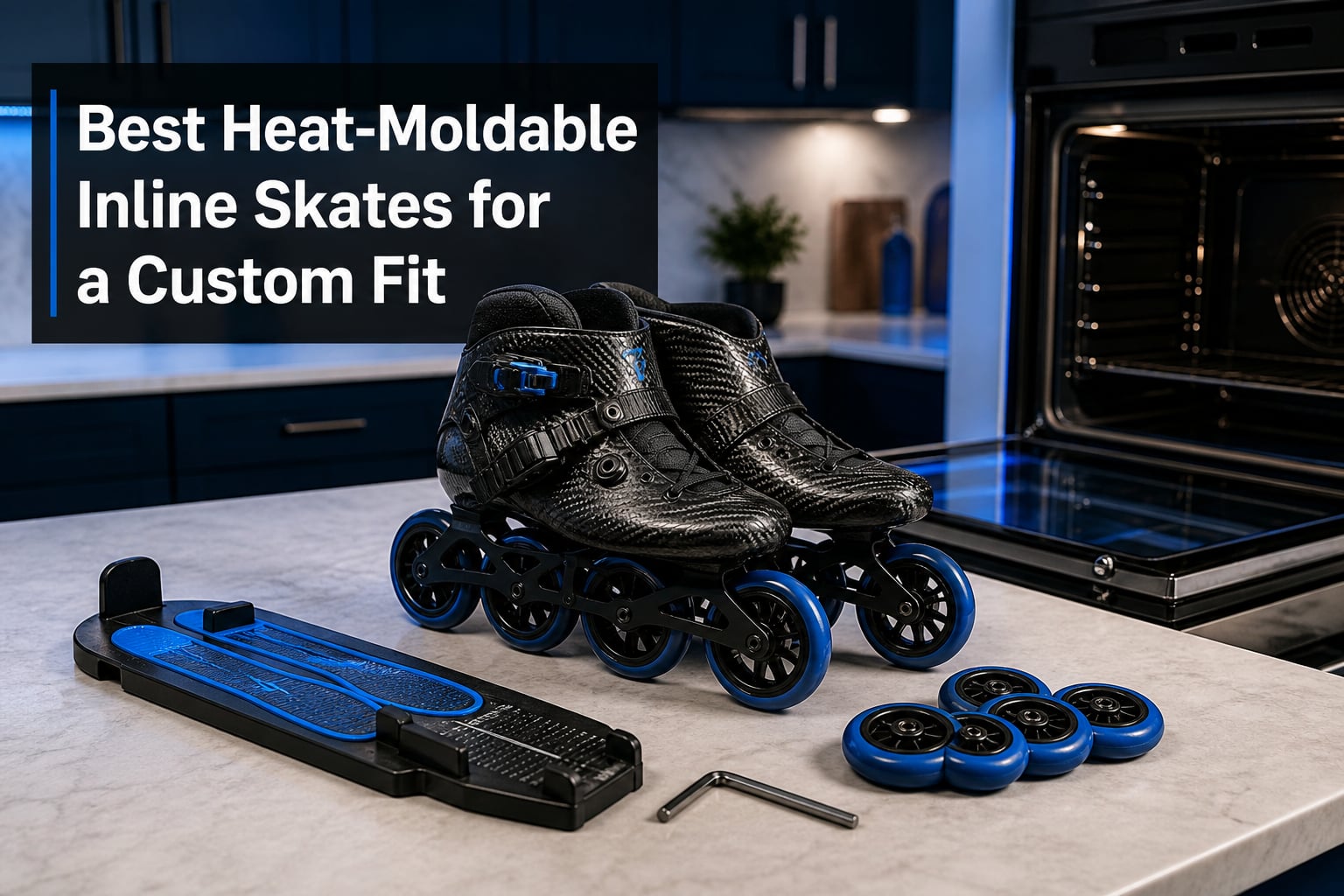
I have baked a lot of skate boots in my oven. Some came out feeling like they were poured around my foot, and one pair came out wrinkled because I got impatient and cranked the heat. That range of outcomes is exactly why I wanted to put together a proper guide to heat-moldable inline skates, instead of the short listicles that never tell you what actually happens when the boot goes in the oven.
Heat-moldable inline skates use boots built from carbon composite or thermoplastic materials that soften at low oven temperatures, then harden around your foot as they cool. The result is a boot that relieves pressure points, shortens the break-in period, and transfers power more directly because there is no gap between your foot and the shell. Skaters on r/rollerblading describe the change as making a tight boot feel “up to a full size bigger,” and that matches what I felt after molding a pair of Bonts that were crushing my ankle bones.
Our team spent weeks comparing eight of the most talked-about custom fit skates on the market right now, from full carbon race boots to a figure-skating trainer and two budget carbon options that cost far less than the big names. Before you buy anything, measure your feet properly — Bont sizing in particular has nothing to do with your sneakers — and our guide to measuring your foot for skates walks you through it in five minutes.
Table of Contents
Top 3 Picks for Heat-Moldable Inline Skates (October 2026)
If you want the short version, here are the three skates I would put my own money on. The FR1 80 is the pair I reach for when I just want to skate and not think about my feet, the Bont GT4 is the smart buy if you want a real moldable carbon speed boot without the premium price, and the CYLQ carbon skate is the one to try if you are curious about speed skating and do not want a big commitment. For a wider comfort comparison across categories, our roundup of comfortable inline skates for all-day cruising goes deeper on padding and cuff design.


Best Heat-Moldable Inline Skates in 2026
Here is the full field of eight at a glance, with the one feature that defines each skate. Every model below is covered in detail further down the page.
| Product | Specs | Action |
|---|---|---|
| FR Skates FR1 80 |
|
Check Latest Price |
| Bont GT4 Speed Skates |
|
Check Latest Price |
 Jackson Atom Ultima Finesse Jackson Atom Ultima Finesse |
|
Check Latest Price |
 Bont Luna Racing Package Bont Luna Racing Package |
|
Check Latest Price |
 CYLQ Carbon Speed Skates CYLQ Carbon Speed Skates |
|
Check Latest Price |
 Bont Semi Race III 125mm Bont Semi Race III 125mm |
|
Check Latest Price |
 Bont Jet Speed Skates Bont Jet Speed Skates |
|
Check Latest Price |
 PASENDI 3x125mm Speed Skates PASENDI 3x125mm Speed Skates |
|
Check Latest Price |
1. FR Skates FR1 80 — Best Overall Fit Straight Out of the Box
FR 1 80 Skates 12.0 (46) White
Heat-shapeable Intuition liner
Aluminum frame
84mm wheels
Sizes 6 to 13
Pros
- Super comfortable fit
- Modular design with customizable wheels and bearings
- No break-in time needed
- Good ankle support
Cons
- Wheels wear down quickly
- Seba brake may be too tight
The FR1 80 is the skate I loan to friends who are stepping up from soft boots, and it is the one that gets the fewest complaints. The shell is a responsive fiberglass composite and the heat-shapeable Intuition liner does most of the custom fitting work, which means you get a snug, anatomical wrap without waiting weeks for the boot to soften. Out of the box it already skates better than most, and with a 4.9 rating across 18 reviews, owners clearly agree.
What sold me is the modular hardware. The 165mm mounting lets you swap frames, the 84mm wheels and bearings are user-replaceable in minutes, and the whole build weighs a reasonable 1,405 grams. It rolls smooth, holds an edge confidently in urban skating, and the cuff gives real lateral support for slalom work.
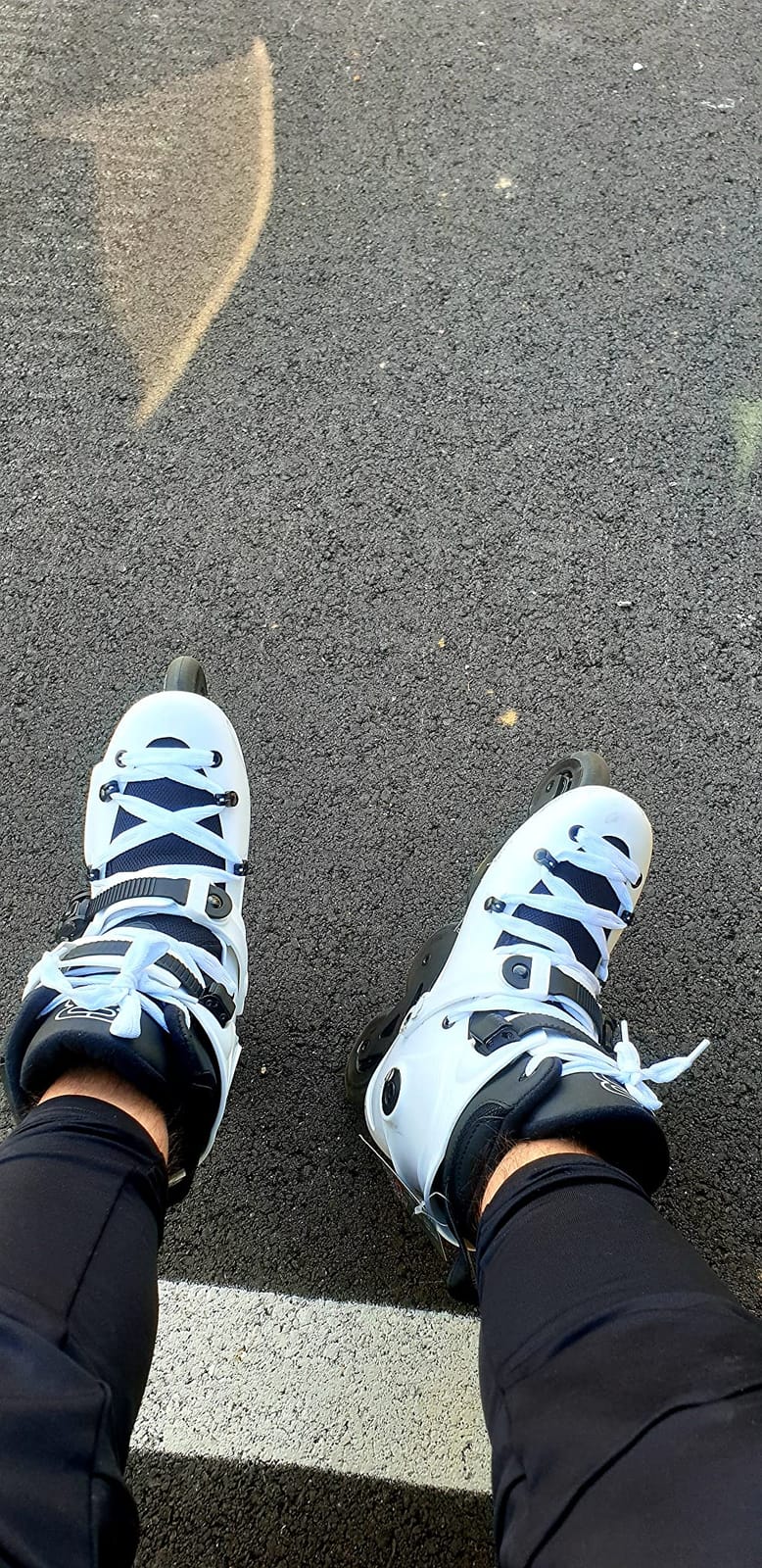
Technically, this is a freestyle skate first, and that shows in the geometry. The 247mm wheelbase makes it nimble for tight corners and crossovers, while the aluminum frame transfers effort without the dead feeling you get from cheaper plastic bases. At 84mm, the wheels keep the center of gravity low, which is why newer aggressive and freestyle skaters find it so forgiving.
The good part is simple: comfort with almost no break-in, and a platform you can keep upgrading for years. The bad part is that the stock wheels wear faster than I would like, and the Seba brake that ships with it arrives adjusted tight enough to drag, so loosen it before your first ride.
One more thing worth knowing: this listing is sold through a third-party seller rather than the brand directly, and stock tends to sit at one or two units. If you see your size, do not sit on it for a week.
How the FR1 80 Fits and Molds
Sizing runs true to your regular skate size, and the toe box has genuine room for wider feet before any molding. The liner can be heat shaped in a conventional oven at low temperature, which is a safer process than baking a full carbon shell, and it is enough to relieve hot spots on ankle bones.
My advice is to skate it for a week before shaping anything. Most pressure points settle on their own, and shaping an already-comfortable liner for no reason just risks creating a new gap.
Upkeep and Long-Term Cost
Because everything is modular, this skate ages well. Rotate the wheels early, expect to replace the stock set sooner than the frame, and budget for a better bearing set if you fall in love with speed.
If your goals lean more toward casual miles than freestyle tricks, our piece on recreational inline skates for neighborhood cruising covers softer, taller-wheel options that may suit you better.
2. Bont GT4 — Best Value Carbon Speed Skate
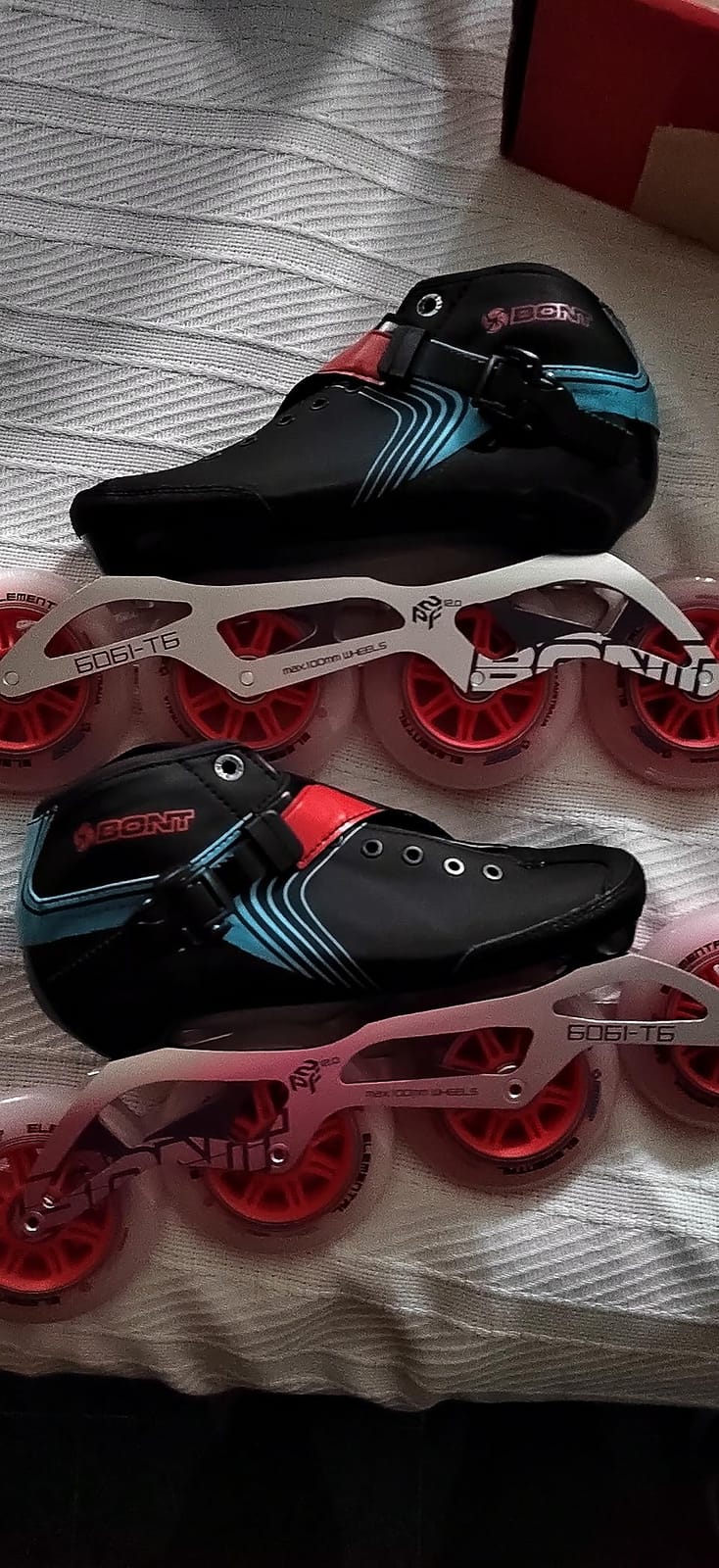
Bont GT4 Inline Speed Skates Package with 6061 Frame, Elemental Wheels & ABEC 5 Bearings (Black/Blue, 8.5 (110mm))
Heat moldable carbon boot
Memory foam padding
6061 T6 frame
Elemental 85A wheels
Pros
- Heat moldable for personalized fit
- Lightweight aluminum frame
- Quality carbon construction
- Smooth bearings
Cons
- Mounting bolts can strip easily
- Buckle may catch on laces
- Sizing runs differently from shoes
The GT4 is the heat-moldable inline skate I recommend most often, because it is a genuine carbon composite race boot at a price normal people can justify. Bont builds the boot with their proprietary resin that goes pliable at low temperatures, so a 20-minute oven session turns a stiff shell into something that mirrors the exact shape of your foot. With 141 reviews and a 4.6 average, it is also one of the most validated entries on this list.
My first bake on a Bont boot fixed an ankle-bone pressure point that three weeks of normal skating had not touched. The memory foam padding re-lofts as the shell cools, so the boot ends up snug everywhere and loose nowhere, which is the whole point of a thermoplastic boot molding process.
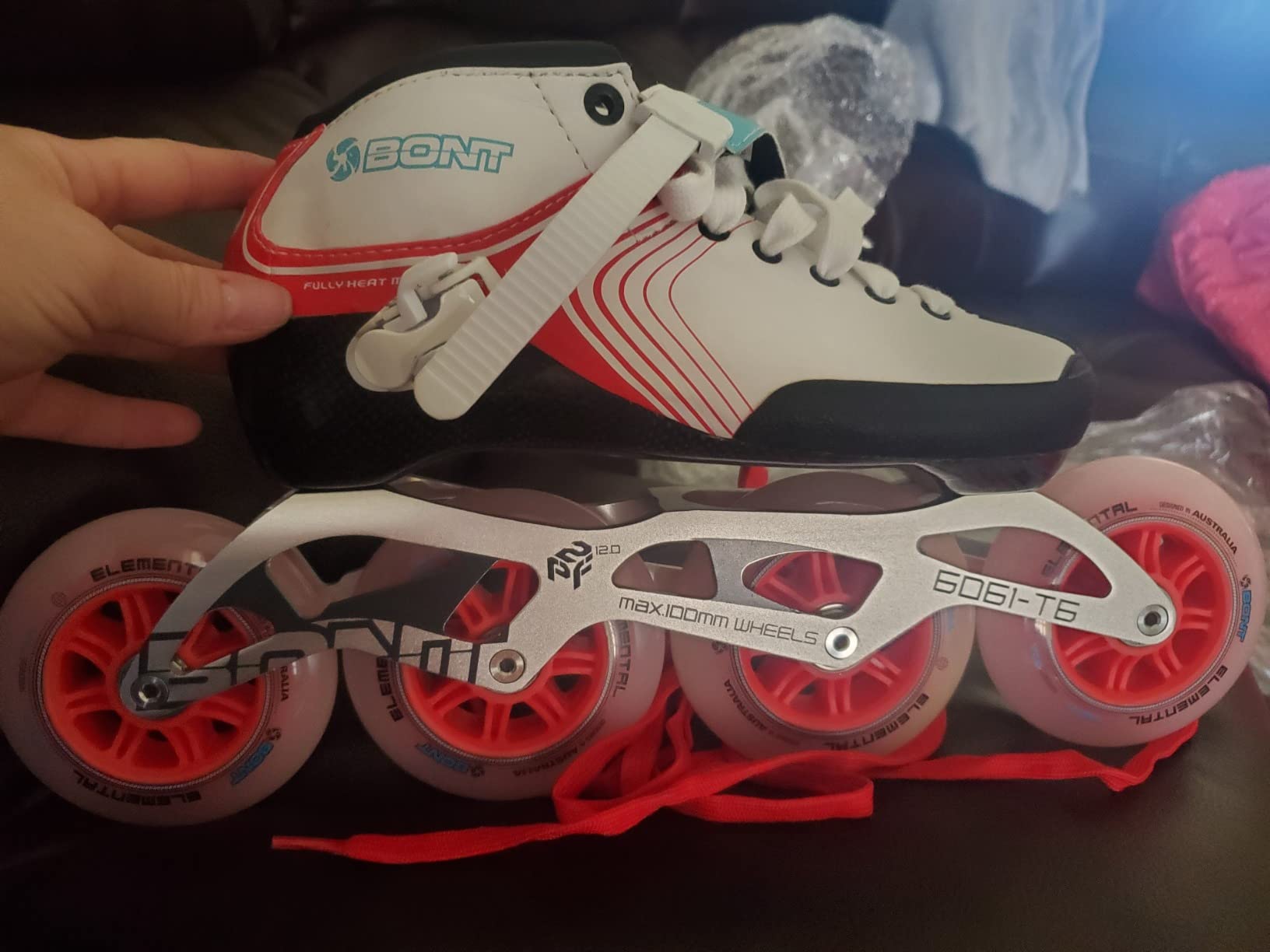
The running gear punches above its class. The 6061 T6 aluminum frame is stiff enough for efficient power transfer, Elemental 85A wheels in 100mm or 110mm depending on boot size hold speed well, and the ABEC 5 bearings roll clean out of the box. It is a setup you can race on honestly, not just a training compromise.
Build quality is mostly excellent, with two annoyances worth flagging. The mounting bolts strip easily if you overtighten them during a frame swap, so use a torque key and stop at snug. A few owners also find the buckle catches on the laces, which is a five-minute fix with some lace rerouting.
Sizing is the big gotcha. Bont measures in millimeters and their boots run nothing like your street shoes, and the review history is full of people who guessed and lost a month to exchanges. Measure both feet heel to toe, add the recommended millimeters, and only then order.
Bont Sizing Before You Bake
Print or use a mm ruler, stand with full weight on each foot, and buy off the longer measurement. Bont publishes a size chart per model, and the GT4 in particular benefits from getting this right the first time.
If you are between sizes, go down for performance and up for comfort, but never split the difference. A correctly sized Bont should feel like a firm handshake, not a vise.
Who the GT4 Suits Best
This is the right skate for a fitness skater moving into distance and pace work, or a first-time race buyer who wants one boot that can grow with them. It is forgiving enough for 20-mile weekends and stiff enough for a first marathon.
If your skating stays mostly at moderate pace and long comfort sessions, the softer options in our fitness inline skates roundup will serve you better than a race boot.
3. Jackson Atom Ultima Finesse — Best Inline Figure Trainer
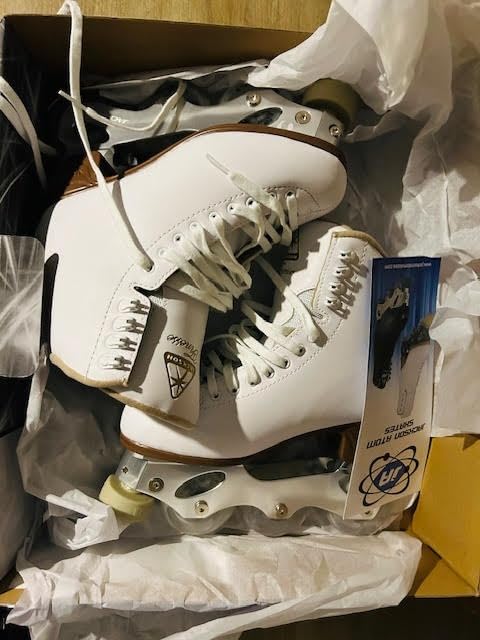
Jackson Atom Ultima Finesse Women’s Inline Figure Roller Skate – Womens Size 8
Jackson Ultima Finesse boot
Steel frame
Bionic ABEC7 bearings
Atom Protege 70mm wheels
Pros
- Excellent ankle support
- Lightweight compared to other skates
- Close to ice skate feel
- Good for off-ice practice
Cons
- PVC boot can be stiff
- Runs big so size down
- May pinch top of foot if tied tightly
The Atom Ultima Finesse solves a specific problem: figure skaters who want to keep training spins and footwork when the rink is closed. The lace-up Jackson Ultima Finesse boot sits on a lightweight steel frame with a toe stop up front, and the 70mm Atom Protege wheels keep the roll slow and controllable on purpose. With an ice-boot upper and an inline chassis, it mimics blade work far better than any fitness skate can.
Ankle support is the standout, and it needs to be, because figure skating punishes cheap boots. Reviewers repeatedly mention how close this feels to their ice skates, and several use it as a genuine off-ice training tool rather than a novelty.
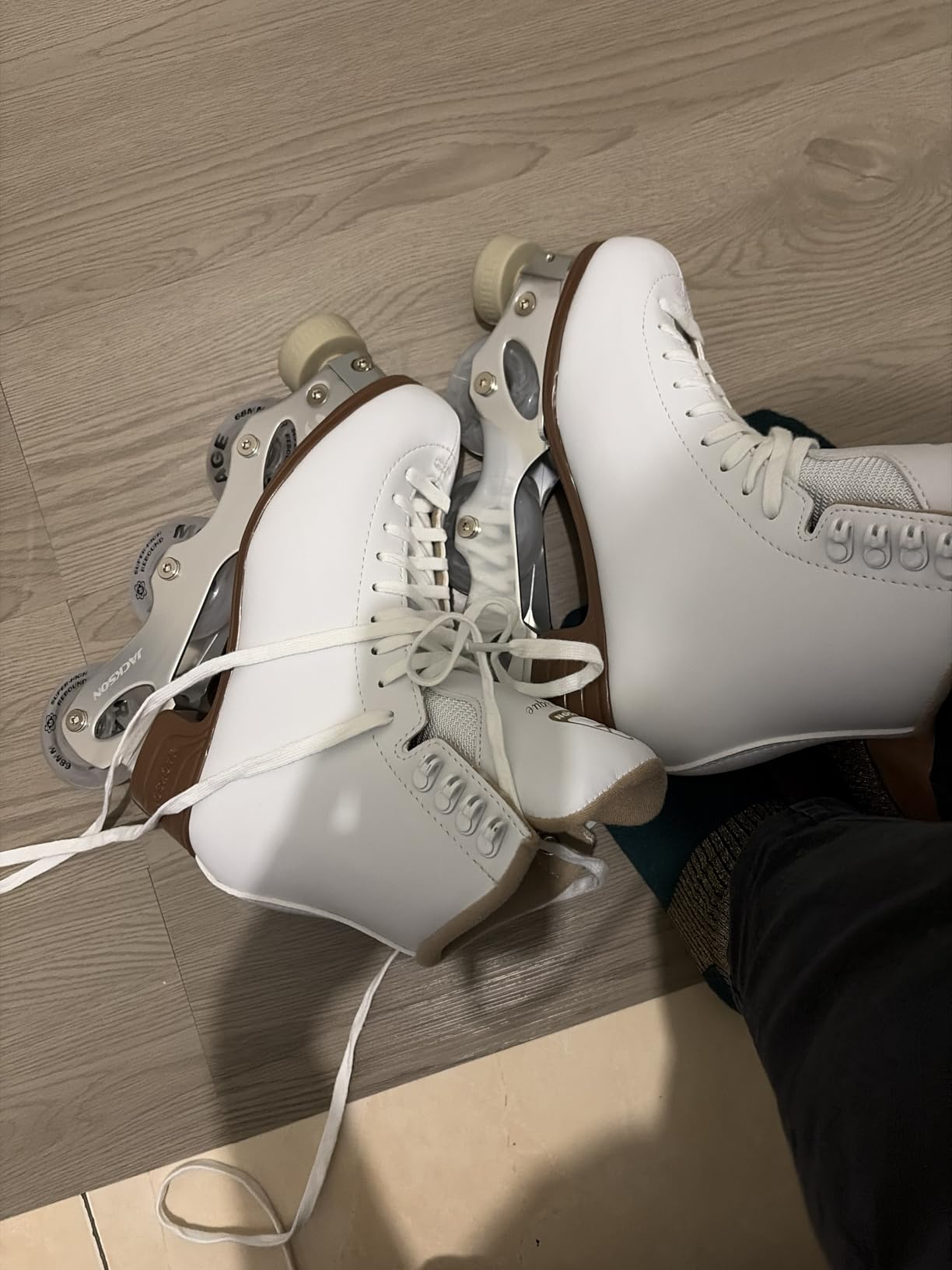
I want to be honest about the molding angle, because this guide is about custom fit skates. The Finesse boot is a traditional PVC construction, not a bakeable carbon or thermoplastic shell, so you should not put it in the oven. Its path to a custom fit is the old one: structured break-in, careful lacing, and patience as the upper softens over weeks.
That stiff upper is also the main complaint. It can pinch the top of the foot if you crank the laces, and it does not have the instant comfort of a molded boot. Tie firmly through the midfoot and ease off over the instep, and most of that pressure disappears.
Sizing runs a full size large by most accounts, which is unusual and catches people out. Order down from your usual shoe size rather than trusting a straight conversion.
Sizing Notes for Figure Skaters
Figure skaters should order their measured boot size rather than guessing from street shoes, and recreational buyers should go one size down from the chart. The heel pocket is narrow, which helps hold a spin position but punishes wide feet.
If your heels lift at all, the boot is too big and no amount of lacing will fix it properly.
Off-Ice Training Value
For spins, spirals, and footwork sequences, the short 70mm wheels and front stopper make this the closest dryland tool short of a spin board. For actual skating speed, it is deliberately slow, so do not buy it as an all-rounder.
Dedicated figure boots respond to careful break-in rather than heat, so treat this as a shaped-by-skating boot rather than a baked one.
4. Bont Luna Racing Package — Best First Speed Skate
Bont Inline Speed Skating Racing – Luna Skate Boot + 2PF 6061 Frame + Elemental Wheels + ABEC7 Bearings – Youth – Boys – Girls – Men – Women (Black, 43/9.5)
One-piece carbon composite boot
Fully heat moldable
2PF 6061 aluminum frame
ABEC7 bearings
Pros
- Heat moldable for custom fit
- Lightweight carbon construction
- Memory foam padding
- Fast and sleek design
Cons
- Boots fit differently from regular shoes
- Requires break-in period
- Some quality control issues reported
The Luna is Bont’s entry-level race package, and it is fully heat moldable, which is remarkable at this tier. The one-piece carbon fiber composite boot is manufactured in a single process instead of being glued together from panels, so there are no seams to split and the shell flexes as one unit. Add memory foam padding and you have a boot that molds to your foot instead of fighting it.
I recommended this package to a club skater moving up from fitness boots, and her verdict after the first bake was that the boot went from “professionally uncomfortable” to invisible on her feet. That is the standard outcome when a Bont shell is sized right and shaped properly.
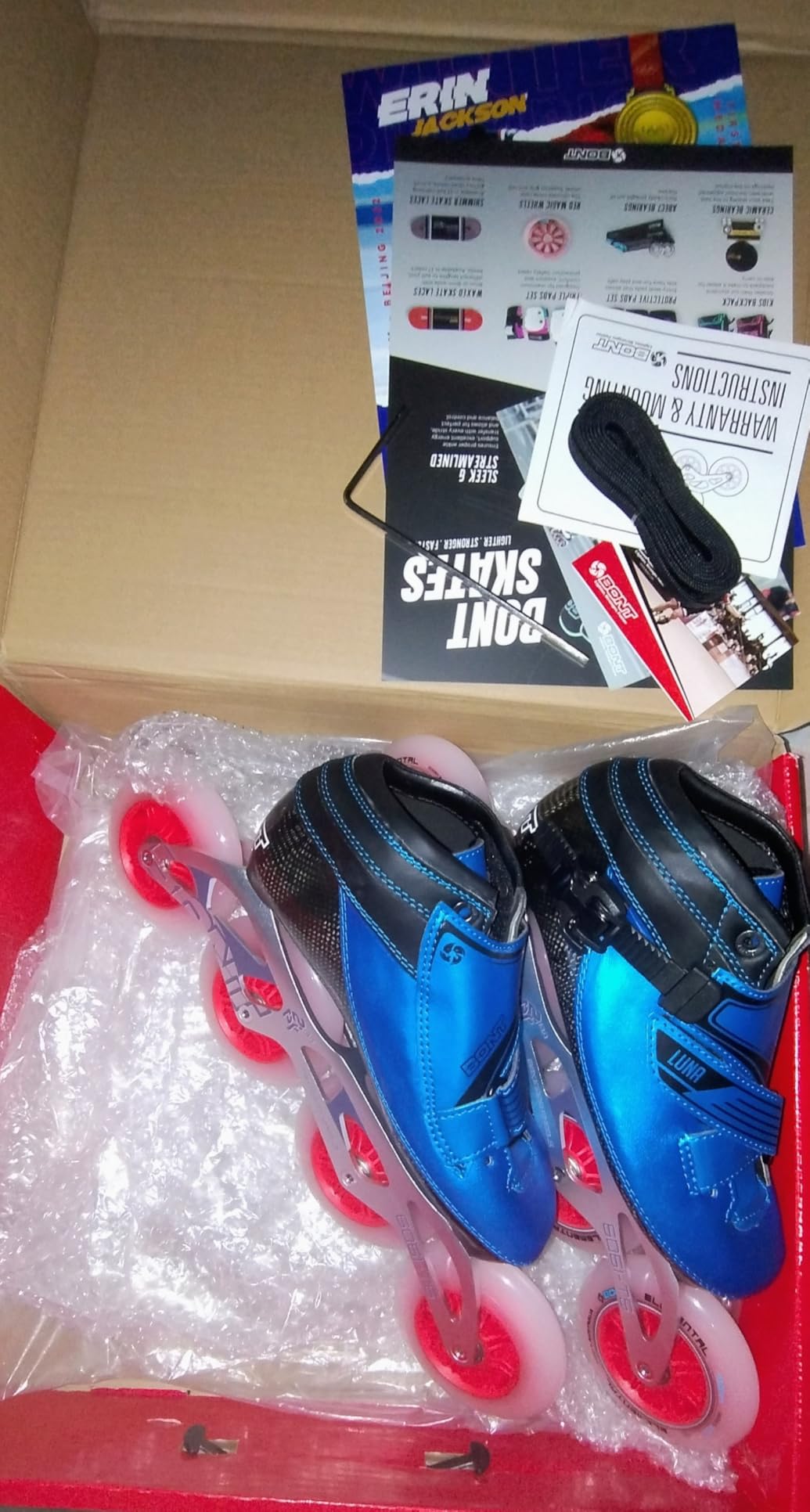
The complete package is the appeal here. You get the 2PF 6061 T6 aluminum frame from Taiwan, Elemental 85A wheels sized to the boot, and ABEC7 race bearings, all matched from the factory. Smaller sizes run 100mm wheels and size 6.5 and up move to 110mm, which keeps the frame length proportionate to the boot.
It is also fully vegan, using synthetic materials throughout, which matters to a growing number of skaters. Construction quality is generally good, though a few owners have reported quality control slips like uneven stitching, so inspect your pair when they arrive.
Expect a real break-in even after baking. The shell softens and takes your shape quickly, but the padding compresses to match over another few sessions, and the two processes together are what produce the final fit.
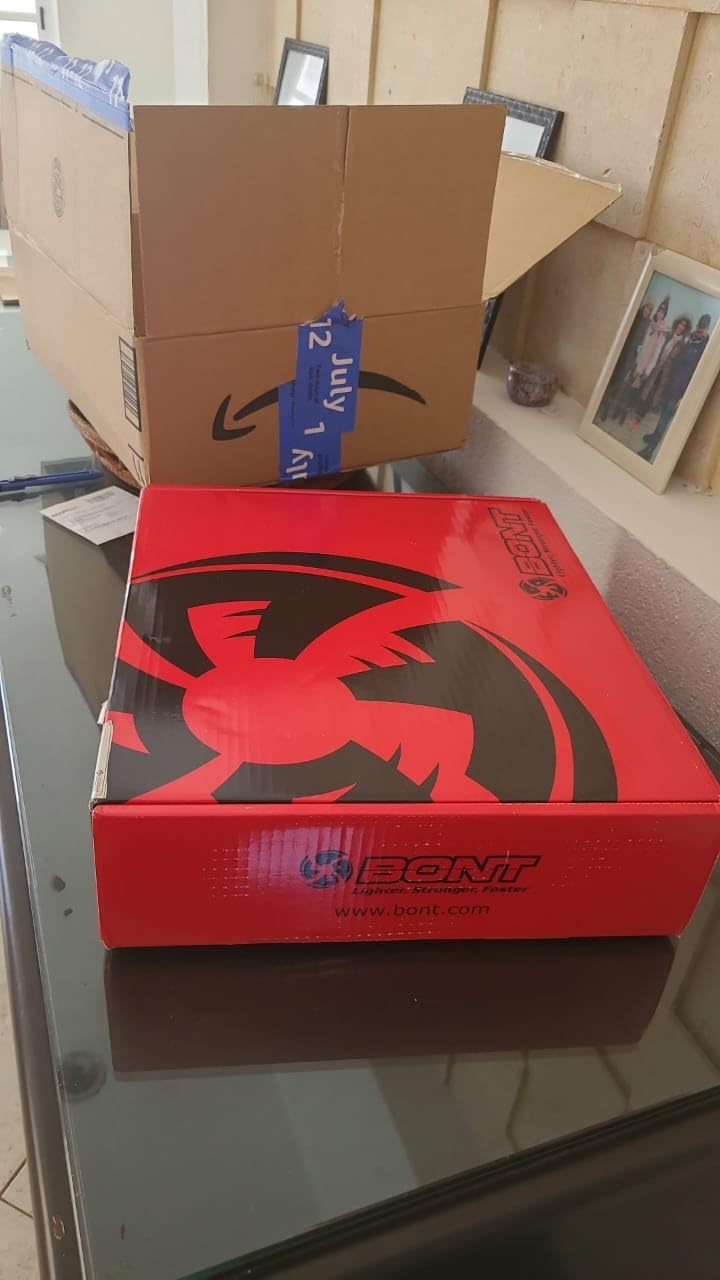
Reading the Bont Size Chart
Bont sizing is its own system, measured in millimeters of foot length, and it will not match your sneaker size. Measure at the end of the day when your feet are largest, and check the chart for the Luna specifically, since allowances differ between models.
Ordering a Bont by shoe size is the single most common mistake new owners make, and it is entirely avoidable in ten minutes with a ruler.
Wheel Setup as You Progress
Start on the stock setup and resist the urge to upsize immediately. Once your ankle strength and stride develop, moving to taller wheels on the same boot is a cheap upgrade that makes you faster without relearning anything.
For pace-focused training plans, the picks in our fitness inline skates guide include options better suited to steady endurance miles.
5. CYLQ Carbon Speed Skates — Best Budget Carbon Pick
Inline Speed Skates Adult for Women Mens, Professional Roller Skates Blades, High Performance Racing Skates, Fitness & Marathon Skating Gear, Unisex Black
Carbon fiber shell
110mm PU wheels
ABEC-11 chrome bearings
Heel-lock system
Pros
- Very lightweight carbon construction
- Smooth ride with 110mm wheels
- Good ankle support with heel-lock
- Budget-friendly option
Cons
- Quality may not match higher-end brands
- Some inconsistency between left and right boots
- Stiff break-in period
- Wheels may rub initially
The CYLQ is the skate that made me stop dismissing budget carbon. For roughly the cost of a mid-range fitness skate you get a genuine carbon fiber shell, a thickened aluminum alloy bracket, 110mm high-rebound PU wheels, and ABEC-11 chrome steel bearings. With 255 reviews at 4.4, it is the most-reviewed skate on this list and clearly has a following.
On the road it feels like what it is: light, fast, and eager. The 110mm wheels carry speed beautifully once you are rolling, and the 45-degree micro-adjustable buckle plus heel-lock system holds your rear foot down with surprising security for the price.
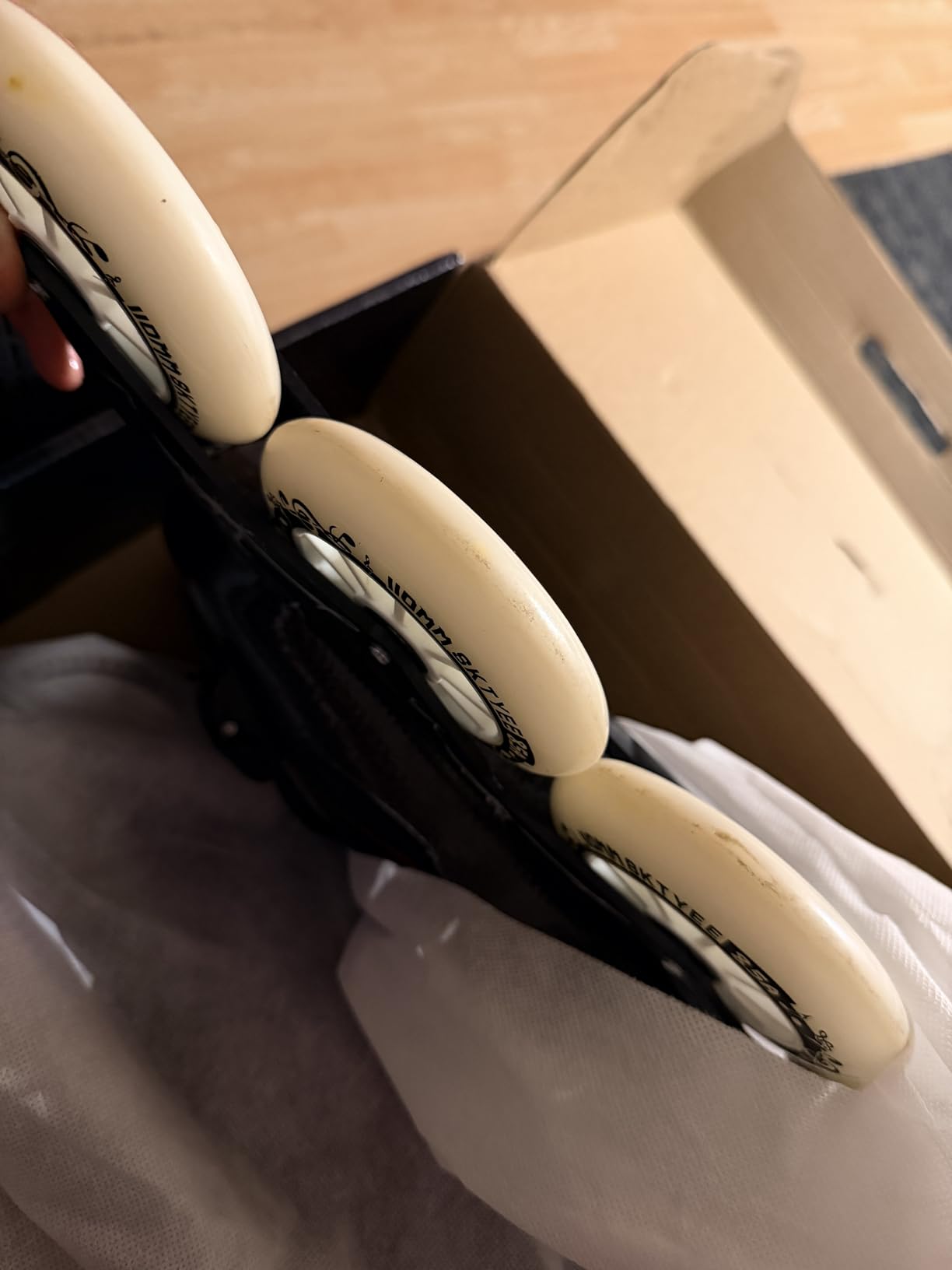
The shell is heat moldable in the way generic carbon shells are, meaning careful low-temperature work can relieve specific pressure spots. This is not a Bont resin engineered to pliate at low heat, so treat it conservatively: shorter sessions, lower temps, and small adjustments rather than aggressive reshaping.
Now the honest part. Quality control is the trade-off, and a meaningful minority of buyers report differences between the left and right boot, wheels that rub the frame initially, and a stiff break-in. Mine arrived fine, but a friend’s pair needed the axle spacing adjusted before they rolled cleanly.
There is also no warranty to speak of, which is the real cost of the low sticker. Buy from a listing with a solid return window and inspect everything on day one.
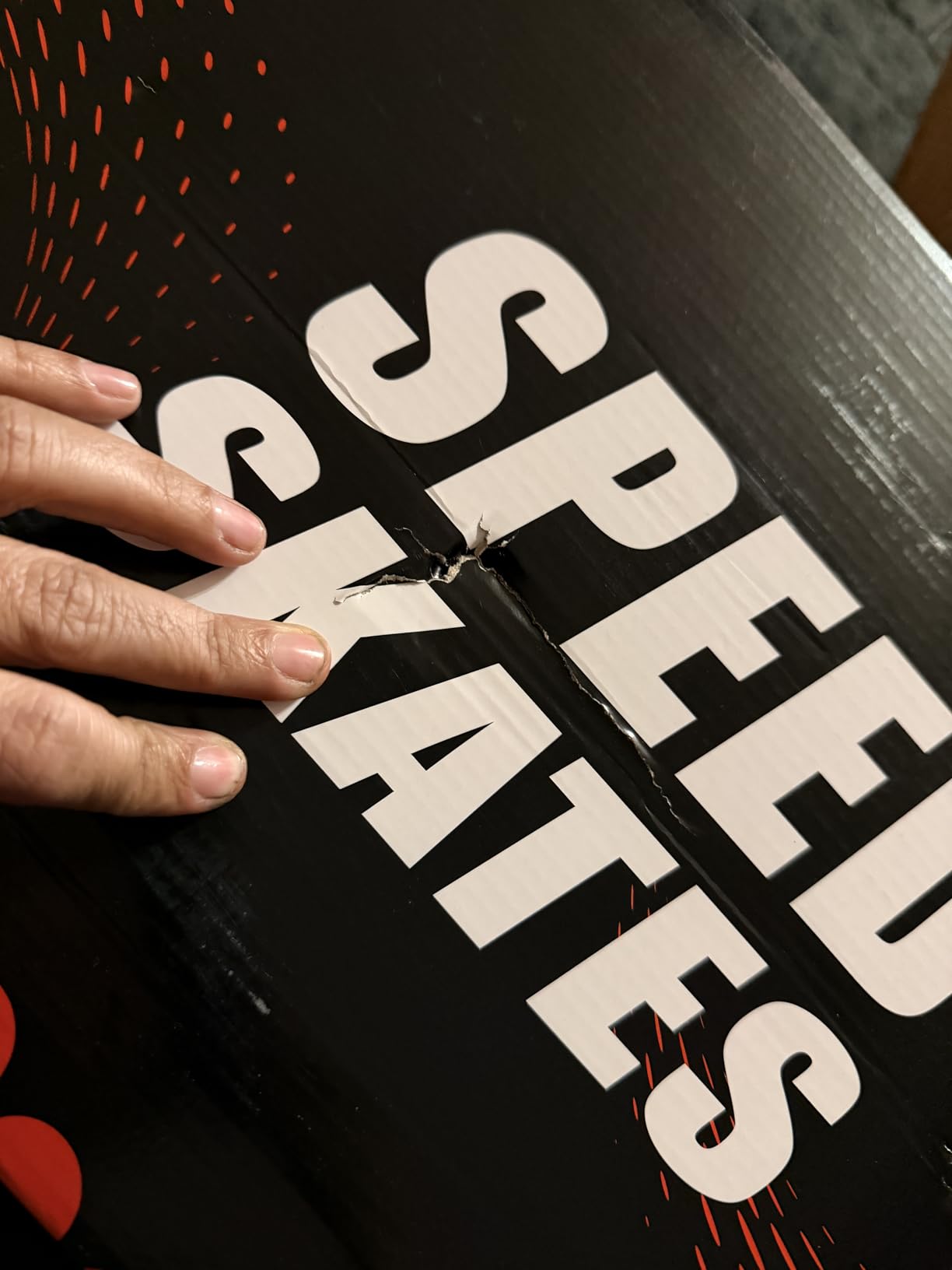
What to Check When Yours Arrives
Spin each wheel by hand and look for frame rub, then check that both boots sit at the same ride height. Catching a misaligned frame or mismatched pair in the first week turns a return into a five-minute fix.
Also confirm the ankle supports and the included wrench are in the box, since missing accessories are a known gripe with third-party listings.
Getting Through the Break-In
Plan on three to five short sessions before the cuff and shell stop feeling wooden. Keep early skates under 40 minutes, lace slightly looser than instinct, and use those sessions to identify which spots genuinely need spot heating.
Mold once after break-in rather than before, because the shell softens on its own more than you expect in week one.
6. Bont Semi Race III — Best for Wide Feet and Long Rides
Bont Semi Race III Inline Skates – 2PF Unity 11.8″ Frame + Elemental 125mm Wheels + ABEC7 Bearings (Black, 4)
Hybrid race fitness boot
Rigid plastic cuff
2PF Unity 11.8 inch frame
125mm Elemental wheels
Pros
- Comfortable fit especially for wide feet
- Run true to shoe size
- Excellent speed and smooth ride
- Great ankle support with secure buckles
Cons
- Some users report rivets causing blisters
- Stopping can feel harder with larger wheels
- Extremely stiff out of box
The Semi Race III is the skate I point wide-footed skaters toward, because it is the rare race-leaning boot that does not punish a broad forefoot. Owners consistently call out the comfortable fit for wide feet and, almost uniquely among Bonts, report that it runs true to shoe size. That combination removes the two biggest pain points in buying custom fit skates online.
The design splits the difference between race boot and fitness skate. A rigid plastic cuff adds lateral stability, while the soft rear cuff and V-cut lace area let your ankle flex forward for a powerful stride. It is a genuinely clever hybrid for anyone who wants race-level speed without a pure race boot’s demands.
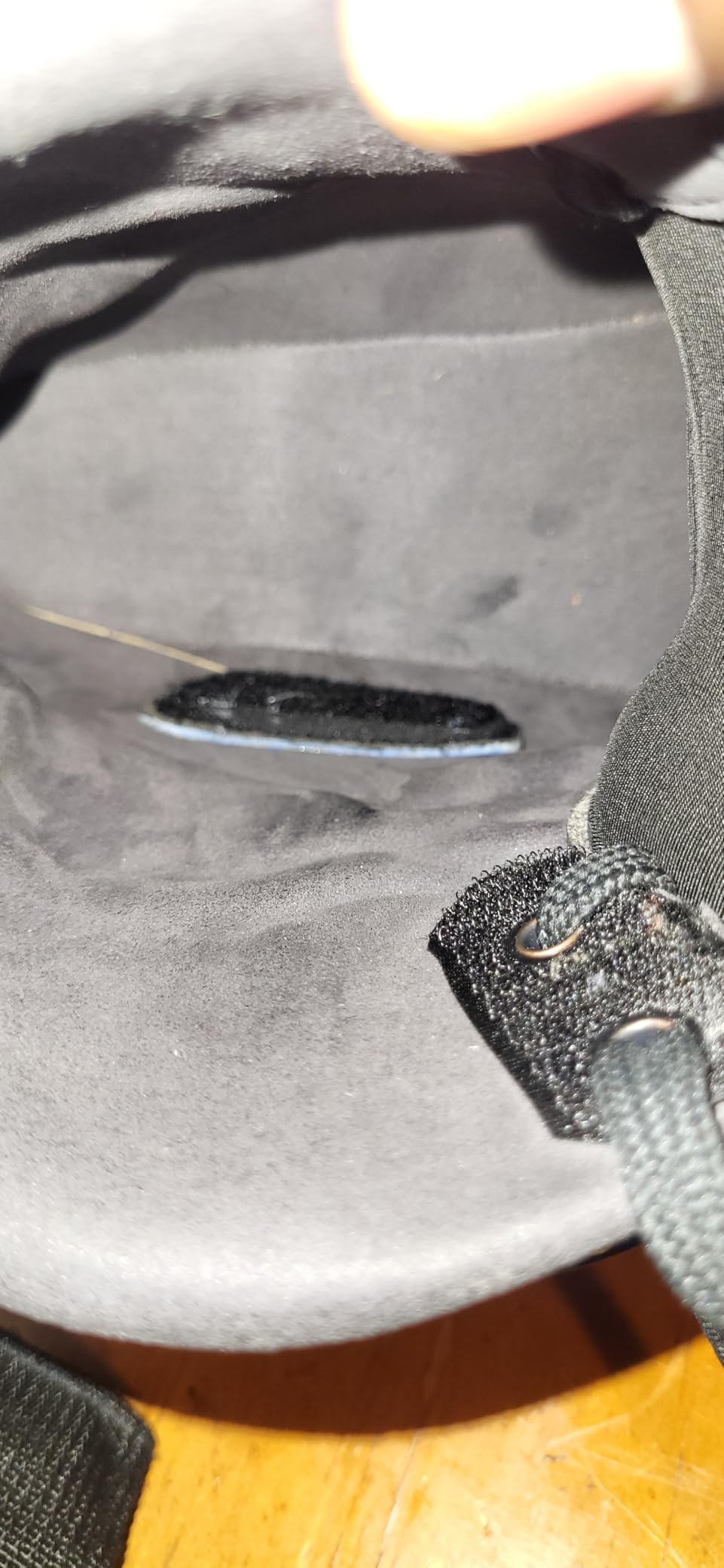
The 2PF Unity 11.8 inch frame carries 125mm Elemental wheels, and the ABEC 7 bearings keep the roll smooth and consistent on long distance sessions. On open paths this setup glides, holds speed with minimal effort, and shrinks long rides noticeably.
Heat molding works the same way as other Bont boots, with the shell softening at low oven temperatures and setting to your foot as it cools. It makes an already good boot better, particularly around the cuff where the plastic can feel imposing at first.
Out of the box it is extremely stiff, and a few owners have traced blisters to rivets inside the boot. That is exactly the kind of issue a careful mold-and-pad session fixes, so do not judge it on the first hour of skating.
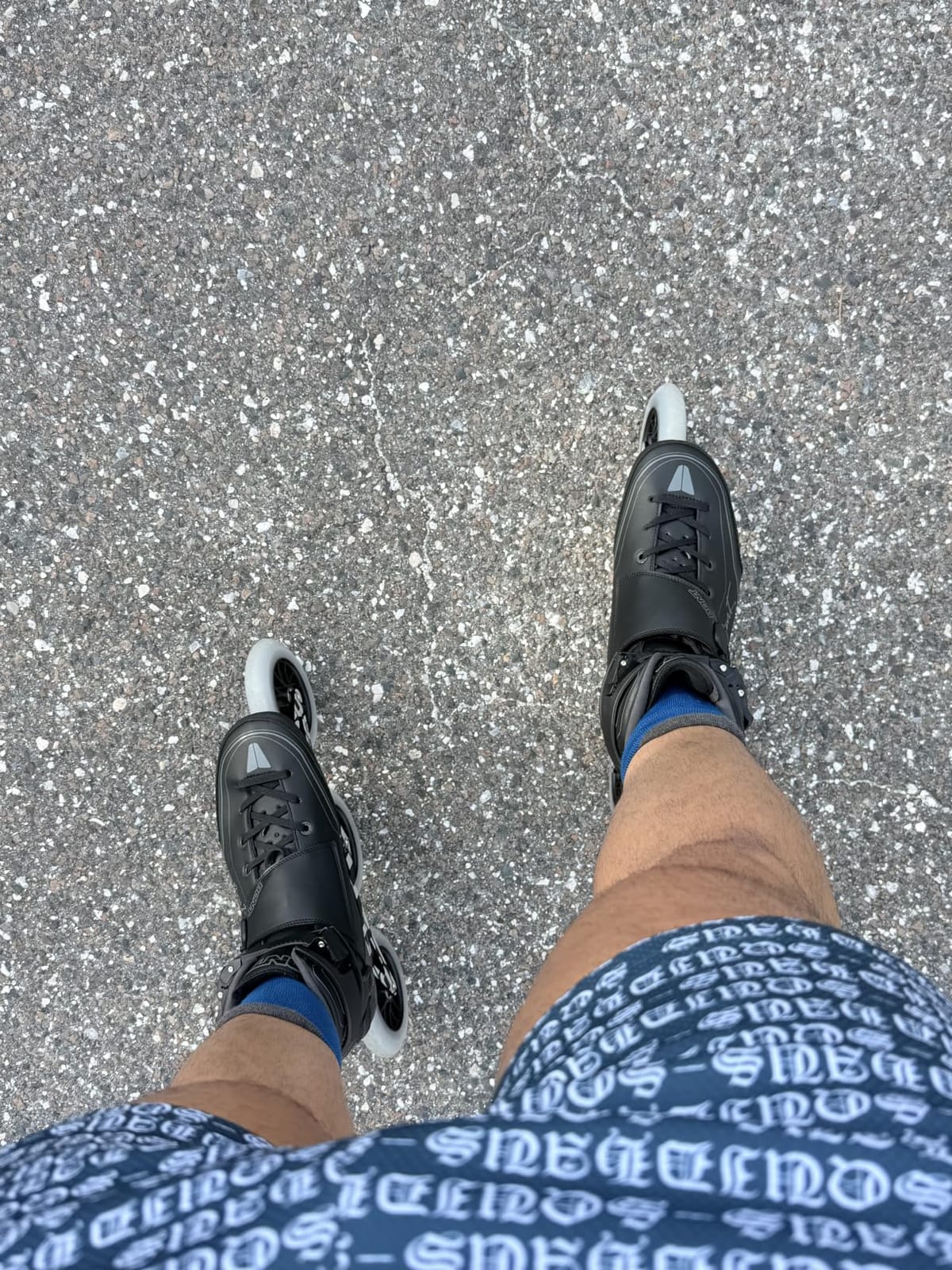
Breaking In the Semi Race III
Give it three proper sessions before you decide anything, and use thin socks for the first two. The cuff and shell both relax considerably once the materials have cycled through some warmth and pressure.
If a specific rivet or seam keeps finding the same spot, that is your molding target, not a reason to return the boot.
Choosing Your Wheel Configuration
The frame accepts 3-wheel or 4-wheel setups from 90mm up to 125mm, which is rare flexibility at this level. The stock 3x125mm setup favors speed and glide, while a 4x90mm conversion makes the skate far more manageable in traffic and on hills.
If you are torn between layouts, our explainer on 3-wheel vs 4-wheel skates breaks down how the ride actually differs before you spend on a second setup.
7. Bont Jet — Best Premium Boot for Racing
Bont Jet Inline Speed Skates – Vegan, Heat Moldable Racing Package with Carbon Fiber Boot, Elemental Wheels, and ABEC7 Bearings(Black Red,37/5)
Hand-laid carbon and fiberglass boot
Fully heat moldable
6061 aluminum frame
Vegan construction
Pros
- Excellent speed and performance
- Heat moldable for custom fit
- Lightweight carbon construction
- Quality ABEC7 bearings
Cons
- Sizing runs large and long
- Ankle support may be too tight requiring heat shaping
- Some difficulty with buckle design
The Jet has a legitimate claim to being the most popular inline speed skating boot in the world, and Bont has been building on that platform since long before carbon boots were common. The boot is hand-laid carbon fiber and fiberglass, which means a craftsman layers the materials rather than a machine, and you can feel the difference in how the shell loads under stride pressure.
It is fully heat moldable and behaves like every Bont: the proprietary resin goes pliable at low temperatures, so the boot can be reshaped repeatedly as your foot or your needs change. That “second skin” fit is not marketing copy, it is the actual result when the molding is done right.
On the road, the aircraft-grade 6061 aluminum frame is precise and free of the twitchiness that plagues cheaper speed frames. Paired with 85A Elemental wheels and ABEC7 race bearings, the Jet holds a line at speed and transmits every bit of your push into forward motion.
The details are what justify the premium. Anti-stretch tapes keep the boot holding its shape season after season, the construction is fully vegan, and replacement parts and service knowledge are easy to find because so many skaters run this boot.
Two honest warnings from the review pool. Sizing runs large and long, so trust the millimeter chart over any shoe-size instinct. And the ankle area arrives tight on many feet, which is not a defect, it is the boot waiting to be shaped.
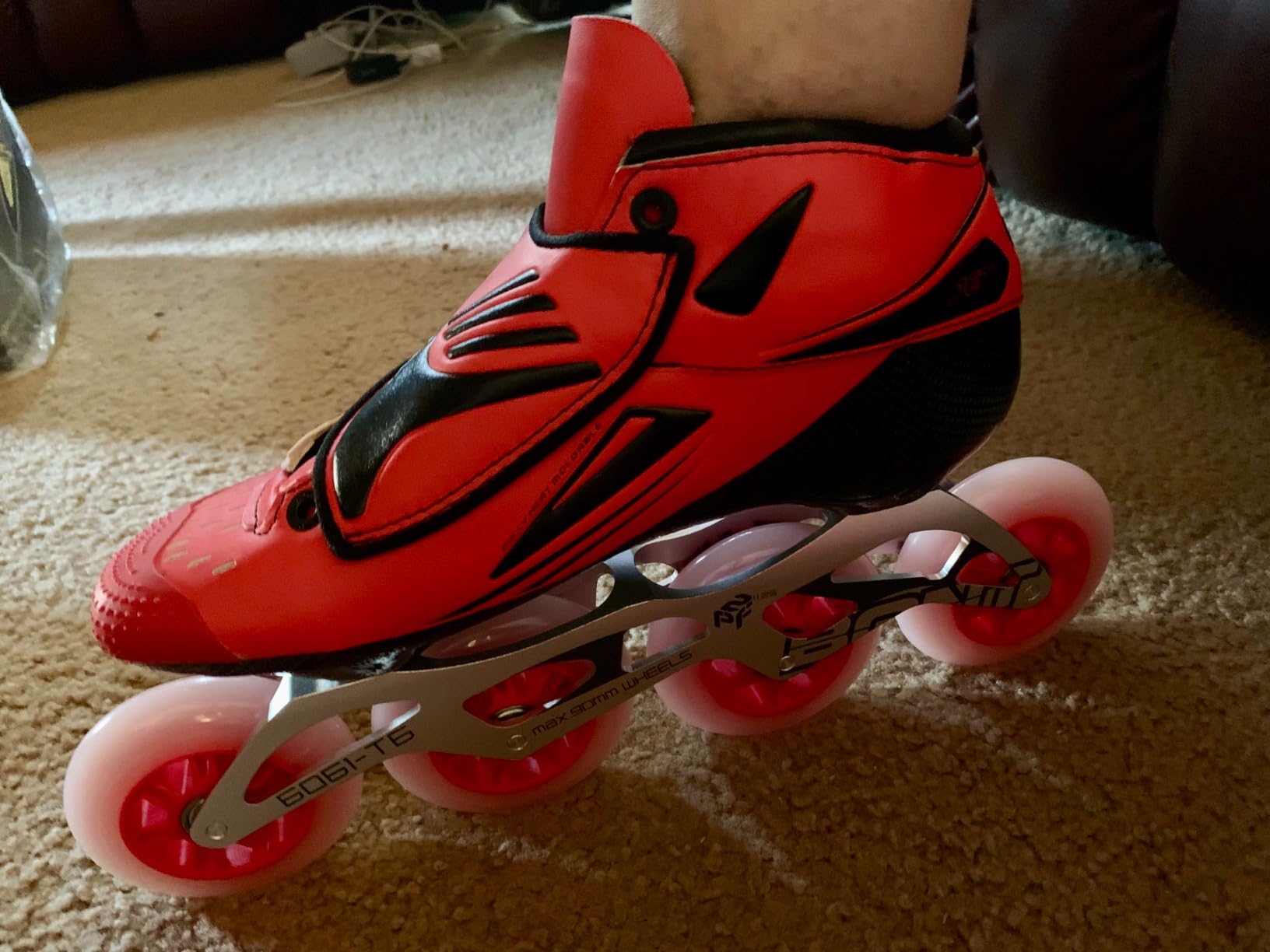
Heat Shaping the Ankle Area
Target the ankle pads specifically rather than reheating the whole boot. A focused session on each ankle pocket, done at Bont’s recommended low temperature, opens up the tightness without disturbing the rest of the fit.
Several owners also report the buckle design takes getting used to, so practice clicking in and out at home before you are standing on asphalt in traffic.
Who the Jet Is Built For
This is a boot for skaters who already know they want speed skating in their life, whether that is club racing, marathon training, or fast group rides. It rewards good technique and punishes sloppy ankle position.
If you are still building stride and confidence, the GT4 or the Semi Race III will make you happier while you develop, and the Jet will still be here when you are ready.
8. PASENDI 3x125mm Speed Skates — Best Big-Wheel Value
PASENDI Professional Speed Skates Shoes 3 Wheels for Man 3X125MM Big Wheels Carbon Fibre Inline Skating Shoes Black Inline Skate Shoes (Black, US10(EU43))
Carbon fiber shell
3x125mm aluminum frame
ABEC-9 chrome bearings
Ratchet buckle
Pros
- Excellent value for money
- Lightweight carbon construction
- Fast and smooth rolling
- Heat moldable for custom fit
Cons
- Sizing may run small
- Some issues with ankle pressure points
- May require heat molding adjustment
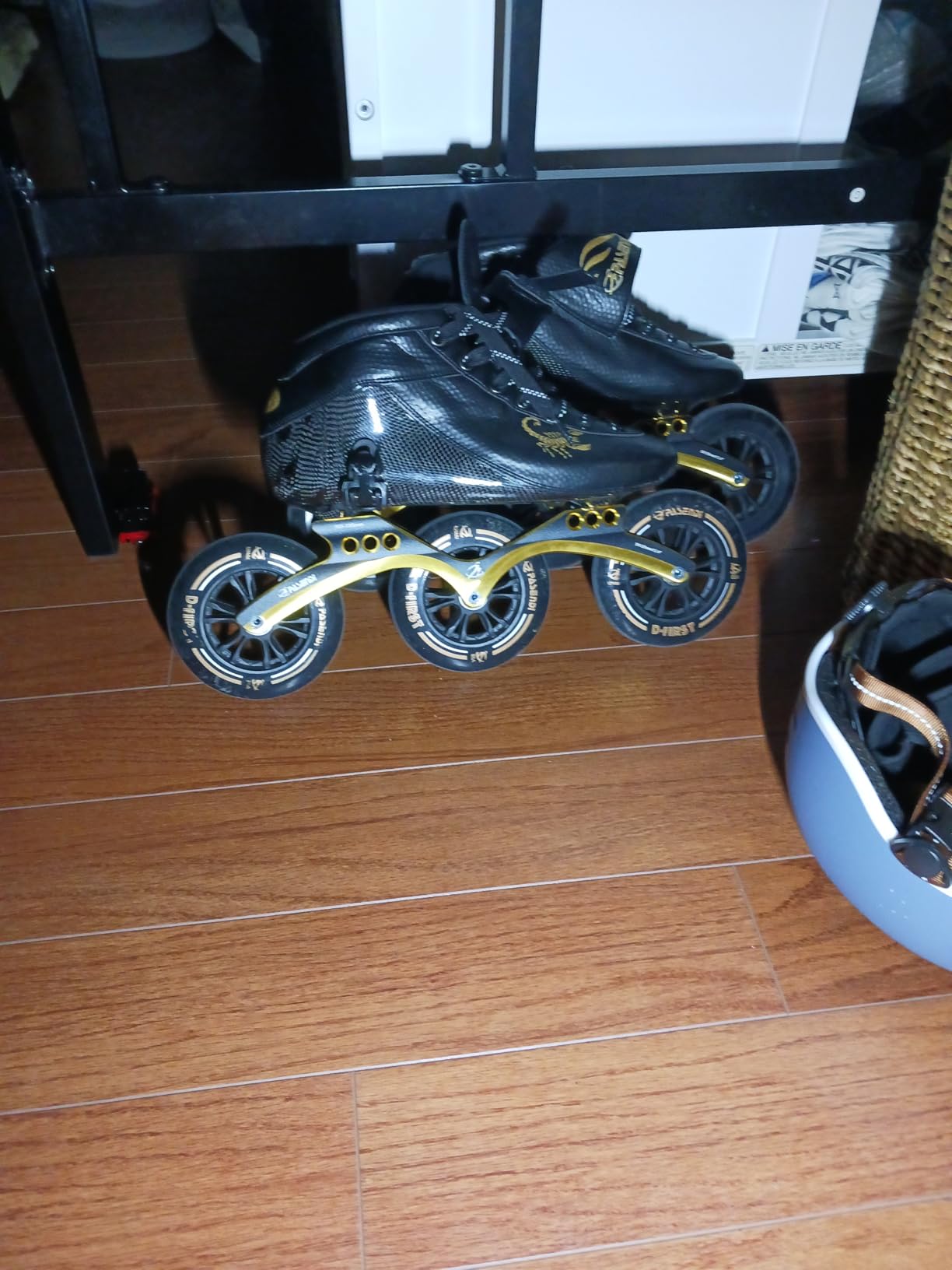
The PASENDI is the cheapest credible way onto a 3x125mm big-wheel setup, and that alone earns it a spot here. A carbon fiber shell, a 12.4 inch aluminum frame, 85A wheels, and ABEC-9 chrome steel bearings add up to a package that rolls far above its station. Several of the 50 reviewers say outright that the quality rivals skates costing a lot more.
Riding it feels exactly like a big-wheel skate should: heavy momentum, long glide, and a real appetite for open path. The laces-plus-ratchet closure with a micro-adjustable buckle locks the heel down well once you find the right tension balance between the two.
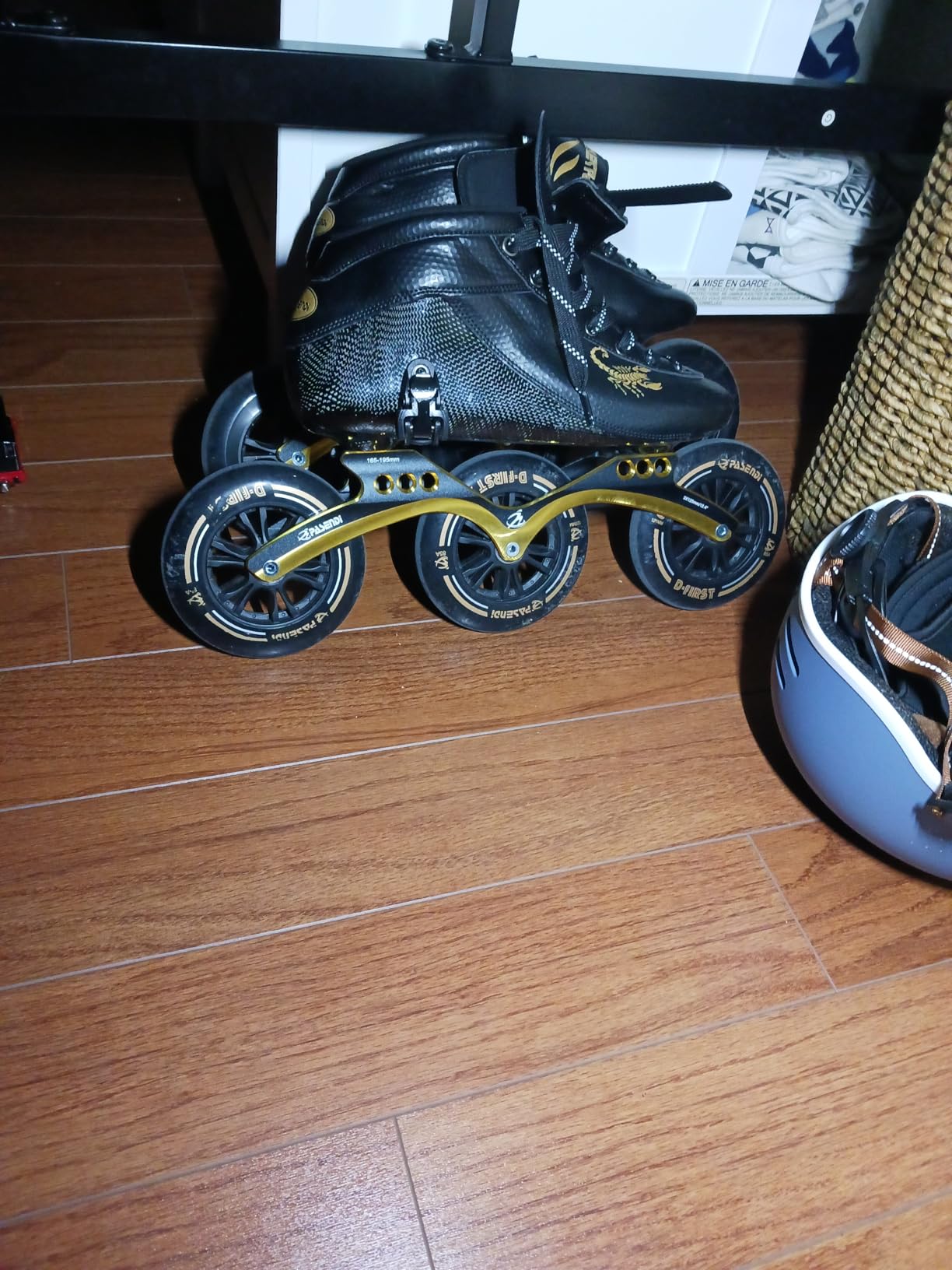
The shell is heat moldable, and on this skate that is closer to a requirement than a bonus. Ankle pressure points are the most common complaint in the review pool, and a careful spot-heat on the ankle pockets is what turns these from tolerable to genuinely comfortable.
At 5.8 pounds for the package it is not feathery, but the weight disappears once 125mm wheels get rolling. What matters more is setup: check axle tightness and wheel spin before ride one, the same as any budget carbon build.
Sizing runs small, which is the opposite of the Bont problem and catches people who order their usual size. Go up rather than down if you are between sizes on the chart.
Sizing and Pressure Points
Measure your foot in millimeters and compare against the seller chart, adding room rather than trimming it, since the toe box has a lower volume than the Bont boots. Pressure almost always concentrates at the ankle bones.
Mark the sore spots with a sock test at home before molding, so you know exactly where to direct heat instead of guessing afterward.
Maintenance and Long-Term Care
Keep the bearings cleaned and oiled, since ABEC-9 chrome steel rusts if you skate wet paths and leave it. Check frame bolts weekly during the first month, as vibration settles the assembly.
Treated that way, this is a skate that can carry you through a full season of speed skating development before you feel any need to upgrade.
How to Choose Heat-Moldable Inline Skates?
Choosing custom fit skates comes down to four decisions: boot material, frame and wheel setup, sizing method, and whether you actually need moldability at all. Here is how I work through each one.
Boot Material and How Much It Molds
Carbon composite boots, like every Bont on this list, mold the most and hold their new shape the longest. The resin softens at low temperatures and rehardens cleanly, which is why Bont owners remold their boots without a second thought.
Generic carbon shells like the CYLQ and PASENDI mold acceptably but need gentler treatment, and traditional PVC or composite boots like the Jackson Finesse should not go in an oven at all. If heat molding matters to you, confirm the boot is actually bakeable before you buy, because “stiff boot” and “moldable boot” are not the same thing.
Frames, Wheels and Bearings
Aluminum frames in 6061 T6 are the standard for a reason: they are stiff, light, and transfer power without flex. Longer frames track straighter for distance, shorter frames turn quicker for urban and freestyle work.
Wheel size sets the character of the skate. Anything from 84mm to 110mm balances agility and roll, while 125mm setups eat distance and demand more from your ankles and your braking technique. Bearings from ABEC 5 upward are fine for almost everyone, and maintenance matters more than the rating on the box.
Sizing Without Guesswork
Measure your feet in millimeters, both of them, standing, at the end of the day. Then follow the brand’s chart specifically, because Bont sizing, generic Asian-market sizing, and traditional boot sizing all disagree with each other.
The three failure patterns on this list are predictable: Bonts run on their own millimeter scale, the Jackson runs big, and the PASENDI runs small. Ten minutes with a ruler prevents every one of those mistakes, and our foot measuring guide shows the exact method.
Heat-Moldable vs Standard Boots
Heat-moldable boots win when you have pressure points, awkward feet, or performance goals that justify a firm shell. They cost more and they punish bad sizing, but a molded boot fits like nothing off a shelf.
Standard boots win on price, simplicity, and instant comfort, and a good soft boot never needs an oven. If you skate a few casual miles a week and have never had a hot spot, you likely do not need moldability, and the options in our recreational skates roundup will serve you better for less.
How to Heat Mold Inline Skates at Home?
Yes, you can safely heat mold skates at home if you follow the manufacturer’s numbers exactly and refuse to improvise. Here is the oven method I use, which matches how Bont describes their own process.
Loosen the laces fully and remove the insoles if the brand recommends it. Preheat a conventional oven to 85°C, which is 185°F, and kill the heat as soon as it reaches temperature.
Place the boots in the warm oven for 8 to 15 minutes depending on the brand’s instruction, checking that the shell feels pliable when pressed. Never use temperatures above what your boot’s manual states, and never use a broiler setting.
Take the boots out, let them cool for 30 to 60 seconds until you can hold them, then put them on while wearing the socks you actually skate in.
Sit with your knees at 90 degrees, heels firmly back, and stay seated for 15 to 20 minutes while the shell cools and sets to your foot. Do not stand or walk in hot boots, because a pliable shell will deform under your full weight.
Remove the boots only once they are fully cool to the touch, then let them rest for a few hours before skating.
If your pressure point is small and specific, skip the oven entirely. A heat gun or even a hair dryer on the target area for a couple of minutes, followed by wearing the boot, will relieve a single hot spot with far less risk. That is the method most community skaters on r/rollerblading use for ankle-bone fixes, and it works well on all the boots above.
Signs You Need to Remold Your Skates
Remolding is normal, and most serious skaters reshape their boots more than once over the life of the skate. Watch for these signals.
The same hot spot keeps coming back after 20 minutes of skating, in the same spot, every session.
Your foot position inside the boot has changed after weight change, injury, or a long layoff.
The shell feels looser than it did new, especially around the heel, indicating the shape has drifted.
You switched to noticeably thinner or thicker socks and the fit no longer locks.
A new creak or pressure line appears after a season of hard skating, meaning the layup has settled.
Any one of these is a reason for a careful re-bake, not a new pair of skates. Just keep track of how many times you have heated each boot, since materials have a practical limit.
Common Heat Molding Mistakes to Avoid
Almost every molding disaster traces back to one of these errors, and I have personally made two of them.
Raising the temperature to speed things up. Carbon composite cures are temperature-sensitive, and overheating can delaminate layers you cannot see until the boot fails weeks later.
Standing or walking in soft boots, which flattens the sole and ruins the boot’s anatomy along with your arch support.
Molding brand new boots on day one instead of skating them for a week, which reshapes a boot that would have fit fine on its own.
Wearing thick socks during molding and thin ones while skating, which builds the exact opposite of the fit you want.
Skipping the manual. Brands differ, low temperature molding means something specific at Bont, and using one brand’s numbers on another brand’s boot is how warranties quietly die.
Bake with the manual open on the counter and a timer running, and the process is genuinely low-risk. Rush it and you learn an expensive lesson, as more than one forum thread attests.
Frequently Asked Questions
How do I know if my skates are heat moldable?
Check the manufacturer’s product page or the tag inside the boot for words like heat moldable, bakeable, or thermoformable. Carbon composite race boots are usually moldable, while soft boots and traditional PVC figure boots are not. If the manual mentions an oven temperature, the boot is designed to be heated.
Should I heat mold my skates?
Yes, if the boot is designed for it and you feel pressure points, have wide or awkward feet, or want faster break-in. Heat molding eliminates hot spots and creates a precision fit. Skip it if your boots already feel comfortable, since molding a well-fitting boot gains you nothing and carries a small risk.
How to heat mold inline skates?
Loosen the laces, warm a conventional oven to 85°C (185°F) then turn it off, and place the boots inside for 8 to 15 minutes per the brand’s instructions. Put the warm boots on with your skating socks, sit with heels back for 15 to 20 minutes while they cool, then rest them fully before skating. Never stand in hot boots or exceed the manual’s temperature.
Are Bauer Vapor X3 skates bakeable?
Bauer’s Vapor inline line uses the same boot construction as their ice skate line, which is designed to be oven-baked at low temperature. Confirm the exact spec for your model with the retailer before baking, because using ice-skate temperatures on the wrong boot can damage the material and void the warranty.
What are the most comfortable inline skates?
The FR Skates FR1 80 is the most comfortable skate on this list thanks to its heat-shapeable Intuition liner and near-zero break-in. The Bont Semi Race III is the pick for wide feet, and the Bont GT4 with memory foam is the most comfortable moldable carbon option. Comfort depends heavily on correct sizing, so measure before buying.
Final Verdict: Which Custom-Fit Skates Should You Buy?
For most skaters the answer is the FR1 80 if comfort and versatility come first, or the Bont GT4 if you want the best-value moldable carbon boot you can grow into. Wide feet belong in the Semi Race III, serious racers belong in the Jet, and the CYLQ and PASENDI prove that bakeable carbon no longer requires a race budget.
Whichever heat-moldable inline skates you choose, measure your feet first and follow the brand’s molding numbers exactly. Get those two things right in 2026 and you will end up with boots that fit like nothing you have ever laced up.