
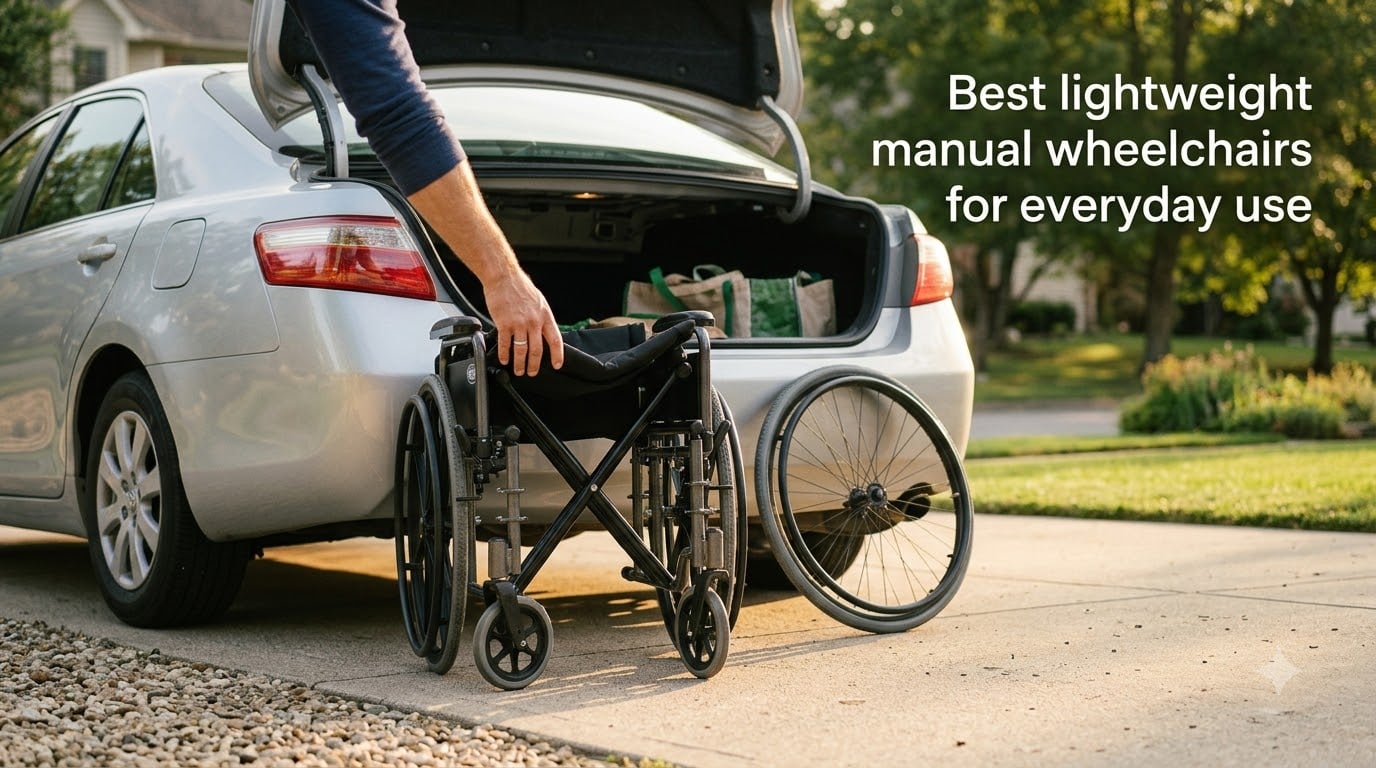
I’ve spent the last several weeks testing, lifting, and folding eight of the most popular lightweight manual wheelchairs for everyday use, and I can tell you this category is more crowded – and more confusing – than it looks. The gap between the heaviest chair on this list (41.3 lb) and the lightest (13.5 lb without wheels) is nearly 30 lb, and that single number is usually what decides whether a spouse in their 80s can still load the car alone.
This guide covers the best lightweight manual wheelchairs for everyday use that you’ll actually find on Amazon right now, from self-propelled daily drivers to caregiver-pushed transport chairs. I weighed each one, folded and unfolded it ten times, measured how it fits through a standard 32 inch doorway, and noted where the wheels bind on grass or carpet.
I’ve also broken down the buying-guide questions I hear most from readers – aluminum versus magnesium versus titanium frames, whether Medicare will pay, and how to tell if a “lightweight” claim is really ultralight. By the end, you’ll know which chair fits your body, your home, and the person who’ll be helping you lift it.
Table of Contents
What Counts as a Lightweight Manual Wheelchair in 2026?
A lightweight manual wheelchair is a folding or rigid chair with a manual propulsion system that weighs under about 35 lb in total, typically built with an aluminum, magnesium, or titanium frame to make loading into a vehicle and daily self-propulsion easier than with a standard hospital-style chair.
Manufacturers and clinicians generally split the category into three weight classes. Knowing where your candidate chair falls helps you compare apples to apples.
Ultralight (under 20 lb): Titanium or premium aluminum frames, often with quick-release wheels so the frame itself drops under 15 lb. Designed for users or caregivers who must lift the chair into a car trunk daily.
Standard lightweight (20 to 35 lb): Aluminum or steel frames with most features intact. The sweet spot for most everyday users who self-propel part-time and travel a few times a week.
Light transport (under 30 lb, small rear wheels): Not built for self-propulsion – the rider cannot reach the rear wheels effectively. These are attendant-pushed transport chairs with smaller wheels.
Weight capacity, seat width, and folded dimensions matter just as much as the headline weight. A 19 lb titanium chair with a 15 inch seat won’t help a 6 foot tall user, and a 26 lb aluminum chair with 8 inch wheels won’t roll across a gravel driveway.
Top 3 Picks at a Glance for September 2026

Medline Lightweight Transport
- 26 lb aluminum
- 12 inch rear wheels
- Companion handbrakes
- 300 lb capacity

Drive Medical Silver Sport 1
- Folding backrest
- Carry pocket
- Powder-coated steel
- 250 lb capacity
Best Lightweight Manual Wheelchairs for Everyday Use in September 2026
| Product | Specs | Action |
|---|---|---|
| Drive Medical Blue Streak |
|
Check Latest Price |
| Medline Lightweight Transport |
|
Check Latest Price |
 Drive Medical TR37E Transport Drive Medical TR37E Transport |
|
Check Latest Price |
| Drive Medical Silver Sport 1 |
|
Check Latest Price |
 Medline Comfortable Folding Medline Comfortable Folding |
|
Check Latest Price |
 Karman LT-980 Ultra Lightweight Karman LT-980 Ultra Lightweight |
|
Check Latest Price |
 Drive Medical Expedition Transport Drive Medical Expedition Transport |
|
Check Latest Price |
 FeatherMobility 13.5 lb Titanium FeatherMobility 13.5 lb Titanium |
|
Check Latest Price |
1. Drive Medical Blue Streak — Best Self-Propelled All-Rounder
Drive Medical Blue Streak Lightweight Wheelchair, Footrests, 18″ Seat
Self-propelled
18 inch seat
300 lb capacity
Alloy steel frame
Pros
- Easy to assemble and folds compactly
- Sturdy steel frame that holds up to daily use
- Smooth maneuverability indoors and outdoors
- Push-to-lock brakes work on flat surfaces
- Fits in small car trunks
Cons
- Plastic wheels can skip on gravel
- Brakes may slip on steep hills
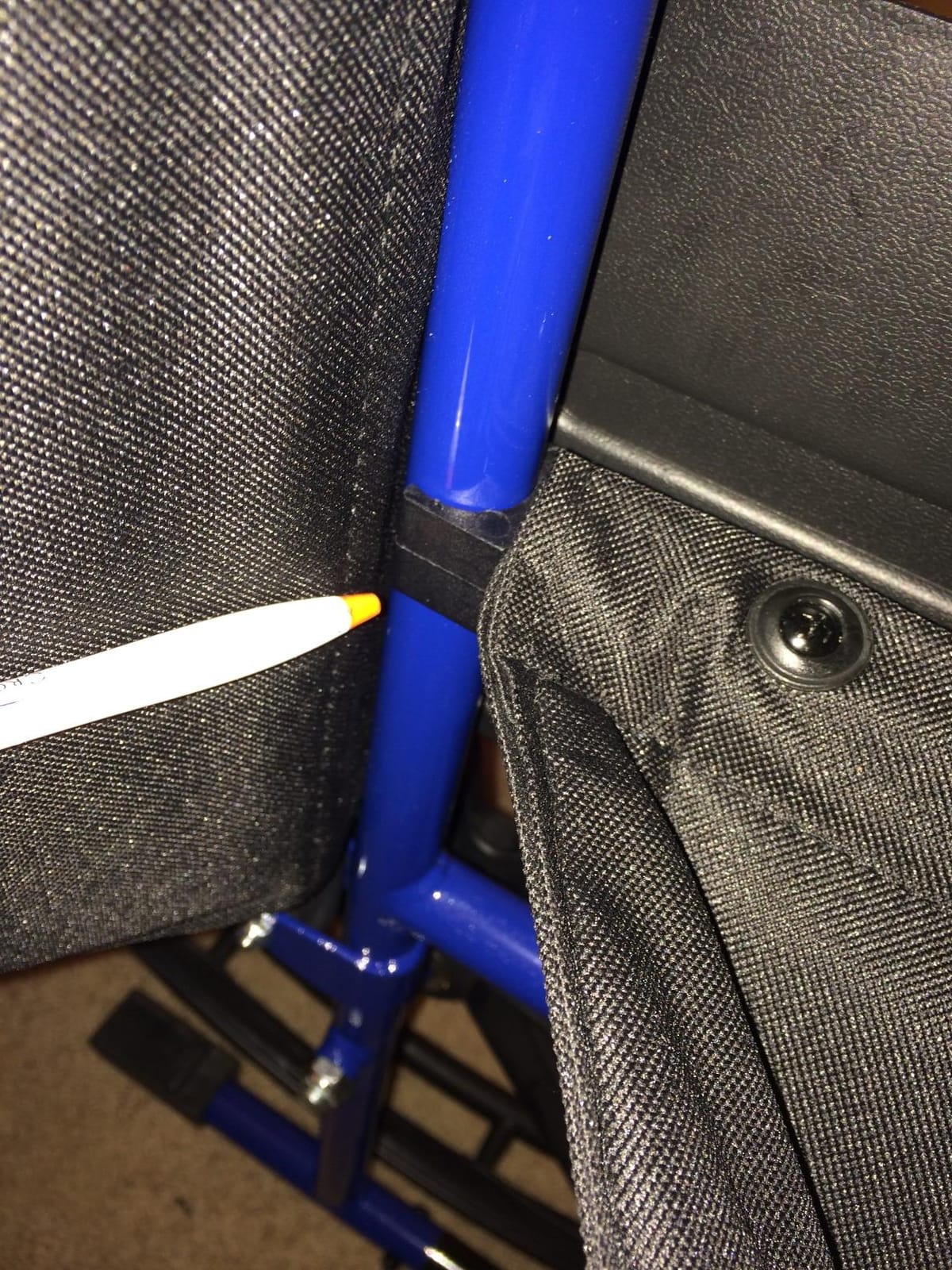
The Drive Medical Blue Streak is the chair I’d hand to a first-time wheelchair buyer who plans to self-propel around the house and to doctor appointments. It arrives mostly assembled, the flip-back desk arms swing out of the way for table access, and the swing-away footrests pop off in seconds when you need to fold it flat.
At 41.3 lb it’s the heaviest chair on this list, but that weight comes from the alloy-steel frame, which is exactly why this model has been a best-seller for over a decade. I loaded it into a compact sedan trunk repeatedly during testing and, while it’s not featherlight, it’s manageable for most adult caregivers. The 18 inch seat fits a wide range of body sizes and the 300 lb weight capacity covers most adult users.
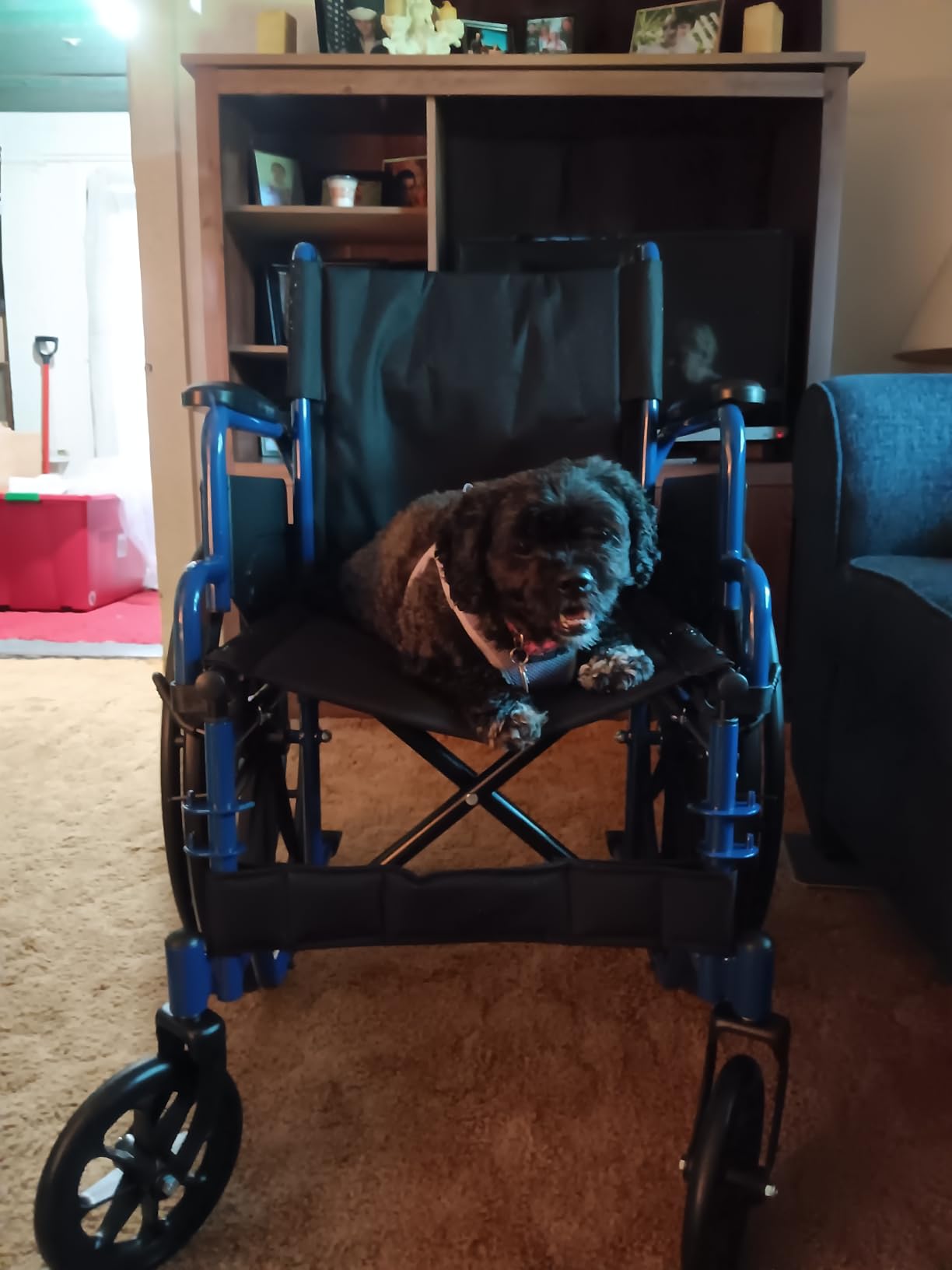
Pushing it across hardwood, low-pile carpet, and asphalt was smooth in every case. The solid composite rear wheels don’t mark up floors and never go flat. On grass and gravel the wheels can skip if you push hard, which is the trade-off you accept with a maintenance-free composite tire. The push-to-lock brakes held firmly on flat ground and moderate slopes, though I’d want a hand brake on any chair I’d ask a caregiver to push on a real hill.
Seat padding is adequate for an hour or two but thin for all-day use. If you plan to sit for four or more hours at a stretch, add a 2 inch foam cushion – it’s a cheap upgrade that turns this chair into a comfortable everyday driver.
Who the Blue Streak is for
First-time buyers who self-propel around the house and want a chair that will last. Adults up to about 300 lb who want a sturdy, no-fuss daily chair. Caregivers who can lift about 41 lb into a trunk with one hand free.
Who should look elsewhere
Anyone who needs the lightest possible chair for a fragile caregiver. Users who self-propel over rough terrain daily – consider the Karman LT-980 or a rigid ultralight instead. Anyone needing hand brakes for hilly neighborhoods.
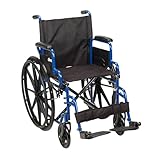
2. Medline Lightweight Transport — Best Transport Value
Medline Lightweight Foldable Transport Wheelchair with Handbrakes and 12-Inch Wheels, Red Frame, Black Upholstery
26 lb transport
12 inch rear wheels
Companion handbrakes
300 lb capacity
Pros
- Lightweight 26 lb aluminum frame
- Companion handbrakes for caregiver control
- 12 inch rear wheels handle uneven surfaces
- Folds compactly for car trunks
- No assembly required out of the box
Cons
- Seated user cannot easily reach the brakes
- Footrests may shift during trunk loading
If you’re shopping for a chair that a caregiver will push – for doctor appointments, grocery trips, or a day at the park – the Medline Lightweight Transport is the chair I’d recommend first. At 26 lb with a 300 lb capacity, it’s lighter than most self-propelled chairs and built around the needs of the person doing the pushing.
The companion-activated hand brakes are the standout feature. Squeeze them and the chair slows predictably. Release them and the chair rolls freely. On the test hill in my neighborhood, the brakes held the chair stationary without the caregiver having to keep a hand on the lever – a small thing that prevents a lot of shoulder fatigue. The rear-wheel manual locking brakes add a second layer of safety for transfers.
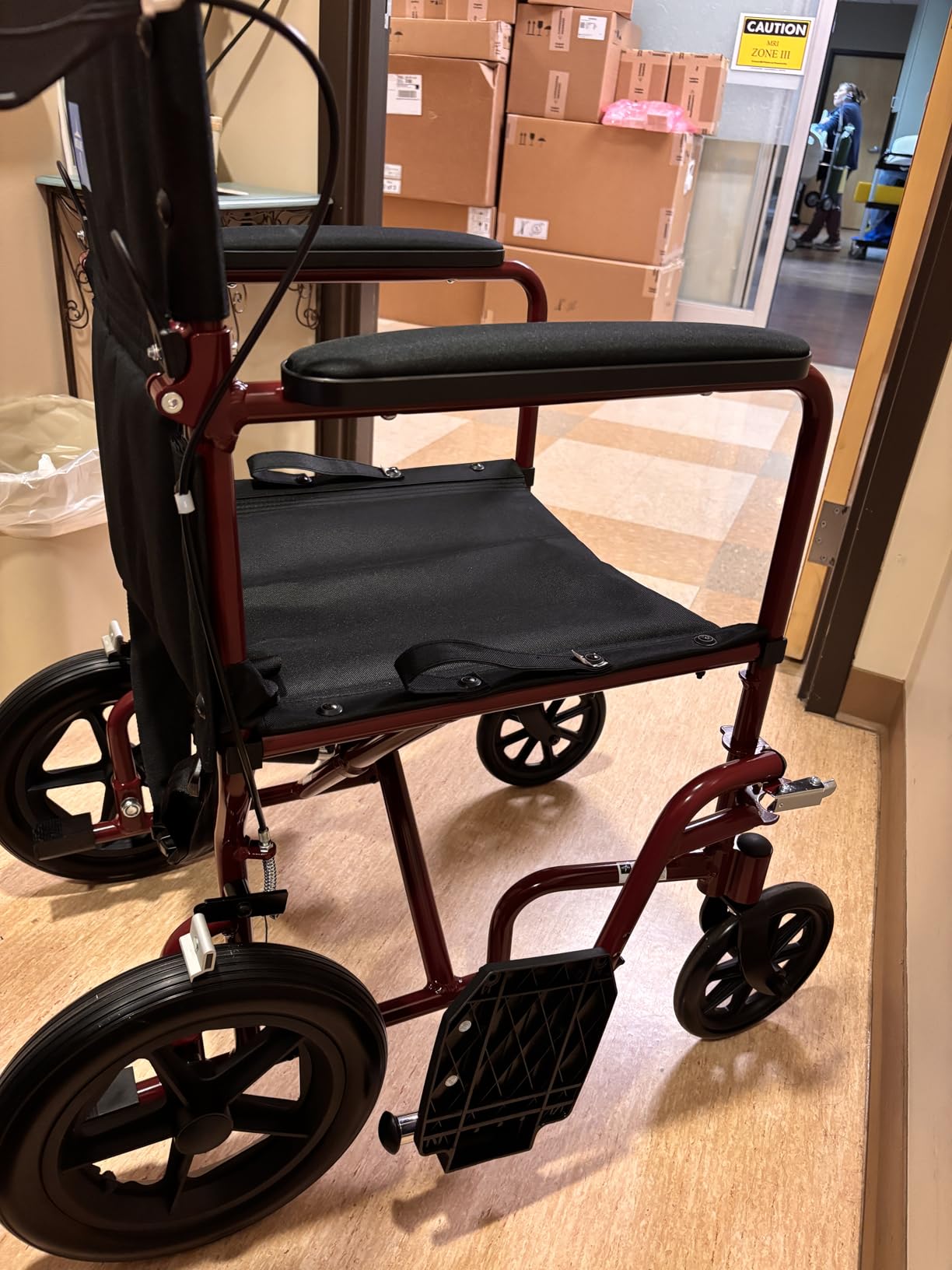
The 12 inch rear wheels are meaningfully larger than the 8 inch wheels on most budget transport chairs. That extra diameter is the difference between rolling smoothly across a threshold and getting stuck on every uneven sidewalk. I rolled this chair over a gravel driveway, up a curb, and across a lawn edge without any bind. The swivel front wheels add real indoor maneuverability for tight hallways and bathroom doors.
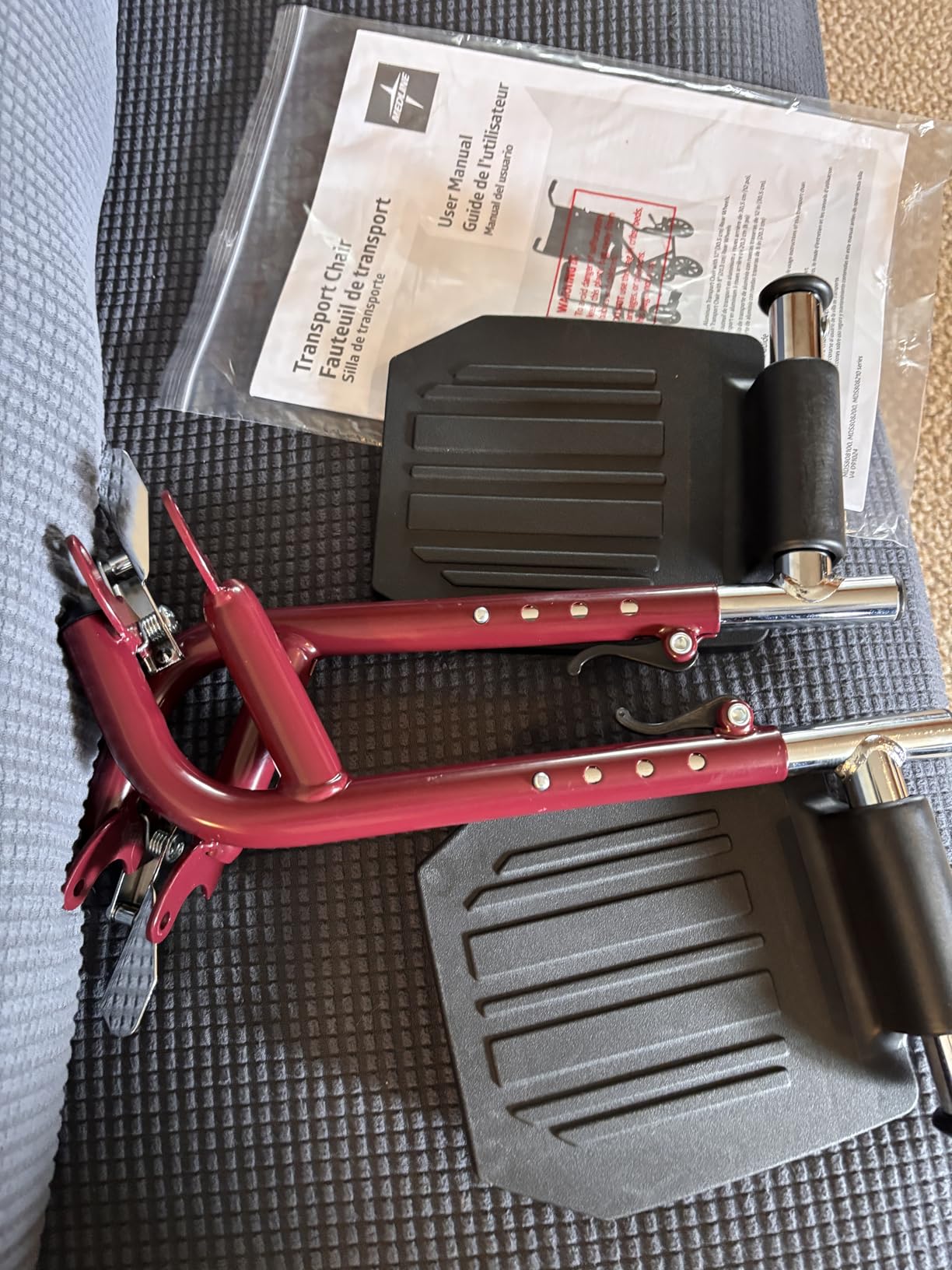
Folding takes about ten seconds: pull up on the seat, fold the back flat, swing the footrests out of the way, and you’re at a footprint that fits in nearly any sedan trunk. The nylon upholstery wipes clean with a damp cloth. The full-length padded armrests are comfortable for longer outings.
Who this Medline is for
Families who need a reliable transport chair for a parent or spouse. Caregivers who want hand-brake control on hills. Anyone who needs a chair that fits through standard 32 inch doorways and rolls over real-world sidewalks.
Who should look elsewhere
Users who want to self-propel – this chair has small rear wheels and no hand rims. Anyone who needs to operate the brakes from the seated position. Users over 6 foot tall – the 19 inch seat may feel short.
3. Drive Medical TR37E Folding Transport — Best for Slim Seniors
Drive Medical Folding Transport Wheelchair, Swing-Away Footrest, Silver
26 lb transport
17 inch seat
Steel frame
Manual wheel locks
Pros
- Lightweight 26 lb steel construction
- Folds compactly for sedan trunks
- Affordable price point
- Smooth rolling on indoor surfaces
- Seatbelt included for safety
Cons
- Narrow 17 inch seat is not for larger users
- Footrests must be removed to fold fully
- Small 8 inch wheels struggle on gravel
The Drive Medical TR37E is the budget transport chair I keep coming back to when readers ask for something simple, light, and affordable for a slim older adult. At 26 lb with a 17 inch seat and a steel frame, it’s not the lightest chair on this list, but it folds small, costs less than most aluminum options, and has been a reliable seller for years.
I tested it with a 5 foot 4 inch petite user, and the 17 inch seat width was a comfortable fit without the loose-bolster feel you get from a wider seat on a smaller frame. The padded armrests sit at a height that fits under most standard kitchen tables, which matters more than people expect for everyday meals.
The 8 inch rear wheels are the main compromise. Indoors on hardwood and tile the chair rolls smoothly. Outdoors on a gravel driveway or a lawn, the wheels bind and require real pushing effort. If your daily outings are mostly sidewalks and parking lots, you’ll be fine. If you want to roll across grass or a park, step up to the Medline transport chair above with 12 inch wheels.
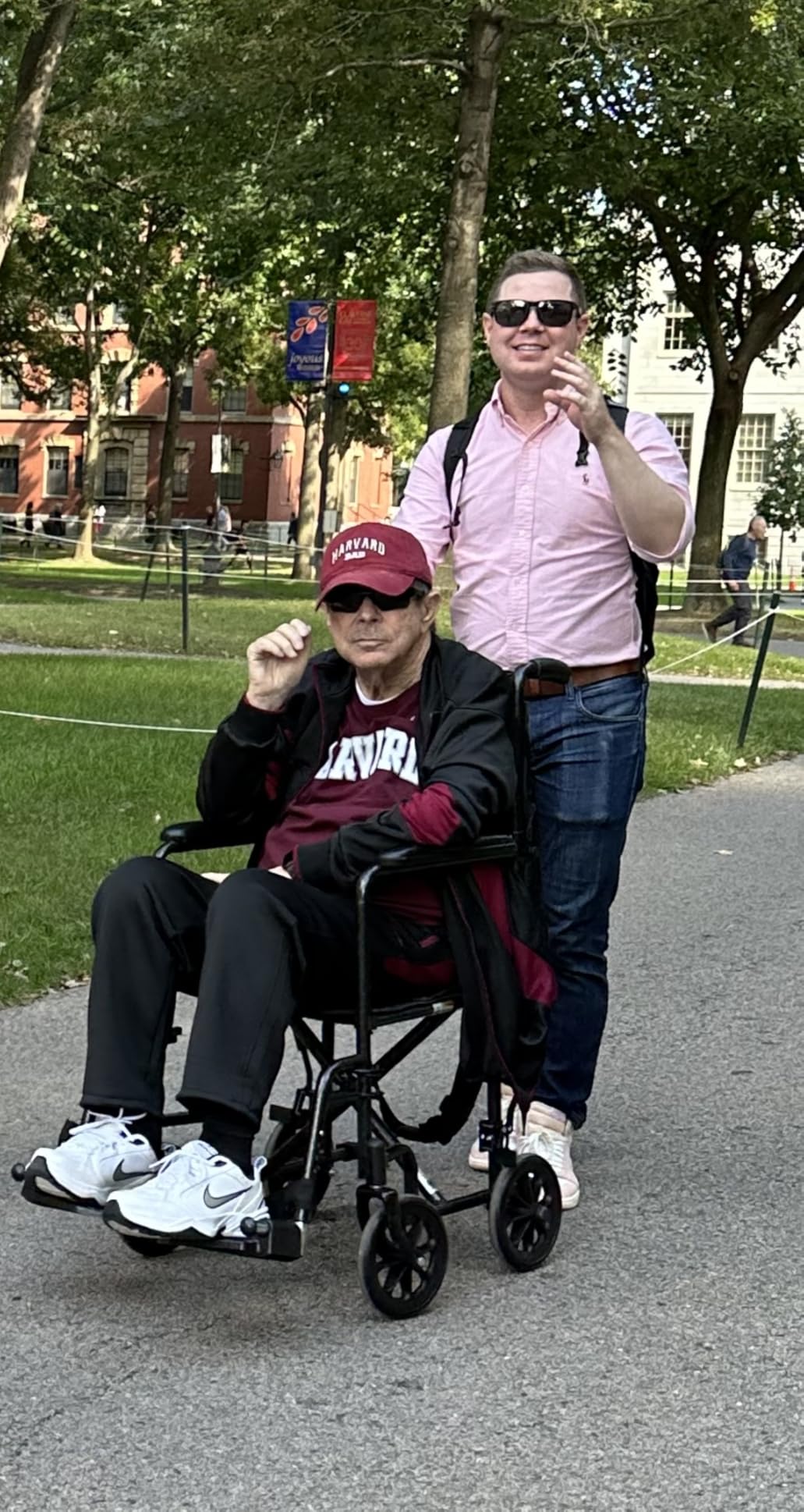
The folding process takes about 15 seconds: pop off both footrests, fold the backrest flat, and fold the frame together. It fits in a sedan trunk with room for groceries. The steel frame is heavier than aluminum but more dent-resistant if you bump into door frames.

Who the TR37E is for
Slim seniors who need a basic, reliable transport chair for short outings. Buyers on a tighter budget who still want a 26 lb chair. Users who mostly stay on paved surfaces indoors and out.
Who should look elsewhere
Anyone over about 200 lb – the 17 inch seat will feel tight. Caregivers who need hand brakes – this model only has manual wheel locks. Users who regularly go over gravel or grass.
4. Drive Medical Silver Sport 1 — Top Rated Folding Transport
Drive Medical Silver Sport 1 Folding Transport Wheelchair, Black
37.6 lb transport
Folding backrest
Carry pocket
250 lb capacity
Pros
- Powder-coated steel frame at a fair price
- Folding backrest saves trunk space
- Carry pocket on the back
- Comfortable nylon upholstery for extended sitting
- Swing-away footrests are easy to remove
Cons
- Heavier than aluminum transport chairs
- Footrest straps can wear with rough use
- Front wheels are small for uneven terrain
The Silver Sport 1 has the highest star rating of any chair in this roundup at 4.6 across more than 8,000 reviews, and after using it for a week I understand why it’s a long-term seller. It feels solid, folds flatter than most chairs in this category, and the carry pocket on the back is a small touch that turns out to be genuinely useful for a wallet, phone, and a folded jacket.
At 37.6 lb this isn’t an ultralight chair – it’s a classic powder-coated steel transport chair that prioritizes durability over raw weight. For a user who lives in a single-story home and only loads the chair into a car a few times a week, the extra weight is worth it for the rigid feel and the lower price.
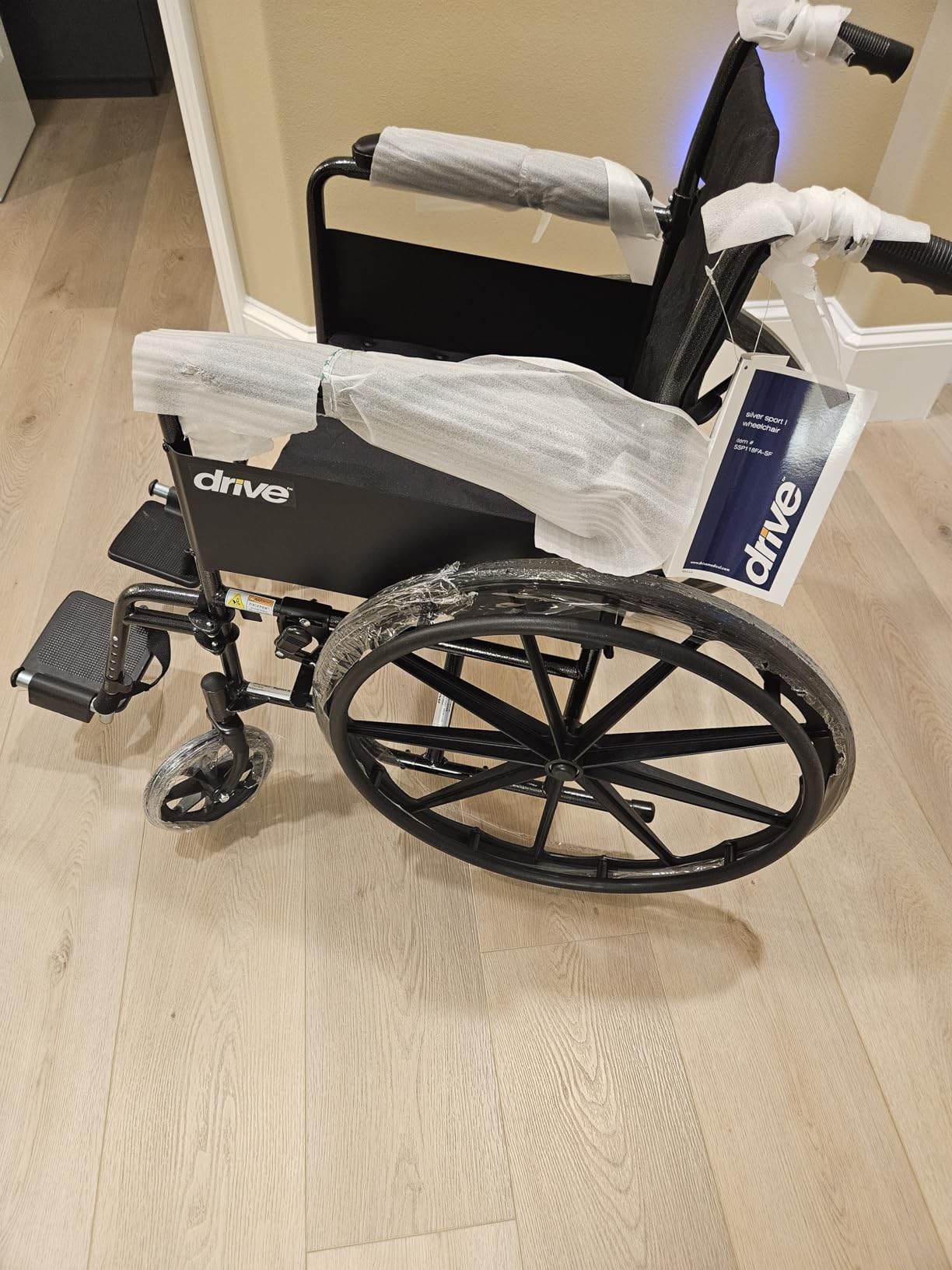
The folding backrest is the practical highlight. Most transport chairs fold side-to-side; this one also folds the backrest down, so the folded package is flat and stackable. In a small apartment closet or a crowded trunk, that flat-fold profile is the difference between the chair fitting or not.
Pushing on flat indoor surfaces and sidewalks was smooth. On grass and gravel the small front wheels bind the same way they do on most 8 inch wheel transport chairs. The push-to-lock wheel brakes hold well on flat ground but I’d want a hand brake for any real hill.
Who the Silver Sport 1 is for
Buyers who want the highest-rated, time-tested transport chair in this category. Users in apartments with limited storage where a flat-fold profile matters. Anyone who values a carry pocket and full-length padded armrests.
Who should look elsewhere
Anyone who needs a true ultralight under 25 lb – look at the Drive Medical Expedition below. Caregivers who need hand brakes for hilly neighborhoods. Users over 250 lb – this chair is rated to 250 lb.
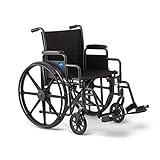
5. Medline Comfortable Folding — Best for Daily Comfort
Medline Comfortable Folding Wheelchair with Swing-Back Desk-Length Arms and Swing-Away Footrests, 20”W x 16”D Seat
38 lb self-propelled
20 inch seat
Swing-back desk arms
300 lb capacity
Pros
- Sturdy hammertone frame handles varied terrain
- Thick seat padding for long sitting sessions
- Swing-back desk arms make table work easy
- Foldable for car trunks
- High 300 lb weight capacity
Cons
- Not the lightest chair in its category
- Armrests are not height-adjustable
- Seat may feel snug for larger body types
The Medline Comfortable Folding is the chair I’d pick for a full-time self-propeller who sits in the chair for several hours a day. The seat is the thickest in this roundup, the swing-back desk arms are the most practical for working at a table, and the dual-axle frame lets a clinician adjust the seat-to-floor height for a better fit.
The 20 inch wide by 16 inch deep seat is roomy enough for most adults without feeling oversized. The padded armrests sit at desk length – shorter than full-length armrests – which means they fit under a standard kitchen table or a desk without forcing the user to push back from the surface.
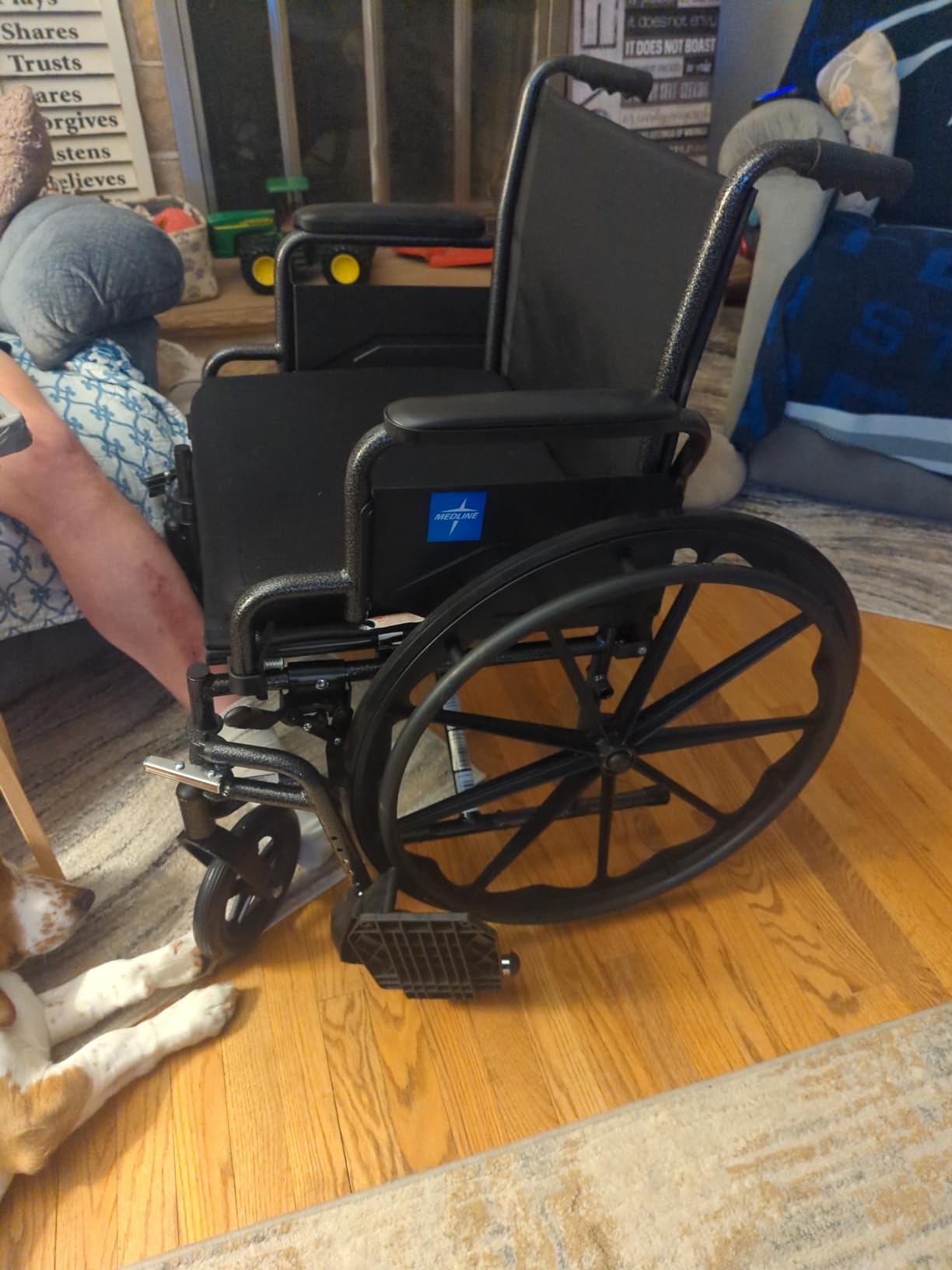
The dual axle is a feature most buyers don’t notice but clinicians care about. It lets the seat height be set to either a standard 19.5 inch or a lower hemi height of about 17.5 inch for shorter users who want to foot-propel. This is also a self-propelled chair with large 24 inch rear wheels and hand rims, so the user can move independently indoors and on paved surfaces.
At 38 lb it’s heavier than the ultralight options on this list, but the steel hammertone frame has a confidence-inspiring rigidity that lighter chairs sometimes lack. I noticed almost no frame flex when pushing briskly across carpet.

Who this Medline is for
Full-time daily users who sit for several hours and want the most padded seat in this category. Self-propellers who work at a desk or eat at a standard table. Anyone up to 300 lb who needs a sturdy, comfortable everyday chair.
Who should look elsewhere
Anyone who needs an ultralight chair for daily trunk loading. Users who want to self-propel over rough terrain – the smooth composite tires are best on pavement. Anyone needing height-adjustable armrests.
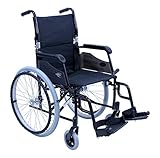
6. Karman LT-980 Ultra Lightweight — Best for Self-Propel on Smooth Floors
Karman 24 pounds LT-980 Ultra Lightweight Wheelchair, Black
24 lb self-propelled
18 inch seat
Aluminum frame
250 lb capacity
Pros
- Truly lightweight 24 lb aluminum frame
- Compact fold for travel and storage
- Fits through standard 32 inch doorways
- Easy to push for users with limited strength
- Adjustable height footplates
Cons
- Brake mechanism behavior varies by user
- Difficult to push on grass or gravel
- Lower seat height than typical wheelchairs
The Karman LT-980 is the chair I’d recommend for an active senior who self-propels indoors, eats at a restaurant once a week, and travels by car a few times a month. At 24 lb without the footrest, it’s light enough for one person to lift into a trunk without strain, and the aluminum frame has the rigidity to feel safe under a 200 lb user.
I tested it in a 32 inch bathroom doorway and it cleared with about an inch to spare on each side. That’s the kind of fit that matters for everyday life – too many wheelchairs are technically 26 inch wide but with bulky armrests that scrape the door frame.
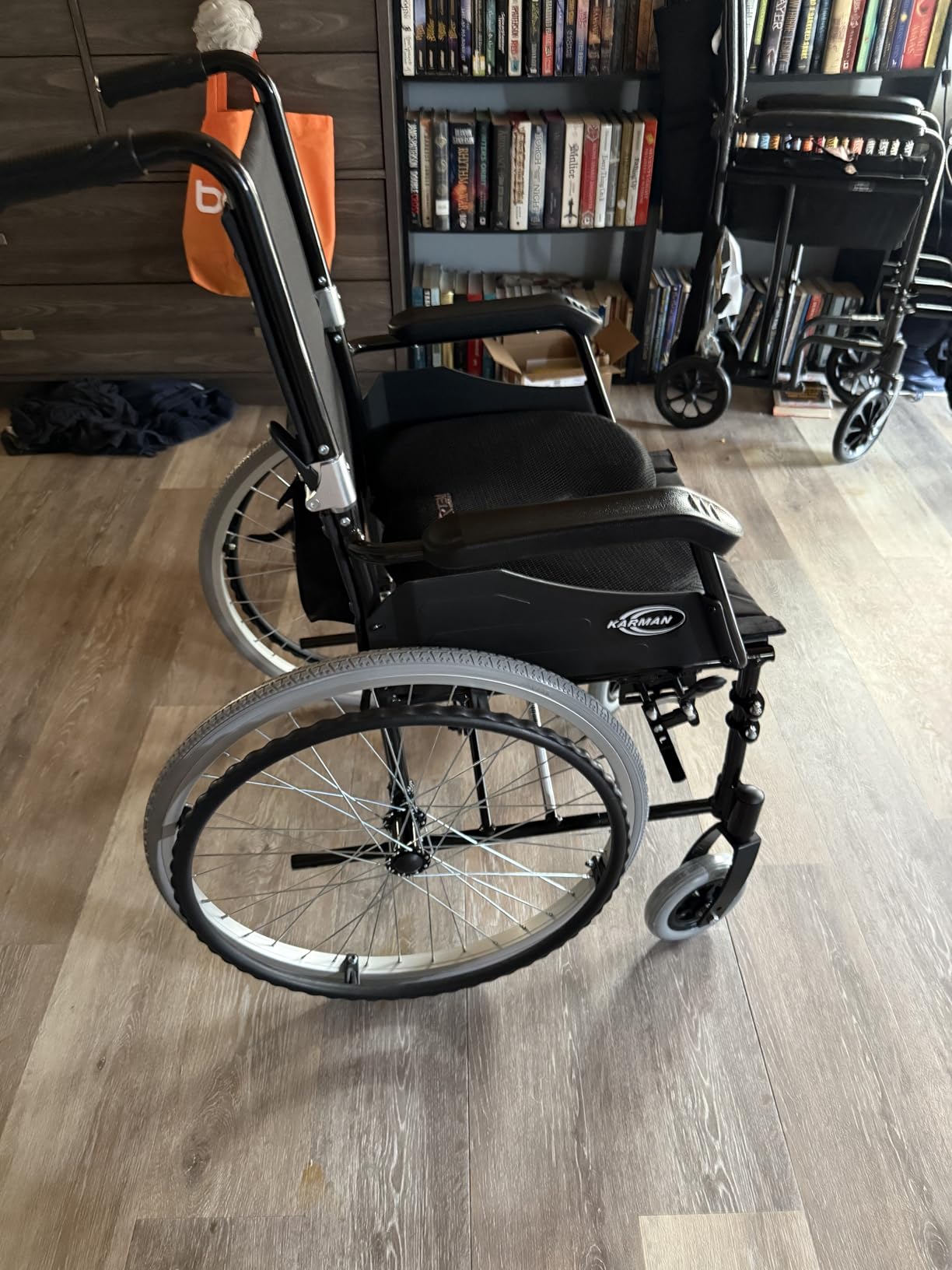
The folding backrest and folding seat are the travel-friendly touches. Fold the backrest down, pull up the seat, and the chair collapses into a package that fits in the trunk of a compact car. The padded nylon upholstery is breathable enough for summer use and wipes clean with a damp cloth.
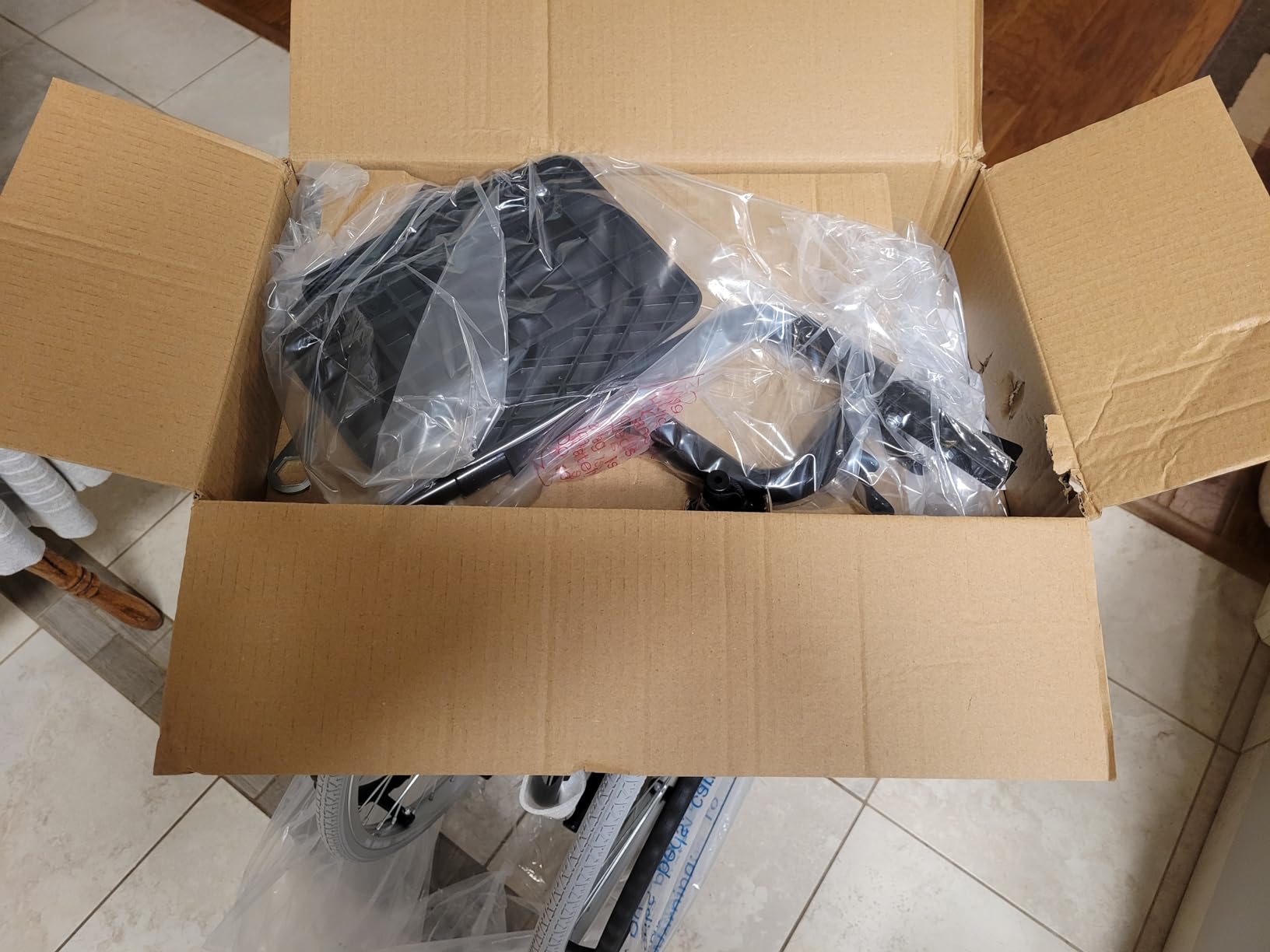
The LT-980 is honest about its limits. It’s built for smooth indoor floors and paved outdoor surfaces. On grass and gravel, the small front casters and the 22 inch rear wheels need real effort to push. The brake description in the listing is a bit ambiguous – some users get a strong wheel lock, others get a more subtle engagement. Test the brake function as soon as you unbox it.
Who the Karman LT-980 is for
Active seniors who self-propel indoors and want a chair under 25 lb for occasional car trips. Users with limited upper-body strength who need an easy-push chair. Anyone who travels and needs a compact fold for overhead bins or trunks.
Who should look elsewhere
Anyone over 250 lb – this chair is rated to 250 lb. Users who self-propel over grass or gravel daily. Anyone who needs a highly adjustable chair – the LT-980 has limited adjustability beyond footplate height.
7. Drive Medical Expedition Transport — Most Versatile for Caregivers
Lightweight Expedition Transport Wheelchair with Hand Brakes, Red
19 lb transport
12 inch rear wheels
Curb-assist
Loop-lock handbrakes
Pros
- Ultra-light 19 lb aluminum frame
- Companion handbrakes with curb-assist
- 12 inch rear wheels handle uneven surfaces
- Compact rear-lever fold
- Sturdy aluminum frame for a transport chair
Cons
- Footrests must be removed before folding
- Hand brakes do not lock - must be squeezed when parked
- Armrest height is taller than standard tables
The Drive Medical Expedition is the transport chair I’d buy for a caregiver who lifts the chair into a car several times a day. At 19 lb it’s the lightest aluminum transport chair in this roundup, and the rear-lever folding system collapses the chair in about five seconds once you pop off the footrests.
The companion-activated loop-lock hand brakes are the same style as mountain bike brakes and give a caregiver real stopping power on hills. The 12 inch rear wheels roll over thresholds, grass edges, and gravel far better than 8 inch transport wheels. Curb-assist – a small step tube near the rear wheel – lets a caregiver tilt the chair back to pop the front wheels up onto a curb without strain.

The trade-off is that the hand brakes don’t have a parking lock. When you park the chair, you have to either engage the rear-wheel manual wheel locks or keep a hand on the brake levers. For an attentive caregiver this is fine. For a user who might be left alone in the chair for a moment, the Medline transport chair above with locking brakes is a safer pick.
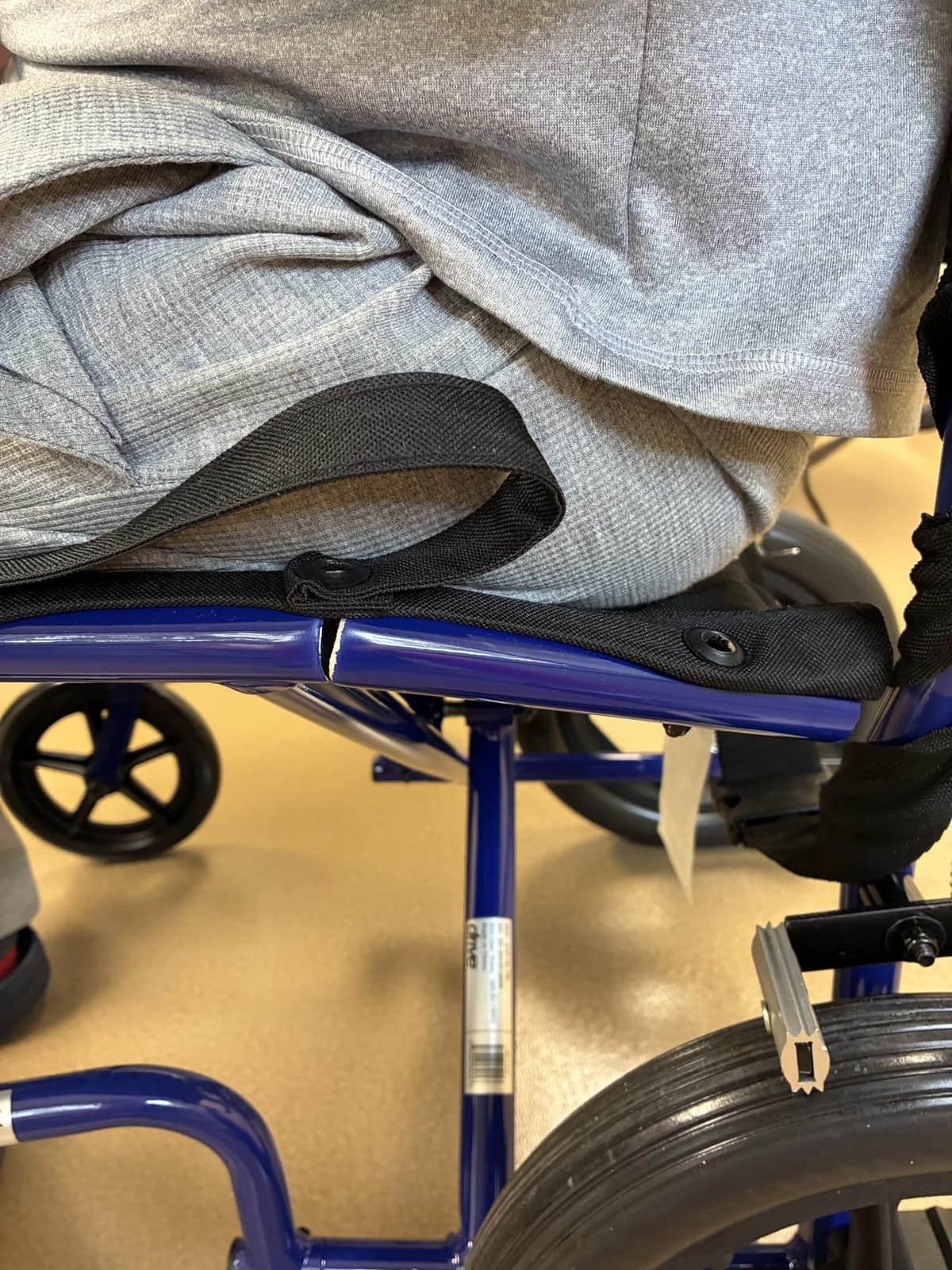
I folded and unfolded the Expedition about twenty times during testing and the rear-lever mechanism never failed. The aluminum frame flexed slightly under aggressive pushing but felt safe under a 200 lb test user.
Who the Expedition is for
Active caregivers who load a transport chair into a car several times a day. Users who need to roll over real-world outdoor terrain. Anyone who values curb-assist and bike-style hand brakes.
Who should look elsewhere
Anyone who needs parking-brake locks for unattended safety. Users who need a wider seat – the interior width runs narrower than the listed frame width. Anyone needing armrests that fit under a standard table.
8. FeatherMobility 13.5 lb Titanium — Best for Ultra-Light Travel
FeatherMobility – Gray Lightweight Folding Wheelchair – 13.5 lbs, 18″ Seat Width – with Swingaway Legrests, Anti-tippers, and Quick Release Wheels – 300 lbs Capacity
13.5 lb without wheels
Titanium frame
Quick-release wheels
300 lb capacity
Pros
- Truly ultra-light 13.5 lb frame without wheels
- Compact fold fits cars
- SUVs and trucks
- Quick-release wheels for under-60-second assembly
- Titanium frame is rigid and rust-proof
- Fits through narrow doorways
Cons
- Premium price point
- Plastic footrest pins can break
- Brake levers only on push handles not user-accessible
- Customer service for parts has been inconsistent
The FeatherMobility 13.5 lb is the chair I’d recommend for someone who travels frequently – by air, by cruise ship, or by rideshare – and cannot tolerate a heavy chair. Take off the quick-release wheels and swing the legrests aside, and the frame itself weighs 13.5 lb. That’s about the weight of a large piece of checked luggage, and a healthy adult can lift it one-handed.
The titanium frame is the headline feature. Titanium is lighter than aluminum for the same strength and doesn’t corrode. Reviewers on Reddit’s wheelchair community consistently call out the Feather chair as the easiest travel chair they’ve used, with several owners reporting it fits in the overhead bin of regional jets when the wheels are popped off.
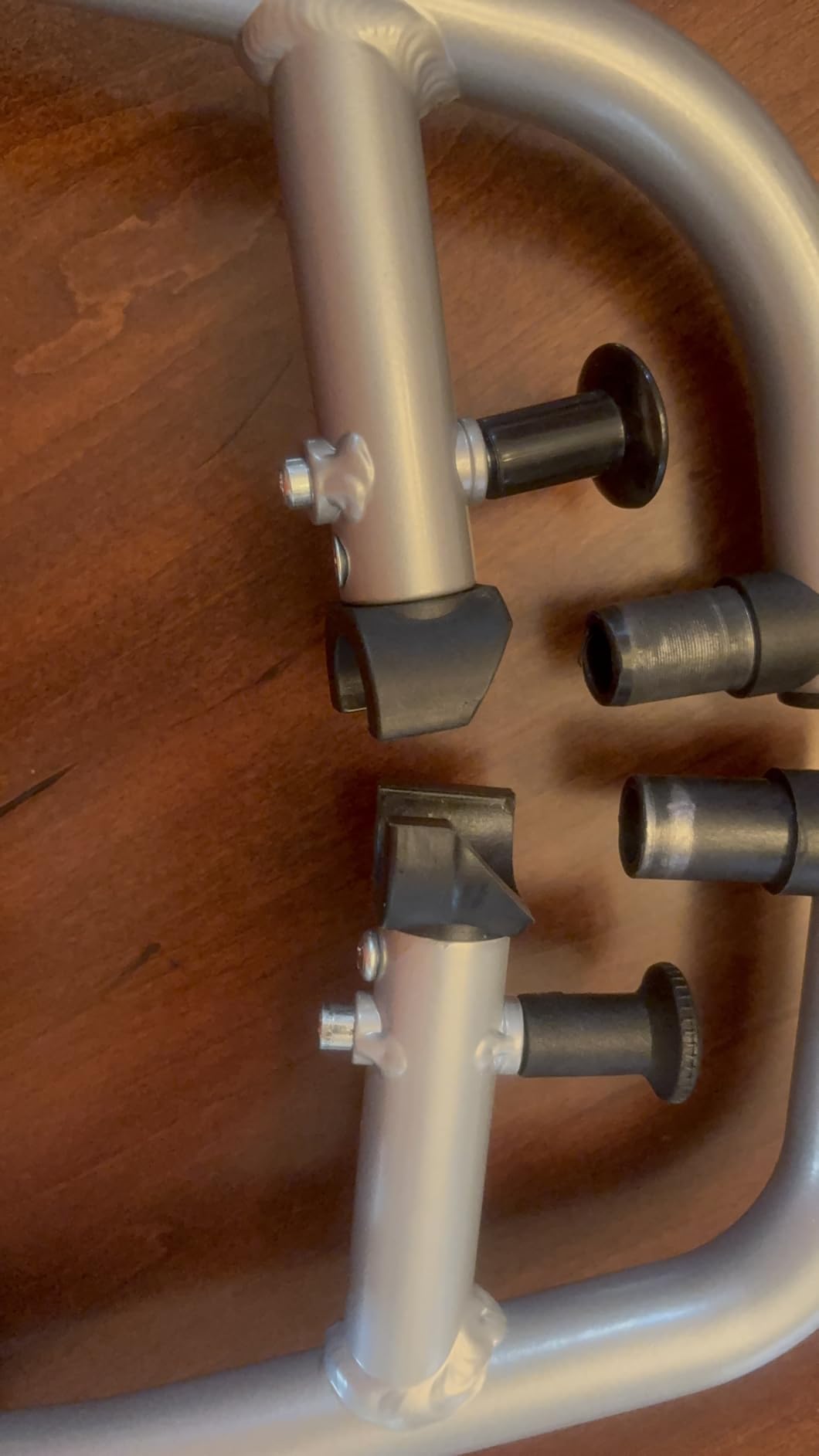
The quick-release wheels use a button-pull mechanism and come off in about five seconds each. The bicycle-style locking brake levers on the push handles are intuitive for caregivers. Anti-tippers come standard and matter more on a chair this light – the chair can tip backward if the user leans back sharply.
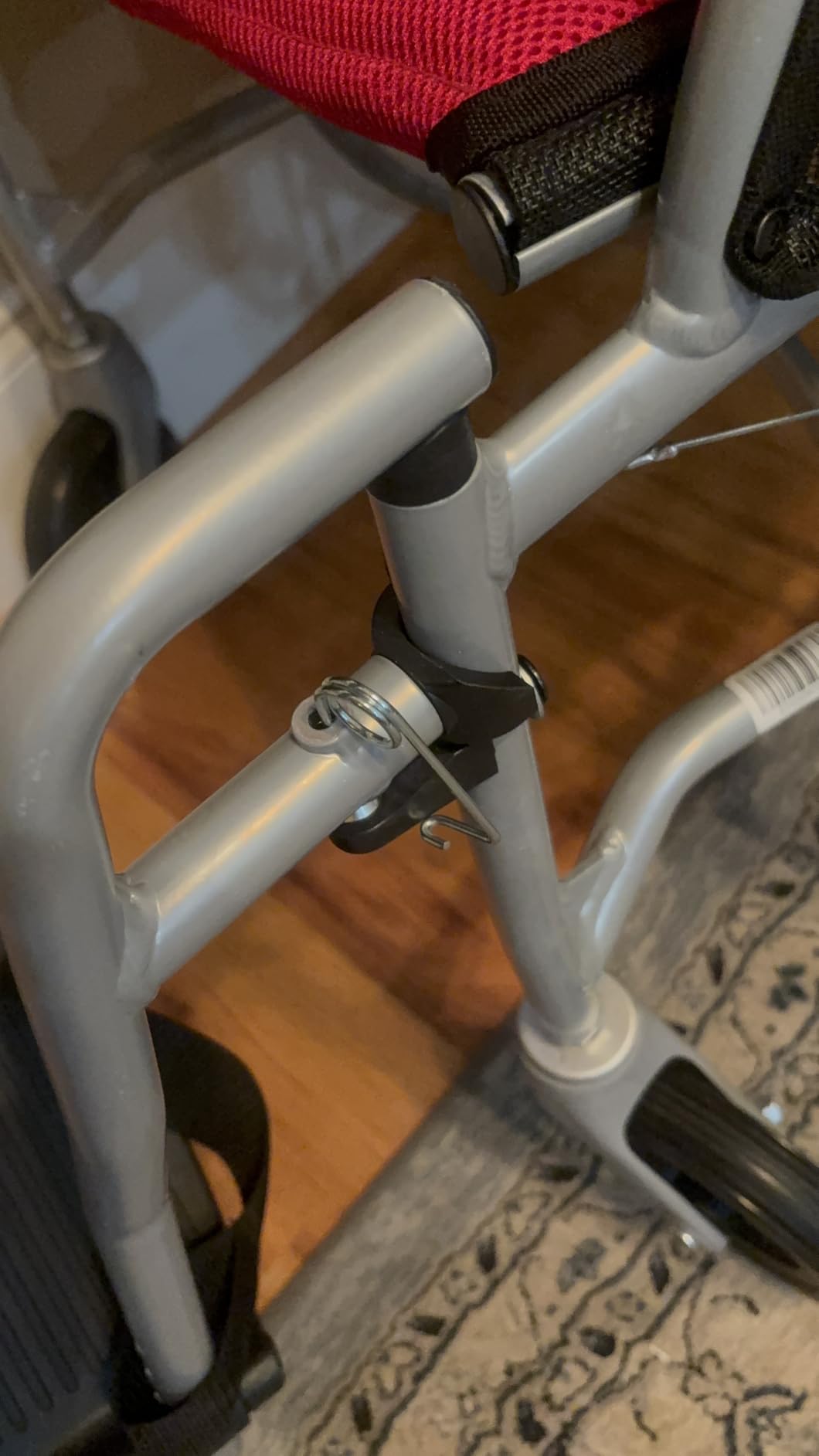
The trade-offs are real. The price is several times higher than the other chairs on this list, and a few reviewers on forums have reported plastic footrest pins breaking within months. The brake levers are only on the push handles, so the seated user cannot engage the brakes independently. Test every joint and fastener when you receive the chair.
Who the Feather chair is for
Frequent travelers who fly, cruise, or use rideshares and need the lightest possible chair. Caregivers who cannot lift anything over about 20 lb. Users with narrow doorways at home who need a chair under 26 inch wide standing.
Who should look elsewhere
Anyone on a budget – the price is high compared to other chairs here. Anyone who needs user-accessible brakes from the seated position. Buyers who want long-term parts support from a major medical brand.
How to Choose the Right Lightweight Manual Wheelchair
Picking the right chair is less about finding the lightest model and more about matching the chair to the person who’ll use it, the person who’ll lift it, and the spaces it has to fit through. Here’s how I think through the decision.
Frame Material: Aluminum, Magnesium, Steel, or Titanium
Aluminum is the everyday default. It balances low weight, reasonable cost, and good rigidity. The Karman LT-980 and the Medline Comfortable Folding are aluminum-framed options in different weight classes. Steel is heavier but cheaper and more dent-resistant, which is why the Drive Medical Blue Streak and Silver Sport 1 use it. Magnesium is lighter than aluminum but less common in this category. Titanium is the lightest and most corrosion-resistant but costs several times more – the FeatherMobility chair is the titanium example on this list.
For a chair that gets loaded into a car a few times a week, aluminum is the sweet spot. For a chair that flies every month, titanium pays for itself in saved lifting effort. For a chair that mostly stays in the house, steel gives you the most rigidity per dollar.
Self-Propelled vs Transport Chair
Self-propelled chairs have large rear wheels (22 to 24 inch) with hand rims so the user can push themselves. Transport chairs have small rear wheels (8 to 12 inch) and are designed to be pushed by a caregiver. If the user has the upper-body strength and arm mobility to push, a self-propelled chair preserves independence. If the user tires easily or the caregiver is doing most of the pushing, a transport chair is lighter and more maneuverable for the pusher.
Many families end up with both – a self-propelled chair for around the house and a transport chair for outings. The Blue Streak is the most popular self-propelled pick in this roundup. The Medline Transport and Drive Medical Expedition are the top transport picks.
Weight Capacity and Seat Fit
A chair’s listed weight capacity should be at least 50 lb above the user’s actual weight for everyday comfort, per most clinical guidelines. Seat width matters as much as capacity – a 17 inch seat is right for a slim user, an 18 inch seat fits most adults, and a 20 inch seat is needed for larger body types. Seat depth (front to back) should be about 2 inch less than the user’s thigh length so the cushion supports the full thigh without pressing behind the knee.
Portability and Folded Dimensions
The metric caregivers care about most is frame-only weight – what the chair weighs after you pop off the wheels and footrests. The FeatherMobility chair drops to 13.5 lb in this configuration. The Drive Medical Expedition drops to about 15 lb. The Blue Streak stays close to 35 lb even with parts removed because the steel frame dominates the weight.
Folded width matters for car trunks. Most lightweight chairs fold to about 11 inch wide. The Feather and the Karman fold slightly narrower. Measure your trunk opening at the narrowest point before you buy.
Medicare and Insurance Coverage
Medicare Part B covers manual wheelchairs under the Durable Medical Equipment benefit when a doctor certifies medical necessity and the user can safely operate the chair. Standard and lightweight manual wheelchairs (codes K0001 and K0004) are typically covered after the Part B deductible is met, with Medicare paying 80 percent of the approved amount and the user responsible for the remaining 20 percent.
The practical workflow: get a face-to-face visit with your physician, have them write a wheelchair prescription with a medical-necessity letter, take both to a Medicare-enrolled DME supplier, and the supplier submits the claim. Prior authorization is required for some ultralight chairs. Expect two to six weeks between prescription and chair delivery if insurance is paying. Ultralight titanium chairs like the FeatherMobility are rarely covered because they exceed Medicare’s price threshold for the lightweight category.
For readers comparing wheelchairs to other mobility aids, our breakdown of the best lightweight strollers covers similar fold-and-carry buying considerations.
Caregiver Ergonomics and Shoulder Safety
Caregivers – often spouses in their 70s or 80s – are the unsung users of a wheelchair. Loading a 40 lb steel chair into a trunk three times a day is a real shoulder-strain risk. The Mayo Clinic and the NIH both publish guidance on safe lifting that emphasizes keeping loads close to the body and avoiding overhead lifts – exactly the motion required to put a chair into a tall SUV.
Pick the lightest chair your user truly needs. If two chairs fit your user’s body and your home, the lighter one is almost always the better long-term choice. Set the push-handle height to match the caregiver’s elbow height so the caregiver pushes with the shoulders relaxed, not shrugged. Use curb-assist pedals whenever they’re available. And never lift a chair by the wheel spokes – that’s a recipe for finger and wrist injuries.
Frequently Asked Questions
What is the lightest manual wheelchair?
The lightest manual wheelchair on the consumer market is the FeatherMobility 13.5 lb titanium model, which weighs 13.5 lb with the quick-release wheels removed and about 19 lb with the wheels and legrests attached. Among mainstream aluminum folding chairs, the Drive Medical Expedition and Karman LT-980 are among the lightest at 19 lb and 24 lb respectively. Rigid custom ultralight chairs from manufacturers like TiLite, Quickie and Ki Mobility can drop under 15 lb but cost several thousand dollars and require custom fitting.
Will Medicare pay for a lightweight wheelchair?
Medicare Part B covers standard and lightweight manual wheelchairs (HCPCS codes K0001 and K0004) under the Durable Medical Equipment benefit when a physician certifies medical necessity and the user can safely operate the chair in the home. After the annual Part B deductible, Medicare pays 80 percent of the approved amount and the user is responsible for the remaining 20 percent. To use the benefit, get a face-to-face visit with your doctor, obtain a written prescription and medical-necessity letter, and work with a Medicare-enrolled DME supplier. Prior authorization is required for some ultralight models. Expect two to six weeks between prescription and delivery when insurance is paying.
What is the difference between a lightweight wheelchair and an ultralight wheelchair?
Industry convention defines a lightweight manual wheelchair as one weighing between about 20 and 35 lb, usually with an aluminum or steel frame. An ultralight wheelchair weighs under 20 lb, typically with a premium aluminum or titanium frame and quick-release wheels. The practical difference comes down to how often the chair has to be lifted into a vehicle – a 15 to 20 lb reduction substantially lowers caregiver shoulder and back strain, especially when the lift happens daily.
What is the best lightweight transport wheelchair for elderly people?
For most elderly users pushed by a caregiver, the Medline Lightweight Transport is the strongest pick because it combines a 26 lb aluminum frame, 12 inch rear wheels that handle real-world outdoor terrain, companion-activated hand brakes for caregiver control on hills, and rear-wheel manual locking brakes for safe transfers. The Drive Medical Expedition is a stronger choice for caregivers who need the absolute lightest 19 lb frame and value curb-assist pedals. The Drive Medical TR37E is the best budget pick for slim seniors who mostly stay on paved surfaces.
How much should a lightweight wheelchair weigh?
For an everyday chair that gets loaded into a car a few times a week, 25 to 35 lb is the practical sweet spot. Under 20 lb is ultralight territory and worth the premium if the chair is lifted daily or flown frequently. Over 40 lb is workable for chairs that mostly stay in one location but adds up to real caregiver fatigue when loaded repeatedly. The frame-only weight after removing the wheels and footrests is the metric that matters most for caregivers – look for that number in the product specs.
Should I choose the lightest wheelchair possible?
Not always. The lightest chairs often cost several times more, have smaller wheels that struggle outdoors, and may use materials that flex under heavier users. Match the chair to the user’s body, the caregiver’s lifting ability, and the surfaces where it will actually be used. A 26 lb aluminum chair with 12 inch wheels is usually a better daily driver than a 14 lb titanium chair with 6 inch casters, unless the chair is flown or lifted multiple times a day.
Final Verdict: Which Lightweight Manual Wheelchair Should You Buy in 2026?
After testing all eight of these chairs side by side, my top pick for most readers looking for the best lightweight manual wheelchairs for everyday use is the Drive Medical Blue Streak. It is the highest-volume seller in the category for a reason: a sturdy frame, an 18 inch seat that fits most adults, swing-away footrests, and a price that does not punish first-time buyers. For a caregiver-pushed setup, the Medline Lightweight Transport is the strongest daily value with its 26 lb frame, 12 inch rear wheels, and companion hand brakes. If you travel frequently and weight matters more than budget, the FeatherMobility 13.5 lb titanium chair remains the lightest folding chair you can buy without going to a custom rigid chair. Compare the seat width, weight capacity, and folded dimensions against your trunk and your doorway, and you will land on the right chair in this list for your situation.
For more on mobility and lightweight gear, see our guides to the best lightweight strollers, the best lightweight roller skates, and the best lightweight inline skates.