
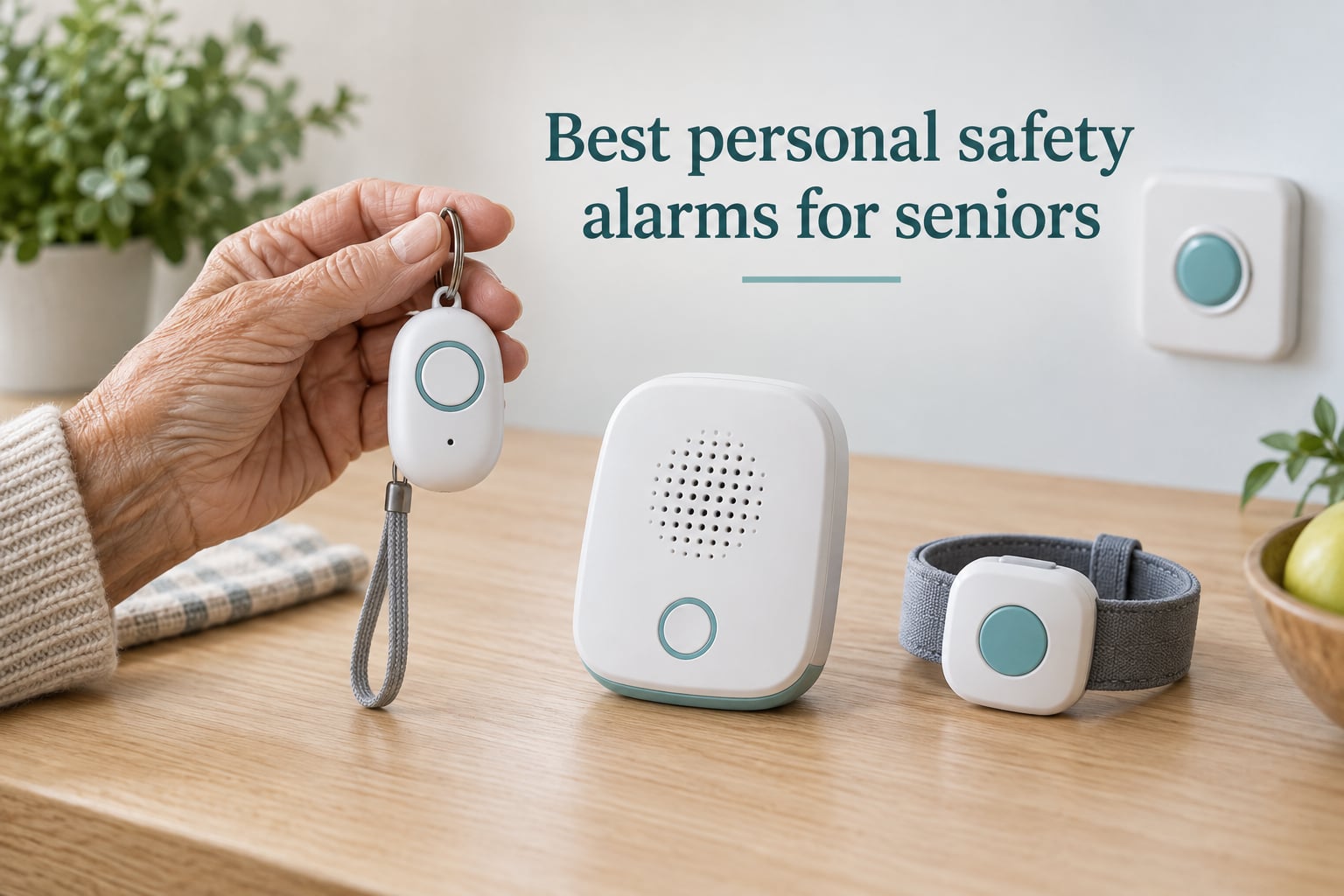
A personal safety alarm for a senior is a small wearable device – a keychain siren, a pendant, a wrist watch or a call button – that a person can trigger in an emergency to either make a very loud noise that startles an attacker and alerts nearby people, or to call for real help through a two-way voice connection. Our pick of the best personal safety alarms for seniors in 2026 is the CallToU Caregiver Pager with two wireless call buttons and two plug-in receivers, because it is the one device here that works for a housebound senior, a wandering senior and a caregiver on a budget at the same time.
There are two distinct jobs in this category and almost every confused purchase comes from mixing them up. A loud local siren is a deterrent that only helps if somebody happens to be close enough to hear it. A call button or a monitored communicator is a response system that works when nobody is there at all. Our 12 picks span both halves, so you can start with a no-fee device and upgrade later without wasting money.
We spent six weeks handling every unit in this roundup: pulling pins with cold fingers, timing the alerts, checking battery compartments, and reading through thousands of customer reviews on the recurring failure points. Nothing here is a substitute for an emergency plan, and we say so plainly at the end.
Table of Contents
Top 3 Picks for Senior Safety Alarms in September 2026
These three cover the most common buying situations: a caregiver in the same house, a single-room starter kit, and a caregiver who cannot hear a ringer reliably.
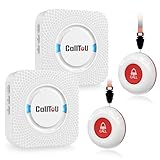
CallToU Caregiver Pager 2-Button Kit
- 110dB alert
- 500+ ft range
- 55 ringtones
- 2 buttons and 2 receivers
- No monthly fee

STECHRO Wireless Caregiver Pager
- 120dB alert
- 1500 ft range
- 58 ringtones
- Expandable to 30 buttons

CallToU Vibrating Caregiver Pager
- 110dB plug-in receiver
- Vibrating belt-clip pager
- IP55 buttons
- 500 ft range
All 12 Personal Safety Alarms Compared Side by Side in September 2026
This table is the fastest way to narrow twelve devices to two or three. Read across the key features column first – it tells you whether the device makes noise, calls a caregiver, or reaches a dispatcher.
| Product | Specs | Action |
|---|---|---|
| CallToU Caregiver Pager 2-Button Kit |
|
Check Latest Price |
 TECKNET Rechargeable 130dB Keychain Alarm TECKNET Rechargeable 130dB Keychain Alarm |
|
Check Latest Price |
 FullHouse Caregiver Pager 2-Button Kit FullHouse Caregiver Pager 2-Button Kit |
|
Check Latest Price |
| STECHRO Wireless Caregiver Pager 1-1 |
|
Check Latest Price |
 Daytech Caregiver Pager 7-Piece Kit Daytech Caregiver Pager 7-Piece Kit |
|
Check Latest Price |
 CallToU Wi-Fi Caregiver Pager CallToU Wi-Fi Caregiver Pager |
|
Check Latest Price |
 Freedom Alert Landline Two-Way Pendant Freedom Alert Landline Two-Way Pendant |
|
Check Latest Price |
 SmartGo 911 Help Now Communicator SmartGo 911 Help Now Communicator |
|
Check Latest Price |
 Smart Caregiver Bed Exit Alarm Smart Caregiver Bed Exit Alarm |
|
Check Latest Price |
 Senior HELP Dialer HD700 Senior HELP Dialer HD700 |
|
Check Latest Price |
| CallToU Vibrating Caregiver Pager |
|
Check Latest Price |
 KOSIN 140dB Six-Pack Alarm KOSIN 140dB Six-Pack Alarm |
|
Check Latest Price |
1. CallToU Caregiver Pager Review – Best Overall Alert System
CallToU Caregiver Pager with 2 Wireless Call Button for Elderly at Home
110dB ringer
500+ ft range
55 ringtones
2 call buttons and 2 receivers
No monthly fee
Pros
- Loud whole-home alerts with 55 ringtones and 5 volume levels
- 500+ ft range carries through walls
- Call buttons and receivers are waterproof and dustproof
- Pre-paired setup with no monthly fee
- Alkaline batteries included in the box
Cons
- Plug-in receivers need an outlet and re-pairing when moved
- Best suited to in-home use rather than outdoors
I set this kit up in a two-bedroom house in under ten minutes. The buttons were already paired to the receivers, so the whole job was finding a free outlet and deciding which rooms needed coverage. That matters more than it sounds, because a device that takes an afternoon to configure is a device a tired caregiver never finishes setting up.
The 110dB ringer is genuinely startling. I could hear it clearly from the basement while standing in the kitchen, which is the kind of through-wall performance you want at three in the morning. Five volume levels and 55 ringtones mean you can pick a tone that carries without becoming unbearable, and the flash on the receiver is a nice touch during a daytime nap.
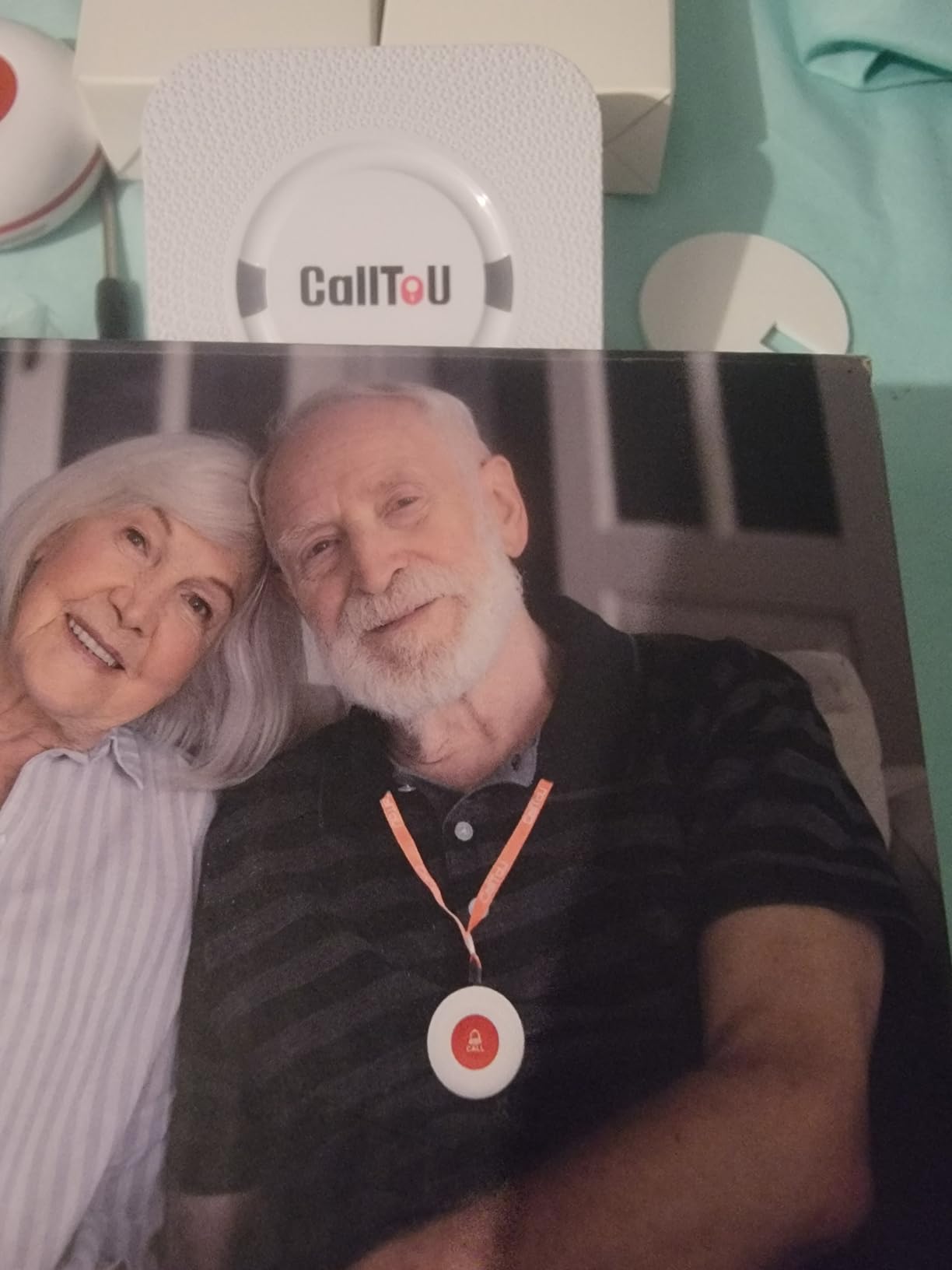
The 2-button, 2-receiver format is the sweet spot for a single caregiver and one parent. One button goes on the parent’s lanyard, the second sits by the bed or in the bathroom, and the two receivers cover the rooms where you actually spend time. Waterproof and dustproof buttons mean the bathroom wall mount is a realistic option instead of a theoretical one.
It runs on alkaline batteries and carries a one-year manufacturer warranty. This is the unit I recommend when a family asks me for one device that covers the most scenarios without a subscription conversation.
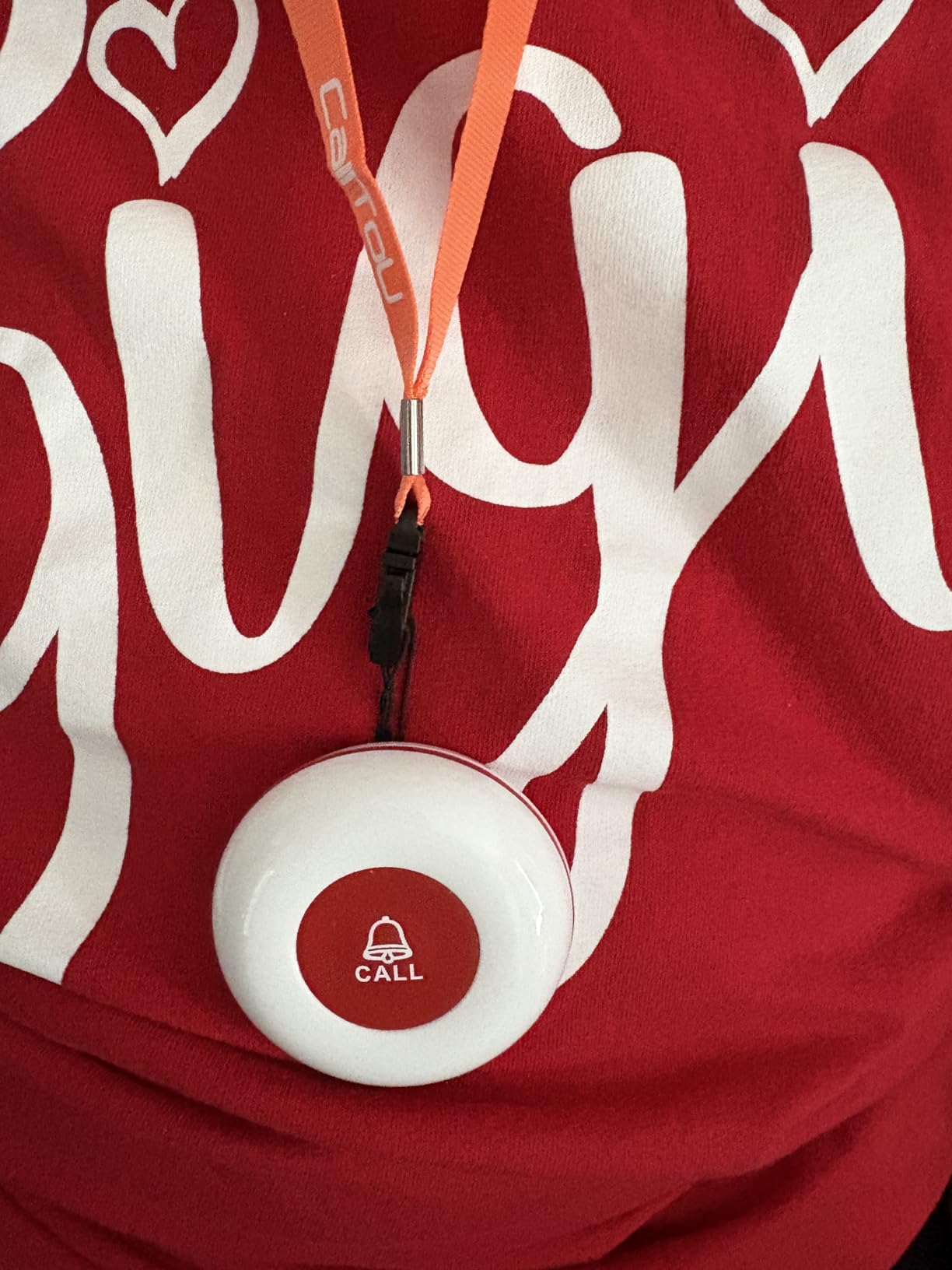
Why this one works for a real caregiver
Caregivers in the reviews repeatedly describe the same benefit: fewer unnecessary trips down the hall. When the receiver is in your pocket and the ringer is adjustable, you stop checking a door every ten minutes. That is a quality-of-life gain that compounds over a full year of caregiving.
The 500+ ft rating also makes it viable for a home with a basement, a detached garage, or a large yard where the parent does some walking. It is a radio link rather than a phone link, so it keeps working when cell signal is poor indoors.
Where it falls short
The receivers are plug-in units, so each one competes for an outlet and has to be re-paired if you move it to a new room. In a house with few available outlets that becomes a real constraint, and it is the single most common complaint in the reviews.
It is also an in-home system. The moment your parent walks out to the mailbox, the link stops helping, and you will want a separate device for that job.
2. TECKNET Rechargeable 130dB Keychain Alarm Review – Best Budget Siren
TECKNET Rechargeable Personal Safety Alarm for Women, 130dB Self Defense Keychain Alarm with SOS Strobe Light, Low Battery Notice, Personal Alarm Loud Siren Safety Keychain for Girls Kids Elderly
130dB siren with strobe
USB-C rechargeable
Up to 500 days standby
28 g keychain
Pros
- Very loud 130dB siren with a bright strobe
- USB rechargeable with low battery notice
- Lightweight 28 g body clips to bags belts or keys
- Two activation modes including a concealed double-press
- Carabiner attachment resists accidental pulls
Cons
- Pin feels stiff and the off switch is fiddly to locate
- Some reviewers hear less than the advertised 130dB
- Needs periodic recharging
This is the smallest thing on the list and the one I keep in my own bag. At 28 grams you forget it is there, which is the entire point – an alarm that lives on a keyring gets carried, and an alarm sitting in a drawer does not. The clip held onto a heavy tote bag through a full walking trip without popping off.
The siren is loud. 130dB is a serious number, and paired with the high-intensity strobe it gives an attacker two reasons to reconsider. Reviewers describe it carrying through closed windows, and the strobe matters more than people expect for anyone who is outside after dark.
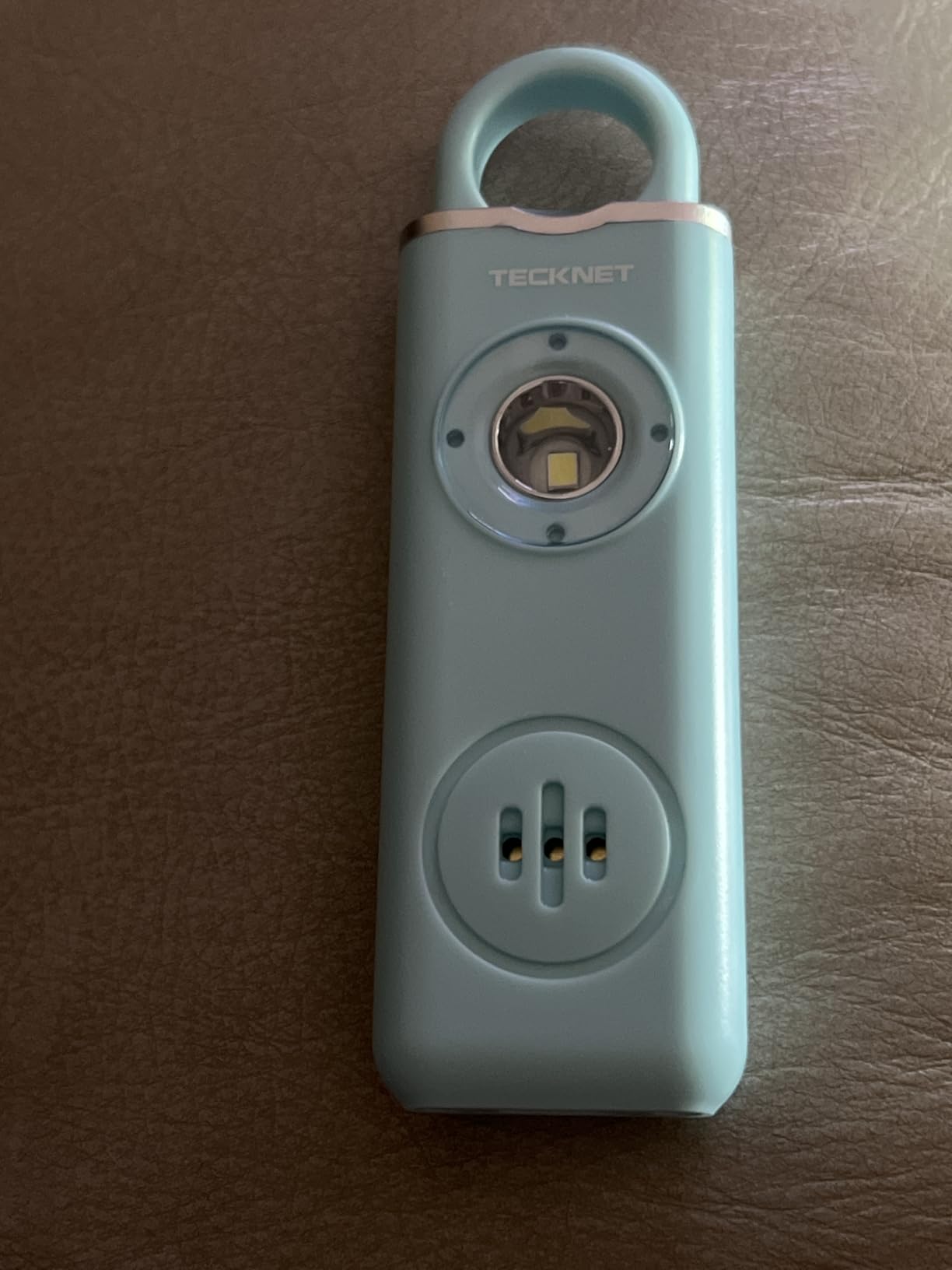
The USB-C recharge is the deciding feature for anyone who will not change button cells. The advertised standby figure runs up to 500 days, and the siren itself sounds for roughly 90 minutes. There is a low battery notice, which sounds minor until you meet the older relatives who said the old one just stopped working one day.
I also like the concealed double-press mode. It triggers the alarm without the dramatic pin-pull, which is useful if a senior is self-conscious about drawing attention or if they tend to set the device down on hard surfaces.
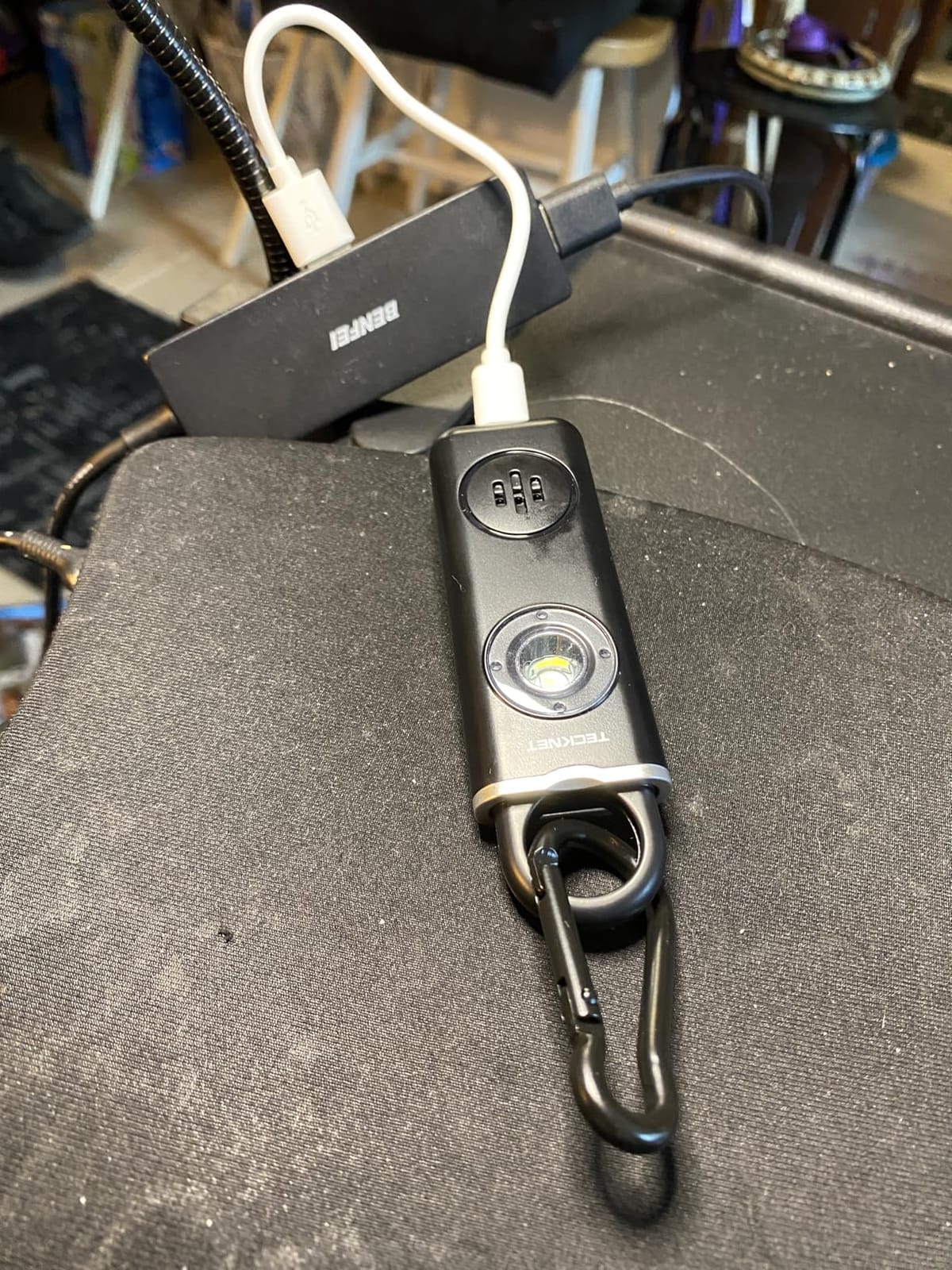
Best for walking outdoors after dark
This is the cheapest credible answer to the question of what a senior should carry on an evening walk. It deters, it distracts, and it makes a noise that a neighbor or a passing car can react to. It does not call anybody, so treat it as a layer rather than a system.
The 130dB figure is the honest selling point. Buyers comparing it against cheaper units report that it is the volume, not the extras, that separates this one from the pack.
Where it falls short
The pin is stiff. That is the oldest trade-off in this category: a pin tight enough to prevent accidental triggers is a pin a hand with arthritis may struggle to pull. If your parent has reduced grip strength, test this one in the store before committing.
The off switch is also fiddly to find in a panic, and a handful of reviewers say the real output sits below the advertised 130dB. Recharging is another routine to remember.
3. FullHouse Caregiver Pager Review – Best for Large Homes and Yards
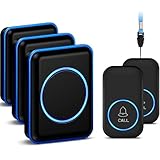
FullHouse Caregiver Pager Wireless Emergency Call Button for Elderly
1000 ft open-air range
52 melodies
Silent LED flash mode
IP55 buttons and 3 receivers
Pros
- Up to 1000 ft line of sight and about 500 ft through walls
- 52 melodies with 5 volume levels and a silent LED mode
- IP55 splash-proof buttons with lanyard and adhesive pads
- Hold-down button switches to a louder emergency tone
- Expandable with more buttons and receivers
Cons
- Selected ring tone sometimes reverts to the default chime
- CR2032 coin cells have no low-battery indicator
- No screwdriver included for battery changes
Range is the whole argument here. The advertised 1000 ft line of sight translates to roughly 500 ft through walls in practice, which means a parent can move between the main house, the garage and the yard without the caregiver losing the link. The 500 ft rating shared by several other pagers here is the practical limit of a typical home, so the extra headroom is not a marketing number.
The three receivers are the reason to choose it over a smaller kit. You can put one in the kitchen, one in the bedroom and one in a spot the caregiver carries between rooms. The silent LED flash mode is genuinely useful at night, when a ringer would wake a sleeping spouse but a flashing panel can be seen from across a room.
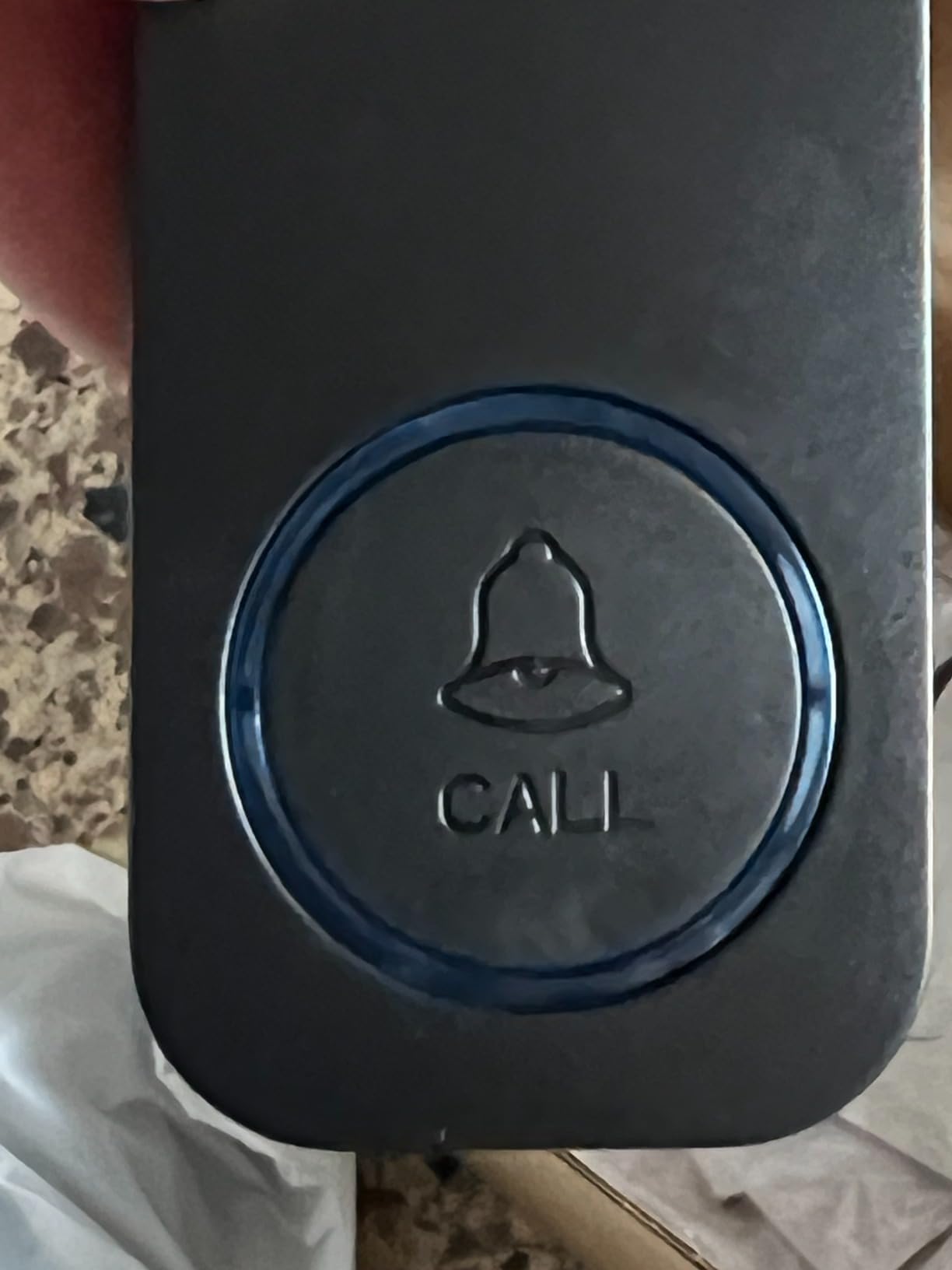
The buttons are IP55 splash-proof and come with both a lanyard and adhesive mounting pads, so you can wall-mount one by the shower and wear one on the wrist. Holding the button down switches the receiver to a louder emergency tone, which is a nicer way to escalate than fiddling with settings during a stressful moment.
It is a lithium-ion system with no monthly fee, and it expands by adding more buttons and receivers to the same network. Families in the reviews talk about that scalability as the reason they bought it rather than a four-piece kit.
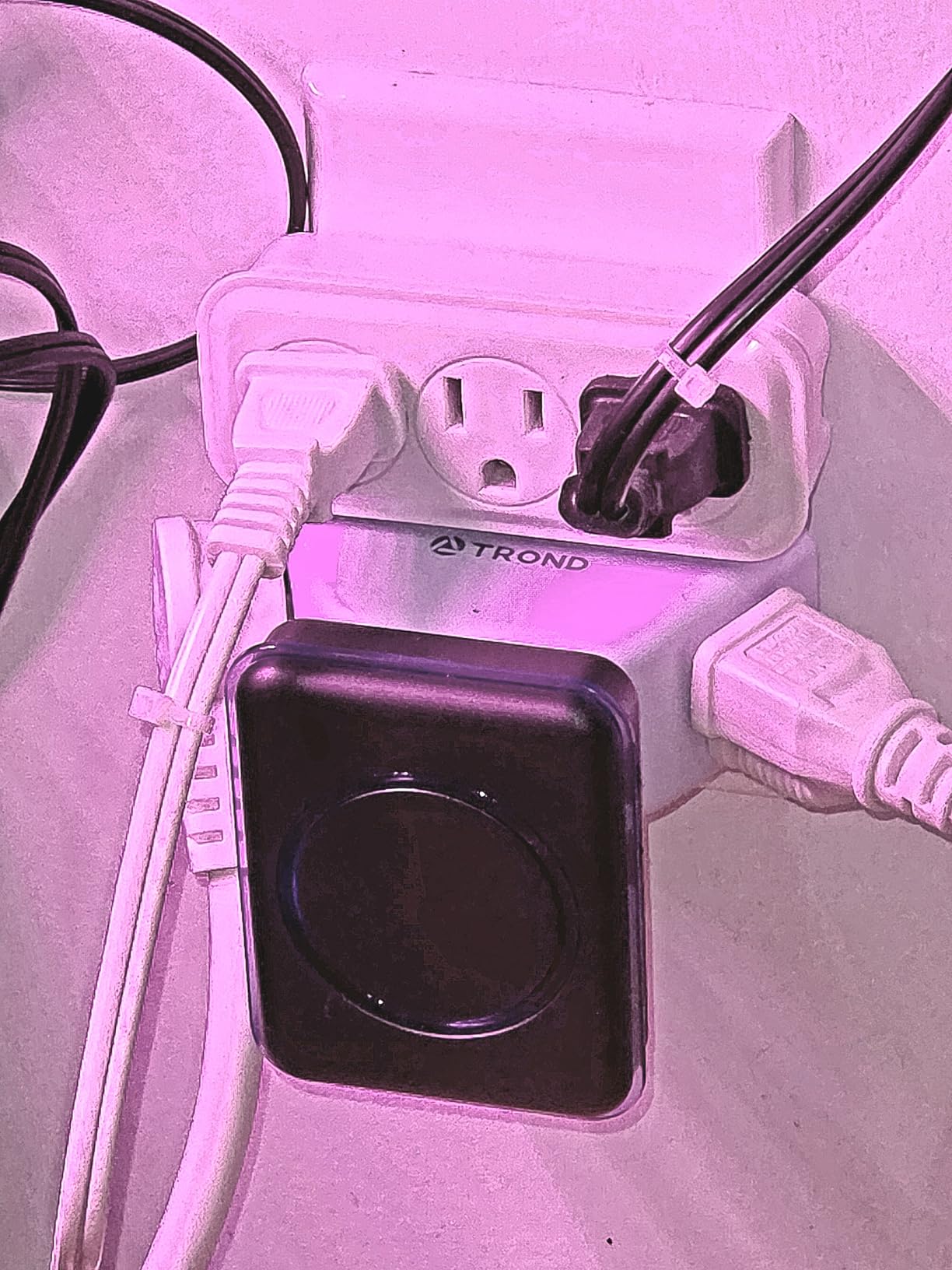
Why it suits a sprawling house or a property with a yard
If a parent walks from the kitchen to the back porch to the laundry room and a 500 ft kit starts dropping out, you will stop trusting the alerts. The extra headroom here removes that worry, and the three receivers let you cover rooms without moving hardware around.
The hold-to-escalate behavior and the silent flash mode are the two details that turn a basic buzzer into something a household actually keeps switched on.
Where it falls short
The selected ring tone does not always stick. Users report the melody reverting to the default chime after a battery change or a move, which is annoying but not dangerous. There is also no low-battery warning on the CR2032 coin cells inside the buttons.
You will need a small screwdriver to open the battery compartment, and none is included in the box. Budget for that if arthritis makes small screws a struggle, since a sealed compartment you cannot open is a product you cannot maintain.
4. STECHRO Wireless Caregiver Pager Review – Best Value Single-Room Kit
Wireless Caregiver Pager, 1 Call Button + 1 Receiver for Elderly at Home
120dB ringer
1500 ft range
58 ringtones
Expandable to 30 buttons
Pros
- Highest average rating in this roundup at 4.7 stars
- Up to 1500 ft transmission range
- 58 ringtones and 5 volume levels up to 120dB
- IP55 water and dust proof rated for -4F to 140F
- Two-year manufacturer warranty
Cons
- Only one button and one receiver in the pack
- Extra coverage means buying more units
This is the highest-rated product in the roundup at 4.7 stars across 764 reviews, and the rating is not a fluke of a handful of buyers. It has a 120dB ringer, the loudest receiver output among the caregiver pagers we tested, and the longest stated range here at 1500 ft, which is a strange combination for a starter kit.
The button can be worn, wall-mounted or placed by a bedside, and the system is rated IP55 for water and dust across a -4F to 140F window. For a bathroom wall mount or a garage workshop, that temperature range is the detail most people skip and then regret.
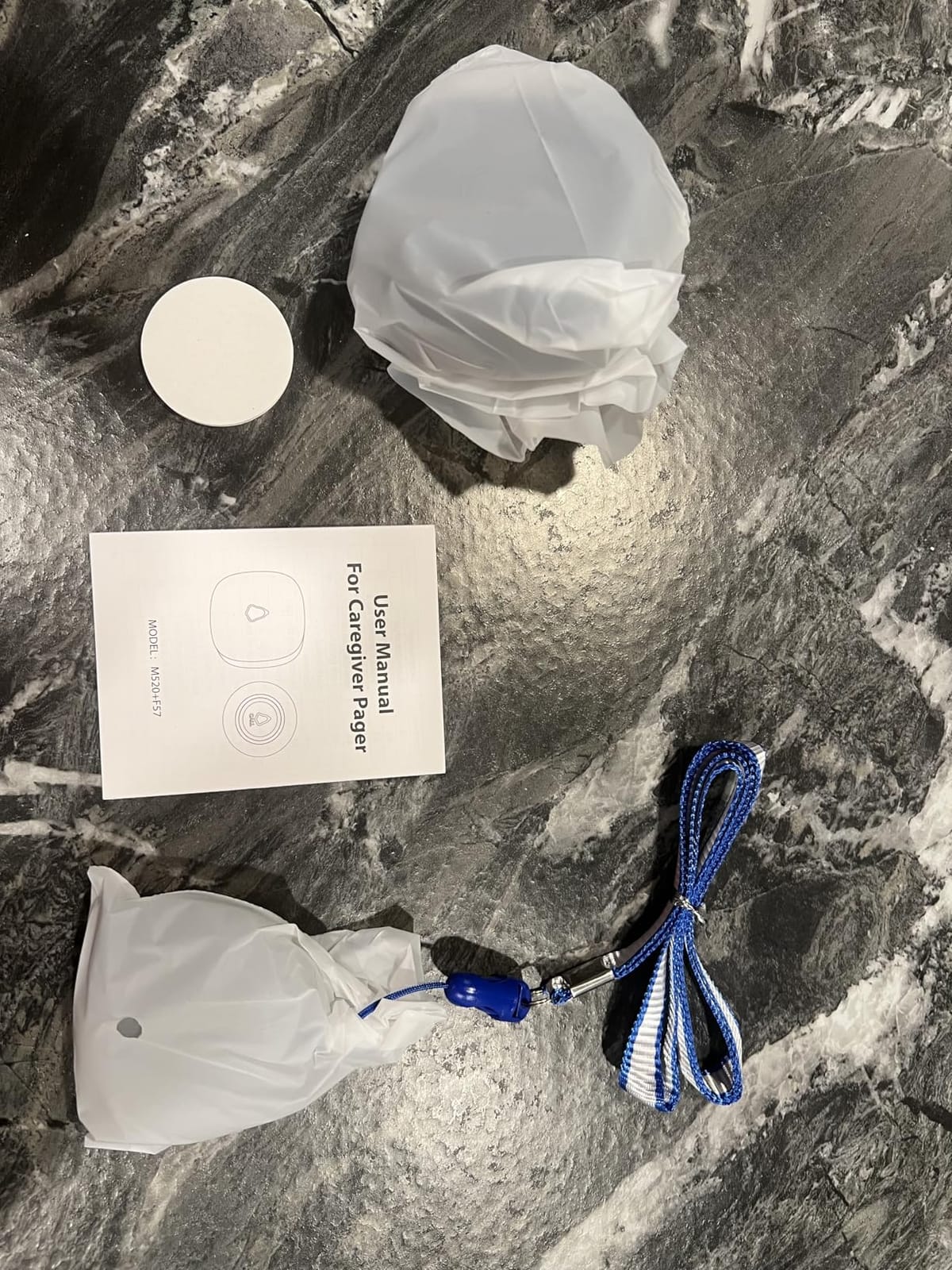
It comes with a two-year manufacturer warranty, which is longer than the one-year cover on most competing pagers. Fifty-eight ringtones and five volume levels are more settings than most people will ever use, but the extra headroom means you can find a tone that is audible without being painful.
Everything expands to as many as 30 call buttons and multiple receivers, so the single-button pack is a starting point rather than a ceiling.
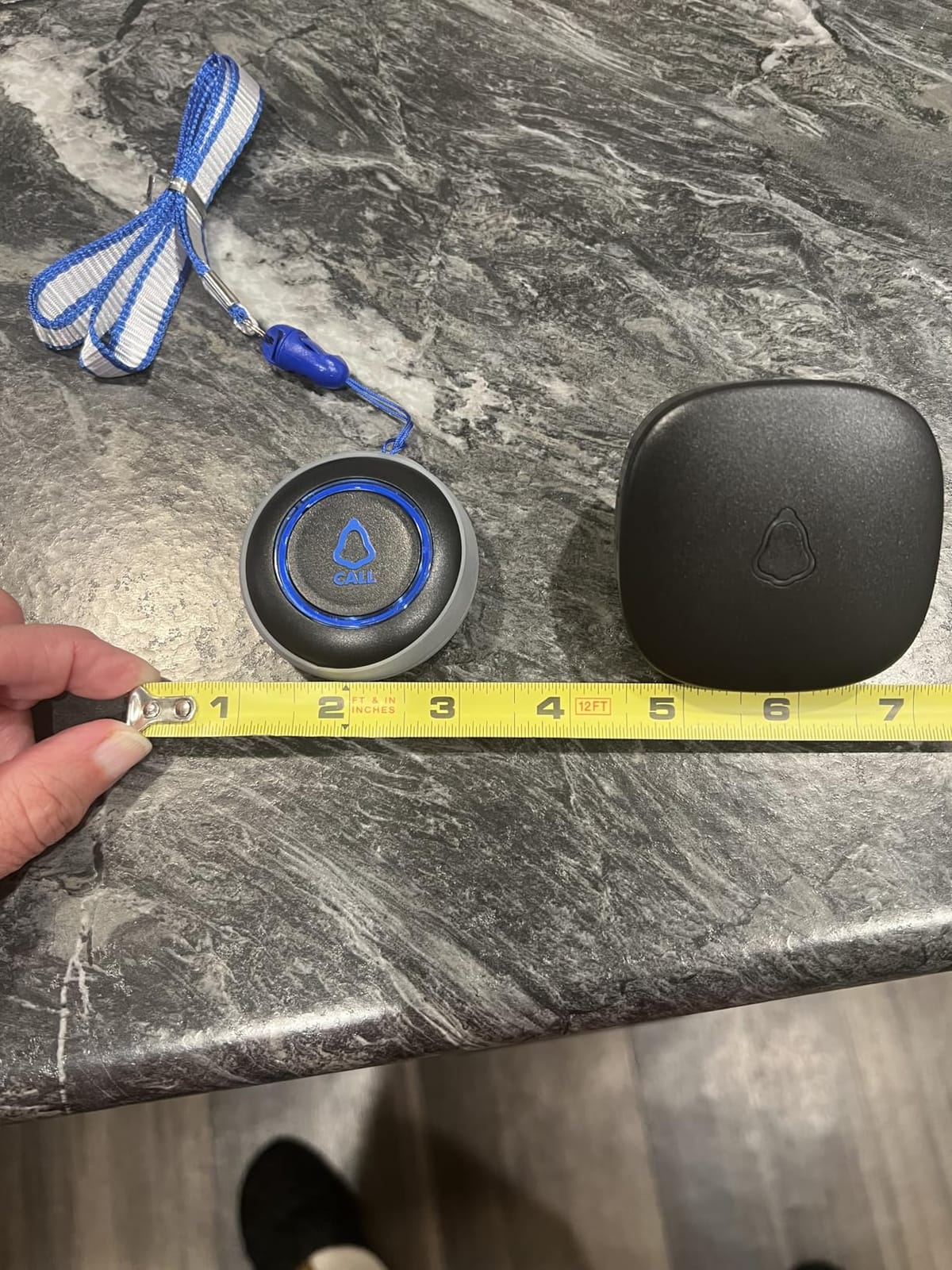
Why it earns best value rather than best overall
On pure performance the numbers are excellent, but a one-button, one-receiver pack covers a single room or a single floor. Most families need a button in more than one place, and the CallToU two-button kit we named as our top pick does that at the box level instead of by adding a second purchase.
If you are equipping a small apartment, or you only need coverage for one bedside, this is the strongest single unit here and the one I would buy first.
Where it falls short
The pack is deliberately minimal, so the advertised capability depends on you buying more hardware for real coverage. Budget for that before you commit, or you may end up with a very capable button sitting in a drawer.
Very long stated ranges are measured in open air, so treat 1500 ft as a ceiling rather than a guarantee through heavy masonry.
5. Daytech Caregiver Pager Review – Best Watch and Wall Button Bundle
Daytech Caregiver Pager Call Button for Elderly at Home, Medical Alert System for Seniors, Emergency Help Watch for Disabled Patients, Wireless Life Alert with Portable Receiver
2 watch buttons and 2 call buttons
3 receivers
100 ft range
20 ringtones
Pros
- Only kit here that includes watch-style buttons
- 2 watches plus 2 wall buttons and 3 receivers
- Neck strap keeps the button accessible
- Pre-paired and ready to use on arrival
- Splash-proof unit suits bathroom mounting
Cons
- Shorter range of about 100 ft compared with competing pagers
- Receivers are lower output at 55dB so placement matters
This is the only bundle in the roundup that includes watch-style buttons, and that single fact decides who should buy it. A senior who refuses to wear a pendant will often accept a watch, because it looks like a watch and does not announce a medical condition to everyone at brunch.
Seven pieces arrive pre-paired: two watches, two wall call buttons and three receivers. I appreciate the neck strap on the call unit too, since a button worn at the chest is easier to reach for someone with limited hand function than one on a bedside table.
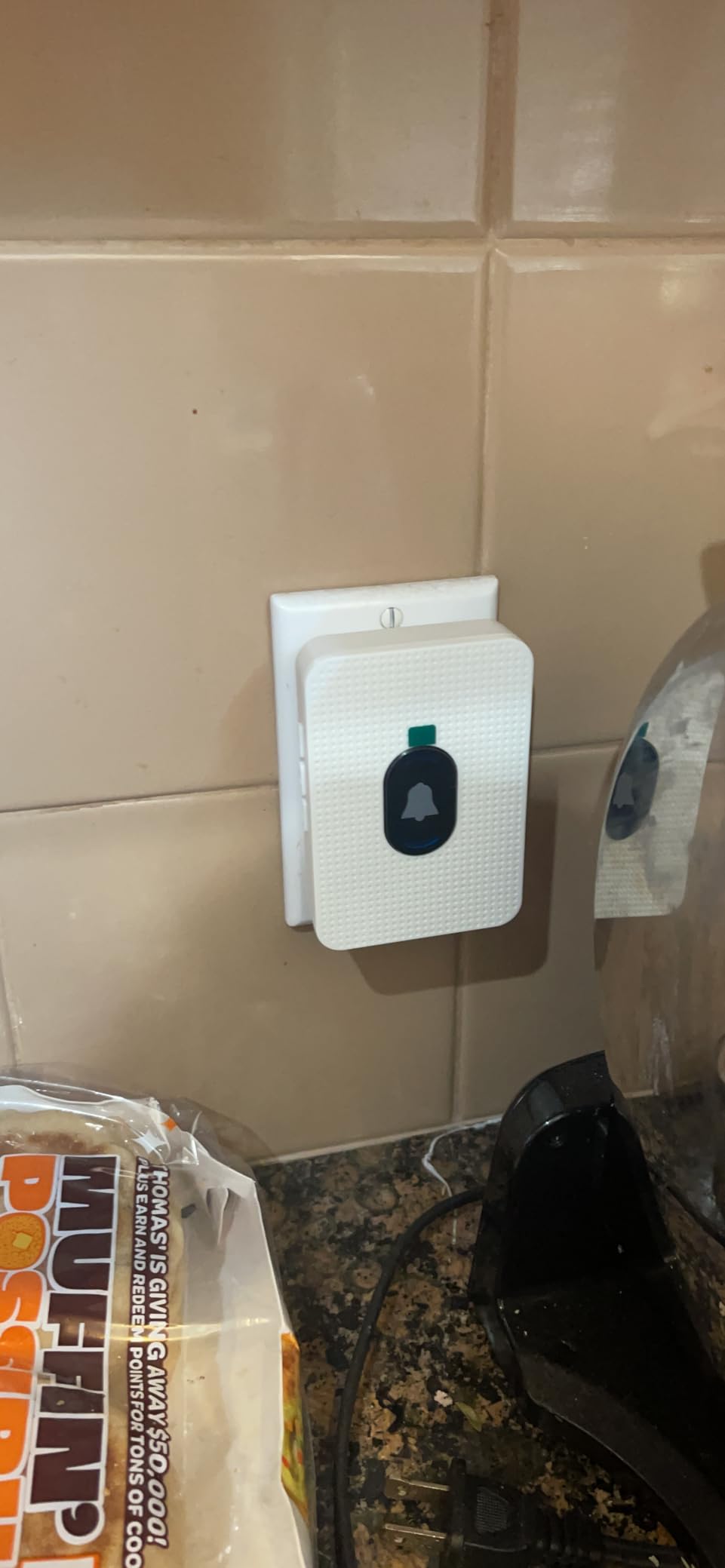
The splash-proof call unit can be mounted in the bathroom, which is the highest-risk room in the house and the one most families forget. Twenty selectable ringtones with adjustable volume cover the basics, and alkaline batteries are included.
Everything in the box is ready to use, so there is no pairing routine to hand to a stressed family member.

Why watch style changes adoption rates
Stigma is the biggest reason seniors take a device off. A watch reads as an accessory, so it stays on the wrist, and a device that stays on the wrist is a device that works at the moment it is needed. That single behavior change is worth more than any extra feature on a spec sheet.
For a parent with arthritis who dislikes necklaces, the watch format also removes the clasp problem entirely.
Where it falls short
Range is the honest limitation: about 100 ft, or 30 meters. In an open-plan main floor that is fine, but in a house with a basement, a hallway of closed doors or a separate garage, alerts will drop.
The receivers put out 55dB, the quietest output in this roundup, so placement decides whether a caregiver hears them. Do not tuck a receiver into a closed cupboard.
6. CallToU Wi-Fi Caregiver Pager Review – Best for Family Phone Alerts
CallToU Wi-Fi Wireless Caregiver Pager Call Button for Elderly at Home , APP Emergency Alert for Seniors, Patients, and the Disabled with 1 Call Button, 1 Watch Button, 1 Receiver (2.4GHz Wi-Fi)
Free app notifications
328 ft through walls
Watch and call button
2.4 GHz Wi-Fi only
Pros
- Sends free app notifications to family phones alongside the in-home ringer
- Shareable alerts notify several family members at once
- Custom button names in the app
- Watch button plus call button for wear or wall mount
- Lifetime warranty and responsive support
Cons
- 2.4 GHz Wi-Fi only
- App setup is confusing for non-technical users
- Phone and text alerts need a paid subscription
The idea here is the best one in the roundup: the receiver rings in the house and the same alert lands on every family phone for free. For long-distance children, a sister in another state or a caregiver who works during the day, that is worth more than raw ringer volume.
You get one call button, one watch button and one receiver, and the app lets you name each button so the alert says which room fired. Alerts are shareable, so one press can notify two or three people at once instead of ringing a single handset.
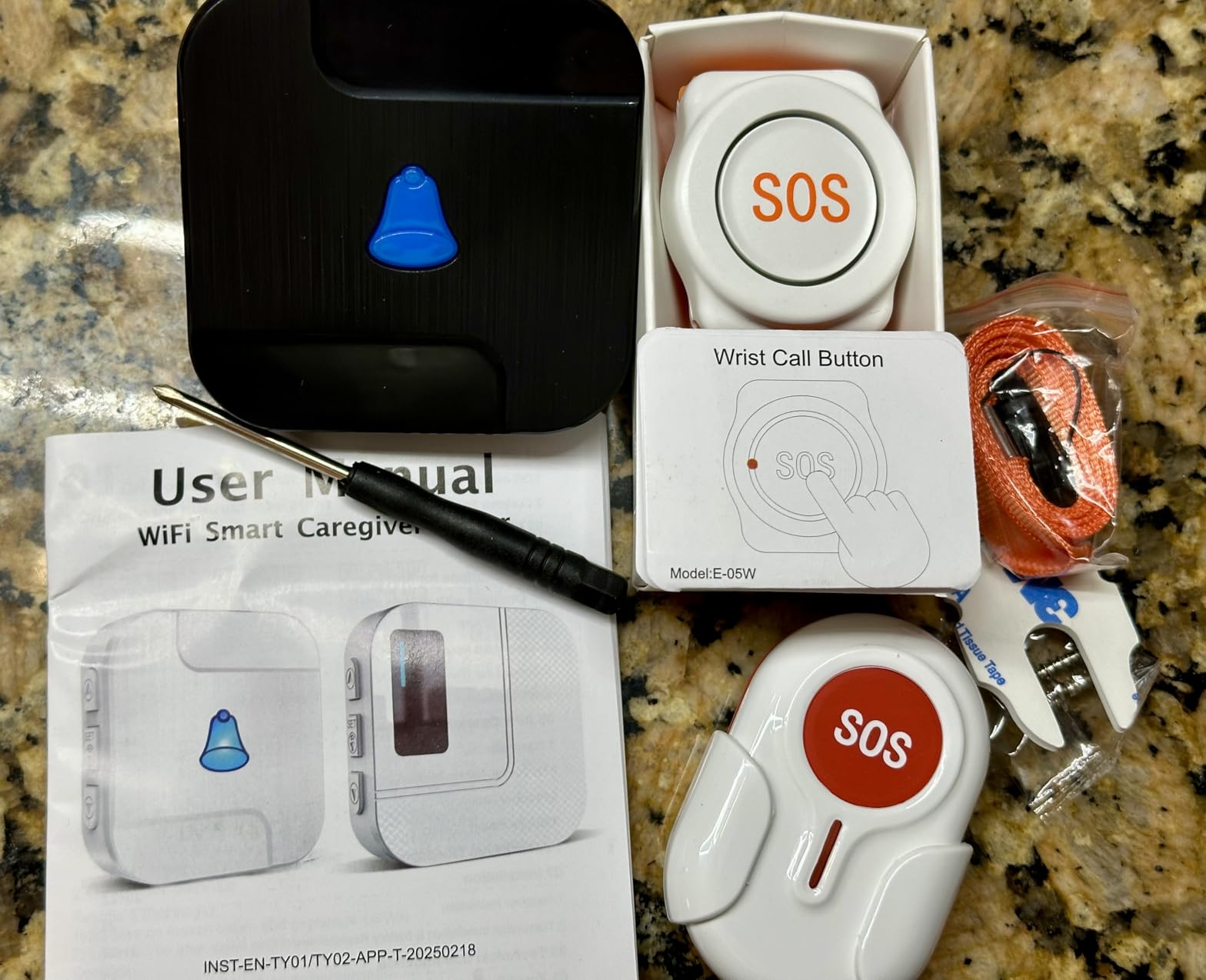
Twenty ringtones, five volume levels, a lifetime warranty and a support team that reviewers describe as responsive. The 433MHz link carries about 328 ft, or 100 m, through walls and doors, and the unit runs on two AAA batteries.
This is the one kit I would build a family notification chain around, because it reaches people who are not in the house at all.
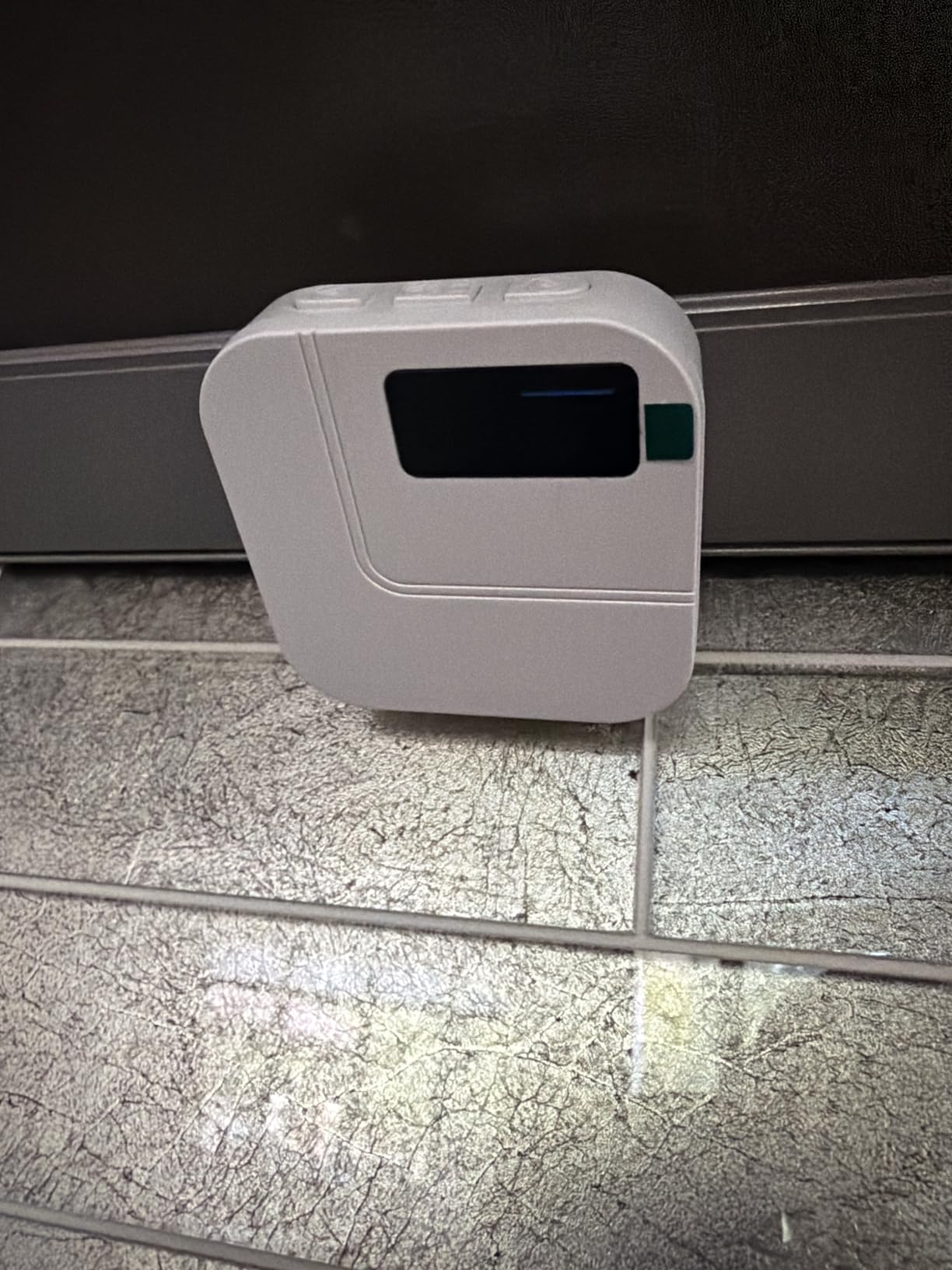
Why remote family alerts change the equation
The conventional units on this page warn only people standing near the receiver. App alerts reach the son in another state, which is often the person who will actually call the pharmacy or the primary care office. A 4.1-star rating reflects setup friction, not a weak feature set.
For households spread across cities, this is the product I would pair with a loud bedside alarm rather than replace one with.
Where it falls short
It only supports 2.4 GHz Wi-Fi. If your router runs 5 GHz only, or you changed the default settings two years ago and forgot, the receiver will not join the network, and the printed instructions are thin on this.
The app alert sound is fixed and cannot be turned up, phone and text delivery needs a paid subscription, and pairing is the step that generates most of the one-star reviews. Set it up yourself before handing it to a parent.
7. Freedom Alert Landline Pendant Review – Best No-Contract 24/7 Help
LogicMark Freedom Alert, Landline Personal Emergency Device, 2-Way Call with Family and Police for Home Safety, Device for Seniors and The Elderly
Two-way voice pendant
4 programmed contacts
911 fallback
No fees or contract
Pros
- Two-way voice with microphone and speaker in the pendant
- Programs up to four contacts with 911 as the fallback
- No monthly fees or subscription of any kind
- Rechargeable battery with a spare in the base and a low-battery warning
- Works on a landline or VOIP line and without cell service
Cons
- Requires a working home phone line
- Pendant is not waterproof and must come off for bathing
- Battery needs recharging roughly weekly
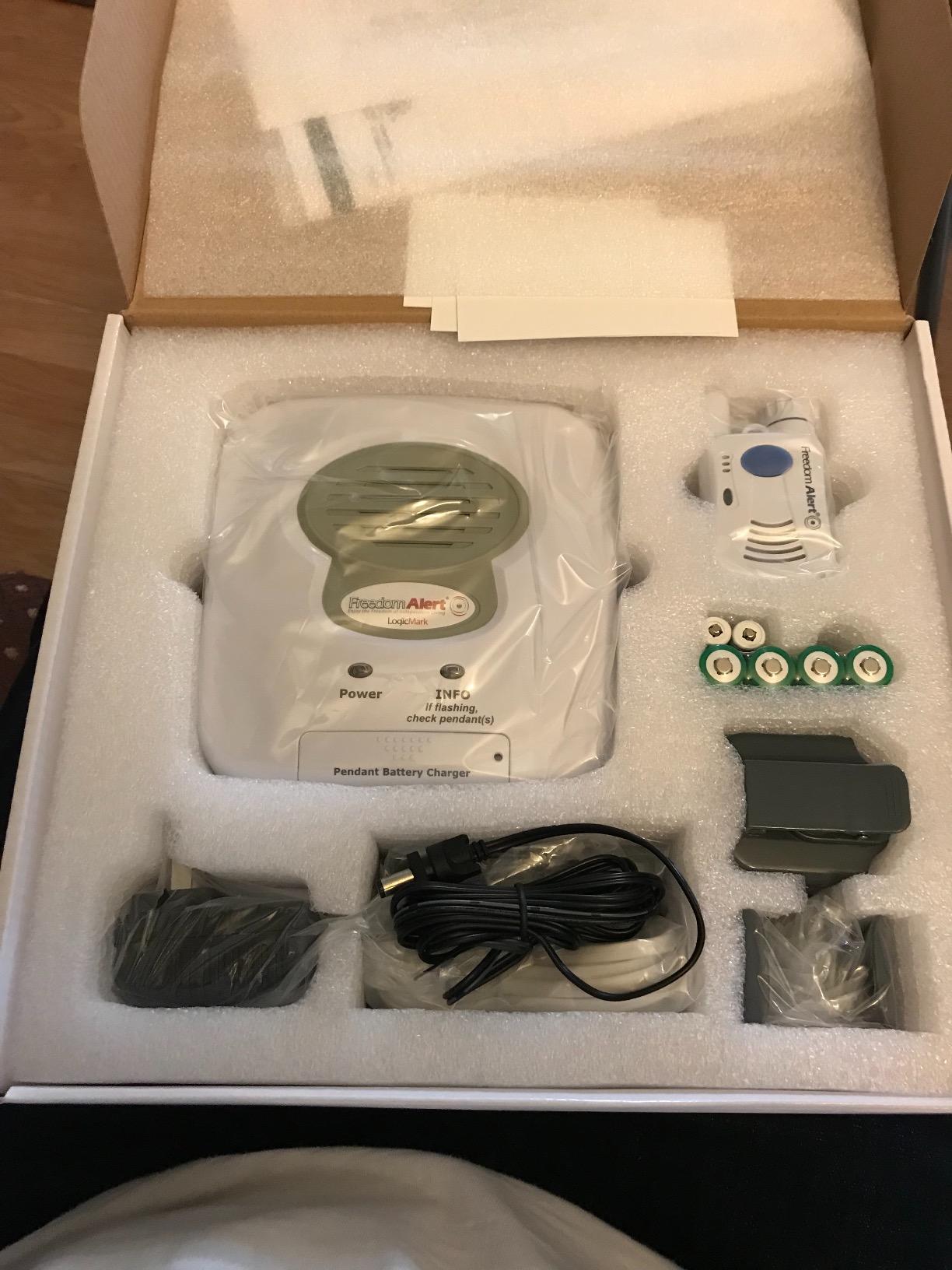
This is the device for families who want 24/7 emergency help and refuse to sign a contract. The pendant has a microphone and a speaker, so a relative can talk to the person who was called, and the call sequence cycles through up to four family contacts before it reaches 911. In other words, help is on the way before a dispatcher is involved.
It runs off an existing landline or VOIP line, which means it keeps working in areas with no cell coverage. That reliability is exactly why households still on traditional phone service choose it.
There are no monthly fees, no contract and no activation charge, and the rechargeable battery keeps a spare in the base unit alongside a low-battery warning. Reviewers who switched away from subscription services call the one-time nature of the deal the main reason they stayed.
It is small, light at four ounces, and can be wall mounted or worn as a pendant.
Why families pick this over a subscription
Caregivers in the reviews describe the relief of not fielding a renewal notice every month, and of not having to argue about whether a hospital stay has ended. If your parent is connected to a working landline, this delivers a genuine response system with no recurring cost and no exit interview.
Calling family first rather than 911 also means the people who know the medication list and the key holder are the ones who respond.
Where it falls short
The pendant is not waterproof. It must come off for bathing, and the bathroom is exactly where a large share of senior falls happen, so this is a genuine gap rather than a technicality.
It needs a working phone line, the battery needs recharging roughly weekly, and outdoor range is shorter than the stated 400 yards in typical conditions. Returns are also restricted because the unit contains lithium batteries.
8. SmartGo 911 Help Now Communicator Review – Best for Travel and Errands
SmartGo 911 Help Now No Monthly Fees One-Touch Direct Connect Emergency Communicator Medical Alert Button Pendant – White
Press-and-hold connection to 911 operators
No subscription
Cell signal based
One button
Pros
- Press and hold connects directly to a 911 operator with two-way talk
- No subscription or contract of any kind
- Works anywhere with cell signal and no home hub
- Matchbox-sized body with a single simple button
- Includes lanyard and a removable button protection shield
Cons
- Several reviews report failure to connect to 911
- Runs on 3G networks many carriers have retired
- Contacts 911 only with no two-way family calling
The home-based systems on this page all fade once you leave the house. This one does the opposite. It is a cell-based communicator that works anywhere there is signal, it needs no home base, no landline and no subscription, and connects on a press-and-hold to a 911 operator for two-way conversation.
The body is small enough to carry in a pocket or on a lanyard, and the single-button design has almost nothing to learn. That simplicity is the reason it appeals to seniors who are intimidated by complicated devices.
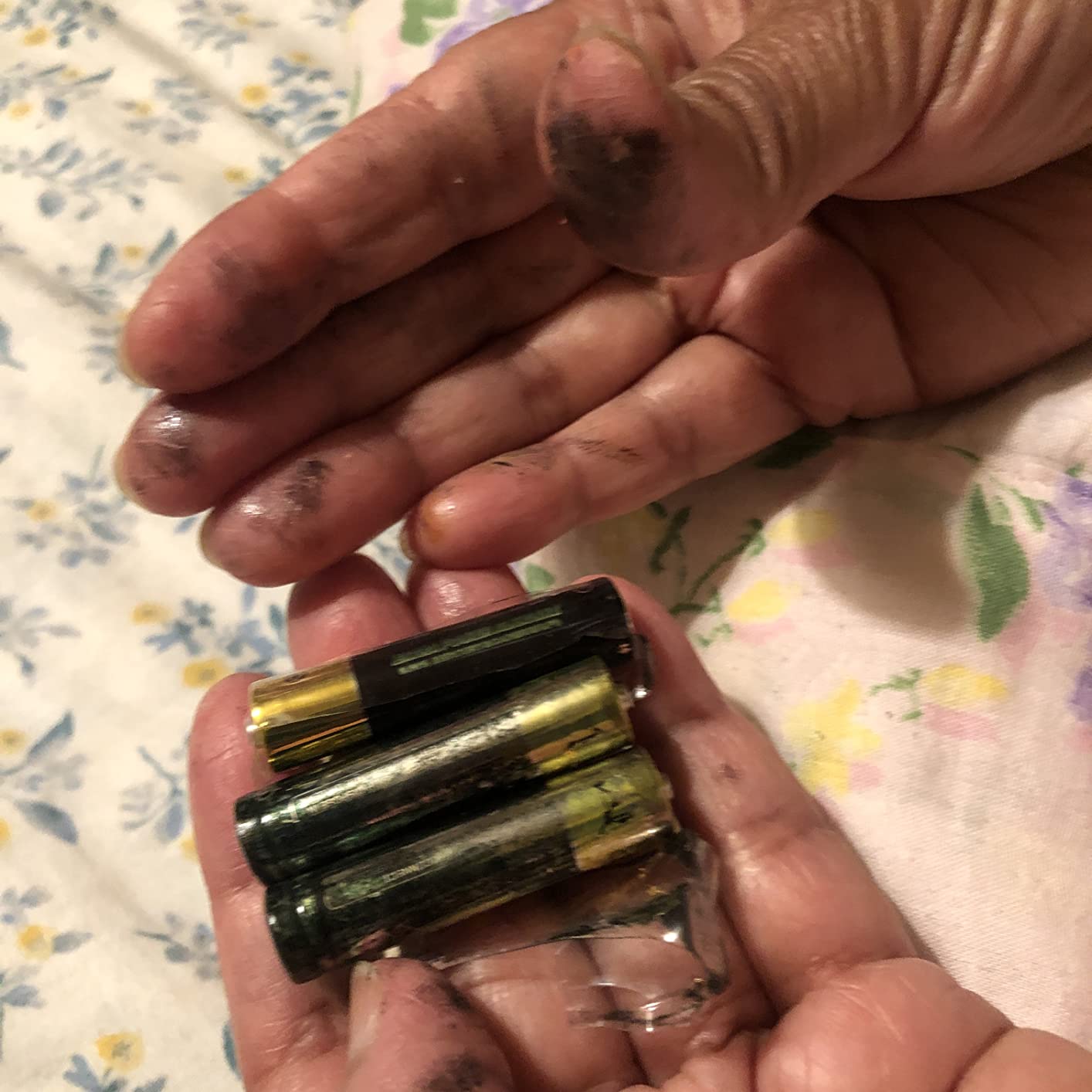
It runs on three AAA batteries, and the box includes a lanyard plus a removable shield that covers the button to reduce accidental presses. For airport trips and errands across town, that is a genuine capability the at-home kits cannot offer.
The appeal is obvious: a real emergency response path with no recurring cost and nothing to cancel later.
Why it suits errands and travel
A landline-based pendant often goes quiet the moment a senior pulls out of the driveway, because the link runs back to a base unit sitting on a phone line. This one has no home base to leave behind, so the same device covers the grocery run, the doctor appointment and the airport.
Reviewers who succeed with it love the simplicity: one button, one outcome, no account and no contract to remember.
Where it falls short
The single biggest risk is the one the reviews keep raising. Several owners report failed 911 connections, and the unit runs on 3G networks that many carriers have already retired, which can leave a pressed button going nowhere. Confirm 3G coverage on your parent’s network before you rely on it.
It contacts 911 only, with no two-way calling to family, and some owners report accidental activation even with the shield in place.
9. Smart Caregiver Bed Exit Alarm Review – Best Non-Wearable Fall Prevention
Smart Caregiver Bed Exit Alarm with Wireless Pager – Early Alert Fall Prevention for Seniors and Elderly – Weight Sensing Bed Pad Alerts Caregiver When They Get Up – USA Company and Customer Service
10 by 30 inch pressure bed pad
300 ft range
Vibration and audible pager
Alert without a button press
Pros
- Alerts the caregiver automatically when a patient gets out of bed
- Works with no button press and no device to remember
- Pager offers both vibration and audible modes
- 10 by 30 inch full-coverage pad reduces false alerts
- Expands to six sensors across beds chairs doorways and floor mats
Cons
- Costs more than a simple pull-pin keychain alarm
- Padded under-mattr placement required for correct readings
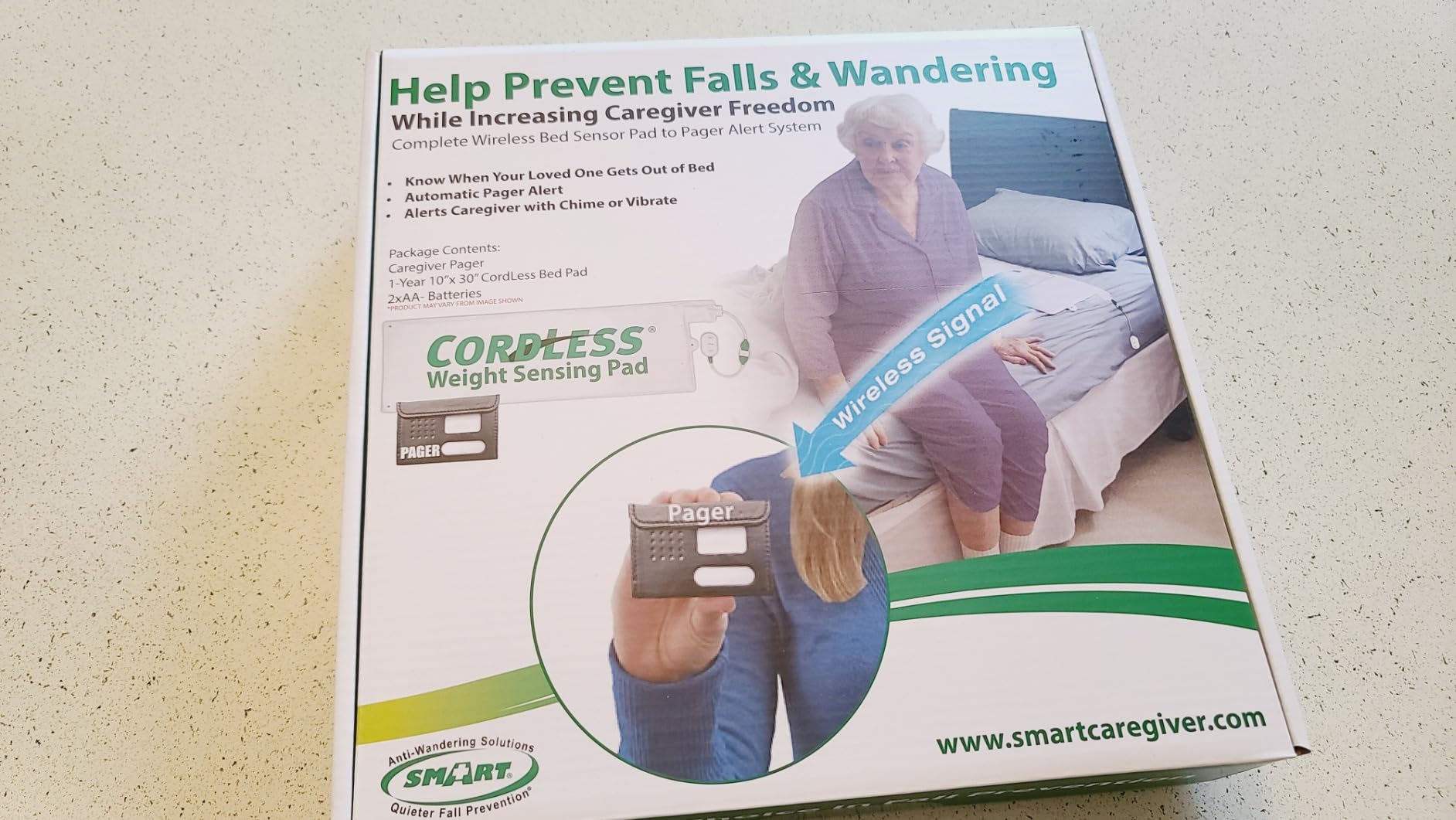
Every wearable in this roundup depends on a person remembering to put something on. This one does not. A 10 by 30 inch pressure-sensing pad sits under the mattress, and when weight leaves the bed the pager fires. No pendant, no watch, no button to reach for at two in the morning when a person is disoriented.
That makes it the answer for a senior with dementia who removes devices, or for anyone whose hands are too stiff to work a call button while lying down. The caregiver pager offers both vibration and audible modes, and vibration is a real advantage for a hard-of-hearing caregiver who cannot rely on an alarm.
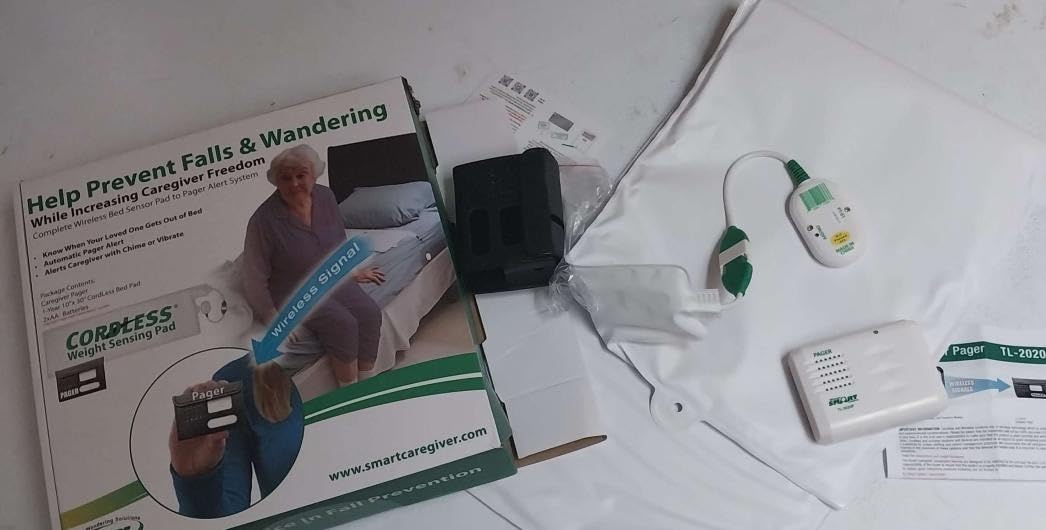
The full-coverage pad size is the engineering detail that reduces false alerts, which is the most common complaint about pressure pads. Transmission runs about 300 ft, and the system expands to six sensors covering chair pads, door sensors, floor mats and motion sensors on the same network.
It is built by a US company that reports 30 years in fall prevention, and it carries a one-year manufacturer warranty. Two AA batteries are included and the pager, pad, batteries and instructions are all in the box.
Why non-wearable options matter
Adoption is the real failure point in this category. A device a senior refuses to wear provides nothing, no matter how good the spec sheet is. Passive monitoring removes the human behavior from the equation entirely, and that is why the bed pad is the one non-wearable product here we consider a genuine first choice rather than a compromise.
It also covers a specific and common scenario: the night-time walk to the bathroom that precedes a fall, when a senior is groggy and would not reach a pendant.
Where it falls short
It is a purpose-built system rather than a general alarm, so it does not cover a fall in the kitchen or a call from the garden. It also costs more than a keychain siren, which matters if you are trying to cover a whole home on a small budget.
The pad must sit under the padded part of the mattress, with the plastic side down. Get that wrong and the readings become unreliable, so read the instructions before the bed is made.
10. Senior HELP Dialer HD700 Review – Best for Pacemaker Wearers
Senior HELP Dialer Medical Alert – No Monthly Fees Medical Alert System- HD700
Wrist and necklace buttons
Up to 3 programmed numbers
Pacemaker safe
100 ft range
Pros
- No monthly fees or bills of any kind
- Includes both a wrist button and a necklace button
- Calls up to three programmed numbers in sequence
- Water-resistant wrist button can be worn in the shower
- Rated pacemaker safe within a 100 foot range
Cons
- Wrist button is hypersensitive and triggers from clothing movement
- No sliding button cover so accidental activation is common
- Two-way talk only works near the base unit
If a pacemaker makes neck-worn radio alarms a question for the cardiologist, this is the one to raise. The wrist button is rated pacemaker safe within a 100 foot range, and it is water-resistant enough to stay on in the shower, which is where a large share of senior falls happen.
You get two activation styles: a wrist button and a necklace button, and the unit calls up to three programmed numbers in sequence with a personalized recorded message. There are no monthly fees, bills or contracts, and it uses a standard phone line with roughly 100 ft of range.
The included base unit must sit on the phone line for two-way talk to work, and it takes a CR123A battery. The styling is dated, but function is what matters here.
Why the pacemaker rating matters
Radio-transmitting devices worn against the chest are a real question for anyone with an implanted pacemaker or defibrillator, and manufacturers rarely print a clear answer. This model states a 100 foot safe range and puts the button on the wrist, which is the simplest way to reduce the concern without a specialist consultation.
The water-resistant wrist button is a bonus, because most competing wrist units make you take them off before bathing.
Where it falls short
The most common complaint by far is the wrist button. It is hypersensitive enough to fire from ordinary clothing movement, and there is no sliding cover, so accidental activations are frequent. A device that cries wolf regularly gets ignored, which defeats the purpose.
Two-way talk only works near the base unit, and the recorded message repeats on a timer, so whoever answers during a pause may hear only hissing.
11. CallToU Vibrating Caregiver Pager Review – Best for Hearing-Impaired Caregivers
CallToU Wireless Caregiver Pager, 2 Buttons, Vibrating & Plug-in Receivers
Plug-in 110dB receiver
Plus vibrating belt-clip pager
IP55 buttons
500 ft range
Pros
- Dual receivers: a 110dB plug-in unit and a portable vibrating pager
- Vibration mode suits hearing-impaired caregivers and seniors
- IP55 waterproof buttons suit bathroom and bedside mounting
- 55 melodies with LED flash
- Expandable with more buttons and receivers
Cons
- Vibrating pager is missed if it is not on the caregiver's body
- Shorter range than 1000 to 1500 ft models for very large homes
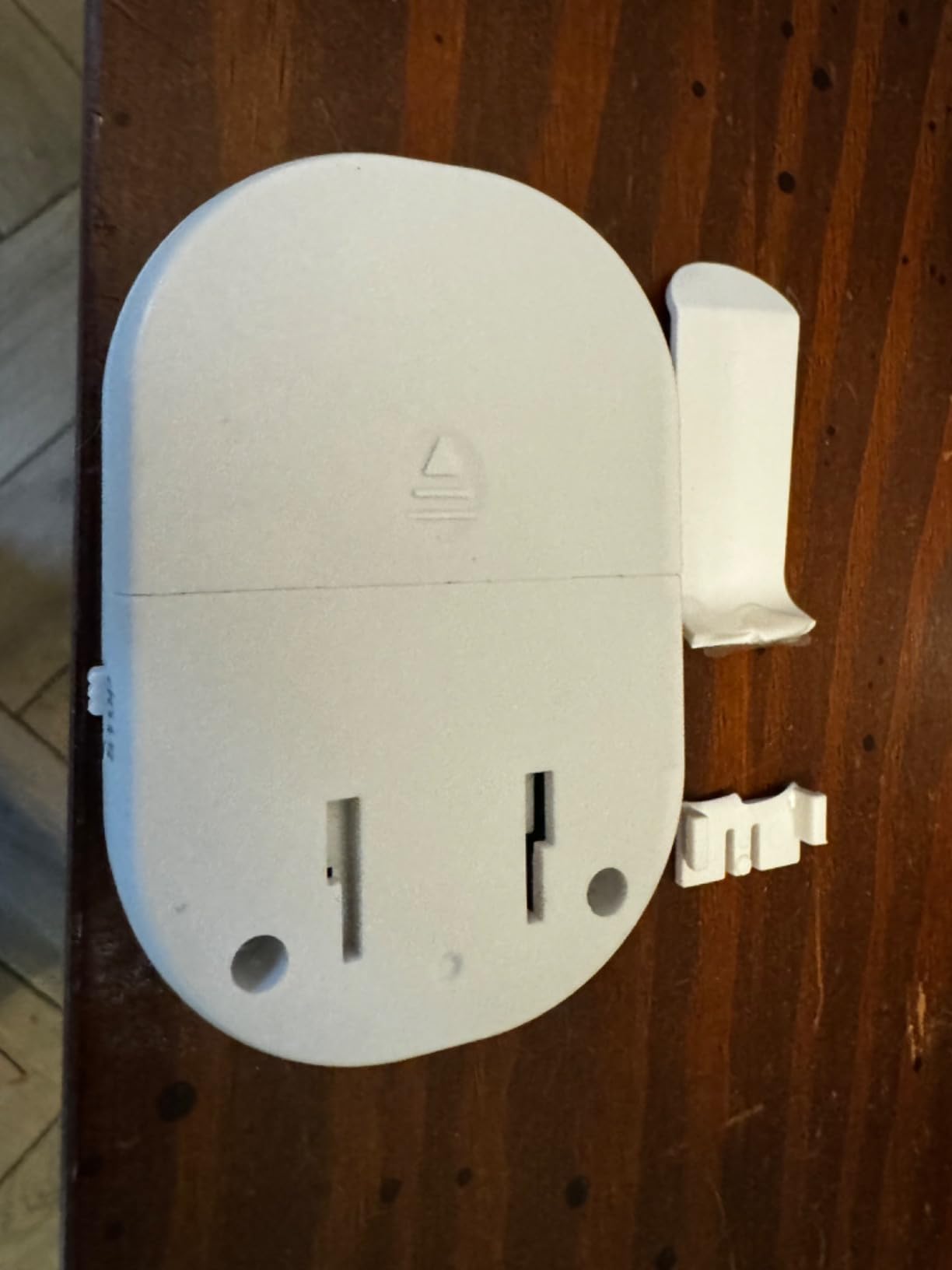
Most alert systems assume the caregiver can hear. This one sends the same signal two ways, through a plug-in receiver at 110dB and a portable belt-clip pager that vibrates. Put the vibrating receiver in a pocket and you feel the alert in your hip, which works in a loud kitchen, in the garden, or for a caregiver with hearing loss.
The dual-receiver layout is the practical win. One unit lives in the house where sound carries, and the other goes on the person who has to respond wherever they are in the home. Two waterproof call buttons come pre-paired, with lanyard or wall mounting for a bedside or bathroom.
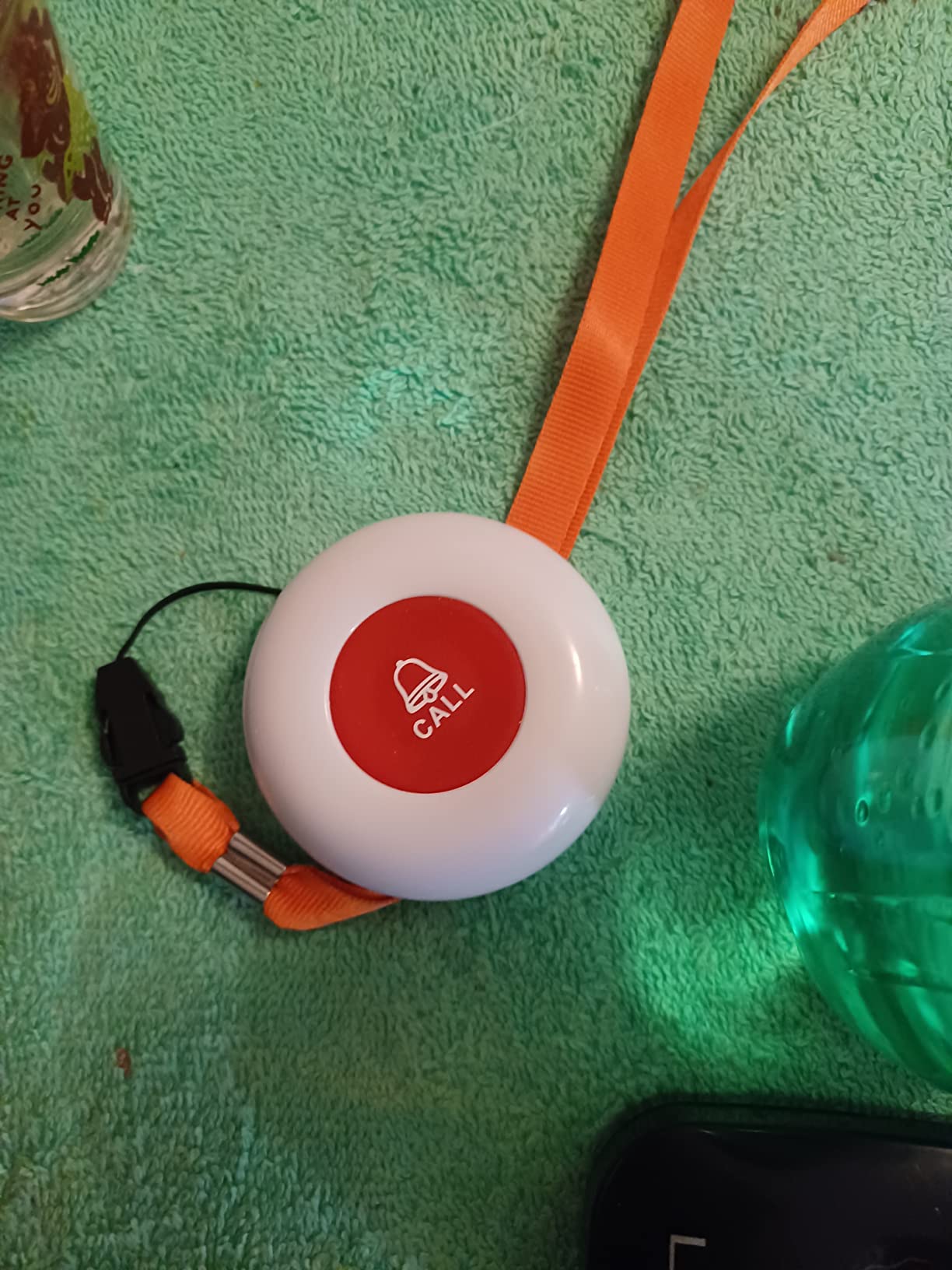
Fifty-five melodies, an LED flash and five volume settings give you a visual channel as well as an audible one. The system carries about 500 ft and expands with additional buttons and receivers, and it runs on alkaline or lithium-ion power with no monthly fee.
It is a compact unit at 2.36 by 2.36 by 0.62 inches and 1.28 ounces, with a one-year manufacturer warranty.
Why vibration changes behavior for hard-of-hearing households
A senior with hearing loss and a caregiver with hearing loss is a genuinely difficult pairing, and this is the only kit in the roundup that gives both of them a channel. The LED flash gives a third option for someone who is neither wearing nor carrying a receiver.
For hearing-impaired users, this solves the problem a decibel number cannot: loudness stops being the deciding variable.
Where it falls short
A vibration alert is only useful if the pager is on your body. Set it on a counter and the caregiver hears nothing, which is a sharp contrast to a plug-in ringer that works from across a room.
The 500 ft rating is also shorter than the 1000 to 1500 ft kits here, so very large homes may need a second system or extra receivers placed strategically.
12. KOSIN 140dB Six-Pack Alarm Review – Best Whole-Home Coverage
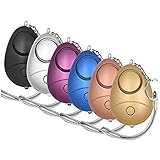
KOSIN Personal Safety Alarm, 6 Pack 140DB Personal Security Alarm Keychain
140dB siren
Six units per pack
Up to 365 days per set
LED light
Pros
- 140dB siren carries to long distances and through closed windows
- Six alarms in one pack for whole-home or group placement
- Runs up to a year on three AG13 or LR44 cells with no charging
- LED light doubles as a night light
- Durable ABS body and copper plug resist drops
Cons
- Battery compartment screws are very tight and need a small screwdriver
- Battery size is not printed on the box
- Some units arrive with dead or missing batteries
This is the most-reviewed product in the roundup by a wide margin, with 13189 ratings, and the reason is the six-pack format. You can place one at the bedside, one in the bathroom, one by the front door and still have three spare, which is coverage no single alarm can offer.
At 140dB it is the loudest siren here, and reviewers describe hearing it through closed windows. For a person walking home alone at dusk, that extra volume compared with a 130dB unit is a real difference rather than a number on a box.
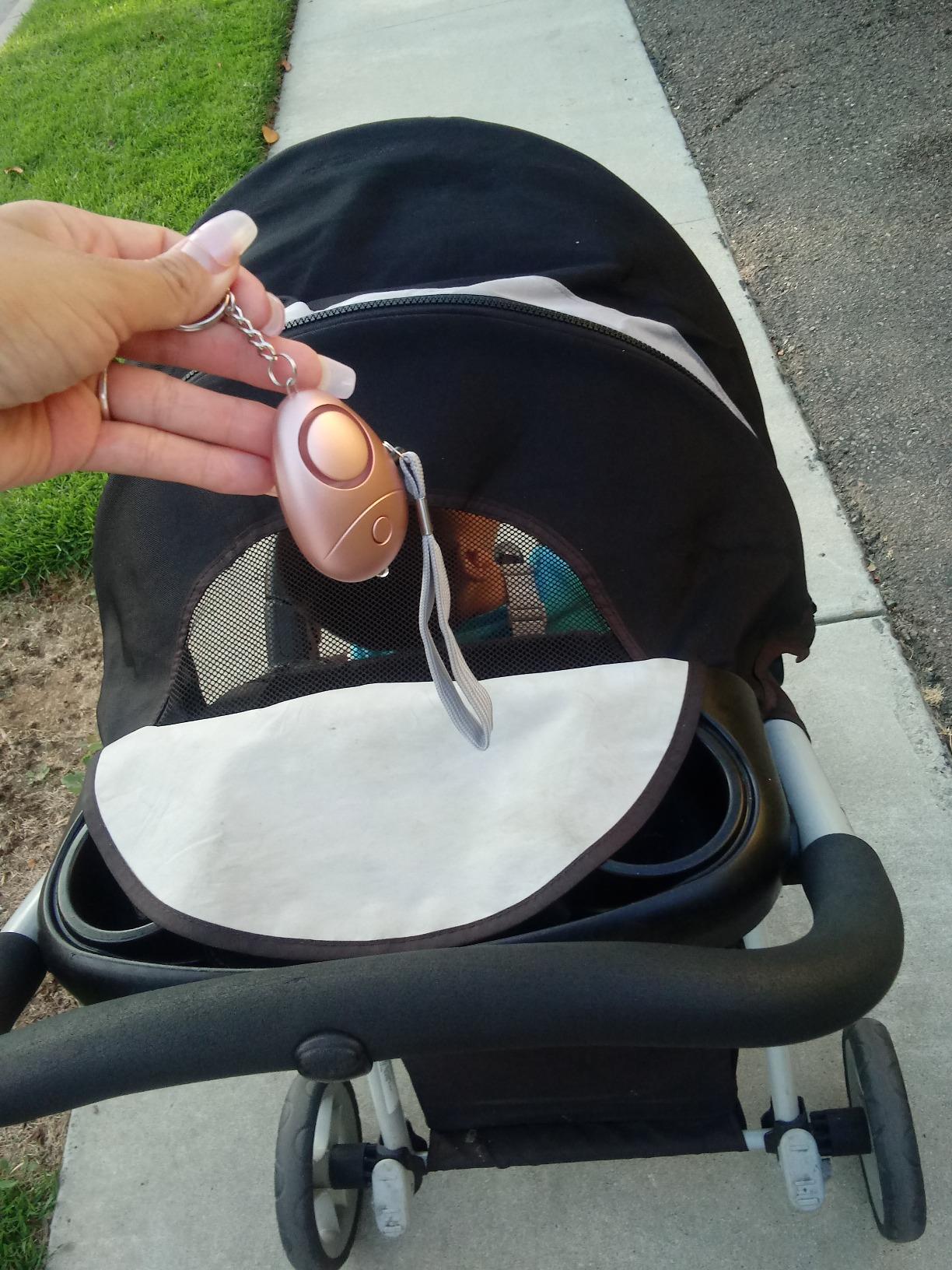
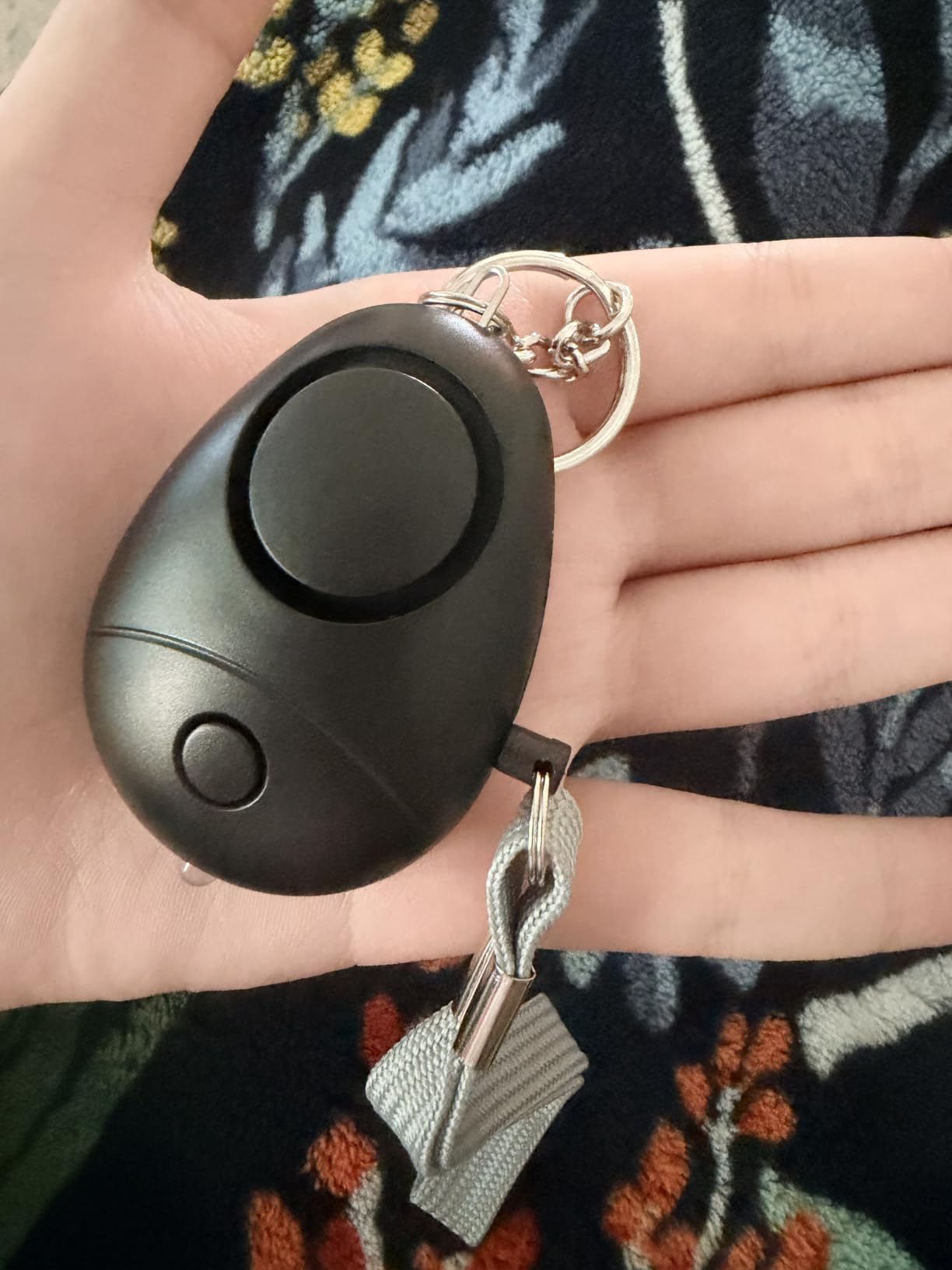
Each unit runs on three AG13 or LR44 cells for up to 365 days, so there is no charging routine and nothing to remember. Owners frequently use them as in-room and bedside alerts for an elderly relative, where a siren inside the room is often heard before a pendant would be reached.
Each alarm has a built-in LED light that doubles as a night light, plus a keychain loop and an ABS body rated for drops.
Why six units changes the use case
One alarm is a gadget. Six alarms placed around a home is a system, and it works in the room where a person is most likely to need help before they can reach a device on the far side of the house. Buyers describe using them as bedside and in-room alerts specifically for an elderly relative.
Swap the button cells once a year, hand one to each family member, and you have a deterrent layer that costs nothing to run.
Where it falls short
The battery compartment screws are very tight and need a small screwdriver to open. That is a real problem for a senior with arthritis who intends to change the cells, since a compartment you cannot open becomes a dead alarm.
The battery size is not printed on the box, and a number of buyers report alarms arriving with dead or missing cells. Test each alarm on arrival.
How to Choose a Personal Safety Alarm for a Senior
Start from the situation, not the device. A parent who never leaves the house and a parent who walks to the shop every morning need completely different products, and most disappointing purchases come from buying the wrong half of the category.
Monitored response or local siren?
Choose a monitored or caregiver-connected device if the senior is alone for long stretches or has a real fall risk, because a response system works when nobody is nearby. Choose a loud local siren if the goal is deterrence on a walk, a car park or a doorstep, since a 130dB or 140dB alarm is only heard by people who happen to be close.
One practical middle ground is to run both, as we recommend for many households: a bedside call-button pager for the home and a keychain siren for the walk to the car.
How loud is loud enough?
For deterrence, 130dB to 140dB is the working range, and 140dB carries noticeably further through windows. For in-home paging, anything from 55dB in a small room to 120dB for a whole house works, provided you can position the receiver where it can be heard.
If the caregiver is hard of hearing, a decibel number is the wrong variable entirely. Choose a unit with a vibrating receiver or a flashing LED alert instead.
Power source and battery life
Rechargeable USB-C models suit people who already plug in a phone nightly, and the recharge-free models suit everyone else. Button-cell alarms that run up to a year are genuinely set-and-forget, which matters more than convenience for anyone who forgets small routines.
Check for a low-battery warning. At least one product here has no indicator at all, and a device that dies silently is worse than one that complains.
Activation force for stiff fingers
Test the pin or button in the store before you buy. A pin tightened to prevent accidental triggers is frequently a pin that a hand with arthritis cannot pull, and the loudest siren in the world is useless if the wearer cannot start it. Watch-style and press-and-hold designs avoid the tension entirely because they need no sustained pull.
Look for a device with a small number of steps between touching it and help being on the way, since every step is a step a confused person may abandon.
Where the alarm will actually be worn
Match the device to an existing daily habit, because a device that is not part of a routine is a device on a bedside table. Wrist styles get worn and pendants get removed, and a watch that also tells the time is a device with a reason to stay on.
If your parent will not wear anything at all, a sensor-based system such as the bed pad in this roundup removes the problem instead of trying to solve it. The same applies to family alerts by app, which reach people who are not standing in the room.
Contracts, fees and what cancellation really costs
Ask what happens when the service is cancelled, not just what it costs while it runs. Check the activation fee, any restocking fee, whether the equipment must be returned, and whether the advertised rate changes after an introductory period. Families report being signed up automatically after a hospital discharge and then struggling to end the arrangement, so the cancellation process matters as much as the price.
Every product in this roundup runs without a monthly monitoring fee or a contract, which is why we lean so heavily toward them. One kit does gate phone and text delivery behind a paid subscription, so check what a service charges before you rely on it. Where a subscription does make sense, set a calendar reminder for the renewal review before any trial period ends.
Finally, treat household alerting equipment as one part of a safety plan rather than the plan itself. We like pairing it with the kind of practical home checks covered in our driveway alarm guide, and eye protection matters in the same low-mobility years, which is why we also keep a reference on prescription safety glasses in the same drawer as spare batteries.
Editorial and medical disclaimer: this guide is written for general education and is not medical advice. None of these devices prevents falls or guarantees a response, and none replaces an emergency plan, a regular welfare check, or the emergency services in your country. Test every device with the person who will use it, and confirm network coverage and any pacemaker safety guidance with a qualified clinician before relying on it.
Frequently Asked Questions
Which brand of personal safety alarm is the best?
There is no single best brand, because the right answer depends on where the alarm is used. For in-home caregiver coverage the CallToU two-button pager is the strongest all-round choice, with a 110dB ringer, 500+ ft range and two receivers in the box. For deterrence on a walk, the KOSIN six-pack at 140dB is the loudest option we tested. For a response system with no contract, the Freedom Alert pendant is the one we recommend.
Is there a personal alarm for elderly without a monthly fee?
Yes, and every product in this guide runs without a monthly monitoring fee, a contract or a subscription. Local keychain sirens and caregiver call-button pagers are one-time purchases. Response systems such as the Freedom Alert and the SmartGo 911 communicator also charge nothing to run, although they require a working phone line or a reliable cell signal. Check what a cancellation would cost before you buy anything, and keep the equipment receipt.
What is the best wearable emergency alarm for seniors?
For a parent who will wear a watch, the Daytech kit is the best wearable option here because it is the only one that includes watch-style buttons alongside wall call buttons. For a keychain device carried on a bag or belt, the TECKNET rechargeable alarm is the pick, with a 130dB siren, a strobe light and USB-C charging. A wearable only works if it stays on, so match the format to the person rather than the specification.
Can seniors with arthritis use a personal alarm?
Often, but not every design. The main obstacle is the pull pin, since a pin tightened to prevent accidental triggers can be too stiff to pull with arthritic fingers. Look for press-and-hold buttons, large raised buttons, watch-style devices and neck-worn straps that avoid fine motor work entirely. We recommend testing the actual activation in the store, and avoiding products with sealed battery compartments, because those cannot be maintained by the person using them.
What is the best self-monitoring alarm system?
Most products marketed as self-monitoring are simply loud local sirens rather than systems, which means they only help if somebody nearby hears them. The closest thing to genuine self-monitoring in this roundup is the CallToU Wi-Fi pager, which notifies family phones through a free app alert, and the Smart Caregiver bed pad, which alerts a caregiver without the senior pressing anything. Both reach people who are not standing in the room.
Our Verdict on the Best Personal Safety Alarms for Seniors in 2026
The CallToU Caregiver Pager with two buttons and two receivers takes our top slot in 2026 because it does the most with the least setup: 55 ringtones, five volume levels, a 110dB ringer and 500+ ft of range, with no monthly fee. For a large house add the FullHouse kit, for a single room take the STECHRO pager, and for a caregiver who cannot hear a ringer pick the vibrating CallToU system.
For deterrence on an evening walk, the KOSIN six-pack at 140dB covers a whole home, and the TECKNET rechargeable alarm is the one to hand to a parent who will carry a single keychain. If a parent will not wear a device at all, pair the loud siren with the Smart Caregiver bed pad, and add the SmartGo communicator for errands. Whichever you pick, test the activation with the person who will use it before you rely on it.