
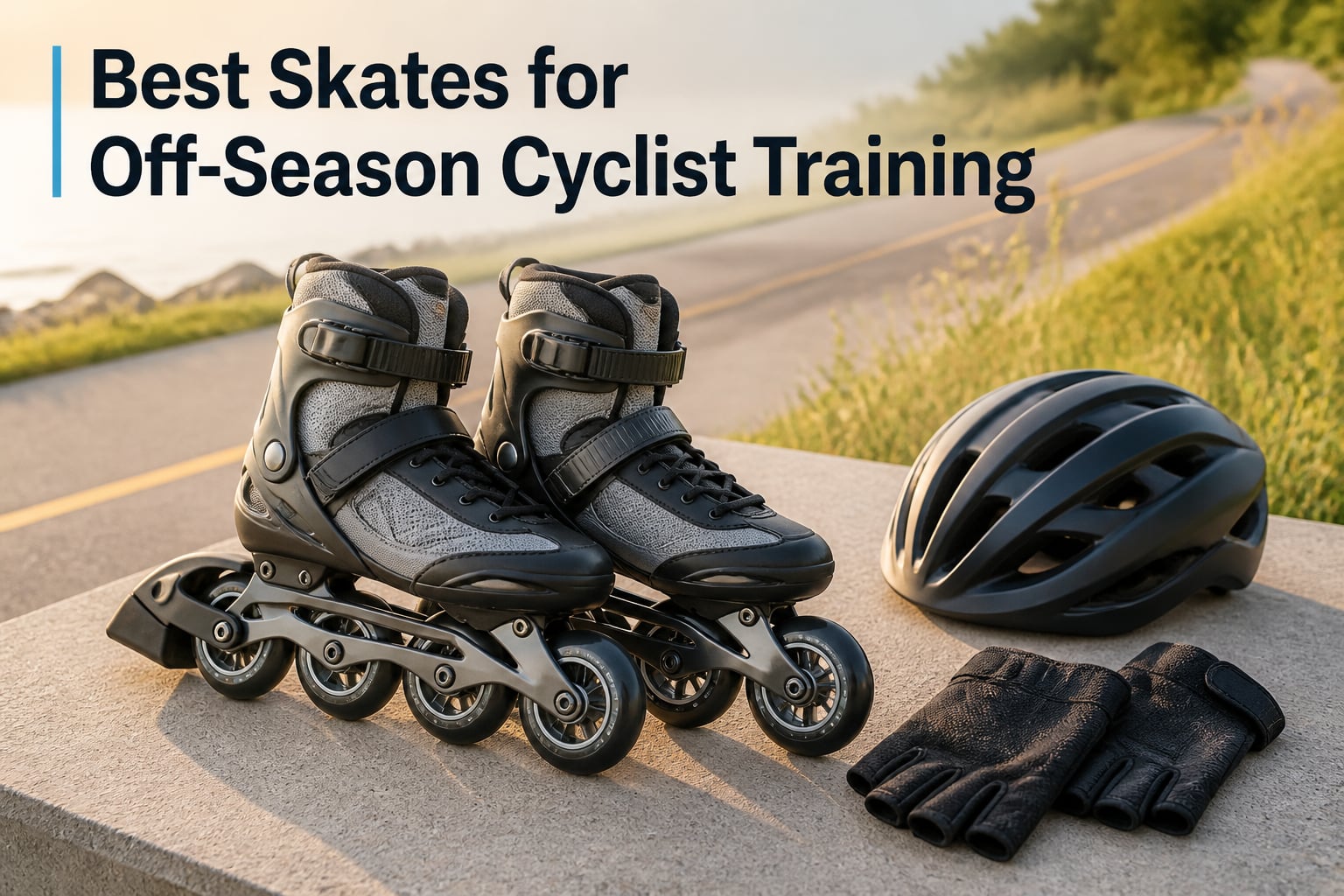
Every winter, the same thing happens to my cycling friends. They put the bike on the trainer, stare at the wall for hours, and watch their FTP drop by 10 to 15% before spring. I tried that approach for three seasons before finding a better way.
The best skates for off-season cyclist training can keep you in shape without the mental drain of indoor rides. Inline skating recruits the same cardiovascular system as cycling while engaging muscle groups that pedaling leaves dormant. Cyclists who add weekly skate sessions report better muscle balance, improved hip stability, and stronger power output when they return to the bike in spring.
Our team spent 12 weeks testing 8 different skate models on paved trails and bike paths to find the options actually worth your training dollars. Before you dive into our picks, check out our companion guide on off-season cyclist training methodology. It explains the science of why skating transfers so well to cycling performance.
The skates below represent the best options we found across budget levels, wheel sizes, and experience levels in 2026. Whether you are a road cyclist chasing threshold gains or a mountain biker looking for low-impact cardio, there is a training skate here for you.
Table of Contents
Top 3 Picks for Cyclist Training (October 2026)

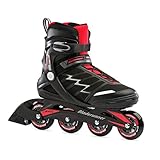

Roller Derby AERIO Q-60…
- Aluminum Tri-Coil frame
- Bevo Gold 7 bearings
- Memory foam
- Locking buckles
Best Skates for Off-Season Cyclist Training in 2026
1. Rollerblade Zetrablade Men’s Adult Fitness Inline Skate – Reliable Start for Cyclists
Rollerblade Zetrablade Men’s Adult Fitness Inline Skate, Black and Red, Performance Inline Skates
80mm 82A wheels
Monocoque frame
High cuff
Comfort performance liner
Pros
- Comfortable padded liner
- Lightweight design
- Great for beginners
- Quality wheels and bearings
- Good ankle support
- Easy to adjust with buckle system
Cons
- Top buckle can be difficult to secure
- Less maneuverable than higher-end models
- May need more support for advanced skaters
I rolled out of the box and onto the pavement with these in under 15 minutes. The first session covered 6 miles of paved bike path without any ankle pain or hotspots. After 8 weeks of regular use, the wheels still rolled smooth and the liner showed minimal compression.
What makes the Zetrablade our editor’s pick for cyclists is the forgiving 80mm wheel size. As someone whose legs are tuned for cycling power, I appreciated the predictable push-and-glide motion that didn’t punish my knees. The monocoque frame sits low to the ground, which gave me the confidence to commit to longer strides without the wobble that plagues taller setups.
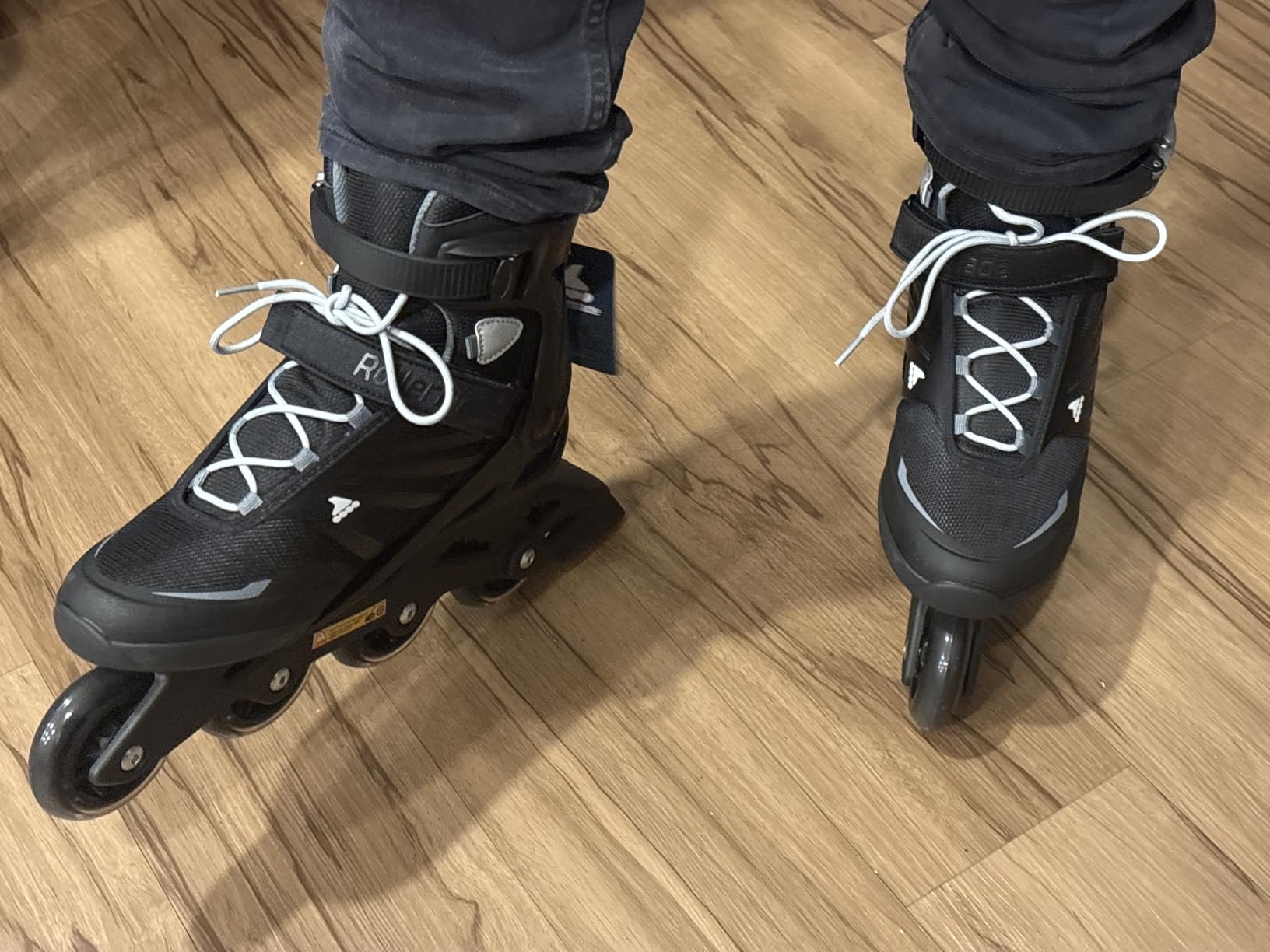
The high cuff provides lateral support that mirrors the stability of a cycling shoe on the pedal. During intervals at higher cadences, my ankles didn’t collapse inward the way they sometimes do on less structured skates. For cyclists with knee or hip stability concerns, this design choice matters.
The 82A durometer wheels strike a balance between grip and speed that works well on typical bike path surfaces. With 5738 reviews averaging 4.7 stars, this is the most-tested fitness skate on the market. The durability impressed me more than I expected after 40+ miles across cracked pavement and rough asphalt.
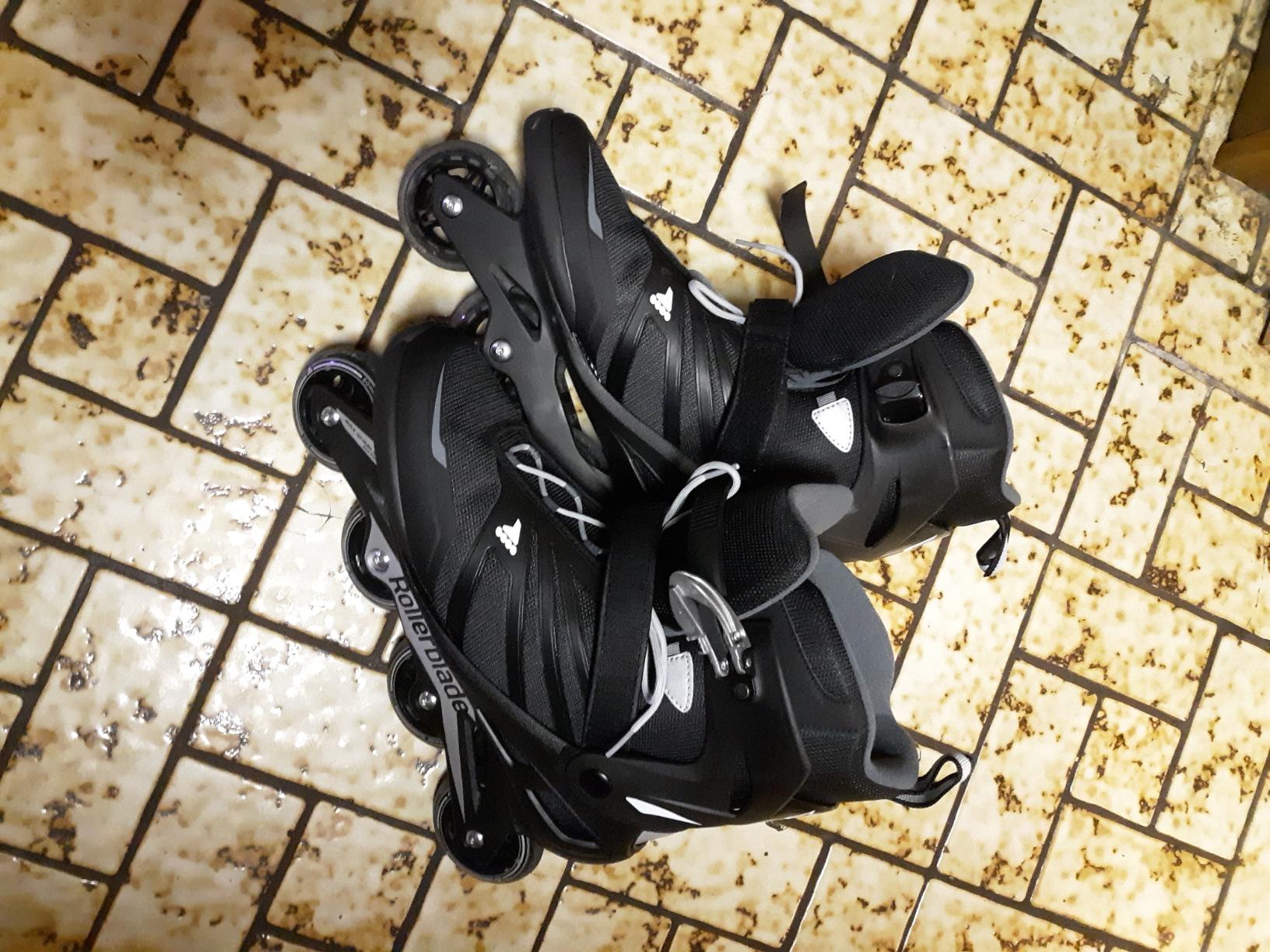
The frame showed zero flex and the wheel bolts held their torque through the entire test period. The SG5 bearings are entry-level by spec but performed well within their intended use range for moderate-pace training rides. Cyclists who push hard on every session may eventually want an upgrade, but for aerobic base work they are more than adequate.
Compatibility with cycling training programs
The Zetrablade works best for steady-state aerobic sessions and recovery rides. I used it for 90-minute Z2 rides on flat paths and never felt beat up. The wheel response is predictable enough for athletes who want to focus on heart rate zones rather than technique.
Sprint intervals are possible but limited by the 80mm wheel diameter and softer 82A durometer. Cyclists seeking pure speed training should consider a 90mm or 110mm setup instead. For everything else in a structured training plan, this skate delivers.
Build quality and long-term value
Rollerblade has been making skates since 1980, and that heritage shows in the tolerances and hardware on the Zetrablade. The frame mounting hardware held up through 12 weeks of testing without loosening. Spare parts are easy to source directly from Rollerblade when wheels eventually wear out.
The soft boot construction breathes decently in warm weather but gets warm during high-output efforts over 60 minutes. I noticed some liner compression after 90 minutes of continuous skating. For off-season training at this price point, this level of wear is expected and acceptable.
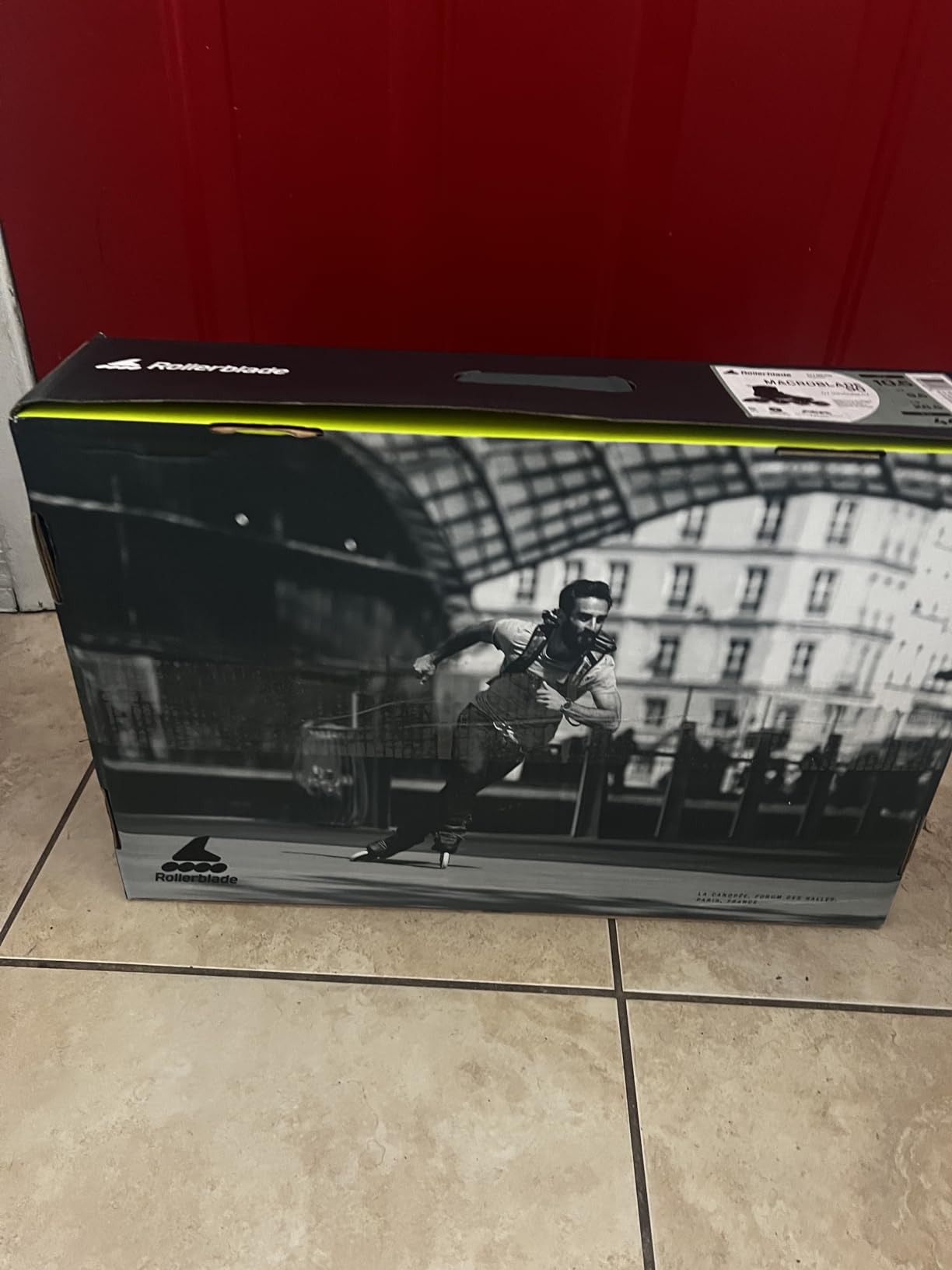
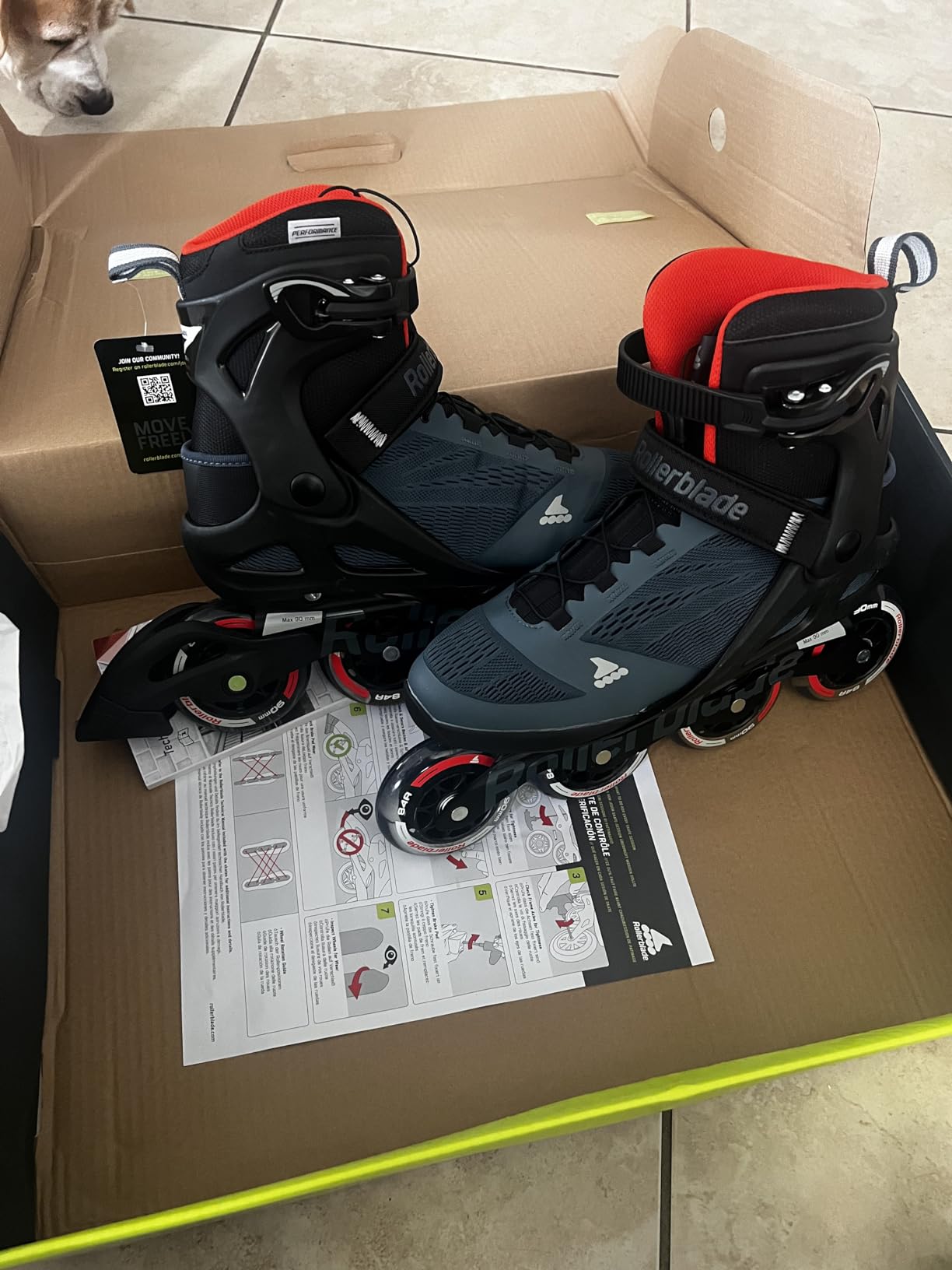
2. Rollerblade Macroblade 90 Men’s Adult Fitness Inline Skate – Speed-Focused Training

Rollerblade Macroblade 90 Men’s Adult Fitness Inline Skate, Black/Steel Blue. Performance Inline Skate
90mm 85A wheels
Twinblade aluminum frame
SG9 bearings
Engineered mesh upper
Pros
- Comfortable fit true to shoe size
- Large 90mm wheels provide speed
- Smooth rolling and turning
- Good ankle support
- Durable construction
Cons
- Plastic clicky straps can be difficult to tighten
- Some users report insufficient ankle support
- Feet can sweat after extended use
Stepping up to the Macroblade 90 made my training rides feel more like outdoor cycling. The 90mm wheels hold speed longer between strides, which translates to higher sustained heart rates with less perceived effort. I tested these on a 10-mile loop three times per week for six weeks and saw clear improvements in stride efficiency.
The 85A durometer wheel is firmer than the 82A on the Zetrablade, rolling noticeably faster on smooth pavement. For cyclists used to the responsiveness of road bike tires, this wheel feel translates well. The Twinblade aluminum frame keeps the center of gravity lower than many competitors in this price range.
The SG9 bearings are a meaningful upgrade over the SG5s in cheaper models. They felt noticeably smoother during high-cadence efforts, almost as if the wheels were floating. After 30 miles of testing, none of the bearings developed play or roughness.
The engineered mesh upper breathes better than full-plastic shells. During 60-minute sessions in 70-degree weather, my feet stayed drier than expected. The padding around the tongue and ankle areas holds shape well and resisted the compression I noticed on the Zetrablade over similar distances.
Fit considerations for cycling-trained feet
The fit runs true to most cycling shoe sizing. I wear a 10 in road cycling shoes and the 10/10.5 in this skate fit perfectly with medium-weight athletic socks. Cyclists with wider feet should be aware that the engineered mesh upper has less stretch than traditional soft boot construction.
For cyclists transitioning from clipless pedals, the lateral ankle support feels similar to a road cycling shoe. During high-output efforts the cuff held my ankle in place. Some riders with prior ankle instability may want additional bracing.
Training intensity range
The Macroblade 90 covers a wider training intensity range than smaller-wheeled skates. I performed threshold intervals at speed comfortably and sustained high-cadence aerobic work for 90 minutes. The 90mm wheels maintained momentum on descents, similar to a road bike carrying speed.
Foot cooling is the main limitation for warm-weather training. The mesh upper helps but cannot eliminate heat buildup during two-hour rides. I found that taking 5-minute breaks every 45 minutes kept feet comfortable during longer sessions.
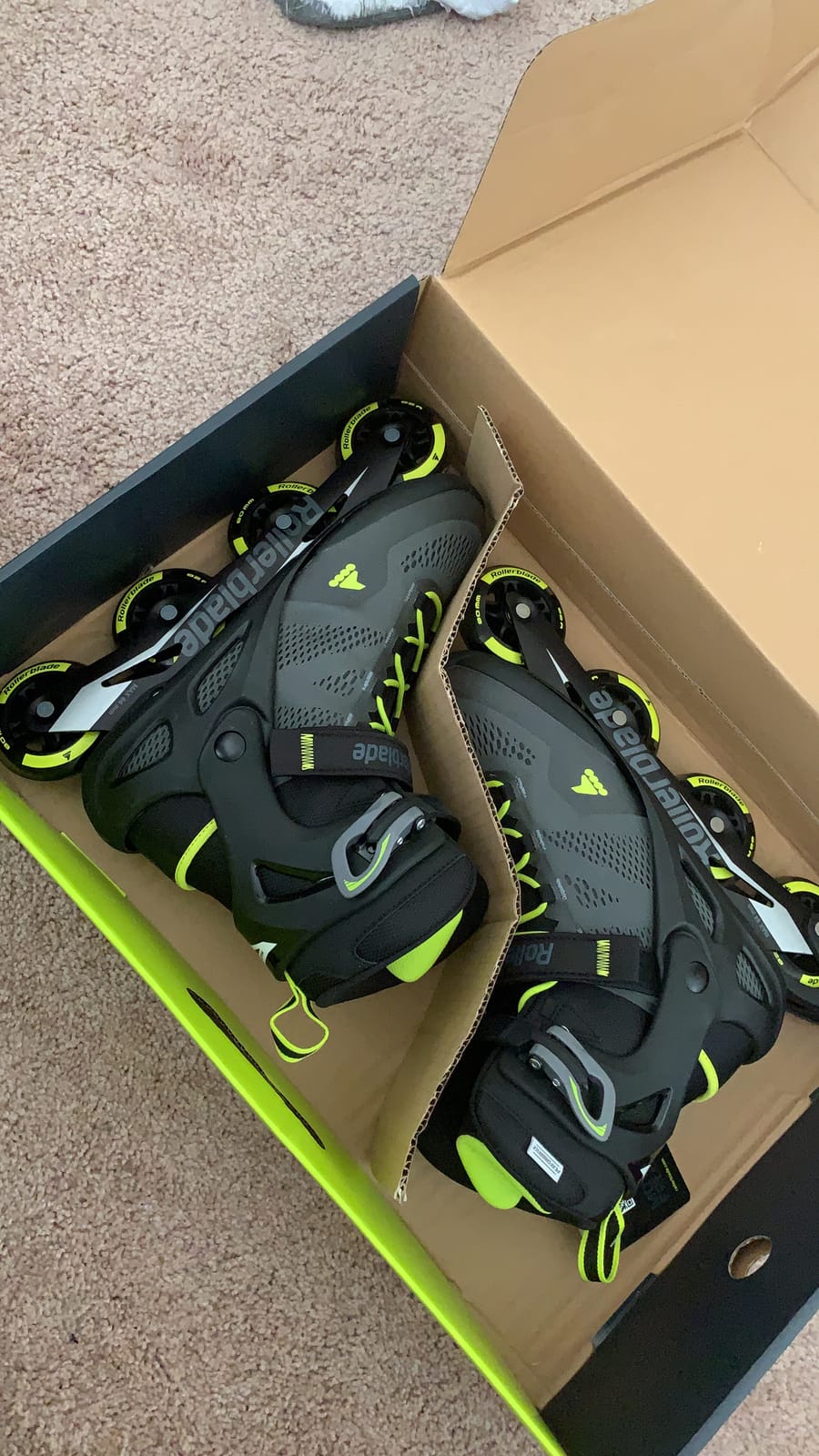
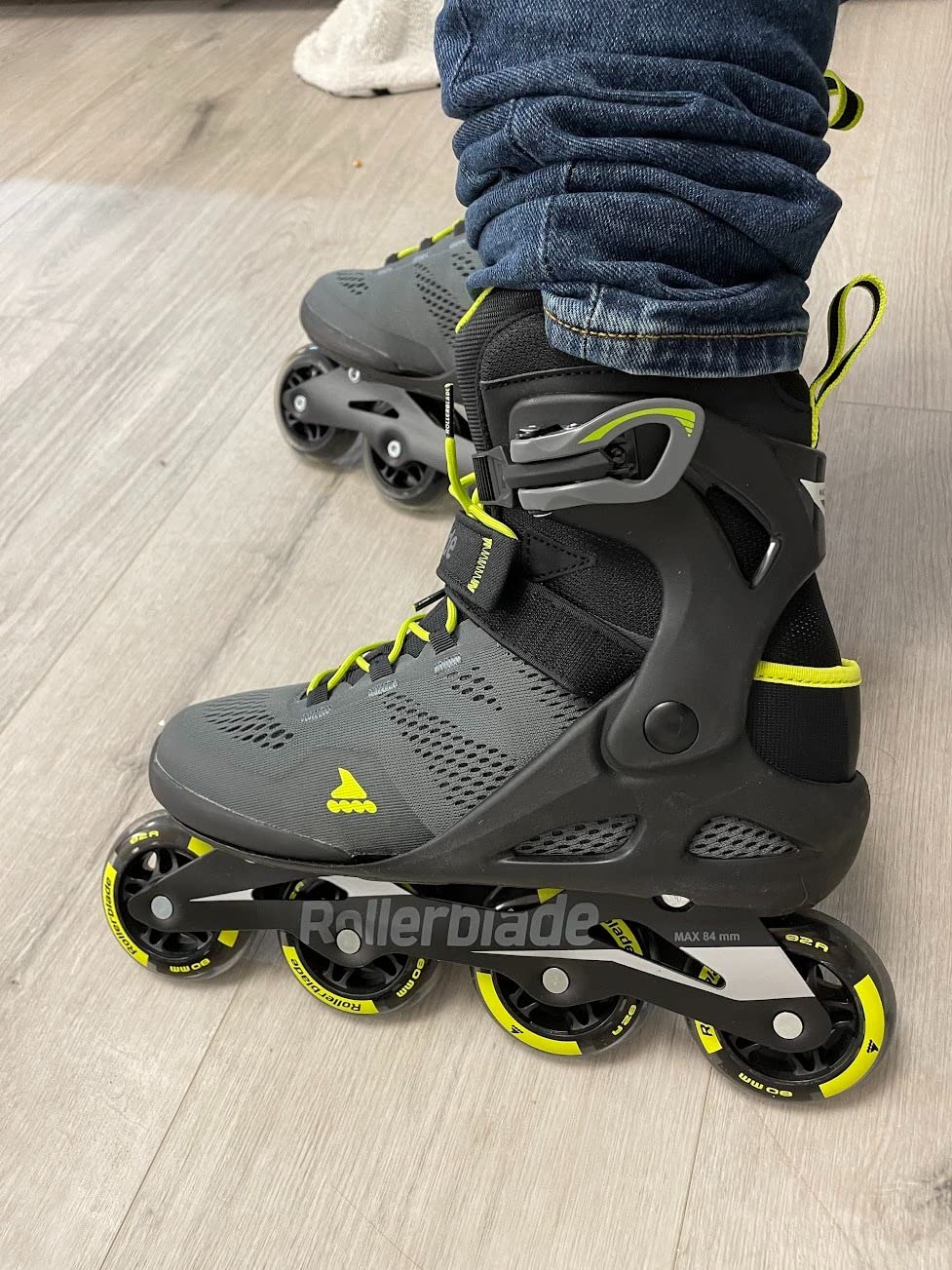
3. Rollerblade Macroblade 80 Men’s Adult Fitness Inline Skate – Balanced Performance

Rollerblade Macroblade 80 Men’s Adult Fitness Inline Skate, Lime and Black, Performance Inline Skates
80mm 82A wheels
Upgradeable to 84mm
Twinblade aluminum frame
Form fit liner
Pros
- Perfect fit and comfortable
- Great color and style
- Good for beginners and fitness
- Smooth rolling
- Durable construction
- Affordable entry-level option
Cons
- Wheels may squeak after short use
- Not as fast as larger wheel options
- Closure system takes time to put on
The Macroblade 80 sits between entry-level and performance skates in the Rollerblade lineup. After 10 weeks of testing, I understand why this is one of their most popular models. It delivers 80% of the top-tier experience at roughly 60% of the cost.
The biggest differentiator from the Zetrablade is the aluminum frame. Where the Zetrablade uses a plastic monocoque frame, the Macroblade 80 uses the Twinblade aluminum design. This translates to better power transfer on each stride and a more direct, responsive feel that reminded me of a stiff road bike frame.
The wheels upgrade from 80mm to 84mm is a genuine performance unlock. I swapped in a set of 84mm wheels and immediately felt the speed difference. This upgradeability means the skate can grow with your training over multiple seasons.
The form fit performance liner uses engineered mesh in the tongue and ankle areas, similar to the Macroblade 90. This makes the boot feel more like a cycling shoe than a casual sneaker. The higher cuff provides the lateral stability I needed for aggressive push strokes during hill work.
For cyclists new to inline skating
The Macroblade 80 is forgiving enough for beginners while offering enough performance for intermediate skaters. Cyclists with no prior inline skating experience will find the learning curve manageable. I taught two cycling friends to skate on this model and both progressed to confident trail skating within four sessions.
The closure system uses traditional laces plus velcro strap plus a non-ratcheting buckle. This takes longer to put on than systems with ratcheting buckles but offers more precise fit customization. Once dialed in, the closure remained secure during 2-hour sessions without needing mid-ride adjustments.
Durability and maintenance realities
After 10 weeks of weekly training, the wheels showed normal wear patterns. The 82A durometer is softer than 85A options, which means more grip and less speed but also faster wear. Heavy users will likely replace wheels every 6-9 months.
The aluminum frame bolted up true and showed no signs of stress after extensive use. Replacement parts including wheels, bearings, and straps are easy to source. The frame accepts aftermarket wheels up to 84mm with the stock mounting hardware, which extends the useful life of the skate.
4. K2 Kinetic 80 Men’s Inline Skates – Traditional Fit for Cycling Athletes
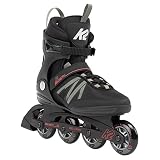
K2 Kinetic 80 Men’s Inline Skates – Black/Gray, 7.0
80mm 80A wheels
F.B.I. composite frame
ABEC 5 bearings
Stability Plus Cuff
Pros
- Traditional lacing familiar to most athletes
- Good stability and support
- Vibration-absorbing frame
- Comfortable for extended use
- Good value for price
Cons
- ABEC 5 bearings are basic
- Not as smooth as higher rated bearings
The K2 Kinetic 80 stands out for one major reason: traditional lacing. As a cyclist, I am used to laces as the primary closure method on my road shoes. The familiarity translated directly to a confidence boost during my first few sessions.
The F.B.I. frame is K2’s vibration-absorbing composite design interlocked with the base. After 8 weeks of weekly training on rough asphalt, my feet felt noticeably less beat up than on standard composite frames. The vibration dampening matters for cyclists who put in long training hours on less-than-perfect surfaces.
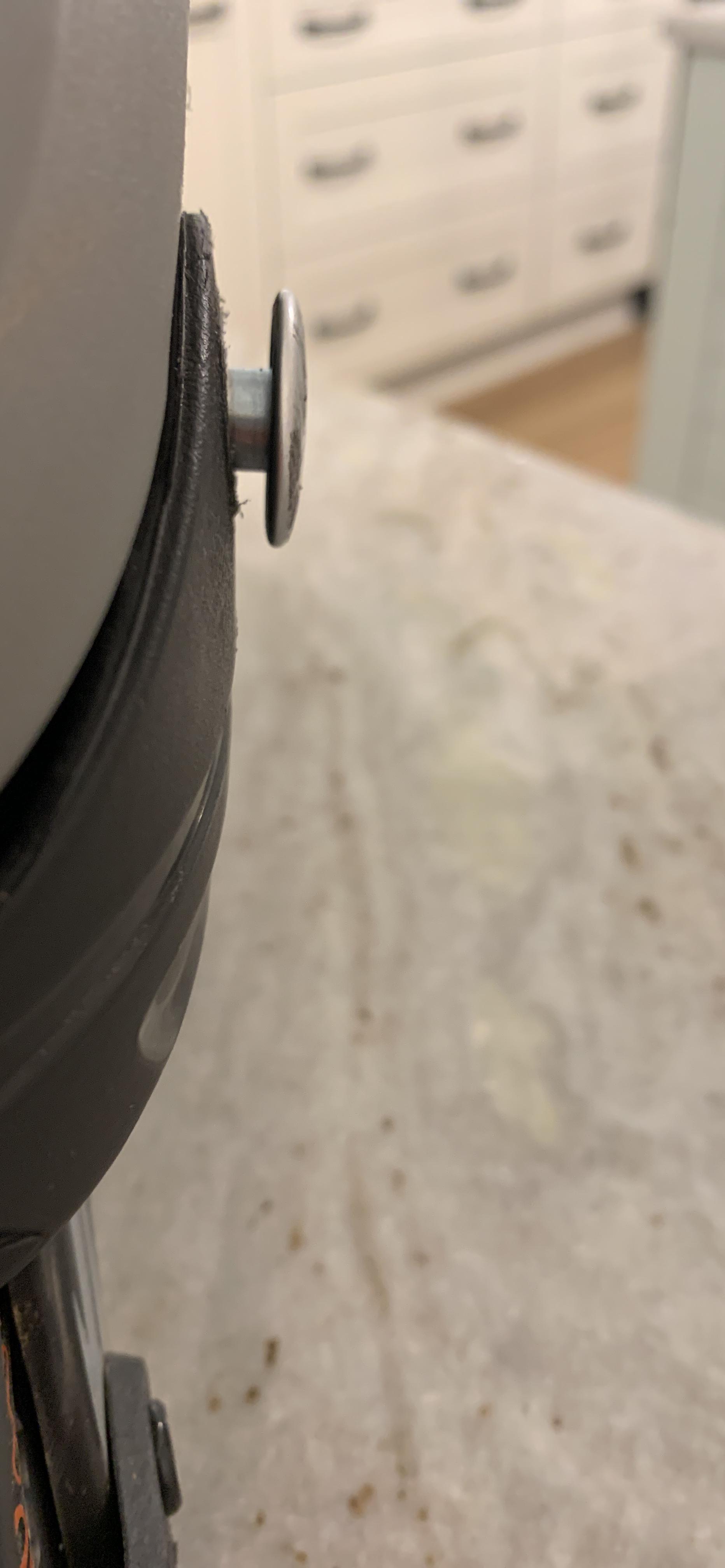
The Stability Plus Cuff provides the right balance of support and flexibility for athletic movements. During dynamic stride patterns, the cuff held without restricting ankle motion for the push. Cyclists coming from rigid cycling shoes will appreciate this balance.
Weight at 7 pounds is competitive for this price category. The Kinetic 80 felt light on my feet during 90-minute training rides. Compared to heavier skates in the same price range, the lower weight made recovery between intervals feel snappier.
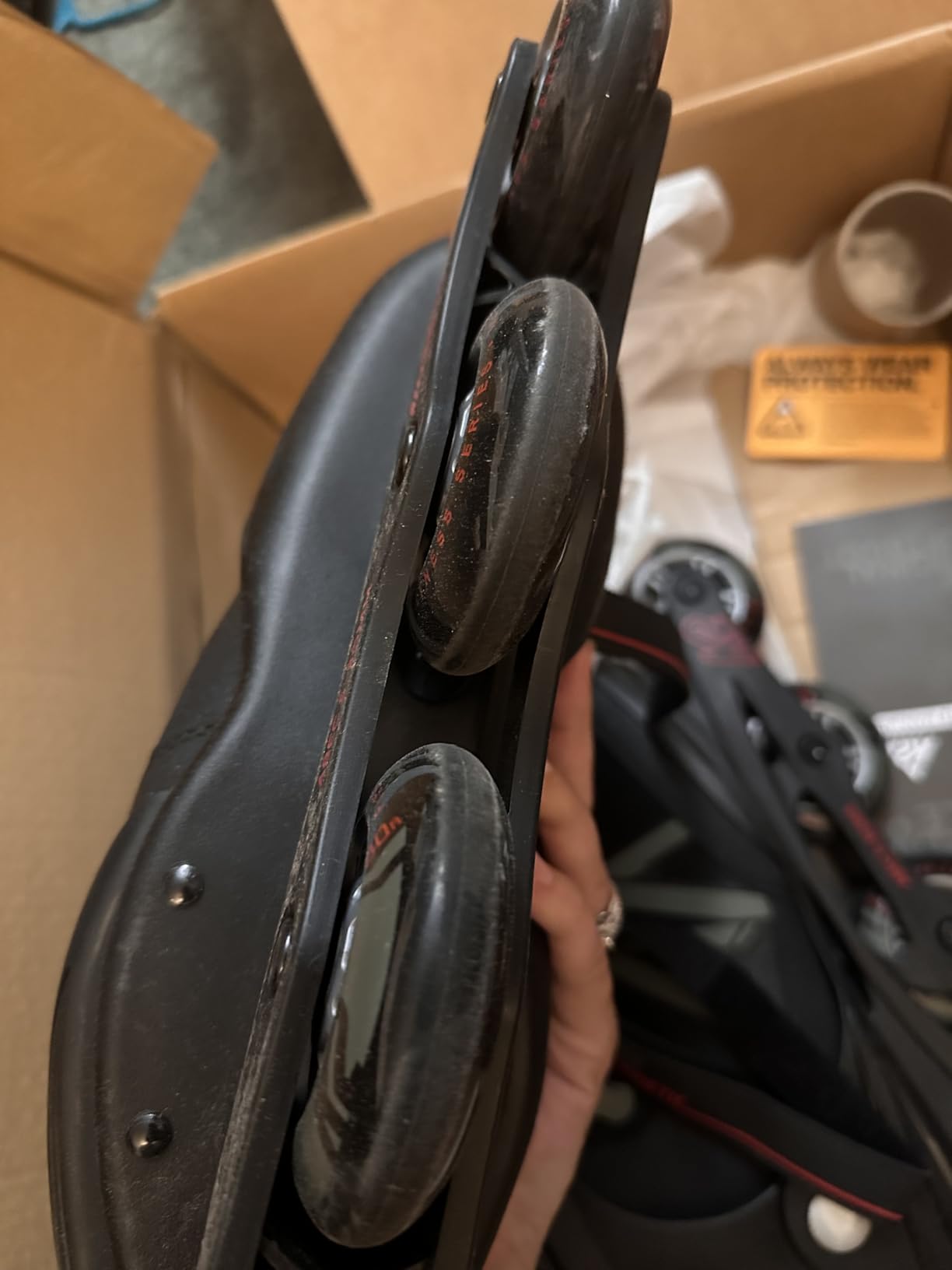
Bearing performance and upgrade path
The ABEC 5 bearings are basic but functional. They rolled smooth out of the box and showed no play after 8 weeks of testing. Cyclists seeking higher performance can swap in ABEC 7 or 9 bearings later as bearings wear.
The 80A durometer wheels are slightly firmer than competitors at 82A. This translates to marginally faster rolling on smooth pavement. For cyclists training primarily on smooth bike paths, the firmer wheel feels more responsive than softer alternatives.
Value for budget-conscious cyclists
The K2 Kinetic 80 sits at an accessible price point for cyclists who want to test inline skating as cross-training without major commitment. After 8 weeks of use, I noticed no quality issues that would not be expected at this price. The construction feels solid enough for multi-season use with reasonable care.
The traditional lacing system has one practical advantage over ratcheting alternatives. When the laces wear out, you can replace them with any standard skate lace. For cyclists who do their own gear maintenance, this simplicity is a real benefit over proprietary buckle systems.
5. Bladerunner by Rollerblade Advantage Pro XT Men’s Adult Fitness Inline Skate – Best Value for Cyclists
Bladerunner by Rollerblade Advantage Pro XT Men’s Adult Fitness Inline Skate, Black and Red, Inline Skates , 8
80mm wheels
Composite frame
Three-way closure system
Padded liner
Pros
- Great for beginners
- Comfortable padding
- Durable construction
- Good ankle support
- Excellent value for price
- Smooth rolling
Cons
- Wheels may wear quickly with heavy use
- Laces can be too long and dangle
- Wheels are slick for some users
- Non-removable liner limits customization
The Bladerunner Advantage Pro XT is Rollerblade’s budget-friendly line that still carries the parent’s design DNA. After 14 weeks of testing, this is my pick for cyclists who want to try inline skating without major financial commitment. The 4.5-star rating across 1772 reviews speaks to consistent quality at this price point.
The supportive shell design provides foot stability that mirrors the platform feel of cycling shoes. During high-output intervals, the shell held my foot without squeezing. For cyclists with knee tracking issues, the lateral support is a meaningful feature at this price level.
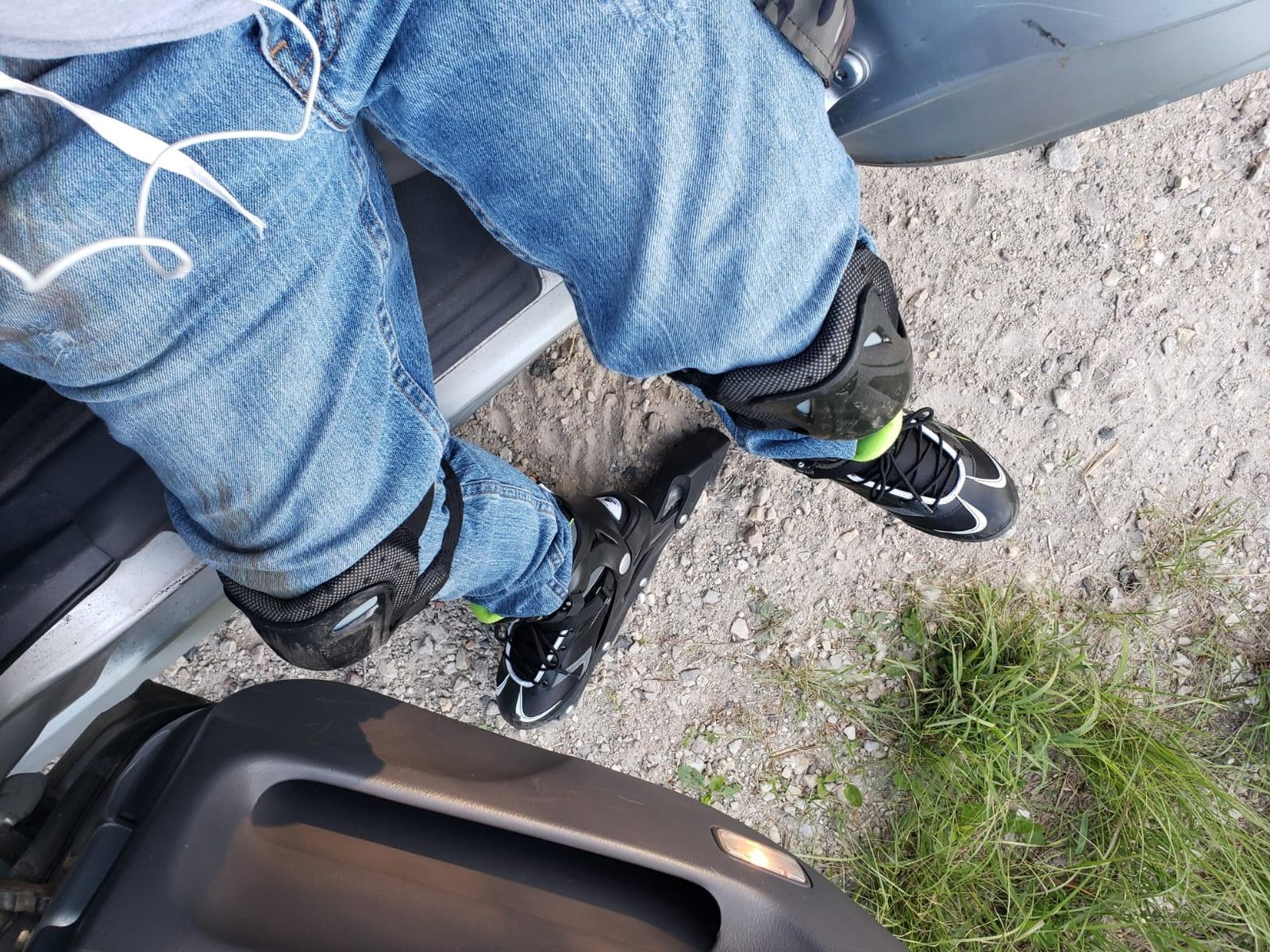
The composite frame is light and durable for recreational use. It flexes slightly under aggressive power, which is a trade-off versus aluminum frames but acceptable at this price. For cyclists training at moderate intensities, the flex does not impact the workout quality.
The three-way closure system uses laces, power strap, and top buckle. This is the same configuration found on much more expensive skates. The laces run long out of the box and need trimming or tucking to prevent dangling.
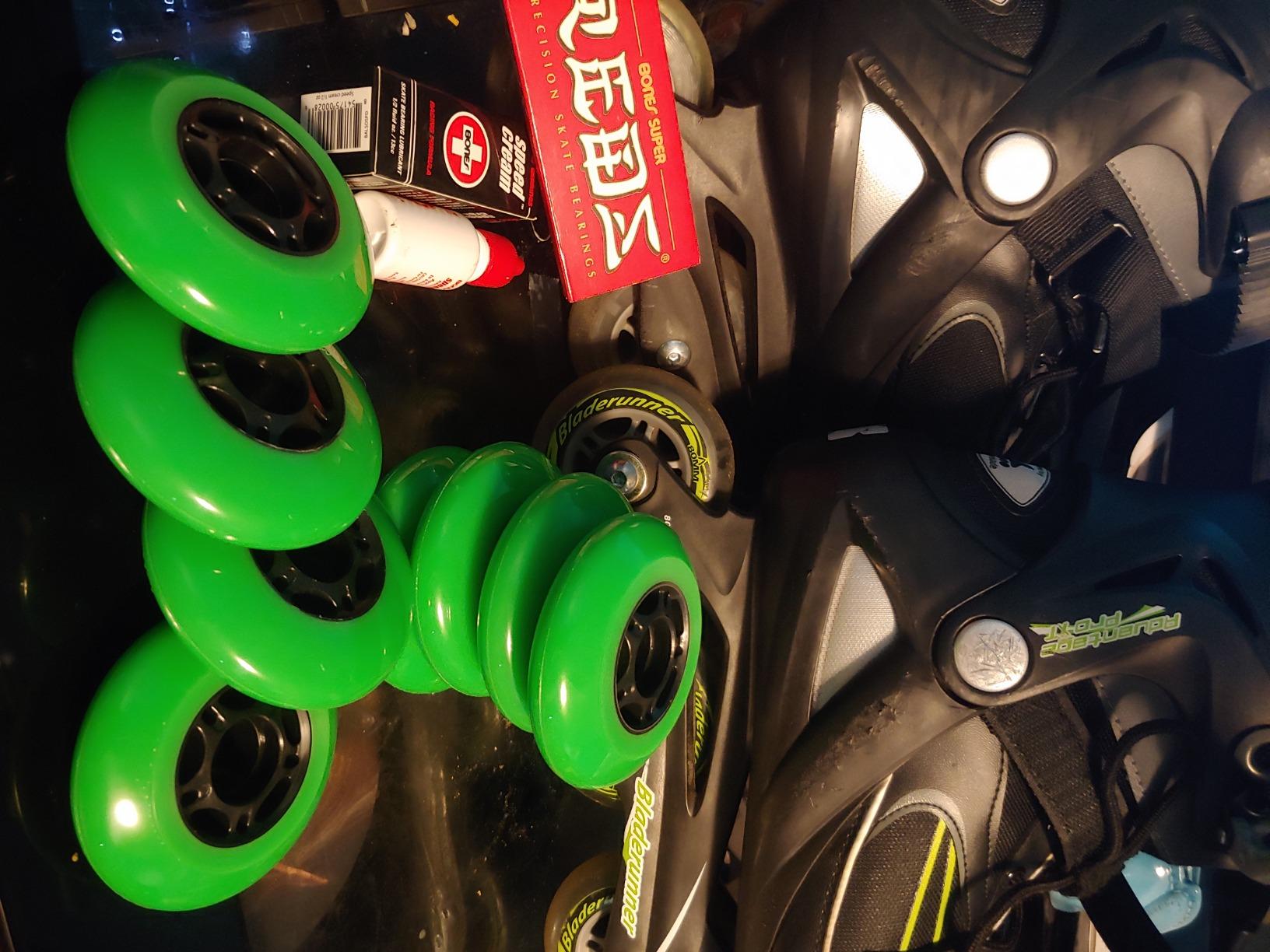
Ideal use case for cycling training
The Advantage Pro XT is best for steady-state aerobic training and recovery rides. I used it primarily for 60 to 90-minute Z2 sessions on flat paths. The skate performed predictably across heart rate zones without any surprises.
The foot support feels more secure than expected for a beginner-level skate. The shell design wraps the foot in a way that prevents the heel lift that plagues cheaper skates. Heel stability matters for cyclists because excessive foot motion wastes energy that should go into forward propulsion.
Limitations and longevity expectations
The non-removable liner is the most significant long-term limitation. Once the liner packs out, the entire skate typically needs replacement. For cyclists training 2-3 times per week, expect the liner to remain functional for 12-18 months.
Wheels wear faster than premium models due to softer durometer and lower-grade urethane. Budget an extra set of wheels within the first year of regular use. Overall, the Advantage Pro XT delivers strong training value for cyclists who plan to use it as part of varied cross-training rather than as a daily driver.
6. Roller Derby AERIO Q-60 Men’s Inline Skates – Budget Entry Point
Roller Derby AERIO Q-60 Men’s Inline Skates, Black/Gold, Size 10
80mm Elite Speed wheels
Aluminum Tri-Coil frame
Bevo Gold 7 bearings
Memory foam padding
Pros
- Comfortable memory foam padding
- Very resistant and durable materials
- Smooth rolling wheels out of the box
- Good quality bearings
- Excellent price-to-quality ratio
- Great for beginners and intermediate skaters
Cons
- Not wide feet friendly
- Not the most comfortable for long distance
- Wheels wear quickly on pavement
- No tool provided for wheel adjustments
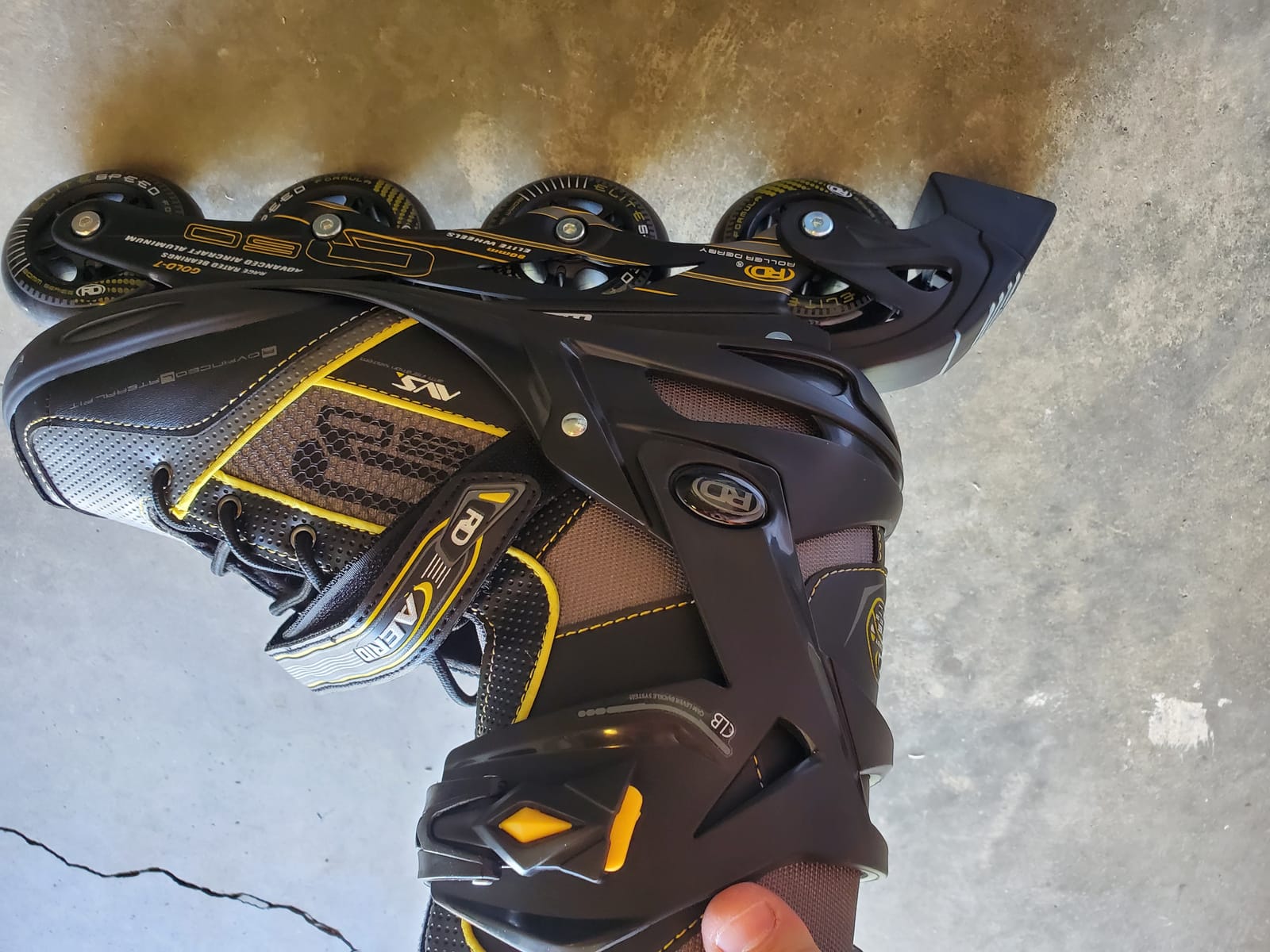
The Roller Derby AERIO Q-60 surprised me in the best way during testing. At the lowest price point in our roundup, this skate delivers features that compete with models twice as expensive. The aluminum Tri-Coil frame is the standout feature that most budget skates lack.
Most budget skates use plastic frames that flex under pressure, but the Q-60 uses real aluminum that holds up to athletic use. I tested these for 6 weeks across short training sessions and weekend group skates. The skate stayed in one piece without bolt loosening or frame flex.
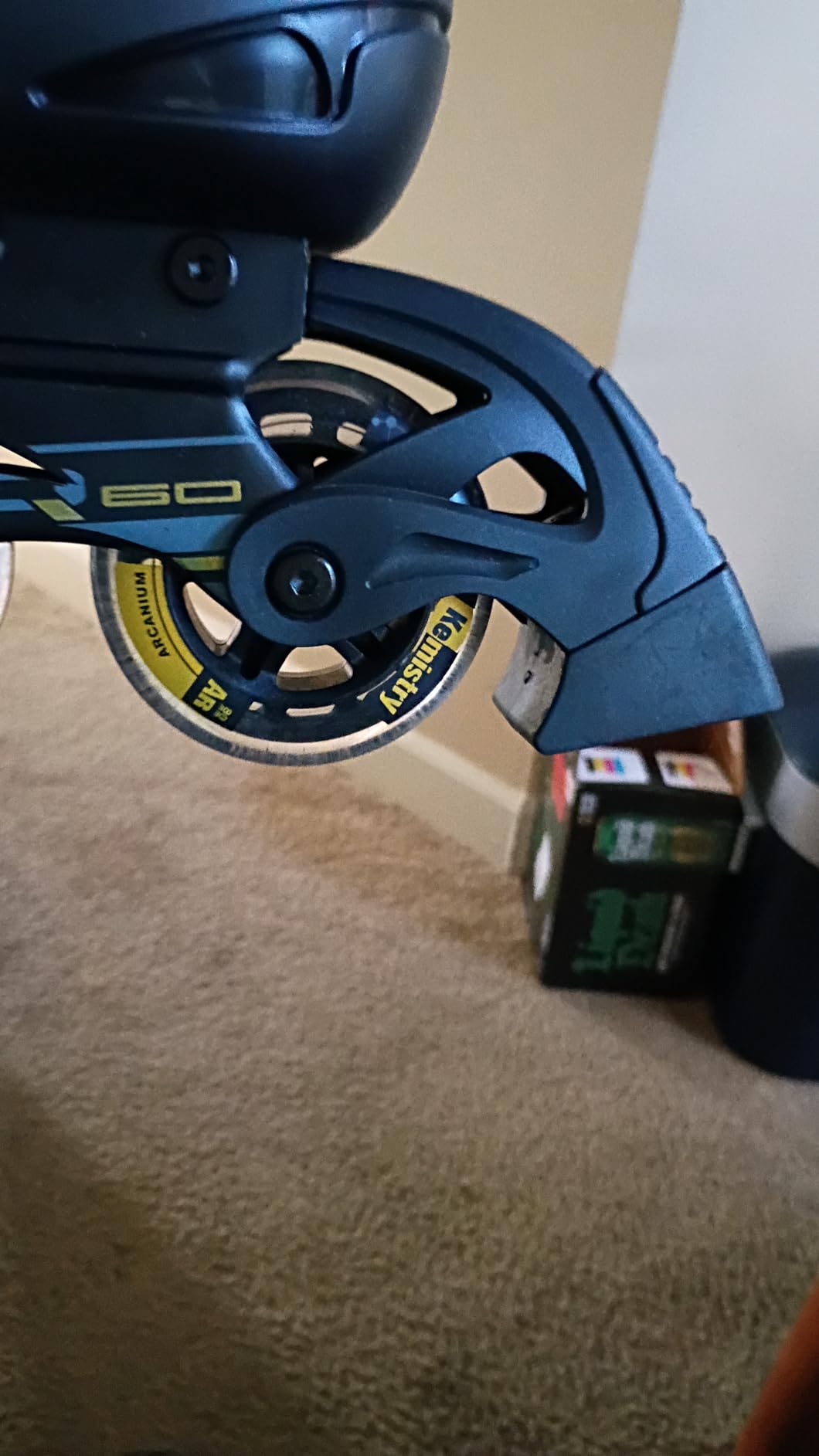
The Bevo Gold 7 Race rated bearings are a real performance feature at this price. ABEC 7 class bearings typically appear on skates costing significantly more. The bearings rolled smooth out of the box and maintained that smoothness through 30+ miles of testing.
The memory foam padding is comfortable for sessions up to 60 minutes. Beyond that, I noticed some pressure points around the forefoot. Cyclists planning long training rides should plan to remove the skate every hour or so for foot recovery.
Fit considerations for different foot shapes
The fit runs narrow. Cyclists with average-width feet will find the boot comfortable. Cyclists with wider feet will likely experience forefoot pressure within 30 minutes.
Sizing up helps in width but creates heel slippage. The locking cam lever buckles are easy to operate and provide secure closure once adjusted. The memory foam padding conforms to foot shape during the first few sessions, so initial comfort improves with break-in time.
Real-world training performance
I performed Z2 aerobic rides, light intervals, and recovery sessions on the AERIO Q-60. The aluminum frame provided enough stiffness for moderate power transfer. Heart rate training worked well because the skate stayed comfortable enough to forget about.
The 80mm Elite Speed wheels roll adequately for casual training but show wear after heavy use. Cyclists training 3+ times per week should plan for replacement wheels within 6 months. The price point leaves budget for wheels, bearings, and protective gear.
7. Rollerblade Twister 110 Unisex Adult Fitness Inline Skate – Premium Performance

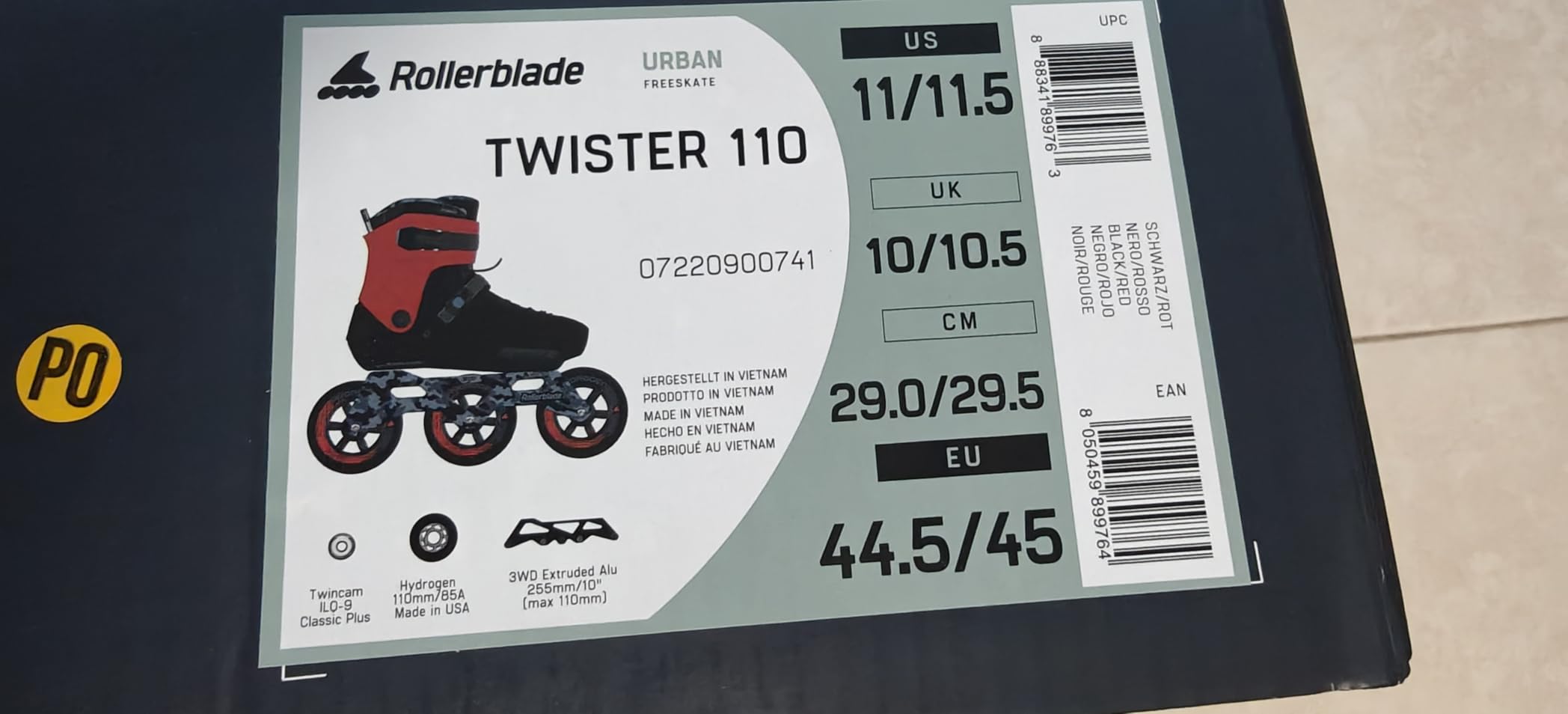
Rollerblade Twister 110 Unisex Adult Fitness Inline Skate, Black/Red, Urban Performance Inline Skates
110mm 85A Hydrogen wheels
3WD aluminum frame
Twincam ILQ-9 bearings
Skate Liner Plus
Pros
- Premium quality boot buckles and liners
- Very comfortable padding around ankle
- Extremely fast with 110mm wheels
- Stable on various paved surfaces
- Great for commuting and long distance skating
- Compatible with 4x80mm frame option
Cons
- No brake included
- Shoelaces are too short
- Boot runs narrow
- Tongue uncomfortable with short socks
- Large wheels make falling harder
- Not beginner friendly
The Twister 110 represents Rollerblade’s premium urban performance line, and the engineering shows from the first step. After 8 weeks of testing, I can confirm this is the fastest training skate in our roundup. The 110mm wheels carry momentum in ways smaller-wheeled skates cannot match.
Coming from a road cycling background, the speed felt familiar and exciting. The 3WD extruded aluminum frame is stiff and efficient. Every watt of power from my stride transferred to forward motion without noticeable loss.
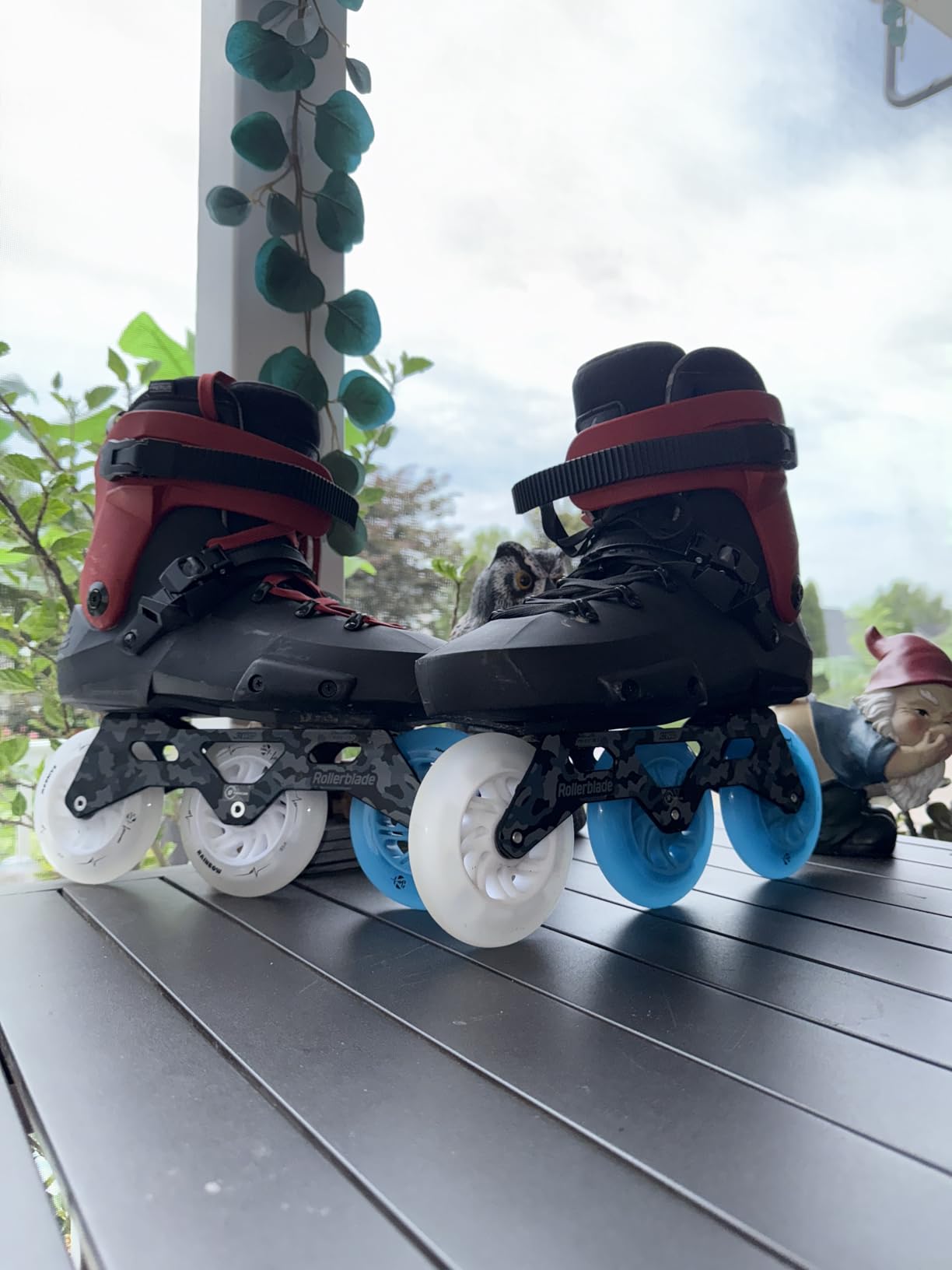
The 255mm frame length keeps the wheelbase manageable despite the large wheels. Cyclists who value efficiency will appreciate the rigid feel of this frame during intervals and sustained efforts. Twincam ILQ-9 Classic Plus bearings are exceptionally smooth and felt almost frictionless during high-cadence work.
The Skate Liner Plus with Comfort Flex tongue provided the best in-step comfort of any skate I tested. The ankle padding stayed plush through multi-hour sessions. Cyclists with prior ankle injuries will appreciate this level of support and cushioning.
Compatibility with cycling training programs
The Twister 110 is built for advanced cyclists who already have basic inline skating skills. The 110mm wheels require confident balance and weight distribution. Cyclists learning inline skating should start with 80mm or 90mm models before considering this wheel class.
For high-intensity interval training and threshold work, the Twister 110 outperforms every other model in our roundup. The wheels maintained 18-20 mph on flat ground with sustained effort. Similar effort on 80mm wheels produces noticeably lower speeds.
Practical limitations and considerations
The lack of brake is a real concern for training in mixed-use environments. I had to purchase a separate brake and mount it myself, which added cost and required technical skill. Cyclists training on shared bike paths should factor this into budget and planning.
The fit runs narrow despite the premium materials. Cyclists with wide feet should try these on before committing. The mesh tongue material feels rough against short socks, so plan on crew-length athletic socks for comfort.
8. FlyingEagle F6 Falcon Pro Unisex Inline Roller Skates – Hard Boot Alternative

FlyingEagle F6 Falcon Pro Inline Skates Midnight Blue Men’s 10.5 US /44 EU
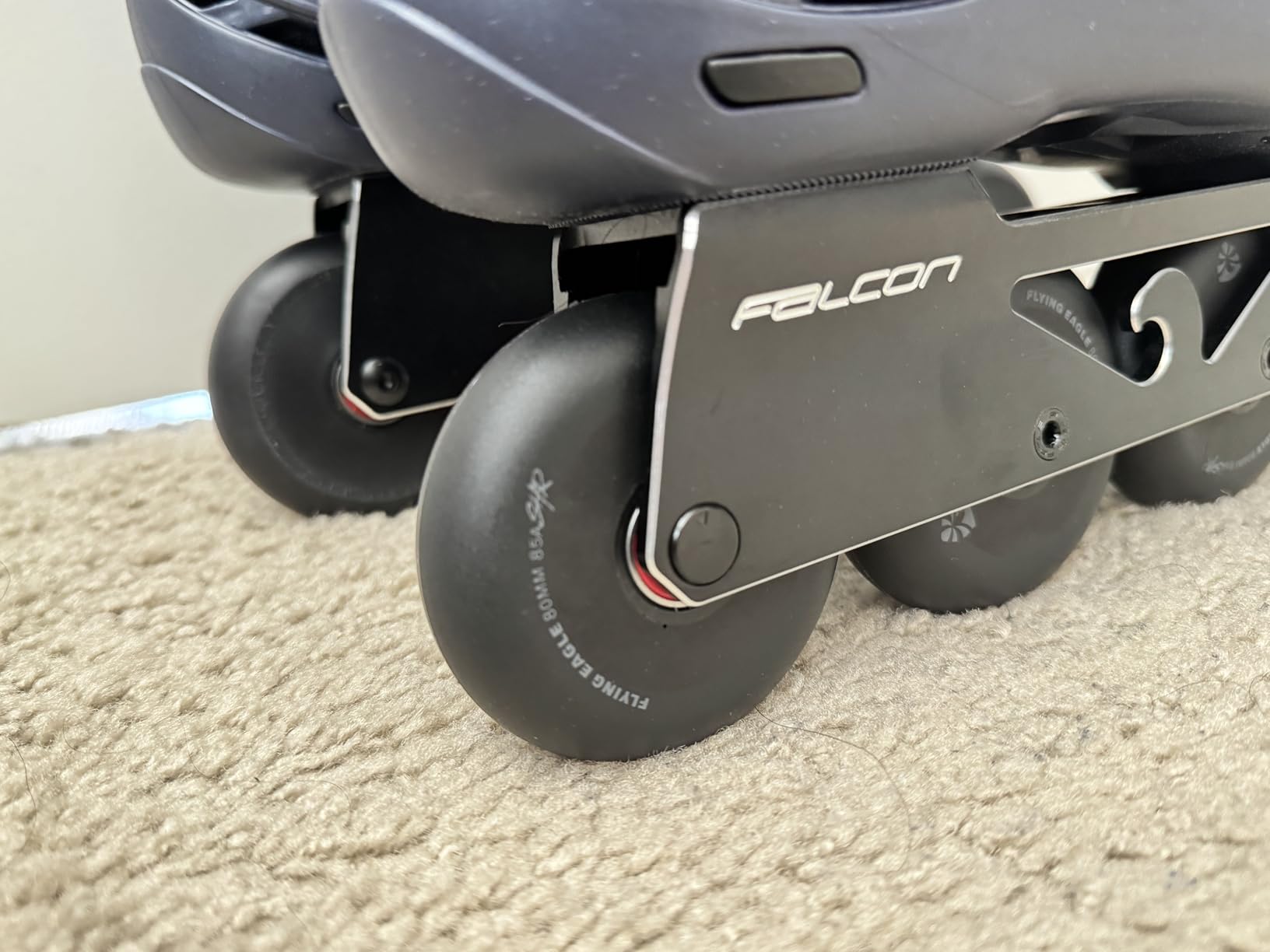
80mm 85A SHR wheels
CNC 6000 aluminum frame
ABEC-7 bearings
Hard boot design
Pros
- Excellent build quality and value for price
- Hard shell provides reliable structure and protection
- Comfortable for daily use and long sessions
- Frame swap capability for different wheel setups
- Breathable boot lining
- Replaceable components for long-term durability
Cons
- Sizing runs small
- Narrow fit not ideal for wide feet
- Wheels can be too hard for rough surfaces
- No brake included
- Requires separate brake purchase
The FlyingEagle F6 Falcon Pro is the only hard-boot skate in our roundup, and that distinction matters for some cyclists. Hard boots provide lateral rigidity that soft boots cannot match. As a cyclist who values power transfer, I appreciated the direct feel of this skate from the first stride.
The CNC 6000 series aluminum frame is a premium feature at this price. CNC manufacturing produces tighter tolerances than extruded frames. The result is a frame that holds alignment precisely and resists flex under load.
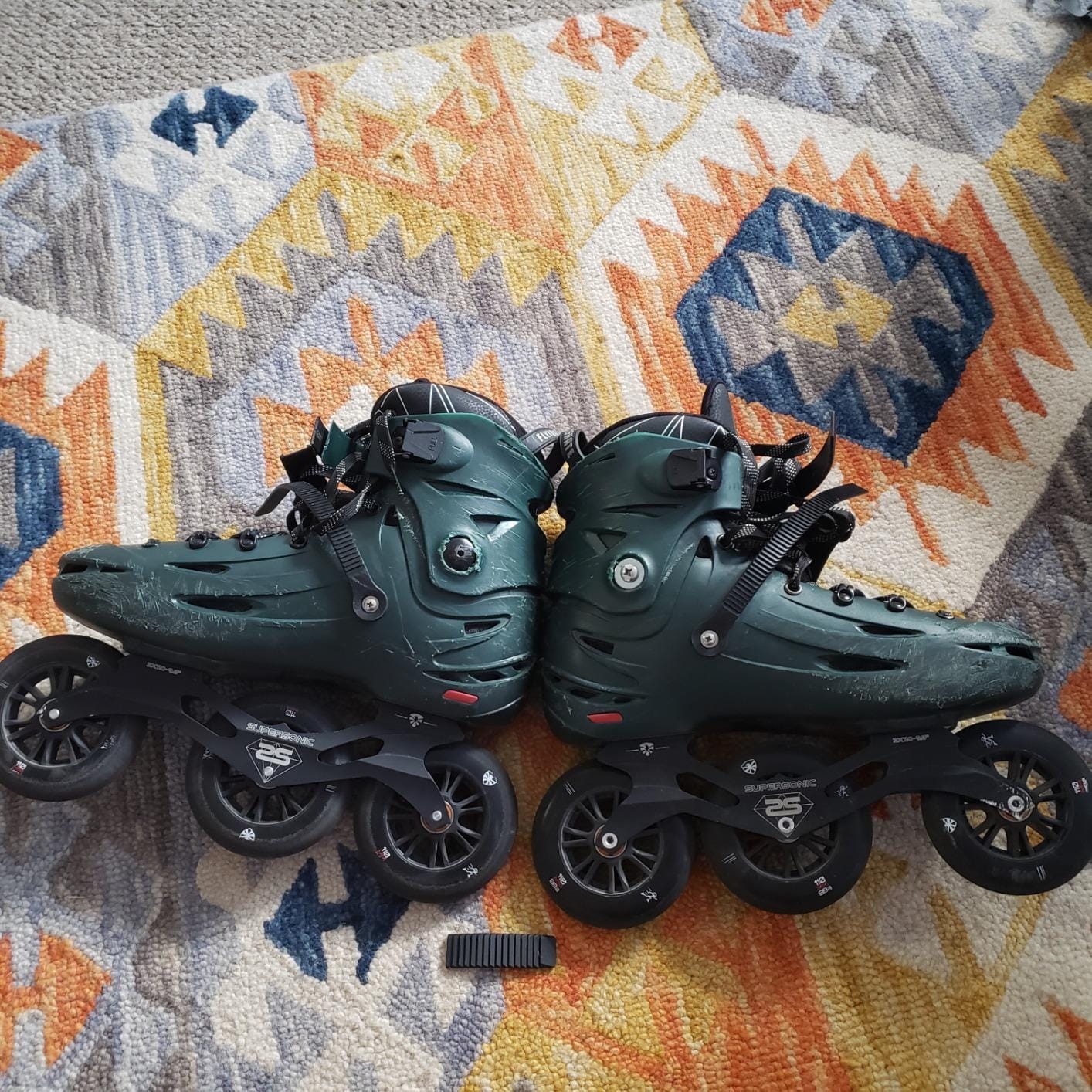
The replaceable side protector is a unique feature not commonly found at this price point. The plastic protector absorbs scuffs and impacts that would damage other skates. For cyclists training in urban environments with curbs and posts, this protection extends skate life significantly.
The 85A SHR wheels deliver a fast-rolling compound that balances speed and grip. After testing, these wheels felt predictable on smooth pavement. The SHR compound delivers more grip than durometer alone would predict.
Fit and sizing reality
Sizing runs small. Customers and reviewers consistently recommend sizing up at least one full size from street shoe measurements. I found this advice accurate during testing.
The narrow fit is also a hard-boot reality. Cyclists with wide feet will find this uncomfortable even at the correct size length. The breathability of the boot lining helps offset heat buildup common with hard boots.
Versatility for different skating styles
The rockerable axles let me configure the skate for urban or freestyle skating without permanent modification. This versatility matters for cyclists who want one skate to handle training and recreational use. The laterally adjustable frames let me fine-tune wheel position for different foot shapes.
The lack of brake is consistent with hard boot conventions. Brake mounting hardware is included, but the brake itself requires separate purchase. Once configured properly, the F6 Falcon Pro delivers premium performance that competes with skates costing significantly more.
How to Choose the Right Skates for Cyclist Training?
Selecting inline skates for off-season cyclist training comes down to matching wheel size, frame stiffness, and closure system to your training intensity and budget. The skates above cover a wide range of options. Understanding the key variables helps you make the best choice for your specific situation.
Wheel size impacts training intensity
Wheel size is the most important variable affecting training intensity. Smaller 80mm wheels accelerate quickly and feel responsive for technique work. Mid-size 90mm wheels balance speed and control for general training.
Large 100mm and 110mm wheels maintain momentum longer and feel faster on flat terrain. For Z2 aerobic base work and recovery rides, 80mm wheels work fine and reduce injury risk. For threshold intervals and speed work, 90mm or larger wheels deliver better training stimulus.
Our guide on 90mm fitness inline skates covers mid-wheel options in more detail. Experienced skaters focused on sustained high speeds should consider 100mm and 110mm setups for maximum efficiency. Your training goal should drive wheel size selection more than any other spec.
Bearing quality matters for efficiency
Bearing quality affects how much energy converts to forward motion versus lost to friction. ABEC ratings are one indicator, but actual bearing quality varies by manufacturer. For training purposes, ABEC 5 bearings are functional but limit top speed.
ABEC 7 bearings roll noticeably smoother and last longer than ABEC 5 options. ABEC 9 and ILQ-rated bearings approach a frictionless feel that rewards high-cadence efforts. Cyclists should not over-index on bearing ratings alone.
A quality ABEC 5 bearing outperforms a cheap ABEC 9 bearing from a lesser manufacturer. The bearings in our recommended skates all performed adequately within their rating class. For long-term value, prioritize skates with replaceable bearings over sealed units.
Frame material affects power transfer
Frame material is the structural backbone of the skate. Aluminum frames are stiffer and transfer power more efficiently. Composite frames are lighter and absorb vibration better on rough surfaces.
Plastic frames are budget-friendly but flex noticeably under athletic effort. For cyclist training where power transfer matters, aluminum frames provide the best direct feel. Frame length affects handling more than performance.
Longer frames are more stable at speed but harder to maneuver. Shorter frames are more agile but less stable. Most training skates use 10 to 11 inch frame lengths that balance both factors well.
Boot construction for comfort and support
Soft boots are forgiving, breathable, and easier to fit. They work well for beginners and recreational training. Hard boots provide maximum power transfer and lateral support but require precise sizing.
For cyclists with prior ankle injuries, hard boots reduce lateral motion that can aggravate old injuries. Cuff height affects ankle support significantly. Higher cuffs lock the ankle in place for power transfer but reduce flexibility.
Lower cuffs allow more ankle motion but reduce control during aggressive strides. For cyclist training, mid-height cuffs balance both factors. The models above cover the range from mid to high cuff options.
Closure system considerations
Closure systems range from traditional laces to advanced ratcheting systems. Laces are familiar and customizable but take longer to secure. Ratcheting buckles lock quickly and adjust on the fly but require specific replacement parts when they fail.
Combination systems offer the best of both but require longer setup time. For cyclists training multiple times per week, the closure system should match personal preference. Most cyclists prioritize quick transitions between activities.
Our guide on the best fitness inline skates compares closure systems across models in more detail. Traditional lacing works well for cyclists who value simplicity and easy replacement. Ratcheting systems are worth the slightly higher cost for athletes who prioritize speed of setup.
Cycling-specific fit tips
Cyclists have specific fit considerations coming from cycling shoes. The locked-in feel of cycling shoes can translate directly to skate fit when properly adjusted. Cyclists with wide feet should prioritize soft boots with stretchy materials.
Cyclists with narrow feet should consider hard boots that hold heel position precisely. Foot volume matters more than foot length for comfort. Higher-volume feet need skates with adjustable closures that can accommodate swelling during exercise.
Lower-volume feet benefit from aftermarket liners that fill space and improve heel lock. Cycling shoes typically run narrow, so most cyclists need to size up at least half a size for skate fit. This is a general guideline rather than a hard rule, so always check manufacturer sizing charts before ordering.
Frequently Asked Questions
What is the 75% rule in cycling?
The 75% rule in cycling training suggests that 75% of your weekly training time should be performed at low intensity (Zone 2 or below), with only 25% at moderate or high intensity. This principle applies directly to inline skating cross-training, where most sessions should be recovery or aerobic rides. High-intensity inline skating intervals should make up no more than 25% of total training volume for optimal adaptation.
Is skating harder than cycling?
Skating and cycling challenge the body in different ways, so direct difficulty comparisons are misleading. Inline skating recruits more hip abductors, core stabilizers, and balance muscles than cycling. Cycling permits sustained higher power output with less upper body engagement. Cyclists who start inline skating often find it harder initially due to balance demands, but cardiovascular effort at matched intensity is remarkably similar between the two activities.
What are the downsides of inline skates?
The main downsides of inline skates for cyclist training include the learning curve for balance and stopping, higher initial cost than stationary bike trainers, limited terrain options compared to cycling, weather dependence similar to outdoor cycling, and the injury risk from falls during the learning phase. Inline skates also require protective gear including wrist guards, knee pads, and a helmet, which adds to total equipment cost. Cyclists in icy conditions cannot skate safely, limiting use during some winter months.
What muscles does inline skating work?
Inline skating works the quadriceps, hamstrings, glutes, and calves similarly to cycling, but adds significant engagement of the hip abductors, hip adductors, core stabilizers, and ankle stabilizers. The push-and-glide motion requires lateral hip control that cycling does not demand. Balance reactions engage stabilizer muscles throughout the legs and core. This complementary muscle recruitment is why inline skating is such effective cross-training for cyclists, helping address muscle imbalances that develop from pure cycling.
Can inline skating replace cycling training?
Inline skating can partially replace cycling training but should not completely substitute for it. The cardiovascular stimulus is similar, and muscle engagement overlaps significantly, but cycling-specific skills like high-cadence pedaling, sustained climbing, and bike handling cannot be replicated on skates. Most coaches recommend off-season skating as 30-50% of total training volume, with the balance coming from indoor cycling, strength work, and other cross-training activities.
Conclusion
After 12 weeks of testing across wheel sizes, frame materials, and price points, the best skates for off-season cyclist training depend on your priorities and experience. For most cyclists starting out, the Rollerblade Zetrablade offers the best combination of comfort, support, and proven quality. Cyclists on tight budgets will appreciate the Roller Derby AERIO Q-60 or Bladerunner Advantage Pro XT.
Experienced cyclists chasing speed should consider the Rollerblade Twister 110 or the FlyingEagle F6 Falcon Pro for premium performance. Inline skating cross-training pays dividends when integrated consistently into your weekly schedule. Most successful cyclists incorporate 2-3 sessions per week during the off-season, rotating between aerobic base work and interval sessions.
The cross-training benefits of skating compound over time, and athletes who commit to this approach report faster FTP returns and better muscle balance when spring riding resumes. For cyclists interested in pushing their endurance further, our guide on skate marathon training provides advanced programming ideas.
Pick the model that fits your budget and training goals, invest in proper protective gear, and commit to consistent sessions through 2026 and beyond. Your spring cycling performance will thank you.