
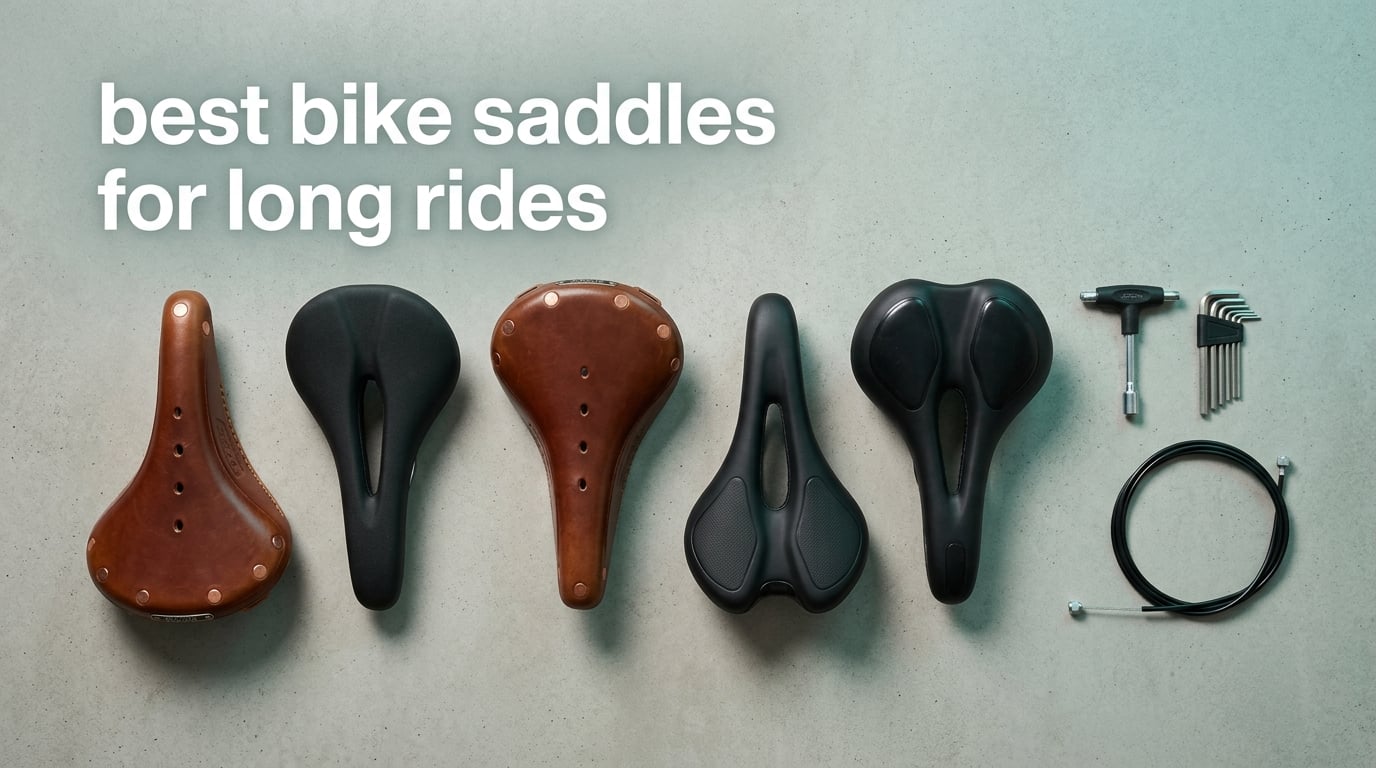
The best bike saddle for long rides is one that carries your weight on your sit bones and takes pressure off the perineum. Our top pick, the Wittkop 5-Zone Waterproof Saddle, does that with a wide rear platform and a central cut-out. Riders who want a saddle that moulds to them for thousands of miles should look at the Brooks England B17, and anyone on a gravel bike gets the most sizing help from the WTB Volt, which comes in narrow, medium and wide sit bone widths.
Most saddle pain after ninety minutes is not a fitness problem and it is not a padding problem. It is a fit problem, and the fix usually costs nothing. Measure your sit bones and check your saddle tilt before you buy anything, because adjusting the saddle you already own resolves more discomfort than most upgrades do.
We reviewed ten saddles spanning sprung leather touring seats, foam cruisers, split-lobe gel designs and short-nose road shapes. Each has a named award, published dimensions where the manufacturer gives them, and an honest note on who it does not suit.
Our broader kit picks sit in our guides to the best bike lights and the best bike helmets for commuting, which matter as much as the saddle past the two hour mark.
Table of Contents
Top 3 Long-Ride Saddle Picks for October 2026
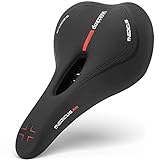
Wittkop 5-Zone Waterproof…
- Wide rear sit bone platform
- Central pressure cut-out
- Waterproof cover
- No break-in needed

Brooks England B17 Leather
- Full-grain leather
- 275mm by 175mm platform
- Steel rails
- 150kg capacity
The 10 Best Bike Saddles for Long Rides at a Glance for October 2026
Every saddle below has a specific job. The award tells you which riding style it was built for, and the fit notes tell you whether it is likely to suit your sit bones at all.
| Product | Specs | Action |
|---|---|---|
| Wittkop 5-Zone Waterproof Saddle |
|
Check Latest Price |
| Brooks England B17 Leather Saddle |
|
Check Latest Price |
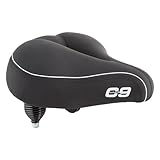 Cloud-9 Cruiser Select Ariflow CS Cloud-9 Cruiser Select Ariflow CS |
|
Check Latest Price |
 Selle Italia Sport Gel Flow Selle Italia Sport Gel Flow |
|
Check Latest Price |
| WTB Volt Bike Saddle |
|
Check Latest Price |
 Fizik Tempo Argo R5 Fizik Tempo Argo R5 |
|
Check Latest Price |
 Brooks England Flyer Brooks England Flyer |
|
Check Latest Price |
 Brooks England B67 Brooks England B67 |
|
Check Latest Price |
 Serfas RX Saddle Serfas RX Saddle |
|
Check Latest Price |
 BELL Comfort Wide Cruiser Seat BELL Comfort Wide Cruiser Seat |
|
Check Latest Price |
1. Wittkop 5-Zone Waterproof Saddle – Best Overall Value
Wittkop Bike Seat, Waterproof Bicycle Saddle for Comfort, Mountain & Road Biking, Wide Bike Seats for Men & Women, BMX, MTB, Bike Seat Comfort, Waterproof Bike Saddle with Innovative 5-Zone-Concept
Memory foam pad
Waterproof cover
6.7 inch wide platform
Fits road, MTB and BMX
Pros
- Wide rear support carries sit bones well on long rides
- Central cut-out relieves perineal pressure
- Three shape variants including a touring option
- No break-in needed
Cons
- Memory foam is on the stiff side for some riders
- Short rails limit fore-aft setback and tilt adjustment
- Thin cover can tear if the bike drops
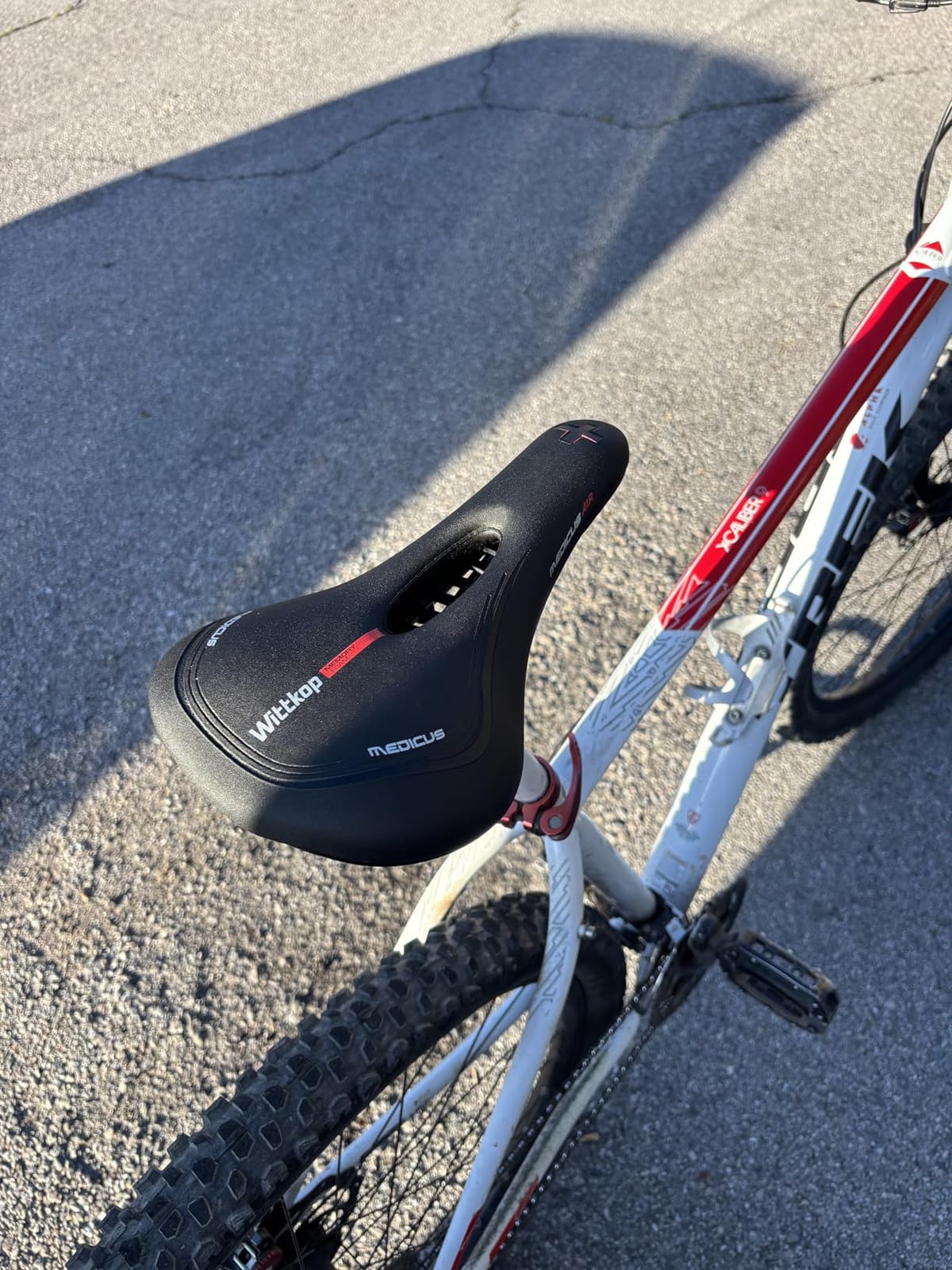
This is the saddle we kept returning to because it does the two things that matter without any adjustment period. The rear platform is wide enough that both sit bones land on padding rather than the shell, and the central cut-out clears the perineum for the whole ride. On a hundred mile day that is the difference between a saddle you forget and one you think about hourly.
What surprised us was how little break-in it needs. Leather saddles ask you to ride through discomfort for weeks before they pay off. This one arrives comfortable, which makes it a safer recommendation for anyone who has given up on saddles before.
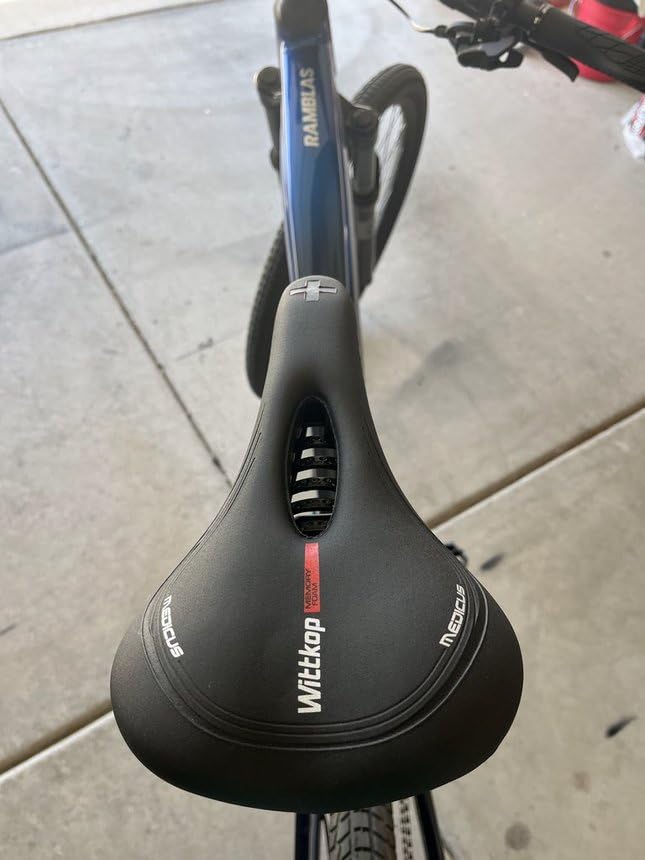
Listed dimensions are 10.8 inches long by 6.7 inches wide, with a foam outer material and a memory foam pad. City, Touring and MTB variants matter because the narrower shapes suit a forward position while the touring shape adds rear platform.
The honest limitation is the rail system. Short rails restrict fore-aft setback and make tilt changes harder, so this is a poor choice if your pain comes from a fore-aft setup problem you cannot adjust around.
Who the Wittkop 5-Zone works for
The rider who has measured their sit bones, sits in a medium-to-wide range, and wants relief without a fitting appointment. It is equally a good first upgrade for a commuter, because the waterproof cover handles rain and the cut-out handles numbness.
It is the most sensible pick for anyone who wants long-ride comfort without a leather commitment: no proofide routine, no conditioning, no risk of returning it during a sore first month.
Who should skip the Wittkop 5-Zone
Riders in an aggressive forward road position may find the shape and short rails limiting, and the narrower variants push you toward that position. Riders who prefer very plush padding describe the memory foam as firmer than expected.
The textured cover also grips ordinary trousers more than slick cycling shorts, which matters if you commute in everyday clothes rather than bibs.
2. Brooks England B17 Leather Saddle – Best Long-Term Investment
Brooks England B17, Supremely Comfortable Handmade Leather Bike Saddle, Black, One Size
Full-grain leather
275mm long by 175mm wide
580g claimed
150kg capacity
Pros
- Leather moulds to sit bones and improves with mileage
- 175mm platform supports upright and touring positions
- Steel rails and hardware built for years
- Handles gravel and rough surfaces
Cons
- Rock solid out of the box and needs a real break-in
- Ongoing proofide treatment and cover upkeep
- Poor match for low forward road positions
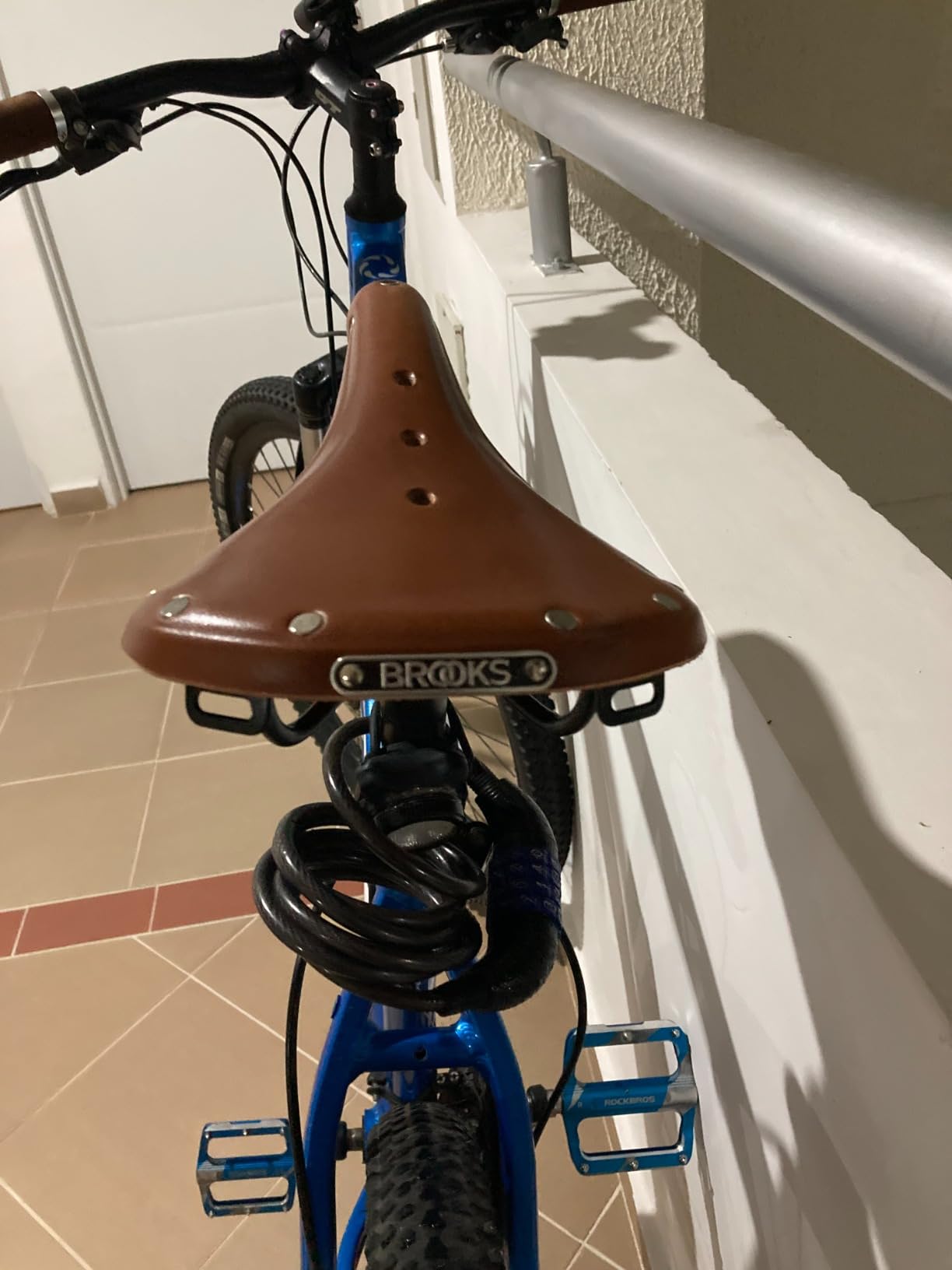
The B17 is the highest rated saddle here at 4.7 across more than 3200 reviews, and the reason is time. Full-grain leather forms a genuine impression of your sit bones over the first few hundred kilometres and keeps that shape. Owners describe an investment that starts rigid and becomes a custom fit.
At 275mm long and 175mm wide it is a properly generous platform, which is what makes it work for upright riders and wider pelvises. Weight capacity is listed at 150kg, the shell is full-grain leather on steel rails, and the warranty runs two years.
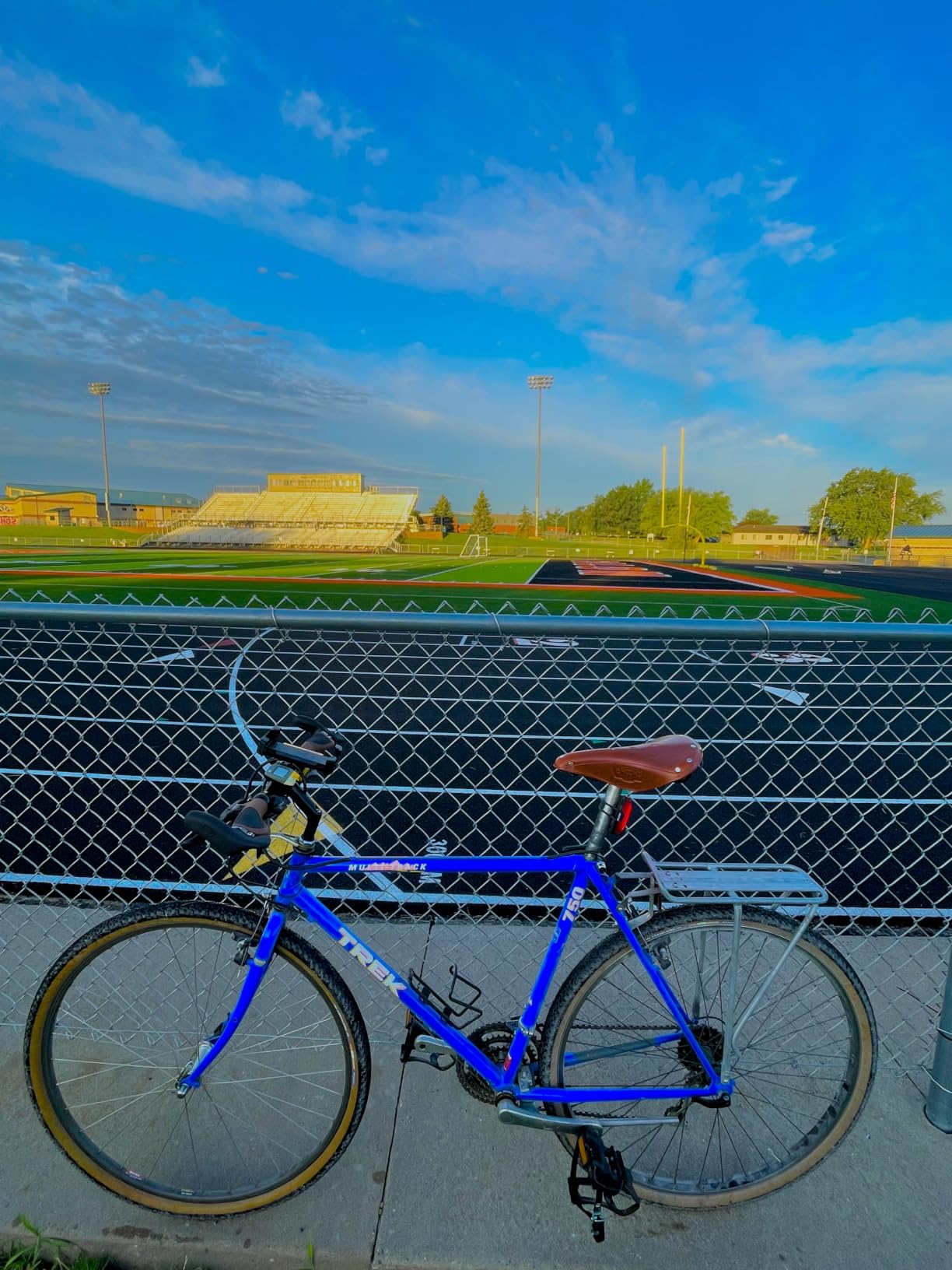
The break-in is where people get it wrong. Riders who abandon leather right before it moulds are the most common story in the reviews, and the fix is expectation rather than endurance. Ride it three or four times a week for a month and the complaints stop.
Maintenance is the other commitment. Proofide treatment keeps the leather supple, and many owners add a cover for winter. In exchange you get hardware built for years and a saddle that handles gravel without complaint.
Who the Brooks B17 works for
The rider who wants one saddle for the next decade rather than the next two years. Touring and gravel riders, and anyone tired of re-buying fit gear each season, will get more from it than from any foam saddle, because the leather improves with mileage.
It is also the safest width choice here. At 175mm it is the widest platform we reviewed, and riders with wider pelvises report it removes the sore sit bone feeling narrower saddles produce over ultra-endurance days.
Who should skip the Brooks B17
Do not buy it for an aggressive forward-leaning road position. Some riders find the nose uncomfortable when stretched out, and a wide platform restricts thigh movement there. If your pain is perineal numbness on a drops bike, a short-nose cut-out design will serve you better.
It is also wrong for anyone who wants comfort on the first ride. If you are three hours into saddle discomfort and want it fixed this weekend, a no-break-in foam saddle gets you riding sooner.
3. Cloud-9 Cruiser Select Ariflow CS – Best for Cruise and E-Bike
Cloud-9 Cruiser Select Saddle, 10.5″ x 10.75″, Black Soft Touch Vinyl
10.5 by 10.75 inch platform
Memory foam with coil springs
3.2 pounds
250 pound capacity
Pros
- Very wide platform spreads weight over a large area
- Coil springs and elastomer suspension absorb road vibration
- Vented anatomic cut-out relieves perineum and sciatic pressure
- Deep multi-stage memory foam softens rough pavement
Cons
- Very heavy at over 3 pounds
- Bulky shape feels boat-like on sporty bikes
- Vinyl cover runs hot and slippery when wet
If your long rides are upright and slow rather than fast, this is the shape that matches your position. The 10.5 by 10.75 inch platform means your sit bones and much of your pelvic area are supported, not just two bony points. Buyers frame it as a comfort-first cruiser seat that eliminates numbness on long recreational rides.
For e-bike riders it is close to ideal, because the motor lets you ride all day upright where a narrow saddle would be miserable. Steel rails, elastomer suspension and coil springs take the edge off rough pavement, and the multi-stage memory foam is genuinely deep.
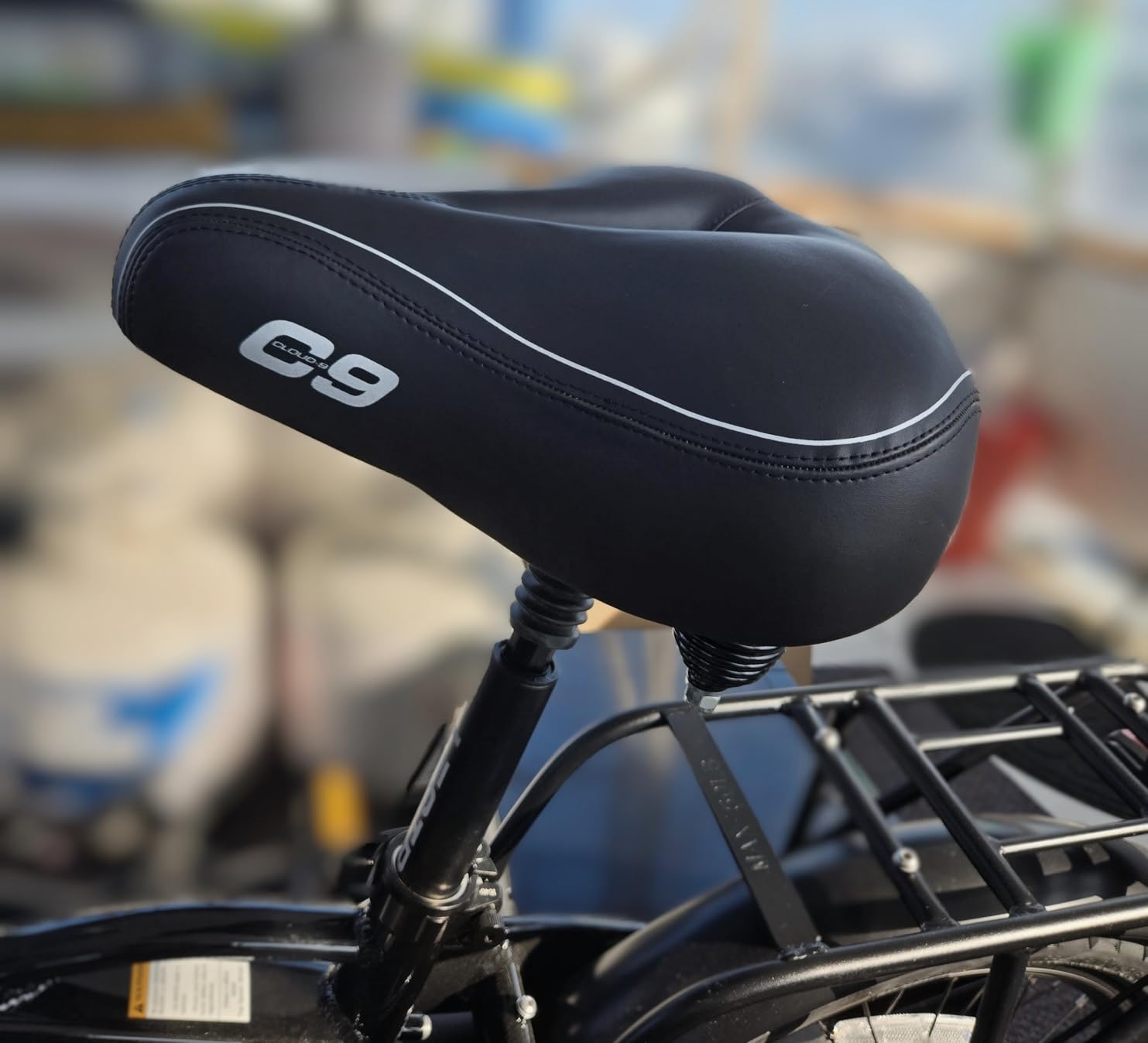
The vented anatomic cut-out is described as relieving perineal and sciatic nerve pressure, a more specific claim than most comfort marketing. Listed capacity is 250 pounds, and the warranty is limited rather than the two years some leather models carry.
Weight is the dealbreaker for some. At 3.2 pounds it is by far the heaviest here, and the bulk sits high and wide enough to be felt through a low, forward position.
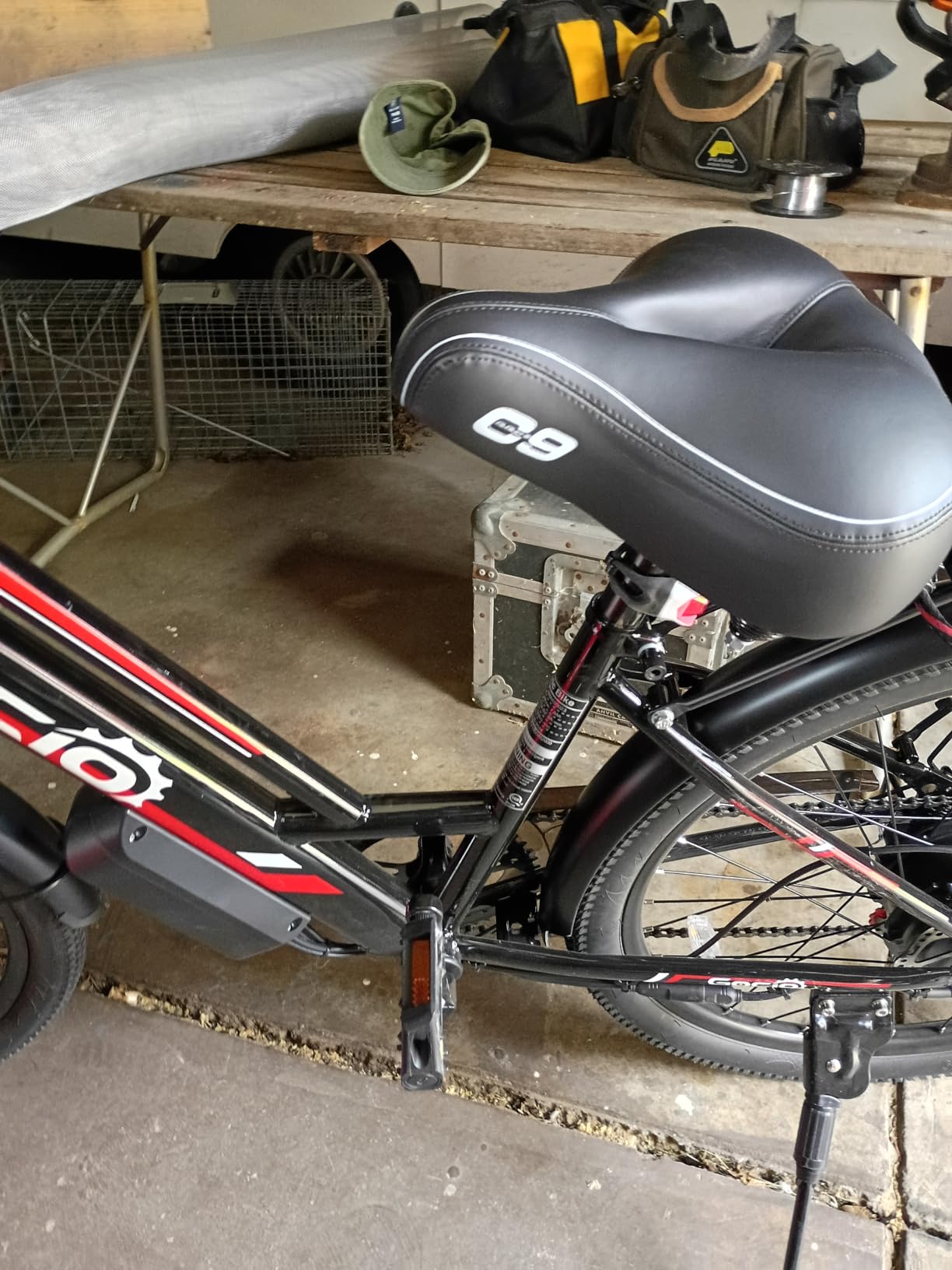
Who the Cloud-9 Ariflow works for
The cruiser, city, e-bike and recreational rider who spends hours upright and has already felt perineal pressure on a narrower saddle. Riders in ordinary clothes benefit from the deep padding, because there is no chamois adding cushioning.
It is a strong choice for larger riders too. The 250 pound capacity and very wide rear platform spread the load rather than concentrating it, which is the opposite of what a narrow saddle does with the same rider.
Who should skip the Cloud-9 Ariflow
Anyone on a road bike in a forward position should rule it out. The shape and springs feel boat-like, the mass is obvious, and pedalling clearance can be an issue on a small frame.
The vinyl cover is worth flagging in hot or wet weather, because it is not breathable and can feel slippery when damp, which is a separate problem from pressure relief.
4. Selle Italia Sport Gel Flow – Best Lightweight Road Saddle
Selle Italia Sport Gel Flow Road Bike Saddle – Comfortable MTB and Road Bicycle Seat for Men and Women , Black, 270 x 140mm
12.5 by 7 inches
8 ounce weight
Gel pad with Flow cut-out
7mm steel alloy rails
Pros
- Flow anatomic cut-out and gel layer take pressure off soft tissue
- Very light composite shell with Duro-Tek cover
- Easy to fit on nearly any bike
- Two widths available for different sit bone spacing
Cons
- Moderate padding can feel thin on very long rides
- Narrow version can pinch wider riders
- Soft nose is not built for aggressive sprinting
At 8 ounces this is the lightest saddle we reviewed by a wide margin, which matters if you rotate saddles or care about total bike weight. The Flow anatomic cut-out combined with a gel layer does the important work, taking load off the soft tissue while the composite shell resists flex under pedalling load.
Reviewers find the gel and cut-out effective on long road rides and commutes, and they consistently mention how easy it is to install thanks to the 7mm steel alloy rails. The Duro-Tek cover handles sweat and rain better than plain foam, and there is a 24-month guarantee.
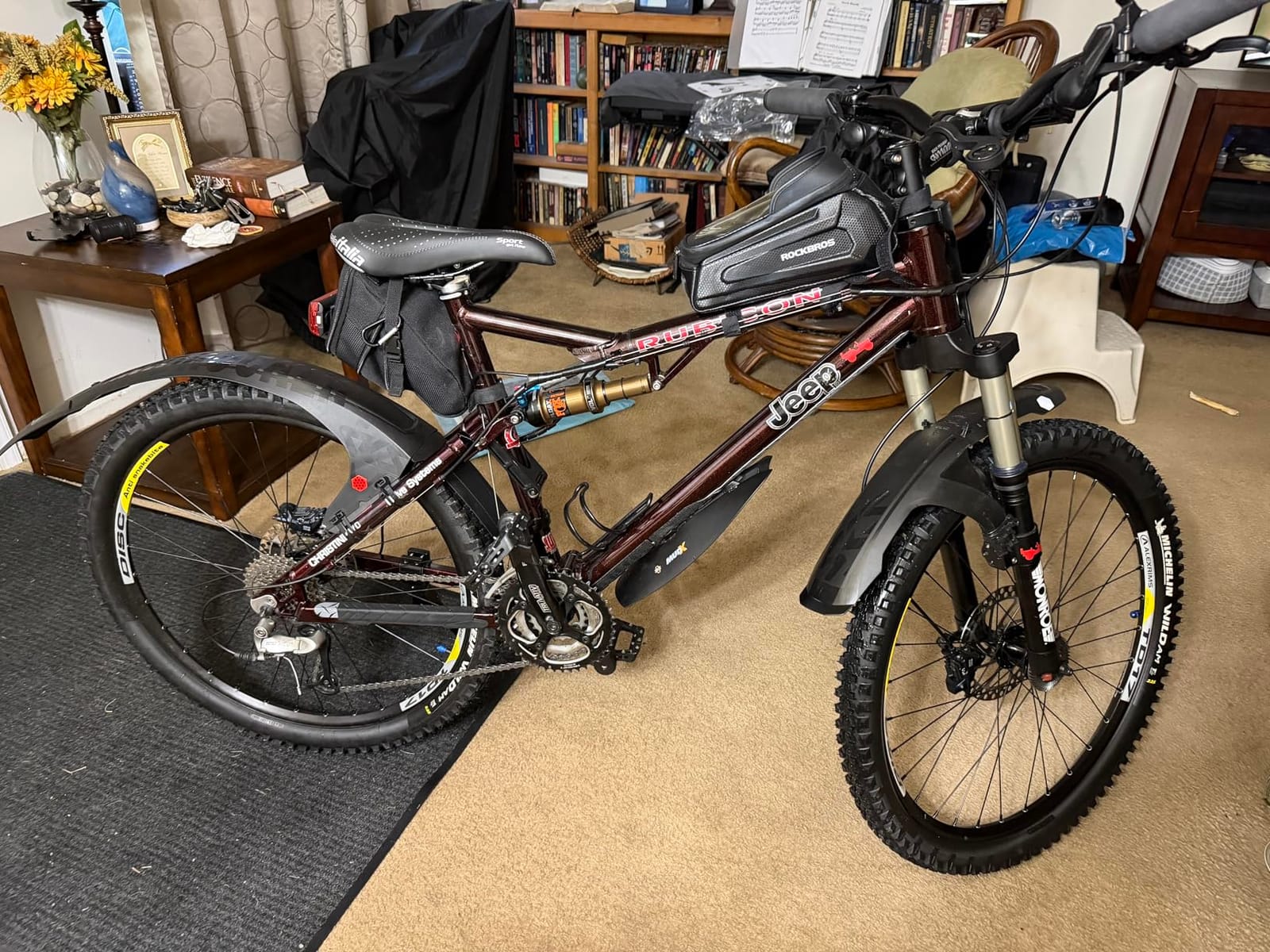
The caveat is padding level. The gel is moderate rather than deep, and some riders find it thin past the four or five hour mark. It works best for riders with well-developed tolerance, usually because they spend most of their time in padded bib shorts.
Two widths are available and choosing correctly matters more here than on most saddles, because the narrower version pinches wider riders. If you need real width, look at the WTB Volt instead. The soft nose is also a poor match for frequent out-of-saddle sprinting.
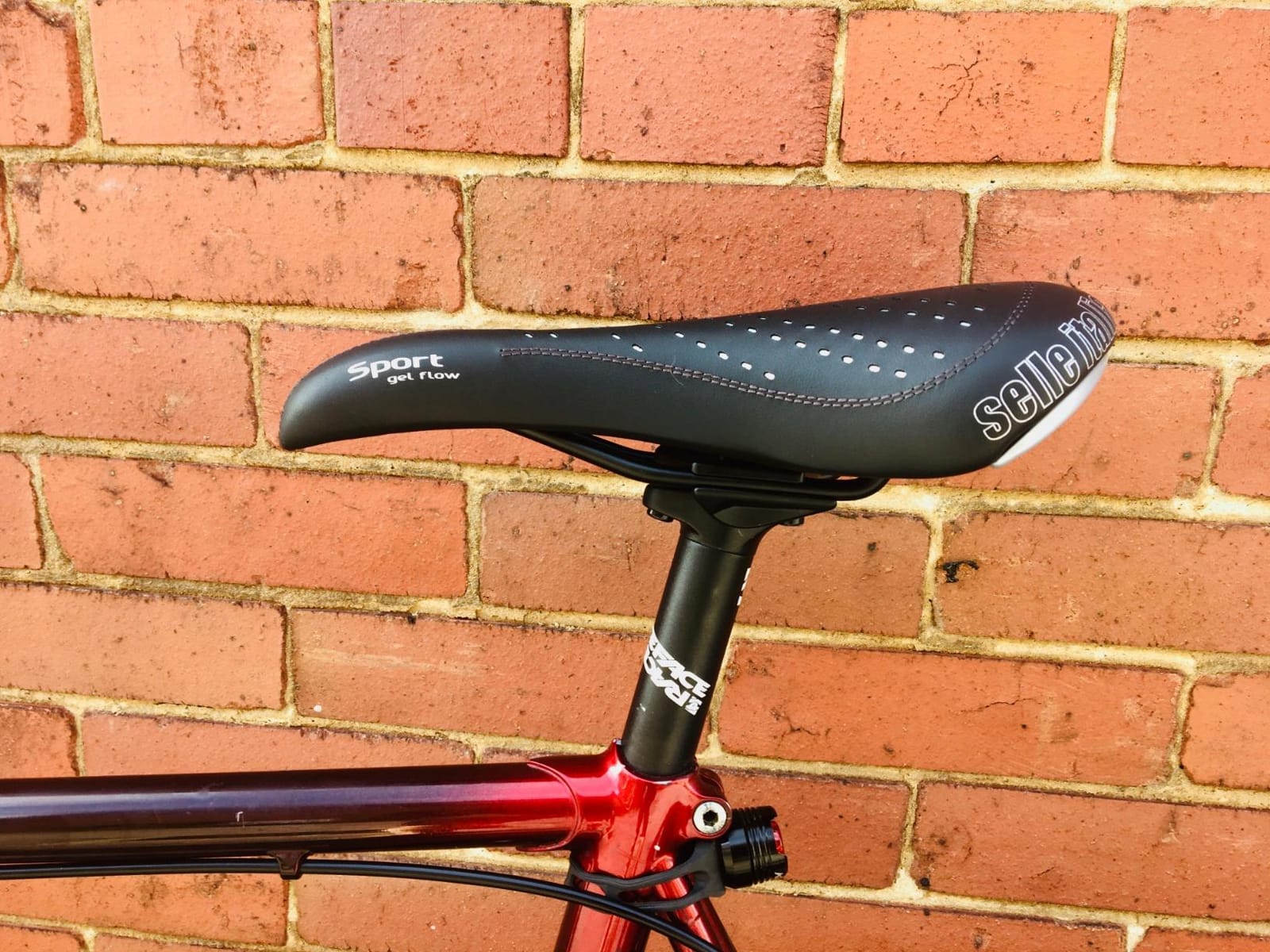
Who the Selle Italia Sport Gel Flow works for
The road rider who wants relief from perineal pressure without giving up a sporty shape, and who rides in proper cycling shorts. The low weight suits anyone who lifts, races or carries the bike.
It is also a sensible upgrade from a cheap foam saddle on a commuter who wants a more efficient pedalling platform than an oversized cruiser seat provides.
Who should skip the Selle Italia Sport Gel Flow
If your pain is sit bone soreness rather than perineal pressure, this will not fix it. The cut-out addresses soft tissue, not the ischial tuberosities, and moderate padding over a composite shell gives little relief where a wider platform would.
Riders planning eight hour days in normal clothing are also poorly served, because the padding is not deep enough to carry that load without a chamois.
5. WTB Volt Bike Saddle – Best Match for Gravel and Sit Bone Sizing
WTB Volt Bike Seat (Saddle) – Comfortable Medium Thickness Padding, Mountain, Gravel & E-Bikes (Steel Rail, Wide)
320g weight
Narrow, medium and wide versions
13 by 9.5 inches
Microfibre cover
Pros
- Three sit bone widths make correct sizing realistic
- Love Channel and Comfort Zone cut-outs relieve soft tissue
- Contoured shape cradles the pelvis and stabilises the rider
- 320g keeps the bike light on gravel
Cons
- Firm feel will disappoint riders expecting a soft saddle
- Narrow versions are uncomfortable for wider sit bones
- Minimal foam on purely paved long distance
The Volt is the only saddle here where sit bone sizing is a first-class decision. It comes in narrow, medium and wide versions, and riders who measure properly and choose correctly report strong support and virtually no numbness, largely thanks to the central Love Channel. That published sizing ladder is why we recommend it for gravel and trail riding.
It is properly light at 320g, which matters more on gravel because rough surfaces punish every extra gram over a long day. The contoured shape cradles the pelvis and gives less flexible riders more stability, and the microfibre cover handles sweat and rain well.
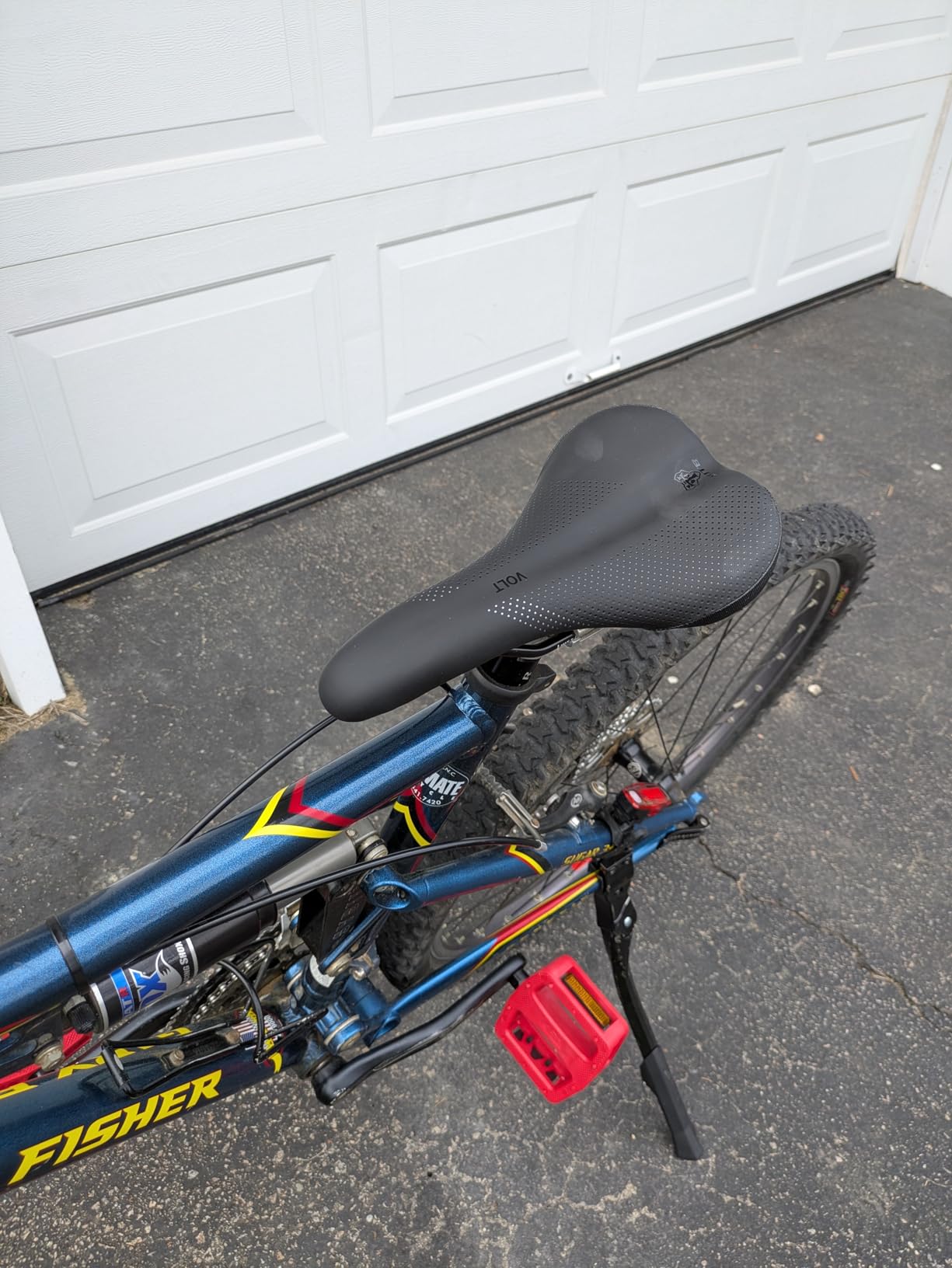
Be clear about what this is. The medium-thickness padding is a deliberate compromise between cushioning and support, not a shortfall. A firmer pad that does not bottom out over six hours beats a thick soft one that collapses under you.
The Comfort Zone cut-out takes the edge off the sit bones as well as the soft tissue, which is why it suits an ache rather than a pinpoint numbness. There is a two year warranty, and rail options vary by frame.
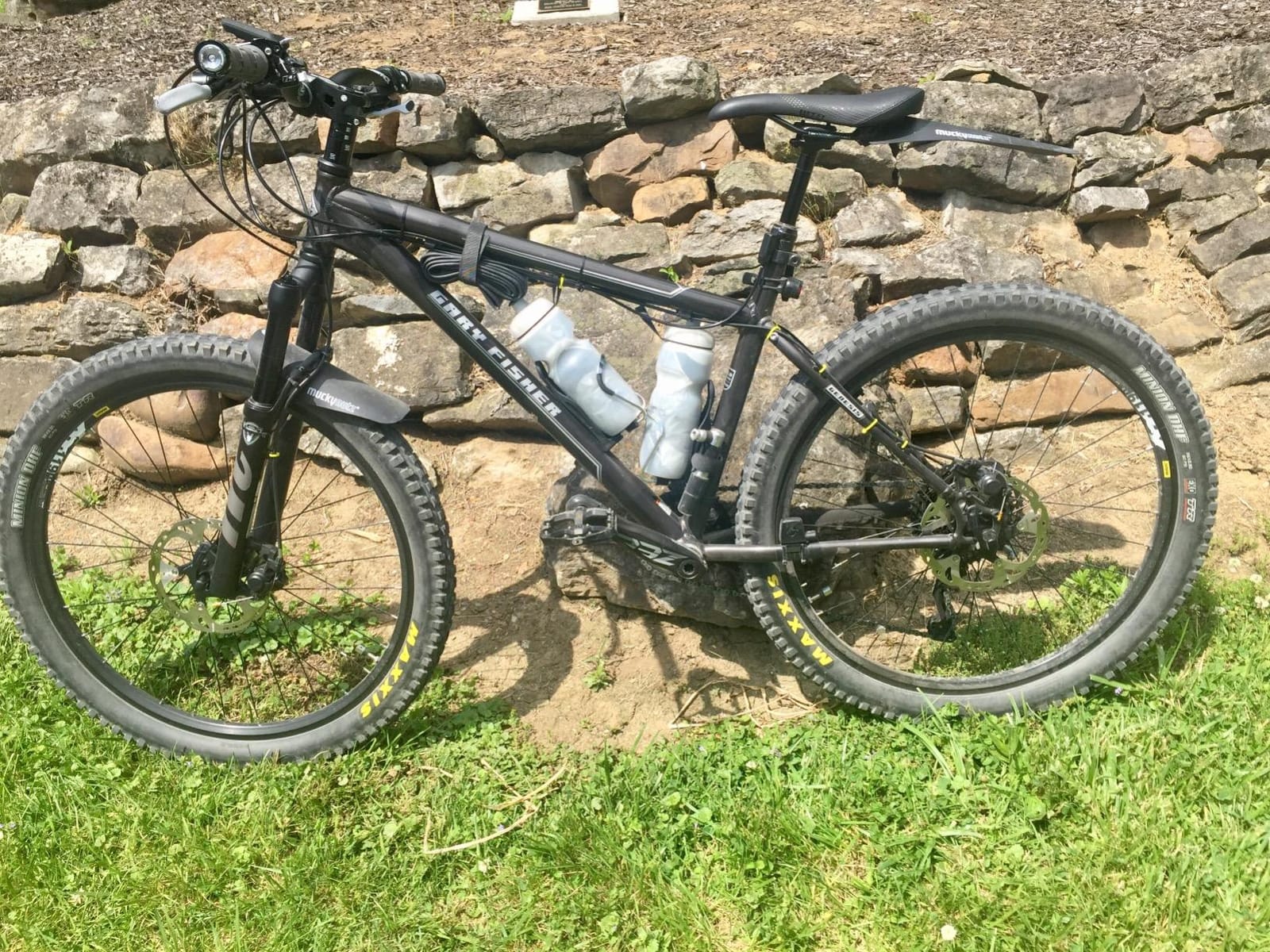
Who the WTB Volt works for
The gravel and mountain bike rider, the e-bike commuter, and anyone who has never measured their sit bones and wants the decision to be easy. Three widths mean you can usually find a version where the widest part of the saddle aligns with your sit bones.
It is our pick for riders whose pain is sit bone soreness rather than perineal pressure, because the contouring and dual cut-outs address that failure mode directly.
Who should skip the WTB Volt
Riders who want a soft, heavily padded saddle will find this too firm, which is a real risk on a new purchase. It is also a weaker choice on smooth pavement if you prefer a cushioned feel, since the minimal foam targets off-road vibration.
If you know you have wide sit bones, buy the wide version rather than the medium. The negative reviews here are dominated by sizing mistakes rather than by the design.
6. Fizik Tempo Argo R5 Road Saddle – Best Short-Nose Relief Design
Fizik Tempo Argo R5,Versatile Endurance Road Bike Saddle, Black, 150mm
241g weight
Carbon reinforced nylon shell
Large pressure-relief cut-out
Short-nose road shape
Pros
- Large cut-out greatly reduces numbness
- Short-nose design still gives generous ischial support
- Shell side flex adapts to leg movement
- Very light at 241g
Cons
- Firm padding feels harsh on long rides in normal clothing
- Narrow 150mm version does not suit every sit bone width
- Short nose limits fore-aft positioning freedom
If numbness is your specific problem, this is the design that targets it most directly. The large cut-out runs through the centre and removes contact with the perineum across the ride, and most owners who measure and size correctly report dramatically reduced numbness on 40 to 80 mile rides.
The short nose frees the inner thigh in a forward position while the rear still carries your weight on the ischial region instead of letting you slide forward. The carbon reinforced nylon shell, S-Alloy rails and Wingflex side edges adapt to your legs in and out of the saddle at 241g total.
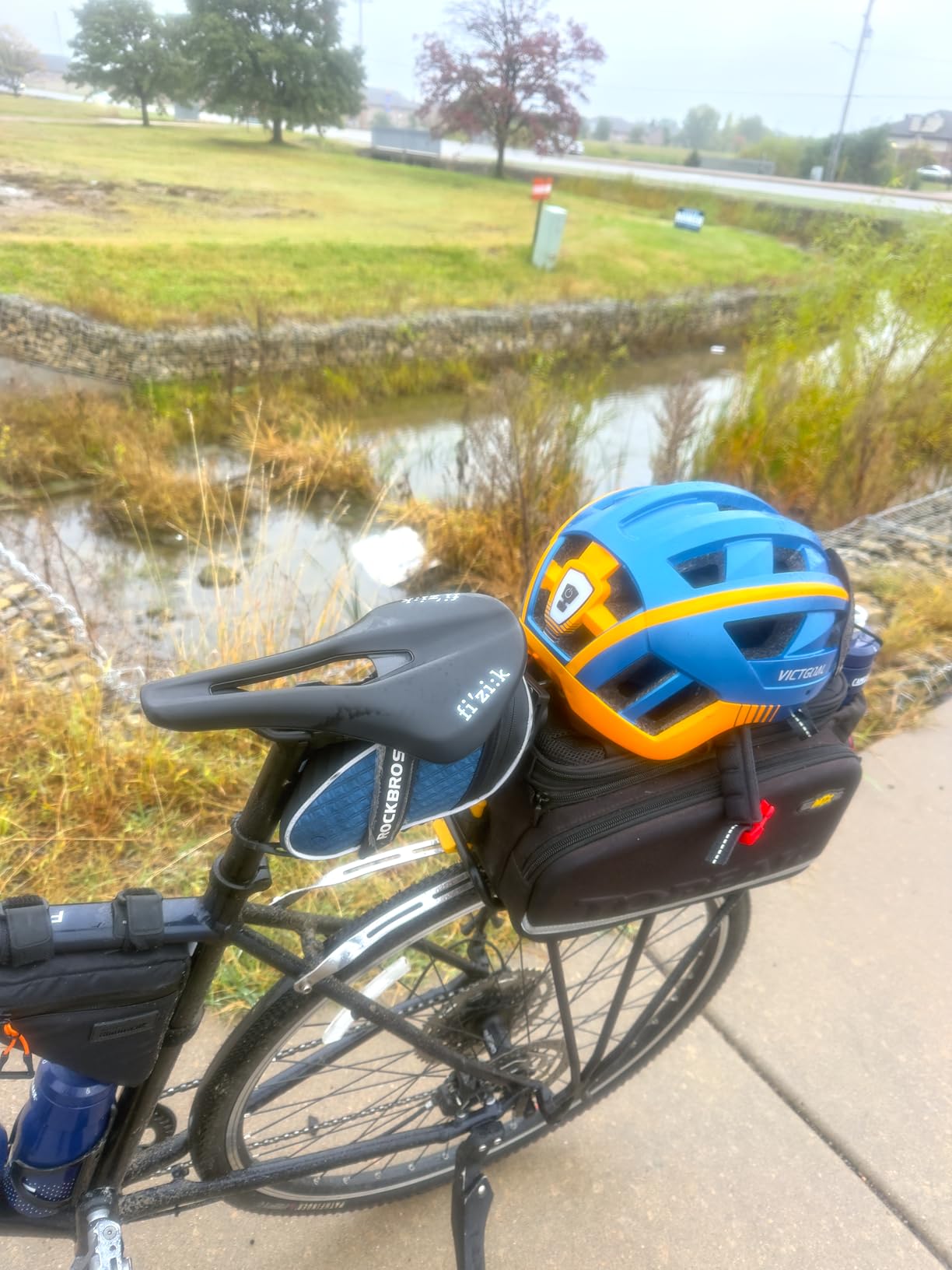
The 4.3 rating is the lowest here and worth understanding. It comes from the firm feel of the Type 2 progressive foam and from riders who matched their size incorrectly, which shows up as thigh soreness and perineal pressure rather than sit bone relief.
The short nose is also a real constraint. It limits fore-aft freedom, so if you need to move the saddle well back to fix a reach problem, this design will not give you the room. Riders coming from a long-nosed saddle may need a few rides to adjust.
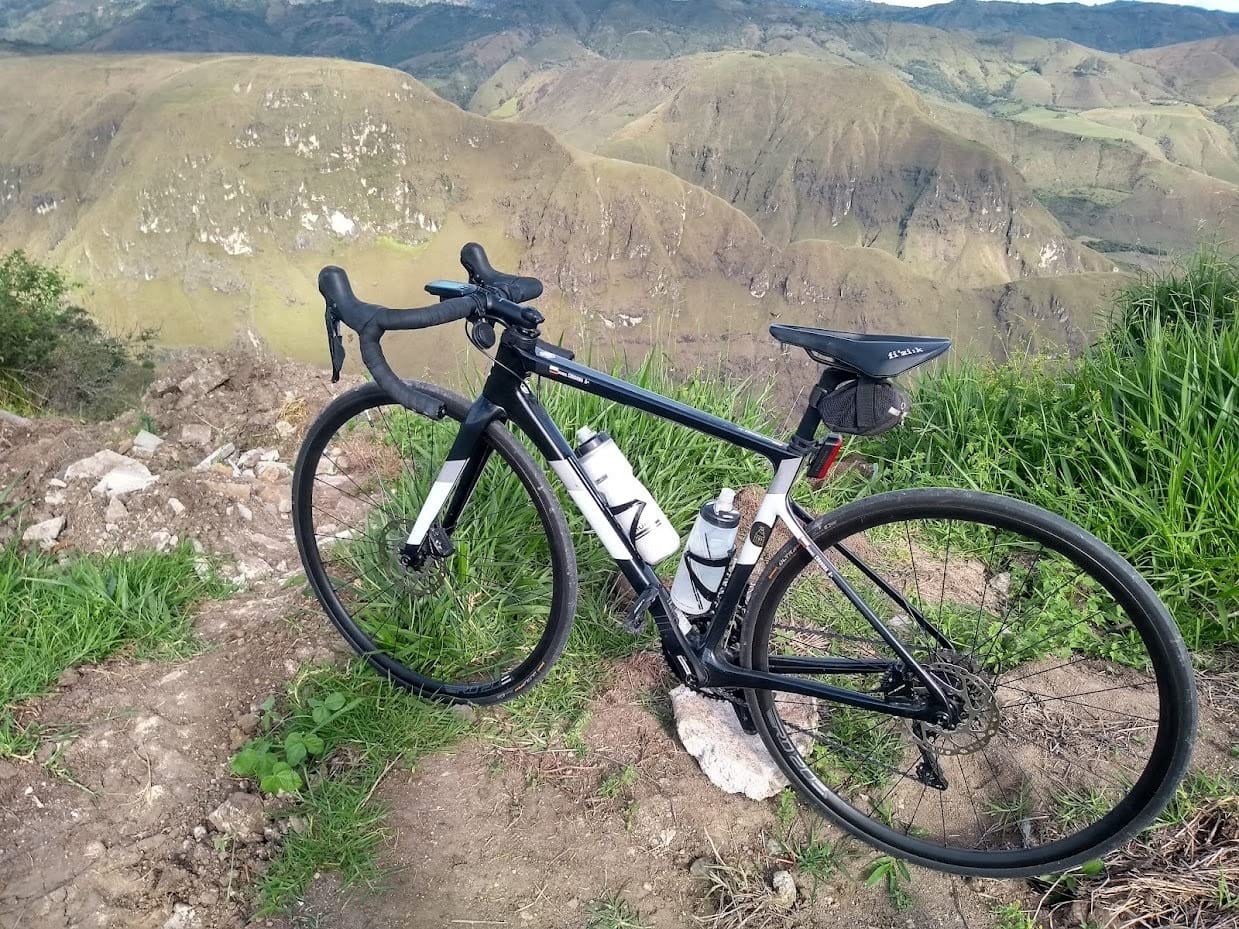
Who the Fizik Tempo Argo R5 works for
The endurance road rider in a forward position whose main symptom is perineal numbness rather than sit bone ache. It is a strong choice for riders who rotate bikes, because 241g is negligible and the fit transfers between road and gravel more easily than a cruiser shape does.
It is also worth considering if you wear padded bib shorts for most riding, since firm padding over a well-placed cut-out works well when a chamois handles secondary cushioning.
Who should skip the Fizik Tempo Argo R5
Riders in ordinary clothing on long rides will find the firm padding harsh, and reviewers repeat this. It is also a poor match for wider sit bones who pick the 150mm version, because a narrow platform pushes load onto the tissue the cut-out is meant to protect.
If your pain is nose rub from sliding forward, the short nose is an advantage. If you need more setback than your frame allows, it removes an option you may require.
7. Brooks England Flyer – Best Sprung Leather for Touring
Brooks England Flyer, Touring Leather Handmade Bike Saddle With Suspension Springs, Brown, One Size
Vegetable tanned leather
Two rear coil springs
13 by 9.5 inches
1.3 pounds
Pros
- Dual rear springs absorb road shock on touring and trekking routes
- Vegetable tanned leather moulds to the rider with use
- Handmade in England with steel rails for long service
- Upright position suits trekking and commuting
Cons
- Wide platform can chafe the legs if sit bones are narrow
- Heavy next to modern saddle designs
- Needs break-in and periodic proofide conditioning
- Not designed for low forward road positions
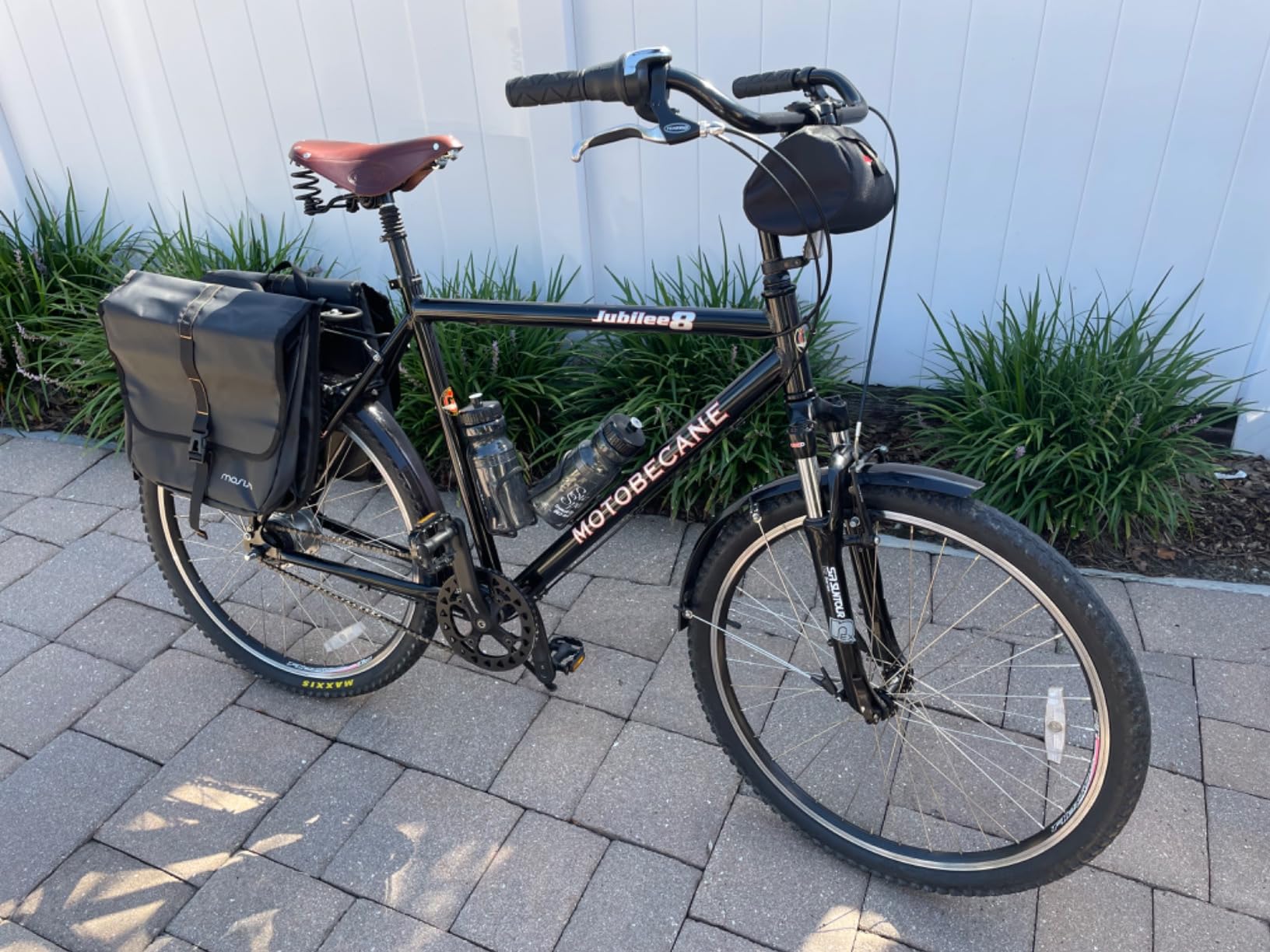
The Flyer is the B17 with springs added, and the springs are the point. Touring riders on rough surfaces credit the dual rear springs with absorbing shock that would otherwise reach your sit bones directly, and with vegetable tanned leather the seat improves measurably as it breaks in. If your rides include gravel or a heavy front load, the sprung platform earns its mass.
It is handmade in England with hardened black steel rails and frame, and carries a two year warranty against defects. Listed weight is 1.3 pounds, heavy next to a modern foam saddle but reasonable for a sprung leather seat on a luggage-carrying touring bike.
The recurring caveat is width, and it appears repeatedly in the reviews. Riders with narrow sit bones sometimes find the wide rear edge rub the insides of their legs, which is chafing rather than pressure and responds to a different fix.
Like the other Brooks leather here, it needs a break-in period and periodic proofide conditioning. Riders who expect day-one softness and quit in week one are the most common reason it disappoints. The upside is a saddle fitted to you rather than to the average rider.
Who the Brooks England Flyer works for
The touring and trekking rider who spends hours upright on rough roads, often in ordinary clothing. Springs plus moulding leather is a combination built for exactly that, and it handles a fully loaded bike better than any foam saddle here.
Commuters on older steel or mixte bikes suit the sprung format well, because classic geometry pairs naturally with a classic seat and the rails suit standard 7mm clamps.
Who should skip the Brooks England Flyer
Riders on a road bike in a low forward position should rule it out. The sprung shape is not designed for that posture and the nose feels intrusive when you are stretched out. Narrow sit bones risk leg rub against the wide rear edge, which no amount of break-in solves.
If your bike is weight-sensitive, or you carry it on trains and up stairs, 1.3 pounds of sprung leather is a poor trade.
8. Brooks England B67 – Best for Upright Touring Bikes
Brooks England B67, Handmade Leather Bike Saddle With Suspension Springs, Honey, One Size
Vegetable tanned leather
Sprung wide rear
14 by 10 inches
3.1 pounds
Pros
- Wide rear platform frees the legs and cuts chafing on upright bikes
- Springs smooth out road bumps over long touring days
- Leather moulds to sit bones within a few rides
- Long rails allow real fore-aft and tilt adjustment
Cons
- Rock hard on arrival and needs a multi-week break-in
- Only works in roughly 60 to 90 degree riding positions
- Heavy and needs regular proofide treatment
- Seat clamp not included
Among leather touring saddles the B67 has a distinct job: freeing the legs. The wide rear portion pushes the inside of your thighs outward rather than letting them sit on the saddle edge, which is the mechanism behind the leg chafing that ruins long days on upright bikes. Owners describe a saddle that becomes fitted to their sit bones after a few rides.
It also solves a problem the other leather saddles create. Owners often have to tilt back to stop sliding forward, and the micro-adjust pillar rail attachment plus longer rail length gives more scope for fore-aft and tilt adjustment than a short-railed saddle does.
Two things to know first. It arrives rock hard and needs a multi-week break-in, and it only works in an upright position of roughly 60 to 90 degrees. On a dropped-bar road bike it will feel wrong no matter how long you break it in.
The vegetable tanned leather breathes through its own pores, which helps on long summer days. You will need regular proofide treatment, and the seat clamp is not included, so allow for that small extra cost and a fitting job.
Who the Brooks England B67 works for
Riders on upright touring bikes, trekking setups, Dutch-style city bikes and cargo bikes, where hours in the saddle are spent relaxed and leg rub is the recurring complaint. If you already chafe and want that addressed structurally rather than with saddle cream alone, this is the design built for it.
It is also strong for riders who want leather’s moulding benefit but also want a saddle that can be tilted and moved to correct a position problem rather than work around it.
Who should skip the Brooks England B67
Anyone whose position is forward-leaning should not buy this, which is the most repeated warning in the reviews. The break-in requirement is a genuine barrier: ride it only occasionally and you will conclude it is uncomfortable when it is simply unfinished.
At 3.1 pounds it is heavy and it needs a clamp. Riders wanting a light saddle and immediate comfort should look at the WTB Volt or the Selle Italia Sport Gel Flow instead.
9. Serfas RX Saddle – Best Full-Length Centre Channel
Serfas RX Saddle Road Bicycle Mountain Bike Seat Mens Microfiber
Split-lobe gel design
10.35 by 6.92 inches
0.5 kg
300 pound capacity
Pros
- Split-lobe design with a full-length centre channel removes numbness
- Twin-bar flex lets the two halves move independently
- Owners report riding in normal clothes without padded shorts
- Adds only a small amount of height over the previous saddle
Cons
- Rigid plastic centre channel can create hotspots under pressure
- Narrow sizing runs small for some riders
- Some riders never adapt to the split-lobe shape
The RX runs the pressure-free centre channel the full length of the seat rather than only across the rear. Buyers credit that with removing numbness and tailbone pain on 30-mile-plus commutes and long mountain bike days, and several switched to it after failing with plush saddles that felt great for an hour and then went numb.
Twin-bar flex with dual-density support makes it distinctive. The two halves move independently, so the saddle absorbs bumps without collapsing in the middle, and the dual-density padding keeps the sit bones supported while softer zones handle soft tissue. Listed weight is 0.5 kg with a 300 pound capacity.
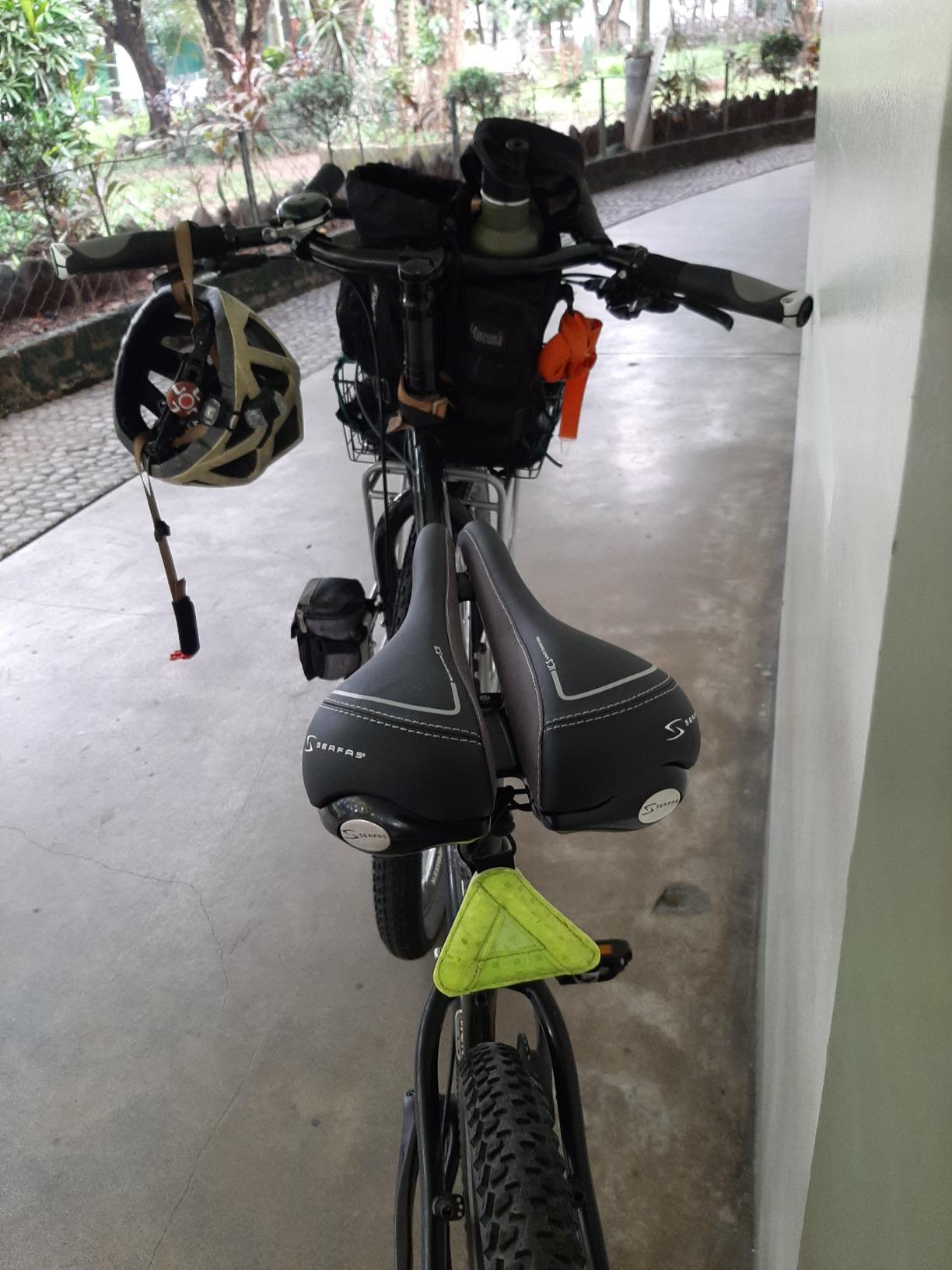
It is also a practical fit. The saddle only adds a small amount of height over the one it replaces, so you are less likely to reset your saddle height after the swap, and 10.35 by 6.92 inches is close to a standard road footprint.
The main risk is the rigid plastic centre channel. A small minority report hotspots forming under pressure where the channel edges meet the padding, and they report no adjustment relieved it. Narrow sizing also runs small, with no wide sit bone option.
Who the Serfas RX works for
The commuter, e-bike rider and mountain biker whose pain is perineal numbness and who wants a channel that works across the whole saddle. Riders who commute without padded shorts report the gel and split shape carrying them through 30-mile-plus days.
It also suits riders who liked a noseless or split idea but found those too narrow, since the 300 pound capacity supports a broader range of body sizes than most split designs.
Who should skip the Serfas RX
If your pain is sit bone soreness, the split-lobe shape will not help and may make rear contact feel narrower than the foam saddles you have ridden. Riders who dislike hard edges under the sit bones should be cautious about the plastic channel.
Some riders never adapt to a split shape regardless of adjustment, which is a genuine outcome rather than a fitting error. Test it early rather than after a long trip.
10. BELL Comfort Wide Cruiser Seat – Best Budget Upgrade
BELL Comfort Wide Cruiser Seat Black
Extra-wide foam platform
Elastomer suspension
Synthetic leather cover
2 pounds, clamp included
Pros
- Extra-wide shape spreads weight over a large area for upright cruising
- Elastomer suspension softens the ride over rough pavement
- Durable synthetic leather cover
- Clamp included so it is ready to fit
Cons
- Basic foam level can feel flat on very long rides
- Wide profile can interfere with pedalling on sportier bikes
- Faux leather cover runs hot and slippery when wet
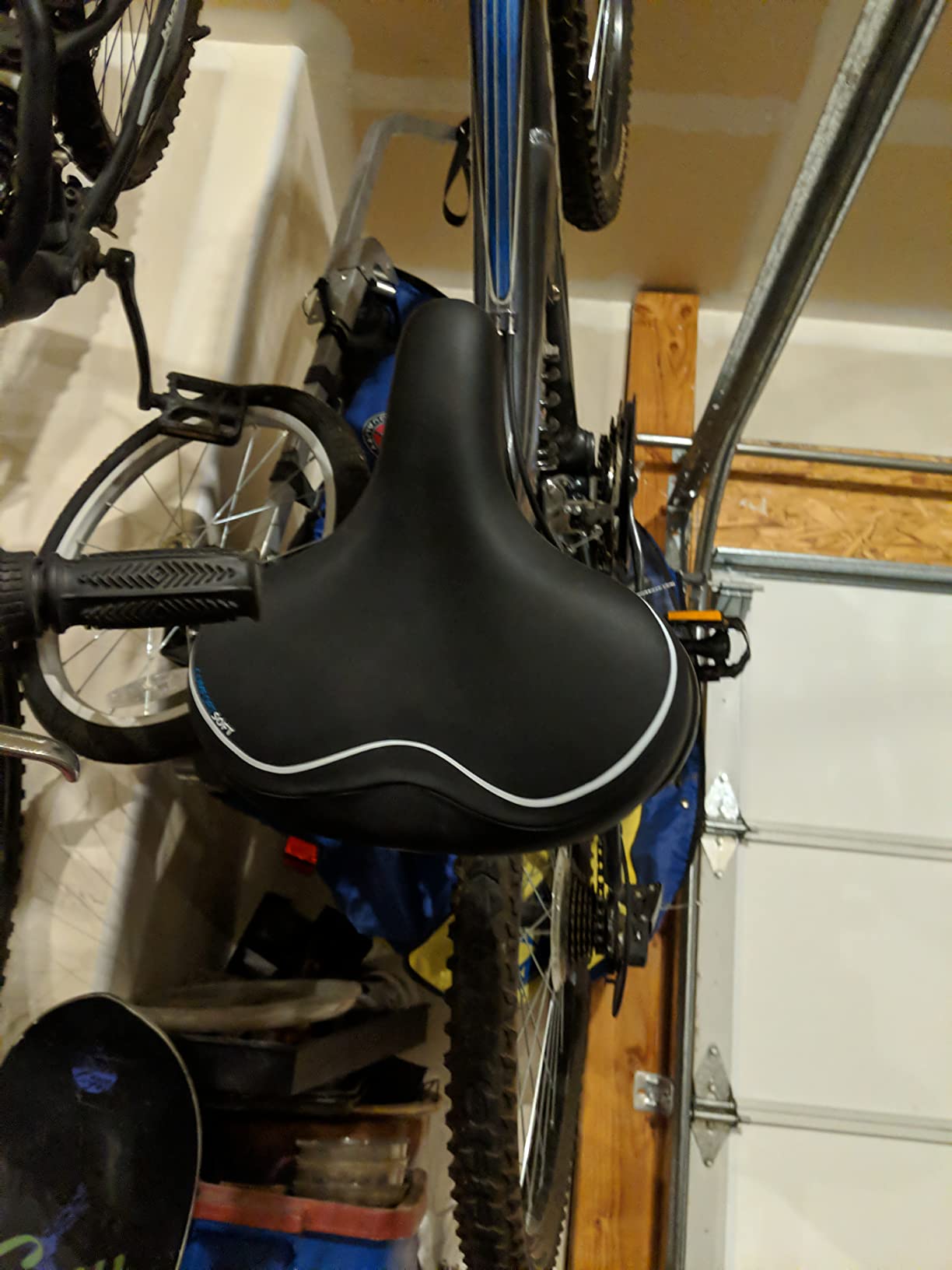
This is the straightforward comfort upgrade for anyone whose bike still has the hard factory saddle it came with. The extra-wide foam platform spreads weight over a large area in an upright position, and the elastomer suspension takes the edge off rough pavement. Most buyers use it that way, as a cheap replacement for a rigid cruiser seat.
It is also the most frictionless purchase in this roundup. The clamp is included, the fit suits standard rails, and there is nothing to condition, measure or wait for. At 2 pounds it is not light, but meaningfully lighter than the other sprung and oversized options here.
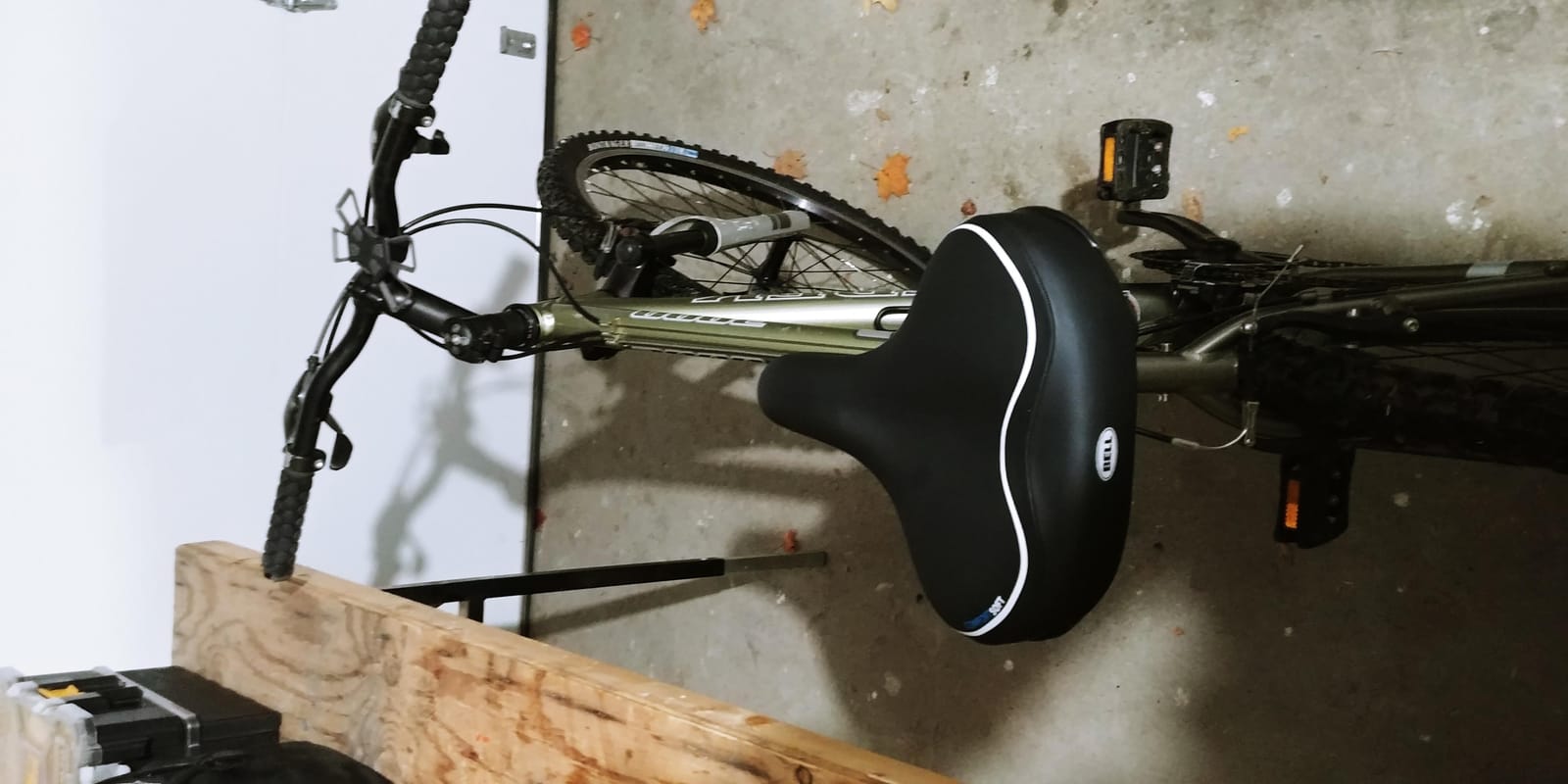
Be realistic about the foam level. The padding is basic and single-density rather than multi-stage, so on a genuinely long ride it can feel flat under you after a couple of hours. Criticism is mostly about that foam and the bulky footprint, not the concept.
The synthetic leather cover is durable but not breathable, so it can feel hot and slippery when wet. That is a different problem from pressure relief, and no amount of saddle cream fixes a slippery cover.
Who the BELL Comfort Wide Cruiser Seat works for
The casual rider, the first-time upgrader, and anyone on a cruiser, city or step-through bike who rides upright for a few hours at a stretch and finds the original seat uncomfortable. It also works as a seasonal or beach-cruiser seat where comfort beats weight.
For riders on a fixed-gear or single-speed with an upright position, the wide platform and suspension make long slow rides far more manageable than a narrow saddle would.
Who should skip the BELL Comfort Wide Cruiser Seat
Do not put it on a sporty bike where you need to pedal hard or stand out of the saddle. The wide profile can interfere with pedalling clearance, and the foam is not built for repeated high-force efforts.
It is also a weak choice for riders who already have a properly fitted saddle and want to solve a specific sit bone or perineal problem rather than general firmness. Single-density foam runs out of support well before a three hour ride ends.
How to Choose a Bike Saddle for Long Rides?
Fit beats brand, and fit is measurable. Work through these four steps in order and you will often find that your current saddle is the problem before spending anything.
Step 1: measure your sit bone width. Sit on cardstock or firm cardboard on a flat, hard surface in the position you actually ride in, not a desk chair. Put your full weight down and stay for a minute. Get off, find the two deepest impressions, and measure between their centres. That number is the single most useful measurement for saddle selection.
Step 2: match it to a saddle width. Under 135mm points to a narrow road saddle, 135 to 150mm suits a medium endurance width, 150 to 165mm suits a wide gravel or touring saddle, and 165mm and above should be looking at the widest platforms available, such as the 175mm Brooks B17. Widening well past your measurement creates chafing rather than comfort.
Step 3: adjust before you buy. Check saddle height against your inseam, then look at tilt and fore-aft position. A saddle tilted nose-down pushes weight onto the perineum, one of the most common causes of numbness, and a saddle set too far forward makes you slide onto the nose and rub. Tilting back and adding a small forward setback costs nothing and resolves a surprising share of complaints.
Step 4: choose by riding position. Aggressive road riders in the drops need a short or medium nose and a light, firm pad. Endurance road riders benefit most from a large central cut-out. Touring and gravel riders want a wide platform or springs. Upright commuter and e-bike riders want the widest comfortable shape they can get away with. Narrow racing saddles marketed as comfortable punish riders with wider pelvises over ultra-endurance distances.
Padding deserves its own note. On long rides, foam density matters more than thickness. Over-padded memory foam and gel feel excellent for forty minutes and then cause numbness on a three hour ride, because the padding bottoms out and your weight transfers to the shell. A medium-thickness, moderately firm pad over a supportive shell is the better long-distance choice.
Leather needs a different mindset. A leather saddle such as the Brooks B17, Flyer or B67 hurts badly for the first few hundred kilometres, and riders who abandon them right before they mould are the most common story in the reviews. Expect a multi-week break-in with several rides a week, expect periodic proofide treatment, and expect the saddle to be better in year three than in week one. If you cannot commit to that, choose foam.
Finally, be clear about which problem you have. Numbness in the perineum is a width and geometry problem, fixed by a channel, cut-out or split nose. Aching sit bones are a width problem, fixed by a wider platform. Chafing on the inner thighs is a nose width and position problem. Burning after two hours is often a chamois and saddle cream problem rather than a saddle problem. And if pain appears in the knees, that is bike fit, and a shop will solve it faster than a new seat will.
Saddle pain that shows up as numbness or tingling which persists after you get off the bike is not something to ride through. Persistent numbness is worth raising with a clinician, and no saddle on this list substitutes for that. Good bib shorts with a properly fitted chamois remove a layer of pressure movement the saddle cannot fix, and saddle cream applied before a long ride reduces chafing where the saddle is not the culprit. Both cost less than replacing a saddle that was never the problem.
Whichever saddle you choose, give it several rides plus small position adjustments before reaching a verdict. The community consensus is consistent on this, and it is the fastest way to avoid buying the same wrong saddle twice.
Frequently Asked Questions
What is the best bike saddle for long distance rides?
The best bike saddle for long distance rides is one that carries your weight on your sit bones and removes pressure from the perineum. Our top pick is the Wittkop 5-Zone Waterproof Saddle for riders who want relief with no break-in, the Brooks England B17 for riders who want leather that moulds to them over thousands of miles, and the WTB Volt for gravel riders who need three sit bone widths to size from.
How wide should my bike saddle be for my sit bones?
Measure your sit bone width by sitting on cardstock in your riding position, marking the two deepest impressions, and measuring between their centres. Under 135mm usually suits a narrow road saddle, 135 to 150mm a medium endurance width, 150 to 165mm a wide gravel or touring saddle, and 165mm and above the widest platforms available. Widening beyond your measurement creates chafing rather than comfort.
Why is my bike seat causing numbness?
Perineal numbness on a long ride almost always means the saddle is too narrow, too flat, or tilted nose-down, pushing weight onto the soft tissue and restricting blood flow. Check your tilt and fore-aft position first, since that costs nothing to fix, then look for a saddle with a central channel, a cut-out or a split nose. If numbness persists after you get off the bike, raise it with a clinician.
How long does it take to break in a leather bike saddle?
Most leather saddles need a multi-week break-in and several rides a week to mould to your sit bones. Expect the first few hundred kilometres to feel hard, and expect sit bone pressure that fades as the leather takes shape. Riders who abandon leather in the first month usually do so just before it would have started working. Periodic proofide treatment keeps the leather supple and is part of the ownership routine.
Should I replace my bike saddle?
Replace the saddle if your sit bone measurement does not match the saddle width, or if you feel perineal pressure or numbness after 90 minutes with no relief channel. Do not replace it if the pain appears in your knees, if it only shows up in ordinary trousers, or if it began after a recent position change. In those cases, check saddle height, tilt and fore-aft setback first, and try proper bib shorts and saddle cream.
Our Verdict for 2026
After ten saddles, the answer to the best bike saddles for long rides question depends on your position rather than on a single winner. The Wittkop 5-Zone is our pick for most riders because it delivers sit bone support and perineal relief with no break-in. Riders wanting one saddle for a decade should buy the Brooks England B17 and commit to the break-in. Gravel and e-bike riders should size up in the WTB Volt, and upright touring riders will find the Brooks B67 solves leg rub better than any foam saddle.
Before any of them, measure your sit bones and check your tilt. That step is free, and it decides whether the saddle you buy actually works.
Once the saddle is sorted, the rest of your kit matters just as much on a long day. Our guides to the best bike panniers and the best bike locks cover the two decisions riders usually leave until the day before a trip.