
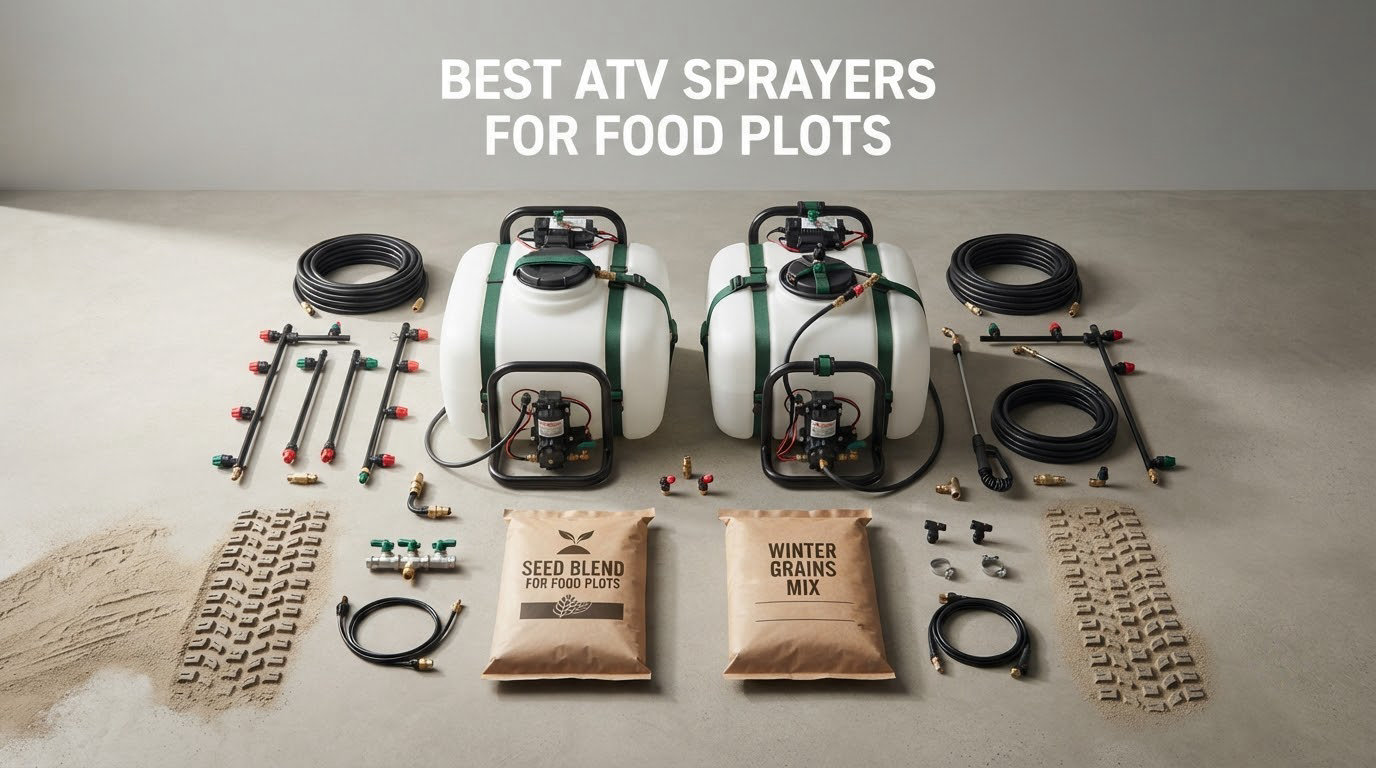
Two decisions decide whether an ATV sprayer works for you: boom versus boomless, and tank size versus how many acres you actually plant. Get those right and any of the ten rigs below will handle food plot spraying. Get them wrong and you will either break a boom on a sapling or run out of chemical halfway down a row.
We spent weeks going through the specs, pump ratings, mounting hardware, and owner complaint patterns on the ten most-reviewed ATV sprayers in this category, then lined them up against what real food plot managers say on hunting and habitat forums. This is the best ATV sprayers for food plots guide for 2026, and it covers everything from a 5-gallon wand rig for fence rows to 26-gallon boom and boomless setups built for acreage.
One quick clarification before we start, since it trips people up constantly. A sprayer applies liquid, usually herbicide, pre-emergent, or fertilizer. A spreader throws dry seed, lime, or fertilizer granules. Several searches for “best ATV spreader for food plots” actually want a sprayer, and several others genuinely want a seed spreader. Everything in this list is a sprayer, and we assume you are spraying weeds, not broadcasting seed. If you are storing product afterward or mixing liquids at home, our picks on food carts and storage cover the handling side, while our paint sprayer roundup explains the same pump-and-nozzle logic on a completely different kind of rig.
Here is the short version. The Ironton 12-V 5-Gallon spot sprayer is the one most people in our research circle ended up owning, because it is light, cheap in weight terms, and has the largest review base of anything we looked at. The Master Mfg 15-Gallon UTV and ATV spot sprayer is the value pick, pairing a 1.0 GPM pump with a 15-gallon tank at a fraction of the cost of the big rigs. The Master Mfg 15-Gallon broadcast sprayer is the only unit here with a factory 7-foot all-steel boom, which makes it the precision option for open plots.
Table of Contents
Top 3 Picks for Food Plot Spraying in October 2026

Ironton 12-V 5-Gal ATV…
- 5 gallon polymer tank
- 1 GPM 12V pump
- 9.5 pound dry weight
- 20 foot wand reach

Master Mfg 15-Gal UTV and…
- 15 gallon tank
- 1.0 GPM Everflo pump
- 40 PSI maximum
- 14 pound dry weight

Master Mfg 15-Gal 7-Foot…
- 7 foot all-steel broadcast boom
- 2.2 GPM pump at 70 PSI
- Adjustable boom brackets
- 15 gallon tank
The Ironton earns the top slot on evidence rather than features. With 1438 reviews and a 4.2 rating, it is the most thoroughly tested unit in this group, and 9.5 pounds dry is light enough to mount on a small four-wheeler without arguments about payload.
All 10 Sprayers Side by Side in October 2026
The table below is the fastest way to see where each rig sits on capacity, pump output, and boom width. Every one of these carries enough hardware to mount to a rear rack and run off a 12V battery.
| Product | Specs | Action |
|---|---|---|
| Ironton 12-V 5-Gal ATV Spot Sprayer |
|
Check Latest Price |
| Master Mfg 15-Gal UTV and ATV Spot Sprayer |
|
Check Latest Price |
| Master Mfg 15-Gal 7-Ft Broadcast Sprayer |
|
Check Latest Price |
 Chapin 97200E 15-Gal ATV/UTV Sprayer Chapin 97200E 15-Gal ATV/UTV Sprayer |
|
Check Latest Price |
 Chapin 97361 Mixes-On-Exit Sprayer Chapin 97361 Mixes-On-Exit Sprayer |
|
Check Latest Price |
 Chapin 97154 15-Gal ATV/UTV Sprayer Chapin 97154 15-Gal ATV/UTV Sprayer |
|
Check Latest Price |
 NorthStar 26-Gal 2-Nozzle Boom Sprayer NorthStar 26-Gal 2-Nozzle Boom Sprayer |
|
Check Latest Price |
 Master Mfg 25-Gal Deluxe Spot Sprayer Master Mfg 25-Gal Deluxe Spot Sprayer |
|
Check Latest Price |
 NorthStar 26-Gal Boomless Broadcast Sprayer NorthStar 26-Gal Boomless Broadcast Sprayer |
|
Check Latest Price |
 NorthStar 16-Gal ATV Sprayer NorthStar 16-Gal ATV Sprayer |
|
Check Latest Price |
1. Ironton 12-V 5-Gallon ATV Spot Sprayer – Lightest Rig and Most Reviewed
Ironton 12-V ATV Spot Sprayer, 5-Gal. Capacity, 1 GPM Flow Rate
5 gal polymer tank
1 GPM 12V pump
9.5 lb dry weight
120 in hose
Pros
- Very light at 9.5 pounds dry for small four-wheelers
- Chemical- and UV-resistant polymer tank
- In-line on/off switch reachable from the seat
- Wand throws about 20 feet horizontally
Cons
- 5 gallon tank means constant refills on anything over a quarter acre
- 1 GPM is slow for broadcast work
- No boom so coverage depends entirely on the hand wand
This is the rig most of our group uses for the jobs that do not need a boom. At 9.5 pounds dry it is by a wide margin the lightest unit we tested specs on, and that matters more than people expect because a 5-gallon sprayer is often the first upgrade people buy for a small ATV they use for scouting and tree work.
Owners consistently praise two things. The polymer tank is thick-walled and chemical- and UV-resistant, and every pump and sprayer component is listed as compatible with Roundup agricultural brand herbicides, which is the chemical most food plot managers reach for first. The in-line switch is the sleeper feature: you can cut the pump from the seat rather than reaching back to the tank every time you cross a road or a fence.
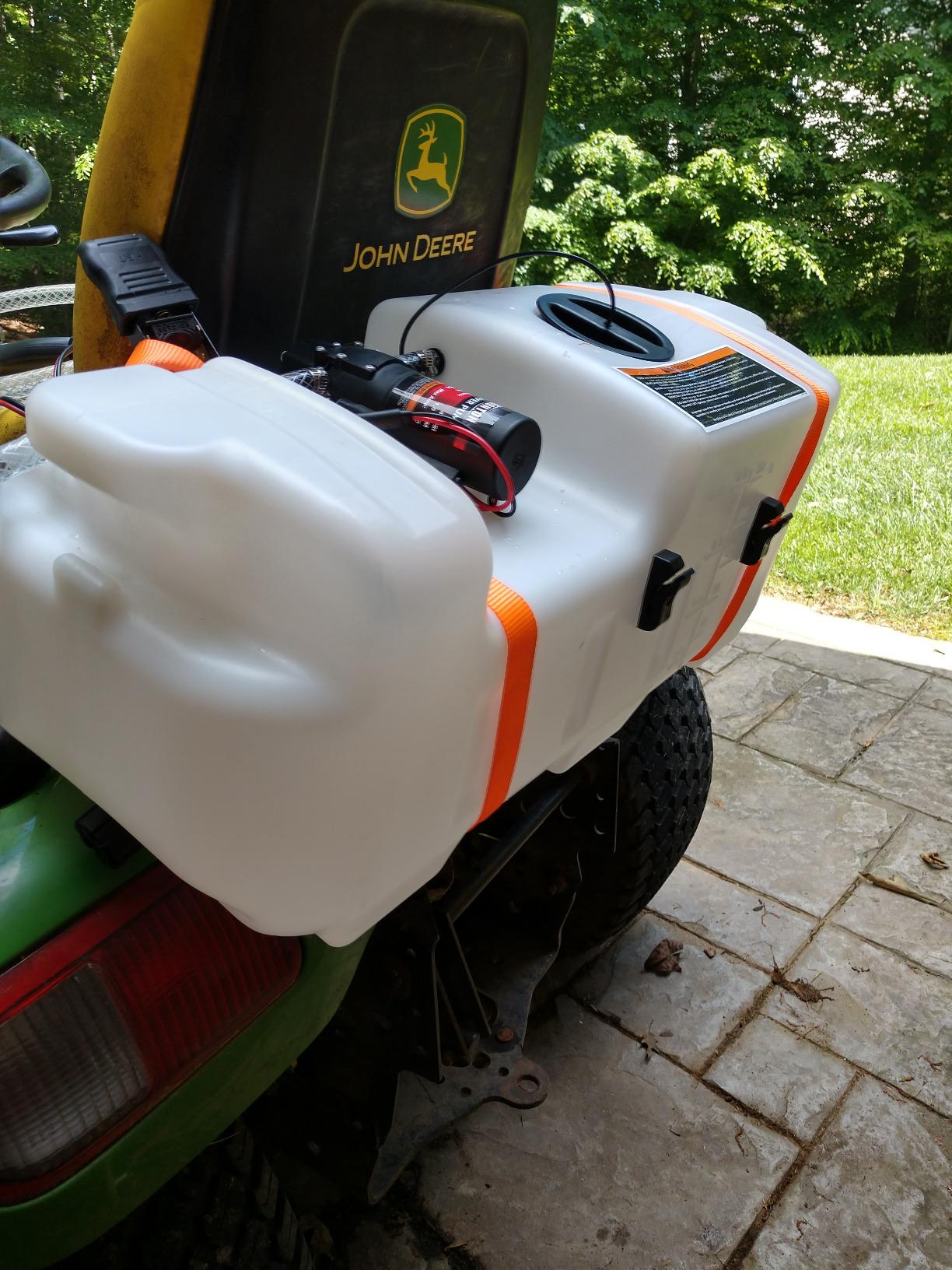
The wand is genuinely useful. The listed figures are 12 feet maximum vertical spray height and 20 feet maximum horizontal spray distance, which is enough to hit the base of a large oak, the far side of a food plot fence, or a patch of thistle in a corner you cannot drive into. An 8-foot wire harness with battery clamps connects and disconnects without tools.
Now the honest limitation. A 1 GPM flow rate is the lowest in this group, and with no boom there is no broadcast mode at all. Every pass is a wand pass, so coverage speed is set by how quickly you can swing the gun. On a quarter acre or less of spot work that is fine. On a five-acre food plot it is a genuinely tiring afternoon.
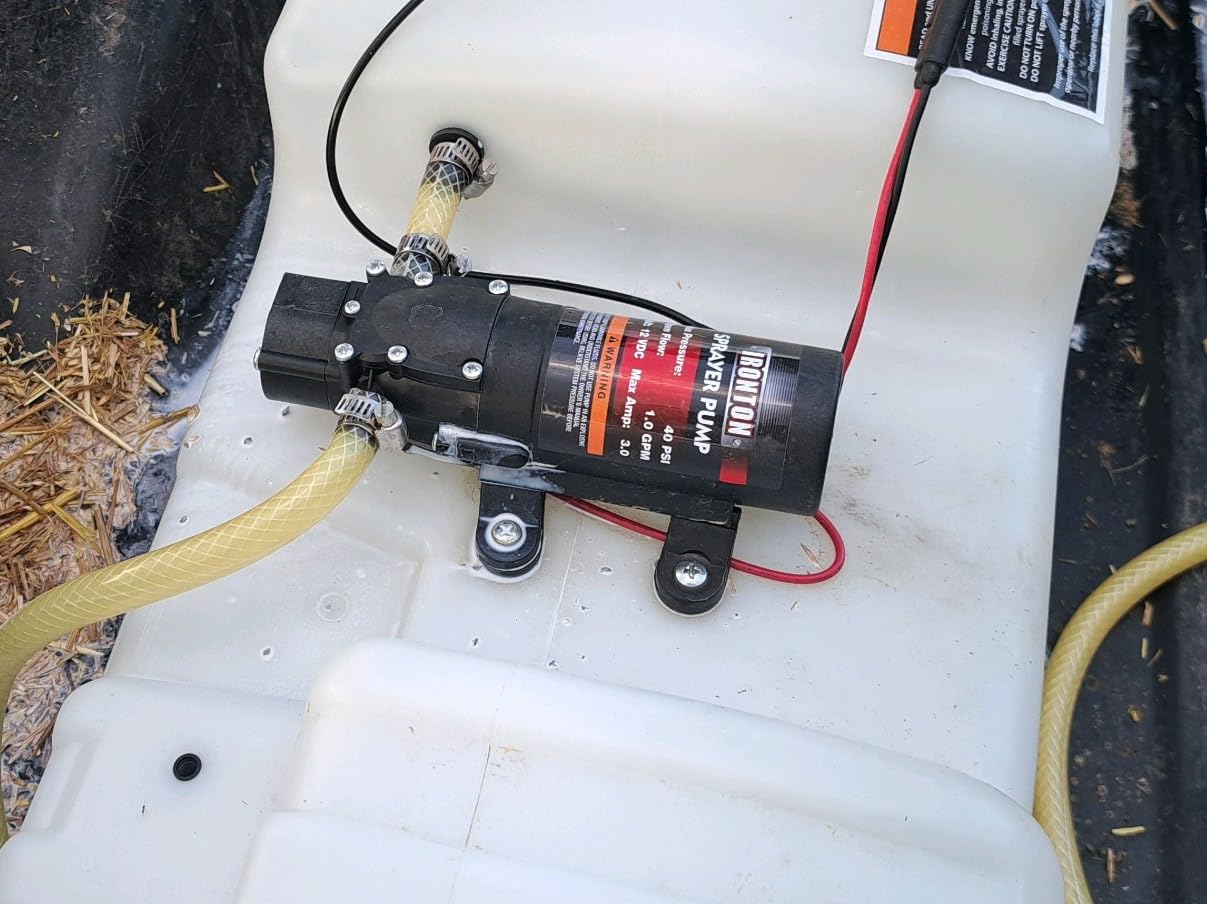
Where this sprayer earns its place
This is the right pick for tree lines, fence rows, stump and root treatment, and any plot under roughly a quarter acre. If your food plot program is one small clearing, this is all you need, and the 5-gallon capacity means a full tank weighs around 51 pounds with water, which almost any ATV rack handles without complaint.
It also makes a good secondary unit. Mounted spot sprayer for the woods, bigger rig for the open plot, is a common two-machine setup among the food plot managers we read, and it keeps the heavy tank off the machine on days you are only hitting tree lines.
Where it will disappoint you
Anyone spraying broadacre grass or clover plots will outgrow it fast, mostly because of refill cycles rather than pump output. There is no pressure specification on this unit either, so you have less control over droplet size than you would with a regulated rig, and that limits how well you can manage drift near a creek or a neighbor’s beans.
If your plan is a pre-emergent pass on a full food plot every spring, look at the 15-gallon units instead. You will refill fewer times, and the difference in a full day of work is large.
2. Master Mfg 15-Gallon UTV and ATV Spot Sprayer – Budget Pick Spot Rig
Master Mfg 15-Gallon UTV & ATV Spot Sprayer – 1.0GPM, 40PSI Max for Fertilizer, Weed & Pest
15 gal tank
1.0 GPM Everflo pump
40 PSI max
14 lb dry weight
Pros
- 15 gallons of capacity at only 14 pounds dry
- Accurate gallon graduations molded into the tank
- Works with minimal assembly out of the box
- Two-year warranty on pump and components
Cons
- 40 PSI maximum is low for dense brush or thick weed work
- Plastic wand coupler can separate or leak
- Pickup tube sits at the tank edge and hurts suction on side-hills
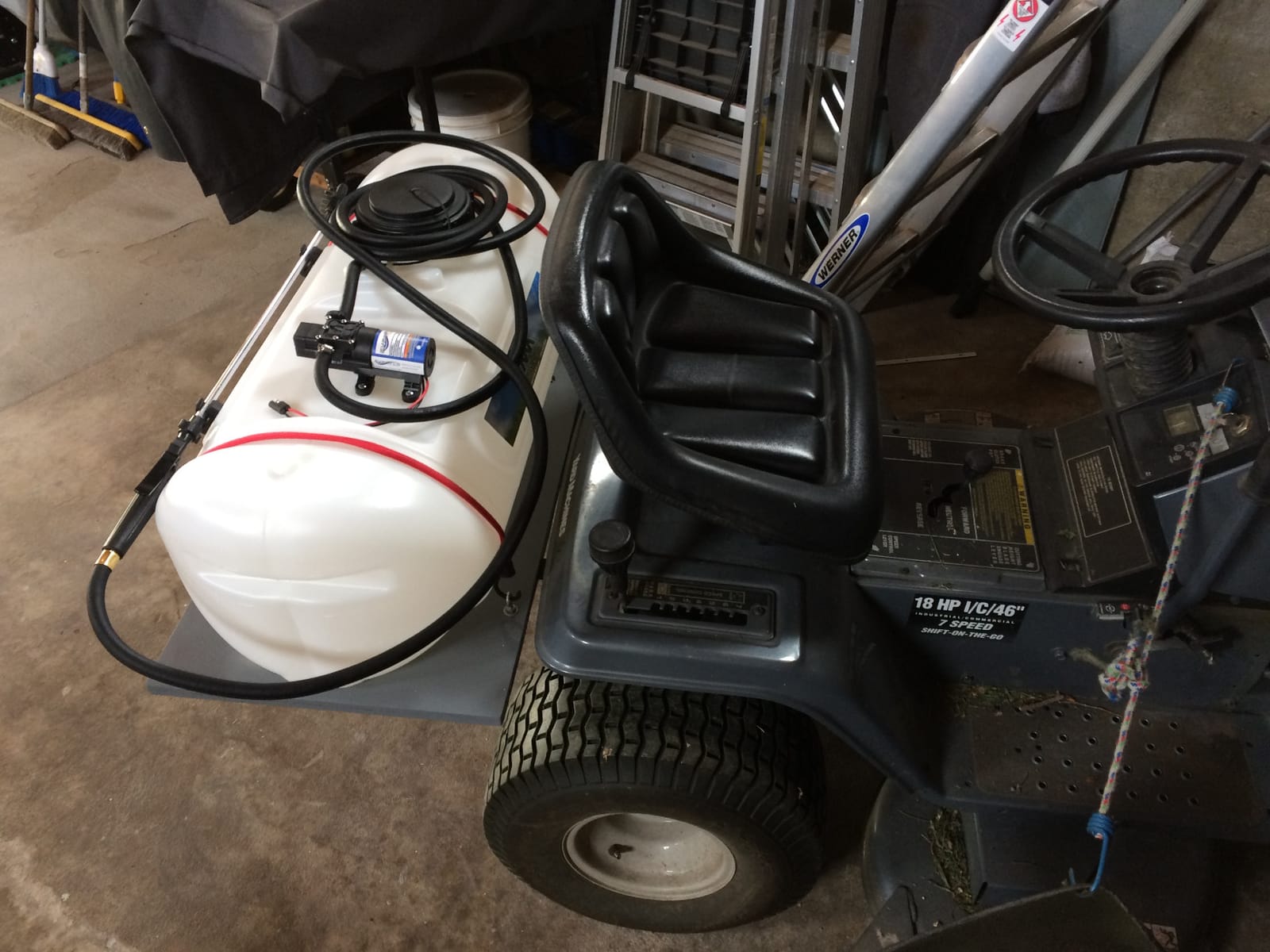
This is the capacity-to-weight compromise that we think most readers should actually buy. Fifteen gallons in a 14-pound empty shell is the best ratio in the group, and reviewers repeatedly note strong pump durability even among people spraying tens of acres. The Everflo 1.0 GPM 12V diaphragm pump is a known, serviceable unit rather than a sealed mystery box.
Details that matter more than they sound: gallon graduation marks on the tank, a tethered lid, gun clips, and a two-year warranty covering the pump and components. The adjustable spray gun reaches 18 feet vertically and 20 feet horizontally, which is a little more vertical reach than the Ironton and slightly less horizontal.
It is also approved for lawn and agricultural applications, and it secures to an ATV, a UTV, or other commercial vehicles using the included wire harness. The 180-inch hose gives you enough slack to walk behind the machine and spray without dragging the tank.
One practical note. The 40 PSI maximum pressure is the lowest rating among the 15-gallon units here. That is adequate for herbicide and fertilizer work on food plots, where you want moderate pressure and a coarser droplet. It is not what you want for dense brush or woody regrowth, where you need more pressure to force material through a wand cone.
Where this sprayer earns its place
This is the pick for one to three acres of food plots worked with a wand, and for mixed duty where you spray a plot edge, a tree line, and a gate row in the same afternoon. A full tank here runs to roughly 135 pounds, which is the point: you get real working capacity without the load anxiety that comes with 25- and 26-gallon tanks.
It is also the one we would put on a UTV if you are spraying larger acreage but still working with a wand, because the 15-gallon size is much easier to load over a bed rail and secure than a 26-gallon unit.
Where it will disappoint you
The most repeated complaint across reviews is the plastic wand handle and hose thread coupler separating or weeping at the connection. It is a cheap part to fix, but you should know about it before the first afternoon of spraying rather than after.
The second issue is the pickup tube position. Owners report the tube sitting at the tank edge, which means suction drops on side-hill terrain and you can end up with a sputtering wand or a pump that will not prime. If your ground rolls, that is a real consideration.
3. Master Mfg 15-Gallon 7-Foot Broadcast Sprayer – Best Boom Precision Here
Master Mfg 15-Gallon ATV Broadcast Sprayer – 7ft Swath, 2.2GPM, 70PSI Max
15 gal tank
7 ft all-steel boom
2.2 GPM at 70 PSI
30 lb dry weight
Pros
- Only unit here with a factory 7-foot all-steel broadcast boom
- 2.2 GPM pump rated to 70 PSI with gauge and regulator
- Adjustable boom brackets for consistent spray height
- Quick-attach mounts and straps fit most branded ATVs
Cons
- Heaviest rig in the group at 30 pounds dry which loads the rack
- Boom hardware adds width and is awkward in timber
- More assembly than a plain spot sprayer
If you spray open food plots, this is the only rig in the group that arrives with a real broadcast boom. The all-steel 7-foot swath is roughly double the width of the 2-nozzle booms on the 26-gallon units, and combined with the 2.2 GPM pump it means you can lay down a wide, even pass without steering corrections.
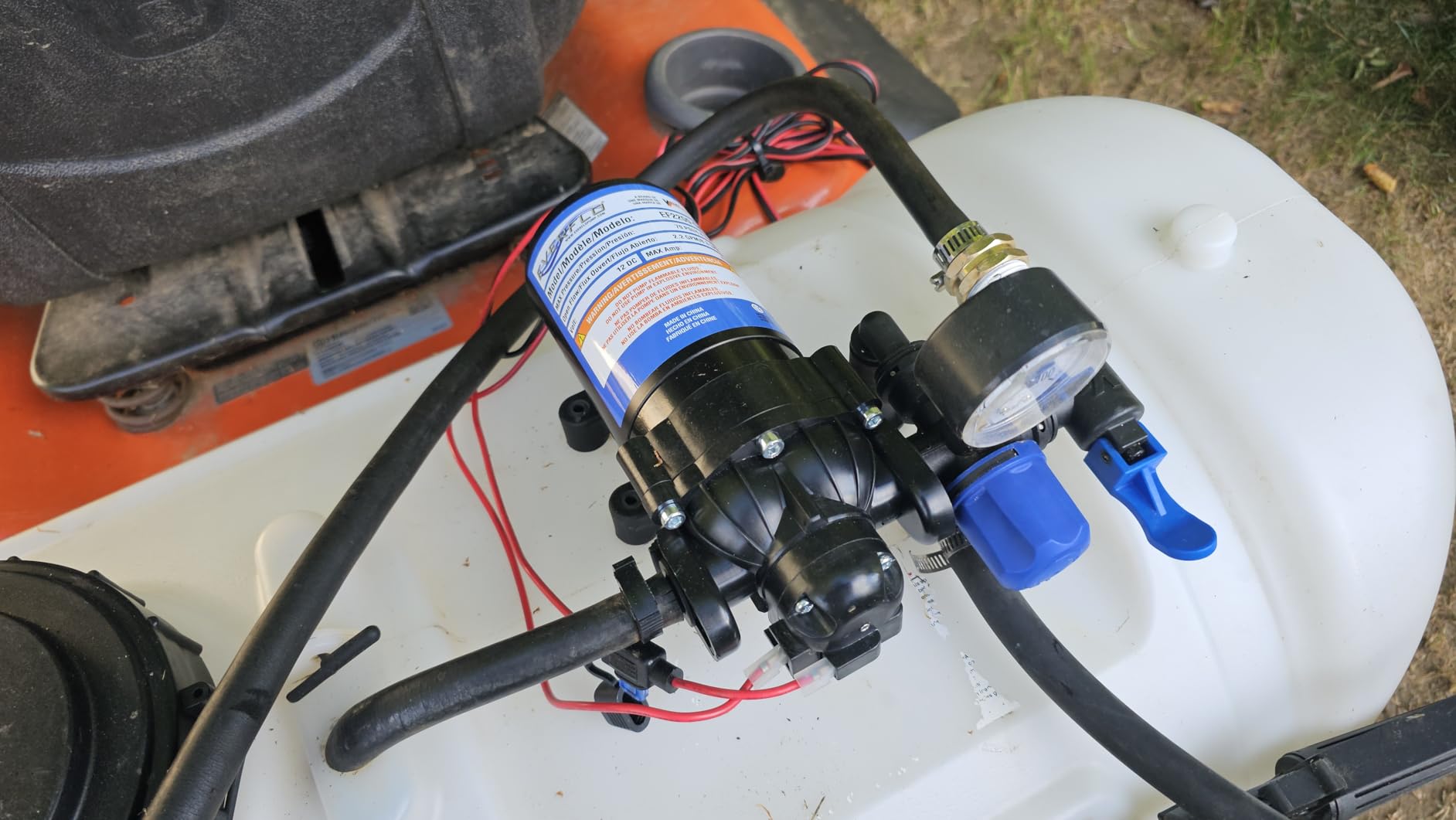
The pumping system is the strongest part of the package. You get a 2.2 GPM 12V diaphragm pump, a pressure gauge, a pressure regulator, and a shut-off to the boom, which is the full control set you want once you start calibrating nozzle output for different spray volumes. The same unit also includes an adjustable spray gun reaching 25 feet vertically and 30 feet horizontally from the seat, so boom work and spot work come from one tank.
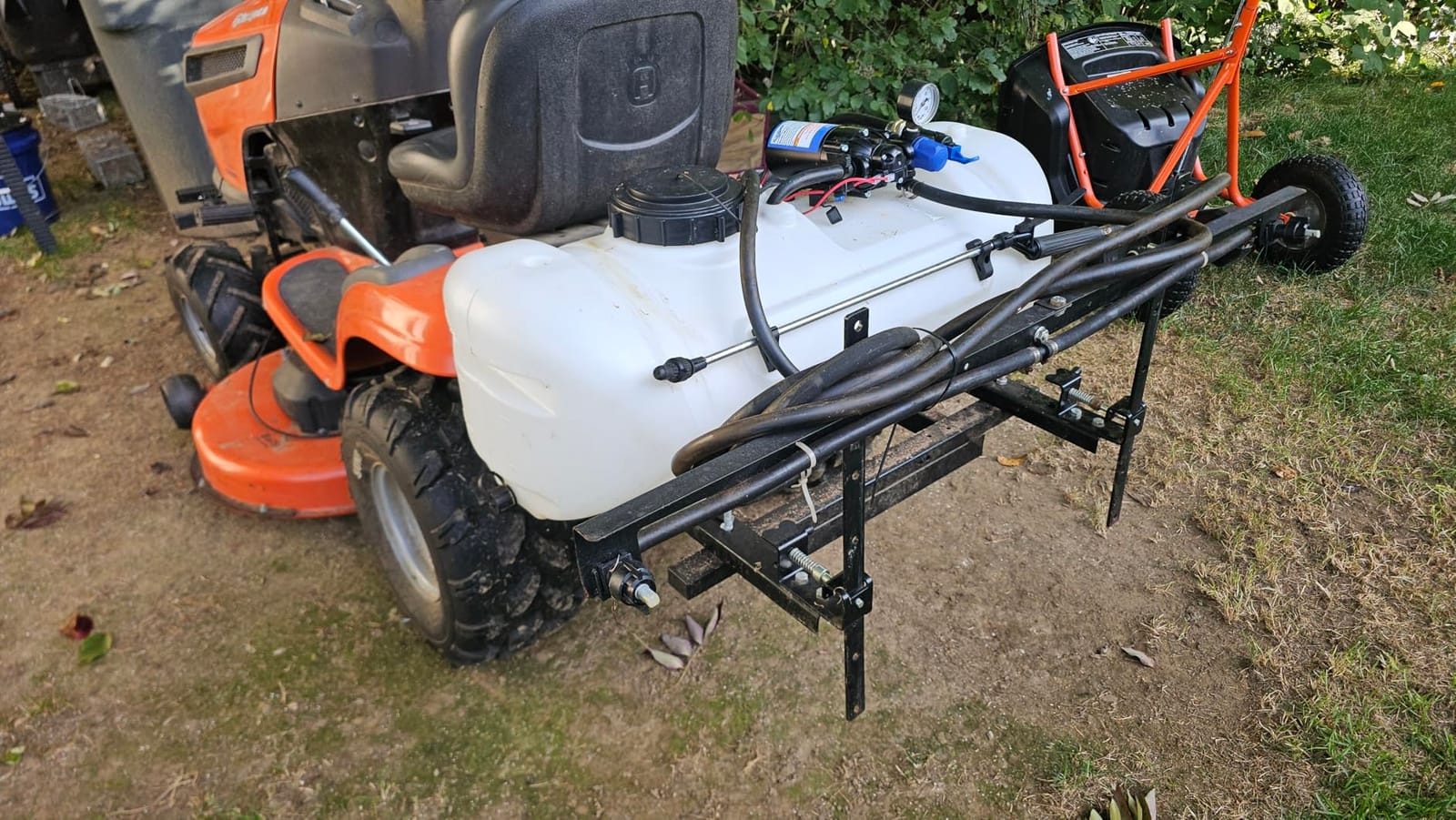
The adjustable boom brackets are the feature owners praise most in practice. Set the height once and the boom rides at a consistent distance above the canopy and soil, which is what turns a pass from striped coverage into even coverage. Mounting is handled with two straps and quick-attach boom mounts that fit most branded ATVs, and it is approved for Roundup and other agricultural herbicides.
This is also the rig to choose if waterways or strips of different crop are in the mix. A narrower boom lets you open and close each side independently rather than painting a fixed-width band you cannot shrink.
The tradeoff is weight. At 30 pounds empty, this is the heaviest unit in the group, and a full 15-gallon tank pushes the assembly to roughly 145 pounds before you add yourself, tools, and any second tank. On a small utility ATV that is a load worth testing before you commit.
Where this sprayer earns its place
Open, fairly level food plots of one to three acres are the sweet spot, and so is anyone who cares about application accuracy more than raw speed. A steel boom holds its shape over rough ground where lightweight aluminum or PVC arms flex and drift, and a seven-foot swath is wide enough to finish a plot before the tank empties.
It also works well for drenching small to medium areas, which is how the manufacturer frames the 7-foot swath use case, including strips near waterways where you want a controlled, narrower application.
Where it will disappoint you
Timber. A 7-foot steel boom is exactly as effective in a wooded food plot as it is at catching a sapling, and owners in hunting forums consistently route to boomless designs for that reason. The same hardware also makes the rig bulkier to load, transport, and store than a plain spot sprayer.
Assembly takes more effort than the wand-only units, so budget an extra setup session. And if your ATV is a smaller machine with a modest payload rating, test the loaded weight on your rack before you commit, because 145 pounds high on a rear rack changes how the machine handles on a slope.
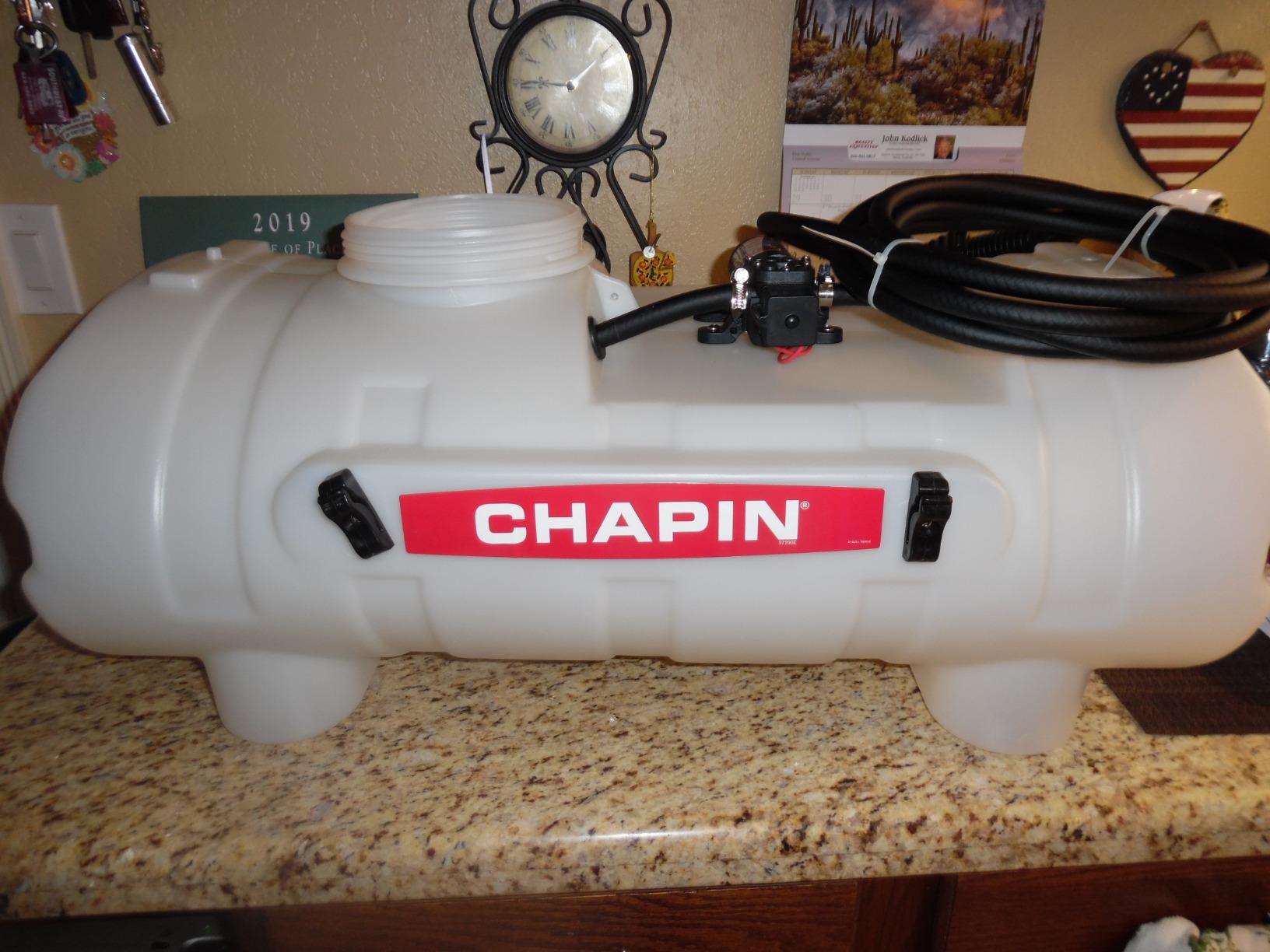
4. Chapin 97200E 15-Gallon ATV and UTV Sprayer – Best Triple Filtration
Chapin 97200E Made in the USA 15 Gallon ATV/UTV 12 Volt Mounted Spot Sprayer With 6 Inch Wide Mouth, High Performing 12 V Diaphragm Pump and Filtration System and 18 Inch Spray Wand, Translucent White
15 gal poly tank
1.0 GPM pump
60 PSI max
Triple filtration
Pros
- Triple filtration cuts clogging downtime in the field
- Translucent tank plus 6 inch wide mouth for filling and cleaning
- Automatic pump shut-off when you stop spraying
- Serviceable filter at the shut-off and lock-on trigger
Cons
- Drain spout threads can leak and are hard to tighten fully
- Some sprayers arrive missing a drain cap or with a misinstalled inline fuse
- Uneven tank bottom leaves mix you cannot fully use
Filtration is what separates this unit, and for food plot work that is not a minor detail. You get a filter cap basket, an in-tank filter, and a filter at the shut-off, which means fewer disassembly sessions with a tank of mixed herbicide sitting in front of you. Clogging is the most common reason a sprayer gets abandoned mid-season, so the three-stage setup has real value.
The tank is the other strength. It is translucent so you can read the fill level without lifting the lid, and the 6-inch wide mouth makes filling, mixing, and cleaning out the bottom far easier than a narrow-fill tank. The shut-off has a lock-on feature, which cuts hand fatigue on long wand passes, and the 18-inch poly wand with 15 feet of reinforced hose handles fence lines and foliage.
It is a 1.0 GPM quick-connect diaphragm pump rated to 60 PSI, and because it is a diaphragm there are no shafts or seals to replace. Many owners report getting through a full morning of spraying on a single battery charge, and the automatic shut-off when you release the trigger stops the pump from cycling needlessly.
Worth noting: this is designed and produced in the US with US-based support, and it carries Chapin’s 1-year limited warranty. That is a shorter warranty than the two years on the Master Mfg spot unit, so keep the receipt.
Empty weight is 14.5 pounds with a 15-gallon capacity, right in line with the Master Mfg 15-gallon. A full tank is roughly 135 pounds, which sits in the workable range for most ATVs and every UTV bed we would consider for this job.
Where this sprayer earns its place
Thick, clog-prone mixes are the reason to buy this one. Certain herbicide formulations and liquid fertilizer blends carry suspended solids that will eventually plug a wand orifice or a boom screen, and having a serviceable filter at three points in the flow is how you keep working through a season without stripping the rig down.
It is also a strong pick for mixed use on a UTV, since the wide mouth and translucent tank make it easy to check levels mid-load, and the filtration protects the pump when you rotate between products.
Where it will disappoint you
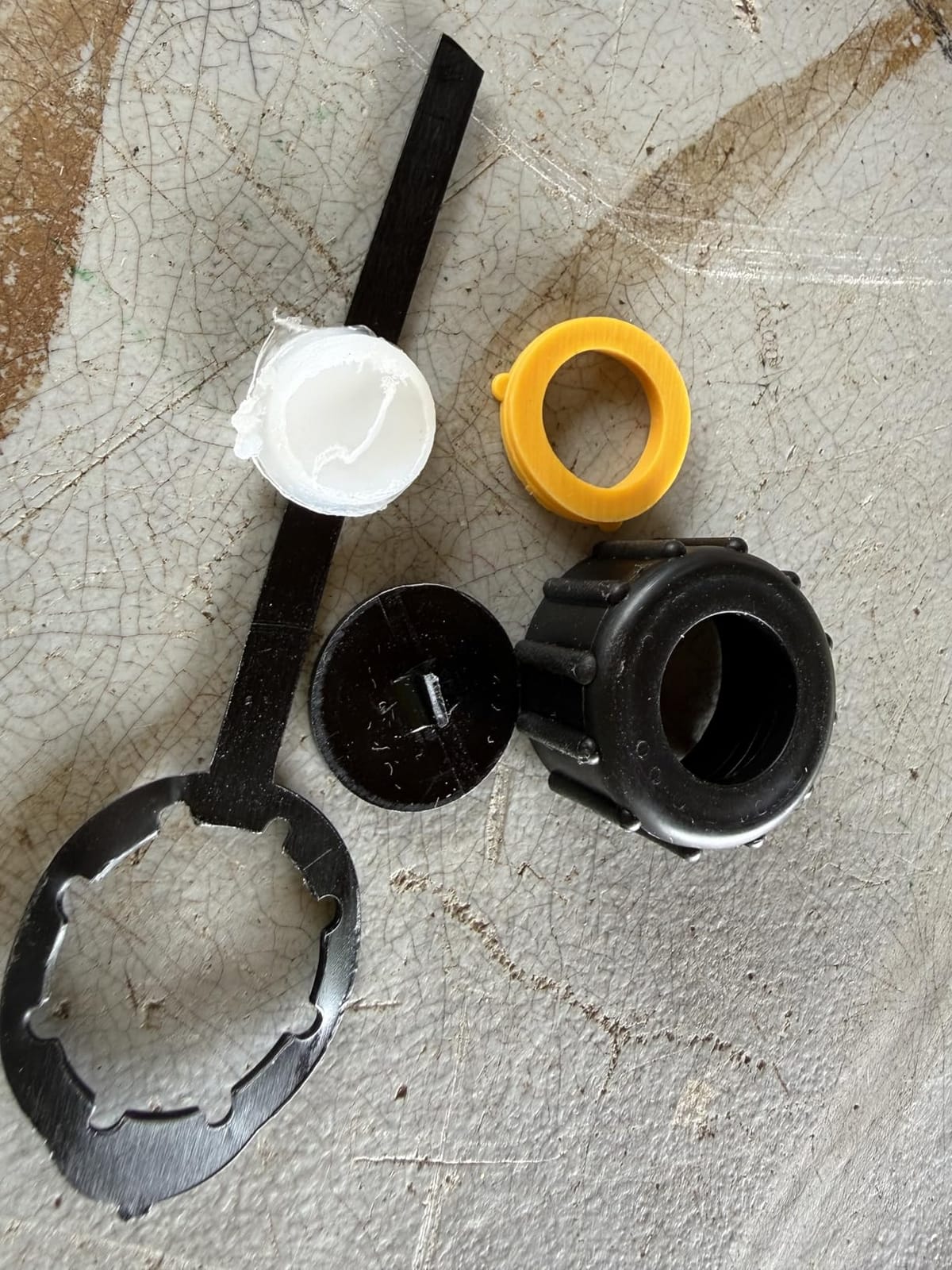
Out-of-box quality control is the recurring theme in reviews. Reports include drain spouts that will not fully tighten, a missing drain cap, and an inline fuse installed incorrectly. None of these are hard problems, but they cost you an afternoon on arrival, so inspect the box before you leave the porch.
The 15-foot hose is shorter than several competitors, and the raised uneven tank bottom means the last of your mix cannot be fully recovered, which wastes chemical you paid for. The pump is also the lower-output 1.0 GPM unit, so it is a spot sprayer, not a broadcast machine.
5. Chapin 97361 Mixes-On-Exit Sprayer – Best for Switching Products
Chapin 97361 Made in the USA 15 Gallon Mixes on Exit 12V, 2.2 GPM Pump ATV/UTV Spot Sprayer with Separate Water Tank Than Concentration Tank to Mix on Demand, Translucent White
15 gal water tank
2.5 GPM pump
Adjustable mix valve
1.33 gal concentrate tank
Pros
- Clean water stays separate from concentrate so nothing is wasted
- Adjustable mix valve plus swappable concentrate cassettes
- 2.5 GPM pump gives strong stream reach from the seat
- Handles boom and spot functions from one unit
Cons
- Lowest average rating in the group at 3.8 stars
- Mix dial steps in whole ounces so half-ounce rates are impossible
- Several fittings arrive loose and leak until re-torqued
This rig exists to solve one specific food plot problem, and it solves it well: not wasting chemical when you change products. The 15-gallon main tank holds clean water only, and a removable 1.33-gallon concentrate tank feeds the mix through an adjustable valve rated from 1 to 15 ounces of concentrate per gallon of water. You spray clean water and concentrate straight into the line, then swap the concentrate cassette when you move to a different herbicide.
The pump is the 2.5 GPM Chapin unit, which is the highest output in this roundup, and it clips straight to the battery with alligator clips. You get a 20-inch poly wand, 15 feet of reinforced hose, an adjustable cone nozzle, and ratchet straps for mounting. Owners report strong stream reach and good coverage on tractor and ATV mounts once it is running.
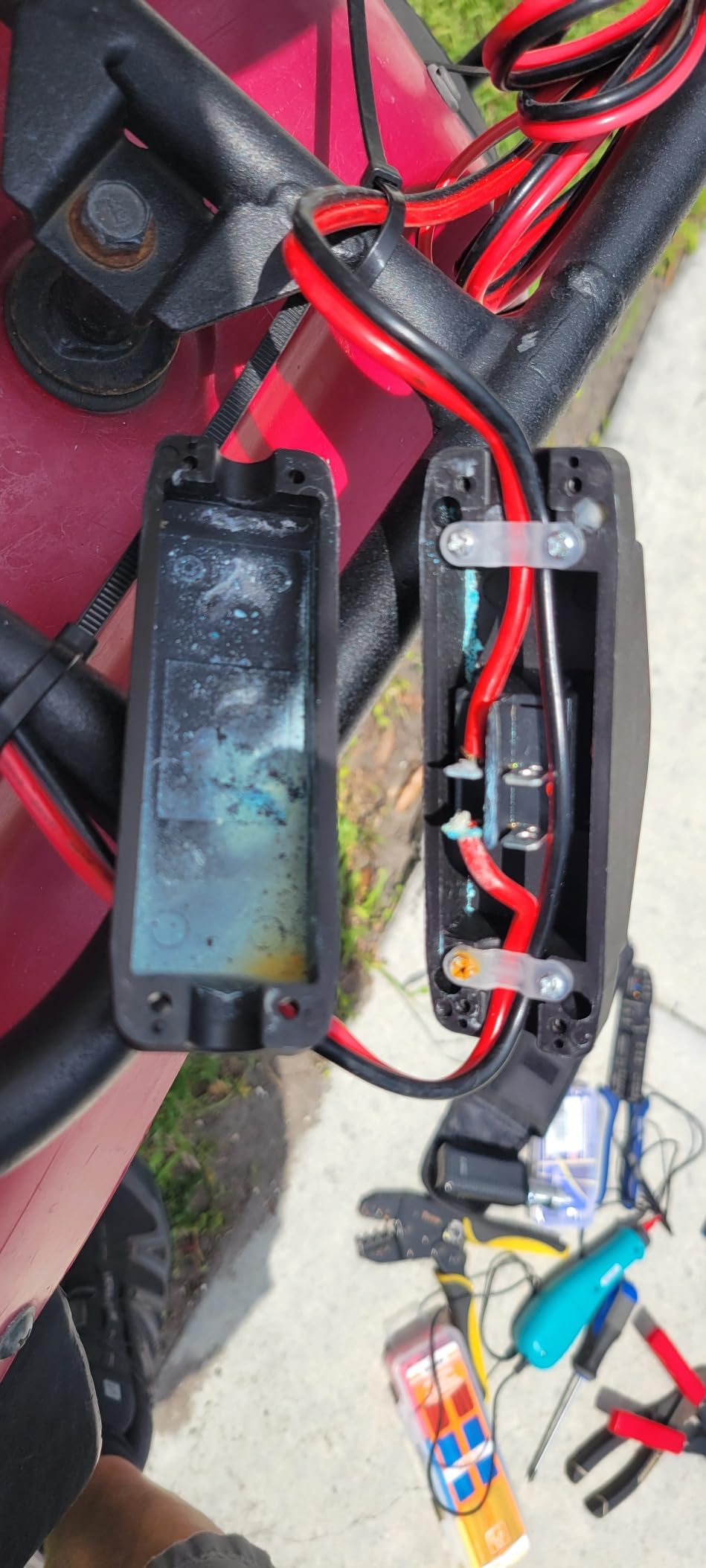
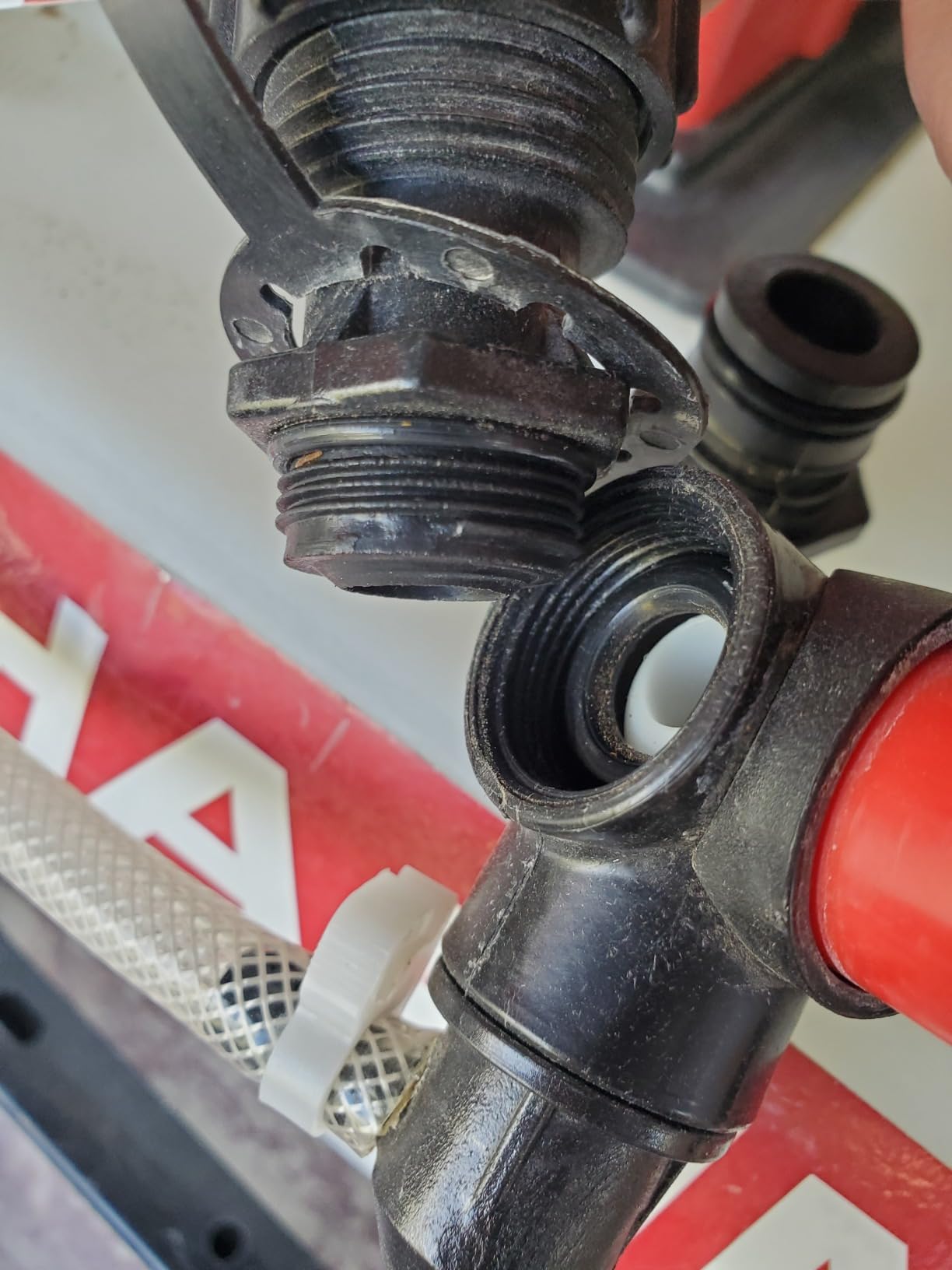
We want to be straight about the rating. At 3.8 stars this is the lowest-scoring product in the group, and the complaints are specific and consistent: fittings that arrive loose and leak until painstakingly tightened, dial markings that wear off so you cannot read your mix ratio, and a percentage of sprayers that will not prime out of the box because of a reversed check valve or a blocked in-line connector.
The mix dial is the second real limitation. It steps in whole-ounce increments, so if your label calls for a half-ounce rate you cannot set it exactly. Owners also report ratio inaccuracy with thick concentrates.
There is also a design decision to know about. This unit supports boom and spot spray functions, but the boom is not included. You are buying a mixing system that can drive a boom you add separately, not a broadcast rig.
Where this sprayer earns its place
Plotters who rotate products. If you spray a pre-emergent on brassicas in spring, a selective post-emergent on the same ground in June, and a spot treatment of woody growth along the edge in August, this is the cleanest way to do it without triple-rinsing a tank between jobs or paying for product you dumped to keep clean.
It is also useful for small farms spraying a concentrate across larger treated acreage, because the mix valve lets you change rate on the fly without stopping to measure.
Where it will disappoint you
It is not the rig for someone who wants a set-and-forget broadcast sprayer, and the 3.8 rating reflects real assembly and priming issues rather than a dislike of the concept. Budget time to work every fitting with a wrench before first fill, and run clean water through the whole system to confirm it primes before you mix chemical.
At 24 pounds dry it is heavier than the other 15-gallon units here without a boom on board, which is an odd weight distribution if you plan to add one later. If you only ever spray one product, a conventional single-tank rig will serve you better for less money and fewer failure points.
6. Chapin 97154 15-Gallon ATV and UTV Sprayer – Best Budget 15-Gallon Rig
CHAPIN 97154 15-Gallon ATV/UTV Sprayer with 12V Pump & 15-Ft Hose
15 gal poly tank
1.0 GPM 12V pump
60 PSI max
16 ft hose
Pros
- Full 15 gallon capacity at the lowest cost in this group
- Strong best sellers rank signals proven demand
- Double filtration helps prevent clogs in the field
- EZ Mount system with 6 inch opening for fast filling
Cons
- Reinforced hose has been reported to split from the wand
- Battery clamp lead only with no cigarette lighter option
- Pump must be winterized or it will not survive freezing weather
This is the value entry point for anyone who wants a full 15 gallons of capacity and does not want to spend a premium for it. It ranks extremely well in its category, which tells you the volume of real-world use behind it, and the core package is complete: 15-gallon chemical-resistant poly tank, 15 feet of reinforced hose, a 1.0 GPM 12V diaphragm pump, and double filtration with an in-tank filter plus a filter at the shut-off.
What you get over the more expensive Chapin 97200E is capacity at a lower cost, with one fewer filtration point. What you give up is refinement. The instructions are thin enough that reviewers report improvising during setup, and there is no automatic or lock-on trigger mentioned in the feature set.
The pump gives consistent pressure for weed and fertilizer work, which is the bulk of what a food plot sprayer does. Mounting is via the EZ Mount system on a standard ATV, UTV, or lawn tractor, and the wide 6-inch tank opening speeds up filling and mixing. It is made in the US with global materials and carries a 1-year limited warranty.
Empty weight is 17 pounds, so a full tank sits at roughly 137 pounds on the rack. That is fine for a UTV bed and workable for most ATV rear racks.
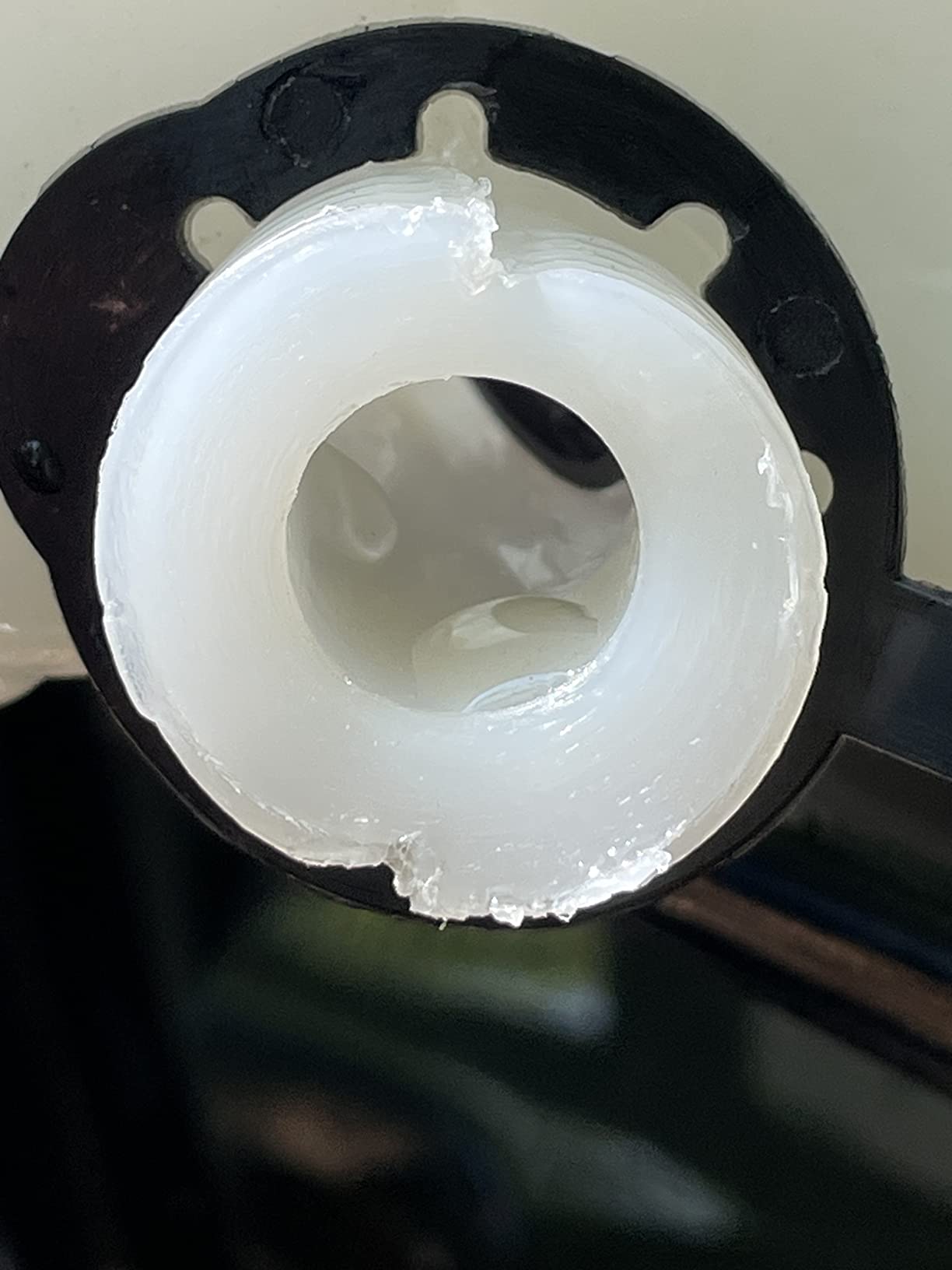
The failure reports to plan around are specific. Owners report the reinforced hose splitting away from the wand, early pump failures on a small number of units, and no cigarette-lighter adapter option, so you are committed to battery clamps. The one winterization warning is the one everybody on a forum will tell you about, and we cover it below.
Where this sprayer earns its place
This is the buy for a first sprayer, a second machine for a UTV bed, or a backup you do not feel bad about leaving out in the shed. It handles spot spraying, boomless wand passes, and fertilizer at the volumes most food plot programs actually use, and it does it without a large purchase decision.
Double filtration also makes it a reasonable choice for liquid fertilizer work, where solids are more likely than in a clean herbicide mix.
Where it will disappoint you
It is a spot sprayer with no boom and no pressure specification beyond the 60 PSI pump rating, so spray pattern control is limited. If your primary job is broadacre broadcast on open plots, you will outgrow it in a season.
Watch the hose connection on the first fill, and do not store it full through a freeze. The pump has to be winterized with RV antifreeze or drained completely, and several reviews describe what happens when owners skip that step.
7. NorthStar 26-Gallon 2-Nozzle Boom Sprayer – Best Boom for Acreage
NorthStar 12V Sprayer Pump, 26-Gallon, 2.2 GPM, 12V, 70 PSI, 2-Nozzle Boom
26 gal tank
2.2 GPM at 70 PSI
6.7 ft 2-nozzle boom
49 lb dry weight
Pros
- Largest tank in the group at 26 gallons for fewer refill stops
- 2.2 GPM on-demand pump rated 100 percent continuous duty
- Independent flow control on each boom arm for strip or perimeter work
- Viton DXS-3 valves and Santoprene diaphragm resist caustic chemicals
Cons
- Heaviest unit here at 49 pounds and it needs a strong rack or trailer
- Shipping leaks at pre-clamped hose connections are common
- Pump diaphragm reported failing after a few seasons of heavy use
This is the most serious hardware in the roundup for anyone spraying real acreage, and the pump is the reason. The 2.2 GPM NSQ Series on-demand pump holds 70 PSI on a 100 percent continuous-duty motor rating, so it runs as long as the job demands with no cool-down breaks. A Honeywell MICRO SWITCH cycles the pump slowly to reduce switch and motor wear, which is a design choice aimed squarely at long service life.
The boom is a 2-nozzle unit delivering a 6.7-foot swath, with independent flow control on each arm. That combination is more flexible than a fixed full-width pass: you can run full broadcast, a narrow strip, or a perimeter pass from the same setup. Spring-loaded breakaway arms fold away for transport and storage without tools, which is a nice touch when you are moving between plots.
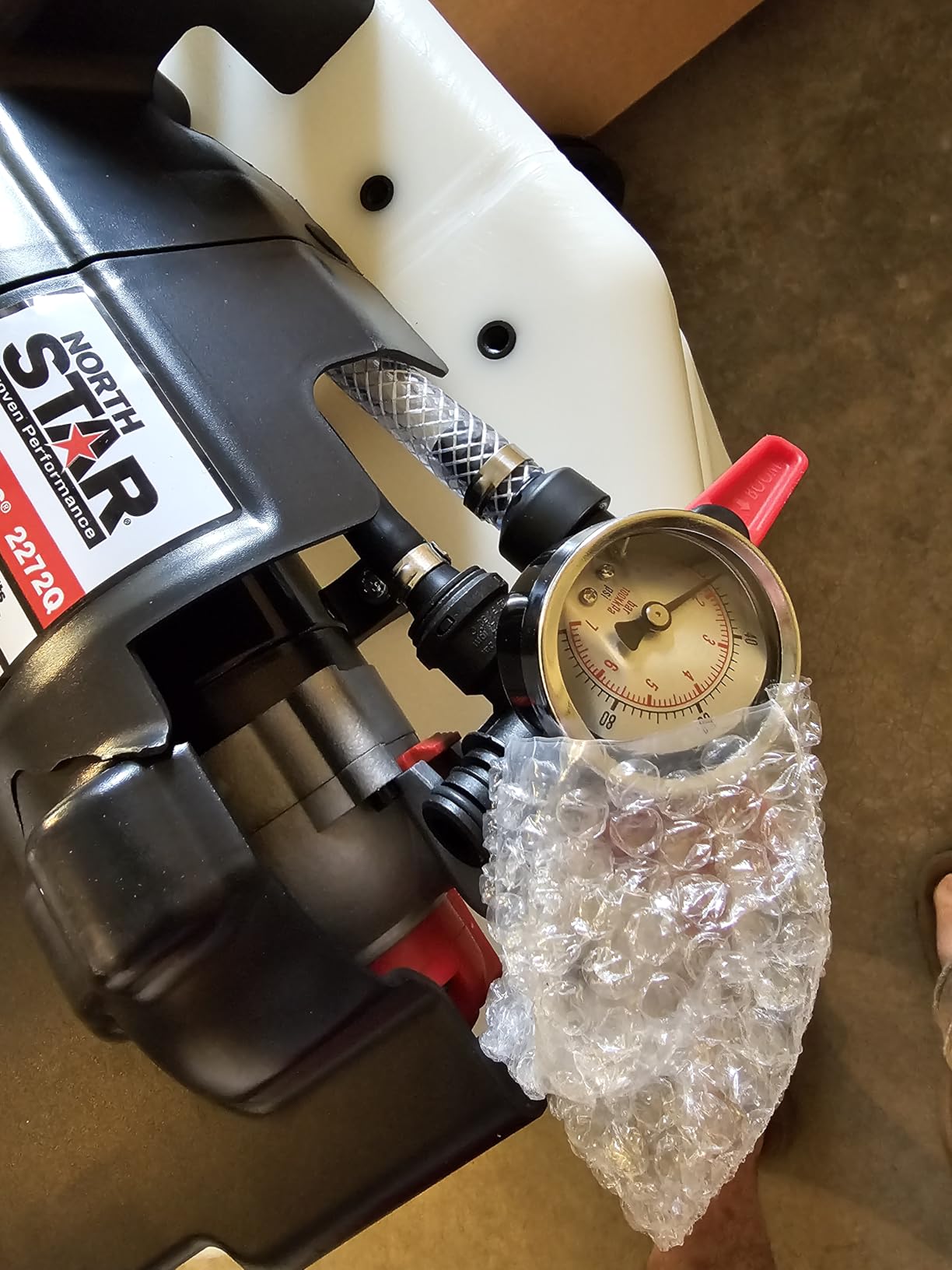
The 26-gallon tank is built with extra-thick walls from a UV-resistant polymer, and a bypass flow return keeps chemical mixed throughout the job, which matters more than it sounds when you are spraying a formulated product that settles. A bottom-mount tank drain makes emptying, rinsing, and switching chemicals fast. The spot gun reaches 19 feet vertically and 30 feet horizontally.
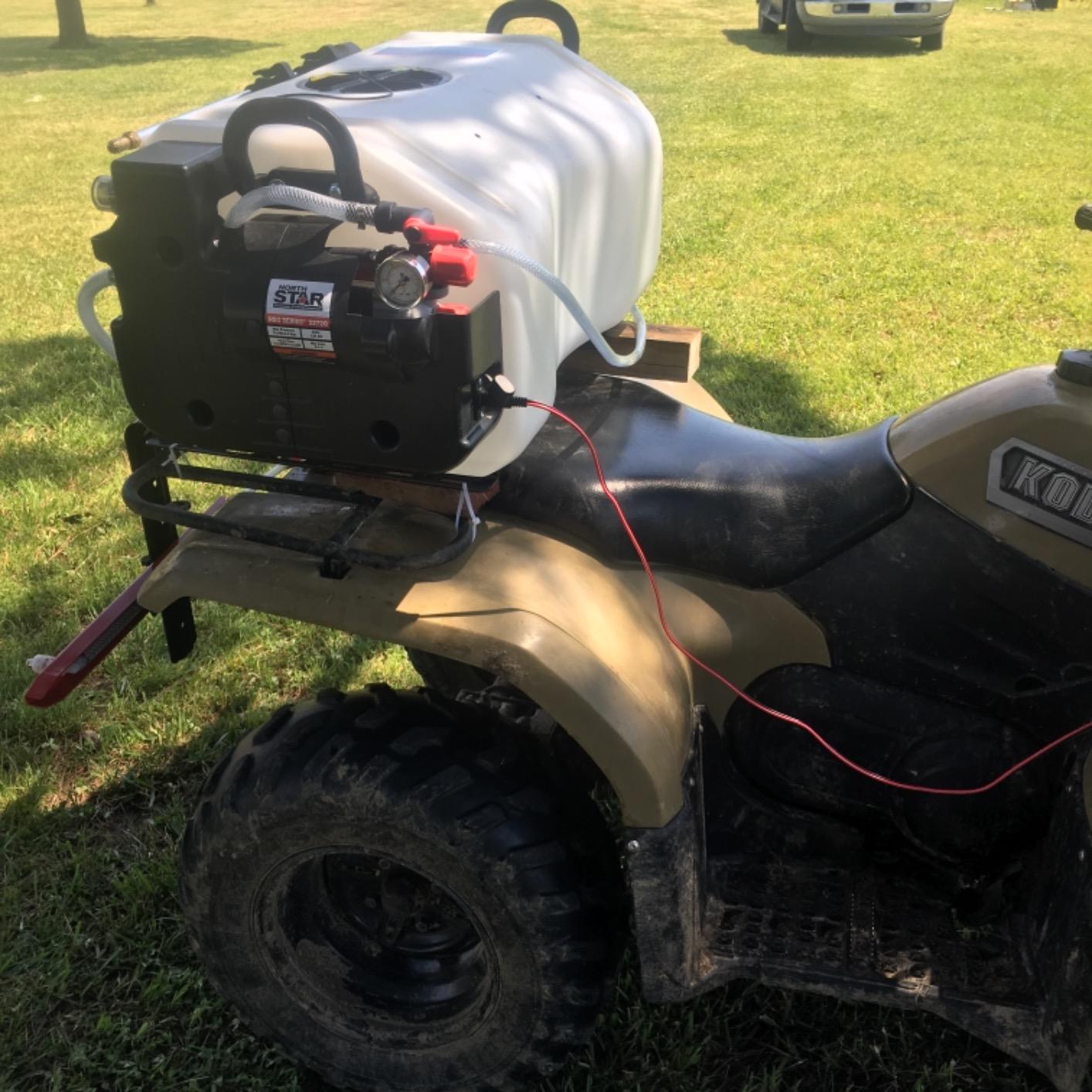
At 49 pounds dry, this is the heaviest rig here, and a full tank pushes the loaded weight to roughly 259 pounds. That is a real consideration for smaller ATVs and it is why we would put this on a strong rear rack or a small trailer rather than a light four-wheeler.
The recurring complaint is assembly leaks at pre-clamped hose connections. Owners report adding Teflon tape and adjustable clamps at multiple joints to stop weeping, and some report the bottom drain cap and wand connections seeping on arrival. The pump diaphragm has also been reported failing after a few seasons of heavy chemical use, which is worth factoring into long-term cost of ownership.
Where this sprayer earns its place
Three to five acres of open food plots, or several smaller plots worked in one session, is where the 26-gallon capacity pays off. Fewer refills means fewer chances to mis-mix, and the independently controlled boom arms make it easy to treat a plot edge or a food plot border without overlapping into the next crop.
This is also the strongest choice here for caustic or aggressive chemical work, because the patented DXS-3 Viton valves and Santoprene diaphragm are the most chemically resistant pump internals in the group.
Where it will disappoint you
Assembly. Budget real time to walk every clamped connection with a wrench and check for weeping with clean water before you mix anything. Several reviewers report leaks straight out of the box, and chasing a fitting while a full tank of mixed chemical is in the grass is how an afternoon gets lost.
It is also heavy and bulky to transport and store, the 3.9 rating reflects that friction, and a 6.7-foot boom still does not cover the width of the Master Mfg 7-foot unit. In timber, expect to be picking steel arms out of brush.
8. Master Mfg 25-Gallon Deluxe Spot Sprayer – Best 25-Gallon Wand Rig
Master Mfg 25-Gallon Deluxe UTV & ATV Spot Sprayer – 2.2GPM, 70PSI Max for Fertilizer, Weed & Pest
25 gal tank
2.2 GPM Everflo pump
70 PSI max
180 in hose
Pros
- 25 gallons of capacity paired with a 2.2 GPM 70 PSI pump
- Deluxe adjustable gun with hose strap to protect the wand
- Reach of 25 feet vertical and 30 feet horizontal
- Suction line reaches the deepest part of the tank
Cons
- Impeller failure reported on a small number of sprayers
- Nozzle can separate under the plastic housing and leak
- Instructions include no guidance on adjusting pump pressure
This is the mid-size option for someone who wants a serious amount of capacity in the tank but works with a wand rather than a boom. Twenty-five gallons with a 2.2 GPM 12V Everflo diaphragm pump rated to 70 PSI gives you more flow than the 1.0 GPM 15-gallon units, which shows up as a tighter, longer-reaching stream rather than as broadcast width.
The deluxe adjustable spray gun is the highlight, with listed reach of 25 feet vertically and 30 feet horizontally from the seat. That is the best vertical reach in the roundup, and it is the number that matters when you are spraying the top of a hedge, the crown of a young tree, or a vine-covered fence line. A hose strap is included to keep the gun from dragging.
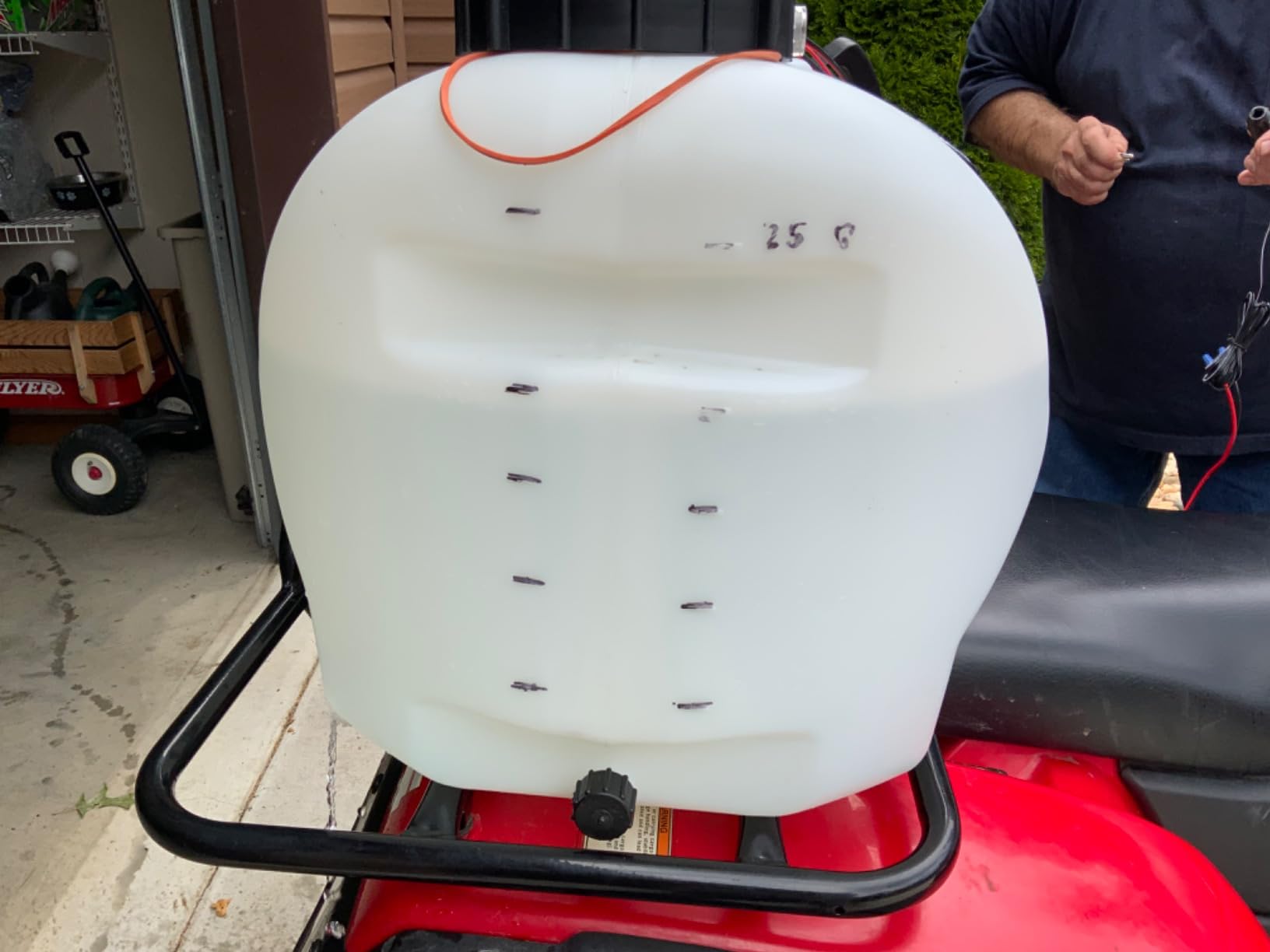
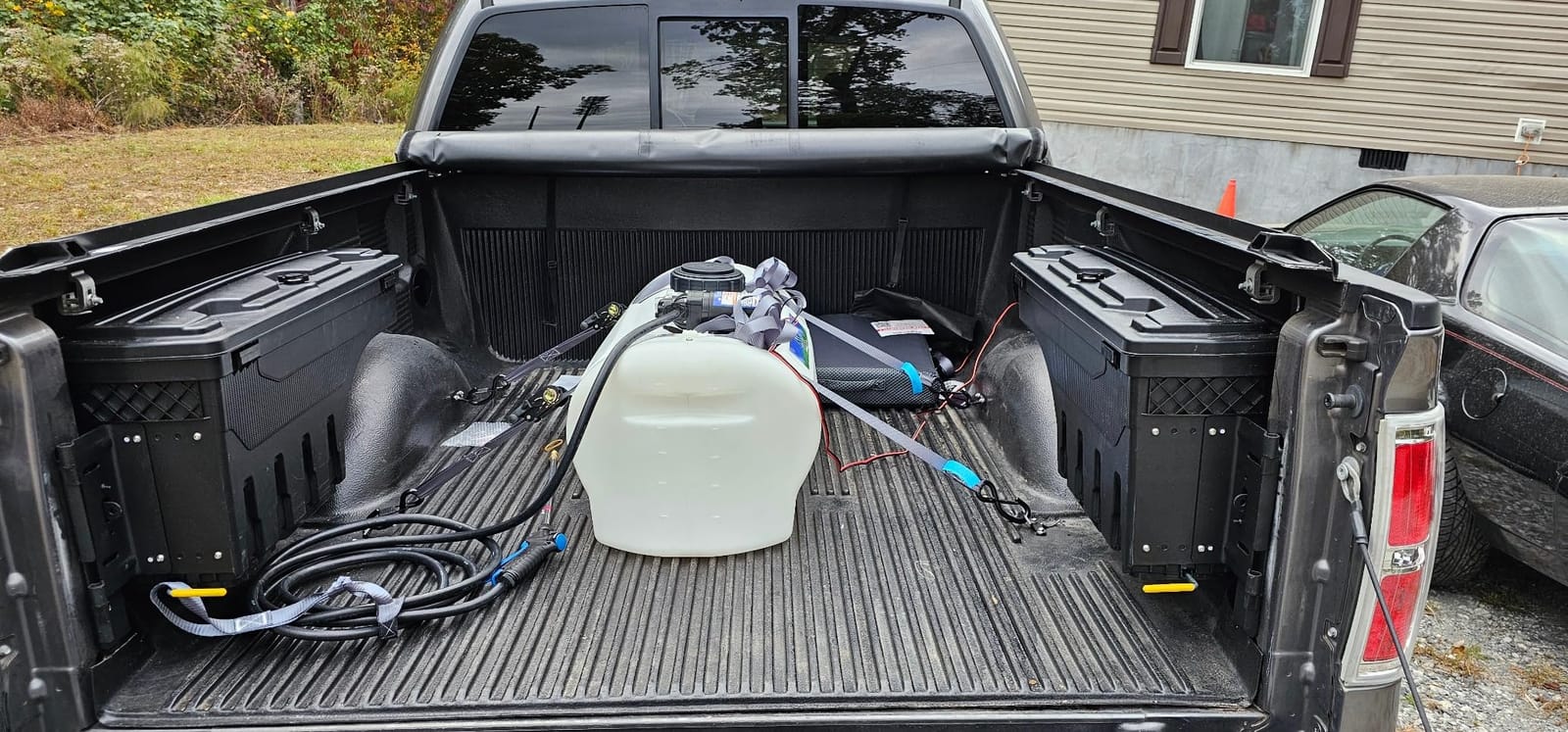
Owners report solid construction and easy assembly for ranch and pasture work, and note that the suction hose reaches the deepest part of the tank, which minimizes the leftover fluid you end up discarding. Mounting works on an ATV four-wheeler, a side-by-side UTV, or other transport, and the intended use is low-volume isolated areas: weeds, trees, livestock, and fence lines.
The complaints are narrower than most units here. A small number of owners report impeller failure where the pump spins but produces no flow, and a spray nozzle separating under the plastic housing and leaking after limited use. The instructions also contain no guidance on adjusting pump pressure, which is a documentation gap rather than a hardware fault.
There is one storage note that catches people out. The wand needs to be fully drained, because water left in it can freeze and split the handle, and one shipment arrived without a tank lid, so check the box contents on arrival.
Where this sprayer earns its place
Tree lines, hedgerows, and mixed plot-and-edge work on two to four acres. The 25-gallon tank means fewer refills than a 15, and the 2.2 GPM pump gives you the pressure and reach to work on woody growth and dense weeds that the 1.0 GPM wand units struggle with.
It is also a strong UTV-bed unit, since 25 gallons is a manageable lift over a bed rail and the wide reach means you can work from the machine rather than walking behind it.
Where it will disappoint you
Anyone expecting broadcast capability. This is a spot sprayer with a 70 PSI pump and no boom, so wide even coverage still depends entirely on how you move the gun. On a wide open plot, a boom rig will beat it on time every time.
No listed dry weight is published for this unit, so check the loaded weight against your rack rating yourself before you commit. And if you spray in cold months, drain the wand and the pump, because a frozen impeller or a split handle is an avoidable replacement.
9. NorthStar 26-Gallon Boomless Sprayer – Best Boomless for Timber
NorthStar 26-Gallon ATV Boomless Broadcast/Spot Sprayer, 2.2 GPM, 12V
26 gal tank
2.2 GPM on-demand pump
14 ft broadcast
32.8 lb dry weight
Pros
- Boomless design has no arms to catch on brush or trees
- 14 foot broadcast coverage plus a spot wand from one tank
- Adjustable pressure regulator for dialing different spray outputs
- Contoured front tank face sits comfortably against the rider
Cons
- Tank keeps leaking at the drain spout even after tightening and tape
- Has been reported to keep spraying below about 4 gallons with the shutoff closed
- No assembly instructions included and the pickup tube may need adjusting
This is the unit to buy if your food plots are wooded. There are no boom arms, so there is nothing to catch on a sapling, a branch, or a brush pile, and that single fact decides the boom versus boomless question for anyone running treeline work. Setup, transport, and storage all get simpler for the same reason.
You still get broad coverage. The listed broadcast figure is 14 feet with a consistent spray pattern, driven by a 2.2 GPM 12V on-demand pump, and the adjustable pressure regulator lets you dial tank pressure to suit different chemicals and coverage needs. Chemical-resistant Viton valves and a Santoprene diaphragm support pump life, and a sturdy spot wand comes off the same 26-gallon tank for fence lines and individual plants.
Owner reports include one buyer who put more than 250 gallons through the unit after an initial pickup-tube adjustment, which is the sort of durability evidence that tells you this design works when set up properly. The contoured front tank face is a small but real comfort feature, since you spend the whole session leaning against it.
Empty weight is 32.8 pounds, which puts a full tank at roughly 259 pounds. The compromise versus the NorthStar boom unit is that you give up the 6.7-foot boom and some control over swath width, and you gain a machine that will not end a trip wrapped around a tree.
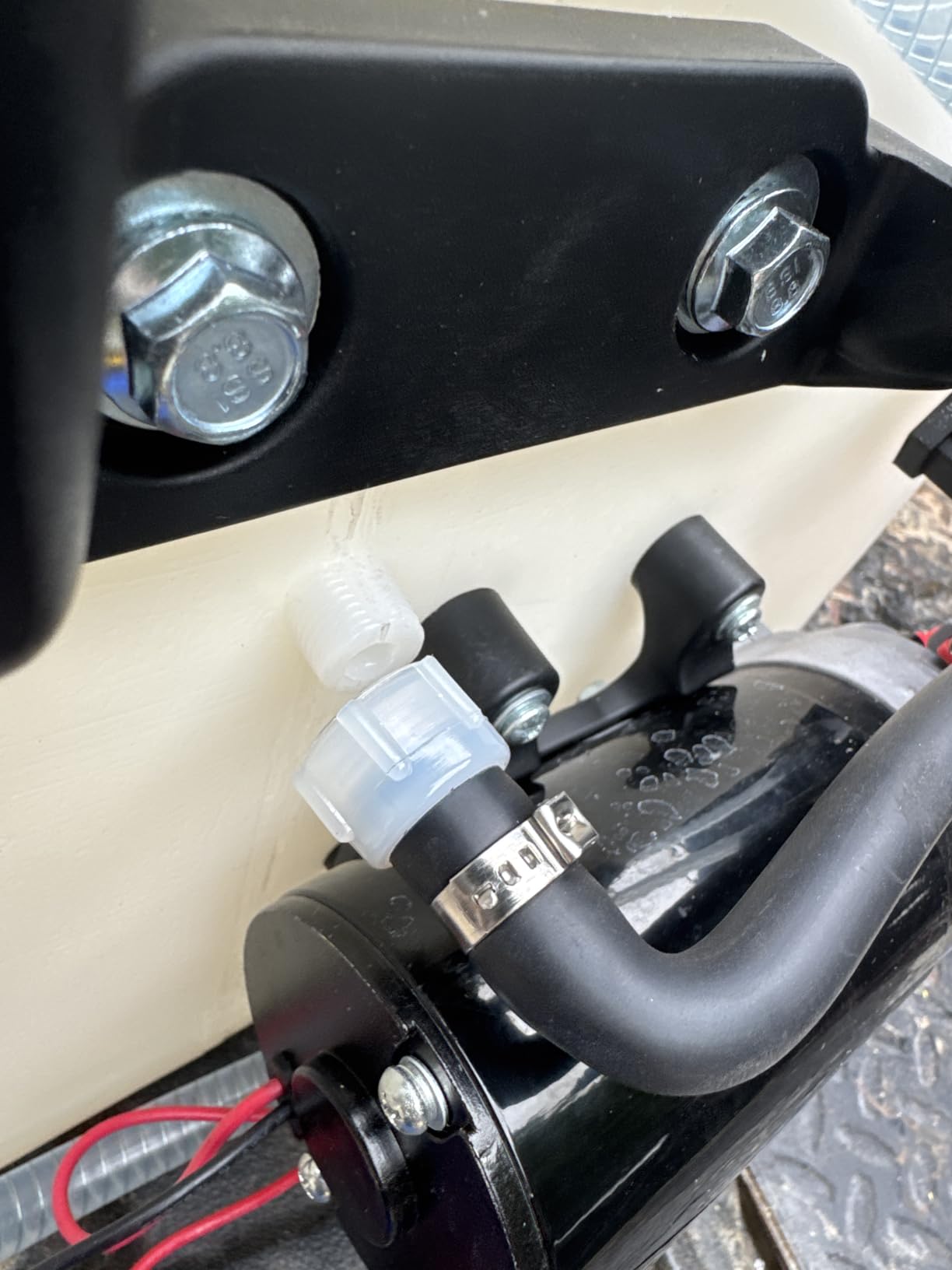
Two issues come up repeatedly. The tank can keep weeping from the drain spout even after tightening and Teflon tape, and one owner reported the unit continuing to spray with the shut-off closed when roughly four gallons remained, which would waste chemical over a long day. There are also no assembly instructions in the box, and the pickup tube may not sit at the bottom of the tank as shipped, so plan to adjust it.
Where this sprayer earns its place
Wooded food plots, wildlife habitat corridors, and any mixed job where you will hit both open ground and timber. One owner on a Deer Hunter Forum thread described running a NorthStar boomless rig for more than a decade, and that kind of long-term ownership report is the strongest evidence we found that the design holds up.
It also suits growers who spray liquid fertilizer or larger-volume applications, since you can widen the cone and slow your ground speed rather than fighting a fixed boom width.
Where it will disappoint you
Precision. A boomless pattern is inherently harder to keep even than a boom, and striped or uneven coverage shows up when the nozzle and your ground speed are not matched. If your plot is dead flat and open and your priority is even application, a boom rig is the better tool.
You also have more control work on this unit than the others. Fix the drain spout before you fill, check the pickup tube, and test the shut-off behavior, because a leaking drain and a valve that will not close are both problems that get worse with a full tank sitting in the grass.
10. NorthStar 16-Gallon ATV Sprayer – Best Compact 16-Gallon Setup
NorthStar ATV Sprayer, 16-Gallon, 2.2 GPM, 12V
16 gal tank
2.2 GPM at 70 PSI
26.2 lb dry weight
15 ft hose
Pros
- Quick-connect 2.2 GPM NSQ pump rated to 70 PSI
- Deluxe trigger gun with adjustable brass stream-to-cone nozzle
- Regulator and pressure gauge let you fine tune for different chemicals
- Compact enough at 26.2 pounds to mount on a four-wheeler
Cons
- Priming gets difficult and can fail after a year or two of use
- Some sprayers arrive with a defective pressure gauge
- Drain plug is poorly located so the tank cannot fully empty
This is the small-footprint NorthStar, and it is the one to pick when you want a proper 2.2 GPM pump and 70 PSI without a 26-gallon load on the rack. At 26.2 pounds dry with a 16-gallon tank, it lands between the 15-gallon spot units and the heavy 26-gallon rigs, and owners report treating roughly a third of an acre per tank fill.
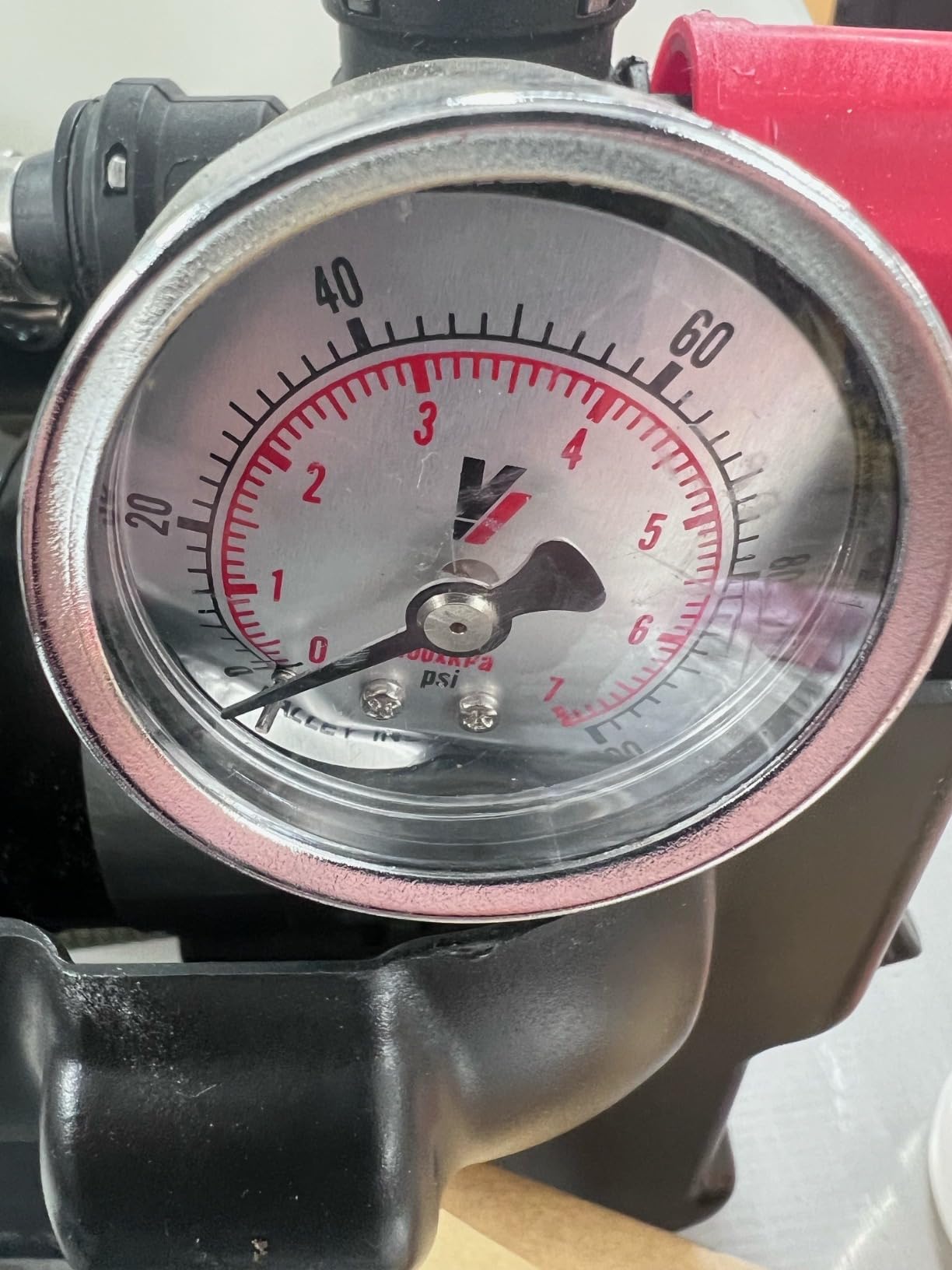
The pump is the same NSQ Series quick-connect on-demand unit used in the larger NorthStar rigs, with patented DXS-3 Viton valves for faster priming and longer life and a Santoprene diaphragm. You get a regulator, a pressure gauge, and a deluxe trigger spray gun with an adjustable stream-to-cone brass nozzle plus 15 feet of hose, which is the most refined control set on any sub-20-gallon unit here.
Be aware of the sample size. With 77 reviews this is the least-reviewed product in the roundup, and it carries the lowest rating of the NorthStar units alongside a 17 percent one-star share. Buyers like the compact size, the brass nozzle, and the 70 PSI performance for orchards and spot work.
The repeated negative is priming. Owners report it becoming difficult and eventually failing after a year or two of use, which is the single thing to weigh before buying. There are also reports of a defective pressure gauge out of the box and a drain plug positioned so the tank cannot be fully emptied, which complicates cleaning and is a chemical residue risk if you rotate products.
Owners also suggest the tank be reshaped so the siphon tube and drain sit in the lowest point, which is a design comment rather than something you can fix. A full tank here runs to roughly 158 pounds, comfortably inside what most ATV racks and every UTV bed will take.
Where this sprayer earns its place
Orchards, small food plots, and anyone who wants finer spray control than a 1.0 GPM wand unit gives. The brass adjustable stream-to-cone nozzle and the regulator-and-gauge combination mean you can match output to a specific nozzle and rate, which is what you want when you move between products with different concentrations.
It is a good middle step for someone who found 15 gallons too small but does not want 26 gallons of loaded weight on a smaller machine.
Where it will disappoint you
Long-term reliability is the concern, and we would not build a five-year plan around this unit given the priming pattern in reviews. It is also spot-only: no boom, no boomless head, just a wand and a hose.
If you spray thick mixes, the small review base and the poorly located drain are both drawbacks. Test priming with clean water before you mix chemical, and if your program is acreage-scale, the larger NorthStar units are the safer bet.
Boom vs Boomless Sprayers: Which One Food Plots Actually Need
Choose a boom if your plots are open and you care about even, repeatable application width. Choose a boomless if your ground is wooded, rough, or full of obstacles, and if you value being able to spray anywhere without picking steel out of brush. That is the honest answer, and it comes straight from how the two designs behave in the field.
A folding boom is a horizontal spray bar with multiple nozzles at a fixed height. Set the height with the brackets, drive, and every pass is the same width. That consistency is what makes a boom the right tool for a broadcast pass over clover or a pre-emergent on brassicas, because you can calibrate a known swath and know exactly what rate you laid down.
A boomless sprayer replaces the bar with a single deflector nozzle that throws a wide cone. You can open the cone for fast open-ground coverage or close it to a narrow stream for a tree, and you can stop anywhere without a boom folding around a sapling. The trade is accuracy: cone patterns are harder to keep even, and coverage depends more on your ground speed and nozzle choice.
Forum consensus lines up with the engineering. On a GON Forum boom thread, users who spray wooded trails and glyphosate along edges consistently steer toward boomless, while the strongest argument for a boom is the width difference on an open plot. A two-nozzle boom gives you a 6.7-foot swath; the 7-foot all-steel boom on the Master Mfg unit gives you noticeably more per pass; a boomless unit can cover a wide band but without fixed edges.
There is a third option worth naming, and it is the most common real-world setup. Many food plot managers run a rig with both: a boom for open plot passes and the same tank driving a wand for edges and timber. Four of the units in this roundup support that, including the Chapin 97361 where the boom is an add-on.
How Many Acres Will 25 Gallons Spray?
It depends entirely on your spray volume. The tank is not the variable, the labeled rate is. Food plot herbicides are typically applied somewhere between 10 and 20 gallons of finished spray per acre, and every answer to this question that treats 25 gallons as a fixed number is misleading.
Here is the math using 25 gallons of finished mix, which is what the tank actually holds once concentrate is added:
At 20 gallons per acre, 25 gallons covers 1.25 acres. This is the higher-volume end, typical where you are using a coarse droplet for drift control near a creek or a neighbor’s crop.
At 15 gallons per acre, 25 gallons covers 1.67 acres. This is the most common food plot application rate and the most useful number to plan around.
At 10 gallons per acre, 25 gallons covers 2.5 acres. This is the low-volume end, generally used with air induction tips that produce larger droplets and less drift per gallon.
So a single 25-gallon tank covers somewhere between 1.25 and 2.5 acres depending on your target rate, and the honest way to size a rig is to divide your acreage by the coverage above. A 2-acre food plot needs two tank fills at 15 gallons per acre. A 5-acre plot needs four fills, which is a lot of mixing and hauling, and it is the point at which a larger tank or a pull-behind setup starts to make more sense.
Swath width changes how fast you cover ground, not how much chemical you use. A 6.7-foot or 7-foot boom means fewer passes for the same tank; a 14-foot boomless pattern covers wide ground quickly but with less edge control. One Florida grower we read about reported spraying 3 acres in 45 minutes including refill stops, which is the kind of real-world figure that tells you more than a GPM number on a spec sheet.
One more variable people forget: your ATV rack. A 15-gallon tank is roughly 135 pounds loaded, 25 gallons is about 235 pounds, and 26 gallons is near 259 pounds before you add yourself. Load rating is a real purchase blocker that almost no roundup addresses, and the practical move is to test with buckets of water at your planned fill level before you buy anything.
How to Choose an ATV Sprayer for Food Plots
Start with acreage, then match capacity. Under a quarter acre, a 5-gallon wand rig is plenty. One to three acres, a 15-gallon tank keeps you to a manageable number of refills. Three to five acres, go to 25 or 26 gallons on a machine with the payload to carry it. Beyond that, look at a pull-behind or a larger UTV-mounted setup.
Then match pump output to the job. The 1.0 GPM units in this roundup are wand sprayers that handle spot work, tree lines, and fence rows. The 2.2 GPM units add pressure and reach for denser weeds and brush. Anything above 2.5 GPM starts adding cost quickly, and most food plot work never needs it. Forum users repeatedly converge on the middle of this range as the sweet spot.
Check the hardware, not just the pump. On a Deer Hunter Forum durability thread, owners reported plastic ball valves from a hardware store failing after about eight years of service, with a clear consensus to replace them with brass ball valves as soon as a sprayer arrives. That is the single cheapest upgrade in this entire guide, and it protects the pump downstream.
Look at the pressure controls if you plan to rotate products. A pressure regulator and a gauge let you match nozzle output to a specific rate, and a brass adjustable stream-to-cone nozzle gives you more range than a fixed plastic cone. Units that only advertise a single pressure rating are harder to calibrate and easier to over- or under-apply with.
Think about mounting. Rear rack mounting with ratchet straps is the most common setup and the one all of these support. The quick-attach boom mounts on the Master Mfg broadcast unit are worth having if you remove the boom often. UTV bed mounting changes the math: a 25- or 26-gallon tank is a much easier lift over a bed rail than onto a four-wheeler rack, which is why two of the bigger rigs here work better on a side-by-side.
Finally, size up to a UTV when your program outgrows an ATV. A UTV carries a bigger payload, has a flat bed for strapping a larger tank, and gives you a wider machine that is less punishing on uneven food plot ground. If you are spraying five or more acres, moving from an ATV rig to a UTV rig is usually a bigger win than upgrading tanks on the same machine.
Flushing and Winterizing After 2,4-D and Glyphosate
Flushing immediately after every application is not optional. It is the most repeated warning across every forum thread we read for this topic, and the failure mode is specific: herbicide residue sits in a diaphragm pump, attacks the internals, and the pump eventually fails. On a GON Forum thread, the recommendation was blunt, never store mixed chemicals in the tank, and flush the system thoroughly after use.
Run clean water through the system first, at the same pressure you applied the chemical, until what comes out of the wand or boom is clear. This clears the lines. It does not touch the pump internals, which is why step two exists.
Then fill the tank with clean water and a neutralizer or a mild detergent solution appropriate to the chemical, and circulate it through the pump and out the nozzles for several minutes. Run the wand or open the boom valves so solution moves through every path, including the branch you did not use last time.
Strip and clean the filters on any rig that has them, and pay attention to the filter cap basket and the in-tank filter. Clogged screens hold concentrated chemical against the tank wall, which is a residue problem and a corrosion problem in one.
For winter storage, drain everything. Disconnect the pump from the battery, empty the tank completely, drain the wand and hose, and then run the pump with RV antifreeze through the system if the unit will see freezing temperatures. Owners on multiple forums confirm that a pump which froze is a pump that gets replaced. The Chapin 97154 reviews in particular flag winterization as the step that decides whether the pump survives a northern winter.
Finally, walk your hose connections while the system is full of clean water. A fitting that weeps chemical into the grass corrodes the fitting and the frame, and it is far cheaper to tighten a clamp at the end of a job than to replace a section of clamped hose mid-season. If you are also handling the harvest side of the season, our food processor picks cover prep and storage of what comes out of the plot.
Frequently Asked Questions
What is the best ATV sprayer?
For food plots, our editor’s choice is the Ironton 12-V 5-gallon ATV spot sprayer if you are working a quarter acre or less, because at 9.5 pounds dry with the largest review base in this group it is the lightest and most thoroughly proven rig here. For one to three acres of wand work, step up to the Master Mfg 15-gallon UTV and ATV spot sprayer, and if you want a factory boom on an open plot, the Master Mfg 15-gallon 7-foot broadcast sprayer is the only rig here with an all-steel 7-foot swath plus a 2.2 GPM pump at 70 PSI with a gauge and regulator. All three carry 15 gallons or less at a weight most ATV racks handle.
How many acres will 25 gallons spray?
A 25-gallon tank covers between 1.25 and 2.5 acres depending on your spray volume. At 20 gallons per acre it covers 1.25 acres, at 15 gallons per acre it covers 1.67 acres, and at 10 gallons per acre it covers 2.5 acres. Food plot herbicides are usually labeled in that 10-to-20 gallon per acre range, so check your product label before planning refill stops. Tank size does not change your rate, only your number of fills.
Are boomless sprayers any good?
Yes, for wooded and rough ground. A boomless sprayer uses a single deflector nozzle that throws an adjustable cone, so there are no arms to catch on saplings or brush. The tradeoff is precision: cone patterns are harder to keep even, so coverage depends more on nozzle choice and ground speed. For flat open plots a boom gives you a fixed swath and repeatable width, which is easier to calibrate accurately.
Which boom sprayer is better, Fimco or NorthStar?
Between the two, the NorthStar 26-gallon 2-nozzle boom unit is the stronger all-around boom rig in this roundup. It pairs a 2.2 GPM on-demand pump rated for 100 percent continuous duty at 70 PSI with a 6.7-foot swath and independent flow control on each boom arm, plus Viton valves and a Santoprene diaphragm for chemical durability. Its weaknesses are weight at 49 pounds dry and reported leaks at pre-clamped hose connections. Fimco is the most commonly owned brand in forum threads, but the comparable Fimco boom models fall outside the set we tested.
What is a good food plot sprayer for a UTV?
For a UTV, the Master Mfg 25-gallon deluxe spot sprayer and the NorthStar 26-gallon boomless unit are the strongest fits. A side-by-side has the payload and a flat bed to carry 25 or 26 gallons, which is roughly 235 to 259 pounds loaded, and the 2.2 GPM pumps on both give better pressure and reach than the 1.0 GPM 15-gallon units. If you need broadcast width, the NorthStar 26-gallon 2-nozzle boom is the UTV-sized boom option.
Are plastic ball valves okay, or do I need brass?
Brass is the better long-term choice, and it is the most common owner upgrade in this category. Food plot forum users report plastic ball valves from hardware stores failing after roughly eight years of service, and the consensus recommendation is to replace them with brass ball valves when the sprayer arrives. It is inexpensive insurance on the valve that controls flow to the boom or wand, and it protects the pump downstream of it.
Final Verdict: Which Sprayer to Buy
Pick the Ironton 12-V 5-gallon spot sprayer if you are working a quarter acre or less and want the lightest rig with the largest review base behind it. Pick the Master Mfg 15-gallon UTV and ATV spot sprayer for one to three acres of wand work, because 15 gallons at 14 pounds dry is the best capacity-to-weight balance in the group. Pick the Master Mfg 15-gallon 7-foot broadcast sprayer for open plots where application accuracy matters, since it is the only unit here with a factory all-steel boom.
Go bigger when your acreage is. The Master Mfg 25-gallon deluxe spot sprayer covers two to four acres with strong wand reach, the NorthStar 26-gallon boomless is the answer for wooded ground, and the NorthStar 26-gallon 2-nozzle boom is the one to own if you are spraying three to five acres of open plot and can handle the load. The Chapin 97361 is a specialist pick for anyone rotating several products, and the Chapin 97200E wins on filtration for thick mixes.
Whichever rig you choose, budget one afternoon for assembly, a clean water test of every fitting, a brass valve swap, and a rinse-and-winterize routine you actually follow. That maintenance is what separates a sprayer that lasts a decade from one that gets replaced mid-season, and it matters more to your food plot program than any spec on this list.
We keep this guide updated as 2026 brings new models and new owner reports. If you have run one of these rigs on a real food plot, the durability details you can share are worth more than anything we can tell you from a spec sheet.