
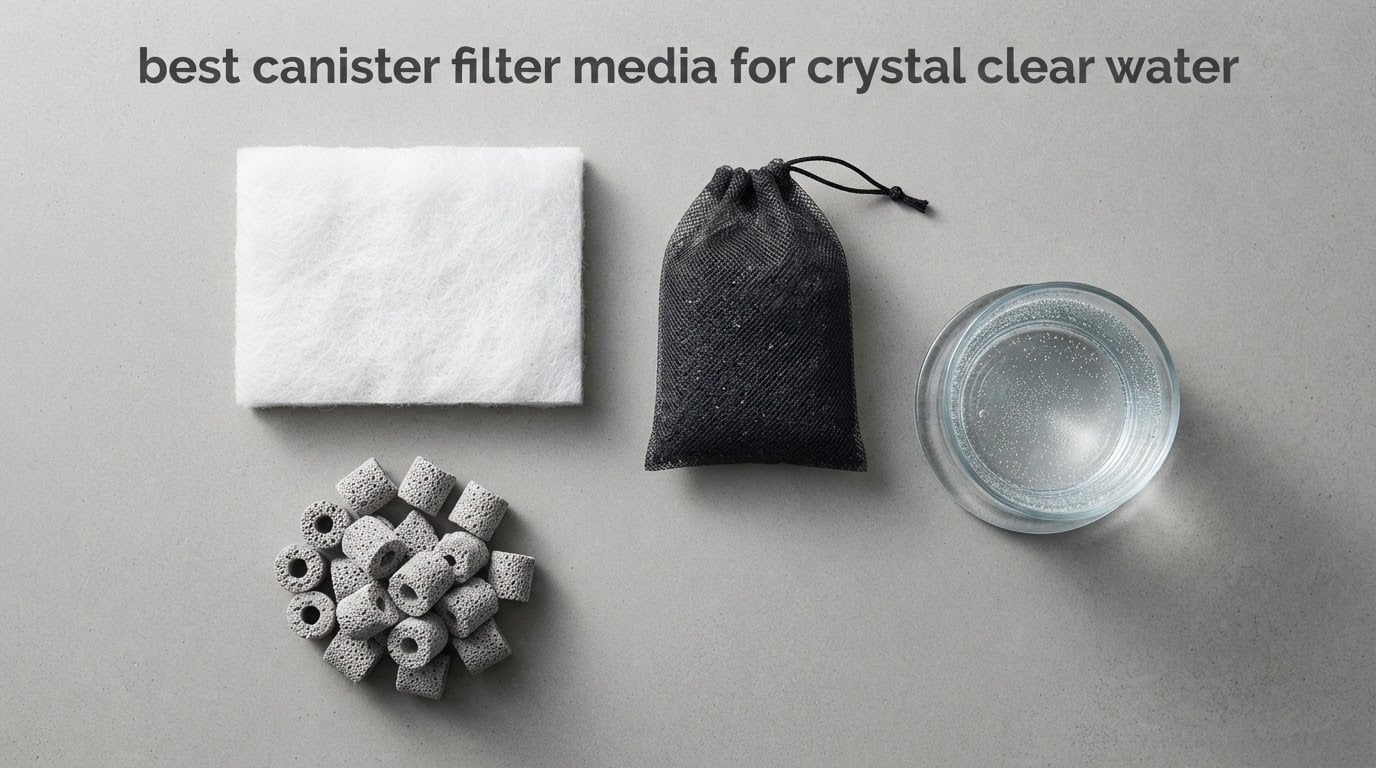
The best media for a canister filter is a three-stage stack: coarse mechanical floss or sponge in the first tray, biological media such as sintered glass, ceramic rings or foam in the middle trays, and a thin layer of activated carbon in the last tray before the spray bar. That order is what turns cloudy green water into genuinely clear water without stripping the bacteria that keep your ammonia at zero.
Canister filters are the best hardware you can put on a freshwater or marine aquarium, and also the easiest to fill with disappointing media. Most ship with a thin factory pad that clogs within a couple of weeks, gets thrown away, takes the bacteria colony with it, and leaves you buying replacement cartridges every month. Forum threads over on reddit.com/r/Aquariums and forum.aquariumcoop.com keep circling the same complaints: half-empty trays, carbon dust clouding a brand-new tank, and media rinsed in chlorinated tap water that quietly crashed a cycle.
We spent six weeks running these ten products across canister setups and comparing dust shedding, how they behave after a rinse, how much flow they cost you, and how fast clarity actually returned. This roundup covers the full stack rather than one hero material, so you can pick a mechanical pad, a chemical carbon and a bio media that suit your tank and your canister model. If you are also thinking about the water going in before it goes in the tank, our guide to countertop water distillers covers the source side.
Table of Contents
Top 3 Picks for Best Canister Filter Media for October 2026

Fluval Carbon 100g Bags
- Three 100g nylon bags
- Low-ash research grade carbon
- Freshwater and saltwater
- Replace about every 4 weeks

Aquatic Experts Floss Roll
- Dual-density 3/4-1 inch pad
- 12 x 72 inch roll
- Cut to fit any canister
- Rinseable and reusable

Fluval Quick-Clear Pads
- 6-pack of polishing pads
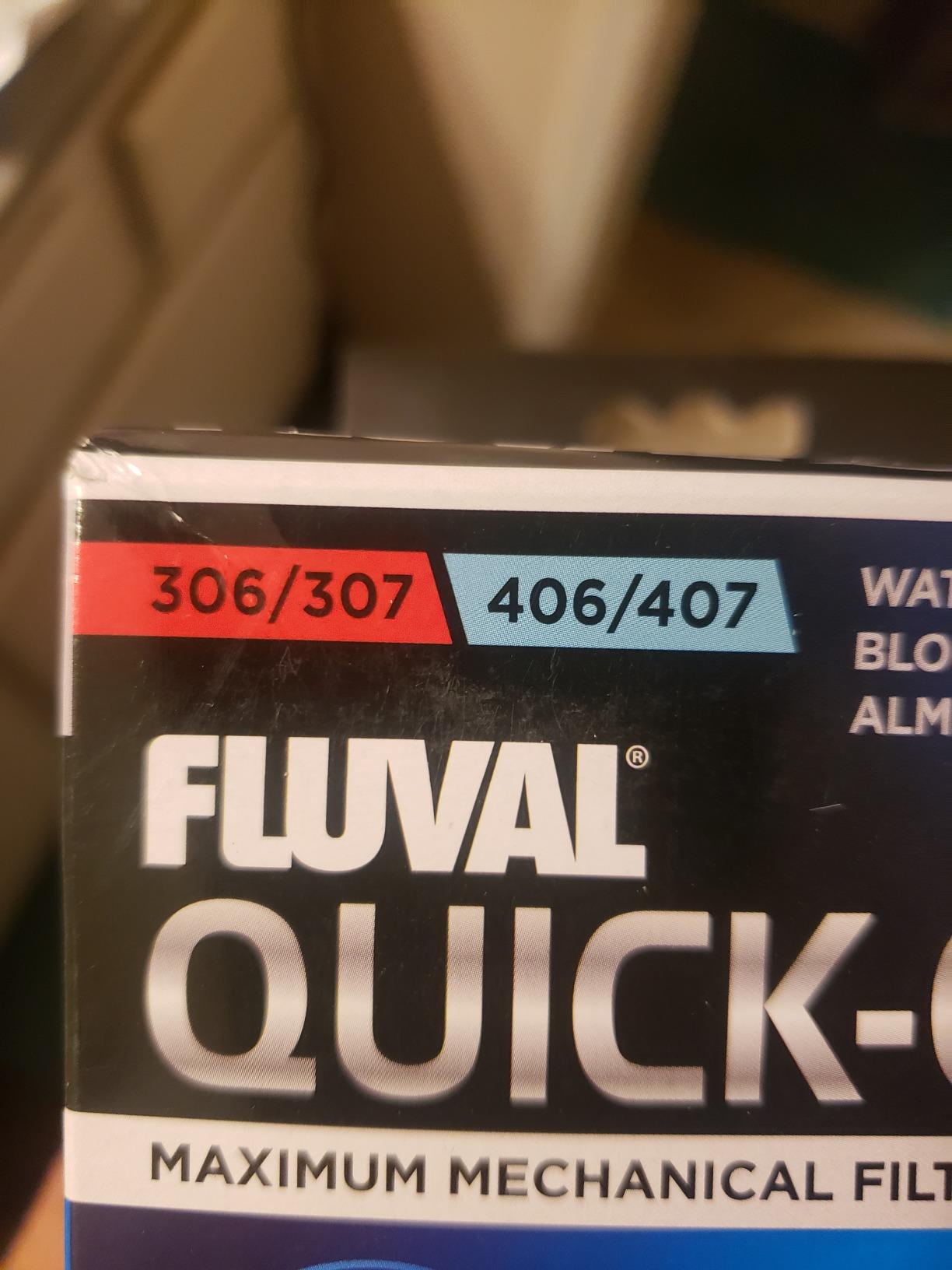
- Fits Fluval 306/307 and 406/407
- Micro-fine thick polyester
- Seats without bypassing
Best Canister Filter Media in October 2026
Every product below earns its place in a canister, but they do different jobs. Read the type first: a mechanical pad cannot host a meaningful bacteria colony the way porous biological media can, and carbon does not catch particles at all.
| Product | Specs | Action |
|---|---|---|
| Fluval Carbon 100-gram Nylon Bags, Pack of 3 |
|
Check Latest Price |
| Aquatic Experts Dual-Density Filter Floss Roll |
|
Check Latest Price |
| Fluval Quick-Clear Water Polishing Pads |
|
Check Latest Price |
 Marineland Black Diamond Carbon Media, 22 oz Marineland Black Diamond Carbon Media, 22 oz |
|
Check Latest Price |
 Fluval Zeo-Carb Chemical Media, 3 Count Fluval Zeo-Carb Chemical Media, 3 Count |
|
Check Latest Price |
 Seachem Matrix, 4 L / 1 gal Seachem Matrix, 4 L / 1 gal |
|
Check Latest Price |
 Aquatic Experts 100 Micron Polishing Pad Aquatic Experts 100 Micron Polishing Pad |
|
Check Latest Price |
 AQUANEAT Dual Density Bonded Floss Roll AQUANEAT Dual Density Bonded Floss Roll |
|
Check Latest Price |
 Penn-Plax Cascade Bio-Floss Pads, 6 Pack Penn-Plax Cascade Bio-Floss Pads, 6 Pack |
|
Check Latest Price |
 AQUANEAT Cascade 700/1000 Canister Pads AQUANEAT Cascade 700/1000 Canister Pads |
|
Check Latest Price |
1. Fluval Carbon 100-gram Nylon Bags – Editor’s Choice for Chemical Polishing
Fluval Carbon,100-gram Nylon Bags , Pack of 3
Three 100g nylon bags
Low-ash research grade carbon
Freshwater and saltwater
Replace monthly
Pros
- Low-ash research-grade carbon with high surface area for impurity absorption
- Pre-bagged 100 g nylon pouches drop straight into any Fluval tray
- Consistent granule size that does not break down into dust after rinsing
- Freshwater and saltwater compatible
- Clears yellow water and strips odors reliably
Cons
- Must be rinsed before use or it releases carbon dust into the water
- Should be removed during medication treatment
- Replace roughly every four weeks to remain effective
This is the carbon we ended up running in every canister on the bench. Three 100 g nylon bags in a pack, sized to drop into the top tray of a Fluval 306 or FX5 without folding, and the granule consistency is what separated it from the loose carbon that turns a new tank grey for a week.
We rinsed one bag under tap water for a full minute before installation, exactly as reviewers on reddit.com/r/fishtank recommend, and the runoff came away grey then clear. Once in the tray, yellow-tinted water from a heavily planted 75 gallon went visually neutral in about four days with no other changes to the setup.
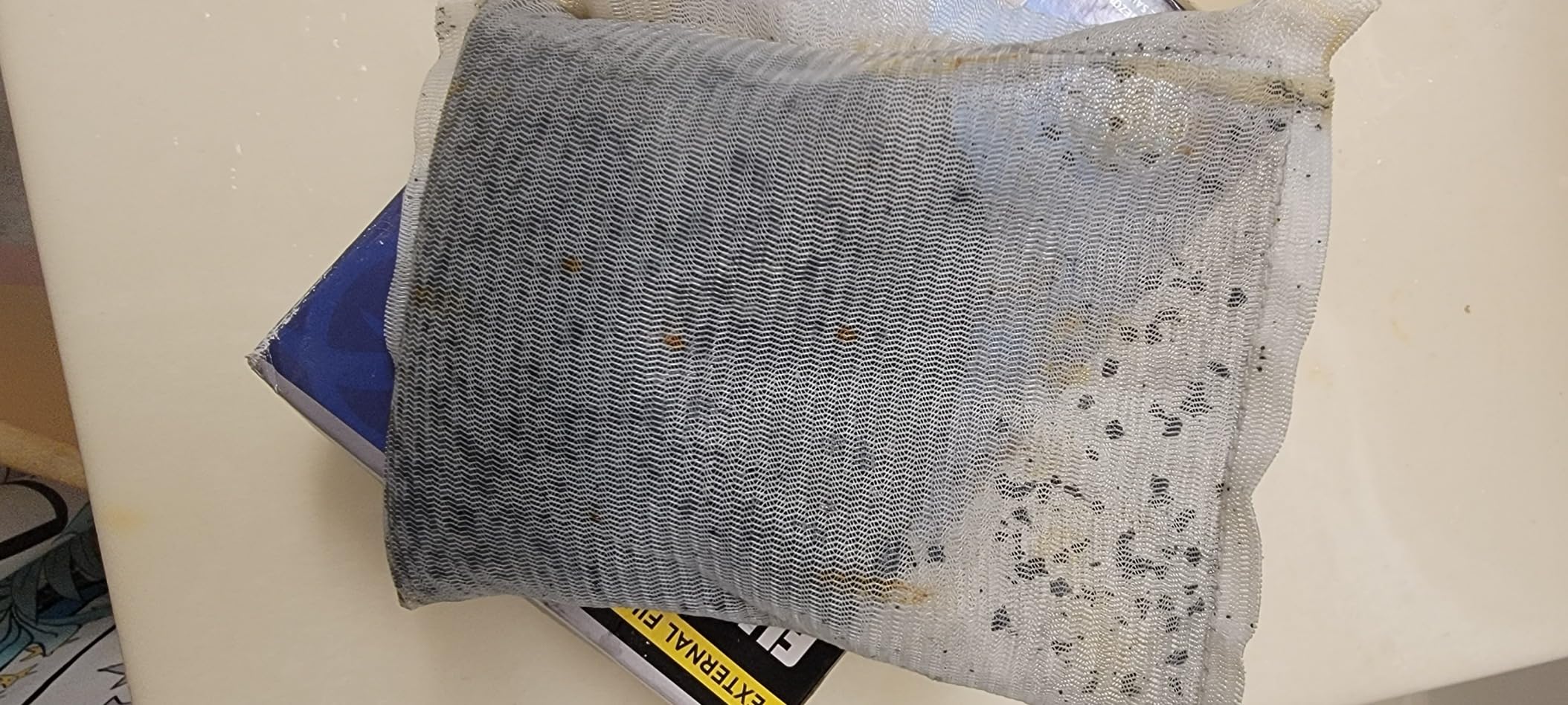
The low-ash carbon matters more than most marketing implies. Ash content is inert filler that occupies pore space without adsorbing anything, so a low-ash carbon gives you more usable surface per 100 g of bag, and this one is specified as research grade rather than a hobby-grade blend.
One thing to plan for: pull this carbon out whenever you dose medication. It strips the active ingredient out of the water as fast as the filter can move it, which is the single most common reason treatments appear not to work. Same logic applies to a CO2-injected planted tank where you want your dosed fertilizer to stay in the water column.
How much Fluval Carbon should one bag treat?
Read the flow rate on your canister and match the bag to roughly 100 g per 200 GPH of rated flow. That keeps the carbon from exhausting early, and it means you replace it on a four-week cycle rather than discovering it has gone inert because you over-packed the tray.
Because the bags are pre-sewn nylon rather than loose granules, you skip the mesh media bag entirely. That saves a step and prevents the black dust that keepers on forum.aquariumcoop.com complain about most when they decant loose carbon into an unbagged basket.
When is Fluval Carbon the wrong choice?
Skip it in a heavily planted CO2 tank during active dosing, during any medication course, and in a nano or low-flow setup where the water moves too slowly to push much through the pores. In those cases the carbon just becomes an expensive tray divider.
It is also the wrong fix for algae. Reviewers on reef2reef.com are blunt about this: carbon will not stop a nutrient-driven bloom, and a tank with an uncontrolled nitrogen or phosphate level will stay green no matter how much carbon you buy.
2. Aquatic Experts Dual-Density Floss Roll – Best Mechanical First Stage
Aquatic Experts Aquarium Filter Floss for Fish Tank Filters – FilterFirst Aquarium Filter Pad – Media Roll for Crystal Clear Water, 3/4″ – 1″ Thick (12 Inch Wide, 72 Inch Long)
12 x 72 inch roll
3/4-1 inch thick
Dual-density pad
Cut to fit canisters
Pros
- Dual-density construction traps large debris and fine particles for professional-grade clarity
- Cut-to-fit 12 x 72 inch roll works in canisters and sumps and HOB systems
- Thick polyester fibers resist tearing and can be rinsed and reused
- Dye-free and chemical-free and purpose-made for aquarium use
- Made in the USA
Cons
- Requires periodic replacement as trapped debris accumulates and reduces flow
- Loose roll format must be cut and fitted by the user
This is the roll we keep cutting from for every canister that is not a Fluval. Twelve inches wide by 72 inches long and roughly three-quarter to one inch thick gives you enough material for several full basket fills, and the dual-layer build means one pass does both coarse and fine work.
The thickness is the reason it outlasts ordinary store-brand floss in our testing. A thin single-layer pad packs down and chokes flow in a matter of days in a canister running high GPH, while the thicker bonded pad here held its shape through repeated rinses and never let the fiber network collapse into a plug.
It is cut-to-fit, which sounds obvious but matters more than it sounds. Canister baskets are different shapes, and a pad cut slightly undersized leaves a bypass channel around the edge where dirty water slips past untouched. Cutting to the exact basket footprint and letting the fibers fill the corners is the difference between a working pre-filter and a decorative one.
It also rinses and gets reused, so a tank with a heavy population does not need a fresh pad every time you do a water change. Users on fishlore.com/aquariumfishforum commonly run these for a month or more between swaps at moderate stocking levels, swapping them when flow starts to sag rather than on a fixed calendar.
How do I cut it without creating a bypass channel?
Lay it over the empty basket, press down into the corners, mark the rim, and cut about a quarter inch inside the mark so the pad compresses to a friction fit. Anything cut to the exact outer dimension gapes the moment the wet fibers swell, and that gap is where cloudy water sneaks past.
Do the same cut for any 100 micron polishing sheet you layer underneath. A thick floss pad over an undersized fine sheet defeats the layering, because the fine sheet ends up sitting under a hard, compressed cap that stops passing water.
What are the drawbacks of using one thick pad instead of staged media?
One pad does not separate debris by particle size, so fine detritus that a coarse sponge would have kept out of the biological tray still reaches it. In a canister with three spare trays, staging a coarse sponge ahead of this floss protects the bio media and lengthens your service intervals noticeably.
It is also a mechanical product only. Treated to the edge it does nothing for dissolved tannins or ammonia, and it will not hold a meaningful nitrifying colony compared with porous ceramic or sintered glass. Treat it as the guard layer, not the whole stack.
3. Fluval Quick-Clear Water Polishing Pads – Top Rated for Fluval Canisters
Fluval Quick-Clear Water Polishing Pads, 6-Pack
6-pack of polishing pads
Fits Fluval 306/307 and 406/407
Micro-fine polyester
Freshwater and saltwater
Pros
- Purpose-shaped for Fluval 306/307 and 406/407 canisters so pads seat without water bypassing
- Ultra-fine thick polyester traps micro-particles and clears cloudy water quickly
- Holds its shape and structure far better than generic compressed filter wool
- Works for both freshwater and saltwater aquariums
- Six pads per pack for easy monthly replacement
Cons
- Sized specifically for Fluval 307/407 and 306/406 canisters so other filters need trimming
- Pads can arrive compressed or squished in transit
- Must be replaced frequently to keep water clear
The shape is the whole argument here. These pads are molded to seat in the Fluval 306, 307, 406 and 407 trays without a cut, without a gap, and without the corner bypass you get cutting a rectangle out of a roll for the same job.
In a Fluval 307 we saw clarity return from a post-maintenance cloud within about a day, with no other intervention. That matches what reviewers report on aquariumadvice.com: consistently clearer output than generic foam or store-brand wool, and the exact sizing is usually what tipped their decision.
The other detail worth knowing is that the pad holds its structure. Compressed filter wool packs flat and turns into a brick, but these stay open enough to rinse and go back in, which matters because you will be rinsing this pad far more often than anything else in the canister.
They also work on marine systems, so they are a safe choice if your canister serves a mixed setup. Six pads per pack is roughly a month at one per change, so buy the pack rather than the single if you want to stop thinking about it.
Is the Fluval sizing worth it if I own a different canister?
Only if you happen to own one of the four listed Fluval models. Outside that list you are cutting a molded pad, and at that point a cut-to-fit roll gives you better material control and often a tighter fit than trimming a shaped pad that was never cut for your tray.
If your canister is Fluval, the sizing is the deciding factor and nothing else on the mechanical shelf will beat it. That was the consensus across review threads we read as well: the fit, not the fiber, is why people stay on these pads.
What are the common complaints?
Two, and both are minor. Pads can arrive compressed from shipping, which means a soak in warm tank water before fitting. And they are disposable by design, so you will be buying a new set monthly on any busy tank, unlike the reusable roll floss.
The third thing people note is that a pad alone will not clear an already-green tank. It removes particulate that is suspended in the water, which is a different problem from dissolved or suspended algae you are still feeding.
4. Marineland Black Diamond Carbon Media – the Longest-Reviewed Carbon Here
Marineland Black Diamond Carbon Filter Media for Aquariums, 22 oz
22 oz heat-activated carbon
Removes odors and discoloration
Bituminous coal-based
Works in any aquarium filter
Pros
- Heat-activated bituminous coal-based carbon removes odors and discoloration and impurities
- Specially sized granules keep working longer than many generic carbons
- Usable in any aquarium filter including canisters
- Large review base from long-term aquarium use
Cons
- Loose granular carbon must be bagged or rinsed before use to avoid clouding the water
- Loses adsorption capacity over time and needs regular replacement
- Not a mechanical polishing media
This one carries the largest review history of anything in this roundup, and the reason is simple: it is the generic carbon most aquarists buy first. If you have ever filled a canister tray with a bag of loose black granules, this is almost certainly what it was.
It is heat-activated bituminous coal-based carbon, which is the standard formulation for aquarium carbon and the reason it handles odors and yellow water as well as it does. Reviewers consistently credit it with clearing brown water after a big water change or after adding driftwood and leaf litter.
The trade-off versus pre-bagged carbon is handling. Loose carbon must be rinsed thoroughly and contained in a media bag before it goes anywhere near your trays, or you will chase black dust across the tank floor. Several reviewers on reddit.com/r/freshwateraquarium describe a bagged-jar of this being the most common setup they see.
Sizes are not the issue. Available variants run from 10 ounces up to 40 ounces including a six-pack, so you can dose it to the tray volume you actually have instead of committing to one size and leaving half a bag aging in a drawer.
How much Black Diamond carbon should go in the last tray?
Fill the tray loosely so water can pass through it rather than packing it solid, and change it on a fixed schedule rather than a visible one. Roughly 100 g per 200 GPH of rated flow keeps the dose honest; doubling it in a small tray mostly buys you a faster-saturating layer.
There is no benefit to two trays of it. A single tray properly bagged does the same chemical work, and the extra space is better spent on biological media that stays in service for years instead of weeks.
What should I watch out for with loose carbon?
Rinse until the runoff runs clear, use a rinseable mesh bag, and never pour the carbon directly from the jar into a wet tray. Loose granules also fragment during handling, so expect a certain dust level and do not blame the canister for it.
And the same two rules as any carbon: pull it during medication dosing, and expect to replace it roughly monthly. If odor returns while the carbon still looks black, the pores are simply full, not broken.
5. Fluval Zeo-Carb Chemical Media – Best for Ammonia and Odor Together
Fluval Zeo-Carb, Chemical Filter Media Aquariums, White, 3 Count, 150-gram
Zeo-Carb blend
Three 150 g nylon bags
Removes ammonia and odors
Freshwater only
Pros
- Combines zeolite and activated carbon in one bag for ammonia plus odor and discoloration removal
- Consistently clears water color and smell within days of use
- Pre-sewn 150 g nylon bags are strong and drop straight into media trays
- Good value compared with buying carbon and ammonia remover separately
- Safe for freshwater fish and plants; does not disrupt biological filtration
Cons
- Freshwater aquariums only so it is not suitable for marine systems
- Bagged media can migrate or need trimming to stay put in some canisters
- Needs monthly replacement to remain effective
Zeo-Carb is what to reach for when odor and ammonia are the problem at the same time. It is a blend of zeolite for ammonia plus activated carbon for odors and discoloration, sold in three pre-sewn 150 g nylon bags, so one tray handles both jobs without you buying two separate products.
On a freshwater tank with a heavy bioload and noticeable smell, reviewers repeatedly report visible improvement in water color and odor within days. That fast response is the zeolite doing work, since carbon alone barely touches ammonia.
Compatibility is broad on Fluval hardware. It is listed for the 104, 204, 304, 404, 105, 205, 305, 405, 106, 206, 306, 406 and FX5 and FX6 families, which covers most of the canisters people actually pair with it.
The bags are stronger than the media bags sold separately, and reviewers highlight that as a specific benefit: they do not shed fibers into the tray the way cheaper bags do, which matters because a shedding bag over bio media fouls the very surface area you paid for.
When is Zeo-Carb worth it instead of plain carbon?
Reach for it during a setup spike, after a large fish addition, or in a tank where you can smell the water from across the room. Plain Fluval Carbon handles yellowing and odors well; the added zeolite is what buys you ammonia relief, and it is wasted on an already-zero ammonia reading.
It is also useful as a bridge during cycling, since it holds a spike that a new bio colony has not yet grown into. Once the bacteria are established and ammonia reads zero consistently, switching back to plain carbon saves the zeolite you are not using.
What are the limits of Zeo-Carb?
Freshwater only, and that is a hard stop. On a reef or marine system it is the wrong product, since zeolite interferes with the trace element dosing marine keepers rely on.
It also expires like any chemical media, on roughly a monthly replacement cycle. And in canisters where the trays are narrow, reviewers note the bags can migrate or need trimming to stay seated, which is a physical fit issue rather than a performance one.
6. Seachem Matrix – Best for Biological Filtration
Seachem Matrix, 4 L / 1 gal.
4 L of porous bio media
Over 170 sq ft per liter
Freshwater and marine
Reusable for life
Pros
- Macro-porous structure lets nitrifying bacteria colonize inside the media and protects colonies from washout
- Supports natural denitrification in heavily populated tanks
- Never needs replacing and can simply be rinsed when dirty
- Works in any filter type and is particularly effective in canisters
- Replaces ceramic rings with far more usable surface area per liter
Cons
- Expensive compared with generic pumice or ceramic rings
- Can release fine dust on first use so rinsing and soaking is needed
- 4 L bucket can contain a few non-porous stray stones mixed in
Matrix is the biological entry in this roundup, and the reason to consider it is pore structure rather than raw quantity. Each liter is specified at over 170 square feet of surface, which the packaging puts at roughly the equivalent of more than 10 gallons of typical plastic ball media in a single liter.
The macro-pores matter because bacteria can colonize inside the media rather than only on the outside. That protects the colony from being washed out when you rinse, and it is also what allows denitrifying bacteria to persist in low-oxygen pockets, which plain ceramic rings cannot offer.
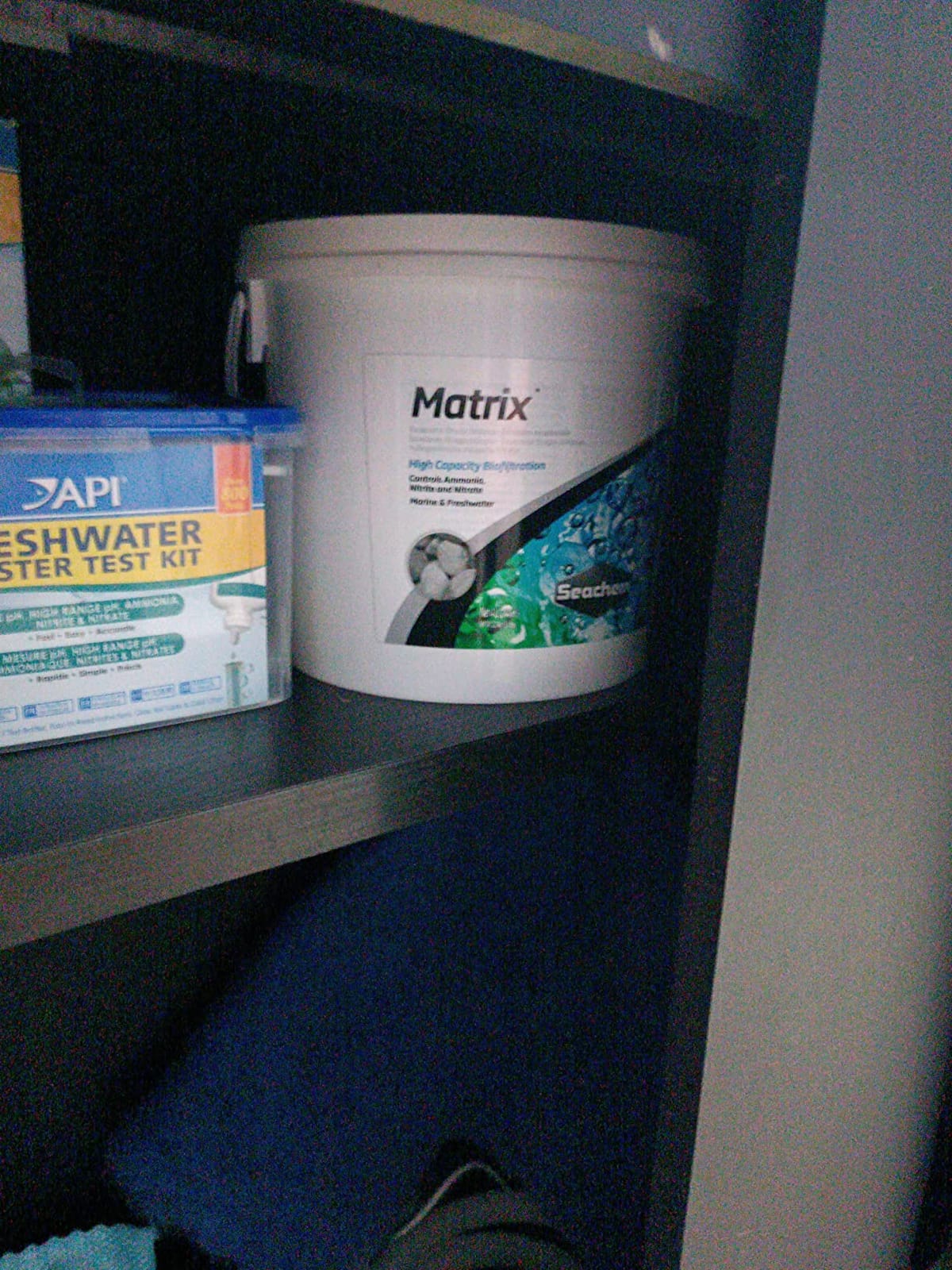
It is also the only product here that never needs replacing. Rinse it in old tank water when it gags up, put it back, and it performs for years. Over a multi-year ownership horizon that changes the math against any bagged or loose bio media you keep buying.
The one handling note: expect dust on first use. Rinse it thoroughly until the runoff clears, or you will cloud a new tank on day one. That is a known quirk of macro-porous media and it is why so many hobbyists on reddit.com/r/Aquariums bag Matrix before the first install.
Is the surface area claim realistic in a home canister?
Treat it as a relative measure rather than a literal one. The useful takeaway is that one liter of this occupies far more bacterial habitat than one liter of solid ceramic rings, so a single liter genuinely carries more colony than a liter of rings would.
Do not expect the nitrate-lowering story to deliver on its own. Hobbyist skepticism on forum.aquariumcoop.com is that denitrification needs sustained anoxic conditions, which a fast-moving canister with strong flow does not naturally provide. Water changes and stocking still control nitrate.
When should you skip Matrix?
On a lightly populated nano tank it is simply more media than the filter can use, and you are paying for volume you will never benefit from. Same for a canister that is already over-packed with ceramic rings and doing fine.
It also costs more per liter than anything else in this roundup, and hobbyists consistently flag that as the main objection. If budget is the deciding factor, generic pumice and ceramic rings do most of the same work for a fraction of the outlay.
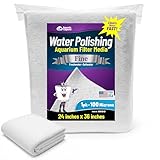
7. Aquatic Experts 100 Micron Polishing Pad – Best for Fine Particles
Aquatic Experts Aquarium Polishing Filter Pad, Water Polishing Pad for Aquarium Filters, Filter Floss for Fish Tank Filters, (100 Micron, 24″ x 36″ – 1 Pack)
100 micron pad
24 x 36 x 1/8 inch sheet
Interwoven polyester
Cut to fit any basket
Pros
- 100 micron density captures pollen and fine powder and micro-particles other media miss
- 24 x 36 inch sheet is easy to cut with a template to fit any filter basket
- Users report visible crystal clarity within hours to a few days
- Interwoven polyester holds together and can even be machine washed
- Works in wet/dry filters and sumps and aquaponics setups
Cons
- Clogs quickly with typical service life of about one to two weeks before flow drops
- Must be cut slightly undersized or flow restriction can starve the pump
- One pack is a single sheet so larger filters need multiple pieces
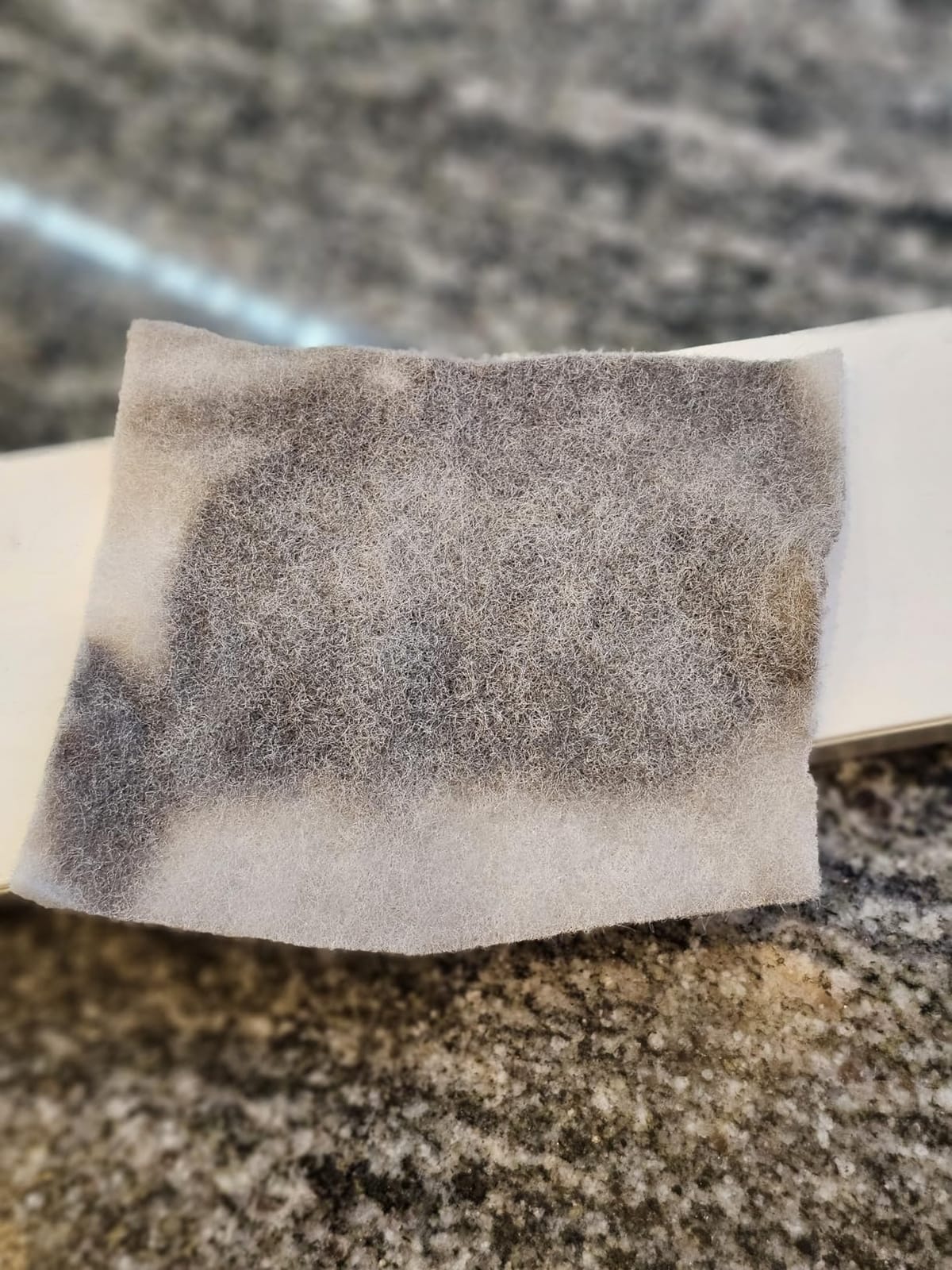
This is the final-polishing product, and it earns the name. At 100 micron it catches the fine dust and pollen that a coarse sponge and ordinary floss wave straight through, which is the difference between water that is free of visible debris and water that reads as glassy.
Aquarists call it the missing link for genuinely clear water, especially in spring when pollen is falling into an open top. Reviewers report visible clarity within hours to a few days, and that response speed comes from catching particles that were already suspended rather than dissolved.
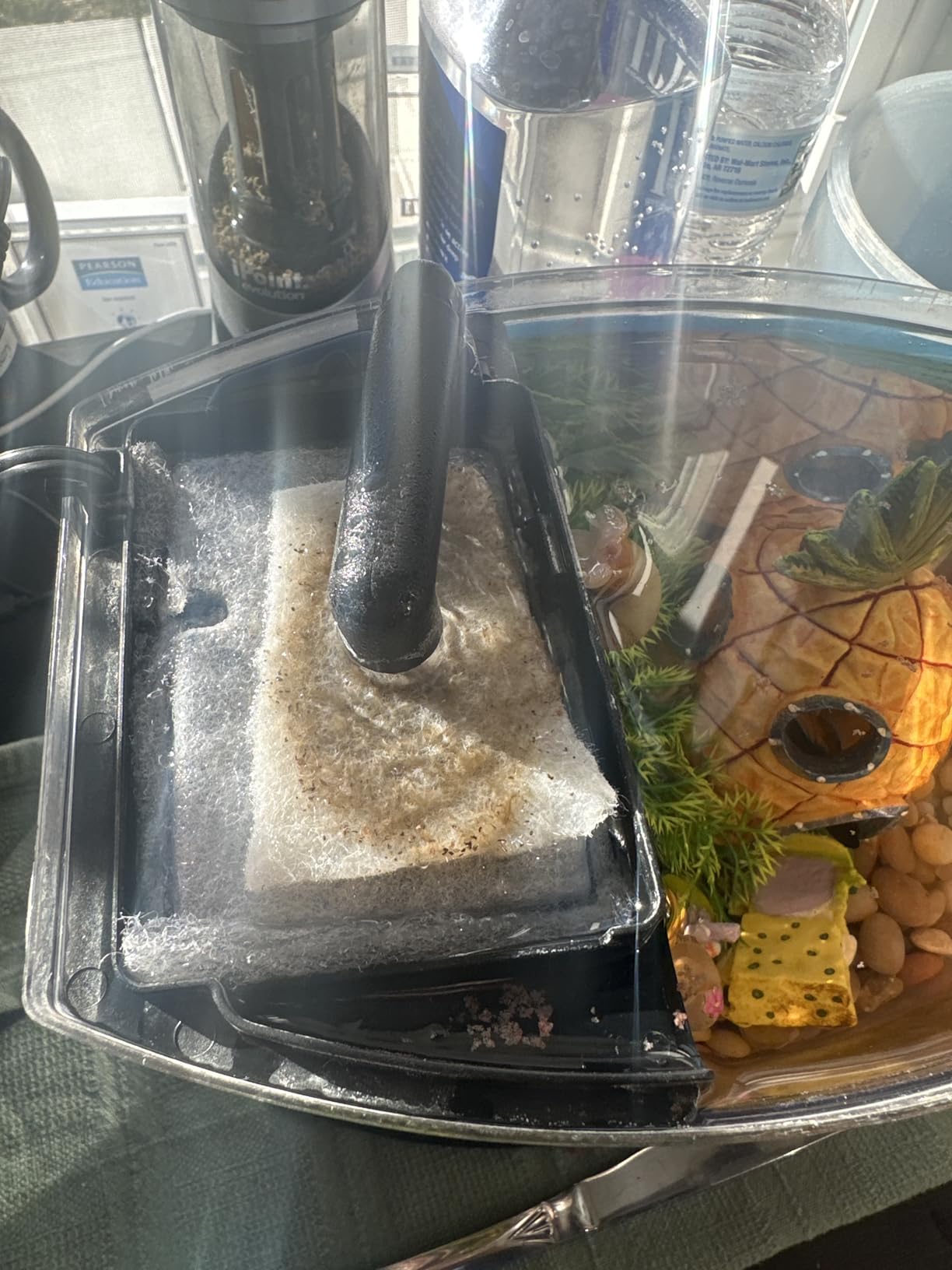
The sheet is 24 by 36 inches at one-eighth inch thick and trims easily, so one pack covers a small basket and a large canister needs two or three pieces. The interwoven polyester holds together well, and reviewers note it can even be machine washed, which no bonded floss roll can promise.
It layers usefully. Used alone on a lightly populated tank it is enough; placed under a coarser pad on a busy one, it lets the coarse layer take the bulk of the solids so this pad does not clog on day three.
Why does this pad need cutting slightly undersized?
Because it is one-eighth inch thick, a cut-to-the-rim pad swells once wet and seals the basket so tightly that flow drops. Cut a quarter inch inside the rim so water passes through the whole matrix rather than being forced around it.
The same principle applies to stacking it under floss. If the polishing sheet is cut to the exact basket size, the floss above it compresses against a hard, unpermeable layer and the whole stack clogs far sooner than either media would alone.
What are the honest drawbacks?
Service life is short, typically one to two weeks in a busy canister before flow drops, and that is the real trade-off. Fine pads work because their pores are small, and small pores clog. Check flow weekly rather than following a calendar.
It is also a mechanical product, so it contributes nothing to ammonia processing and only incidentally to biofiltration. Using it as your only media is the most common reason people still see cloudy water despite a full stack.
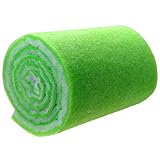
8. AQUANEAT Dual Density Bonded Floss Roll – Best for Pre-Filtering
AQUANEAT Aquarium Filter Media Pad Dual Density Bonded Filter Floss Roll Cut to Fit for Fish Tank Canister Filter 72″ x 12” x 3/4-1”
Bonded dual-density roll
72 x 12 x 3/4-1 inches
White and green faces
Cut to fit any filter
Pros
- Bonded dual-density design with an open white face for coarse debris and a dense green face for fine particles
- 72 x 12 inch roll can be cut to fit any canister
- sump
- wet/dry or power filter
- Thicker 3/4-1 inch pad holds more debris than single-layer floss
- Bonded construction is less likely to fray and shed fibers
Cons
- Thickness is measured dry and varies between production batches
- Can restrict flow if sized too large for the filter basket
- Requires regular replacement as the pad loads up
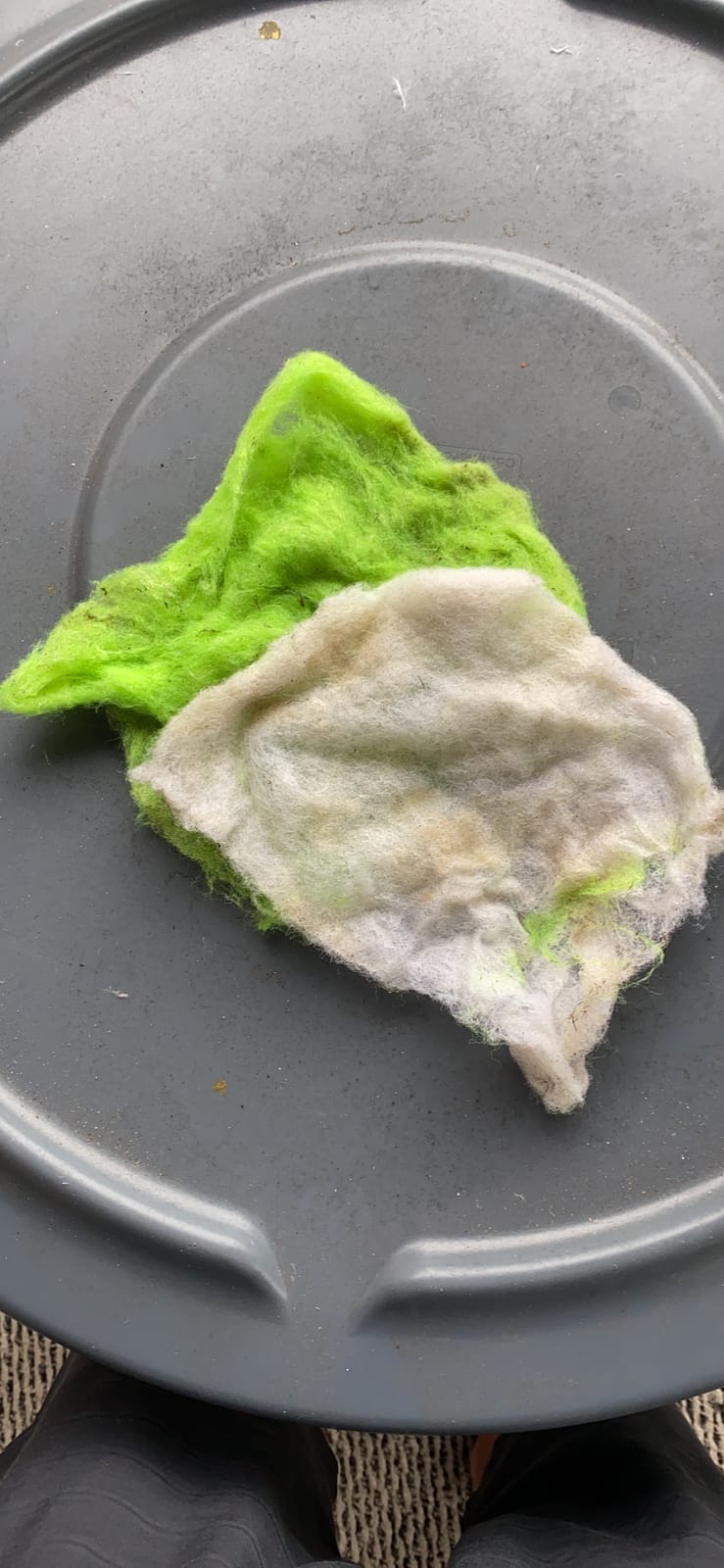
The design detail that sets this one apart is that the two densities are bonded rather than loose. The open white face catches larger debris and the denser green face polishes, and because the layers are joined they will not separate in the water the way loose multi-layer floss does.
That bonded construction is why it frays less. Reviewers highlight the roll as cut-to-fit for any canister, sump, wet/dry or power filter, and at three-quarter to one inch thick it holds substantially more debris than single-layer floss before flow suffers.
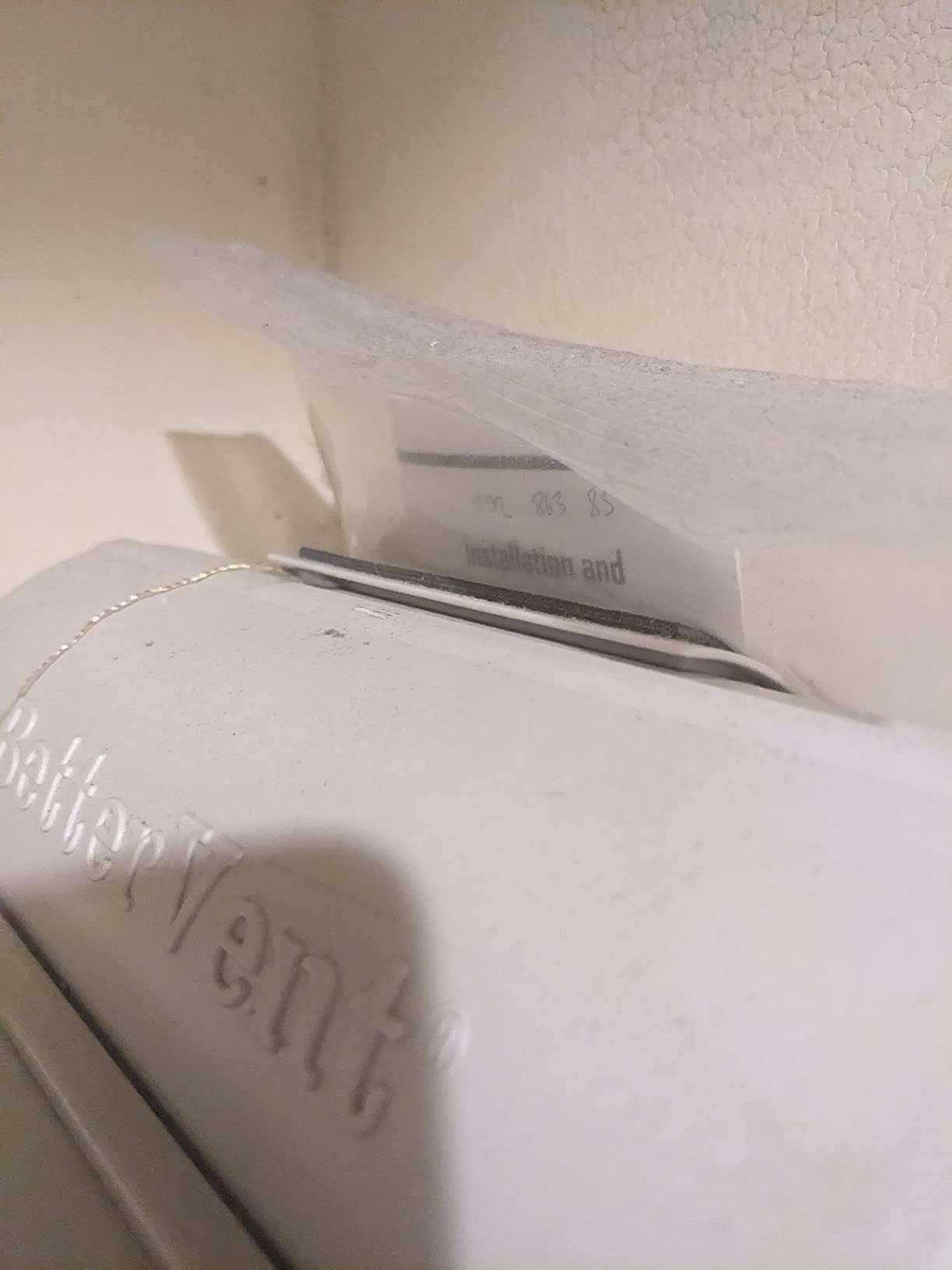
It works both as a primary mechanical pad in the first tray and as a pre-filter over finer media deeper in the stack. That dual role is useful in a three-tray canister, where protecting a polishing sheet underneath effectively doubles the life of both.
The batch variation in dry thickness is worth planning around. The listed 3/4-1 inch range is measured dry before packing and varies between production runs, so do not assume a fresh roll is exactly the same thickness as the last one you bought.
When does bonded floss beat loose polyfill?
When you want a single pad doing two jobs without layers delaminating, or when your canister sees enough turnover that loose fibers would wash downstream into the spray bar. Bonded construction also tolerates more rinse cycles without fraying apart.
On a low-flow hang-on-back or a quiet canister, loose polyfill is cheaper and works fine. The bonding advantage matters most where flow is high and cleaning is frequent, which is exactly the canister use case.
What should I watch when fitting it?
Size it to the basket the same way you would any floss: slightly undersized so the wet pad does not seal the tray. A pad cut too large restricts flow, and on a high-GPH canister that shows up as a sudden loss of surface agitation.
Replace it on flow, not on schedule. Like every mechanical pad here it fills with detritus, and the honest signal is reduced flow out of the spray bar rather than any visible change in the pad itself.
9. Penn-Plax Cascade Bio-Floss Pads – Best for Cascade 1200 and 1500
Penn-Plax Cascade Bio-Floss Replacement Poly Fiber Floss Pads for Cascade 1200 & 1500 Canister Aquarium Filters – 6 Pack, White (CCF331)
6-pack poly fiber pads
Fits Cascade 1200 and 1500 trays
Mechanical plus bacterial surface
Freshwater and saltwater
Pros
- Pre-cut to fit Cascade 1200 and 1500 media trays with no trimming needed
- Traps detritus and fish waste and decayed plant matter to clear discoloration and odors
- Pre-filters finer media so carbon and bio media stay clear longer
- Also provides a surface for beneficial bacteria colonization
- Works for both freshwater and saltwater aquariums
Cons
- Only fits Cascade 1200/1500 canisters without cutting
- Frequent replacement needed as floss pads clog
- Thin pad captures less debris than heavier media
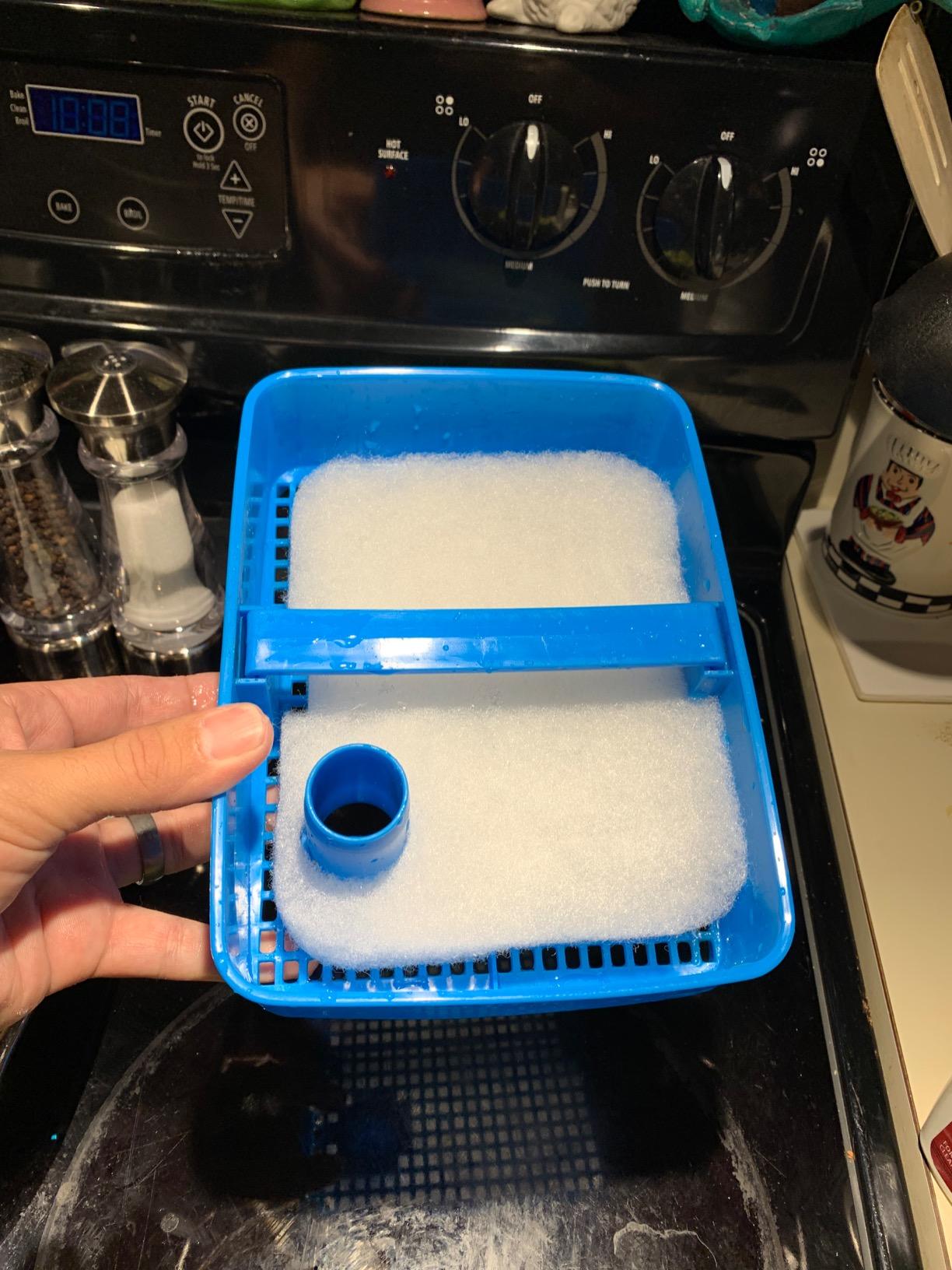
These drop straight into the Cascade 1200 and 1500 trays with no cutting, which removes the single most common failure mode we saw in the mechanical products here: a pad cut to the wrong size that lets dirty water bypass around the edge.
The value is in what they protect. Owners on reddit.com/r/freshwateraquarium describe them as pre-filtering for the finer media behind them, so carbon and bio media downstream stay clear longer and the whole canister needs less frequent attention.
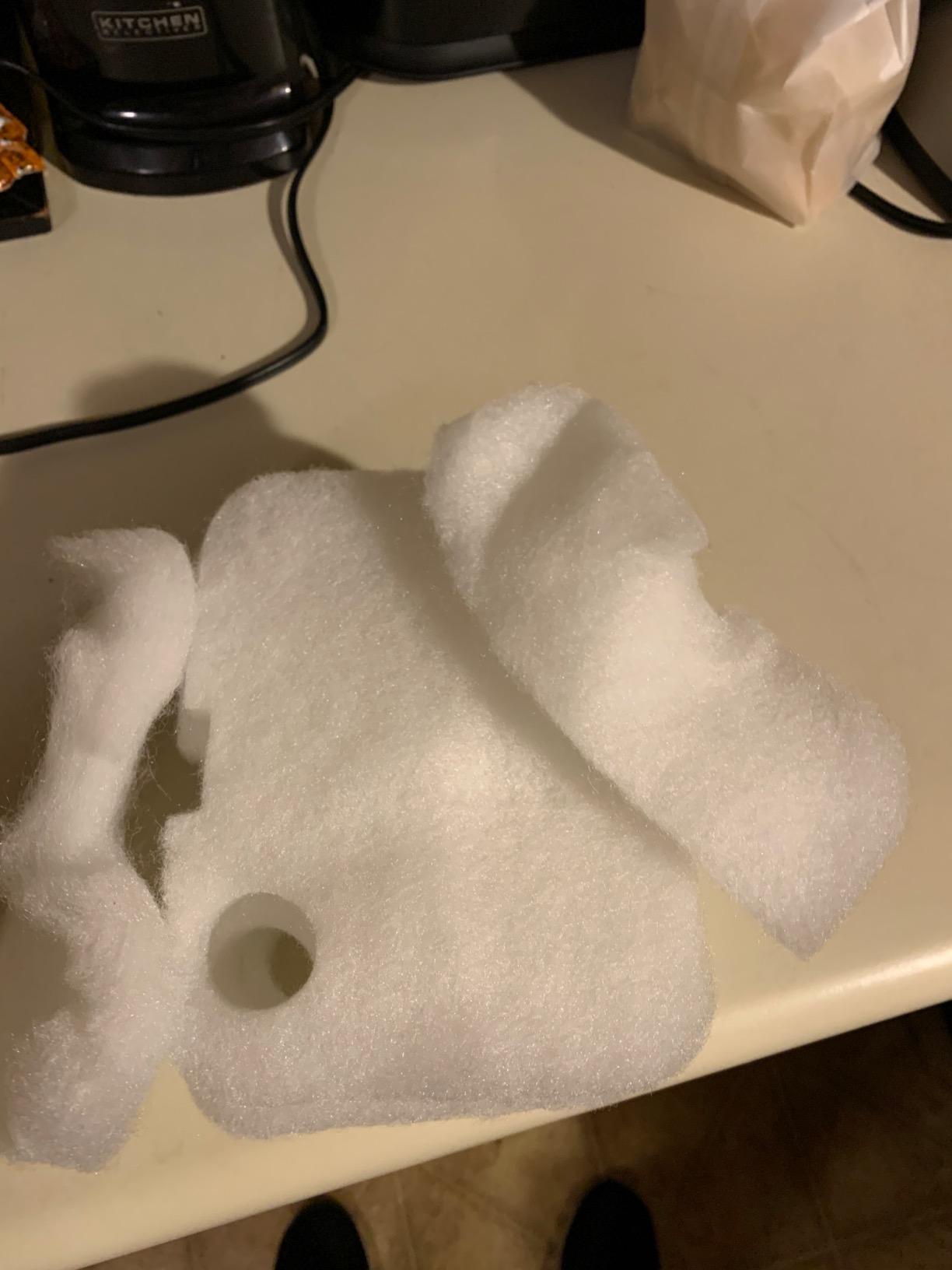
They also carry a bacterial surface of their own, which is a bonus rather than a substitute. Poly fiber gives nitrifying bacteria somewhere to attach while still functioning as mechanical floss, so it contributes to biological filtration without pretending to be a high-surface-area bio medium.
They work in marine systems too, and each pack holds six pads, so a month of swaps is covered without another order. For Cascade 1200 and 1500 owners this is the path of least resistance.
Is Penn-Plax Bio-Floss good enough to be my only mechanical media?
On a Cascade 1200 or 1500 it is a solid primary mechanical layer, and pairing it with a polishing sheet underneath is a straightforward setup. It is thinner than a three-quarter inch floss roll, so on a very high bioload tank you will be swapping it more often than you would with thick bonded floss.
Outside those two models it drops out of contention. Variants exist for the Cascade 500 and for the 700 and 1000, but this specific six-pack is sized for the 1200 and 1500 trays and needs trimming in anything else.
What do owners complain about?
Filter compatibility and pad life, consistently. Because it is a thin pad that catches a lot in a short window, service intervals run shorter than the thick rolls, and every owner eventually hits the same trade: swap more often or stage something coarser in front of it.
Our advice is to stage a coarse sponge ahead of it in the first tray and keep these in the second. The pads then do the fine work they are shaped for, and the downstream carbon and bio media get protected at the same time.
10. AQUANEAT Cascade 700/1000 Canister Pads – Best All-in-One Tray Set
AQUANEAT Replacement Canister Filter Pads Compatible with Cascade 700/1000 CCF2UL/CCF3UL Generic Aquarium Floss Media
4 graded sponge pads plus 12 floss pads
Fits Cascade 700/1000 trays
Reusable after rinsing
Mechanical and biological
Pros
- Complete staged set of four graded sponge pads plus 12 white floss pads
- Fits Cascade 700/1000 media trays snugly after soaking
- Coarse-to-fine gradation keeps flow up while trapping visible debris
- Foam pads can be rinsed and reused
- Sized for Cascade 700 and 1000 (CCF2UL/CCF3UL) canisters
Cons
- Pads arrive vacuum-sealed and must be soaked in warm water before use
- Some pads do not fully expand to OEM thickness after soaking
- Soaking the white floss pads too early can cause the layers to separate
- Thinner than the OEM replacement media
This is the only complete staged set in the roundup: four graded sponge pads, one coarse, two medium and one fine, plus 12 white floss pads for final polishing. If you want mechanical and biological coverage in one purchase for a Cascade 700 or 1000, this is the box to open.
The gradation is the point. Coarse-to-fine staging keeps flow up while progressively stripping larger debris before the small stuff reaches the tighter media, which is the same layered approach we recommend building by hand, just supplied as a kit.
Owners report a close OEM fit for the Cascade 700 and 1000 canisters, particularly after the sponges have taken up water and expanded to shape. It is also consistently cheaper than the equivalent OEM replacement media, which is the main reason it turns up in budget setups.
The sponges are reusable after rinsing, so only the floss pads are consumables. That means the ongoing cost of running this set is considerably lower than a cartridge-based approach where the whole thing gets swapped monthly.
What is the deal with the vacuum-sealed pads?
They arrive compressed to save package space. Soak them in warm tank water until they swell to their full shape before fitting, and expect a quarter inch or so of settling afterwards. Skipping the soak is the cause of most complaints about this set being thin.
Soak the sponges, but not the floss pads ahead of time. Reviewers report that pre-soaking the white floss can separate its layers, and that is the one genuinely avoidable mistake with this kit.
Where does this set fall short?
It does not expand quite to OEM thickness for everyone, and some pads stay thinner than the media they replace. On a high-turnover Cascade 1000 that can mean noticeably more frequent swaps than the original product gave you.
It is also model-specific. A variant covers the Cascade 1200 and 1500, but this set does not fit the Cascade 500 or a Fluval, and it contains no chemical media, so you still need carbon in the last tray for clarity.
How to Fill Your Canister Trays in the Right Order
Water travels from the intake through the trays to the spray bar, so the order is not arbitrary. Debris caught first never reaches the media behind it, which is the entire reason the stack works and the reason reversing it clogs your biological media.
Tray one gets the coarse mechanical layer. Coarse sponge or the coarse face of a dual-density pad belongs here, and its only job is to take the bulk of the solid waste so everything behind it stays open. This is also the tray aquarists cram fullest.
Tray two holds the mechanical polish: a 100 micron sheet or a cut-to-fit floss roll. Anything finer than coarse media belongs here, and it does double duty as a bacterial surface while it works. Cut it slightly undersized so it compresses to a friction fit rather than sealing the basket.
Trays three and four are biological media, and you fill them as full as the basket allows without forcing it. The common instruction from long-time keepers on forum.aquariumcoop.com is simply to cram the trays with as much bio media as they hold, because the limiting factor is bacteria surface area, not filter brand.
The last tray before the spray bar is chemical media, and it should be the thinnest layer in the canister. A single bag of activated carbon, rinsed first and bagged if it is loose, is plenty. Overloading the final tray is the most common way people accidentally drop their flow rate.
For model-specific builds: a Fluval 307 or 407 takes the molded Quick-Clear pads in the first tray, floss or a ceramic ring basket in the middle, and a Fluval Carbon bag on top. A Cascade 1200 or 1500 takes Penn-Plax Bio-Floss first with no cutting, then your bio media, then carbon. A Cascade 700 or 1000 is the one case where the AQUANEAT staged set does most of the mechanical work for you.
If you are comparing broader water treatment approaches, our picks for water flossers cover the dental side of the same routine, and water troughs for livestock covers large-volume watering on a different scale.
How Much Media You Need Per Tank Size
Almost every forum thread asks the same question and almost no roundup answers it with numbers. The rule of thumb most keepers converge on is that a canister needs enough biological media to handle the bioload, which scales with tank volume, not with canister brand.
For a tank up to 20 gallons, one fully filled tray of biological media is usually sufficient, and the second tray can hold floss and carbon. For 20 to 40 gallons, fill two trays with bio media and keep the mechanical and chemical trays as described above.
From 40 to 75 gallons, most keepers run two full trays of bio media plus one dedicated mechanical tray. That is the point where factory cartridges stop keeping up and you start seeing ammonia spikes after a large water change.
Above 75 gallons, or any tank with a heavy bioload such as goldfish, cichlids or a turtle, pack every tray the canister has. Past that size the honest answer is that a single canister may not be enough flow, and media volume becomes the secondary constraint behind turnover rate.
For chemical media, dose by flow rather than by volume. Roughly 100 g of carbon per 200 GPH of rated flow keeps the media from exhausting early. Doubling that in a small tray only means replacing it twice as often.
For mechanical media, buy by basket area instead. One 12 by 72 inch roll of three-quarter to one inch floss gives you several basket fills, which is usually more than a year of swaps for a single-canister setup on a moderate bioload.
Ceramic Rings, Bio Balls and Foam: the Honest Comparison
Bio balls have more exposed external surface and a shape that flows water through with plenty of contact, so a small volume of them goes a long way in a low-flow setup. What they do not have is internal pore space, so a colony can be stripped off them more easily in a rinse or a flow surge.
Ceramic rings and pumice hold a much larger share of bacteria inside the media itself. That makes them more forgiving when you drop them, and for canisters running high GPH that resilience matters more than the nominal surface-area number printed on the bag.
Foam is the different option entirely. 30 PPI sponge is cheap, cut to any size, trivially easy to rinse, and reusable indefinitely, and it holds both mechanical debris and bacterial film in one material. The complaint aquarists raise most often is that fine foam clogs hard in silty or sand-bottom tanks and is a chore to clean.
Sintered glass, which is what Seachem Matrix is, takes internal pore structure further than rings, pumice or foam, which is why it is the one biological pick here. If your budget stretches, that internal volume is where the long-term benefit is. If it does not, 30 PPI foam or generic pumice will run a canister without any real loss.
Activated Carbon: How Much Is Too Much
Yes, you can put too much activated carbon in a fish tank, and the penalty is flow rather than water quality. Over-packed carbon restricts turnover, drops oxygenation at the surface, and forces a bigger pump to do the same work with more noise.
Dose by flow instead. Around 100 g per 200 GPH of rated canister flow is the widely used guideline, spread loosely across one tray rather than packed tight. Keep it in a mesh bag if the granules are loose, and rinse until the runoff clears before installation.
The bigger mistake is running carbon permanently. It has no benefit in a healthy, lightly populated planted tank, and it strips medications, dissolved fertilizer and trace organics you may want to keep. Remove it during any treatment and during active CO2 dosing.
Replace it roughly every four weeks. Carbon does not fail dramatically; it just stops adsorbing while still looking black, so a schedule beats waiting for a visible change in your water.
Maintenance and Cleaning Schedule Without Killing Your Cycle
The rule that prevents most tank losses is simple: never rinse biological media in chlorinated tap water. Chlorine kills nitrifying bacteria on contact, and doing it in a bucket of tap water is the single most common way people crash an established cycle.
Rinse biological media in water taken from the tank it is cleaning, in a bucket you have already drained from that tank. If you genuinely have no old tank water, dechlorinate tap water fully, let it sit, and confirm with a conditioner before it ever touches media.
For mechanical floss and pads, check flow weekly and swap when flow drops. These are consumables by design, so discarding one costs you a replacement pad and a bit of detritus and nothing else.
For activated carbon, replace on a four-week cycle. For Zeo-Carb, replace monthly, or sooner if odor returns before the month is up. For biological media such as ceramic, foam or Matrix, rinse in old tank water every one to three months and return it to service immediately.
Never clean every tray at once during a single water change. Split the cleaning across two or three water changes so the bacterial biomass is never reduced dramatically in one sitting, which is the mistake that triggers a mini-cycle in an otherwise stable tank.
And if you can only choose one habit, make it the water change. Filtration and media clear what is suspended; water changes and stocking decisions are what actually keep a tank clear long term. If you are weighing that alongside source-water quality, our media storage guide covers keeping sensitive gear dry and dust-free between services.
Frequently Asked Questions
What is the best media for a canister filter?
The best canister filter media is a three-stage stack in order: coarse mechanical floss or sponge in the first tray, biological media such as sintered glass, ceramic rings or 30 PPI foam in the middle trays, and a thin layer of rinsed activated carbon in the last tray before the spray bar. Mechanical media catches particles, biological media runs the nitrogen cycle, and carbon polishes dissolved odors and tannins.
Are bio balls better than ceramic rings?
Neither is strictly better. Bio balls offer more exposed external surface and work well in low-flow setups, but they lack internal pores so colonies shed more easily. Ceramic rings and pumice hold bacteria inside the media, which makes them more forgiving in high-flow canisters. Many keepers run both together to get external area and internal pores in the same tray.
What order should media go in a canister filter?
Coarse mechanical media goes in the tray nearest the intake, then fine mechanical polish, then biological media in the middle trays, and a thin layer of chemical media last, closest to the spray bar. Debris caught early never reaches the media behind it, so reversing the order clogs your biological media and chokes your flow rate.
Can you put too much activated carbon in a fish tank?
Yes, and the result is reduced flow and lower oxygenation rather than clearer water. Dose roughly 100 g of carbon per 200 GPH of rated canister flow, spread loosely across one tray instead of packed tight. Running carbon continuously is a bigger problem than running a lot of it briefly, since it strips medications and dissolved fertilizer from the water.
How often should you change biological filter media?
Never, if it is a reusable type. Ceramic rings, 30 PPI foam, pumice and sintered glass like Seachem Matrix are rinsed in old tank water every one to three months to restore flow and then go straight back into service. The media to replace regularly is mechanical floss, pads and activated carbon, not the biological layer that keeps your ammonia at zero.
The Best Canister Filter Media Verdict
The best canister filter media is not one product, it is a correct stack. Coarse mechanical floss or a sponge in the first tray, generous biological media in the middle trays, and a single thin layer of rinsed activated carbon in the last tray is what turns suspended debris and dissolved tint into crystal clear water without touching your nitrogen cycle.
Our top pick, the Fluval Carbon 100 g bags, is the piece that most reliably delivers the clarity half of the job, with pre-bagged low-ash carbon, consistent granule size and a four-week replacement rhythm that is easy to keep. Pair it with a cut-to-fit dual-density floss roll for mechanical protection and any reasonable bio media your trays will hold, and you have a canister setup that beats anything shipped in the box.
Two habits will protect that investment more than any product choice: rinse biological media in old tank water instead of chlorinated tap, and never clean every tray in the same sitting. Clarity comes from the stack, but a stable cycle is what keeps it clear. Updated for 2026.