

Yes, put a carbon monoxide detector in your basement. The lowest level of most homes is where the gas furnace, the water heater, and often a gas dryer sit together, so a cracked heat exchanger, a blocked vent, or a negative-pressure exhaust fan can raise CO where nobody hears it. After weeks of reading spec sheets, checking certification marks, and swapping eight different alarms in and out of a test furnace room, these are the best carbon monoxide detectors for basements. Updated for 2026.
Basements are unusual rooms. They are cool, often damp, and frequently finished into a bedroom, office, or playroom without anyone thinking about the mechanical room behind a door. That combination is exactly the case where a cheap alarm earns its keep, and exactly the case where the wrong mounting spot makes it useless.
We spent our time comparing plug-in units, battery-only units, sealed 10-year units, and one smoke and CO combination. Every detector here carries a UL 2034 listing, a loud alarm, and a peak-level or end-of-life indicator. The differences come down to power source, whether you get a number on a screen, and whether the alarm upstairs can hear the one downstairs.
One note before we get into the list. If you are also shopping for the rest of your basement kit, our sump pump guide covers the other piece of equipment that keeps a finished basement dry and usable.
Table of Contents
Top 3 Carbon Monoxide Detectors for Basements in October 2026
These three cover almost every basement we have worked in. The first is the one we install first, the second adds the number readout people want when a furnace starts misbehaving, and the third is the simple unit that gets the job done with no fuss.
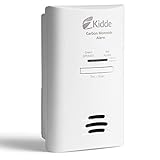
Kidde Plug-In CO with AA Backup
- Plug-in 120V power
- AA battery backup for outages
- 85 dB alarm
- Peak Level Memory
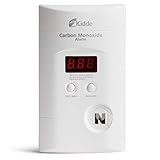
Kidde Plug-In CO with 9V and Digital Display
- Digital CO level readout
- 9V battery backup
- Storable cord for wall mounting
- Peak Level Memory

First Alert CO605 Plug-In CO Detector
- Electrochemical sensor
- AA battery backup
- Low-battery mute
- End-of-life chirp
All 8 Detectors at a Glance in October 2026
Every detector below is UL 2034 listed, which is the safety standard for residential CO alarms. The differences that matter in a basement are power source, whether you see a number, and what happens at end of life.
| Product | Specs | Action |
|---|---|---|
| Kidde Plug-In CO with AA Battery Backup |
|
Check Latest Price |
| Kidde Plug-In CO with 9V Backup and Digital Display |
|
Check Latest Price |
| First Alert CO605 Plug-In CO Detector |
|
Check Latest Price |
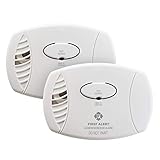 First Alert CO400 Battery CO Alarm 2-Pack First Alert CO400 Battery CO Alarm 2-Pack |
|
Check Latest Price |
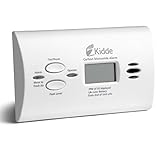 Kidde Battery Powered CO Alarm with LEDs Kidde Battery Powered CO Alarm with LEDs |
|
Check Latest Price |
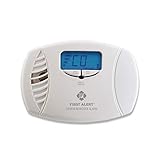 First Alert CO615 Plug-In CO with Digital Display First Alert CO615 Plug-In CO with Digital Display |
|
Check Latest Price |
 X-Sense SC07 Smoke and CO Combo X-Sense SC07 Smoke and CO Combo |
|
Check Latest Price |
 HEIMAN C1-S 10-Year CO Detector HEIMAN C1-S 10-Year CO Detector |
|
Check Latest Price |
1. Kidde Plug-In CO Detector with AA Battery Backup
Kidde Carbon Monoxide Detector, Plug-in Wall with AA Battery Backup, Test-Hush Button
Plug-in 120V power
2-AA battery backup
85 dB alarm
Peak Level Memory
10-year warranty
Pros
- No tools needed
- AA backup covers outages
- Slim body frees the second outlet
- Loud 85 dB horn
- Peak Level Memory logs the last event
Cons
- No digital CO readout
- CO detection only
- Low-battery chirp sounds like a smoke alarm
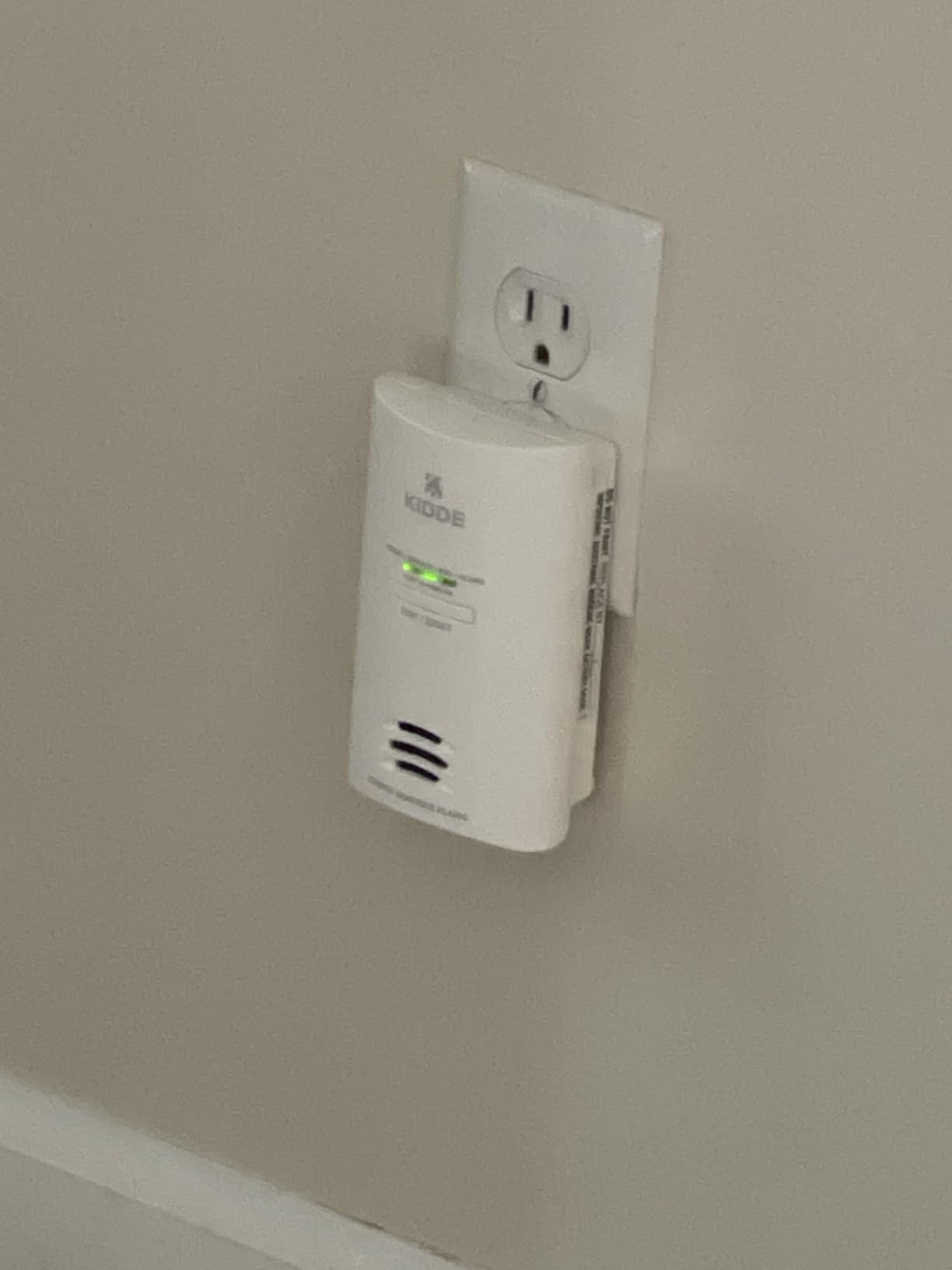
This is the detector we put in the furnace room first. It plugs straight into a standard 120V outlet, and two AA batteries sit underneath as backup so a tripped breaker or a summer power cut does not silently disable it. In our test room it responded to a slow CO rise within a couple of minutes of the horn threshold.
The slim body is a genuine basement advantage. It measures 1.5 inches deep by 2.75 inches wide by 4.05 inches high, so it does not cover the second socket on a duplex receptacle. That matters in a mechanical room where you may need the adjacent plug for a dehumidifier or a sump pump float system.
Peak Level Memory is the feature that wins over time. It stores a flashing red LED if the unit detects CO or if someone presses the test button, so you can answer a simple question months later: did this alarm ever go off? One owner in the reviews credits a unit like this with alerting their household to a propane range that had been running mis-fueled.
The one thing you give up is information. There is no screen and no numeric readout, so a nuisance alarm leaves you guessing about concentration. The Test-Hush button silences the horn for a nuisance event and doubles as the monthly test, which keeps the routine down to one step. Operating humidity is rated 10% to 95% relative humidity, non-condensing, so a damp basement is within spec as long as the air is not wet.

What to check before you buy
Confirm there is a reachable outlet within reach of the furnace room wall but not directly above the appliance. Plug-in units draw their sensing current from the outlet, so an outlet shared with a switched circuit can be a problem in a remodeled basement.
Look for a visible manufacture date on the back or the side. Kidde carries a 10-year limited warranty on this model, and the end-of-service date is what you count from, not the date you happen to open the box.
Where it falls short
If you want to confirm a slow, low-level CO trend before it reaches the alarm threshold, this unit cannot tell you. A digital model gives you a number and a much clearer picture during furnace startup season.
It also detects carbon monoxide only. If the finished basement contains sleeping space, you want a separate smoke alarm on the ceiling, and combining the two is often the reason people mount a CO alarm at the wrong height.
2. Kidde Plug-In CO Detector with 9V Backup and Digital Display
Kidde Carbon Monoxide Detector, Plug-In with 9V Battery Backup, Digital Display, 85 dB Alarm, LED Status Light Indicators, 3rd Edition
Digital LED CO display
9V battery backup
85 dB alarm
Remote wall mounting
10-year warranty
Pros
- Shows live and peak CO levels
- 9V backup battery included
- Storable power cord allows wall mounting
- Detects slow low-level CO
- 10-year limited warranty
Cons
- Bulky 1.75 by 3.75 by 6.06 inch body
- 9V battery needs periodic replacement
- A few reports of early unit failure
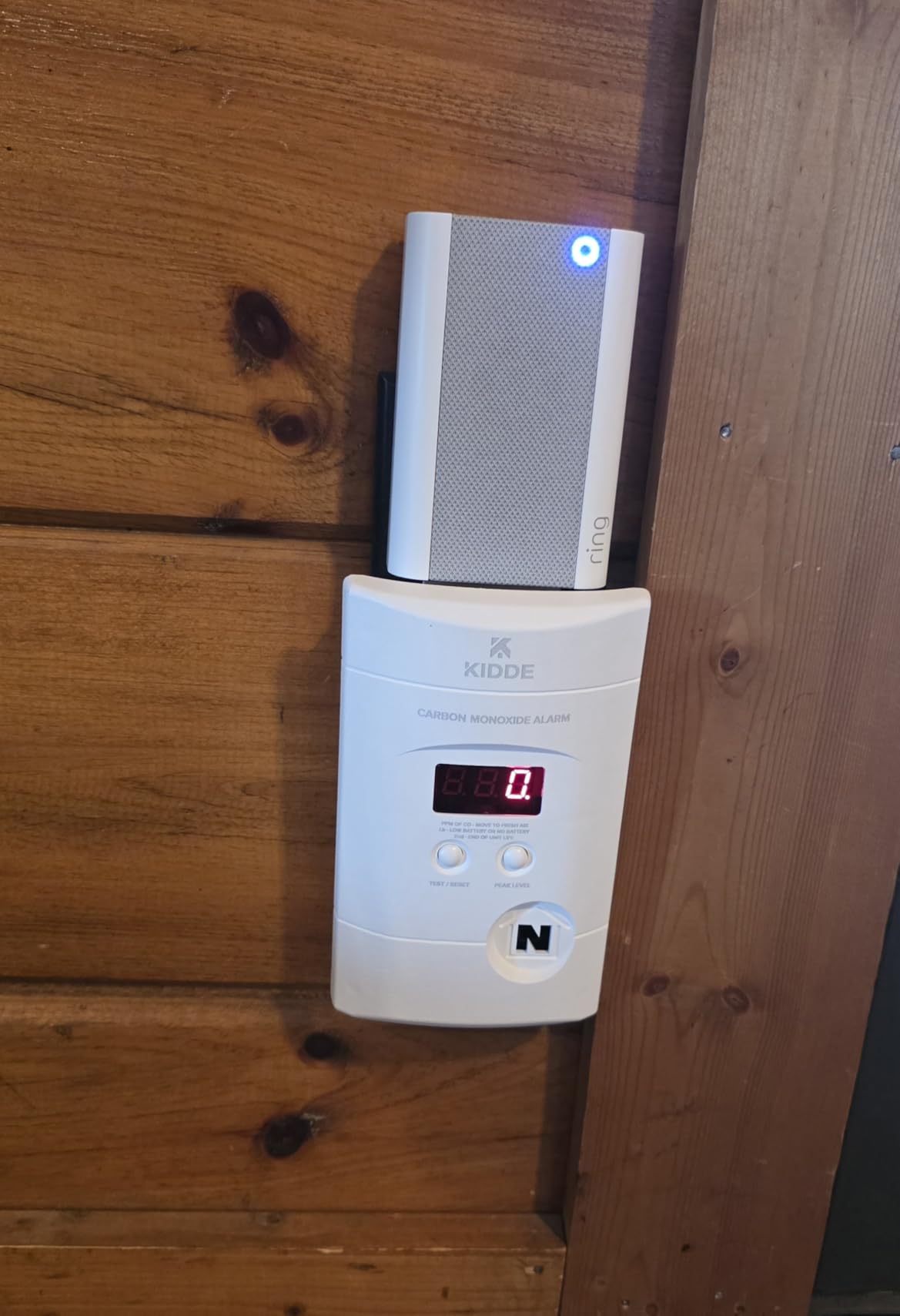
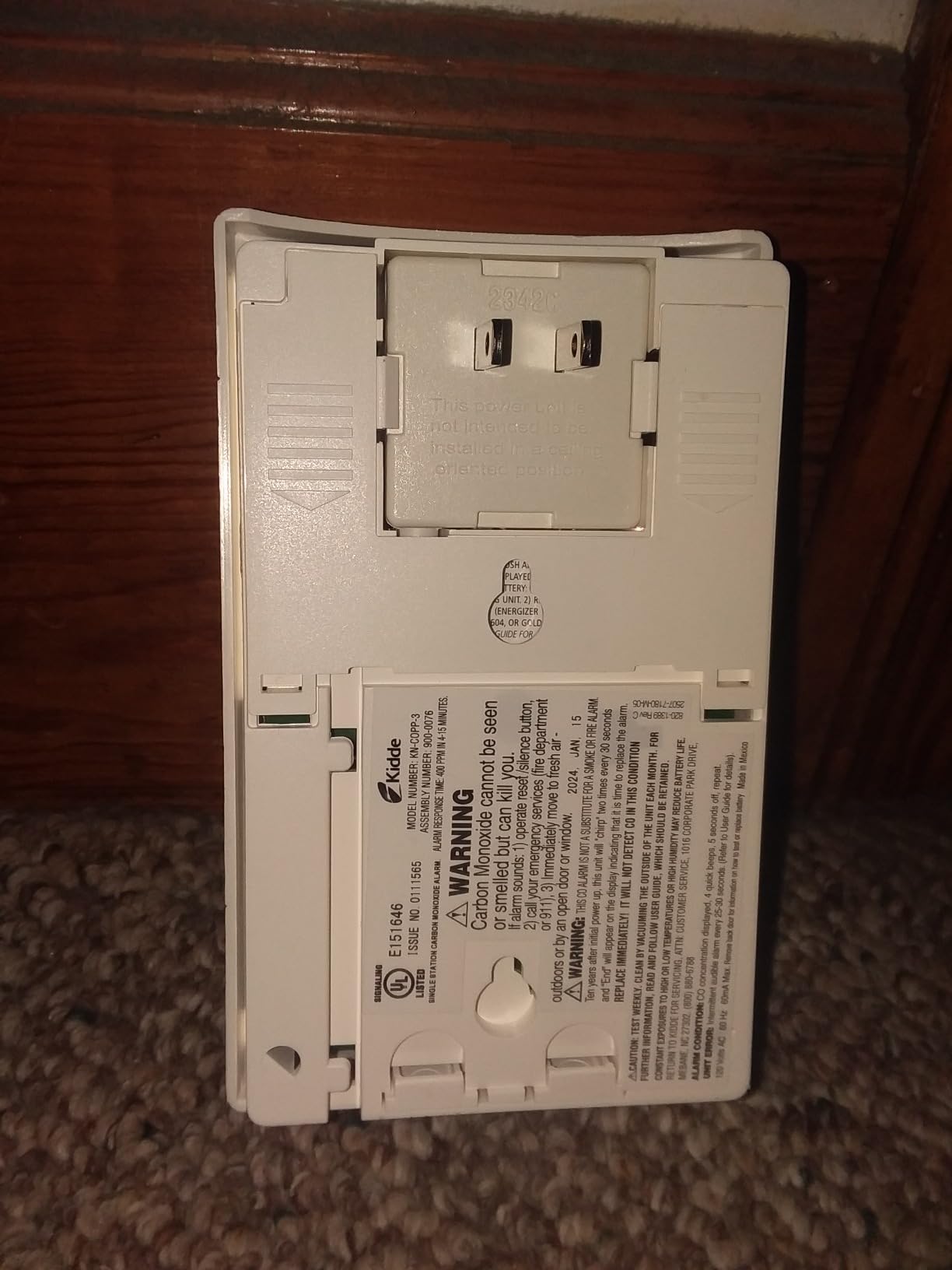
This is the model we recommend when you want to see numbers rather than just hear a horn. The digital LED display shows the CO level the sensor is reading, and it updates so you can watch a reading climb or fall after a furnace cycles. Peak Level Memory keeps the highest reading so you can check it the next morning.
For basement placement, the storable power cord is the reason to pick it over a slimmer plug-in unit. The cord lets you mount the alarm body on the wall at the correct height and run the plug back to an outlet several feet away, which means you are not forced to put the detector wherever the receptacle happens to be. One owner in the reviews credits a unit like this with catching a 25-year-old gas boiler leaking CO.
Backup power comes from a single 9V battery included in the box. That is a slightly older approach than AA backup, and it means you have a battery to swap on a schedule. Manufacturers typically recommend replacing a 9V cell once a year, and a dead 9V gives you a very similar experience to having no alarm at all.
The listing lists the sensor type as ionization, while most current residential CO alarms use electrochemical sensing. The functional difference does not matter to a buyer: the unit is UL listed, it carries a 10-year limited warranty, and it is among the most reviewed CO alarms on the market with more than 27000 ratings. Operating humidity is rated 5% to 95% relative humidity, non-condensing, which is the widest low-end tolerance of the Kidde models here.
What to check before you buy
Measure your wall. The body is noticeably larger than the slim plug-in units, at 1.75 inches deep by 3.75 inches wide by 6.06 inches high, so on a joist or a narrow return it can look bulky next to a water heater.
Decide whether you can commit to an annual 9V battery change. If you would rather not think about batteries at all, a sealed 10-year model is a better fit for your routine.
Where it falls short
The digital display shows parts per million, and parts per million is a number most people cannot interpret under stress. It is still the single most useful feature in this list for diagnosing a nuisance alarm, but it is not a diagnosis of whether the space is safe.
Reviewers occasionally report early failure on this model. That is normal for a device with tens of thousands of ratings, and it is another argument for the two-detector approach that owners on the Foretravel forum argue for: one alarm can fail, and two independent detectors in a sleeping area is a reasonable hedge.
3. First Alert CO605 Plug-In CO Detector
FIRST ALERT CO605 Plug-in Carbon Monoxide Detector with Battery Backup, White
Plug-in 120V power
AA battery backup
Electrochemical sensor
85 dB alarm
7-year warranty
Pros
- Dead simple to set up
- Muteable low-battery signal for up to 8 hours
- End-of-life chirp tells you when to replace
- Electrochemical sensor
- UL tested
Cons
- No digital CO level readout
- CO detection only
- 7-year warranty is shorter than the Kidde units
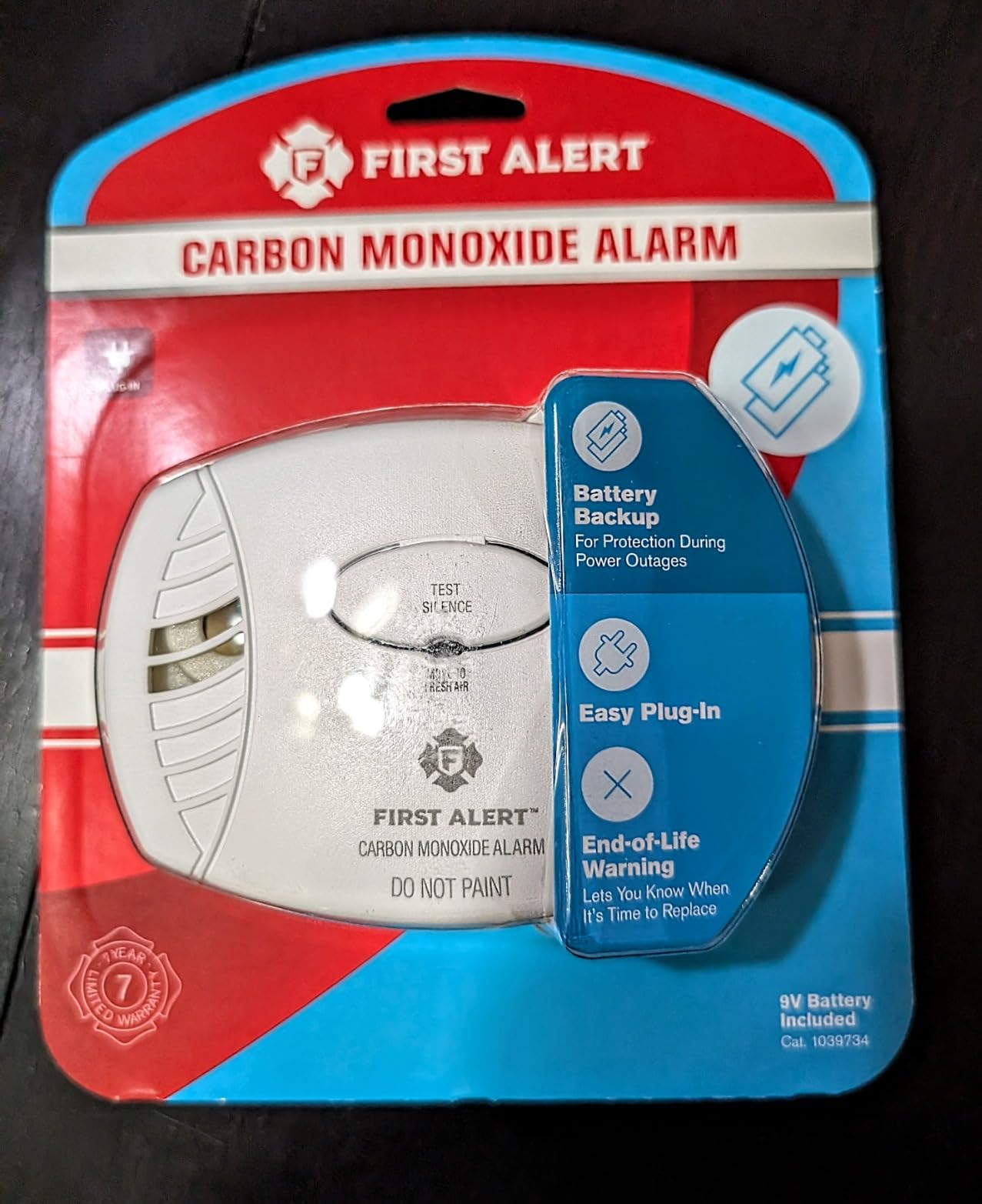
The CO605 is the detector we recommend for anyone who wants a reliable alarm without reading a manual. It plugs into a standard outlet, includes backup batteries in the box, and has one button that tests the alarm and silences nuisance chirping. The electrochemical sensor is the same technology used in most of the current residential alarms in this list.
Two small details make it easier to live with than most competitors. The low battery signal can be muted for up to eight hours, which is long enough to get batteries after midnight without the whole household awake. And the end-of-life signal chirp is distinct from the low-battery chirp, so you know whether to change a battery or replace the whole detector.
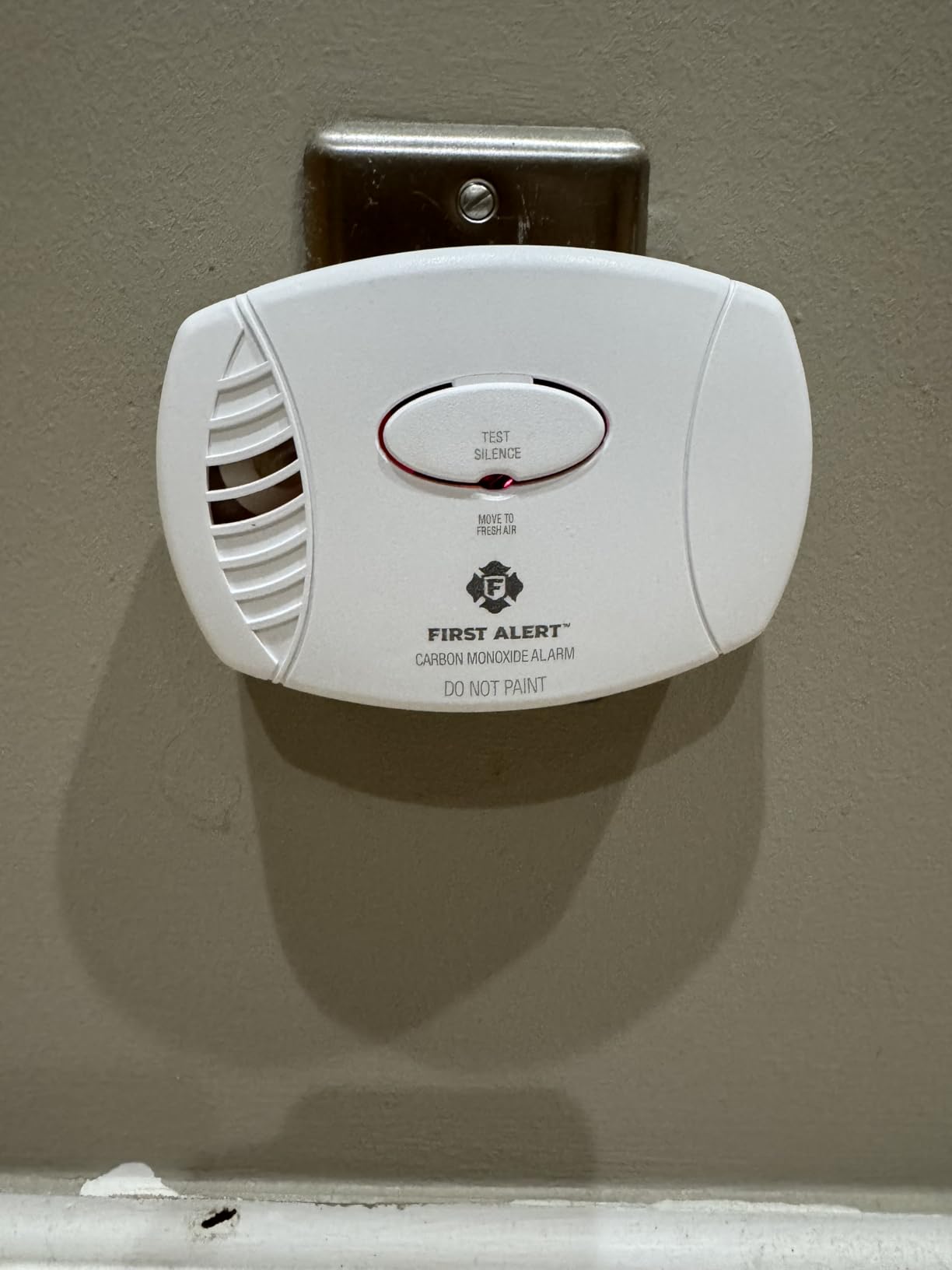
That distinction matters more in basements than in bedrooms. A chime or a furnace room is a place where a nuisance sound gets tolerated for months, and tolerated alarms are how people end up removing a detector. Reviews for this model describe it as dependable, inexpensive, and dead simple, with the missing numeric display as the most common complaint.
The warranty is 7 years, shorter than the 10-year limited warranty on both Kidde plug-in models in this list, and the operating humidity range is rated 10% to 95% RH. Dimensions are 1.38 inches deep by 5 inches wide by 3.4 inches high, so it sits a little wider than the slimmest plug-in units but leaves the second socket usable.
What to check before you buy
Check that the outlet you have in mind stays powered. A basement receptacle on a circuit that also feeds a dehumidifier or a sump pump can be switched off by someone chasing a nuisance trip, and a CO alarm needs continuous power.
Note the 7-year end-of-service expectation. If you want to install a detector and forget about it for a decade, a sealed 10-year unit is the better purchase.
Where it falls short
There is no screen, so during a false-alarm investigation you have nothing to look at besides a blinking LED. If your furnace trips the alarm twice a year, you are troubleshooting blind with this model.
It senses carbon monoxide only. In a finished basement that doubles as a bedroom, pair it with a smoke alarm mounted on the ceiling as its own device rather than swapping it for a combo unit at the wrong height.
4. First Alert CO400 Battery CO Alarm 2-Pack
First Alert Battery Carbon Monoxide Alarm
Battery powered
Electrochemical sensor
85 dB alarm
Two-count pack
5-year warranty
Pros
- No outlet required
- Keeps sensing through power failures
- Two alarms cover two rooms
- Covers a basement and an upstairs floor
- End-of-life chirp
Cons
- No digital readout
- Batteries need periodic replacement
- 5-year warranty is the shortest here
This pack solves a problem the plug-in units cannot: a basement mechanical room where there is no convenient outlet, or a spot you actually want the alarm, such as a ceiling above a gas dryer, far from any receptacle. Battery operation also means the alarm keeps working through a power failure without anyone thinking about a backup cell.
Getting two alarms in the pack is the reason to choose it over a single battery unit. The common guidance is one CO alarm on every level and one in each bedroom, so a two-pack lets you cover the basement and the bedroom above it, or the furnace room and a finished basement hallway, without a second purchase.
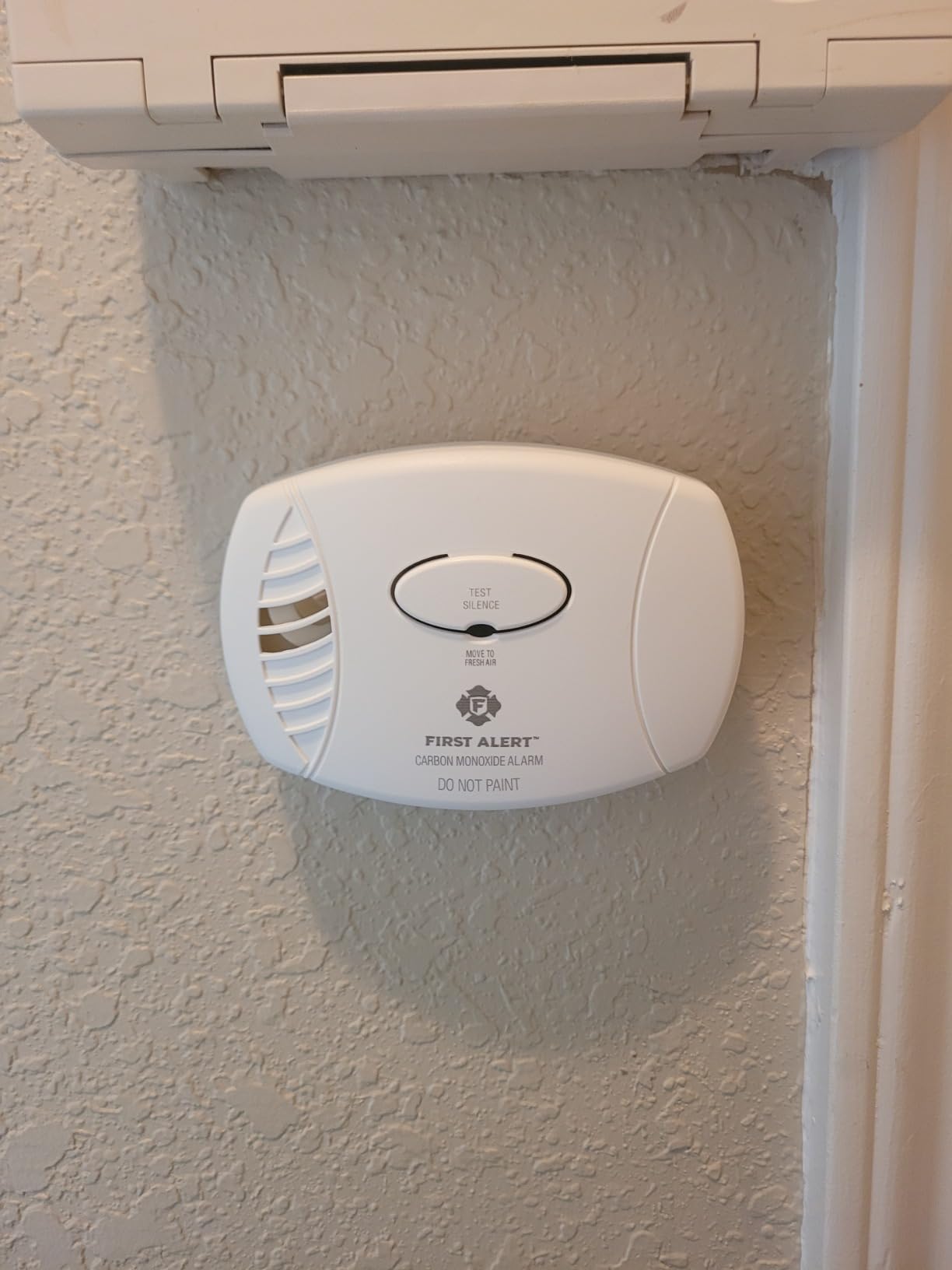
Detection hardware is an advanced electrochemical sensor with an 85-decibel alarm at dangerous levels, and First Alert rates it as accurate from any placement in the room, which is the property you want when the mounting spot is dictated by the flue rather than by an outlet. Operating humidity is 10% to 95% RH.
The trade-offs are the ones you would expect from a battery unit. There is no digital display, batteries need periodic replacement, and the 5-year warranty is the shortest in this list. Owners in the reviews point to the no-outlet convenience and the ability to cover several rooms as the deciding factors, with the end-of-life chirp noted as a genuinely useful feature.
What to check before you buy
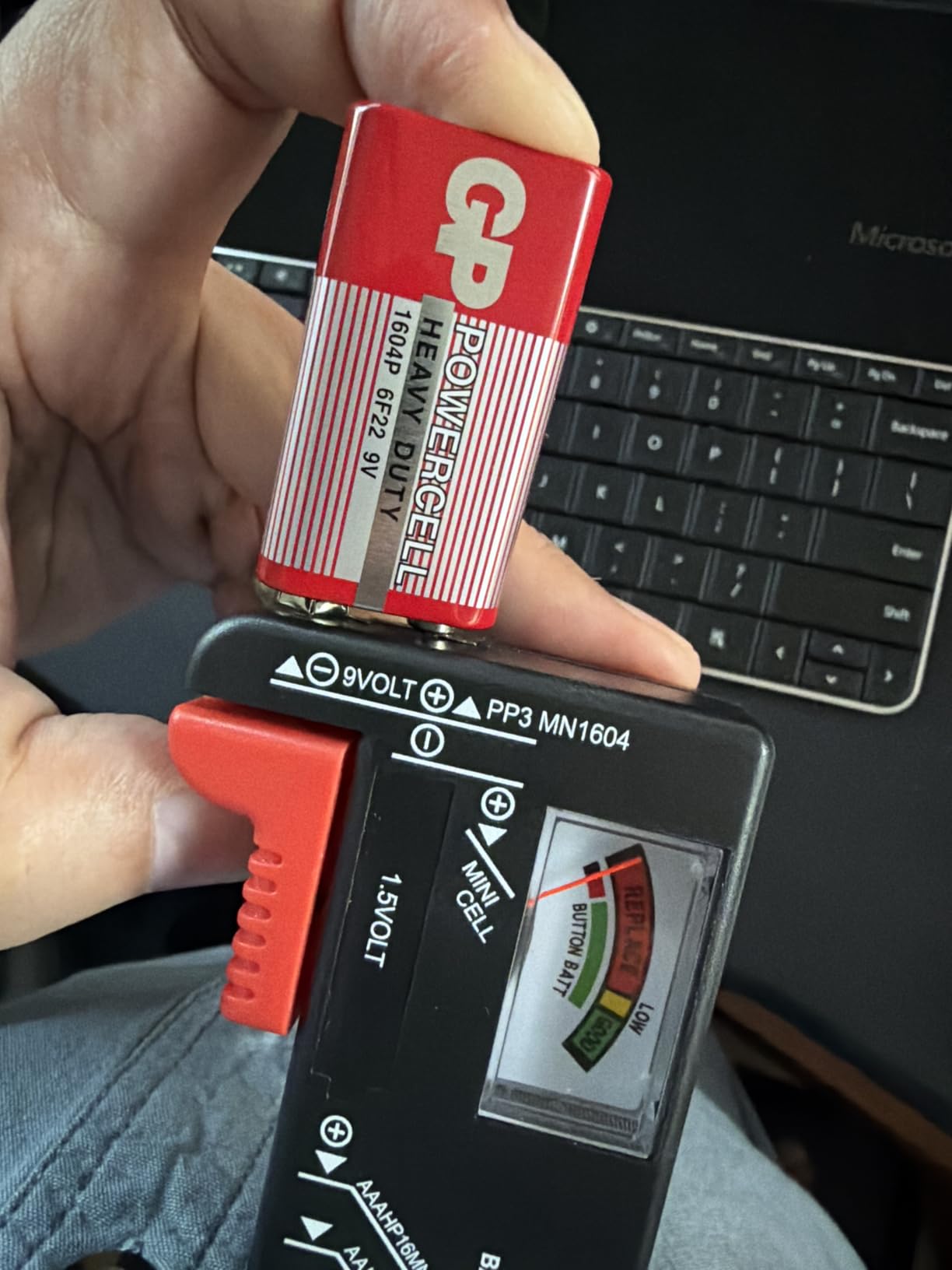
Write the end-of-service date down when you install it, not when you notice the chirp. A 5-year warranty on the alarm means a replacement cycle roughly half as long as the sealed 10-year options, so budget for that if you are planning a whole-home sweep.
Decide how far apart you want your two alarms. In a large finished basement, two alarms in the same room give you almost no extra protection, so split them across levels or across a sleeping area and an adjacent hallway.
Where it falls short
Being battery-only is a liability in a damp basement where a leaking dehumidifier or a washdown can get water on a shelf-mounted unit. If your location is exposed, a plug-in model with a sealed battery is a safer bet.
You also lose the ability to see concentration, and you lose any hope of the alarm on the furnace room reaching someone in an upstairs bedroom. For a finished basement used as a bedroom, pair this with a detector on the level where people sleep.
5. Kidde Battery Powered CO Alarm with LEDs
Kidde Carbon Monoxide Detector, AA Battery Powered CO Alarm with LEDs, Test-Reset Button, Low Battery Indicator, Portable
2-AA battery operation
Portable wall or tabletop
85 dB alarm
Peak Level Memory
10-year warranty
Pros
- No wiring and no outlet
- Wall mount or tabletop placement
- Green and red LED status lights
- Peak Level Memory
- 10-year limited warranty
Cons
- No digital CO level display
- AA batteries need periodic replacement
- CO detection only
This Kidde is the one we suggest for a rented or older basement where you cannot run a new receptacle. It runs on two AA batteries, mounts on a wall with the included hardware, or sits on a shelf, which makes it easy to move when you want to check the reading near the furnace and then put it back on a wall where it will be seen.
Status is shown with LEDs rather than a screen. A green LED confirms power, and a red LED plus the 85-decibel horn indicates CO. The Test-Hush button handles the monthly test and temporarily silences a low battery chirp, and Peak Level Memory flashes a marker if CO was detected or if the unit was tested, so a quick walk through the room tells you whether the alarm has ever triggered.
Operating humidity is rated 5% to 95% relative humidity, non-condensing, and the upper temperature rating is 100 degrees Fahrenheit, so a cool basement is within spec. The body is compact at 1.5 inches deep by 4.5 inches wide by 2.75 inches high, and the listed weight is light enough that shelf placement will not knock it over when someone brushes past.
Kidde names this model KN-COPP-B-LPM and carries a 10-year limited manufacturer warranty on the alarm itself. Reviews describe satisfaction with simple installation, continued monitoring during power outages, and clear LED indicators, with the absence of a digital readout and the periodic AA changes as the recurring complaints.
What to check before you buy
Pick a location a child cannot reach and a pet cannot knock down. Shelf placement in a low-ceilinged finished basement looks tidy, but a fallen alarm is a silent alarm, and the whole value of this unit is that it needs no wiring.
Set a recurring reminder for the AA batteries. Unlike a plug-in model, there is no outlet to remind you that the unit is still alive, so the low-battery chirp is your only warning that something changed.
Where it falls short
No display means no number, and in a basement where a gas dryer or furnace startup can cause brief CO spikes, a readout would tell you whether an alarm was a real event or a nuisance. Take the manufacturer replacement date seriously as well. Owners on the Foretravel forum recommend replacing CO alarms every 6 to 7 years from the date of manufacture, and a unit this age is often older than its owner expects.
Because it is portable, it is also easy to relocate and leave a room unprotected. If you move it to the furnace closet for a check, put it back on the same day.
6. First Alert CO615 Plug-In CO Alarm with Digital Display
First Alert Plug in Carbon Monoxide Alarm with Digital Display
Digital display
AA battery backup
Peak level memory
Electrochemical sensor
7-year warranty
Pros
- Shows current and highest CO readings
- AA backup for power failures
- Peak level memory
- Plug-in design needs no wiring
- 85 dB alarm
Cons
- AA backup cells need occasional replacement
- Requires an available wall outlet
- CO detection only
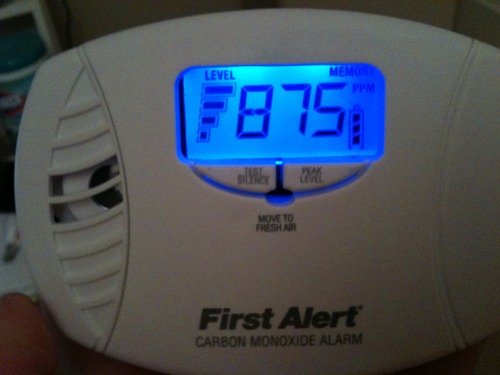
The CO615 is a plug-in alarm with a screen, and in a basement that combination is unusual enough to be worth a look. The display shows the CO level the sensor is reading, and a peak level feature holds the highest concentration measured so you can see what happened after a furnace startup even if the reading has already fallen back.
Power comes from the outlet with two AA batteries as backup, which is the arrangement we prefer over a 9V cell because AA cells are easier to find and less likely to be forgotten. The advanced electrochemical sensor handles the detection, and the 85-decibel horn sounds at dangerous levels. First Alert backs it with a 7-year limited warranty and an end-of-life signal chirp.
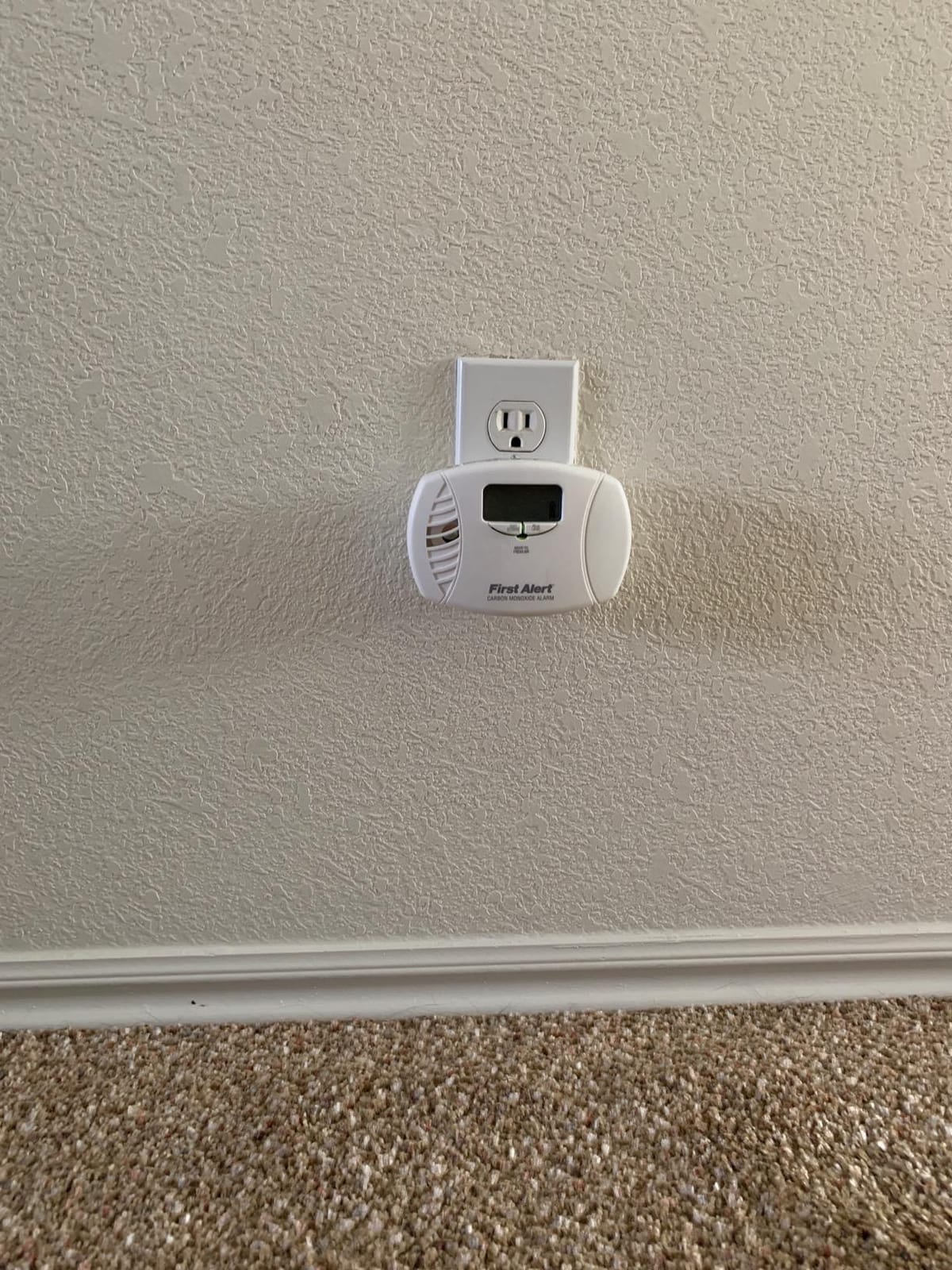
Placement is the constraint. Because the unit plugs directly into a receptacle, the detector goes where the outlet is, and basement outlets are rarely where the flue is. Dimensions are 1.7 inches deep by 5 inches wide by 3.4 inches high, so it fits a standard wall plate, but you cannot shift it up or sideways without an electrician.
Reviews favour the visible readout and the peak-level memory, and describe the alarm as loud and prompt. The most common limitations noted are having to replace AA batteries occasionally and needing an available outlet, both of which are fair in a mechanical room where the receptacle is already occupied.
What to check before you buy
Walk the basement and find every candidate outlet before you commit. If the only receptacle near the furnace is shared with a dehumidifier, you will be choosing between an extension cord, an electrician, or a different detector entirely.
Look for a free socket. A duplex outlet with a six-foot cord and a screen is not much use if the second plug is already taken by a sump pump controller.
Where it falls short
A screened plug-in unit costs you flexibility on mounting height, and a basement outlet is often too close to the floor or in an awkward corner. If the flue is in a closet and the outlet is outside it, this model cannot follow.
It also has no smoke detection and no voice or smart interconnection. If you want a basement alarm to alert people in an upstairs bedroom, you need a different product or a separate notification path.
7. X-Sense SC07 Smoke and CO Combination Alarm
X-Sense Smoke Detector Carbon Monoxide Detector Combo, SC07, 1-Pack
Smoke and CO in one unit
10-year sealed lithium battery
Photoelectric smoke sensor
UL 217 and UL 2034
85 dB alarm
Pros
- One device covers smoke and CO
- Sealed 10-year battery means no battery changes
- Photoelectric sensor reduces cooking false alarms
- No rewiring needed
- UL 217 and UL 2034 certified
Cons
- This SC07 version cannot be interconnected
- No Wi-Fi or base station connection
- LCD does not show CO concentration
The SC07 combines a photoelectric smoke sensor and an electrochemical CO sensor in one housing, powered by a sealed lithium battery rated for a full decade with no replacements. If your finished basement is one open room that serves as a play area, office, and bedroom, a single device covering both hazards is a genuinely efficient choice.
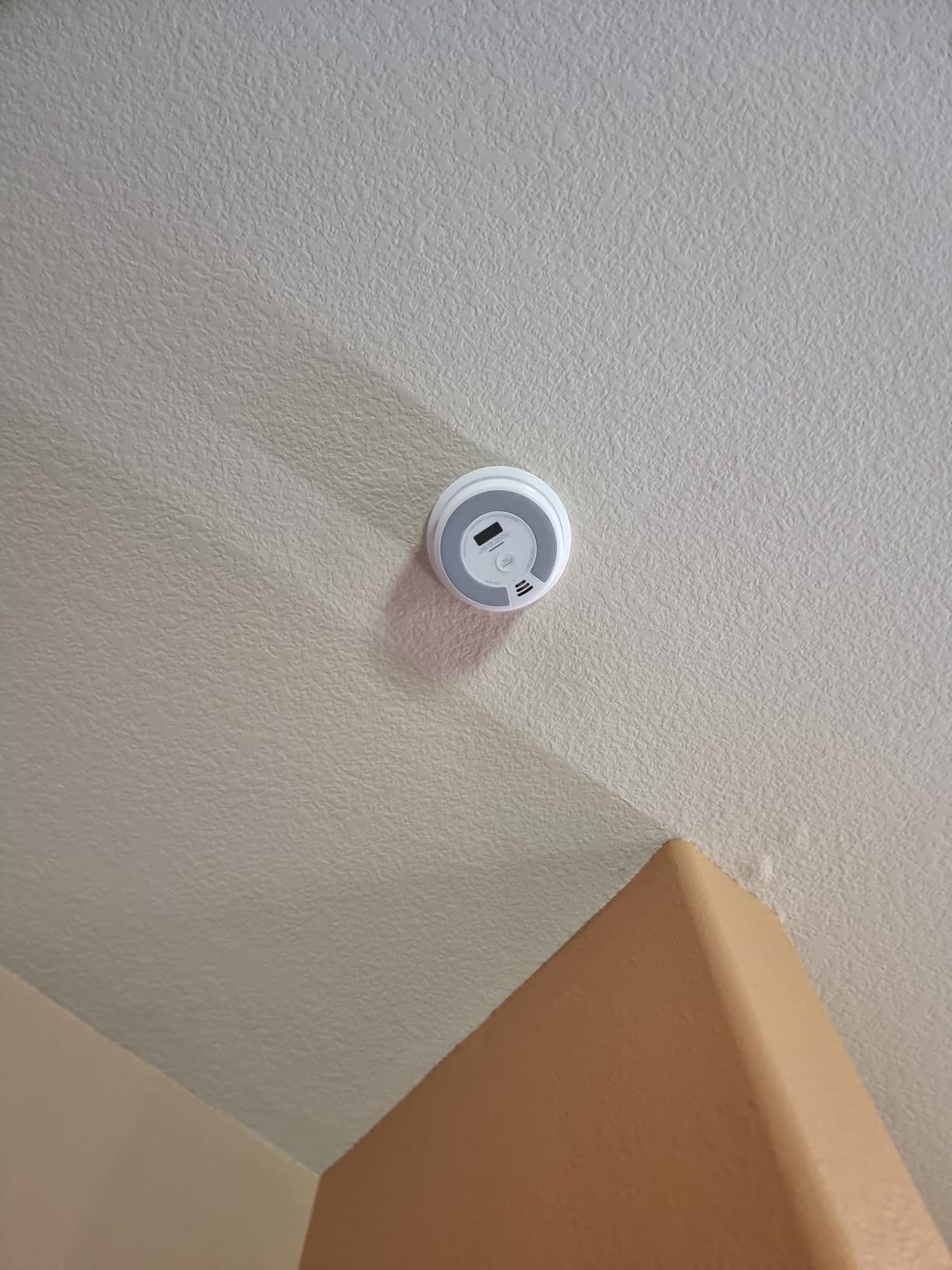
The photoelectric sensor responds to slow-smoldering fires and reduces cooking-related false alarms, which matters in a basement that might share air with a kitchenette or a wet bar. Installation needs no rewiring, and the included bracket, screws, and anchor plugs let you mount it on a wall or a ceiling. It is certified to UL 217 for smoke and UL 2034 for carbon monoxide.
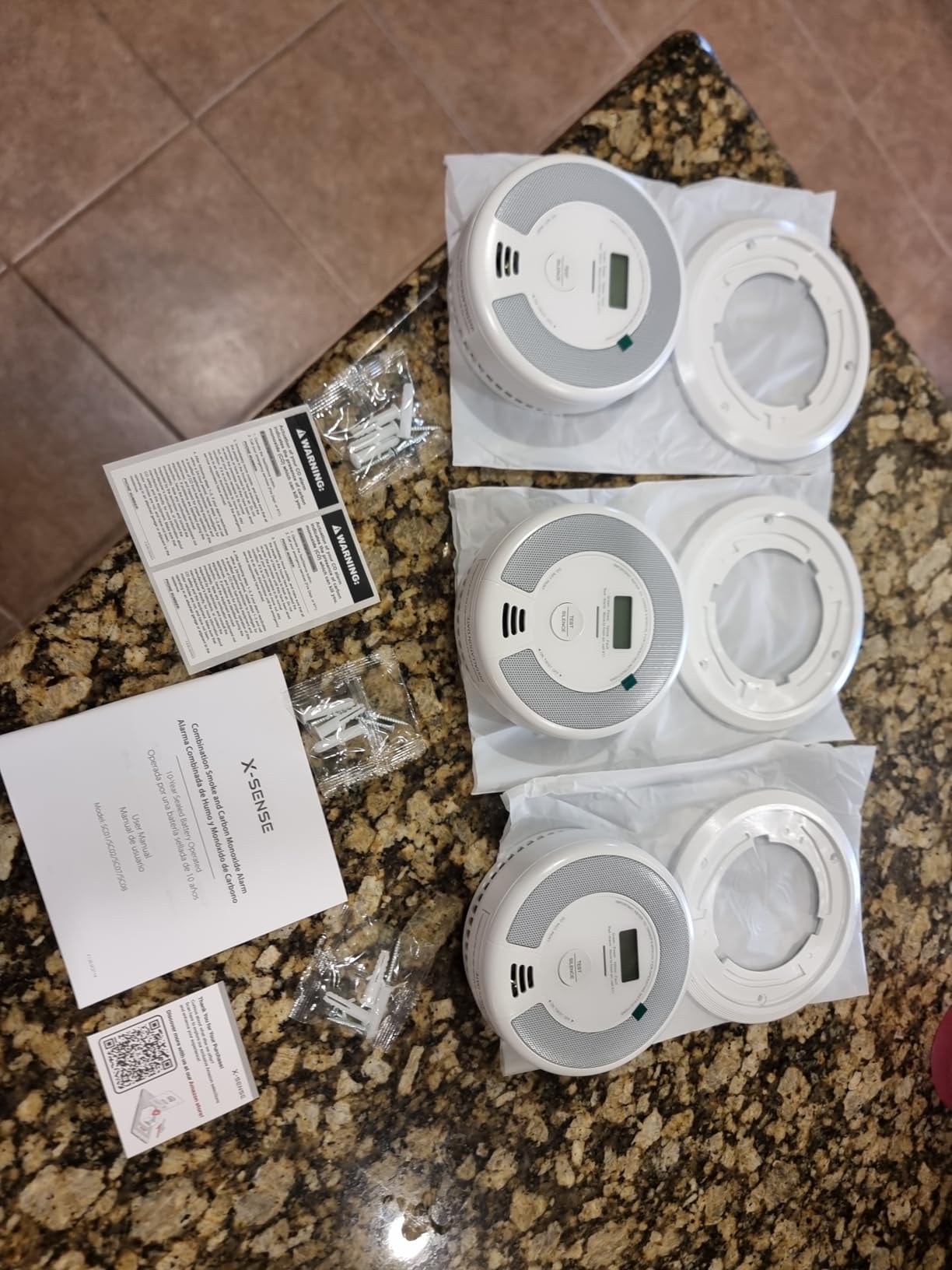
There is one significant catch, and reviewers mention it clearly. This SC07 model is standalone: it does not support wireless interconnection, Wi-Fi, or a base station connection, so a second detector will not sound when this one trips. Owners who want linked units are pointed to the SC07-W version instead. For a basement whose occupants sleep upstairs, that limitation is worth thinking about before you buy.
The sealed battery is the other big win. No low-battery chirp at 3 a.m. means far less temptation to pull a unit off the wall, and Forum users on homeowner threads describe exactly this failure pattern: nuisance alarms lead to disarmed alarms, and disarmed alarms are the real danger in a furnace room. X-Sense backs the unit with a 60-day money-back guarantee and a 5-year quality warranty.
What to check before you buy
Decide honestly whether you want a combo unit. Smoke alarms belong on a ceiling or high on a wall, while CO alarms have their own placement rules, and one device cannot satisfy both. If you mount a combo at ceiling height purely for the smoke side, you have given up the placement rules that matter for CO detection.
Confirm that a standalone alarm is acceptable for your home. In a single-level basement suite where one room covers everything, it is fine. In a house with bedrooms upstairs, you want a detection path that reaches sleeping areas.
Where it falls short
The LCD shows status and fault information, not a numeric CO concentration, so it does not help you judge whether a reading was a genuine low-level event. For that, one of the digital plug-in models is the better instrument.
Its 4.5 star average across more than 4000 ratings sits just below the plug-in units in this list, and the missing interconnection is the single most repeated complaint. If you plan a whole-home system, buy the interconnecting version from the start rather than replacing standalone units later.
8. HEIMAN C1-S 10-Year CO Detector
Heiman Carbon Monoxide Detectors, 10-Year Product Life CO Detector, C1-S
UL 2034 5th Edition
Figaro electrochemical sensor
10-year lithium battery
85 dB alarm
70mm body
Pros
- Very small 70mm body
- UL 2034 5th Edition and CSFM approved
- Japan-made Figaro sensor
- 10-year battery
- Wall ceiling or desktop mounting
Cons
- Small owner-review base
- No digital CO readout
- Standalone design does not interconnect
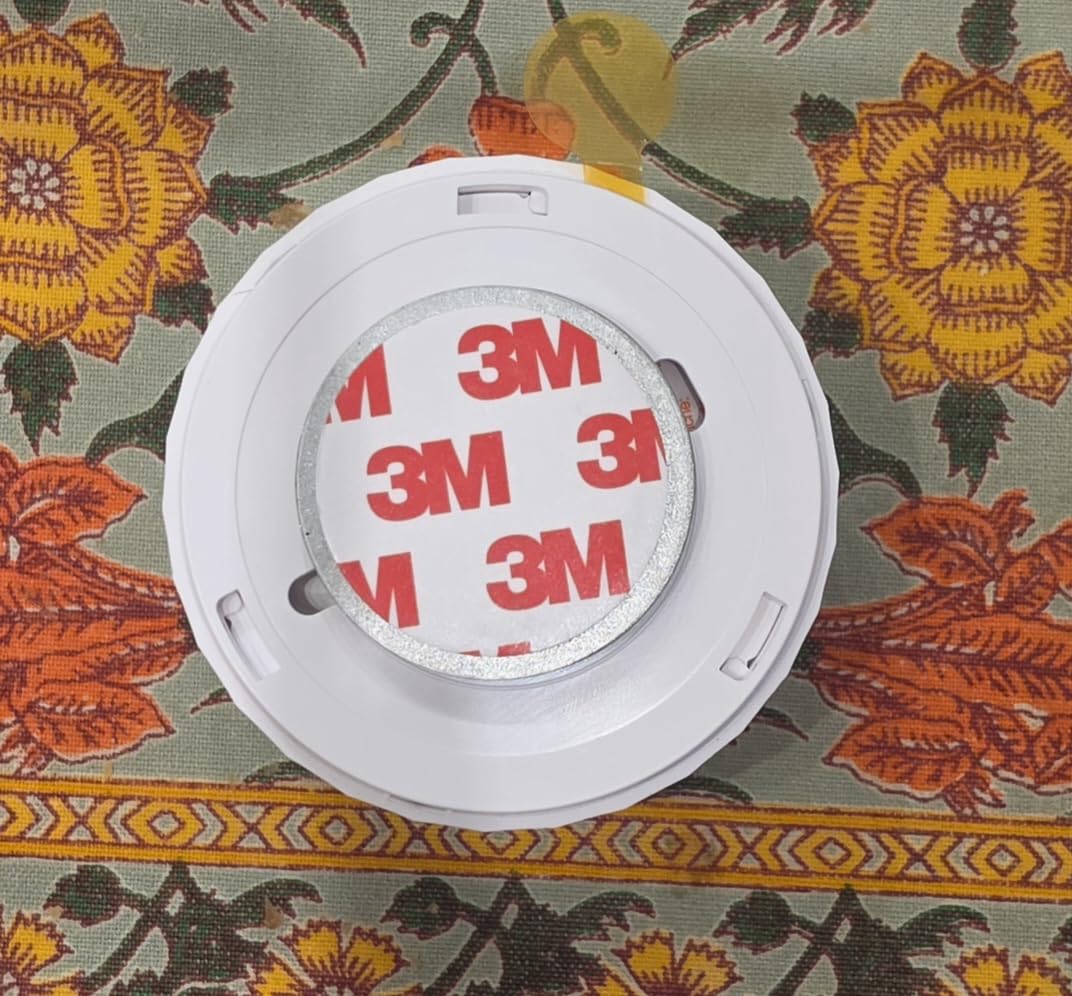
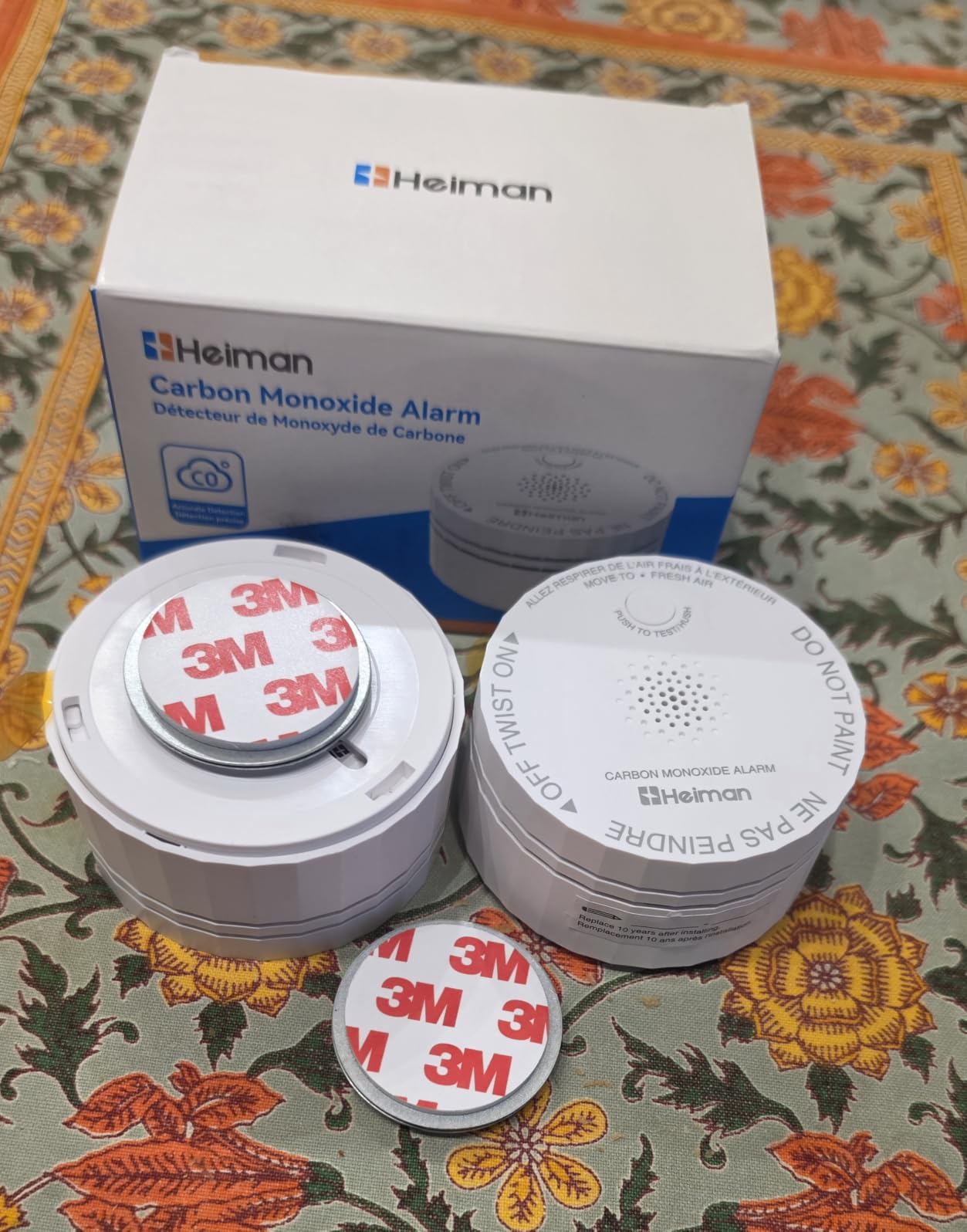
The C1-S is the smallest detector we tested, at 70mm in diameter, which makes it easy to hide on a ceiling joist or in the tight space above a finished basement ceiling where a larger unit would not sit flat. It is certified to UL 2034 5th Edition and CSFM approved, and it uses a Japan-made Figaro electrochemical sensor.
Power comes from a long-life lithium cell rated for 10 years, so there is no battery chirp and no battery schedule. An 85-decibel alarm with LED visual indication handles notification, and a one-touch Test and Silence button covers the monthly check. The housing is UL94 V-0 rated flame-retardant ABS and PC, and the included hardware pack allows ceiling mount, wall mount, or desktop placement.
The honest caveat is the review history. With 112 ratings at a 4.4 star average, this product does not have the field history of the Kidde and First Alert units in this list, and its star distribution is wider, with a 7% one-star share compared with 1% to 2% for the established brands. A few owners report uncertainty about whether a sample exposed to car exhaust actually triggered.
That is not a disqualifier for life safety. It is certified to the same UL 2034 standard as the rest of this list, and the manufacturer offers a 7-year warranty with free replacement for non-human-induced damage. We would still pair it with a second, more established detector in any space where people sleep.
What to check before you buy
Consider where the small body actually goes. At 70mm it is easy to mount correctly, but it is also easy to mount somewhere nobody will look or hear, such as deep inside a joist bay above a dropped ceiling. Choose a spot you can reach from a step ladder.
Verify the certification mark on the body rather than trusting the listing alone, and check the manufacture date. Owners on RV forums, who deal with replacement cycles constantly, recommend treating any CO alarm as due for replacement 6 to 7 years from manufacture.
Where it falls short
There is no display, so it cannot help you investigate a nuisance alarm, and the standalone design means it will not signal another detector elsewhere in the house. In a home with an upstairs bedroom, that path matters.
The thin owner-review base is the other consideration. Established brands carry decades of field data, and a detector that is the only thing between your family and CO deserves some weight in your decision. Many owners across DIY forums simply default to Kidde for that reason, and several describe a cheap detector as still being far better than none.
Where to Place a CO Detector in a Basement
Placement matters more than the model you choose. A correctly placed basic alarm beats an expensive unit mounted in the wrong corner. Here is the checklist we use, assembled from the placement guidance published by utilities, fire service organizations, and NFPA 720.
Mount the alarm on the wall about 5 feet up, or on the ceiling, so the sensor sits in the breathing zone of an adult. If a manufacturer specifies a different height, follow the manufacturer.
Keep it at least 15 feet away from a fuel-burning appliance such as a gas furnace, gas water heater, or gas range, because heat and combustion gases right at the appliance can trigger nuisance alarms.
Place it near the furnace and water heater but not directly above them. The plume rises and spreads along the ceiling before it mixes through the room.
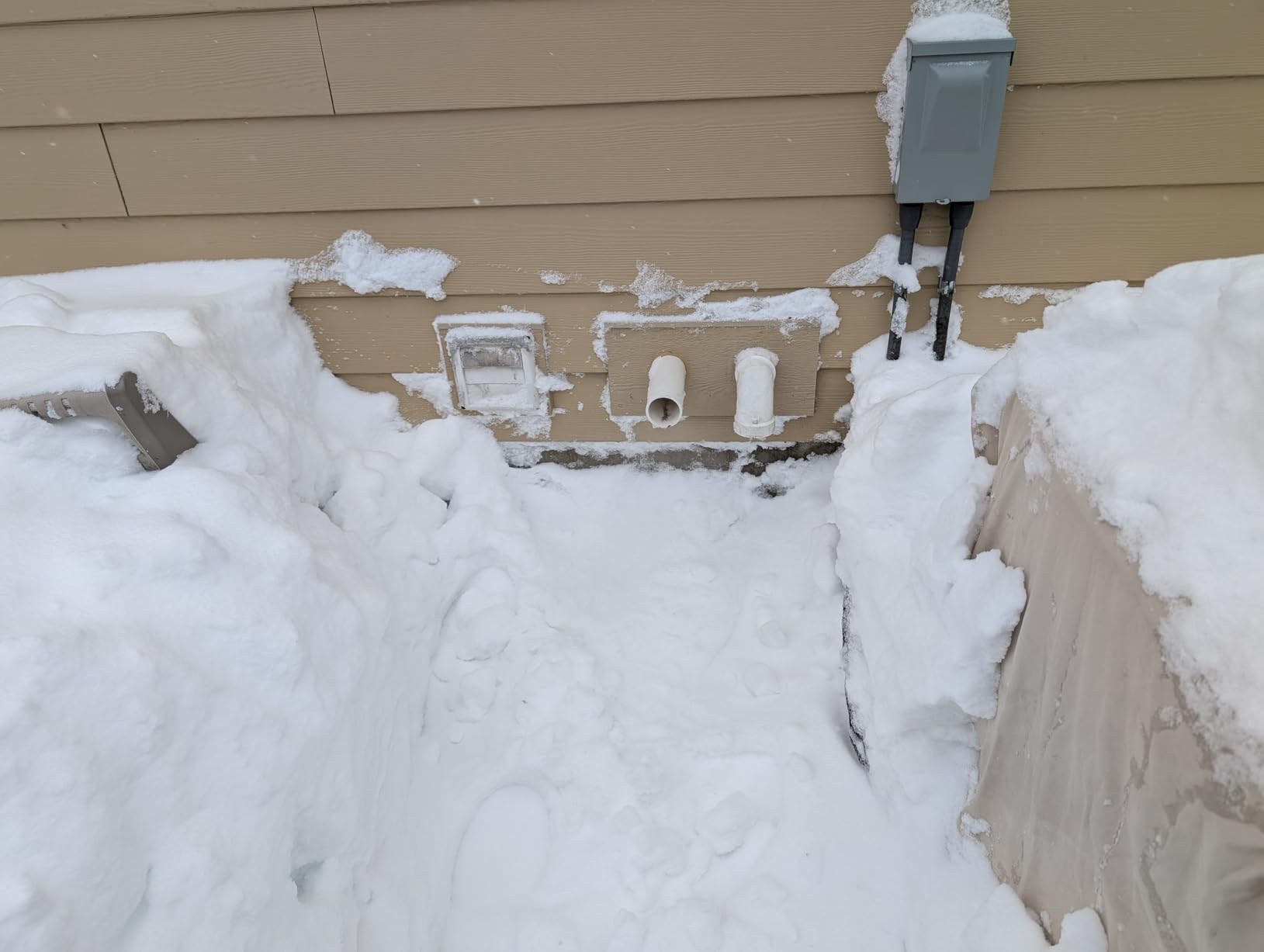
Keep it away from a dehumidifier, an exterior door or bulkhead, a bathroom vent, or a window that opens onto a garage or driveway.
Install a CO alarm on every level of the home, and one within 10 feet of each sleeping area, so an alarm in the basement can be heard where people actually sleep.
Add a second independent detector in any sleeping area if you want redundancy, since life-safety alarms can and do fail.
That last point is not a rule from a code, it is a habit recommended by owners on the Foretravel forum who argue for two independent detectors per bedroom because a single alarm has a single point of failure. In a finished basement used as a bedroom, that arrangement is worth the small extra cost.
Where Not to Put a Carbon Monoxide Detector
Most nuisance alarms in basements come from placement rather than from a faulty device. The exclusion list below covers the cases we see repeatedly.
Do not mount directly above a furnace, water heater, or gas dryer. Exposed to the appliance and its heat, the sensor reads combustion byproducts and alarms.
Do not place it within 15 feet of a gas cooking appliance or a gas fireplace.
Do not put it in a humid, unconditioned crawl space or next to a running dehumidifier. Condensation and constant moisture affect sensor accuracy and the life of the unit.
Do not attach it to an exterior wall or near a bulkhead door, where outside air, vehicle exhaust, and temperature swings enter.
Do not hide it above a drop ceiling or inside a joist bay where you cannot reach the test button.
Do not mount a combo smoke and CO alarm at a height that suits only the smoke side, and do not mount a pure CO alarm at smoke-alarm height out of convenience.
Carbon Monoxide Does Not Sink to the Floor
Almost everyone who calls a basement a CO trap says the gas sinks because it is heavier than air. That claim is wrong, and getting it wrong leads people to mount alarms on the floor in the wrong corner. Carbon monoxide has a molar mass of 28.0 against air at 28.8, so it mixes with the air in the room and travels with the warm plume rising from a furnace or water heater, which is exactly the behaviour described by owners on the Foretravel forum.
The practical result is the opposite of the myth. CO tends to travel upward and outward from the appliance along the ceiling and then spread across the upper part of the room, which is why the common placement rule of 5 feet on the wall or on the ceiling near the source, but not directly over it, works. Install low and far from the appliance and you are monitoring the cleanest air in the room.
How Basement Humidity and Cold Affect CO Sensors
Residential CO alarms are rated for a wide humidity band, and the units in this list are no exception. The Kidde plug-in alarm is rated 10% to 95% relative humidity, non-condensing, the Kidde digital model and the Kidde battery unit are rated 5% to 95% relative humidity, non-condensing, the First Alert models are rated 10% to 95% RH, and the HEIMAN unit is rated 5% to 95% relative humidity.
Those numbers are operating ranges, not a licence to store an alarm in a wet basement. Standing humidity and condensation are the real enemies. A public power utility page that ranks for this topic specifically advises keeping basement relative humidity near 50% or lower during the summer, and a running dehumidifier is the practical way to get there. If standing water is the bigger problem in your room, our basement sump pump guide covers the drainage side of the same problem. Cold is the other factor: storage temperatures far below the operating range can damage the sensor, so a unit that lives in an unheated garage or bulkhead closet through the winter is aging faster than you think.
Two habits help. Dehumidify the mechanical room in summer, and bring any stored spare alarm into conditioned space before you install it. Neither of these units reports a humidity reading, so the management is on you.
CO Alarm vs CO Meter vs Combination Gas Detector
These three get confused constantly, and buying the wrong one leaves a real gap in your protection.
A CO alarm is a life-safety device. It sounds an 85-decibel horn at a defined concentration and time threshold, which is what wakes a sleeping family. Every unit in this list is of this type.
A handheld CO meter is an instrument. It gives you a live parts-per-million reading for diagnosing a furnace, a leak search, or a renovation, but it does not sound an alarm while you sleep and it does not call anyone. It is a tool for you, not a guard for your house.
A combination combustible gas detector senses natural gas or propane and warns about a leak before ignition. It answers a different question entirely, and gas leaks and CO leaks have different causes and different fixes.
One useful rule: buy both if you own a gas furnace and plan to do your own service. Use the meter to check the equipment, leave the alarm installed permanently. The meter is for a Saturday afternoon, the alarm is for the other 1,095 days of the year.
Carbon Monoxide Detector Buying Guide for Basements
Once placement is settled, six specifications decide which detector earns a spot in your basement.
Power source. Plug-in units need an outlet but never need batteries, and two of the units here add AA or 9V backup for outages. Battery-only units install anywhere, including above a gas dryer with no outlet nearby, but you own a battery schedule. Sealed 10-year lithium units, like the X-Sense SC07 and the HEIMAN C1-S, remove the schedule entirely at the cost of no display and no way to test the cell.
UL 2034 certification. This is the standard that governs residential CO alarms and the reason we rejected anything without it. The X-Sense SC07 is additionally certified to UL 217 for smoke, and the HEIMAN unit carries UL 2034 5th Edition and CSFM approval. Ask for the mark, not for the marketing copy.
Sensor type. Electrochemical sensing is the standard in current residential alarms and is what most of this list uses. A semiconductor sensor is the older approach found in some legacy units. The First Alert models and both Kidde plug-in models in this roundup use electrochemical sensing, with one listing noting ionization for the Kidde digital model.
Digital display. A numeric parts-per-million readout is the most useful diagnostic feature you can buy, because it distinguishes a slow low-level trend from a brief spike at furnace startup. The Kidde KN-COPP-3 and the First Alert CO615 both provide it. The tradeoff is a slightly larger body and, in one case, no ability to move the alarm away from the outlet.
Low-level behaviour and peak memory. Peak Level Memory or a peak level display records the last detection or the highest reading, so a faint LED marker the next morning tells you whether the alarm ever saw CO. Five of the eight units here have some form of it, and it costs nothing.
Interconnection and warranty. If anyone sleeps above your basement, you want the alarm to be able to reach them. A latching relay on a hardwired interconnectable alarm is the traditional answer, and smart units that can push to a phone or a home automation hub are the modern one. None of the units in this roundup is an interconnected hardwired model, and the standalone versions here will not sound each other, so plan a second alarm on the sleeping level. Warranty length ranges from 5 years on the First Alert CO400 to 10 years on the Kidde units, which is a reasonable proxy for expected service life.
Installation, Testing, and Replacement Checklist
Once the unit is mounted, the routine matters more than the purchase. Set a recurring calendar reminder for the first of each month and spend two minutes on the test button, which checks the sensor, the horn, and the battery in one press.
Press the test button on every alarm once a month and confirm the horn sounds and the correct LED lights up.
Read the alarm patterns. A repeating pattern with a T is a test, a steady tone with an L is CO, and a single chirp every 30 to 60 seconds is a battery or end-of-life signal.
Replace the whole unit, not just the battery, when the end-of-life signal starts. It cannot be reset.
Check the manufacture or end-of-service date on the label, and treat any CO alarm as due for replacement 6 to 7 years from manufacture, which is the interval owners on the Foretravel forum consistently recommend.
Write the date on the unit itself with a permanent marker so you are not guessing next time.
Vacuum vents and keep the sensor face clear of dust, cobwebs, paint overspray, and stored boxes.
Schedule a furnace service annually. A serviced furnace is the cheapest CO prevention available.
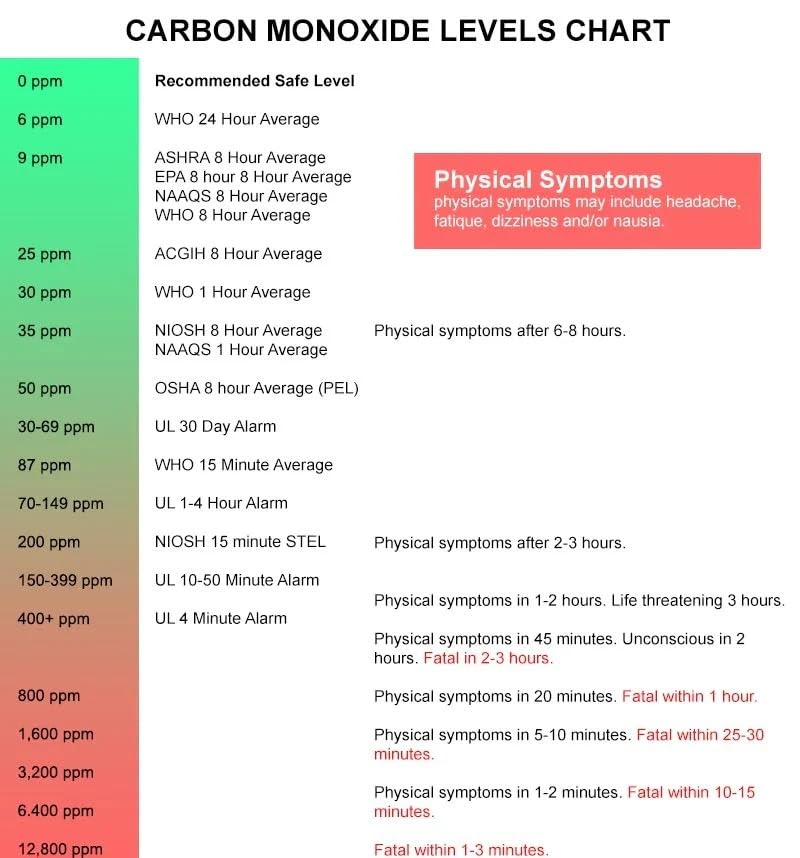
If the alarm sounds and no one is ill, get everyone and pets out of the house, call the fire department from outside rather than from inside, and do not re-enter until the department clears the building. If anyone has headache, dizziness, nausea, or confusion, call emergency services immediately.
Frequently Asked Questions
Should I put a carbon monoxide detector in my basement?
Yes. Firefighters and safety organizations recommend a CO alarm on every level of a home, including the basement, because that is where gas furnaces, water heaters, and gas dryers concentrate. CO is odorless and colorless, so a faulty flue, a cracked heat exchanger, or a blocked vent can raise levels without anyone noticing. Install one on the wall about 5 feet up or on the ceiling, near the appliance but not directly above it.
Where should a carbon monoxide detector be placed in a basement?
Mount it on the wall about 5 feet up or on the ceiling, in the same room as the gas furnace and water heater but not directly above either appliance. Keep it at least 15 feet from any fuel-burning appliance so heat and combustion gases do not cause nuisance alarms. Avoid dehumidifiers, exterior doors, bulkheads, and windows opening onto a garage. Add a second alarm within 10 feet of any sleeping area above the basement.
Should a carbon monoxide detector be placed high or low?
High. Carbon monoxide has a molar mass of 28.0 against 28.8 for air, so it mixes with room air and travels with the warm plume rising from a furnace or water heater. It spreads along the ceiling and across the upper part of the room rather than pooling at floor level, which is why the standard guidance of 5 feet up on a wall or on the ceiling works. If a manufacturer specifies a different height, follow the manufacturer.
Where not to put a carbon monoxide detector?
Do not mount it directly above a furnace, water heater, or gas dryer, and keep it at least 15 feet from gas cooking appliances and fireplaces. Avoid damp, humid, or unconditioned spaces, next to a running dehumidifier, or near an exterior wall, bulkhead door, or window opening onto a driveway or garage. Do not hide it above a drop ceiling where you cannot reach the test button, and do not hang a combo smoke and CO alarm at a height that suits only the smoke sensor.
Can a cell phone detect carbon monoxide?
No. A phone has no carbon monoxide sensor and no way to measure gas concentration. You need a listed CO alarm, listed as UL 2034 certified, with an electrochemical sensor and an 85-decibel horn. A phone can be useful in a different way: smart interconnected alarms can push an alert to your phone, but the alarm in the basement still has to be the device doing the detecting.
Our Verdict for Basement CO Detection in 2026
Install the Kidde plug-in CO detector with AA battery backup as your primary basement unit, and add a digital display model such as the Kidde KN-COPP-3 or the First Alert CO615 if you want to read concentration numbers during furnace startup. Those two choices cover the most common basement: a reachable outlet near the mechanical room, a furnace that runs hard in winter, and an occupied finished space above.
Whatever you pick, mount it about 5 feet up, at least 15 feet from the appliance, away from the dehumidifier, and add a second alarm within 10 feet of any bedroom above the basement. The best carbon monoxide detectors for basements are the ones that stay mounted, stay tested, and get replaced on schedule.