
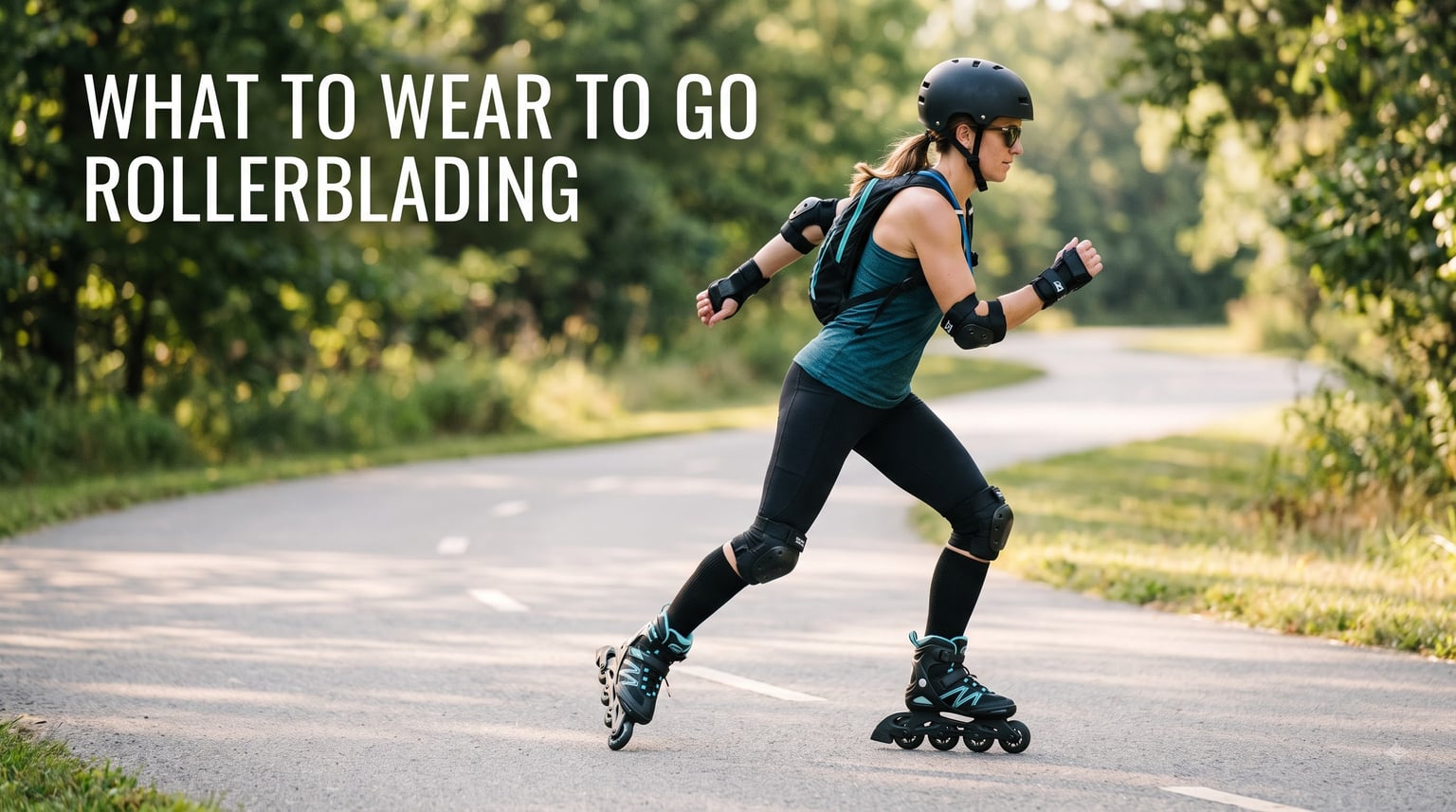
When I laced up my first pair of inline skates three years ago, I showed up to the rink in jeans and a cotton t-shirt. Within twenty minutes, I had a blister the size of a quarter on my ankle and a pair of pants that caught on every wheel I owned. That day taught me what to wear to go rollerblading the hard way, and since then our team has tested dozens of outfit combinations across rinks, trails, and skateparks.
If you’re searching for what to wear to go rollerblading, the short answer is this: flexible athletic clothing, moisture-wicking fabrics, tall socks, and certified protective gear. The long answer covers everything from sock height to seasonal layering, and we will walk through it all below so you can hit the pavement without ruining your favorite outfit.
Table of Contents
What to wear rollerblading: The complete outfit guide
Rollerblading attire follows a simple rule: dress like you would for a workout, then add safety gear. Your clothes should move with your body, breathe when you sweat, and stay out of the way of your wheels. Here is the core checklist we use for every session:
Certified helmet (CPSC, ASTM, or Snell certified)
Wrist guards with hard plastic splints
Knee pads with hard caps
Elbow pads with hard caps
Moisture-wicking top (tank, tee, or long sleeve)
Stretchy bottoms (leggings, bike shorts, athletic pants)
Tall socks that reach mid-calf or higher
Closed-toe athletic shoes (your skate boots if you wear adjustable skates)
Every item on this list serves a purpose. Safety gear absorbs impact when you fall. Athletic clothing wicks sweat and lets you bend. Tall socks stop blisters before they start. Skipping any one of them is how I ended up with that first ankle wound.
Safety gear essentials for rollerblading
Safety gear is non-negotiable. According to data shared across skating forums and reinforced by medical guidance, head and wrist injuries are the most common rollerblading mishaps. Our team has seen this play out across hundreds of practice sessions.
Helmet: Choose a certified multi-impact helmet designed for skating or cycling. It should sit level on your head, cover your forehead, and feel snug without being painful. Replace any helmet that has taken a hard hit.
Wrist guards: Wrist guards are the second most important piece of gear because instinctive hand-out falls cause most skating fractures. Look for guards with a hard plastic splint along the palm and a sturdy strap system.
Knee pads: Hard-cap knee pads protect the kneecap during forward falls. Make sure the caps stay centered when you bend your knee. Soft padding alone will not stop a slide on asphalt.
Elbow pads: Elbow pads round out the set. They should cover the elbow joint fully and stay in place when you move your arms.
Buying tip: A complete pad set costs less than a single urgent care visit and lasts for years. Most inline skating retailers sell them bundled, which saves money.
Best clothing for rollerblading: Tops, bottoms, and layers
Rollerblading clothes should feel like gym clothes. You want stretch, breathability, and a fit that does not flap around or catch on your wheels. Our team tested cotton tees, performance shirts, leggings, joggers, and shorts across a six-week period.
Tops: Moisture-wicking fabrics outperform cotton every time. Synthetic blends pull sweat off your skin and dry fast, which matters when you are skating for 45 minutes or longer. Tank tops work in warm weather, while long-sleeve technical shirts layer well in cooler conditions.
Bottoms: Stretchy bottoms win because they let you bend, squat, and stride freely. Leggings, bike shorts, athletic joggers, and fitted yoga pants all qualify. The key is the fit: clothing should hug your legs without restricting blood flow or getting caught in your wheel wells.
Layers: For chilly mornings, add a light hoodie or zip-up jacket. Tie it around your waist when you warm up. Avoid heavy coats that trap heat and limit arm movement.
What to look for in fabric: Look for the words “moisture-wicking,” “four-way stretch,” and “breathable” on the tag. Cotton feels soft at first but stays wet once you start sweating, which leads to chafing and chills.
Socks for rollerblading: Height, material, and fit
Socks are the most overlooked piece of rollerblading attire, yet they directly control whether you finish a session pain-free. After watching new skaters develop blisters during our beginner workshops, our team settled on clear guidelines.
Height: Choose socks that reach at least mid-calf. The sock should cover the top of your skate boot so the boot’s edge does not rub against bare skin. Crew and over-the-calf heights work best.
Material: Synthetic blends or merino wool outperform cotton. They wick moisture, reduce friction, and resist odor. Cotton socks absorb sweat and stay damp, which causes blisters within an hour.
Fit: Socks should fit snugly without bunching. Extra fabric inside the boot creates pressure points. Seamless or low-seam designs reduce friction even further.
Pro tip: Bring a backup pair. Sweaty socks cause blisters, so changing at the halfway mark of a long session keeps feet dry and protects your skin.
What NOT to wear when rollerblading
Knowing what to avoid is just as important as knowing what to wear. Forum threads on r/Rollerskating consistently flag the same clothing mistakes, and our own testing confirms each one.
Jeans and stiff denim: Denim does not stretch, restricts knee bend, and tears instantly when you fall. First-time skaters in jeans almost always end up with ripped pants and scraped knees.
Loose, baggy pants: Wide pant legs flap into the wheel path. We have watched more than one skater take a tumble because floppy fabric caught between the wheel and the frame.
Short shorts without knee protection: Bare knees look great but scrape badly on asphalt. Pair any short outfit with knee pads or risk road rash.
Open-toe shoes or sandals: Your skate boots are your shoes. Sandals offer zero ankle support and zero protection.
Brand-new white outfits: Save the cute outfit for after you have logged at least 20 hours of practice. Beginners fall, and pavement stains everything.
Heavy jewelry and loose scarves: Anything that dangles can catch on a wheel or pad strap. Remove it before you skate.
What to wear rollerblading in summer vs winter?
Seasonal shifts change everything about your outfit. Our team skates year-round in Michigan, and here is what works in each climate.
Summer rollerblading outfit: Lightweight moisture-wicking tank top, fitted shorts or leggings, tall athletic socks, helmet, pads, and sunscreen on any exposed skin. Hydrate before and during every session because heat exhaustion sneaks up fast.
Winter rollerblading outfit: Technical long-sleeve base layer, fleece or softshell mid-layer, wind-resistant jacket, thermal leggings or lined athletic pants, tall wool-blend socks, balaclava or neck gaiter, gloves, helmet, and pads. Layering lets you peel off a piece as your body warms up.
Transitional weather: Spring and fall mornings often start cold and warm up fast. Wear a zip-up jacket over a short-sleeve top so you can adjust mid-session.
Indoor vs outdoor rollerblading attire
Where you skate changes your outfit priorities. This is an angle most guides miss, and it matters more than beginners expect.
Indoor skating (rink, roller disco): Indoor venues stay climate-controlled, so you will not need heavy layers. Many rinks ban outdoor wheels to protect their floors, so you may need to swap skates. Lightweight athletic wear works perfectly, and rink skating is where retro outfits shine because the surface is smooth and falls tend to be softer.
Outdoor skating (trails, sidewalks, parks): Outdoor terrain demands tougher clothing. Asphalt and concrete shred regular fabric, so durable athletic pants protect your legs. Sun protection and weather layers become critical, and you may want gloves for trail skating where you push off with your hands.
Skatepark sessions: Skateparks call for the most durable clothing because tricks mean hard falls on concrete. Reinforced knee-length shorts, fitted tees, and full safety gear are the standard.
Style tips: Looking cool while staying safe
Looking good on skates does not mean sacrificing safety. The skating community has built a rich style scene that mixes fashion with function, and you can join it from your very first session.
Retro 70s vibes: Crop tops, skater dresses with bike shorts underneath, tube socks, and bright colors capture the classic roller disco look. Pair with color-coordinated pads for a pulled-together outfit.
Athletic streetwear: Fitted joggers, branded tees, fresh sneakers (off-skate), and matching pads read as polished without trying too hard. Most skating brands now make pads in subtle colors rather than the bright plastic of past decades.
Color coordination: Match your pads to your top or your skates. Coordinated gear photographs beautifully and makes you look intentional.
Accessories: Sunglasses, hats, and small backpacks work well. Skip loose scarves, dangling earrings, and anything that can catch on a wheel.
Beginner rollerblading outfit checklist
If you are new to inline skating, use this exact outfit for your first ten sessions. Every item has been tested by beginners on our team.
Moisture-wicking t-shirt or tank top
Leggings or fitted athletic joggers
Tall synthetic or merino wool socks
Certified helmet
Wrist guards
Knee pads with hard caps
Elbow pads with hard caps
Small backpack or fanny pack for water and keys
Skip the cute outfit until you have logged at least 20 hours. Falling is part of learning, and old clothes protect your future favorite outfit from pavement stains.
FAQ
What should you wear when rollerblading?
Wear a certified helmet, wrist guards, knee pads, elbow pads, a moisture-wicking top, stretchy bottoms like leggings or athletic pants, and tall socks that reach mid-calf. Choose athletic, breathable fabrics over cotton or denim.
What should you not wear when rollerblading?
Avoid jeans, baggy pants, shorts without knee pads, open-toe shoes, brand-new white outfits, and loose scarves or jewelry. These items restrict movement, catch on wheels, or fail to protect you during falls.
Can you wear jeans rollerblading?
Jeans are not recommended, especially for beginners. Denim does not stretch, restricts knee bend, and tears instantly when you fall on asphalt. Stretchy athletic pants or leggings are safer and more comfortable.
What socks should I wear rollerblading?
Choose tall socks that reach mid-calf or higher, made from synthetic blends or merino wool. Avoid cotton because it stays damp and causes blisters. Bring a backup pair for longer sessions.
How do I look cool while rollerblading?
Coordinate your pads with your outfit, try retro 70s looks with crop tops and tube socks, or wear athletic streetwear with matching joggers and tees. Safety gear now comes in subtle colors that blend with fashion.
Final thoughts on what to wear to go rollerblading
Putting together a rollerblading outfit is simpler than it looks once you know the rules. Start with certified safety gear, add moisture-wicking athletic clothing, finish with tall socks, and skip anything stiff, loose, or precious to you. Stick with that formula for your first 20 hours, then experiment with retro looks, color coordination, and seasonal layering as your confidence grows. The right outfit lets you focus on the joy of skating instead of worrying about blisters, torn pants, or catching a wheel.