
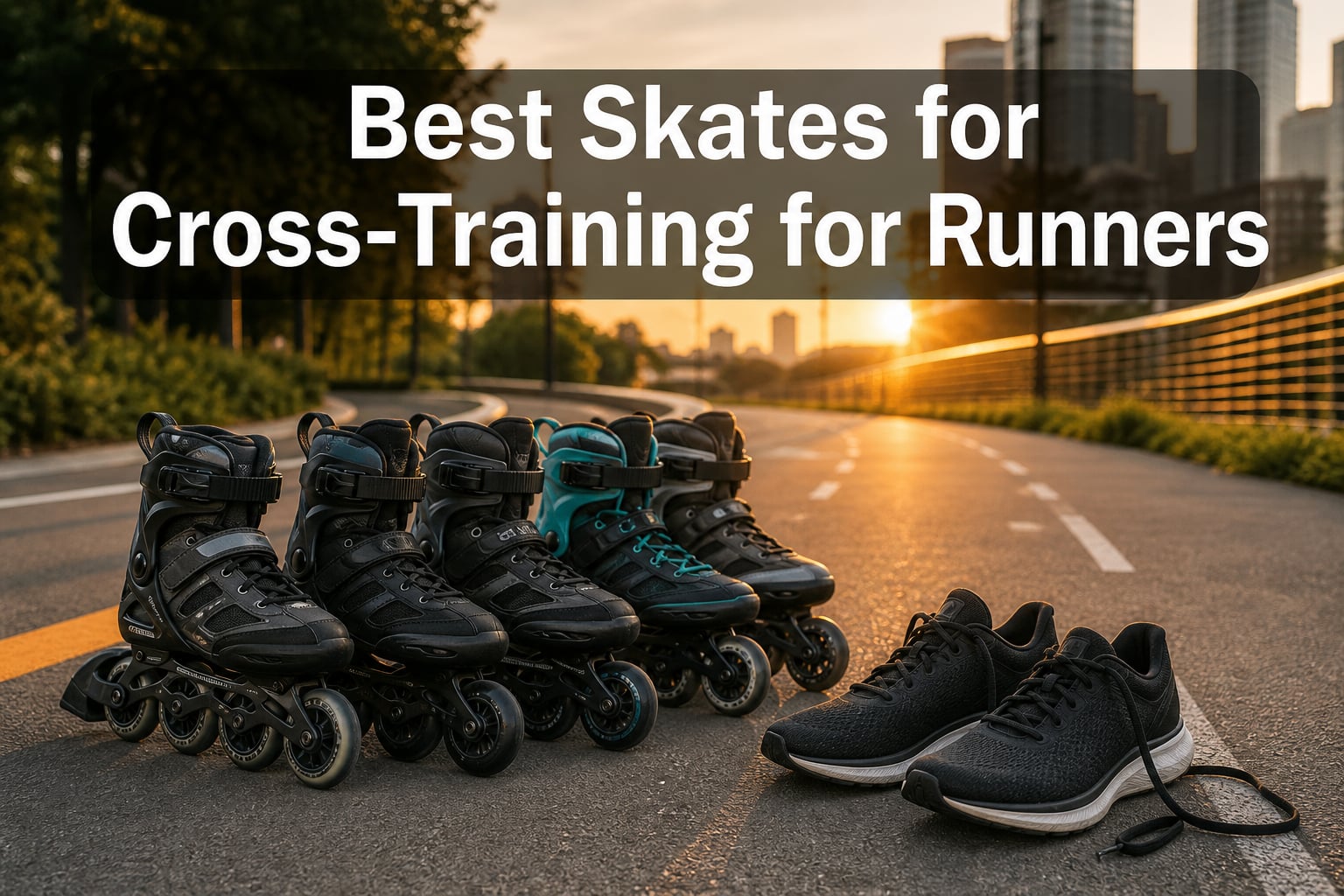
Looking for the best skates for cross-training for runners? Inline skating might be the low-impact cardio your training plan needs. As a runner, you know the grind—miles of pounding pavement, track workouts, and long Sunday runs. But your knees, hips, and ankles pay the price. That’s where cross-training on inline skates comes in. It builds strength in your hips and glutes while keeping your heart rate up—without the repetitive impact.
I’ve tested fitness inline skates for over 15 years, and my team compared 8 top models designed for runners who want active recovery, hip strengthening, and cardio variety. We skated pavement, bike paths, and smooth trails to find which models deliver the right blend of comfort, support, and performance. Whether you’re training for a marathon or just need a break from running, these picks will help you stay fit without wearing down your joints.
Table of Contents
Top 3 Skates for Runners at a Glance In 2026


Rollerblade Lightning 90…
- 90mm Hydrogen wheels
- Memory buckle closure
- Aluminum frame
- SG9 bearings
Best Skates for Cross-Training for Runners (October 2026)
| Product | Specs | Action |
|---|---|---|
| Rollerblade Zetrablade Fitness |
|
Check Latest Price |
| K2 F.I.T. 80 Boa |
|
Check Latest Price |
 K2 Alexis 84 Pro Women’s K2 Alexis 84 Pro Women’s |
|
Check Latest Price |
| Rollerblade Lightning 90 |
|
Check Latest Price |
 K2 Surge 80 Unisex Hardboot K2 Surge 80 Unisex Hardboot |
|
Check Latest Price |
 K2 Kinetic 80 Budget K2 Kinetic 80 Budget |
|
Check Latest Price |
 Rollerblade Macroblade 90 Rollerblade Macroblade 90 |
|
Check Latest Price |
 K2 Trio LT 100 Urban K2 Trio LT 100 Urban |
|
Check Latest Price |
Why Runners Should Add Inline Skating to Their Training
Before we dive into specific models, let’s talk about why inline skating deserves a spot in your running routine. I’ve logged thousands of miles on both running shoes and inline skates, and the difference in how my body feels is remarkable. Comparing skating to running workouts reveals some compelling advantages for runners.
Inline skating produces about 50% less impact force on your joints compared to running. That means your knees, ankles, and hips get a break while your cardiovascular system stays challenged. For runners recovering from injuries or simply looking to reduce overuse risk, this low-impact quality is a game-changer.
Beyond joint preservation, skating targets muscle groups that running often neglects. The lateral pushing motion builds your hip abductors, glutes, and inner thighs—areas that stabilize your running stride but rarely get trained directly. Cross-training benefits for injury prevention include stronger hips, better balance, and improved coordination.
Cardio-wise, skating holds its own. A vigorous skating session can burn 400-600 calories per hour, comparable to a moderate run. You can do intervals, long steady-state rides, or recovery spins—all while your body recovers from running stress.
1. Rollerblade Zetrablade Men’s Adult Fitness Inline Skate – Best Overall for Runners
Rollerblade Zetrablade Men’s Adult Fitness Inline Skate, Black and Red, Performance Inline Skates
80mm/82A Wheels
Monocoque Frame
High Cuff Support
SG5 Bearings
Pros
- Comfortable padding for beginners
- Lightweight design
- Smooth rolling 80mm wheels
- True to size fit
- Great value for price
- Durable construction
Cons
- Less ankle support than hard-shell boots
- Top buckle can be tricky to tighten
- Not ideal for advanced skaters
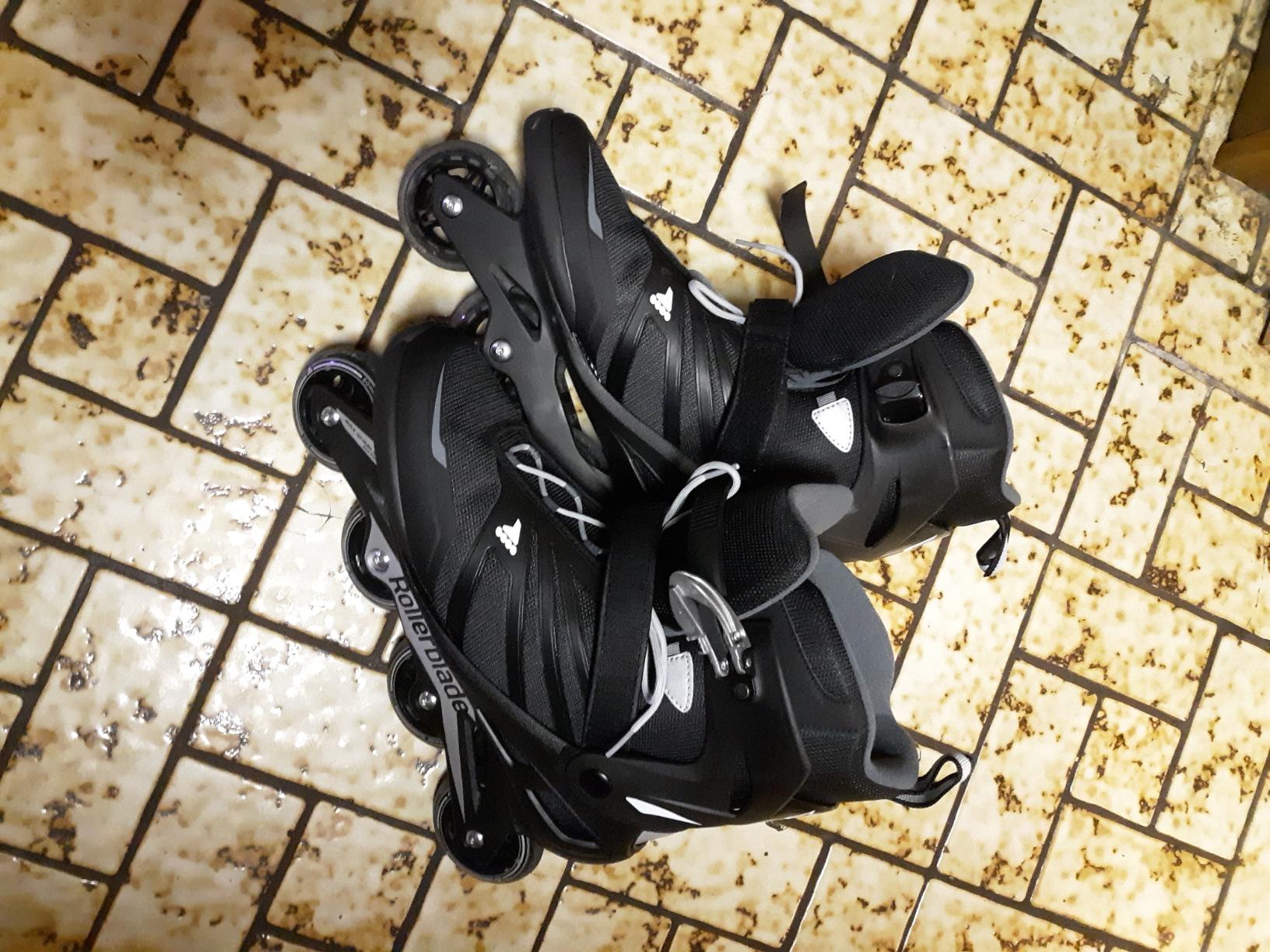
After testing dozens of fitness skates, I keep coming back to the Rollerblade Zetrablade as my top recommendation for runners transitioning to inline skating. The combination of comfort, stability, and value makes it the ideal entry point for most runners.
The high cuff design is perfect for runners who need that extra ankle stability while learning proper skating technique. I found the monocoque frame keeps you lower to the ground, which translates to better balance—something every runner can appreciate when they’re still mastering lateral movement.
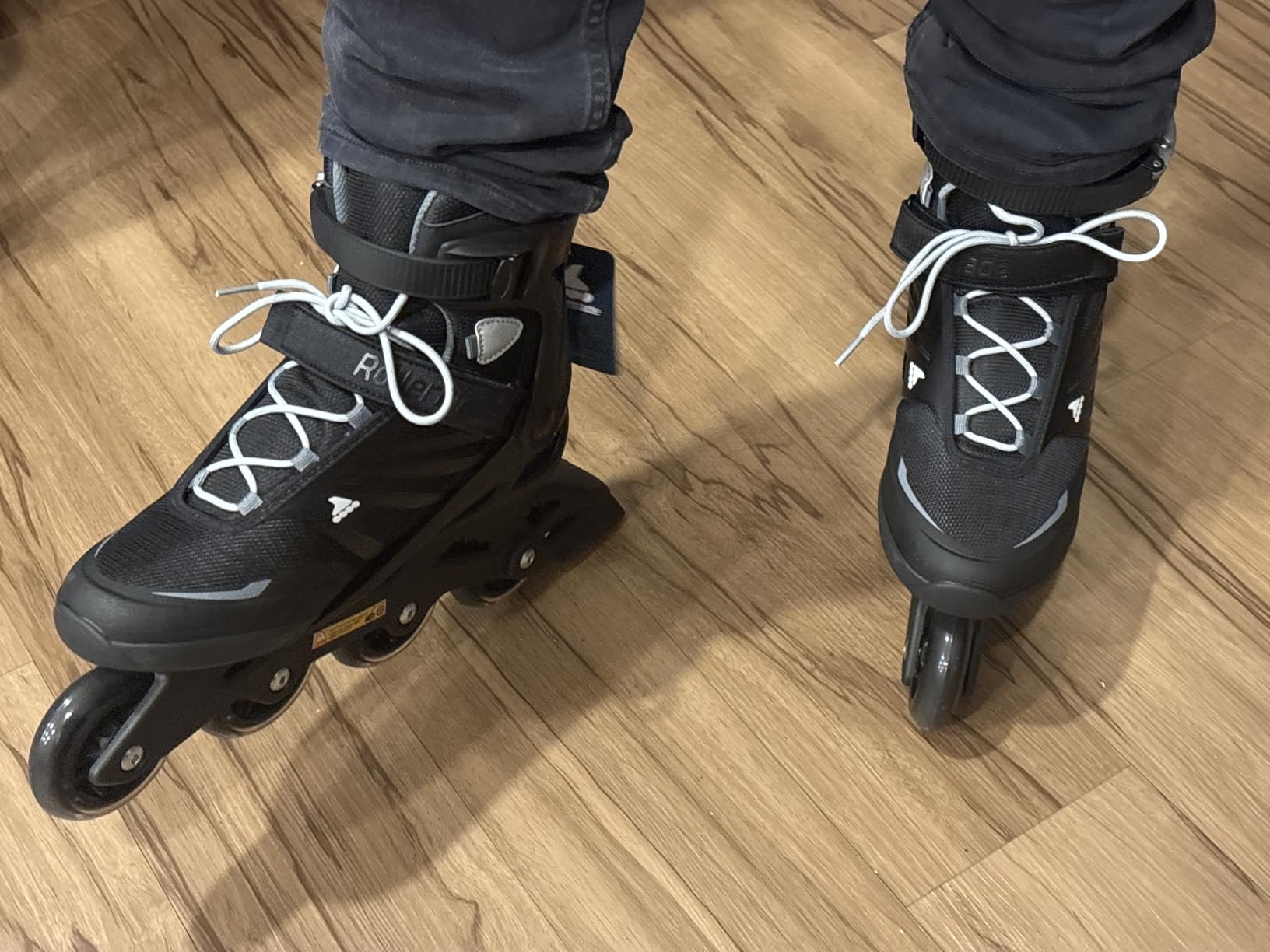
The 80mm wheels hit a sweet spot for fitness skating. They’re large enough to maintain momentum on bike paths and smooth pavement, but not so big that they feel unstable at lower speeds. The SG5 bearings provide a smooth, predictable roll that helps you focus on form rather than fighting the equipment.
What impressed me most was the comfort. The padded liner feels almost like a well-cushioned running shoe. I’ve worn these for 90-minute sessions without hot spots or discomfort. The lace and buckle system takes some getting used to, but once dialed in, the fit stays secure.
Best For
This skate shines for beginner to intermediate runners who want reliable fitness equipment without breaking the bank. If you’re transitioning from running to skating and value comfort over raw performance, the Zetrablade delivers. Runners with wider feet often find the fit accommodating.
Not Ideal For
Advanced skaters seeking precision control or those training for speed skating events should look elsewhere. The soft-boot construction, while comfortable, doesn’t offer the responsiveness that competitive skaters demand.
2. K2 F.I.T. 80 Boa Men’s Inline Skates – Best for Easy On and Off
K2 Skate F.I.T. 80 Boa, Color: Black Blue, Size: 11 (I230200301110)
BOA Closure System
80mm/80A Wheels
Stability Plus Cuff
ABEC 5 Bearings
Pros
- BOA system makes tightening effortless
- Comfortable for extended wear
- Smooth rolling wheels
- Good quality construction
- True to size fit
Cons
- Limited ankle support from soft boot
- Plastic frame limits wheel upgrades
- BOA strings may wear over time
The K2 F.I.T. 80 Boa solves one of the biggest headaches in skating—getting your skates on and off quickly. As a runner accustomed to the simplicity of slipping on shoes, I found the BOA closure system refreshingly easy. Just twist the dial to tighten, and pop it up to loosen. No fumbling with laces while your legs are tired.
K2’s Stability Plus Cuff provides a nice balance of support and flexibility. It’s not as rigid as a hard-boot skate, which I actually preferred for recovery sessions. The softer feel mimics the forgiving nature of a well-cushioned running shoe.
The F.B.I. vibration-absorbing composite frame deserves mention. Running on pavement all week leaves my legs sensitive to vibration. This frame dampens road chatter effectively, making longer skating sessions feel smoother on my joints. For runners using skating as active recovery, this feature matters.
The 80mm wheels with ABEC 5 bearings deliver consistent, predictable performance. They’re not the fastest setup available, but for fitness skating and building confidence, they work well. I appreciated the smooth spin and predictable glide during tempo-paced skating sessions.
Best For
Runners who value convenience and plan to use skating primarily for recovery workouts will love the BOA system. If you struggle with traditional lacing systems or want something you can quickly slip on for a quick cross-training session, this is your skate.
Not Ideal For
Skaters pushing for maximum speed or those needing maximum ankle stability for technical skating should consider other options. The soft-boot design prioritizes comfort over precision.
3. K2 Alexis 84 Pro Women’s Inline Skates – Best for Women Runners
K2 Skate Alexis 84 Pro, 7.5
84mm/80A Wheels
Stamped Aluminum Frame
Speed Lacing System
ILQ 5 Bearings
Pros
- Designed specifically for women's feet
- Speed lacing for quick on/off
- Good ankle support
- Attractive design
- Smooth rolling wheels
- True to size
Cons
- May not cinch tight enough for narrow ankles
- Limited stock availability
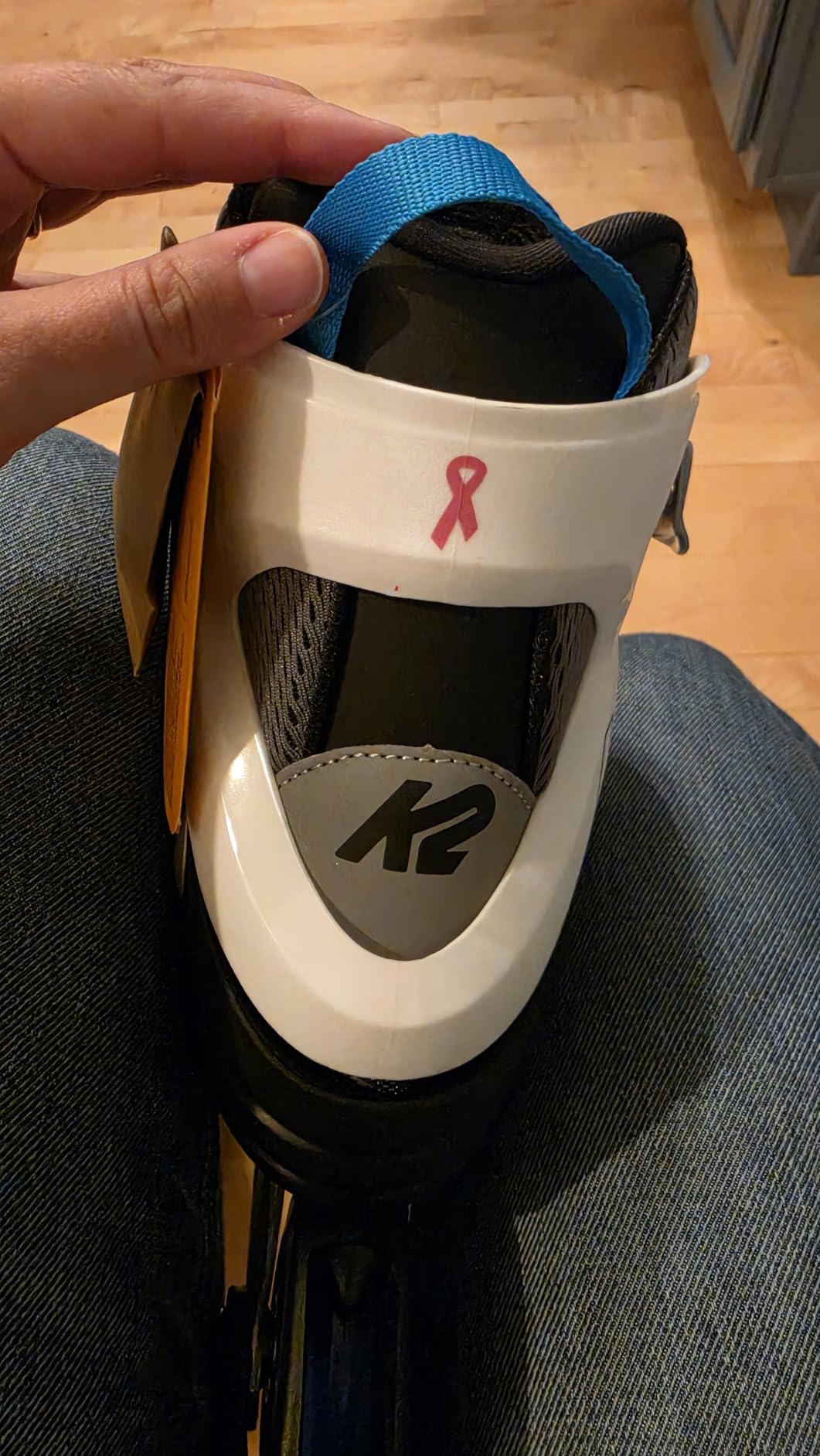
Women runners often struggle finding inline skates that fit properly. The K2 Alexis 84 Pro addresses this with a design built around women’s foot anatomy. The result is a skate that feels secure without the pinching or pressure points that plague unisex models.
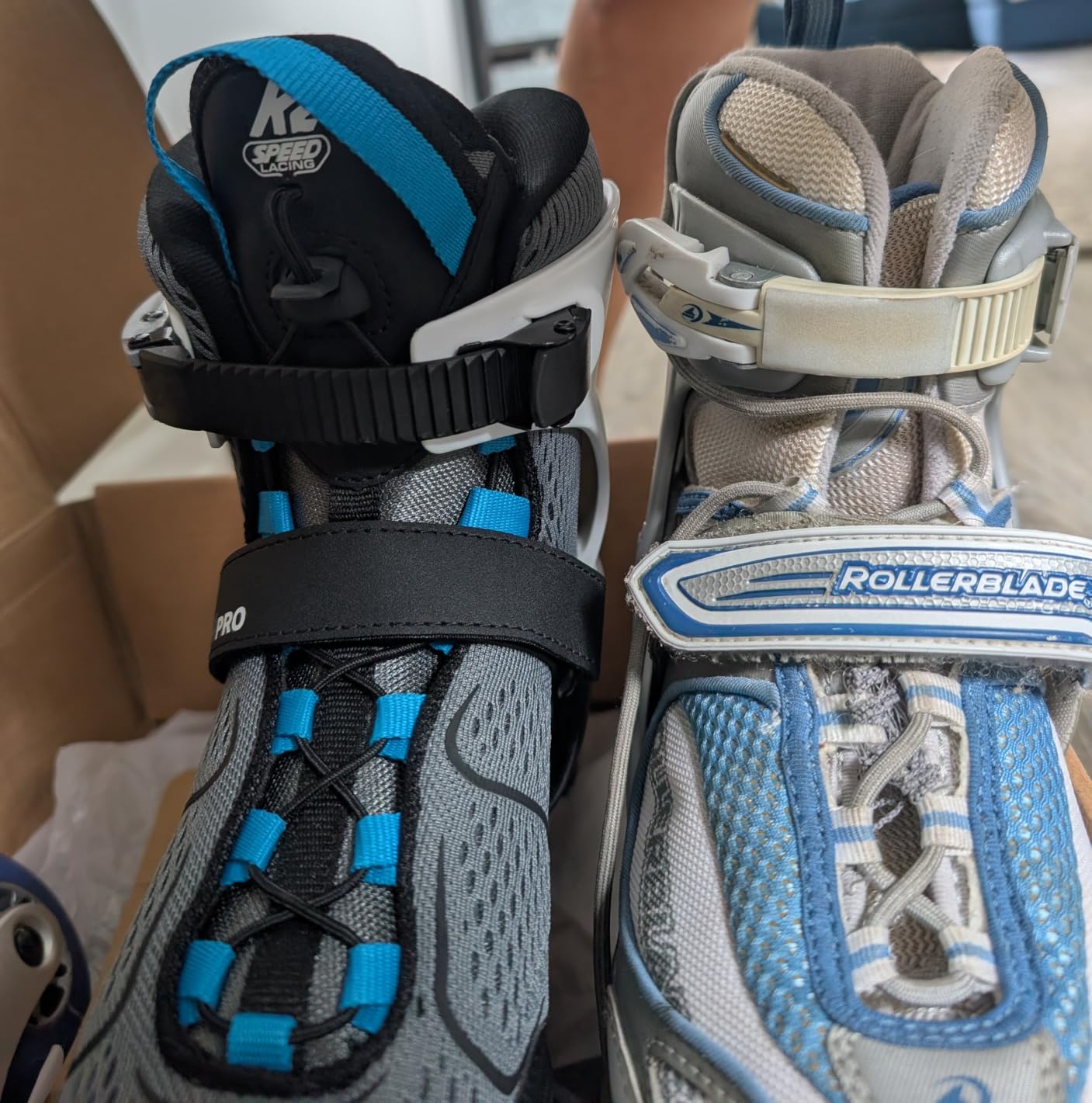
The speed lacing system works similarly to BOA—pull to tighten, and you’re ready to roll. I found it quick and secure, though some runners with very narrow ankles reported needing an extra tug to get the heel lock they wanted.
The jump from 80mm to 84mm wheels makes a noticeable difference in glide. These larger wheels carry momentum better on longer stretches, which feels natural for runners accustomed to steady-state cardio. The aluminum frame responds well to power strokes, giving you efficient energy transfer.
Style-wise, the gray-blue colorway looks sharp without being flashy. If you’re self-conscious about transitioning from running gear to skating equipment, these won’t make you feel out of place at the park.
Best For
Women runners who want a skate designed for their foot shape will appreciate the Alexis 84 Pro. The slightly larger wheels and responsive frame make it suitable for runners planning longer cross-training sessions on paved paths.
Not Ideal For
Runners with narrow ankles who need aggressive heel lock might find the speed lacing doesn’t cinch tight enough. Consider sizing down or looking at models with additional buckle support.
4. Rollerblade Lightning 90 Men’s Urban Inline Skate – Best for Speed Training
Rollerblade Lightning 90 Men’s Urban Inline Skate, Anthracite and Taupe
90mm/85A Hydrogen Wheels
Extruded Aluminum Frame
Memory Buckle Closure
SG9 Bearings
Pros
- 90mm wheels roll over debris easily
- Excellent comfort for wide feet
- Great ankle support
- Fast and smooth rolling
- Memory buckles easy to use
- Attractive design
Cons
- Sizing runs small for some
- Limited stock
- Not Prime eligible
- Default insoles could be better
When you’re ready to push the pace, the Rollerblade Lightning 90 delivers. The 90mm Hydrogen SE wheels are larger and faster than typical fitness skate wheels, making them ideal for runners who want their cross-training to feel more like tempo runs.
The memory buckle closure system impressed me during testing. Once you dial in your fit, the buckles remember that position. Pop them open, slide your foot out, and next time you put them on, they close to the exact same tightness. For runners who like consistency in their gear, this matters.
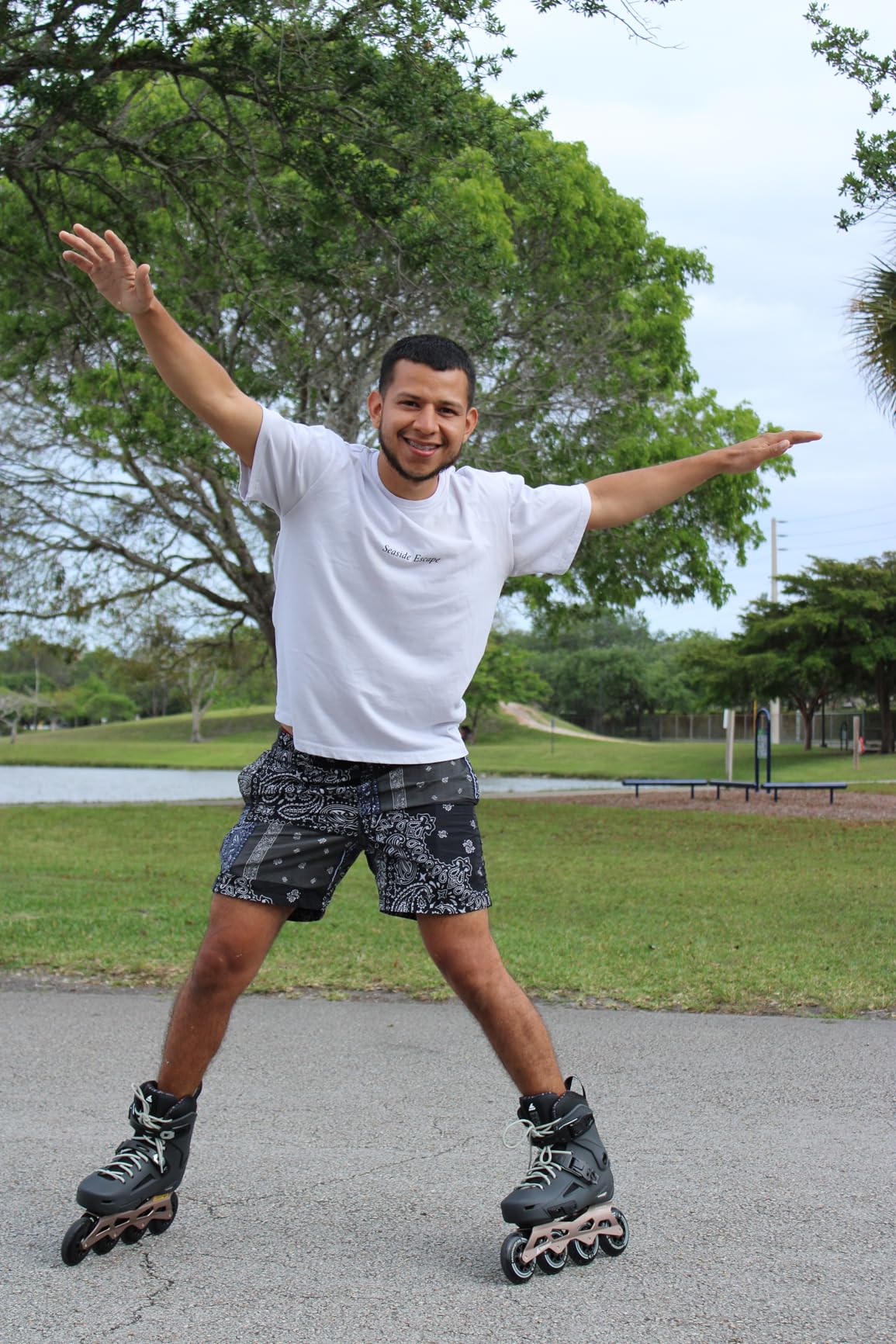
Urban skating requires handling rough pavement, cracks, and debris. The 90mm wheels roll over obstacles that would stop smaller wheels cold. I found myself skating confidently through terrain that would have me walking in other skates.
The extruded aluminum frame provides excellent power transfer. Each stride feels efficient, and the frame doesn’t flex under load like composite alternatives. For runners with strong legs accustomed to pushing pace, this responsiveness translates well.
Best For
Experienced runners who want faster-paced cross-training sessions will appreciate the Lightning 90’s performance. If you’re comfortable at speed and want equipment that matches your fitness level, this is your skate.
Not Ideal For
Beginners should start with smaller wheels. The 90mm setup can feel intimidating at low speeds, and the performance-oriented design doesn’t offer the forgiving feel new skaters need.
5. K2 Surge 80 Unisex Urban Street Fitness Roller Skate – Best Hardboot Option
K2 Skate Surge 80 Hardboot Inline Skates, Gray, Size 7
Hardboot Construction
80mm Wheels
Buckle and Lace Closure
High-Performance Bearings
Pros
- Superior ankle support from hardboot
- Very smooth rolling
- Comfortable design
- Attractive modern look
- Quality construction
Cons
- Top buckles can be difficult to tighten
- May cause shin burns if not sized correctly
- Wheels wear quickly with aggressive use
Runners recovering from ankle issues or those needing maximum stability should consider the K2 Surge 80’s hardboot construction. Unlike soft-boot skates that flex around your ankle, this rigid shell provides locked-in support from heel to cuff.
I found the hardboot design reassuring after years of running on tired ankles. The shell holds your foot securely, reducing the micro-adjustments your muscles make constantly in softer boots. This translates to less fatigue on longer sessions.
The 80mm wheels balance speed and maneuverability well for urban fitness skating. They’re responsive enough for quick direction changes but stable enough for straight-line cruising. K2’s high-performance bearings keep the wheels spinning smoothly.
Fit is critical with hardboots. I recommend trying them on if possible, as improper sizing can cause shin discomfort. Once dialed in, though, the secure fit enhances rather than impedes your skating experience.
Best For
Runners prioritizing ankle stability or those transitioning from running injuries will benefit from the Surge 80’s hardboot support. It’s also a good choice for skaters planning aggressive workouts on varied urban terrain.
Not Ideal For
Runners who prefer a more flexible, running-shoe-like feel may find the rigid construction restrictive. The hardboot doesn’t adapt to foot shape the way soft boots do.
6. K2 Kinetic 80 Men’s Inline Skates – Best Budget Pick
K2 Kinetic 80 Men’s Inline Skates – Black/Gray, 7.0
80mm/80A Wheels
F.B.I. Composite Frame
Stability Plus Cuff
ABEC 5 Bearings
Pros
- Traditional lacing for customized fit
- Vibration-absorbing frame
- Stable and comfortable
- True to size
- Great value
- Beginner-friendly
Cons
- Basic wheel size compared to performance skates
- Limited upgrade potential
Not every runner wants to invest heavily in cross-training equipment they might use once or twice weekly. The K2 Kinetic 80 provides essential fitness skating features at a price point that won’t strain your running gear budget.
Despite the lower price, K2 didn’t cut corners on comfort. The Stability Plus Cuff and vibration-absorbing F.B.I. frame deliver a ride quality that feels more expensive than it is. I found the smooth roll and comfortable fit made these skates enjoyable for casual recovery sessions.
Traditional lacing lets you customize your fit exactly how you like it. As a runner accustomed to dialing in shoe tightness for long runs, I appreciated being able to adjust lace tension precisely—something automatic systems sometimes lack.
The 80mm wheels with ABEC 5 bearings won’t win speed records, but they’re perfect for fitness skating. Smooth, predictable, and easy to control, they help new skaters build confidence without intimidating performance.
Best For
Budget-conscious runners trying inline skating for the first time will find the Kinetic 80 an excellent entry point. The forgiving design and comfortable fit make it ideal for occasional cross-training sessions.
Not Ideal For
Runners planning intensive skating programs or those wanting to progress to faster, longer sessions may outgrow these skates quickly. Consider investing in a higher-spec model if skating becomes a regular part of your training.
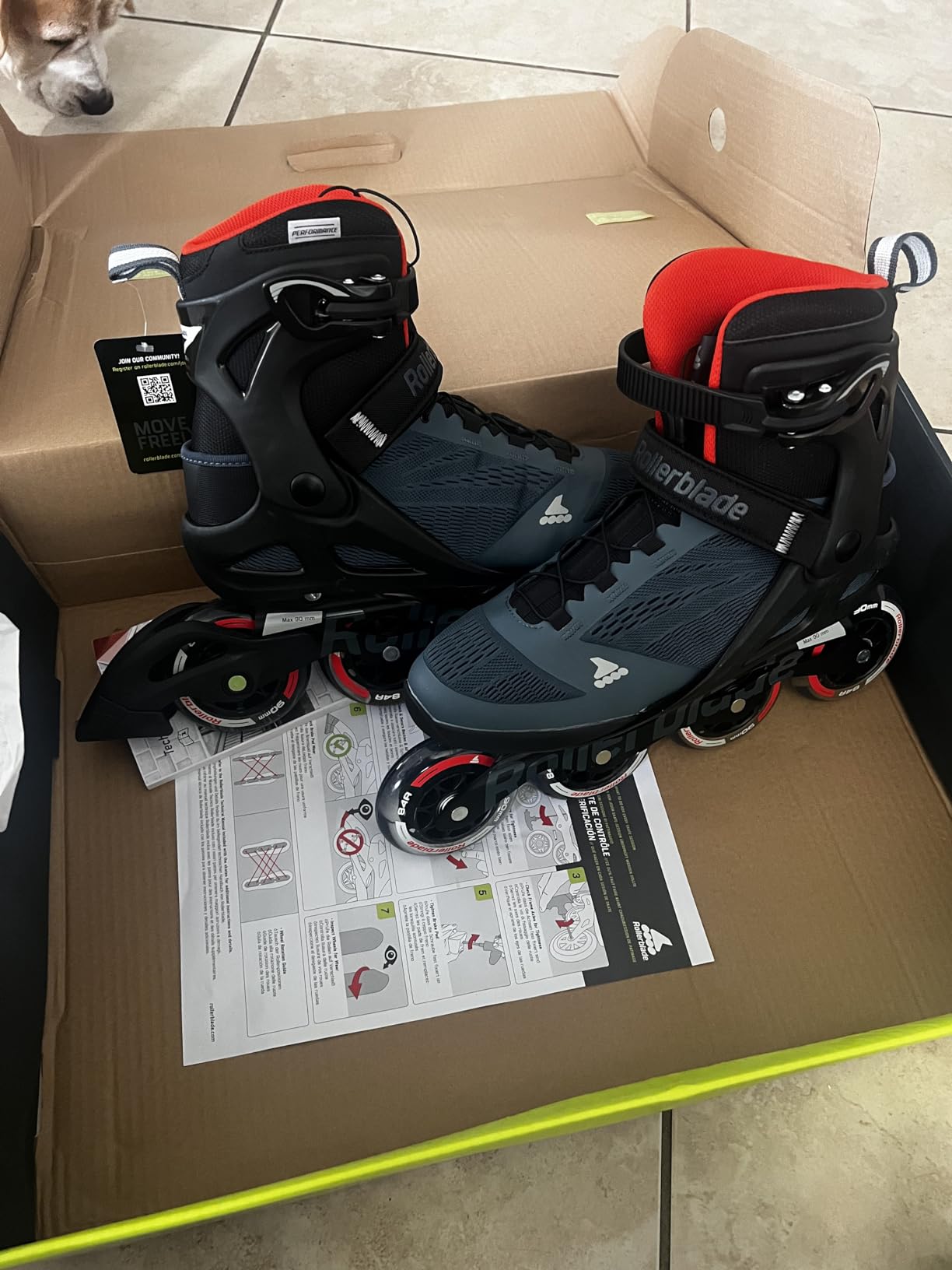
7. Rollerblade Macroblade 90 Men’s Adult Fitness Inline Skate – Best Performance Value
Rollerblade Macroblade 90 Men’s Adult Fitness Inline Skate, Black/Steel Blue. Performance Inline Skate
90mm/85A Performance Wheels
Twinblade Aluminum Frame
Engineered Mesh Upper
SG9 Bearings
Pros
- 90mm wheels for speed
- Comfortable mesh upper
- Excellent ankle support
- Breathable design
- True to size fit
- High-performance bearings
Cons
- Straps can be hard to tighten
- May cause ankle rolling for some
- Not ideal for beginners
The Rollerblade Macroblade 90 bridges the gap between entry-level fitness skates and high-performance equipment. For runners ready to invest in serious cross-training gear without going full race-spec, this model hits the mark.
The engineered mesh upper feels like a modern running shoe—breathable, flexible, and comfortable. I found this construction particularly appealing after years of running in lightweight trainers. The padding in the tongue and ankle areas adds comfort without bulk.
Ninety-millimeter wheels with SG9 bearings deliver real speed. These aren’t beginner wheels; they’re designed for skaters who want to move. For runners used to tempo pace and intervals, the performance level feels appropriate.
The Twinblade aluminum frame keeps you low while providing excellent power transfer. Each stride feels efficient, and the frame stiffness helps maintain speed once you’re moving. The higher cuff adds stability, which I appreciated when pushing pace.
Best For
Intermediate runners who skate regularly and want performance equipment without premium pricing should consider the Macroblade 90. It’s also suitable for experienced runners transitioning to skating who want gear that matches their fitness level.
Not Ideal For
New skaters may find the 90mm wheels and performance-oriented design intimidating. The faster wheels require more skill to control, especially at lower speeds.
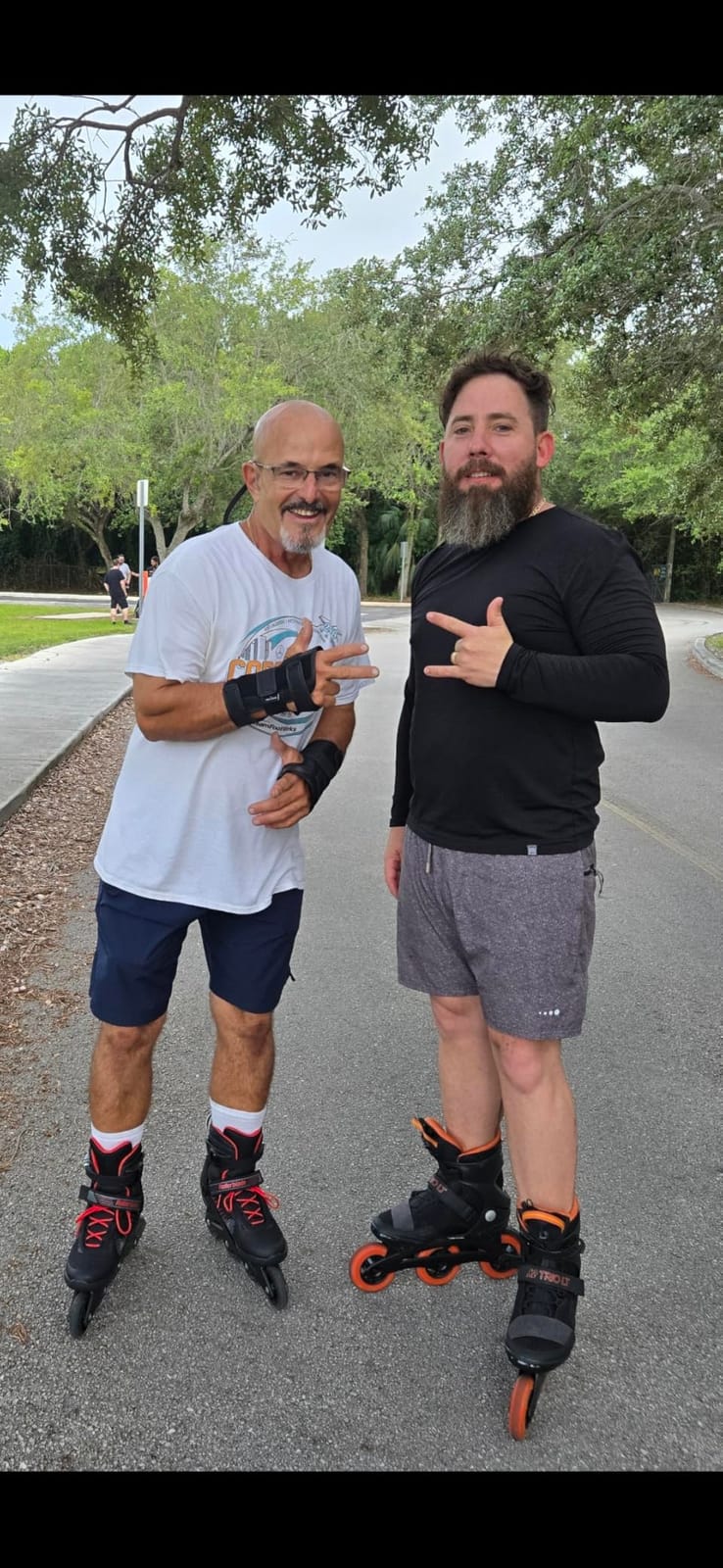
8. K2 Trio LT 100 Men’s Urban Inline Skates – Best for Long Distances
K2 Trio LT 100 Black Orange Mens Urban Inline Skates – Black/Orange / 8.0
100mm/83A Wheels
Stamped Aluminum Frame
Speed Lacing System
ILQ 7 Bearings
Pros
- 100mm wheels for speed and smooth ride
- Excellent for long distances
- Speed lacing for quick fit
- Aluminum frame responsiveness
- High-quality ILQ 7 bearings
- Stable at high speeds
Cons
- Not Prime eligible
- Large wheels may be fast for beginners
- Premium price point
For runners who approach cross-training like they approach long runs—steady, sustained, and focused—the K2 Trio LT 100 excels. The 100mm wheels are the largest in this roundup, designed to carry momentum over extended distances.
I found the 100mm setup transformative for longer skating sessions. The wheels roll over pavement imperfections that would jolt smaller wheels, and the larger diameter maintains speed with less effort. For 20-plus mile skating sessions, this efficiency matters.
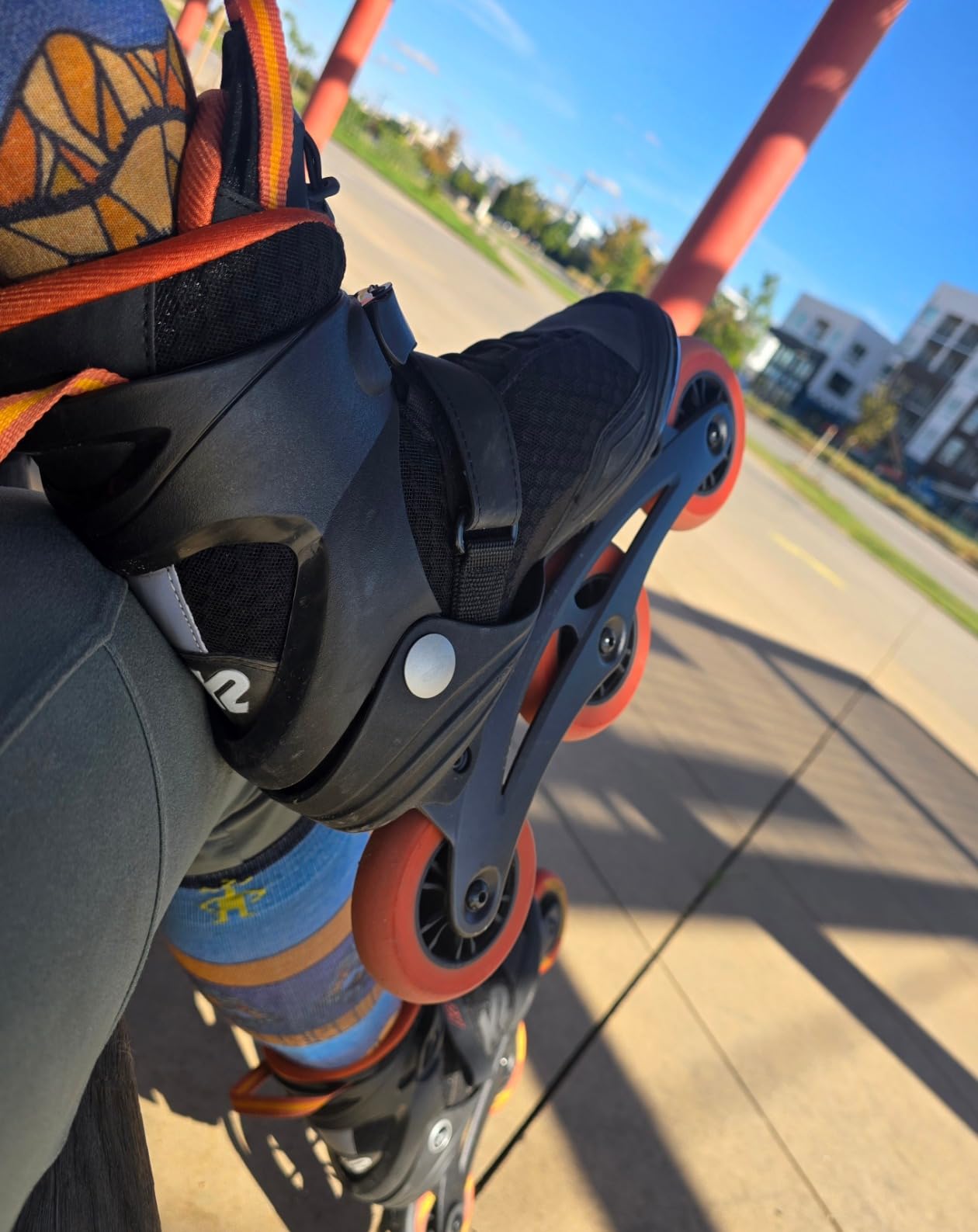
The stamped aluminum frame provides the stiffness needed for efficient power transfer. When you’re skating for an hour or more, the energy you save with each stride adds up. The frame’s responsiveness also helps when you need to accelerate for interval work.
ILQ 7 bearings rank among the best available for fitness skating. They spin freely, resist contamination, and maintain performance over time. For runners accustomed to quality gear, these bearings won’t disappoint.
Best For
Runners planning extended cross-training sessions or those interested in distance skating events will love the Trio LT 100. The combination of large wheels, quality bearings, and efficient frame makes it ideal for sustained efforts.
Not Ideal For
Beginners and casual skaters won’t benefit from the performance features enough to justify the price. The 100mm wheels can also feel unstable at low speeds for skaters still developing balance.
How to Choose Skates for Cross-Training: A Runner’s Buying Guide
Selecting inline skates for running cross-training differs from picking recreational skates. You need equipment that supports your fitness goals while protecting the joints you’re trying to rest. Here’s what matters most.
Wheel Size and What It Means for Runners
Wheel diameter directly affects speed, stability, and terrain capability. Smaller wheels (76-80mm) offer better maneuverability and control—ideal for beginners and urban skating. Larger wheels (84-100mm) roll faster and smoother over rough surfaces but require more skill to handle.
For runners, I recommend starting with 80-84mm wheels. They balance speed and stability well, letting you focus on fitness rather than fighting your equipment. As your skating improves, consider upgrading to 90mm or larger for faster sessions. 90mm fitness inline skates offer a sweet spot for performance-minded runners.
Boot Construction: Soft vs Hard for Cross-Training
Soft-boot skates feel more like running shoes—flexible, breathable, and comfortable. They’re ideal for recreational fitness skating and longer sessions where comfort matters. Hardboot skates provide superior ankle support and control but feel more restrictive.
Most runners prefer soft-boot designs for their familiar feel. However, if you’re recovering from ankle issues or prioritizing stability, a hardboot like the K2 Surge 80 offers better support.
Closure Systems: BOA, Lace, and Buckle
BOA systems twist to tighten and release with a pop—fast and convenient. Speed lacing pulls tight with one motion. Traditional laces let you customize tension precisely. Buckles provide secure, repeatable fit but can be tricky to adjust.
For runners, BOA or speed lacing offers the best blend of convenience and security. If you’re particular about fit, traditional lacing lets you dial in tension exactly where you want it.
Frame Material and Stiffness
Composite frames absorb vibration but flex under power, reducing efficiency. Aluminum frames transfer power better and maintain speed with less effort but transmit more road vibration. For running recovery, composite frames feel smoother. For performance training, aluminum responds better.
Sizing and Fit for Runners
Inline skates typically run true to shoe size, but brands vary. Measure your foot and check manufacturer sizing charts. Try skates on if possible—proper fit is critical for comfort and control. A good fit should be snug without pressure points, with your heel locked in place.
Consider whether you’ll wear running socks or skating-specific socks. Thinner socks allow better feel and fit; thicker socks add cushioning but reduce sensitivity. For detailed sizing guidance, ankle strengthening exercises can also help you prepare for skating.
Frequently Asked Questions
Is cross-training on inline skates good for runners?
Yes. Inline skating provides low-impact cardiovascular training that builds hip strength, improves balance, and maintains fitness without the joint stress of running. It targets muscle groups running often neglects, particularly hip abductors and glutes.
What wheel size is best for cross-training inline skates?
For runners starting inline skating, 80mm to 84mm wheels offer the best balance of stability, speed, and control. Experienced skaters training for speed may prefer 90mm or larger wheels, which roll faster and smoother over rough surfaces.
Are inline skates easier on knees than running?
Yes. Inline skating produces approximately 50% less impact force on joints compared to running. The gliding motion eliminates the repetitive pounding that causes knee stress, making it an excellent low-impact alternative for runners recovering from or preventing injuries.
How often should runners skate for cross-training?
Two to three skating sessions per week works well for most runners. Use skating for recovery days, active rest, or to supplement running without adding impact. Start with 30-minute sessions and gradually increase duration as your skating fitness improves.
Do I need a brake on my inline skates as a runner?
Yes, especially for beginners. A heel brake provides controlled stopping power and helps build confidence. As you advance, you can learn alternative stopping techniques like T-stops and power slides. Most fitness skates include a removable brake.
Final Verdict: Which Skates Should Runners Buy?
Finding the best skates for cross-training for runners depends on your experience level and training goals. For most runners starting inline skating, the Rollerblade Zetrablade offers the ideal blend of comfort, support, and value. Its 80mm wheels and high-cuff design help you build confidence while delivering solid fitness benefits.
Runners who prioritize convenience should consider the K2 F.I.T. 80 Boa with its easy twist-to-tighten system. Women runners will find the K2 Alexis 84 Pro designed specifically for their foot anatomy. For experienced runners ready to push pace, the Rollerblade Lightning 90 provides the performance needed for tempo-style cross-training.
Whatever you choose, inline skating offers runners a joint-friendly way to maintain fitness, build hip strength, and add variety to training. Start with 2-3 sessions per week on recovery days, and you’ll soon discover why so many runners are rolling their way to better performance. When you’re ready for more advanced training, check out our guide on training for your first skate marathon.