
A safe only protects your documents in a flood zone if two things are true: it carries a third-party water rating that states both a depth and a duration, and it is installed above the water line rather than in the basement. Get either one wrong and a beautifully rated safe becomes a box full of wet paper.
We spent weeks comparing the best waterproof home safe options for flood zones — ten of them, from 0.24 cubic foot document chests to 9.8 cubic foot steel cabinets. What separates the good ones from the marketing-heavy ones is not the word “waterproof” on the box. It is whether UL or Intertek tested the seal, and whether the stated test depth matches the depth of water where your house actually sits.
This guide covers fireproof and waterproof safe picks for documents, deeds, titles, wills, passports and emergency cash, plus the placement advice no roundup usually gives you: how high above the base flood elevation to mount, why a sealed safe can float away in moving water, and what to do with your documents before an evacuation order lands. Updated for 2026.
Table of Contents
Top 3 Waterproof Home Safes for Flood Zones for October 2026
Our three strongest picks balance verified water ratings against long review histories. The Amazon Basics 2420E leads on independent testing volume, the SentrySafe HD4100 wins for hanging-file document storage, and the SentrySafe CHW20221 carries the deepest submersion claim paired with a genuine carry handle.
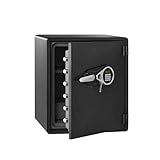
Amazon Basics 2420E Fireproof Waterproof Safe
- Intertek 24-hour water test at 8 inches
- Intertek 60-minute fire test at 1700F
- 2.13 cubic feet with keypad and drawer
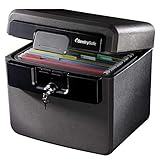
SentrySafe HD4100 Document Box
- ETL Verified water protection
- UL Classified 30-minute fire rating
- Interior fits hanging file folders
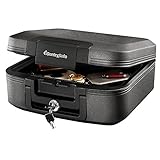
SentrySafe CHW20221 Portable Chest
- ETL Verified 72-hour submersion
- UL Classified 30 minutes at 1550F
- 20 pounds with swing-out handle
Best Waterproof Home Safes for Flood Zones in October 2026
Every safe below appears with the water rating first, because in a flood zone that is the specification that matters. Where a rating is self-declared rather than third-party certified, the row says so.
| Product | Specs | Action |
|---|---|---|
| Amazon Basics 2420E Fireproof and Waterproof Safe |
|
Check Latest Price |
| SentrySafe HD4100 Fireproof and Waterproof Document Box |
|
Check Latest Price |
| SentrySafe CHW20221 Fireproof and Waterproof Portable Chest |
|
Check Latest Price |
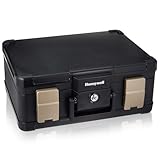 Honeywell 1103 Waterproof Fireproof Document Chest Honeywell 1103 Waterproof Fireproof Document Chest |
|
Check Latest Price |
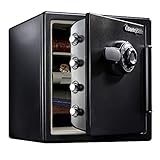 SentrySafe SFW123CU Fireproof and Waterproof Steel Safe SentrySafe SFW123CU Fireproof and Waterproof Steel Safe |
|
Check Latest Price |
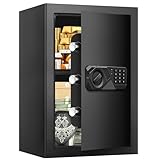 Homirxan 3.4 Cubic Foot Fire and Waterproof Safe Homirxan 3.4 Cubic Foot Fire and Waterproof Safe |
|
Check Latest Price |
 FOWORE 4.4 Cubic Foot Home Safe with Fireproof Waterproof Bag FOWORE 4.4 Cubic Foot Home Safe with Fireproof Waterproof Bag |
|
Check Latest Price |
 Amazon Basics FP1402M Waterproof Fire Chest Amazon Basics FP1402M Waterproof Fire Chest |
|
Check Latest Price |
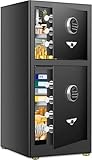 Mitlvge 9.5 Cubic Foot Fireproof Waterproof Home Safe Mitlvge 9.5 Cubic Foot Fireproof Waterproof Home Safe |
|
Check Latest Price |
 Bioaeyok 9.8 Cubic Foot Biometric Fireproof Waterproof Safe Bioaeyok 9.8 Cubic Foot Biometric Fireproof Waterproof Safe |
|
Check Latest Price |
Waterproof Is Not the Same as Flood-Proof
A water rating tells you how long a safe can sit in water of a stated depth with its contents dry. It says nothing about what moving water does to the box itself. Those are different failure modes, and in a real flood both matter.
Buoyancy is the one nobody warns you about. A sealed safe with an air-filled interior displaces less water than the water it pushes aside, so it wants to rise. Business Insider’s own testing notes describe safes that shifted and floated during submersion. In a slow-rise indoor flood a heavy steel safe usually stays put. In moving water, a lighter chest can slide, tip, or leave through an open garage door — and a safe that floats away protects nothing.
That is the argument for anchoring, and it is also the argument against a portable chest that you rely on for evacuation. A 20-pound chest you can carry up a staircase in ninety seconds and a 136-pound safe bolted to a stud are solving opposite problems. Many owners of portable boxes in hurricane-prone areas say plainly that the handle matters more than the rating.
Pressure changes with depth. The common 24-hour, 8-inch rating is a shallow-water test. Flood water in a basement or a garage in Zone AE can exceed that depth within hours. A rating verified at 39 inches, such as the Honeywell 1103’s, was tested under a column of water roughly five times deeper — which is why the depth in the certification language matters as much as the hours.
Seals fail slowly. Reviewers of the SentrySafe HD4100 report that the rubber door gasket can detach and need re-seating. A safe that has been through water and then sat damp for months can admit moisture long after the event. Opening the safe, drying the interior and replacing the desiccant is part of owning one.
1. Amazon Basics 2420E Fireproof and Waterproof Safe – Best Overall Waterproof Home Safe
Amazon Basics Fireproof and Waterproof Safe Box with Digital Keypad Electronic Lock, Fire Resistant, Interior Lighting, Removable Shelf, for Home Use, 2.13 Cubic Feet, 24″H x 20.87″W x 19″D, Black
2.13 cu ft
136 lbs
Intertek 24-hr water test
60-min fire test
Electronic keypad
Pros
- Intertek tested for 24 hours in water up to 8 inches deep
- Intertek fire tested 60 minutes to 1700F
- Six live-locking bolts plus pry-resistant dead bolts
- Interior light with removable shelf and drawer
- Bolt-down hardware included for anchoring
Cons
- At 136 pounds it needs two people to reposition
- Electronic keypad depends on batteries you cannot see dying
- Fiddly touchpad entry compared with a mechanical dial
This is the safe we would put in a flood-zone house first. It is the only pick in the group where both the fire claim and the water claim come from Intertek testing rather than the manufacturer’s own brochure, and it does so at a scale most competitors cannot match: 48k+ reviews averaging 4.6 stars.
The water specification reads as 24 hours of protection in water up to 8 inches deep with no water entering, tested by Intertek. The fire specification is 60 minutes at 1700F, also Intertek tested. Both numbers are on the listing rather than buried in a PDF, which matters when you are comparing six other safes whose marketing language all looks the same.
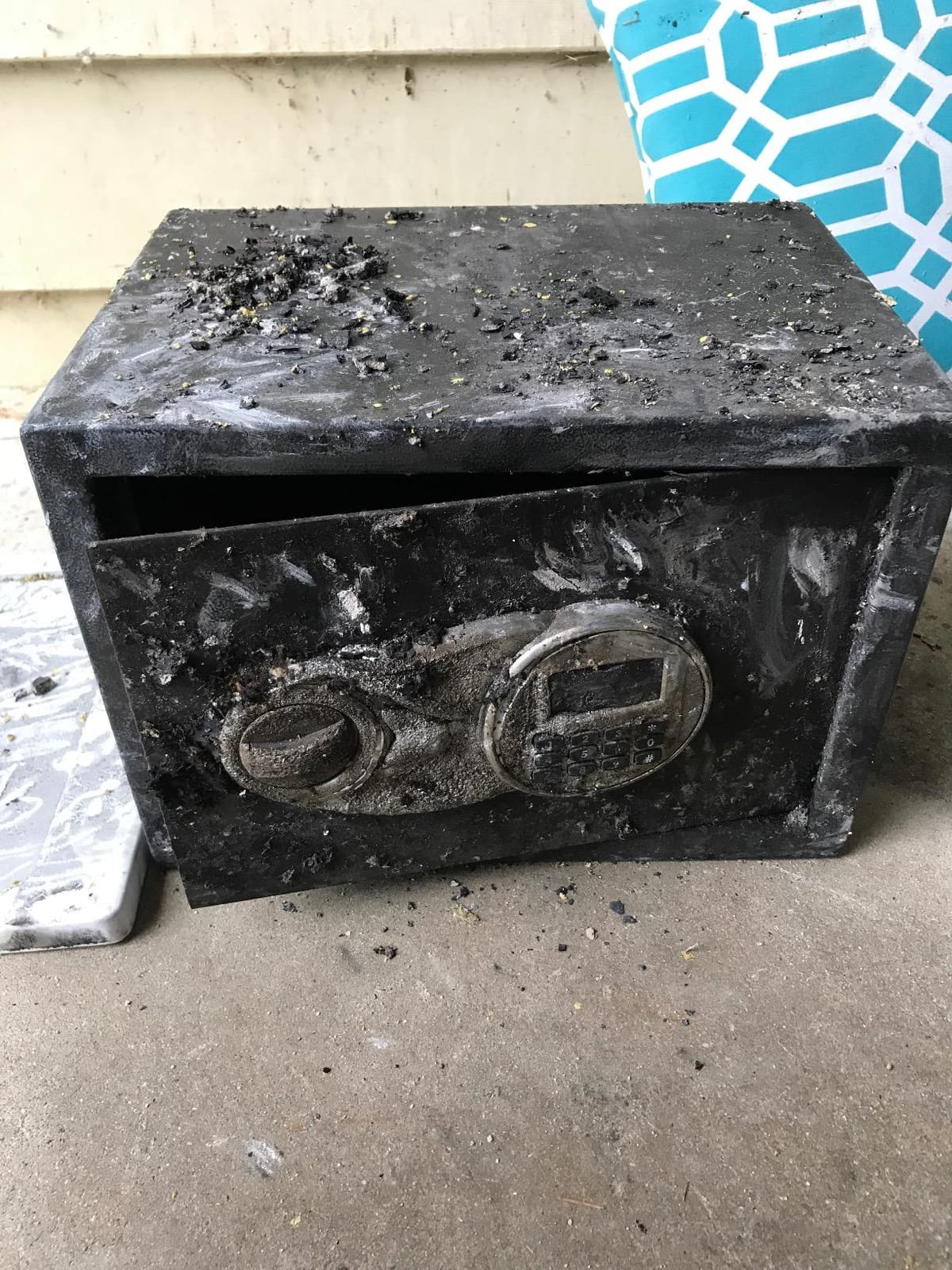
The physical build is what separates it from the small chests. Six live-locking bolts run off the door, backed by pry-resistant dead bolts, on an alloy steel body that weighs 136 pounds. That mass is deliberate in a flood zone — a safe heavy enough to resist being shifted or floated is worth more than a lighter one with a longer warranty.
Inside you get 2.13 cubic feet split across a removable shelf and a drawer, plus interior lighting so you are not unloading documents with a flashlight after a power cut. The drawer matters more than most buyers expect, because a flat stack of wet-adhesive folders is exactly what turns a small problem into a ruined one.
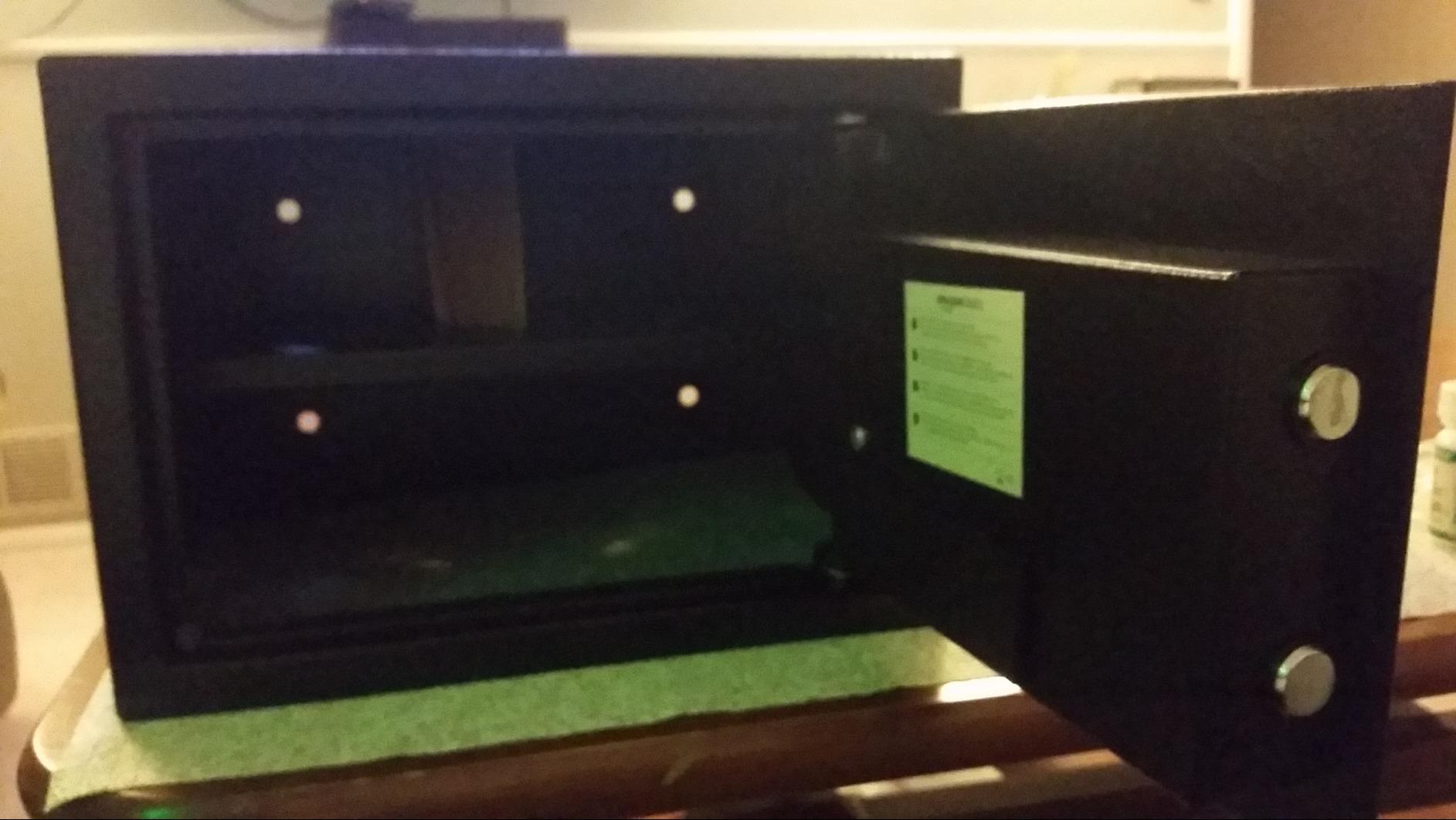
The honest drawback is weight and reach. At 136 pounds this is not a two-person carry up twelve stairs during an evacuation, and if your flood risk is a ground-floor unit you can reach quickly, the lighter chests further down this list may suit you better. The electronic keypad also needs batteries, and a dead keypad with no override habit is how people lose access to their own documents.
Bolt-down hardware is included, which is unusual at this size. That matters for two reasons in a flood zone: buoyancy, and the fact that one buyer of a SentrySafe reported that bolting down voided the water portion of the warranty. Before you anchor any safe here, read your own warranty terms rather than trusting a forum answer on the subject.
2. SentrySafe HD4100 Fireproof and Waterproof Document Box – Best for Deeds and Titles
SentrySafe Black Fireproof and Waterproof Safe, File Folder and Document Box with Key Lock, 14.3 x 15.5 x 13.5 inches, HD4100
0.65 cu ft steel
38.8 lbs
ETL Verified water protection
UL Classified 30-min fire
Key lock
Pros
- UL Classified for 30 minutes and ETL Verified for water
- Interior sized to accept hanging file folders
- Long review history at 4.5 stars across 15082 reviews
- Low profile tucks under a desk or into a closet
Cons
- 38.8 pounds with no built-in carry handle
- Interior is only as wide as a manila folder so A4 will not fit
- Rubber gasket can detach and need re-seating
Documents, not jewellery, are what flood-zone buyers actually store. Ask anyone who has been through a claim, and the list is always the same: deeds, titles, insurance policies, passports, birth certificates and a will. The HD4100 is built for exactly that list, and it is the only safe in this group whose interior is dimensioned around hanging file folders.
It carries a UL Classified 30-minute fire rating and ETL Verified water protection — third-party marks on both axes, which is rarer than it sounds in this category. At 0.65 cubic feet it holds a real stack of folders without turning into the bulky cabinet you cannot move.
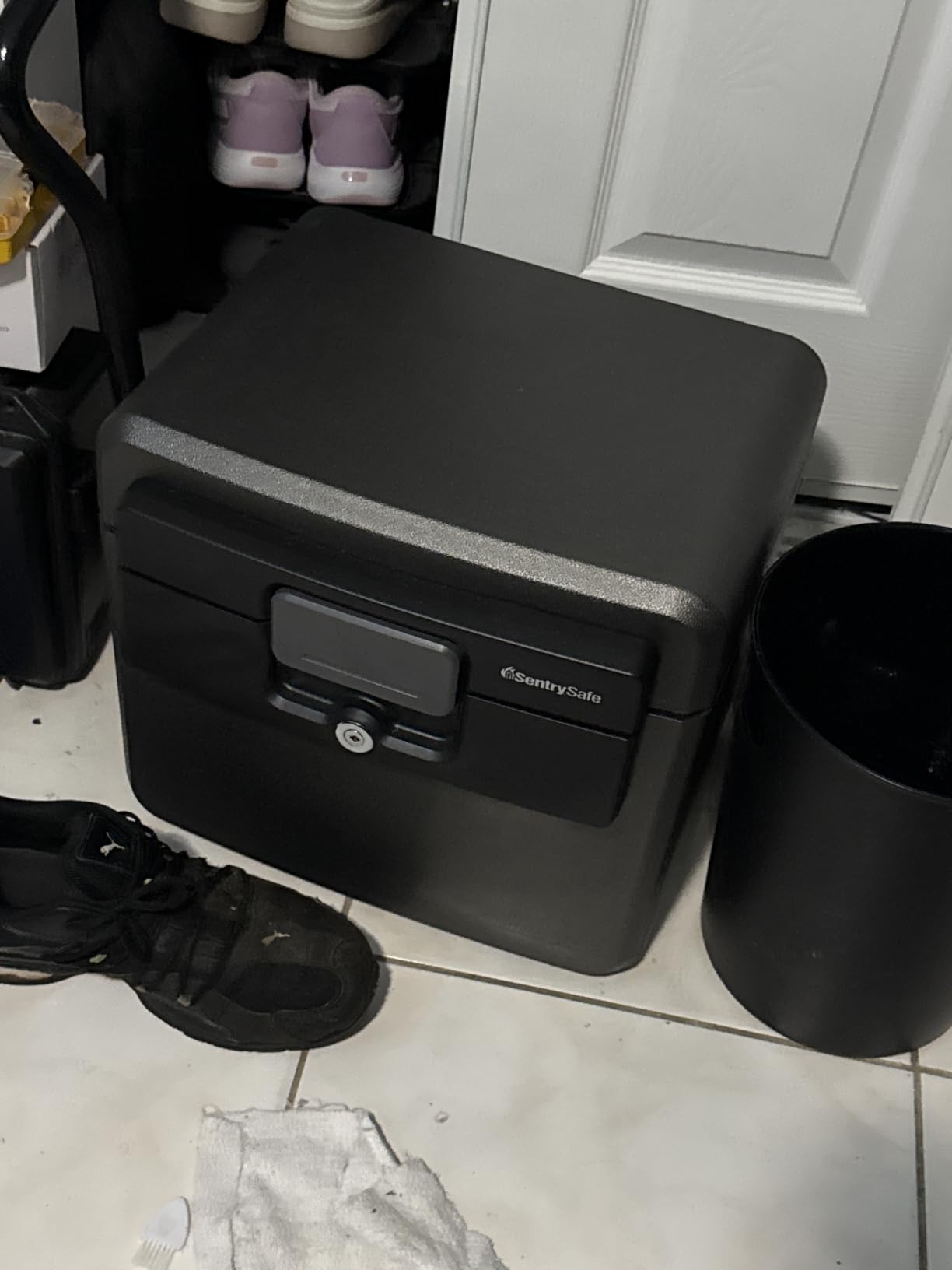
Owners describe it consistently as heavy, durable and well made, with 15,082 reviews averaging 4.5 stars. The complaint that comes up most is size: the interior is barely wider than a standard manila folder, so A4 paper or oversize documents will not lie flat inside. Measure your paperwork before you order, because that is the one limitation people consistently regret.
The rubber door gasket is the other recurring issue. Some owners report it detaching and needing to be re-seated, which matters if you live somewhere with wide humidity swings or if the safe has been through standing water. A cheap piece of gasket stock fixes it, but it is worth checking on inspection day.
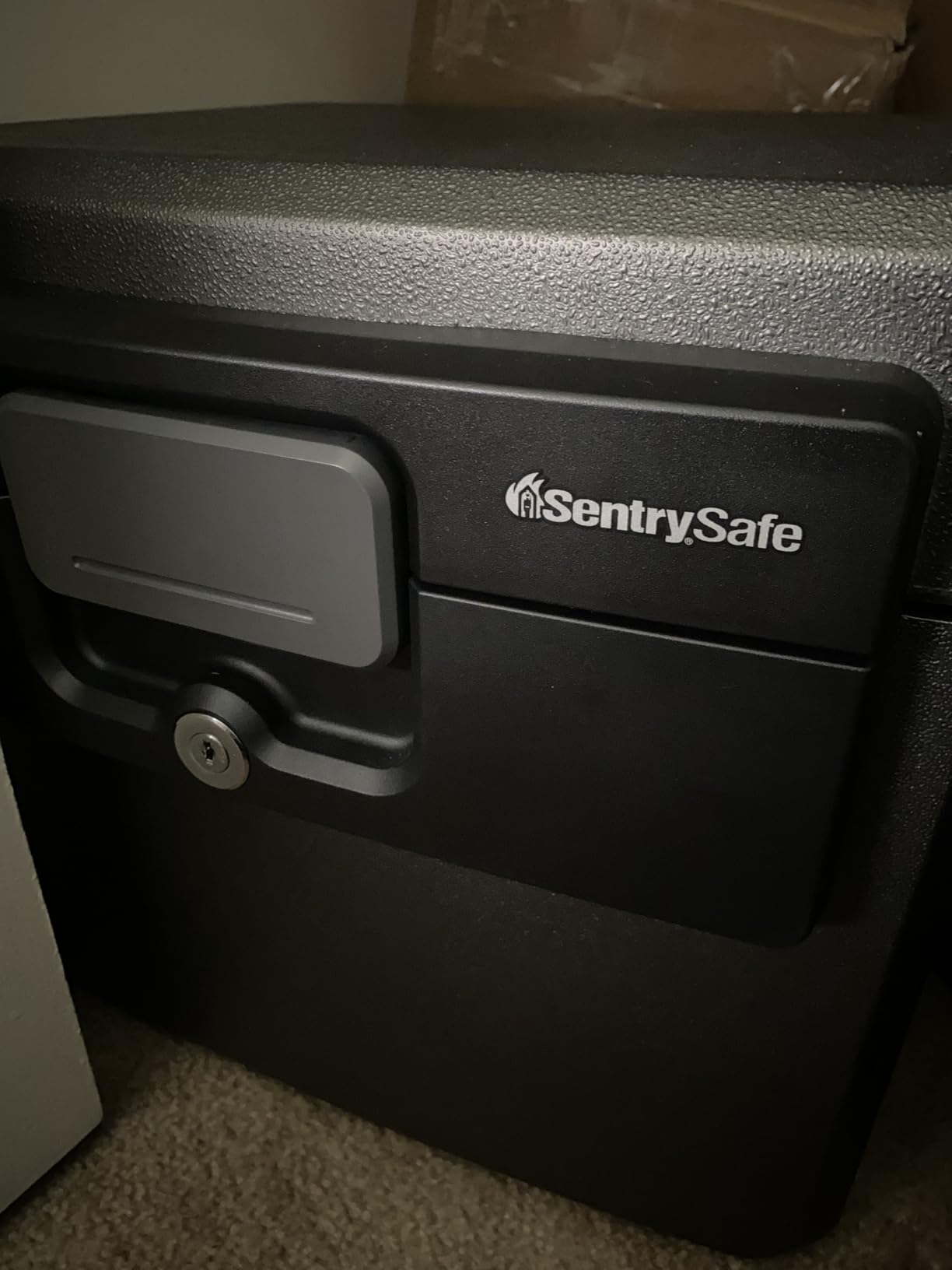
At 38.8 pounds with no carry handle, this is a safe you install once rather than one you grab and run with. For a ground-floor bedroom closet on a raised slab in Zone X, that is exactly right. For a renter in a first-floor unit who might evacuate with 30 minutes of notice, the next pick is a better fit.
The key lock is basic, and two keys are included. Treat this as a document protection box rather than a theft deterrent against a determined burglar — nobody is crowbarring a 38-pound steel box off a closet shelf in the first place.
3. SentrySafe CHW20221 Fireproof and Waterproof Portable Chest – Best for Evacuation
SentrySafe Charcoal Gray Fireproof and Waterproof Safe Box with Key Lock, Portable Chest for Money, Passport, 0.28 Cubic Feet, 6.6 x 15.4 x 14.3 Inches, CHW20221
0.28 cu ft
20 lbs
ETL Verified 72-hour submersion
UL Classified 30-min at 1550F
Key lock
Pros
- ETL Verified for 72 hours of water submersion
- UL Classified for 30 minutes at 1550F
- Swing-out carry handle makes moving it upstairs realistic
- 20 pounds is light enough for one person to carry
- Compact enough to store above a closet shelf
Cons
- Tubular key lock offers very little theft resistance
- Cannot be anchored so the whole unit can be carried off
- Interior too shallow for letter-size documents which must be folded
This is the pick for anyone who has ever evacuated in a hurry. At 20 pounds with a swing-out carry handle, it is the only deep-submersion-rated chest here that one person can realistically take up a flight of stairs while the water is still rising. Prepping communities have argued this point repeatedly: in a flood zone, a safe you cannot reach is not a safe.
The water claim is the strongest in the group. It is ETL Verified for 72 hours of water submersion, meaning it is tested fully underwater rather than sitting in shallow water. For a first-floor closet that takes on a foot of standing water for days after the river crests, that is a meaningful difference from a 24-hour shallow test.
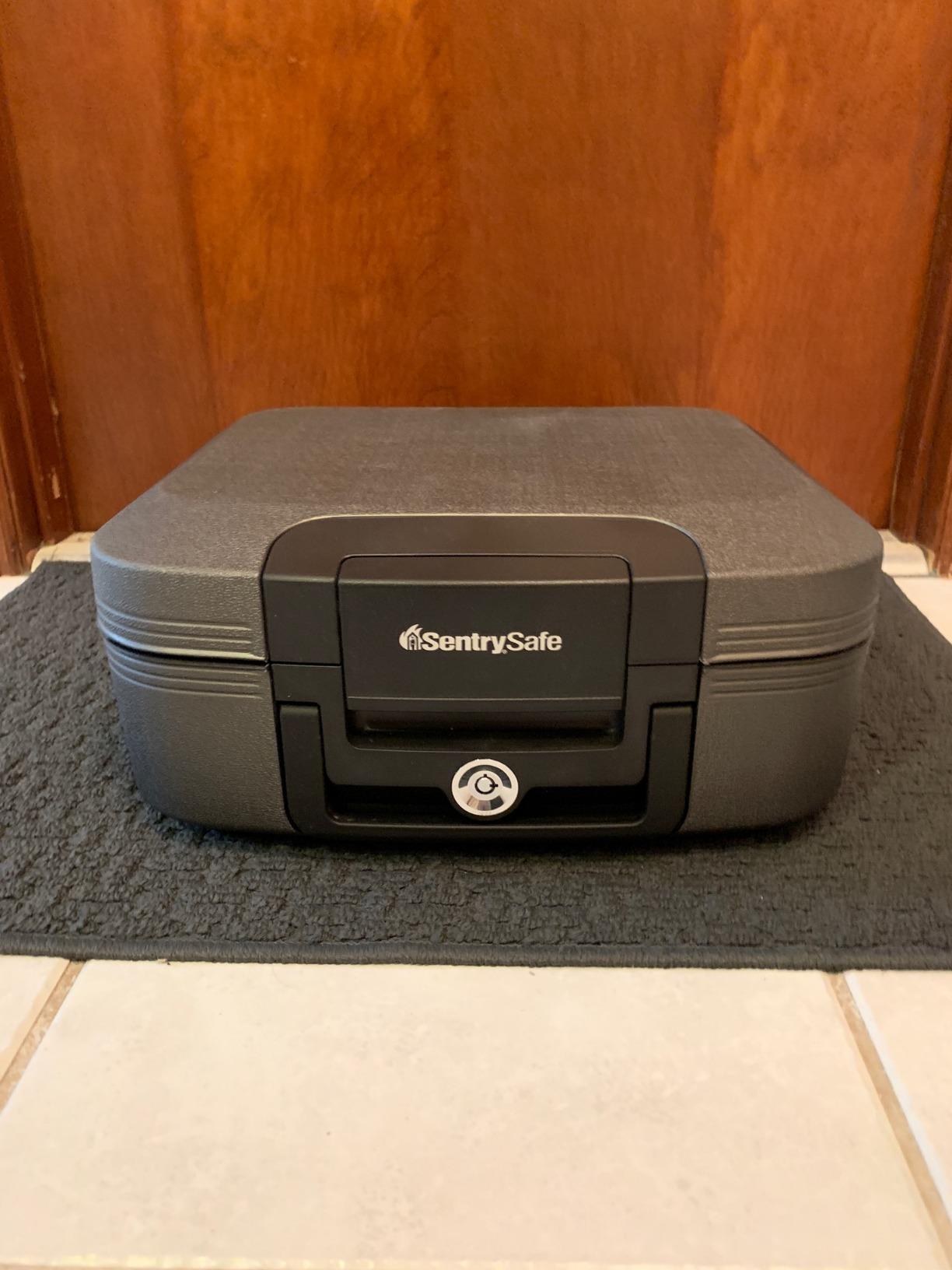
Fire protection is a UL Classified half hour at 1550F, which covers documents, small valuables and USB drives. Owners in hurricane and flood-prone areas single out the combination of a real third-party water rating and a weight light enough to feel portable rather than like a chore.
With 8,670 reviews at 4.6 stars, this is one of the highest-rated boxes in the group, and the fit for evacuation is unambiguous. The 0.28 cubic feet is a modest stack of papers — this protects your deeds, your passport and a hundred dollars in cash, not a house of valuables.
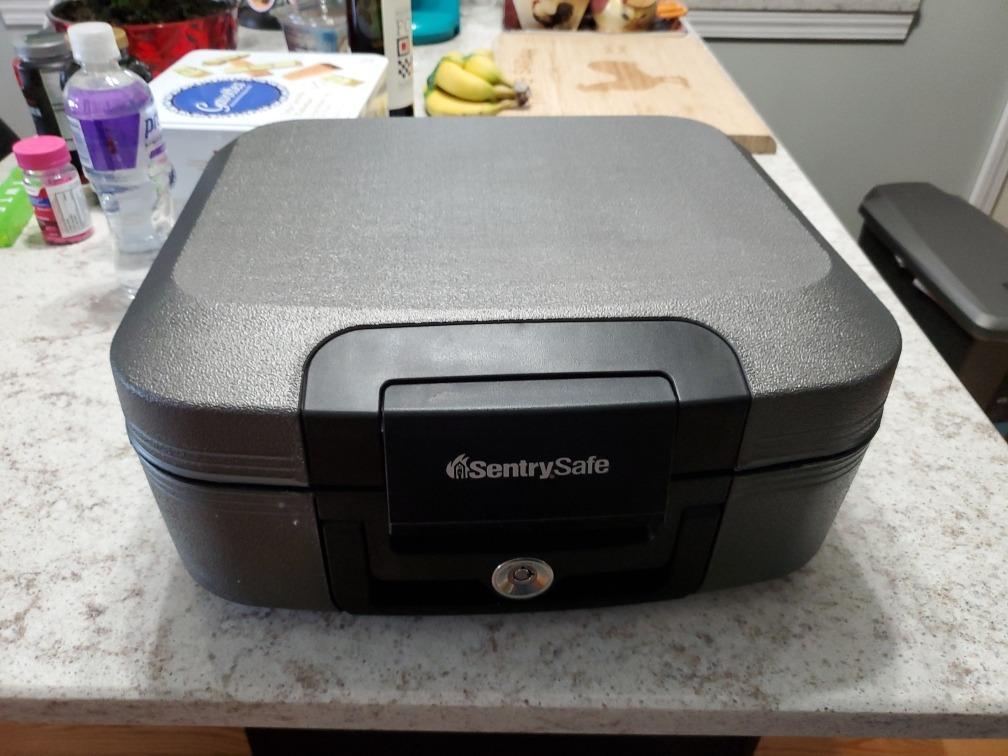
The trade-off is that nothing stops someone walking off with it. There is no anchoring point and the tubular key lock is a deterrent against honest neighbours, not against a determined thief. If theft is your worry rather than water, buy a steel body you can bolt down instead.
Because the interior is only 4.4 inches deep, letter documents have to be folded. That is a small irritation for most households and an irritation that disappears if you scan everything at home first and store printed copies only.
4. Honeywell 1103 Waterproof Fireproof Document Chest – Best for Deep Submersion
Honeywell Safes & Door Locks LHLP1103G 30 Minute Fire Safe Waterproof Safe Box Chest with Carry Handle, Medium, 1103, Black, 7.3 litre
0.24 cu ft
27.4 lbs
100-hour seal verified at 39 inches
30-min UL fire to 1550F
Dual latches
Pros
- 100-hour waterproof seal verified to 39 inches underwater
- 30-minute UL fire rating to 1550F with a lifetime after-fire guarantee
- Carry handle and dual latches for a secure portable chest
- Honeywell lock durability is repeatedly praised
Cons
- Interior is about an eighth of an inch too narrow for letter paper
- Larger envelopes and folders do not fit at all
- Manual tells owners to air the chest out weekly
If your flood water actually gets deep — a slab-on-grade home in Zone AE, a ground-floor unit in a coastal city, anything where standing water could exceed a foot — the depth in the rating matters more than the hours. The Honeywell 1103 states a 100-hour waterproof seal verified to keep contents dry when submerged 39 inches underwater, and that is the deepest test we found among these picks.
Thirty-nine inches is about the water level you would see in a serious indoor flood, which makes this the honest choice for households that have already taken water once. The fire side is a 30-minute UL rating to 1550F, and Honeywell attaches a lifetime after-fire guarantee, which is a stronger promise than the one-year limited warranty several competitors offer.
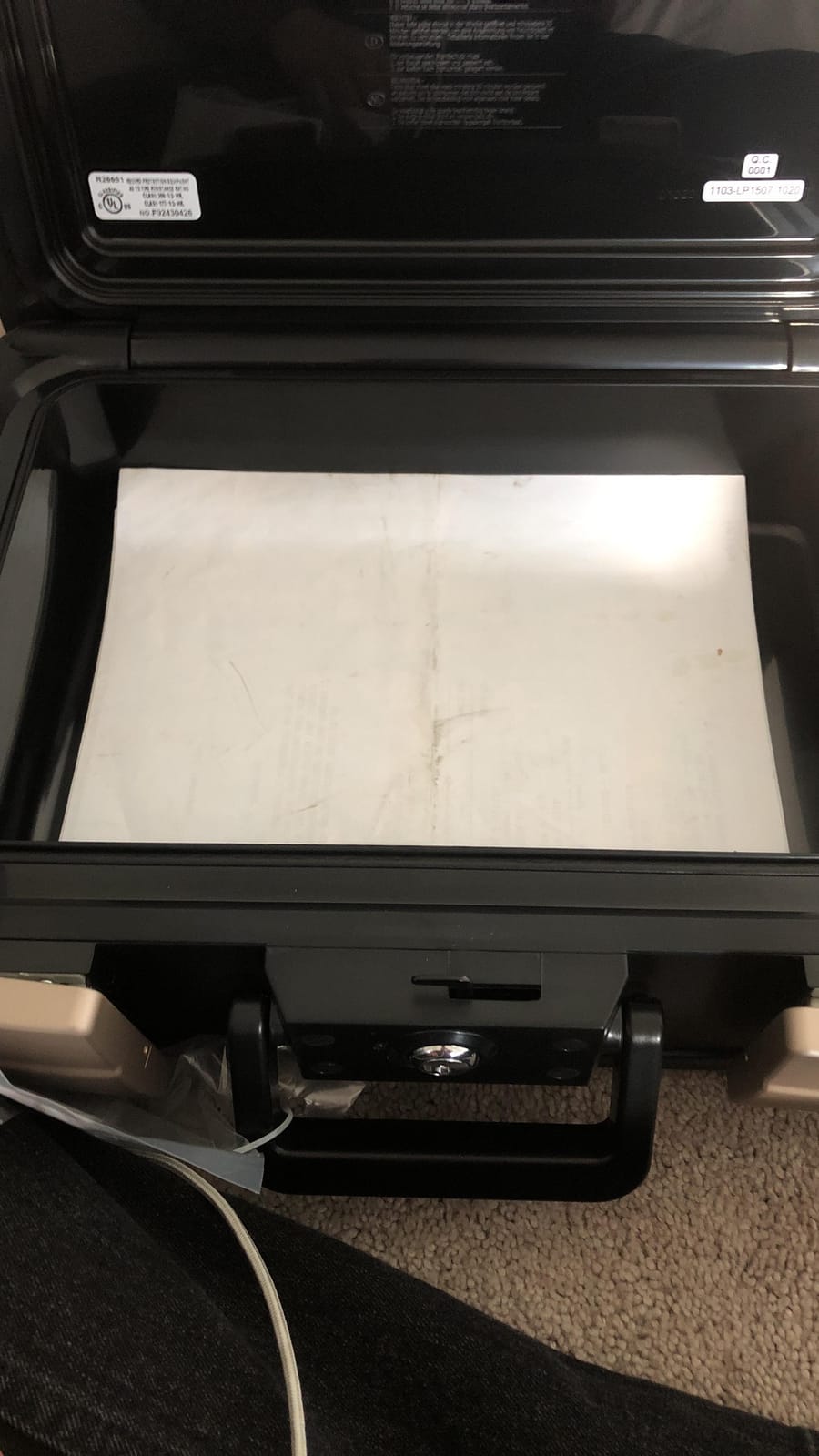
Dual latches secure the lid before the key turns, which is the detail that keeps documents safe when a fire-damaged structure drops. There is a carry handle, so unlike the HD4100 this chest can be moved to a higher floor without dragging it.
Buyers who measure before buying rate this chest very highly, and they mention the lock quality specifically. With 2,317 reviews at 4.3 stars, it sits slightly below the leaders, and the reason is visible in the specifications: the interior is fractionally narrower than US letter paper.
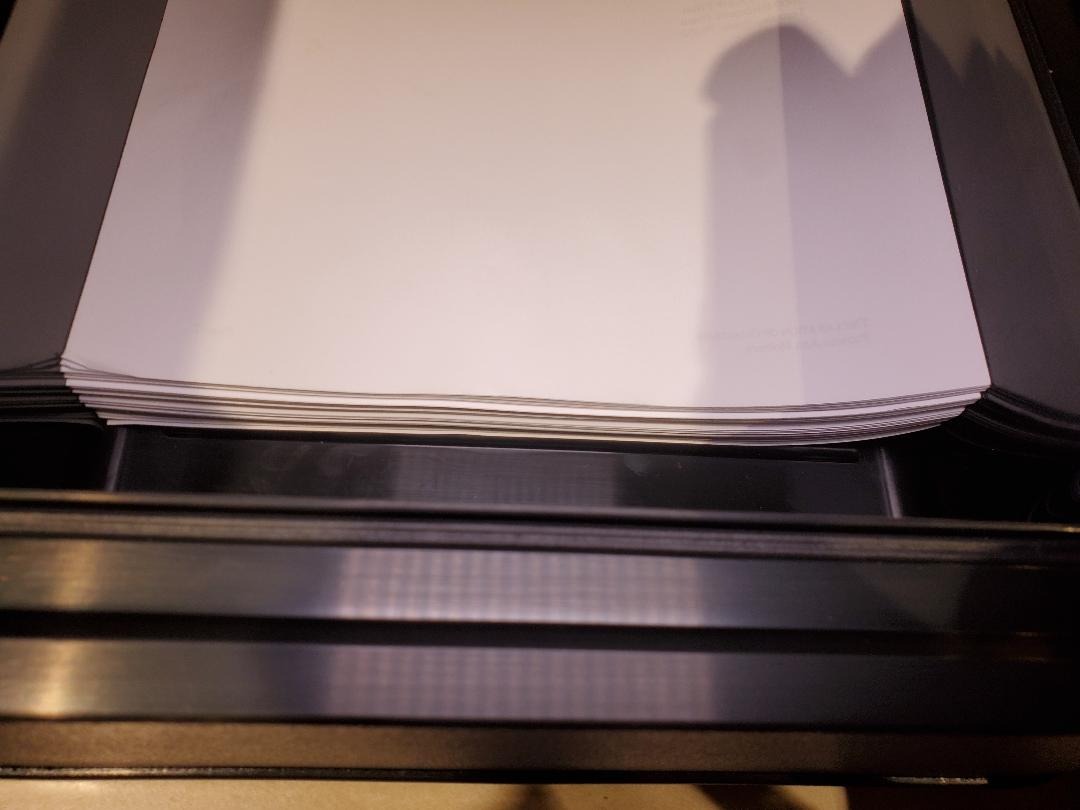
That single measurement produces the most-cited complaint in the reviews. Letter sheets bow inside, larger envelopes and document folders will not fit at all, and several buyers call the dimension misleading. It also carries an unusually high share of one-star reviews, most of which trace back to this same fit issue.
The manual instructs owners to open the chest weekly to air it out, which sounds odd until you understand that sealed chests trap humidity. Plan for that. It is a small habit, but it is what separates a chest that stays dry for a decade and one that develops mustiness after a wet season.
5. SentrySafe SFW123CU Fireproof and Waterproof Steel Safe – Best for Theft and Fire
SentrySafe Fireproof and Waterproof Black Steel Home Safe with Dial Combination Lock for Cash, or Documents, 1.23 Cubic Feet, 17.8 x 16.3 x 19.3 x Inches, SFW123CU
1.23 cu ft alloy steel
86.3 lbs
ETL 24-hr water test at 8 in
UL 1 hour at 1700F
Mechanical dial
Pros
- One-hour UL fire rating at 1700F with ETL 24-hour water protection
- ETL Verified to survive a 15-foot fall during a fire
- Mechanical dial needs no batteries at all
- 86 pounds of steel with four live-locking bolts
Cons
- Dial mechanism has been reported snapping after several years
- Shelf is thin for anything heavy
Most flood-zone buyers lose documents to water. Some lose them to theft during the chaos afterwards, when an evacuation leaves a home open for days. The SFW123CU is the pick for households trying to cover both problems at once.
The specifications read as a UL Classified one-hour fire rating at 1700F and ETL Verified protection for 24 hours in water up to 8 inches deep, plus a separate ETL verification that the safe withstands a 15-foot fall during a fire and stays closed. That third line is unusual and worth noting — a fire in a two-storey home can put a safe on the ground floor, and a dropped door is exactly how documents get lost.
The mechanical dial is the feature owners single out most warmly. No batteries means no lockout, no dead keypad and no electronics to fail in a humid, wet environment. For documents you may store for five years and then open during an insurance claim, that is a genuinely valuable property.
At 86.3 pounds of alloy steel with four live-locking bolts, a pry-resistant hinge bar and a shelf, this is a theft-deterrent safe that also handles a shallow flood event. Long-term owners frequently report it still working after five or more years.
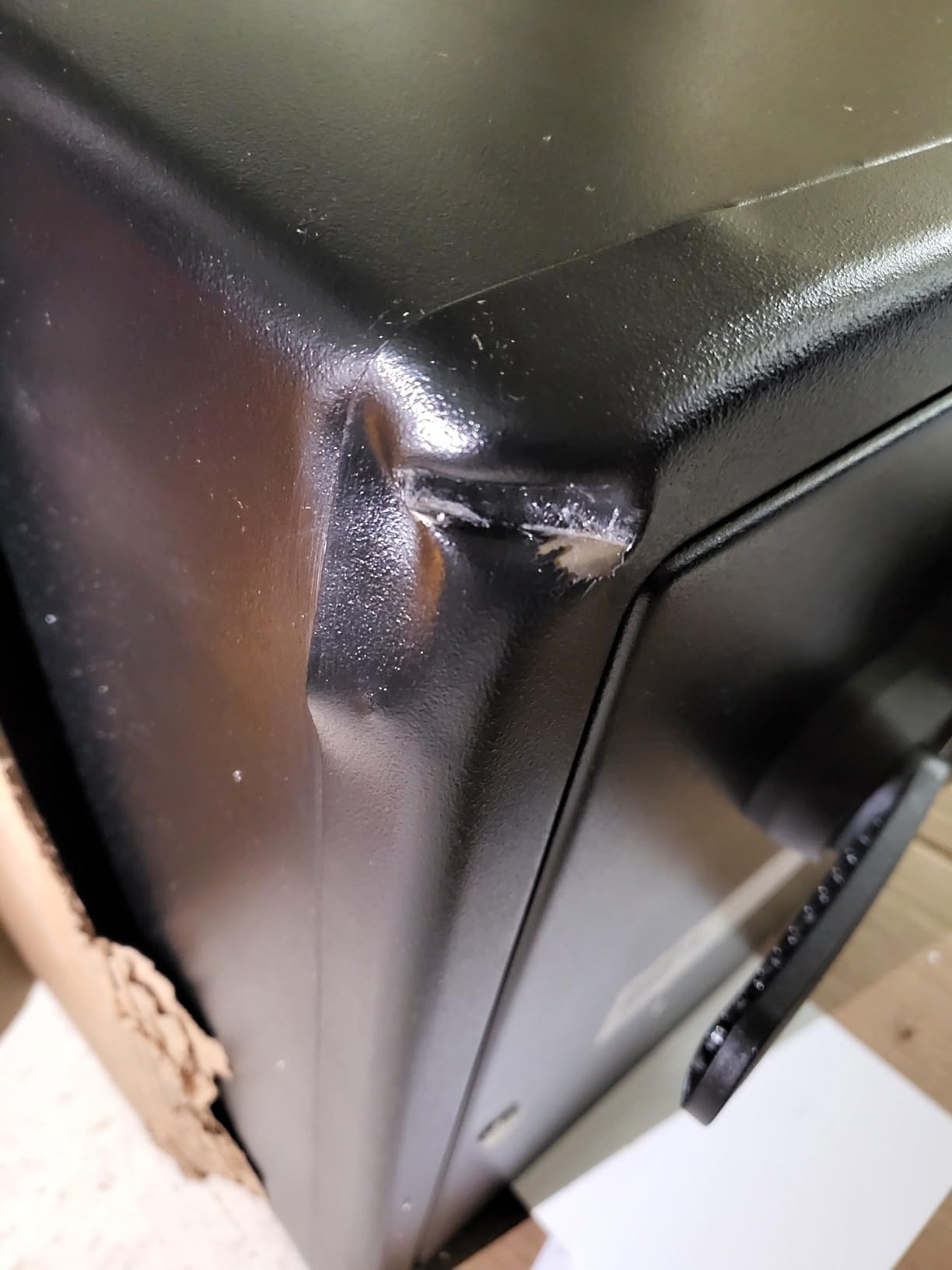
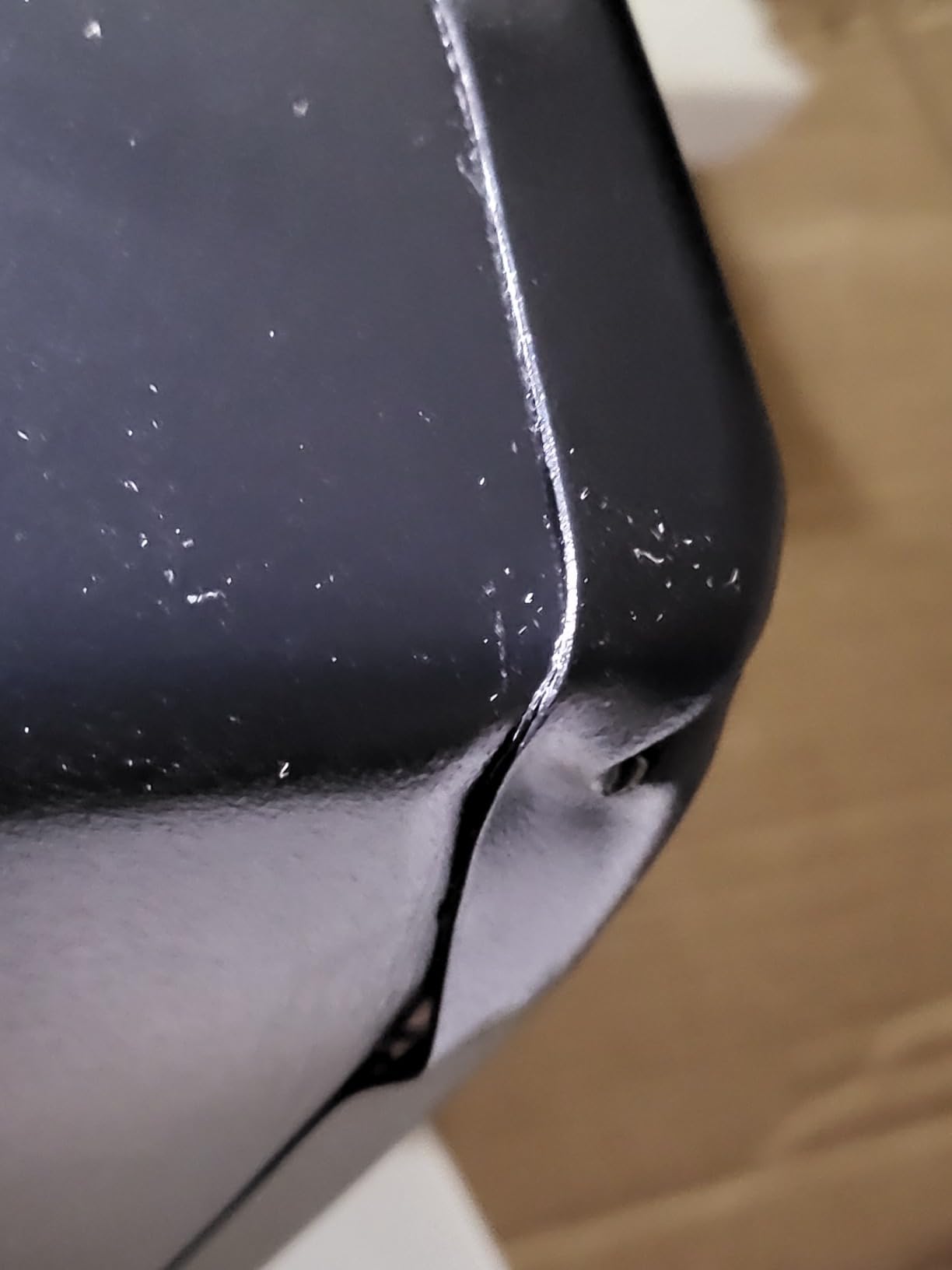
The concerns are durability of the moving parts. A small cluster of one-star reviews describes the dial mechanism snapping after several years of light use, resolved only by a locksmith, and the warranty is limited to one year. The handle and interior can feel plasticky for the money, and the shelf is thin for anything heavy.
One practical note before you install it: there are no factory bolt-down points on this model, so anchoring means drilling it yourself. If you do that, check the warranty language first — a verified buyer of a SentrySafe reported that bolting down voided the water portion of the warranty, and that is a question worth asking the manufacturer directly rather than a fact to assume either way.
6. Homirxan 3.4 Cubic Foot Fire and Waterproof Safe – Best Large Safe on a Budget
3.4 Cubic Feet Large Safes for Home Use Fire and Water proof, Digital Security Safe with Key and Combination, Home Safes Water and Fireproof for Firearm Medicine Money Valuables
3.3 cu ft
34.17 lbs
Keypad plus keys
Anchor holes
Water resistant only
Pros
- Very large 3.3 cubic feet for the money
- Keypad and emergency keys mean a forgotten code is not a lockout
- Pre-drilled anchor holes with expansion screws included
- Carpeted floor mat and removable shelf
- Audio alarm after three wrong code attempts
Cons
- Multiple reviewers dispute the fireproof and waterproof claims
- Anchor bolt holes are not grommeted which creates leak paths
- Door gap is wide enough to admit a pry bar
This is the capacity-per-pound option: 3.3 cubic feet of interior in a 34-pound steel housing, which is roughly three times the volume of the document chests above at a similar weight. If your concern is storing a household’s paperwork rather than jewellery, the volume matters.
The hardware is respectable on paper. Eight-gauge steel housing, welded pry-proof body, two enhanced live steel locking bolts, pry-resistant concealed hinges and a recessed door. Pre-drilled holes on the back and bottom come with expansion screws, which makes permanent installation a ten-minute job rather than a drill-and-measure project.
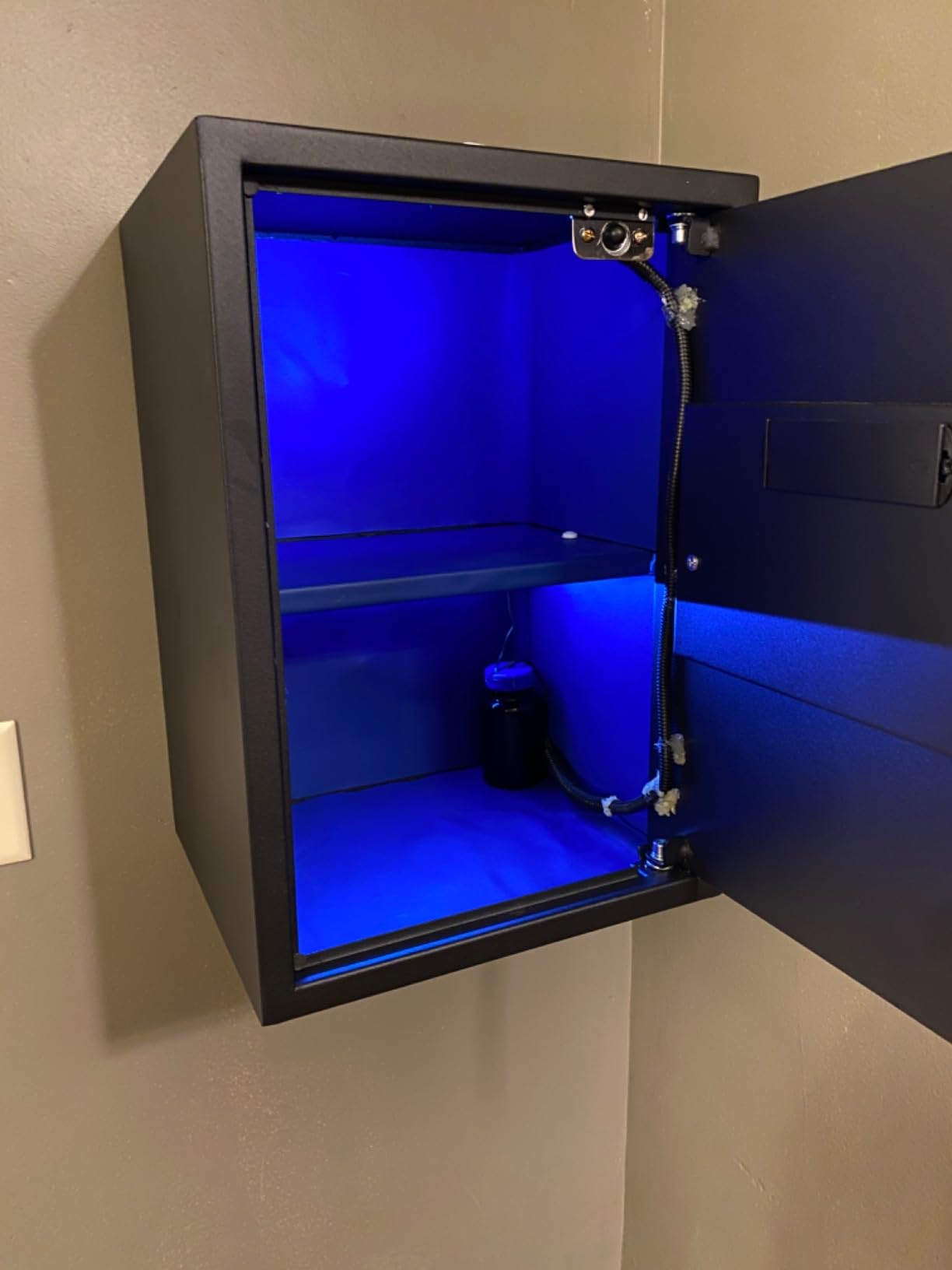
Two ways in — a programmable code plus knob, or emergency keys plus knob — means a forgotten code is not a lockout, which is the single most common way people get locked out of their own safe. There is a carpeted floor mat, a removable shelf and an alarm after three incorrect attempts.
Now the part that matters for this article. The listing describes the safe as water resistant rather than waterproof, and a well-documented group of reviewers directly disputes the fire and water claims, citing an ungasketed door and no insulation. With 700 reviews at 4.2 stars and a 12 percent one-star share, this is the weakest rating distribution among the larger safes here.
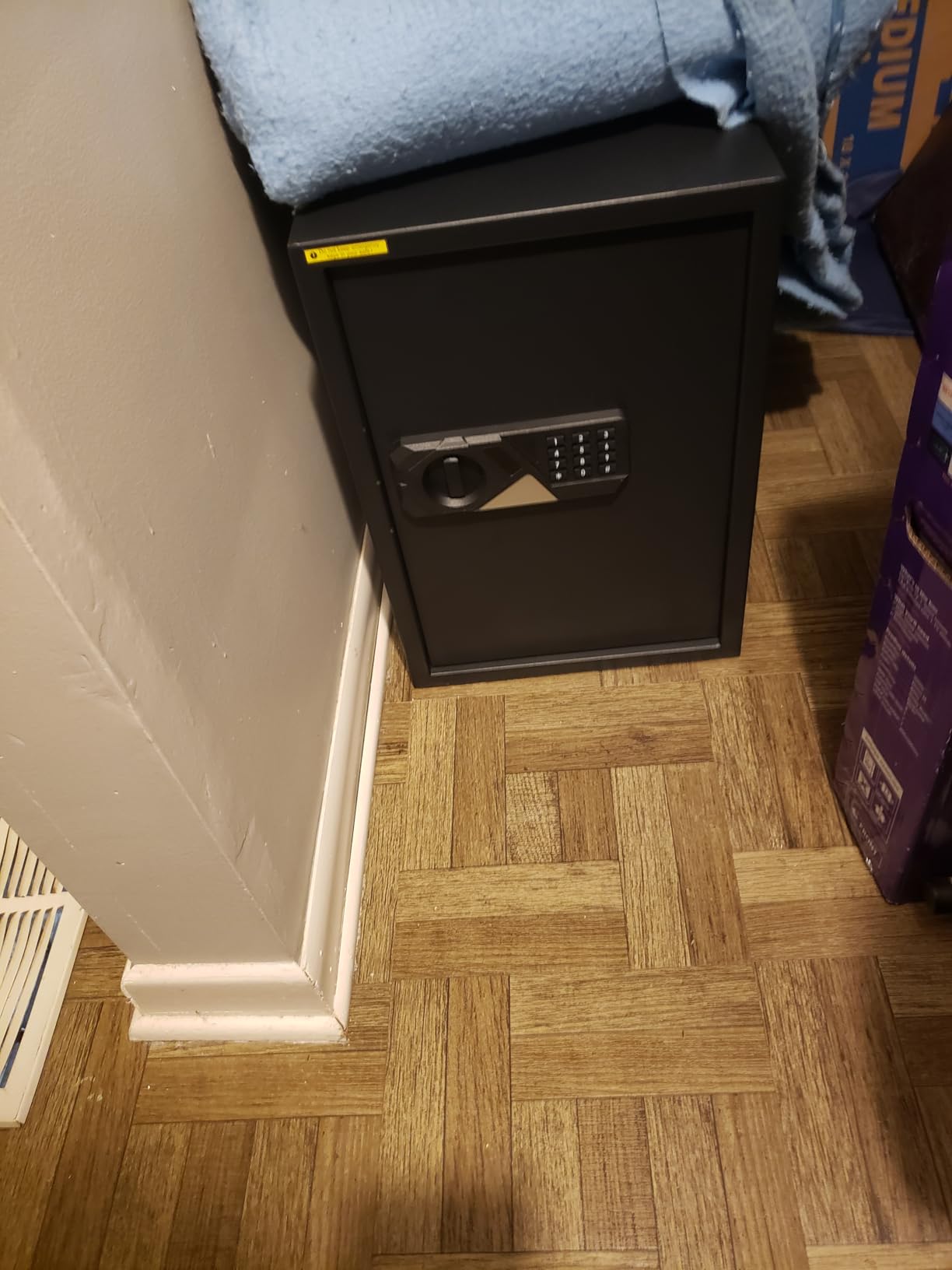
Buyers also flag that the anchor bolt holes on the sides are not grommeted, which by itself creates a path for water into the cavity, and that the door gap is wide enough for a pry bar. Treat the fire and water claims on this listing as marketing rather than independently tested, and keep the safe in a dry, elevated location if you buy it.
What you are really buying is volume and anchoring hardware at a weight you can still reposition. That is a legitimate reason to choose it — just not a reason to treat it as a certified flood safe.
7. FOWORE 4.4 Cubic Foot Home Safe with Fireproof Waterproof Bag – Best with a Document Bag
4.4 Cuft Safe Box, Home Safe with Fireproof Waterproof Bag (23.62” H)
4.4 cu ft
37.4 lbs
External battery box unlock
Three access methods
Includes fireproof A4 bag
Pros
- Bundled fireproof and waterproof A4 bag is a practical second layer
- 4.4 cubic feet with a removable shelf and LED light
- Three independent access methods reduce lockout risk
- Cold rolled steel with a recessed pry-resistant door and 3 bolts
Cons
- The safe box itself is not water resistant
- Instructions are incomplete and require scanning a QR code
- Side walls feel thinner than expected for a fireproof claim
The idea here is honest and we like it: a large steel box for theft resistance, plus a separate fireproof and waterproof A4 document bag for the papers. Instead of asking one box to solve water and fire and burglary, it splits the problem and lets you carry the water solution out of the safe during an evacuation.
That external battery box is the sleeper feature. You can unlock the safe with a passcode and knob, with two spare keys and knob, or with an external battery box plus passcode and knob. It is the electronic equivalent of the mechanical dial on the SFW123CU, and it means a dead internal battery pack does not lock you out of your deeds.
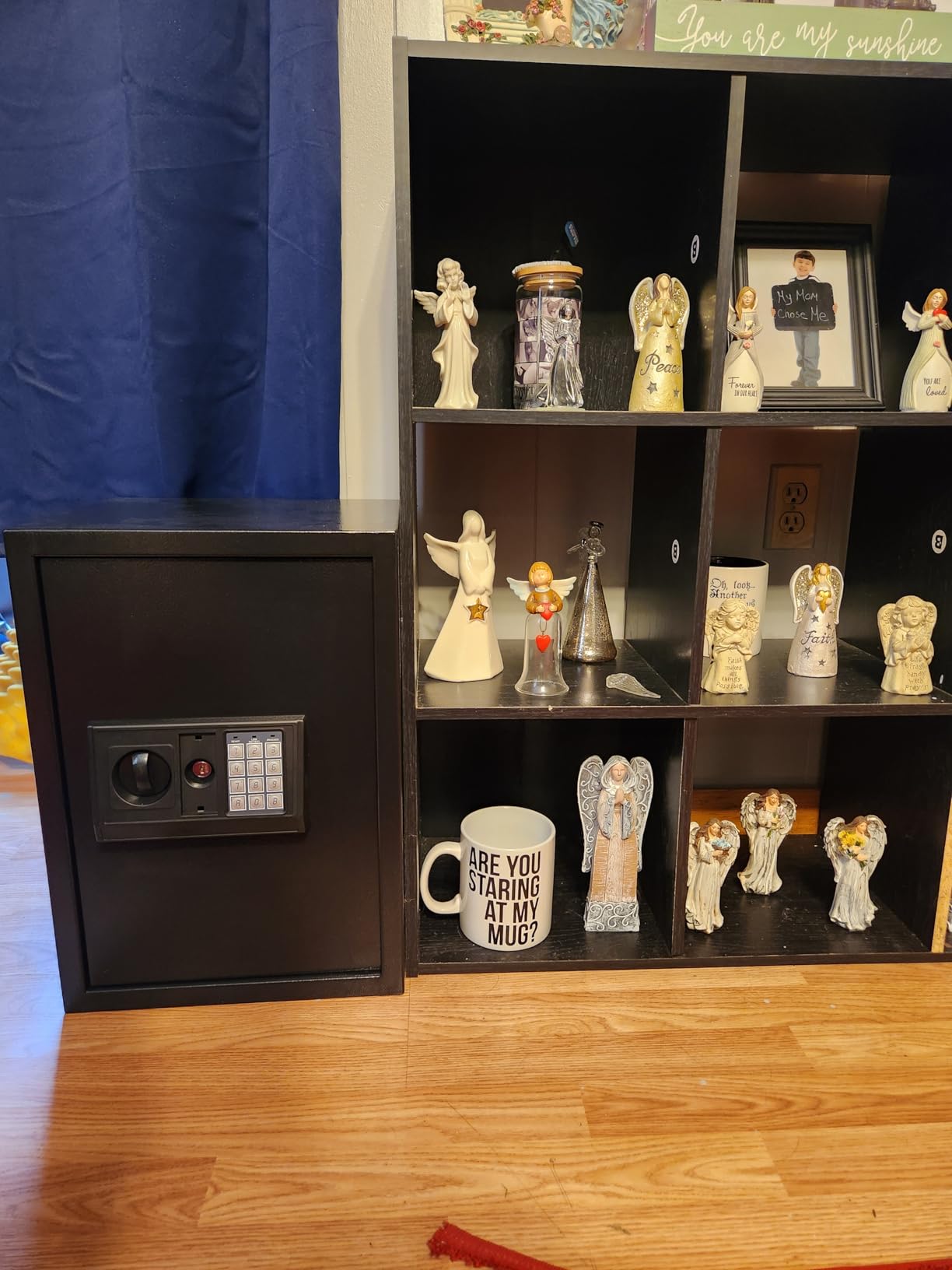
Size is the headline: 4.4 cubic feet at 23.62 inches tall, with a removable shelf, a felt pad and a built-in LED light. Pre-drilled holes on the bottom and back allow anchoring, and green and red indicator lights signal a low battery before you are locked out.
Here is the limitation, stated plainly: the safe box is not water resistant. Your flood protection depends entirely on the included bag. That is fine if you actually use the bag, and it is a non-starter if you plan to fill the safe with uninsured electronics and expect the steel to help.
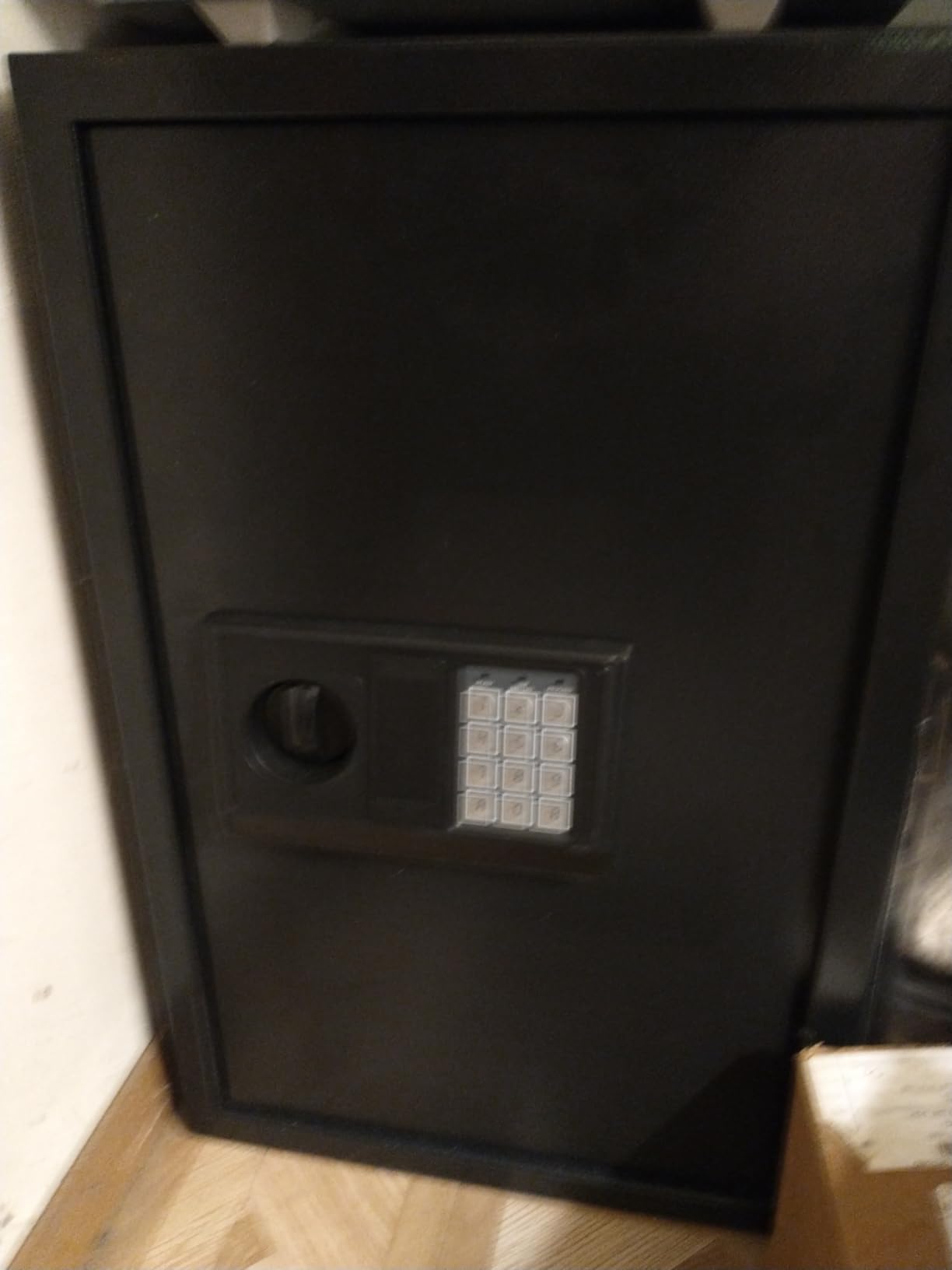
Owners praise the size, the simple keypad setup and the interior light, and the document bag is the feature reviewers mention most warmly. Recurring negatives are documentation and support — several owners report incomplete instructions requiring a QR code scan and no customer support response — plus side walls that feel thin for a safe advertised as fireproof.
At 4.3 stars across 855 reviews it sits mid-pack. If you want a layered approach and your storage spot is already dry and elevated, this is a sensible way to build one. If you want a certified water seal, look at the picks with Intertek or ETL marks.
8. Amazon Basics FP1402M Waterproof Fire Chest – Best Budget Flood Chest
Amazon Basics Fire-Resistant Waterproof Fire Chest with Mechanical Key, Protects During Floods, 0.39 cu. ft, Black
0.39 cu ft
26.3 lbs
Marked for flood submersion
Modified UL 72 Class 350
Mechanical key lock
Pros
- Marked specifically for flood submersion protection
- Mechanical key lock has no batteries to fail in a wet room
- Two keys included for backup access
- Compact footprint suits a countertop or a shelf above floor level
Cons
- Interior height of 4.33 inches limits it to flat documents
- No carry handle so moving it in rising water is awkward
- Mechanical key lock offers only basic theft deterrence
- Modified UL 72 Class 350 rather than a full fireproof classification
This is the pick when you want flood-specific positioning at a modest outlay, and it is among the newest listings in the group with 302 reviews. The mechanical key lock means nothing to power, nothing to corrode in a damp room and no battery to die at the worst possible moment.
Fire protection is a modified UL 72 Class 350 rating at 1550F for 30 minutes. That wording — modified UL 72 — is not the same classification as a full fireproof safe rating, and it is worth understanding the difference before you rely on it for irreplaceable documents.
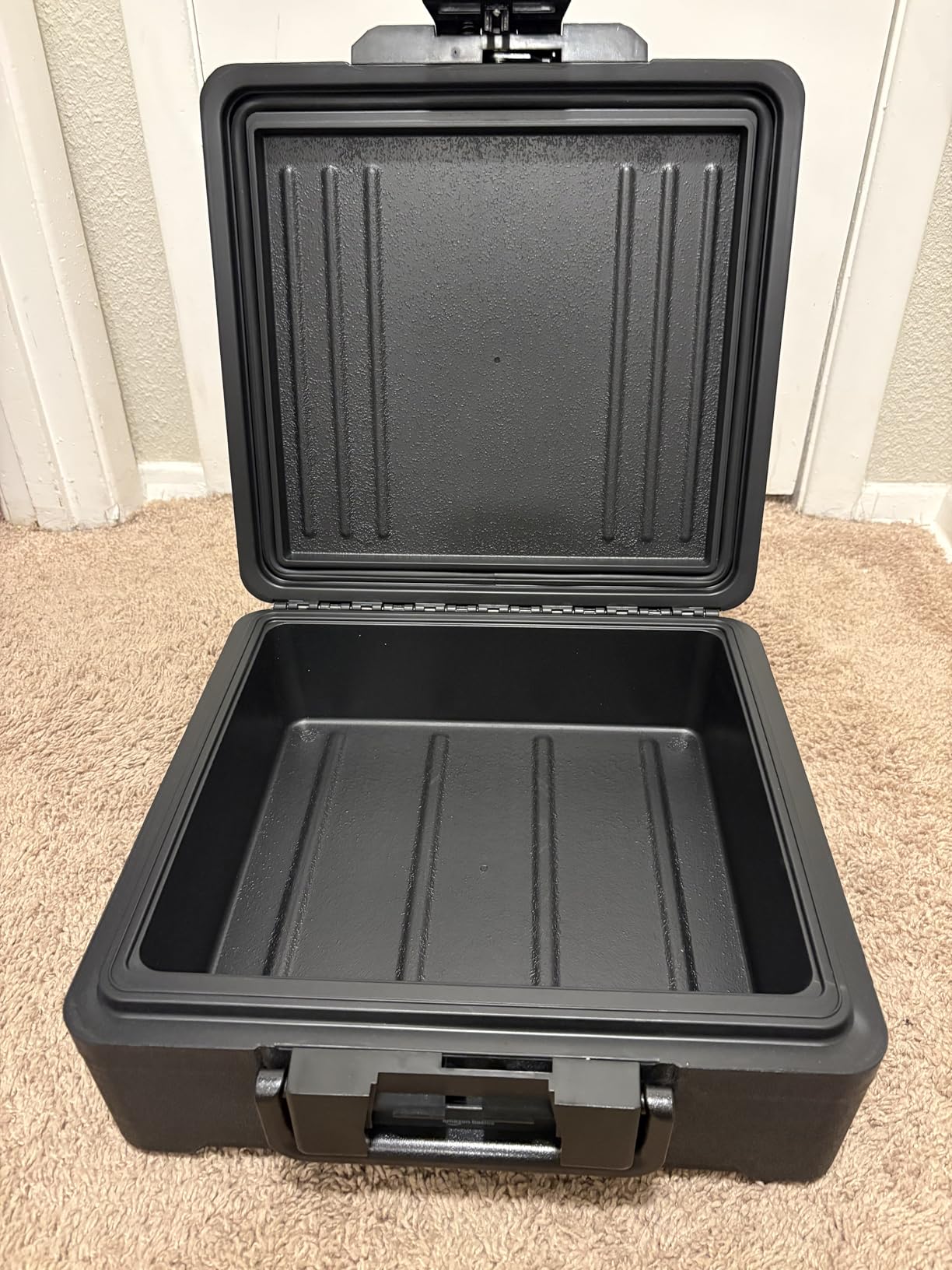
The listing positions the chest explicitly for submersion during a flood, which makes it the clearest flood-focused product here. At 0.39 cubic feet it holds a modest stack of flat documents, and the 4.33-inch interior height means anything thicker than a folder will not go in.
The absence of a carry handle is the practical gap. In a rising-water scenario you want to grab and go, and this chest requires you to reach down, get a grip on the body and lift 26.3 pounds one-handed.
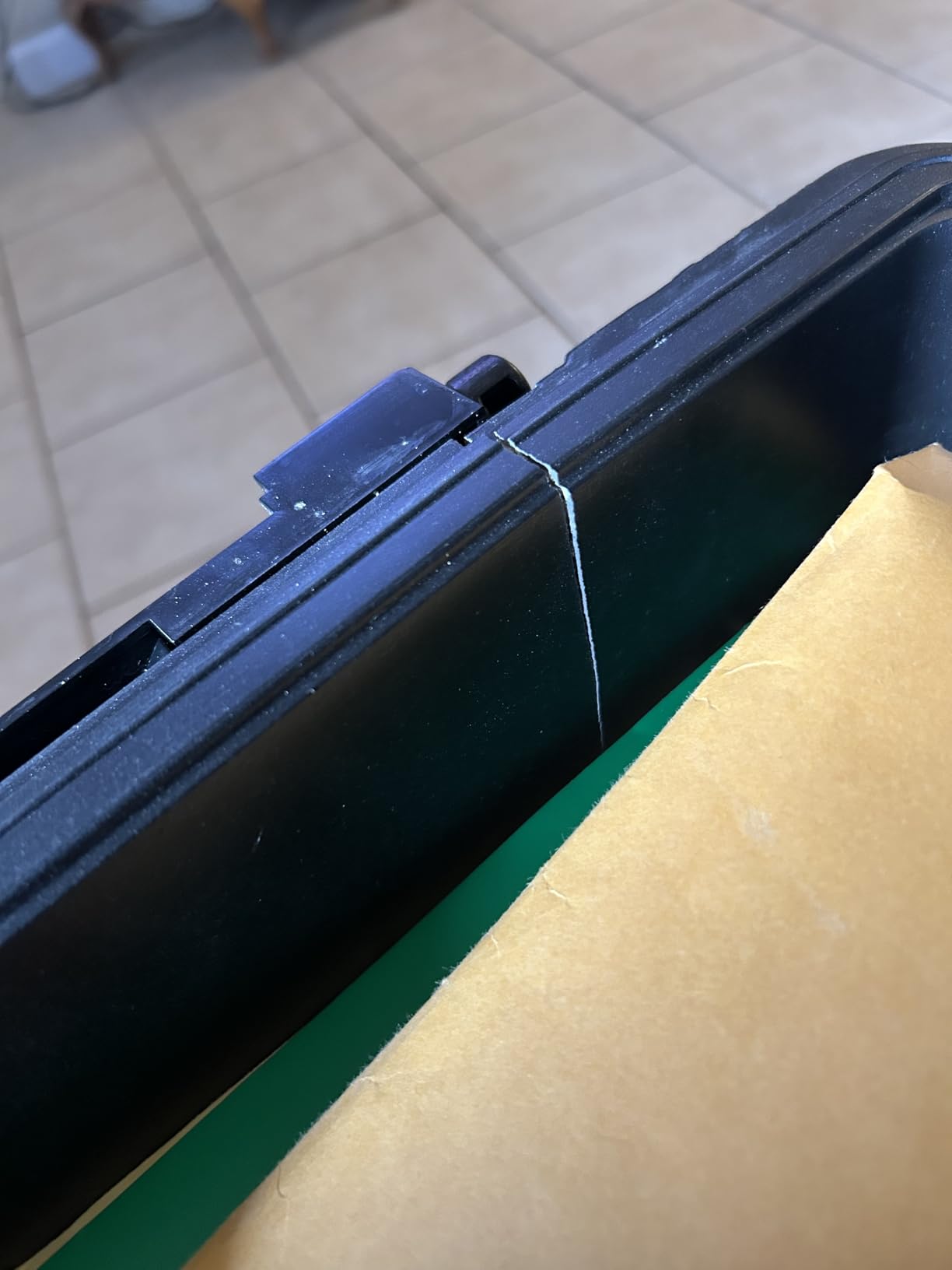
With only 302 reviews, long-term durability evidence is limited — you are buying on manufacturer claims rather than on a decade of owner reports. We would pair it with the layered approach preppers use: originals in a folder, inside a waterproof bag, inside this chest, stored high.
For a countertop or an upper shelf above grade in a Zone X property where flooding is a low-probability, high-consequence event, that is a sensible way to add a water seal to your document storage without replacing what you already own.
9. Mitlvge 9.5 Cubic Foot Fireproof Waterproof Home Safe – Best for Maximum Capacity
[𝟐𝟎𝟐𝟔 𝐍𝐞𝐰] 9.5 Cu Ft Extra Large Home Safe Fireproof Waterproof with [DOUBLE SAFES], Heavy Duty Digital Security Box with [Hidden Compartment], Fireproof Safe for Home Business Office USE
9.5 cu ft double door
87 lbs
7 live-locking bolts
Self-declared 1 hour at 1700F
Hidden compartment
Pros
- Exceptionally large 9.5 cubic feet in a double-door layout
- 87 pounds with 7 live-locking bolts and concealed hinges
- Hidden bottom compartment for particularly sensitive items
- External battery box prevents electronic lockout
- Removable shelf for adjustable layout
Cons
- Fire rating is a manufacturer claim with no UL or ETL listing cited
- No stated water immersion test depth or duration
- 35.4-inch height makes it a fixed installation rather than a portable chest
- 87 pounds is very difficult to reposition
If your storage problem is genuinely a volume problem — a business’s records, a family’s accumulated deeds going back decades, a large firearm collection — this is the most cubic feet you can get in a single unit here. Nine and a half cubic feet across a double-door body at 17.55 by 15.6 by 35.4 inches.
The anti-theft hardware is the strongest on paper in this roundup: 7 live-locking bolts, seamless forming construction and pry-resistant concealed hinges on cold rolled steel at 87 pounds. The hidden compartment at the bottom gives you somewhere for items you would rather not open the main door for.
![[𝟐𝟎𝟐𝟔 𝐍𝐞𝐰] 9.5 Cu Ft Extra Large Home Safe Fireproof Waterproof with [DOUBLE SAFES], Heavy Duty Digital Security Box with [Hidden Compartment], Fireproof Safe for Home Business Office USE customer photo 1](https://www.patincarrera.com/wp-content/uploads/2026/10/B0GFV7CLBB_customer_1.jpg)
Access is through three routes — a tamper-proof digital keypad, two emergency keys and a hidden external battery box. The battery box matters for the same reason it did on the FOWORE: it is the difference between a dead battery and a lost document archive.
Here is the honest caution. The fire protection is a manufacturer claim to endure one hour at 1700F with no UL or ETL listing cited, and there is no stated water immersion test depth or duration despite the waterproof positioning in the product name.
![[𝟐𝟎𝟐𝟔 𝐍𝐞𝐰] 9.5 Cu Ft Extra Large Home Safe Fireproof Waterproof with [DOUBLE SAFES], Heavy Duty Digital Security Box with [Hidden Compartment], Fireproof Safe for Home Business Office USE customer photo 2](https://www.patincarrera.com/wp-content/uploads/2026/10/B0GFV7CLBB_customer_2.jpg)
Owners generally value the sheer capacity, the double-door layout and the hidden compartment. The reservations centre on the credibility of the self-declared fire and water ratings, and on the practical difficulty of relocating an 87-pound, 35-inch-tall cabinet once it is where you want it.
At 378 reviews and 4.2 stars with a 10 percent one-star share, this is a large unit with a thin evidence base. If you buy it, install it on an upper floor above the base flood elevation on day one, because you will not want to move it later.
10. Bioaeyok 9.8 Cubic Foot Biometric Fireproof Waterproof Safe – Best Biometric Access
9.8 Cub 124 Lb Extra Large Biometric Genuine Fireproof Waterproof Home Safe
9.8 cu ft carbon steel
Fingerprint plus key
8 locking bolts
Floor bolt-down kit
Backlit LCD
Pros
- Fingerprint access with key backup needs no remembered combination
- Largest capacity in the group at 9.8 cubic feet with 8 locking bolts
- Sealed waterproof construction described as flood protection
- Anti-theft alert system flags unauthorised access attempts
- Backlit LCD display works during a power outage
Cons
- Electronic circuit failures reported within months on some units
- One reviewer documented metal roughly cardboard-thick around the mounting holes
- Manual does not identify the maker or claim fire or water protection
- No UL or ETL certification is cited for either rating
Fingerprint access solves a real problem for flood-zone households. Nobody fumbles a keypad with numb, wet hands at two in the morning during an evacuation, and no one has to remember a combination to reach a deed at claim time. This is the only biometric option in the group, and the backup key means the fingerprint is a convenience rather than a dependency.
The hardware is substantial: carbon steel construction with fireproof plaster, 8 locking bolts split into 5 live bolts on the door and 3 dead bolts behind it, an anti-pry seamless door panel and a floor bolt-down installation kit. The backlit LCD display panel means you can work it in a dark room with the power out.
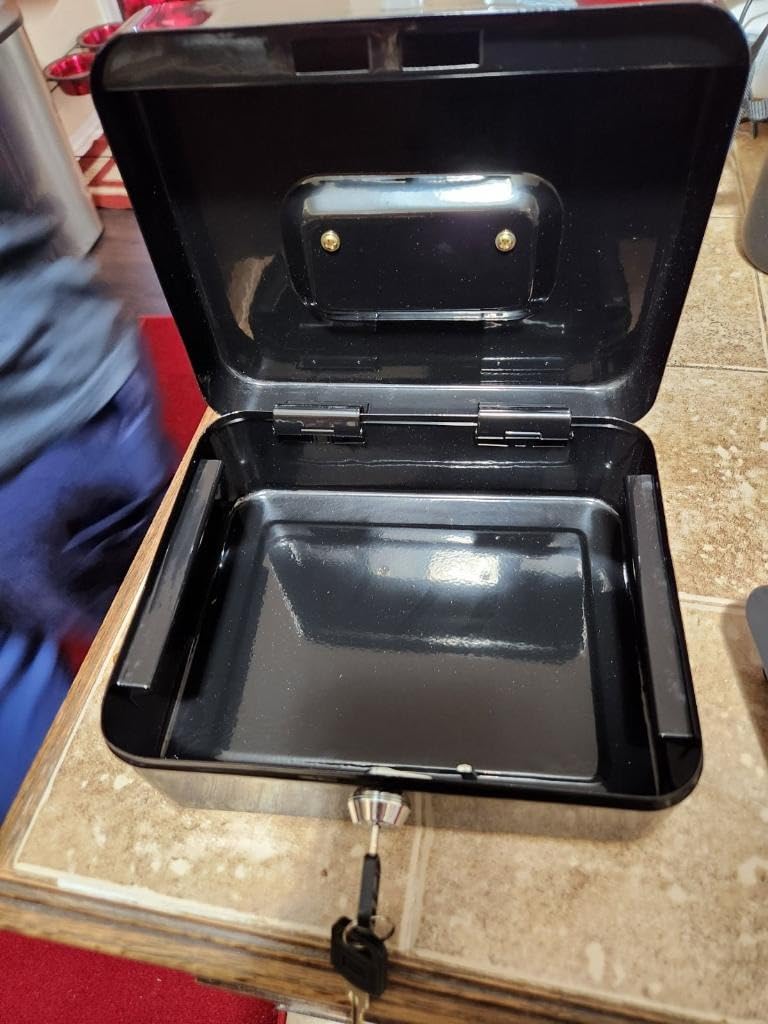
The serious caveats come from a small number of detailed reviews, and they deserve your attention. Owners report electronic circuit failures on units within months, with a manufacturer that did not follow through on a replacement. One reviewer documented metal roughly cardboard-thick around the mounting holes and called the fire and water ratings into question as a result.
The user manual is a single sheet that does not identify the maker or claim fire or water protection, and no UL or ETL certification is cited for either rating. That is a different evidence standard from the Intertek-tested picks earlier in this list, and it is the single biggest reason this safe ranks tenth rather than first.
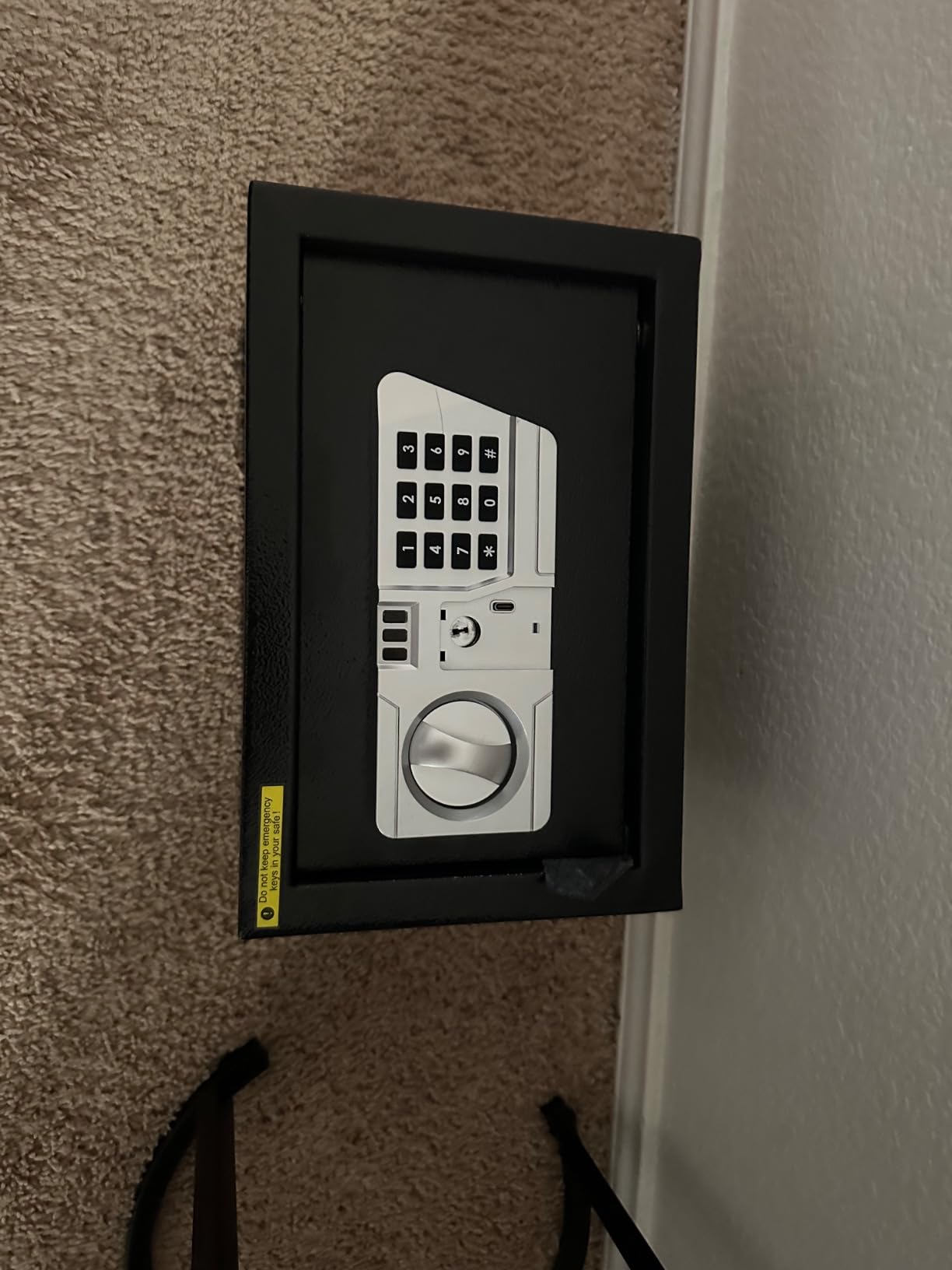
The listing is also internally inconsistent about weight — the specifications list 65 pounds while the title states 124 pounds — which is a small signal but a telling one. At 211 reviews and 4.2 stars this has the highest share of five-star ratings in the group alongside meaningful critical feedback, which is what a young product with a passionate but small owner base looks like.
If biometrics matter to you more than certification depth, the access experience is genuinely better than anything else here. If you are buying for flood protection specifically, choose a safe whose water rating has a third-party mark on it.
Where to Put a Waterproof Safe in a Flood Zone
Placement decides whether any of these products do their job. A certified safe sitting on a basement floor in Zone AE protects nothing, and the forum consensus in flood-affected communities is blunt about this: the basement is the default location people pick and the worst one available.
1. Start from your base flood elevation. FEMA flood maps assign each parcel a base flood elevation — the expected height of the 1 percent annual chance flood measured from a specific datum. Find your address on the FEMA Map Service Center, note the zone and the BFE, and treat that number as your floor line. Zone AE means base flood elevations are not determined, so assume water can reach your first floor. Zone X-500 means the mapped 500-year flood height is a metre or more above the ground.
2. Mount above the base flood elevation, not at it. Add a margin. Water arriving at your door does not stop at the mapped elevation; it arrives with a head of pressure from the street and the yard, and a sump pump can push water back through a foundation that looked dry. An upper-floor closet on a second or third level is the location most flood survivors describe wishing they had used.
3. Never use the basement. Even in a home that has never flooded, the lowest finished floor is the first place water goes. Reviewers who went through a flood describe discovering this only after the water reached the lowest point. If you have a basement, the safe belongs upstairs.
4. Avoid spots that get swept away or soaked. Do not put a portable chest behind a water heater, washing machine or dishwasher, where supply-line failures put standing water on the floor first and where a moving appliance can carry it away. Nor behind a door that opens inward from the outside of the house, because that door may be forced in a rescue.
5. Anchor if theft is in scope, and check the warranty first. Anchoring solves buoyancy and theft in one step, and a 20-pound portable chest is the case where it is essential. But one verified buyer of a SentrySafe reported that bolting down voided the water portion of the warranty. That is a single customer account, not a confirmed policy, so read your own warranty document or call the manufacturer before you drill holes.
6. Keep a grab-and-go duplicate. Prepping communities make a consistent argument that in a flood zone a pre-packed document bag beats a fixed safe, because the safe may be unreachable at evacuation time. The layering model is the sensible compromise: originals in a folder, inside a fireproof and waterproof bag, inside a chest high in the house, plus a second copy you keep with a relative or in a bank safe deposit box. Our [fireproof document bag guide](/best-fireproof-document-bags-for-home-safes/) covers the middle layer in detail.
How to Choose a Waterproof Home Safe
Read the water rating as depth plus duration
The single most useful habit is translating the certification language into plain numbers. “24 hours in 8 inches of water” is a shallow-water test. “72 hours submerged” or “100-hour waterproof seal verified at 39 inches underwater” are full-immersion and depth tests. The rating only means something when both numbers are stated, and only helps you when the depth exceeds the water you actually face.
Look for a third-party mark. ETL Water Immersion verification through Intertek is the most widely recognised water certification in this category, and UL listings cover most fire and burglary ratings. Marketing language with no lab named is a claim, not a test — the 3.4 cubic foot pick in this roundup is a good example of the difference, and the pattern repeats across large-capacity safes from lesser-known brands.
Also ask whether the rating is from a lab or from the manufacturer. When you are weighing two products with identical wording, the one that names Intertek has told you something the other one has not.
Understand the fire rating tiers
Fire ratings and water ratings are independent, and most buyers overpay for fire protection they do not need while under-buying for water. UL Class 350 tiers run from half an hour at 1550F through one hour at 1700F, two hours at 1850F and four hours at 2000F. The threshold that matters is about 350F internally: paper chars around 387F and ignites around 421F.
For documents, a 30-minute rating is genuinely useful because most house fires burn below the temperature at which paper is destroyed, and a fire hose or sprinkler puts far more water on your papers than a flood does. A 60-minute rating is sensible if you also store jewellery or a firearm. Higher tiers matter for digital media and for safes holding things you would have to replace.
“Fireproof” is technically a misnomer — “fire-resistant” is the accurate term, since no safe keeps out heat indefinitely.
Match capacity and weight to the job
Decide what you are storing before you pick a size. Documents need volume but not weight; a firearm safe needs anchoring and a substantial body. Small chests under a cubic foot suit deeds, passports and cash. Anything above three cubic feet is for whole-household or business records.
Weight is the honest proxy for theft resistance and the honest penalty for flood preparedness, because a 136-pound safe is not moving to a higher floor at short notice. Pick the heaviest unit you can still get up the stairs in ninety seconds, or plan where two people are available.
Choose a lock that fails open
Electronic keypads are convenient and they fail when batteries die unnoticed. The mitigations are cheap: a visible low-battery indicator, a backup key override, or an external battery box. The SentrySafe SFW123CU’s mechanical dial avoids the question entirely, which is why owners of long-term document safes prefer it.
Keep your override method in the same room as the safe but not inside it. That is exactly the piece of practical advice that gets missed, and it is the difference between opening your safe during a claim and standing in wet rubble looking for a key.
Plan for bolt-down hardware and maintenance
Check whether the unit has pre-drilled anchor holes on the back and bottom. Several models here include expansion screws, which makes anchoring straightforward; the SentrySafe SFW123CU has no factory points and needs drilling. In a flood zone, a heavy safe that cannot be anchored is a floating object with your documents inside.
Maintenance is minimal but not zero. Air out sealed chests periodically as the Honeywell manual instructs, replace the desiccant pack after any water exposure, and check that the door gasket is seated. These are five-minute tasks, and skipping them is how a rated safe quietly becomes a damp one.
If you are still deciding between a fireproof and waterproof safe for general valuables rather than flood documents, our [home safes for valuables guide](/best-home-safes-for-valuables/) covers the theft side in more depth, and the [wall safe roundup](/best-wall-safes-for-home-security/) is worth reading specifically for the note that wall safes are among the least protective options in a flood.
What to Store in a Flood-Zone Safe
Order your contents by recovery priority, because the first two items on this list are the ones an insurance adjuster will ask for and the ones that are hardest to replace.
First tier, replace only with a county recorder: deeds, titles, property records, mortgage paperwork, your insurance policy and any flood policy rider, your deed of trust.
Second tier, replaceable but painful: will, power of attorney, health care proxy, birth certificates, marriage and divorce decrees, passports and Social Security cards for the household.
Third tier, convenience: emergency cash in small denominations, a medication list and prescriber contacts, spare prescription details, spare keys for vehicles, USB drives holding offline backups of critical files.
Fourth tier, keepsakes: jewellery, watches, heirlooms, small electronics. These are the items people buy a safe for, and in a flood zone they are the least recoverable by paperwork and the most replaceable by insurance.
Before an evacuation order, pull the first two tiers out of the safe and put them in a waterproof bag in your vehicle or your grab-and-go kit. Prepper communities converge on this advice consistently: originals in a folder, inside a waterproof bag, inside a fire-resistant box, inside a fire-resistant safe stored high in the house — and a separate encrypted cloud copy of anything digital. Layering beats any single product.
Keep an off-site copy as well. A bank safe deposit box handles deeds and passports that never need to be in the house at all, and a relative’s house handles the things you want access to within an hour. If you also store firearms, our [gun safe roundup](/best-gun-safes/) covers locking standards that matter in a coastal home.
Frequently Asked Questions
What is the best fireproof and waterproof safe for home?
For most flood-zone households the Amazon Basics 2420E is the strongest all-round pick: 2.13 cubic feet of alloy steel with Intertek-tested protection for 24 hours in water up to 8 inches deep, a 60-minute fire test to 1700F, six live-locking bolts and included bolt-down hardware. For documents only, the SentrySafe HD4100 holds hanging file folders and carries UL and ETL marks. For deep or full-immersion water, the Honeywell 1103 is verified to 39 inches.
Are Sentry safes considered good?
Yes. SentrySafe is one of the most established names in home safes, and the models here hold up in owner reviews. The HD4100 averages 4.5 stars across more than 15k reviews for document storage, and the SFW123CU combines a one-hour UL fire rating with ETL 24-hour water protection and a mechanical dial that needs no batteries. The common complaints are weight, tight document fit and, on the dial model, occasional mechanism failure after several years.
Is my Sentry Safe waterproof?
It depends on the model, because SentrySafe builds a wide range. The HD4100 is ETL Verified for water protection, the CHW20221 is ETL Verified for 72 hours of submersion, and the SFW123CU is ETL Verified for 24 hours in water up to 8 inches deep. Not every model carries a water rating at all. Check the specific model number on the ETL or UL listing rather than assuming from the brand.
Where is the safest place to put a safe in a house?
In a flood zone, above the base flood elevation line and never in the basement. Mount it on an upper floor or in a high closet with clearance above the mapped flood height, and avoid spots behind water heaters, washing machines and dishwashers where supply lines fail first. Anchor a heavy safe to studs so it cannot shift or float, and check whether anchoring affects your warranty before you drill.
How do I know if a safe is really waterproof?
Look for a named third-party mark and read both numbers. ETL Water Immersion verification through Intertek is the most recognised water certification in this category, and the rating should state a depth and a duration, such as 24 hours in 8 inches of water, 72 hours submerged, or 100 hours at 39 inches. Independent hands-on testing matters too, because some safes carrying water ratings have not matched them in submerged testing.
What should I store in a safe before a flood?
Order by recovery priority. First: deeds, titles, mortgage and insurance paperwork including any flood rider, which an adjuster will ask for and only a county recorder can replace. Second: will, power of attorney, health care proxy, birth certificates, passports and Social Security cards. Third: emergency cash in small notes, a medication list and offline backups on USB. Pull the first two tiers into a waterproof bag before an evacuation order rather than relying on reaching the safe.
Best Waterproof Home Safes for Flood Zones in 2026: The Verdict
The Amazon Basics 2420E takes our editor’s choice as the best waterproof home safe for a flood zone, because it is the rare product where the fire and water claims both come from Intertek testing and the 48k+ reviews behind it describe the same experience people will have in their own house.
Match it to your water depth rather than your shopping list. Documents in a closet on a raised slab, the SentrySafe HD4100. A grab-and-go chest you can carry up stairs in a hurry, the SentrySafe CHW20221. Water that actually gets deep, the Honeywell 1103 verified to 39 inches. Theft alongside flooding, the SentrySafe SFW123CU with its battery-free dial.
And install all of them above your base flood elevation, not in the basement. A certified rating is wasted on a box sitting in the water, which is why placement is the part worth getting right before you pick a brand.