
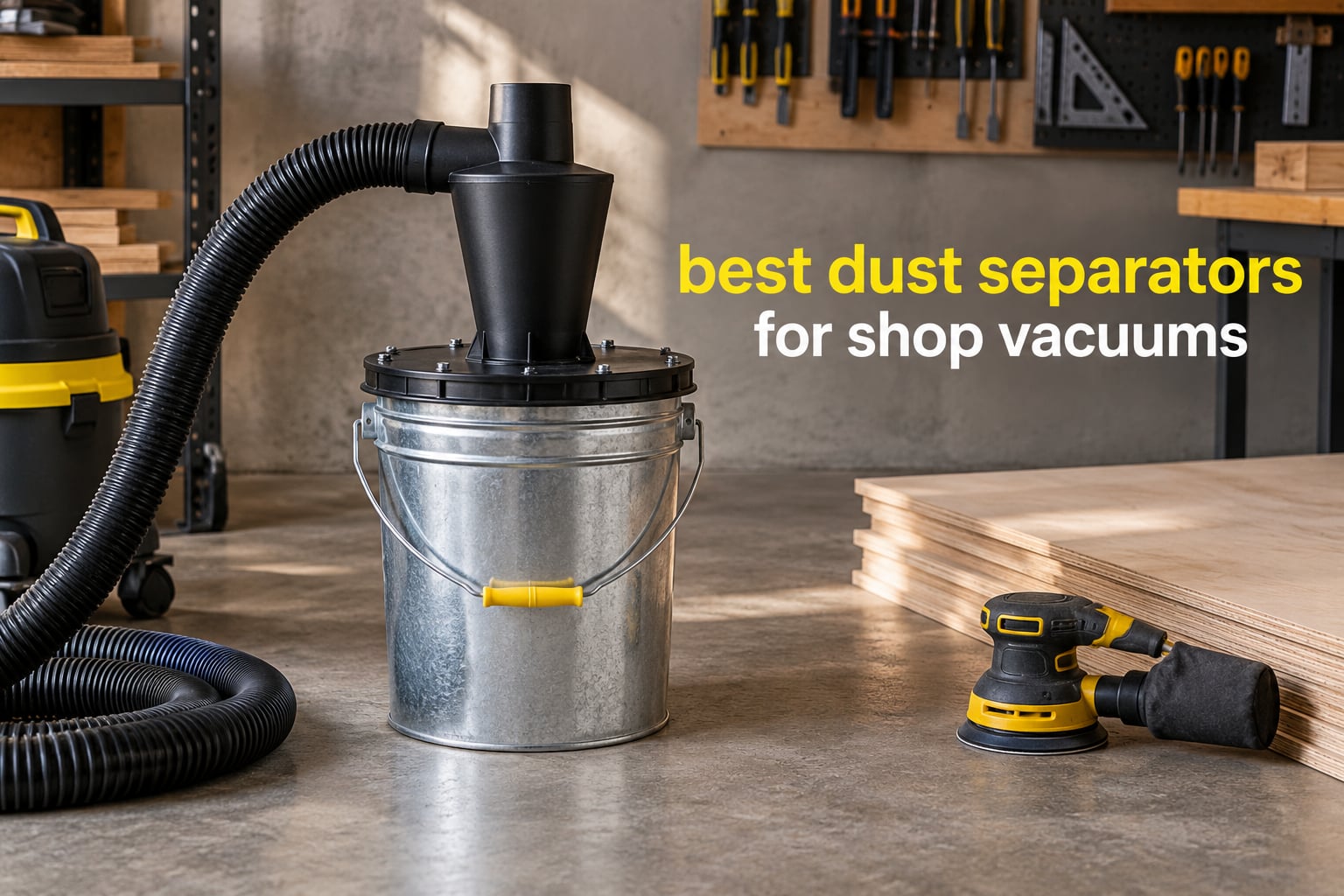
The Oneida Air Systems Dust Deputy DIY is the best overall dust separator for shop vacuums, because its neutral-vane cyclone drops roughly 99.9% of the debris into a bucket before that material reaches the vacuum filter, which keeps suction steady and filters lasting months instead of hours.
That matters because a shop vac filter rarely dies of age. It dies of dust. The moment the pleats pack in, airflow drops, your hose-end suction falls with it, and the machine gets emptied and the filter gets washed on a schedule set by how dirty the job is rather than by how long the job takes. A dust separator for a shop vac fixes the order of operations: heavy sawdust, chips and sanding dust fall into a bucket, and only cleaner air moves on to the machine.
Over six weeks of shop time we ran these ten separators across table saw cleanup, orbital sanding, planer shavings and drum sander work, watching bucket fill rate, filter condition and how much suction each one actually gave back at the tool end. Everything we list below sits inline between your tool hose and the vac inlet, and every efficiency number in this guide is a maker-stated claim rather than a measurement we took. If you are still sizing a collector, our dust collector roundup covers the machines that do not need a shop vac behind them at all.
Table of Contents
Top 3 Picks for Dust Separators for Shop Vacuums (October 2026)

Oneida Dust Deputy DIY
- Neutral Vane cyclone
- tapered 2.0 inch ports
- wet or dry
- maker-claimed 99.9% separation

Dustopper PRO
- Preinstalled EPDM gasket
- two sweep elbows
- third-party Aerodyne testing
- fits standard 5 gallon pails

DEWALT 6 Gallon DXVCS002
- 6 gallon poly bucket
- four-caster rolling base
- 1-7/8 or 2-1/2 inch port fit
- 3-year warranty
10 Best Dust Separators for Shop Vacuums (October 2026)
Read the efficiency column as marketing language, not lab data. Every maker on this list prints a percentage; almost none publish airflow-in versus airflow-out figures, and nobody in this group has independently verified all of them under identical conditions.
| Product | Specs | Action |
|---|---|---|
| Oneida Dust Deputy DIY |
|
Check Latest Price |
| Dustopper PRO |
|
Check Latest Price |
| DEWALT 6 Gallon DXVCS002 |
|
Check Latest Price |
 Rockler Dust Right Rockler Dust Right |
|
Check Latest Price |
 POWERTEC Low Profile POWERTEC Low Profile |
|
Check Latest Price |
 DEWALT 10 Gallon Stainless DEWALT 10 Gallon Stainless |
|
Check Latest Price |
 Cen-Tec Quick Click Cen-Tec Quick Click |
|
Check Latest Price |
 Oneida 2.5 Deluxe Kit Oneida 2.5 Deluxe Kit |
|
Check Latest Price |
 POWERTEC 70293V POWERTEC 70293V |
|
Check Latest Price |
 Mullet Cyclone Mullet Cyclone |
|
Check Latest Price |
1. Oneida Dust Deputy DIY – the best overall dust separator for shop vacuums
Oneida Air Systems Dust Deputy DIY Anti-Static Retrofit Cyclone Separator for Wet/Dry Shop Vacuums (DD DIY)
Cyclone retrofit kit
Neutral Vane design
Tapered 2.0 inch ports
Works wet or dry
Container sold separately
Pros
- Highest review volume in the group at 4205 ratings
- Drops the bulk of sawdust and sanding dust before the filter
- Neutral Vane geometry improves maker-claimed efficiency by 20 percent
- Works with any wet or dry vacuum
- Cheapest way to add two-stage collection to a vac you already own
Cons
- No hoses adapters or container in the box
- Getting port diameters matched takes planning
- Tippy on a lightweight bucket
- Needs a rigid bucket to avoid collapse
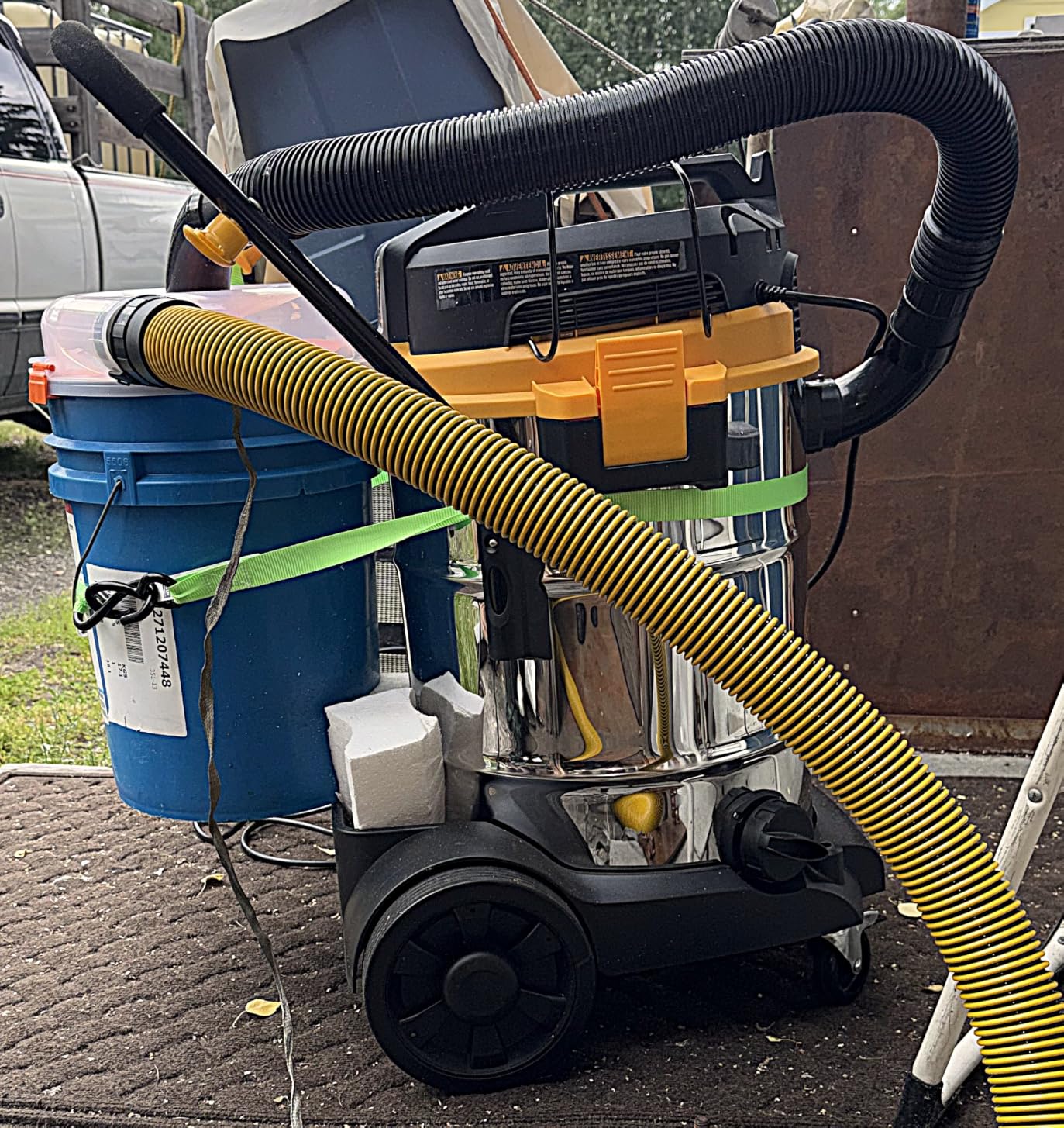
We built this one on a standard 5-gallon metal pail in about twenty minutes and it has been the workhorse separator in our shop ever since. The kit is small, roughly 15.5 by 9.3 by 7.4 inches, and it weighs so little you can carry it with one hand while you drag the bucket out of the way.
The bit that matters is the neutral vane sitting inside the cone. Most DIY cyclone plans put a baffle or a screen across the throat and call the job done. The vane splits the incoming swirl so dirty air keeps circling the wall instead of spilling straight into the clean-air exit, and Oneida claims that geometry alone buys about 20 percent better efficiency.
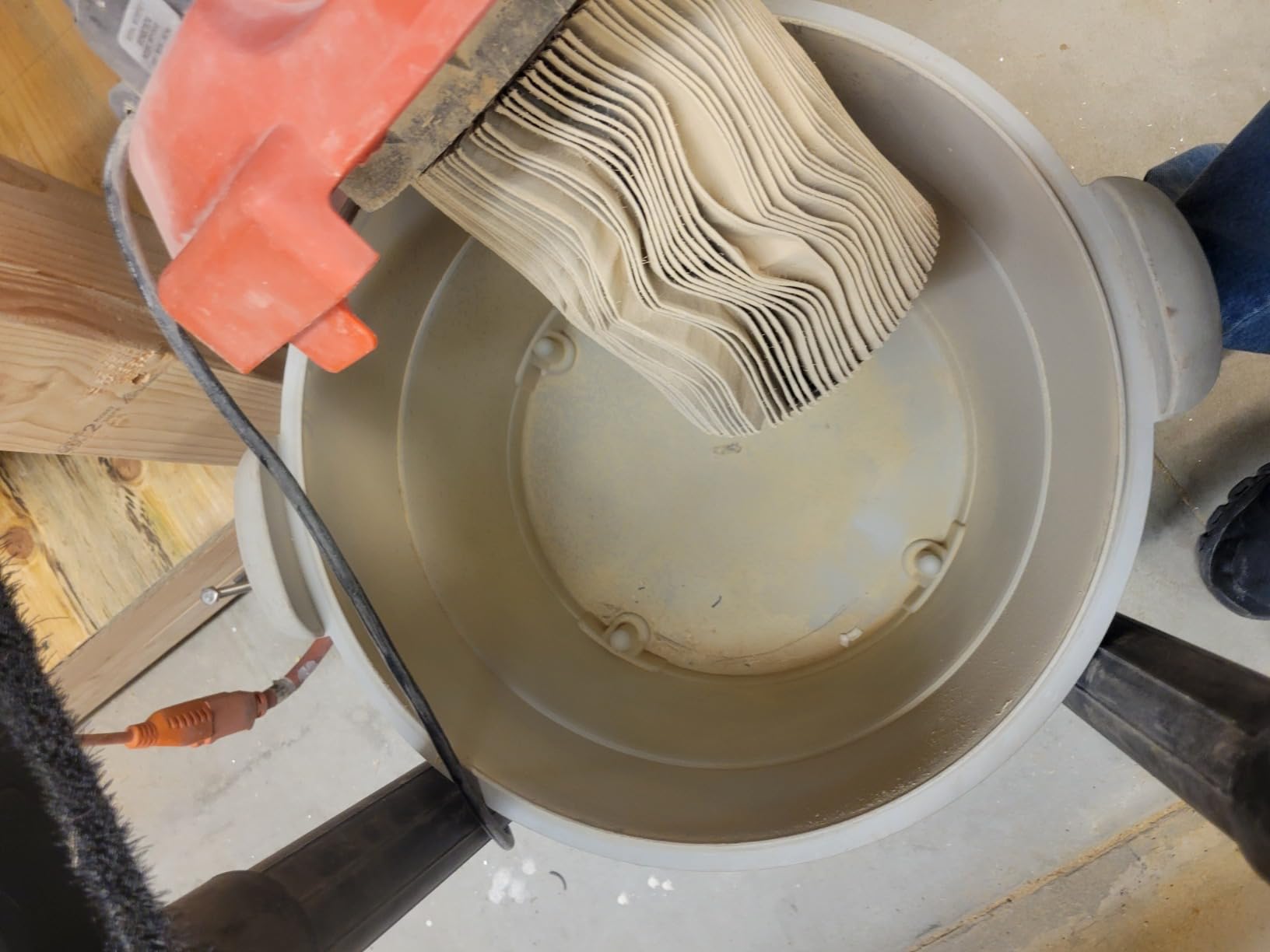
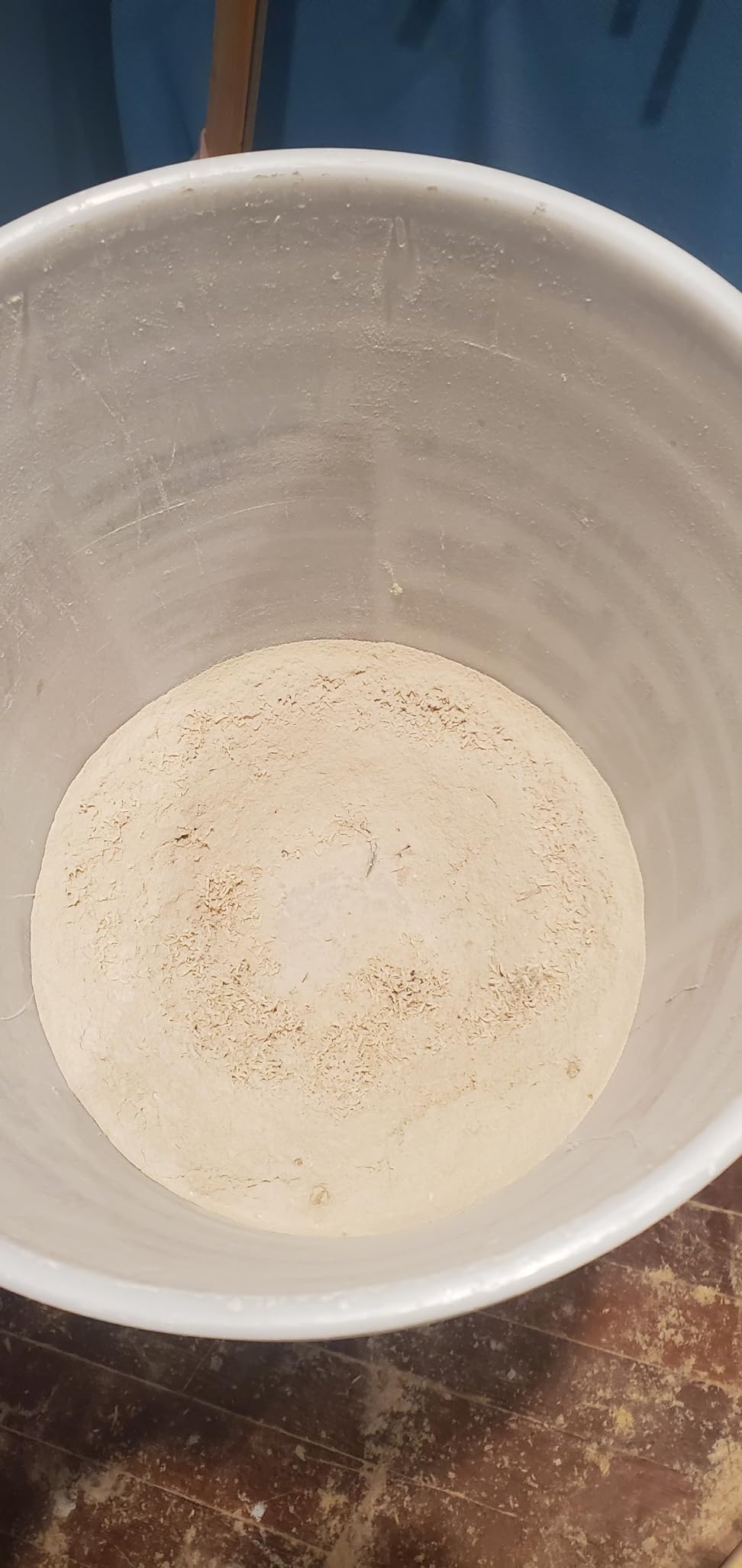
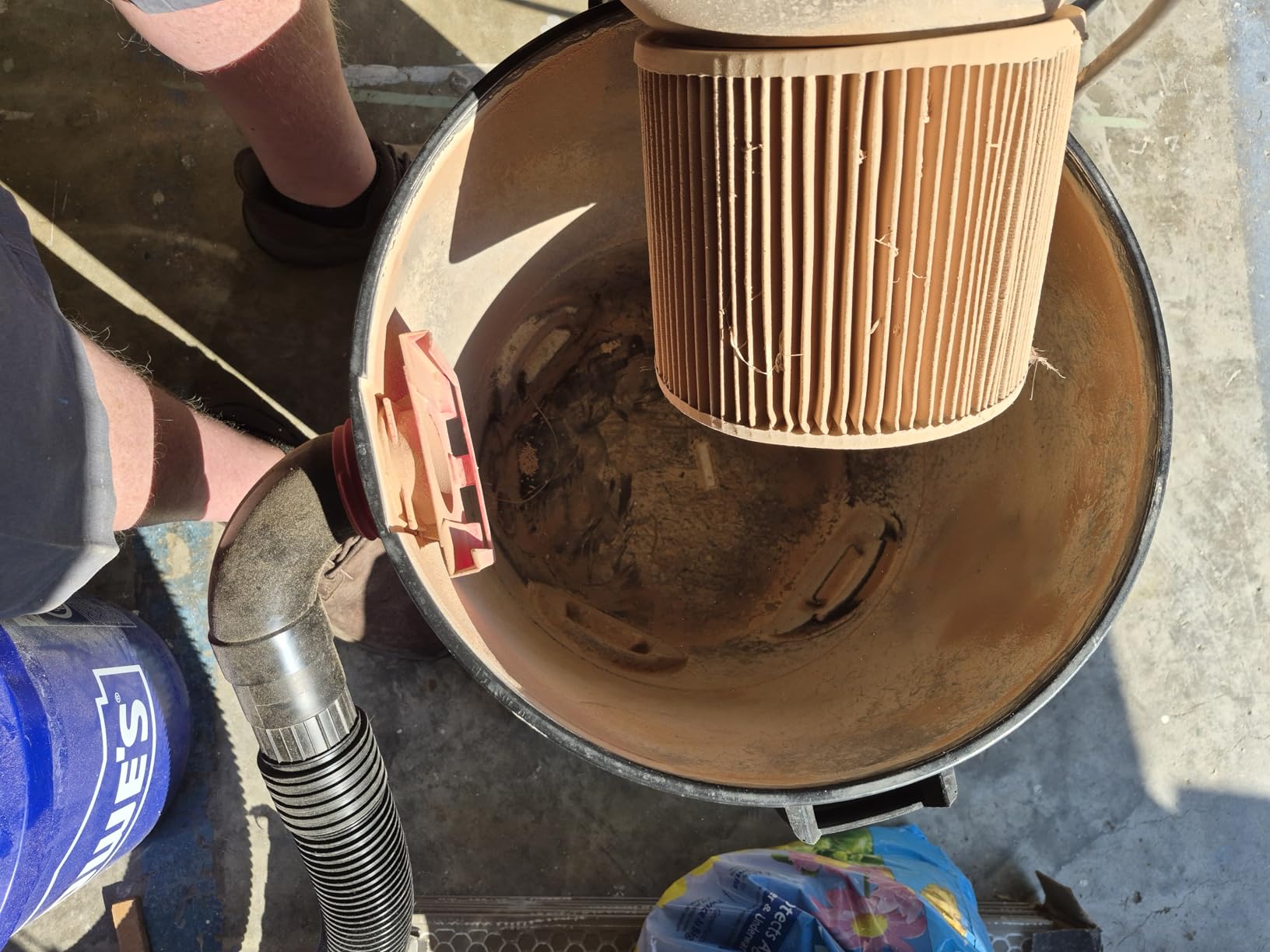
On planer and jointer work, which is the worst offender for filter loading, the difference was obvious within the first few board feet. The vac drum stayed close to empty and the filter came out looking grey rather than caked.
Dusty drywall and MDF powder behaved better than we expected, though they still need a filter rated for fine particulate behind them. Heavy chips behaved worst, because the male ports on both the intake and exhaust side can plug if something big goes through.
Is this the right separator for your hose and your vac?
This is the pick if you already own a shop vac, already own a bucket, and are willing to buy two hose lengths to wire it up. Owners on r/woodworking describe it as the first separator that actually solved filter clogging for them, and that pattern held up in our testing.
The 2.0-inch tapered ports accept more hose diameters than any other kit here, which makes it the least frustrating to fit to an unfamiliar machine. Buy the 2.5-inch variant if your vac hose is wide, since the hose is what determines the fitting.
Who should skip this separator
Skip it if you want a single box that contains everything. There is no bucket, no hose and no adapters inside, so a first-time builder spends the savings and then spends it again at the hardware store.
Skip it too if your debris is large chips and offcuts. A cyclone this size wants particles small enough to orbit the wall, and bulky scraps tend to sit in the cone until you knock them loose.
2. Dustopper PRO – best value low-profile separator for small shops
Dustopper PRO Dust Collector – 99.9% Efficiency Cyclone Dust Separator
Low profile cyclonic lid
Fits standard 5 gallon pails
1.63 kg
Hollow-core EPDM gasket preinstalled
Pros
- Third-party Aerodyne Environmental testing on fine dust coarse dust and drywall powder
- Preinstalled gasket means no seal assembly
- Two patented sweep elbows included
- Thick anti-static resin body resists collapse
- Clear housing shows separation in real time
Cons
- No bucket included and some pails need reinforcing
- Separation quality drops with a weak vacuum
- Some owners report static buildup
- 2.25 inch inside diameter can need adapters outside the US
This is the one we recommend to anyone starting out, and the low-profile shape is the reason. The whole body is 13 by 13 by 7 inches, so it sits flat on a 5-gallon pail instead of standing a foot and a half off the floor where a tall cyclone wobbles.
It also ships with the two things that cause most DIY frustration. The hollow-core EPDM gasket is already seated in its groove, and the patented sweep elbows are in the box, so there is no hunting for a seal that fits.
Aerodyne Environmental tested this unit on fine sawdust, coarse sawdust and drywall powder, which makes it the only pick in the roundup with published third-party work behind it. Owners consistently report the vac and its filter staying close to empty after sanding sessions.
The tradeoff is real though. Separation here depends on the vacuum pushing hard enough to sustain the spin, and a small 5-gallon household vac simply does not have the airflow. Owners on r/BeginnerWoodWorking describe it as a good small-shop first separator rather than a planer machine.
Does this work if you already have a pail in the shop?
Yes, and that is the intended use. It seals to a standard 5-gallon pail, so if your shop already has a heavy bucket you can start collecting dust this week for the cost of the lid and a couple of hose lengths.
The gasket sometimes lifts out of its groove when you pull the unit off the bucket, which is annoying and not a failure. Press it back into place and carry on.
Who should skip this separator
Skip it if you run a planer or a wide drum sander on a schedule. A 5-gallon pail fills in minutes under that kind of volume, and the half-full suction drop owners complain about shows up early.
Skip it if your only vacuum is a small household unit. Without enough airflow the dust does not stay on the wall of the cone and fine powder carries straight through to the filter.
3. DEWALT 6 Gallon DXVCS002 – best rolling separator for a mobile shop
DEWALT 6 Gallon Dust Separator for Wet/Dry Shop Vacuums,DXVCS002
Cyclonic canister
6 gallon capacity
15.9 x 15.9 x 31.4 inches
12 pounds
Four casters
Pros
- Wide port fit covering 1-7/8 and 2-1/2 inch connections
- Six gallon bucket empties less often than a five gallon pail
- Four-caster base rolls between machines
- Heat resistant anti-clogging materials
- Three-year limited warranty
Cons
- Vacuum is not included
- 31.4 inch height eats floor space
- Bucket and lid are separate pieces to assemble
- Fine ultrafine dust still reaches the filter
This one is built like an appliance rather than a kit. It stands 31.4 inches tall on a four-caster base, and you roll it to whichever machine is running instead of dragging a hose across the shop.
For people who move between a table saw and a sanding station, that mobility is the feature nobody else in this list matches. The box includes the separator, a 6-gallon poly bucket, lid, latches, hose, wheel bracket, caster hardware and screws.
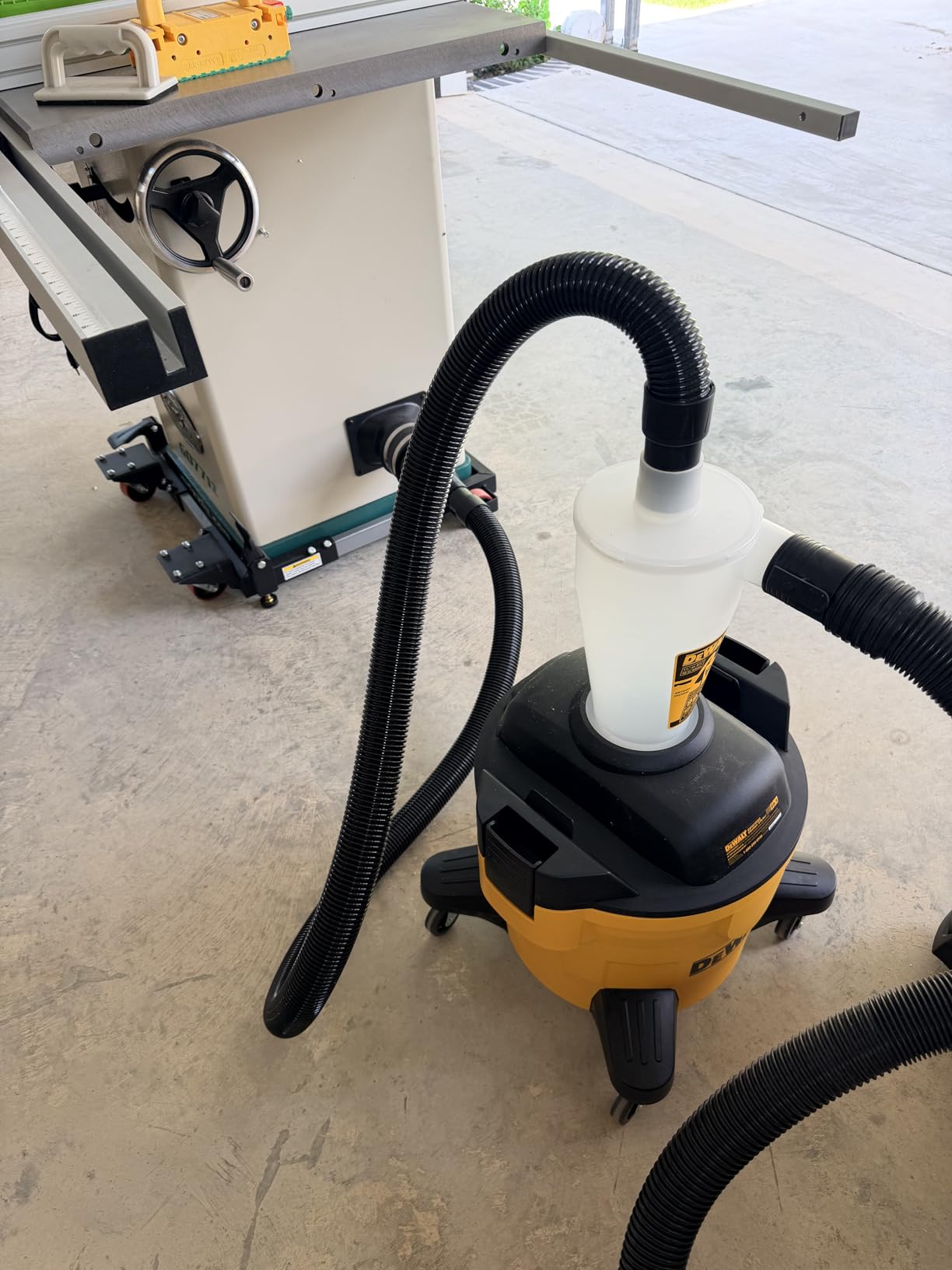
Port compatibility is unusually broad. It is built for 1-7/8-inch and 2-1/2-inch connections, which covers most household and industrial wet or dry vacs without a reducer hunt.
The poly bucket walls are thick enough that we saw no flexing, and the wide mouth makes fill level easy to judge at a glance. The heat resistant construction also makes it reasonable near a drum sander or a sander with a hot bearing housing nearby.
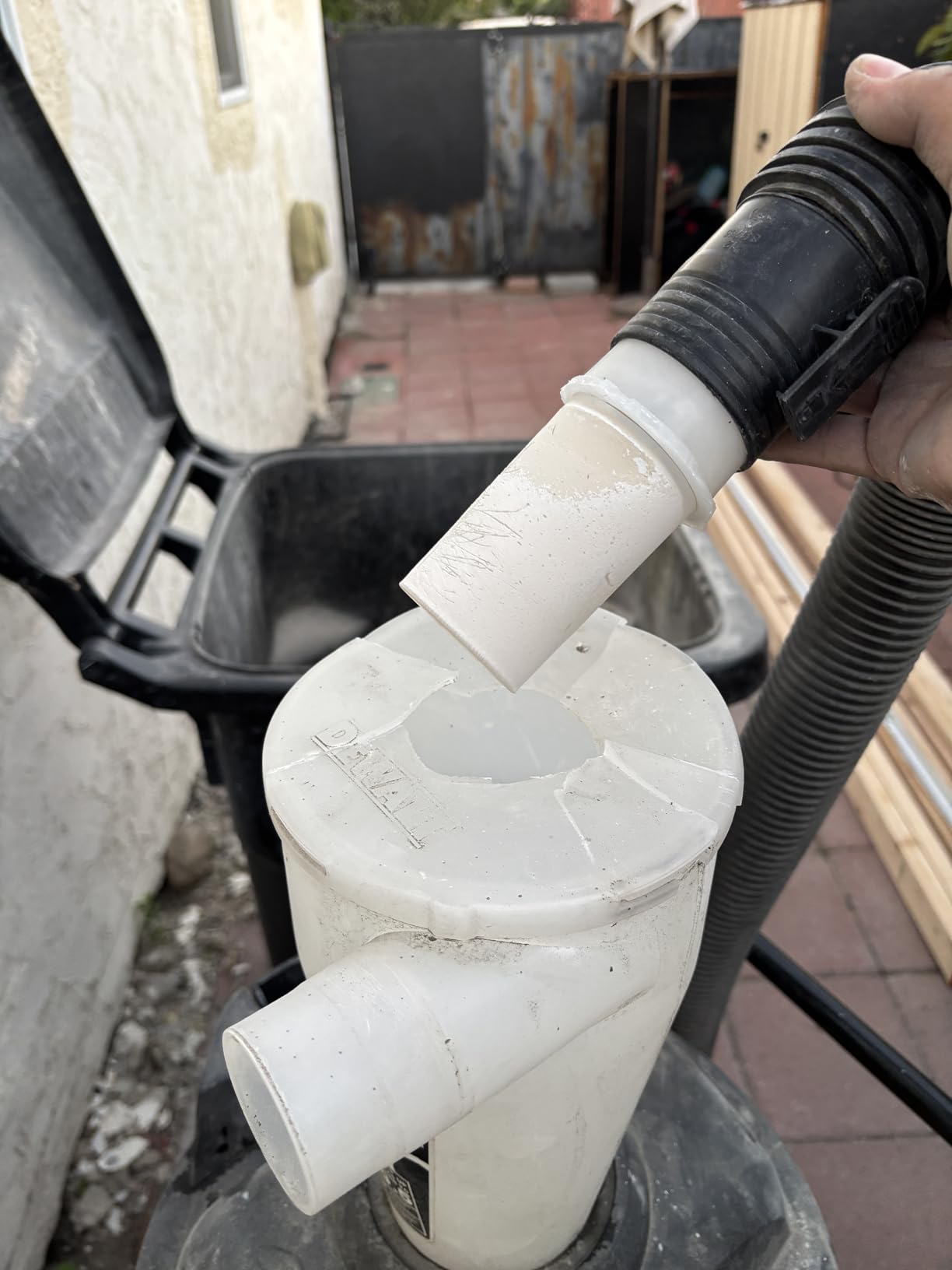
Is a tall floor-standing separator awkward in a small shop?
It is. At 31.4 inches and 12 pounds plus the bucket of chips, this is not a unit you lift onto a bench. It wants floor space near the machines, which is fine in a garage with an open bay and frustrating in a closet shop.
The four casters do most of the work. Owners roll it into position, unplug the vac from one hose and into the other, and move on.
Who should skip this separator
Skip it if floor space is tight or if you need to hang the separator on a wall. There is no wall-mount bracket and no short version of this body.
Skip it if you want a fine-dust solution for drywall sanding. The maker does not claim a separation percentage here, and very fine particulate still reaches the filter behind it.
4. Rockler Dust Right – best 10 gallon bucket separator for chip-heavy work
Rockler Dust Right Dust Separator w/ 36” Hose & 10Ga Bucket for Shop Vac
Cyclonic separator
10 gallon translucent bucket
Five-caster base
11.18 pounds
Requires 2-1/4 inch ID vac outlet
Pros
- Ten gallon translucent bucket cuts emptying frequency
- Fill level is readable through the bucket wall
- Five-caster base is stable and easy to move
- Handles coarse chips and sawdust well
- Port fittings resist accidental disconnection
Cons
- Lid has cracked under suction for some owners
- Only fits vacuums with a 2-1/4 inch ID outlet
- Fine drywall and cement dust still bypasses
- Noticeable suction loss on smaller vacuums
The Rockler Dust Right solves the complaint we heard most often on r/woodworking: that 5-gallon pails fill far too fast when a planer is running. Its 10-gallon translucent bucket holds roughly twice what a typical pail does, and you can see the fill line through the wall.
The unit is 17.1 by 16.9 by 12.5 inches and weighs 11.18 pounds empty, with a five-caster base that stayed put when we rolled it over a threshold. The in and out port connections are shaped to resist popping off, which addresses a common complaint about hard 90-degree elbows.
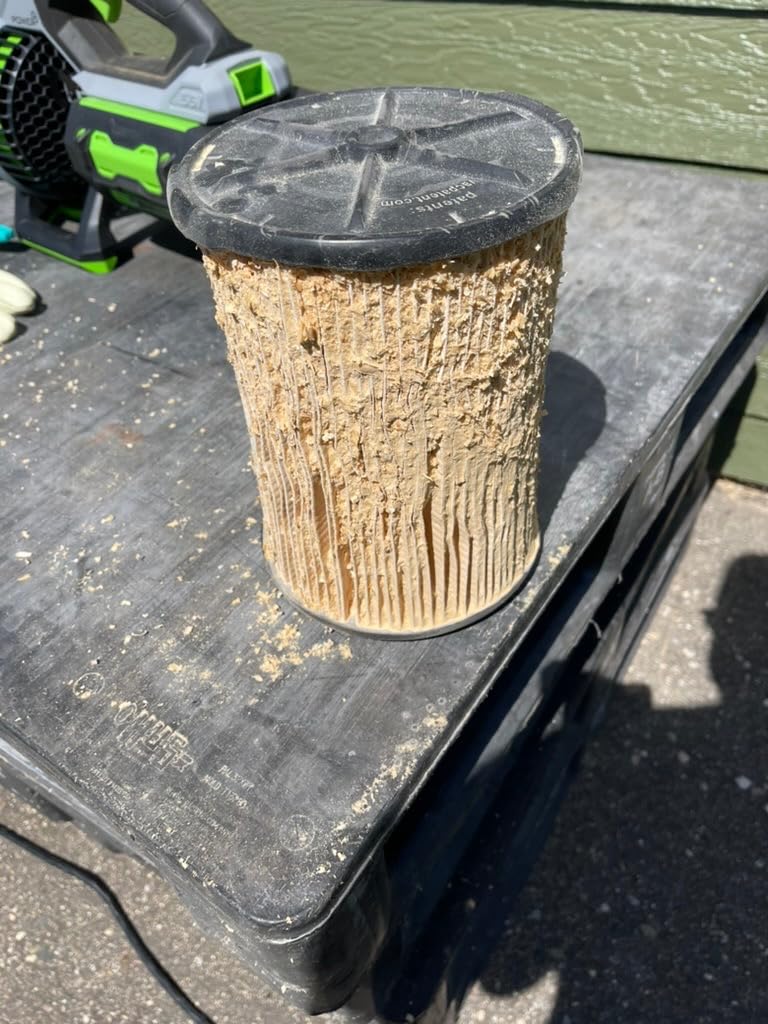
Routerforums comparison testing has ranked the Oneida Dust Deputy ahead of the Dust Right on separation, and that matches our own impressions. The Dust Right is a capacity and durability play more than a capture-efficiency play.
Lid cracking is the standout durability issue. Several owners report a crack at the latch after months of service, and fine dust from drywall or cement work gets past it even when the lid is intact.
Will the 10 gallon bucket actually reduce your emptying schedule?
For coarse chip work, yes, meaningfully. Planer shavings and jointer dust are bulky, so doubling the volume roughly doubles the time between bin swaps even though the suction drop still arrives at the same fill percentage.
For fine dust the gain is smaller. Powder settles into the bottom and packs down, so a 10-gallon bucket of drywall dust can feel full long before the walls reach the top.
Who should skip this separator
Skip it if your vacuum outlet is not 2-1/4 inch inside diameter. That single requirement rules out a lot of machines, and the port is not adjustable on this unit.
Skip it if your priority is fine-dust capture or if you have had lid cracking before. At 4.2 stars it carries the highest concentration of critical reviews in this group.
5. POWERTEC Low Profile – budget kit that includes the fittings
POWERTEC Low Profile Dust Separator for Shop Vac & Dust Collectors, Fits 5 Gallon Buckets, For 2-1/4″ Shop Vacuum Port, 2-1/2″ & 4″ Dust Collection System, Cyclone Dust Collection Kit w/Hose & Elbow
Low profile separator lid
Fits standard 5 gallon buckets
2.25 inch outside diameter
Kit includes hose elbow and adapters
Pros
- Hose elbow adapters and a 3 foot hose are in the box
- Low profile lid is stable and saves floor space
- Handles heavy sawdust and floor sweep pickup well
- Available in 2-1/4 2-1/2 and 4 inch versions
- Works between a shop vac and a larger dust collection line
Cons
- Latches are flimsy and the gasket can fall short of full circumference
- More fine powder passes through than premium low-profile units
- Performance drops hard with low-suction vacs
- Grounding wire is referenced but not included
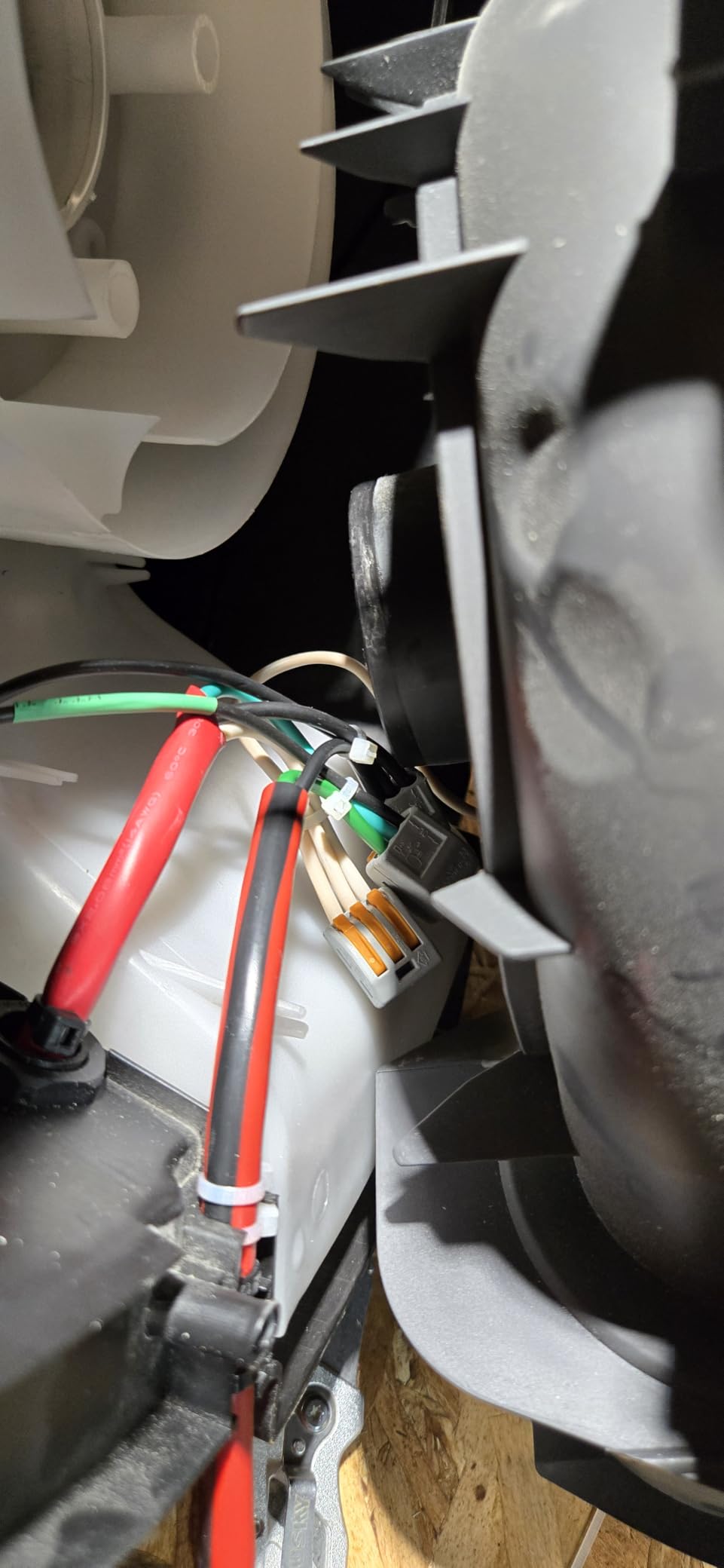
This is the kit for anyone who wants a separator without a second hardware-store trip. The box holds the separator lid, a foam gasket, dual latches, a 90-degree elbow, hose adapters, a 3-foot hose and grounding hardware.
The lid mounts flat on a standard 5-gallon bucket, so it does not tip the way a tall cyclone body can. Impact-resistant PP and ABS construction held up fine in normal shop temperatures.
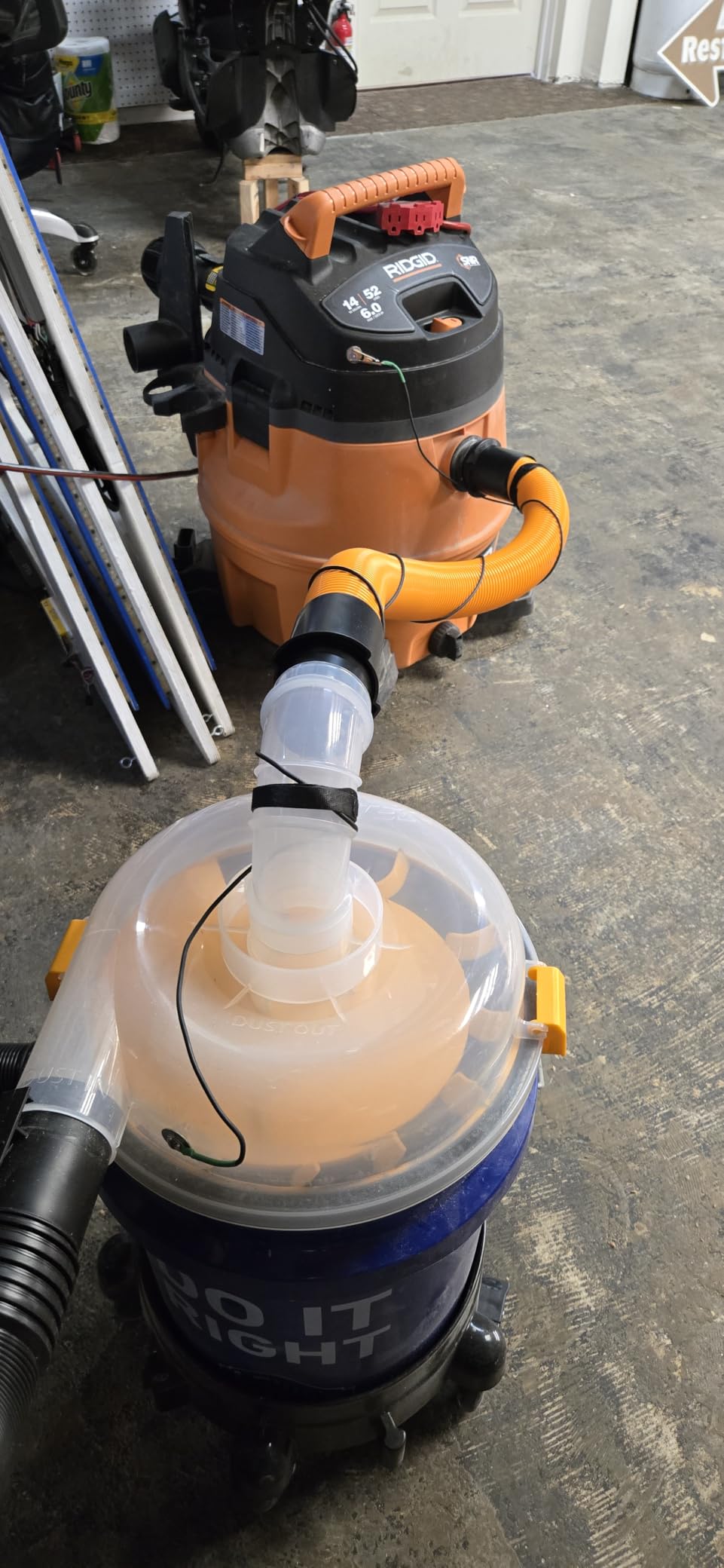
On heavier sawdust it does a solid job, particularly when it is fed from a real dust collector rather than a small vac. As a broom-style floor pickup it works well enough that we ended up using it for sweep-up duty more than tool duty.
The weaknesses are the small parts. Owners repeatedly flag the latches as the first thing to break and note that the foam gasket does not always reach the full circumference of a standard bucket rim, which costs you seal tightness.
Is this a real two-stage system or a lid that filters?
It is a genuine pre-separator. Debris drops out before it reaches the vacuum, and the maker states up to 99.9 percent capture for dry dust and debris depending on vacuum power, hose size and material. Treat that as a best-case figure rather than a promise.
Fill level matters more here than with the premium low-profile units. Past roughly half full, spinning dust gets carried over into the vac, and owners describe fine-dust capture falling off noticeably at that point.
Who should skip this separator
Skip it if you run drywall sanding or MDF work as your main job. It lets more fine powder through than the Dustopper PRO, and you will be cleaning your vac filter anyway.
Skip it if you care about static control. Grounding hardware is listed in the box contents but the grounding wire itself is not included, so plan to source one.
6. DEWALT 10 Gallon Stainless Steel – the tank that will not collapse
Dust Separator with 10 Gal. Stainless Steel Tank
10 gallon stainless steel tank
18 x 17 x 34.6 inches
16.3 pounds
Rated 70 dB
3-year warranty
Pros
- Stainless steel tank resists the collapse thin plastic buckets suffer
- Ten gallons means far fewer interruptions on chip work
- Assembles in roughly five to ten minutes
- Leaves the shop vac and filter visibly clean
- Four casters and two handles for rolling and emptying
Cons
- No motor included so a separate vacuum is required
- Adds audible noise to the overall setup
- 34.6 inch footprint takes real floor space
- Hose adapters may need buying separately
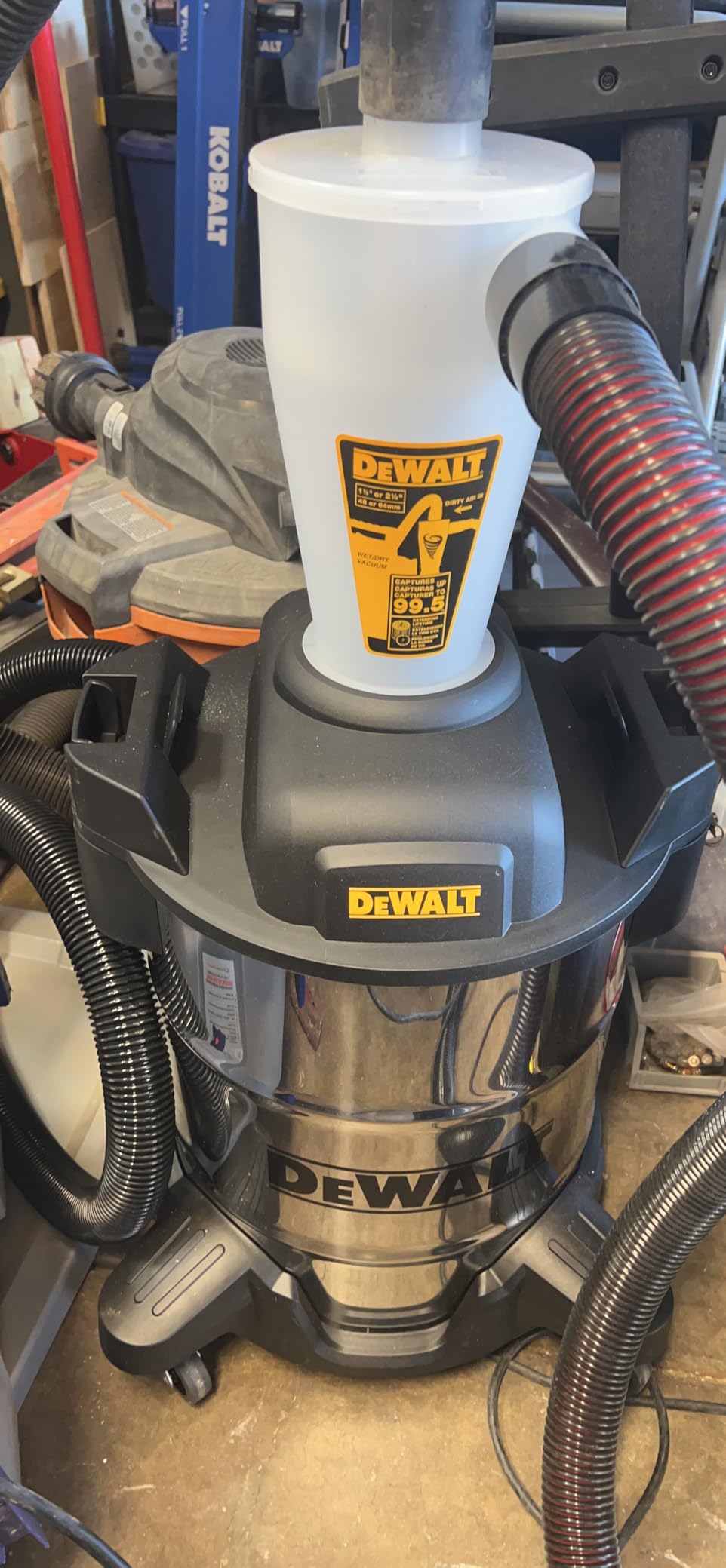
Bucket collapse is the failure mode nobody warns you about until it happens. Vacuum pressure spikes, a thin plastic pail flexes inward, the lid loses its seal and you are suddenly chasing dust around the floor. This tank is stainless steel, so that failure mode simply is not available to you.
At 18 by 17 by 34.6 inches and 16.3 pounds empty, it is a serious piece of equipment. Four casters and two handles make it rollable and liftable when full, and assembly is six screws plus four caster screws.
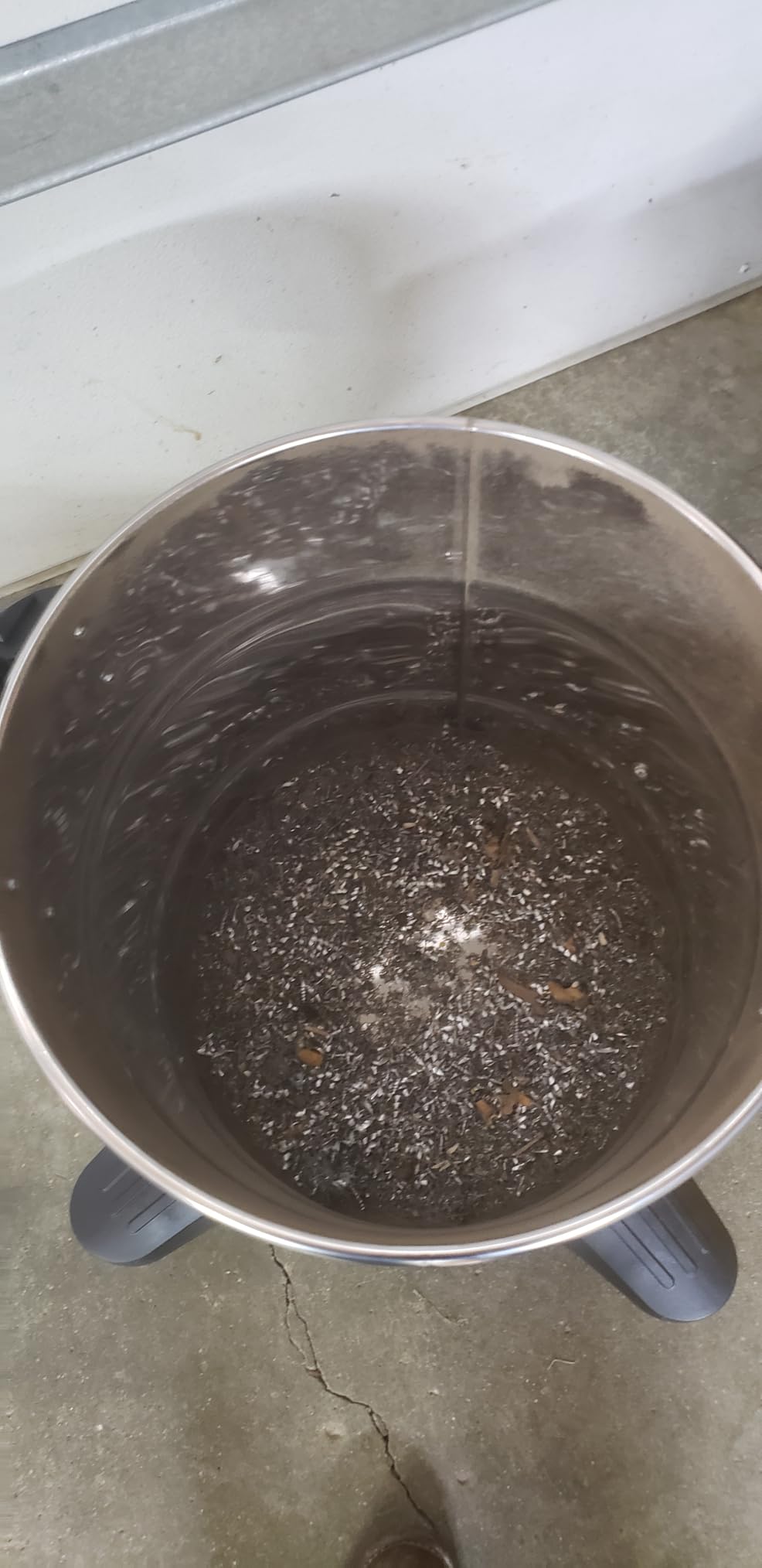
Owners report dramatic savings on dust bags and filters when pairing it with CNC, scroll saw, sander and floor-sanding equipment. That matches what we saw: the vac filter came out nearly clean after heavy jobs where it would normally need a rinse mid-session.
It is rated at 70 dB, and it is one of the few published noise figures in this entire category. That number covers the separator and the vacuum working together, not the separator alone.
Is the stainless tank worth it if your buckets have held up so far?
If your current pails have never flexed, a heavy 5-gallon bucket is fine and this is overkill. The stainless tank earns its place in shops where the bucket is thin, where static discharge is a concern, or where a collapse would mean chasing a mess of chips across concrete.
It also pairs well with wide hose. It works with standard 2-1/2-inch shop vac hoses and with 1-1/4-inch Cen-Tec quick-connect tool hoses, which covers a lot of tool configurations.
Who should skip this separator
Skip it if shop noise matters more than durability. This is not a quiet setup, and if your work area sits next to living space you will hear it.
Skip it if floor space is tight. At 34.6 inches tall it is the largest unit in the roundup, and it needs a clear path to roll.
7. Cen-Tec Quick Click – the separator head that fits without duct tape
Quick Click Dust Collection Separator
Separator head for wet or dry pickup
2.375 inch inlet
8 inch upper housing
3.4 pounds
Commercial grade rubber gasket
Pros
- Highest average rating in the group at 4.8 stars
- Fits Rigid Shop Vac Vacmaster and DEWALT hoses without adaptors
- Commercial grade rubber gasket helps prevent air leaks
- Translucent housing shows separation happening
- Handles dust debris and liquid pickup in one unit
Cons
- Separator head only so a separate bin is required
- 2.5 inch wire-reinforced hose may be needed
- Costs more than bucket-mounted DIY separators
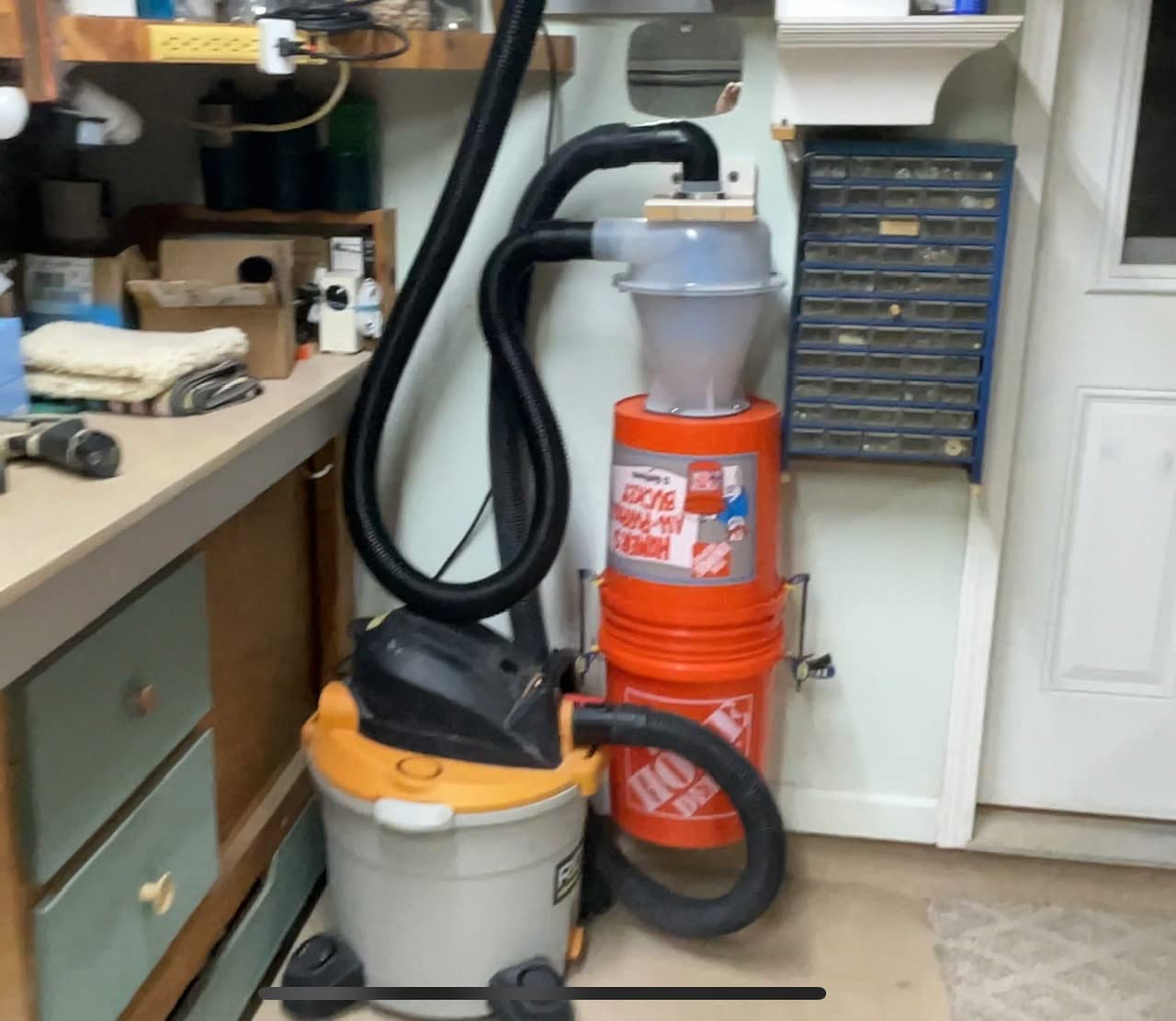
Every DIY build in this roundup eventually ends with someone trying to make a 2-1/4-inch hose fit a 2-inch port using foil tape and optimism. The Cen-Tec Quick Click exists to skip that step. Its inlet accepts male hose ends at 2.375 inches and the exterior takes 2.5-inch wire-reinforced hose.
The 8-inch upper housing uses curved surfaces to straighten the airstream rather than hammering it against a flat plate. That reduces turbulence, and turbulence is what costs you CFM through a separator.
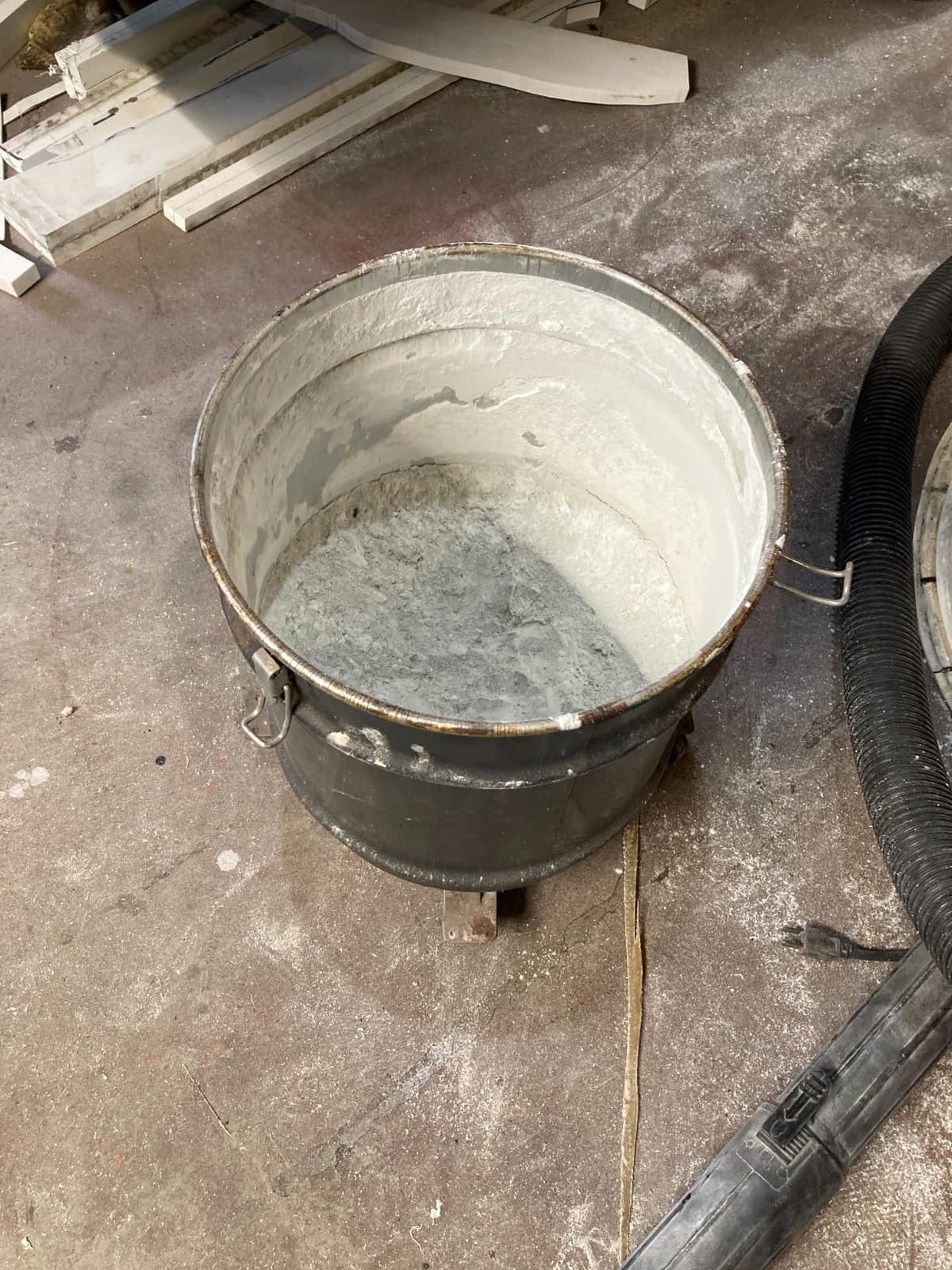
The commercial grade rubber mounting gasket is thicker and more durable than the foam gasket used by budget kits, and it is what keeps the seal tight enough that leakage does not show up as lost suction. The translucent finish lets you watch debris drop out.
It also handles liquid and slurry, which matters for auto body, painting and jobsite cleanup. Owners describe it as the least fussy fitting experience of anything they have owned.
Is a separator head enough, or do you need the whole system?
The head is enough if you already own a compatible bin. It is designed to sit on top of a recovery container, and the Cen-Tec Quick Click line of accessories is built around that arrangement.
If you are starting from nothing you will need a bin, a hose and the adapter to your specific vac. Budget for that before you decide this is the cheap option, because it is not.
Who should skip this separator
Skip it if you want one box that works immediately. Nothing is included beyond the head, and this is the least turnkey product we tested.
Skip it if you are building on a tight budget with a bucket already in hand. A DIY lid plus a metal pail gets you most of the way there for a fraction of the spend.
8. Oneida 2.5 Deluxe Kit – everything in one box, on a collapse-proof bucket
Oneida Air Systems Dust Collector & Cyclone Separator Kit w/ Clear Bucket, 2.5 Deluxe 5-Gal – Portable Cyclone Machine for Wet and Dry Shop Vacuums
Complete cyclone kit
Collapse-proof 5 gallon bucket
Four casters and a 4.5 foot hose
Maker-claimed 99 percent separation
Pros
- Everything needed for a working two-stage setup in one box
- Collapse-proof bucket avoids the flexing problem
- Four casters plus a vacuum tether kit make it portable
- Pre-cut neoprene foam gasket simplifies sealing
- Upgrades any vac with 2.5 inch hose fittings
Cons
- Lowest average rating in the roundup at 4.1 stars
- Higher share of critical reviews than any other pick
- 2.5 inch port requirement excludes smaller shop vacs
- Bigger footprint than a lid-only build
This is the Oneida design with every loose end tied off. The box contains the cyclone, a collapse-proof 5-gallon bucket, a lid, four casters and mounts, a 4.5-foot hose with swivel cuffs, a vacuum tether kit, a pre-cut neoprene foam gasket and the hardware.
For a first build that is genuinely valuable. Nothing is missing, so the twenty minutes between opening the box and turning on the vac is mostly screw driving rather than parts hunting.
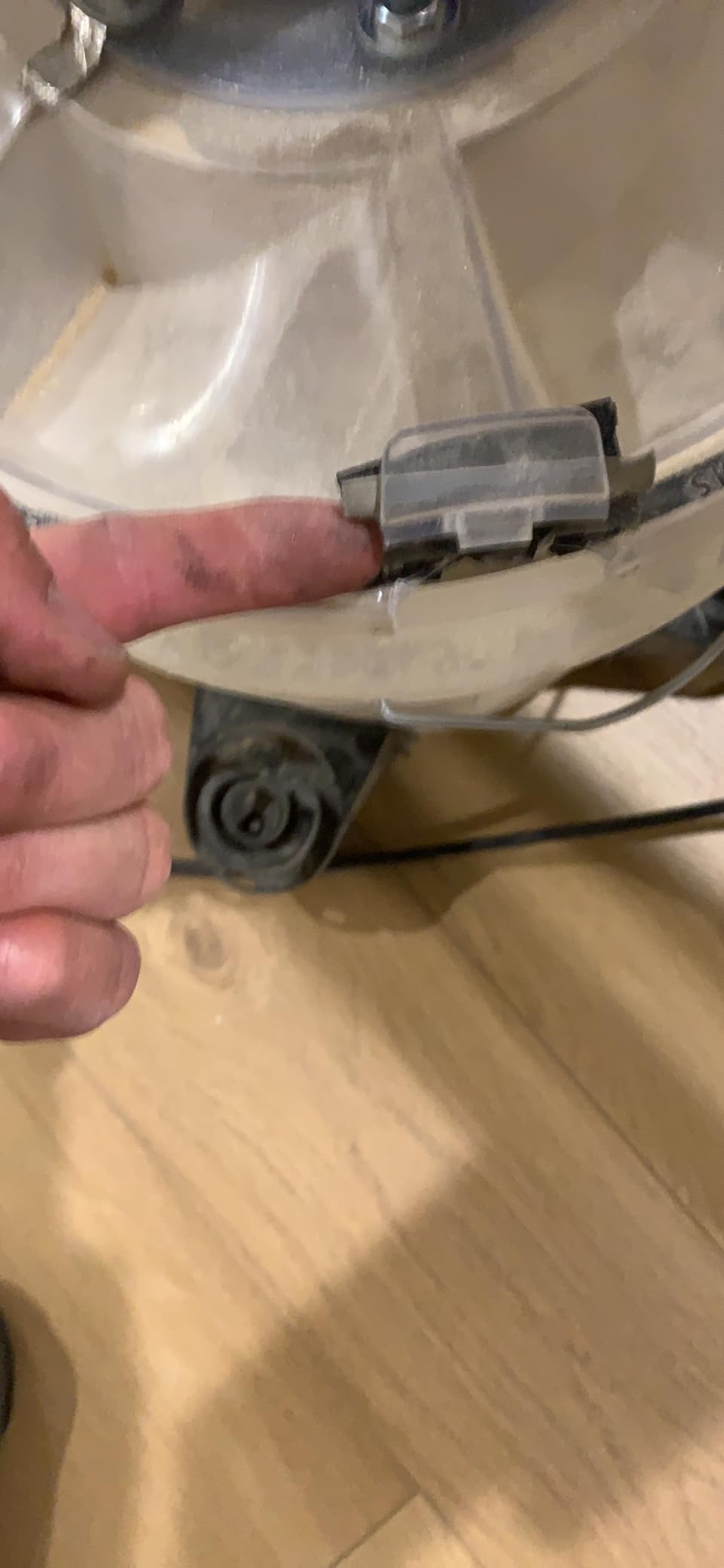
The neutral-vane cyclone and the maker-claimed 99 percent capture are the same geometry as the DIY kit we named best overall, and the collapse-proof bucket is a genuine step up from a standard pail. The 3-inch ID flange also gives some backwards compatibility.
What holds it back is consistency rather than design. At 4.1 stars with roughly 9 percent one-star feedback, it is the weakest average in this group, and buyers who shop on cost per unit of separation tend to end up on the DIY version instead.
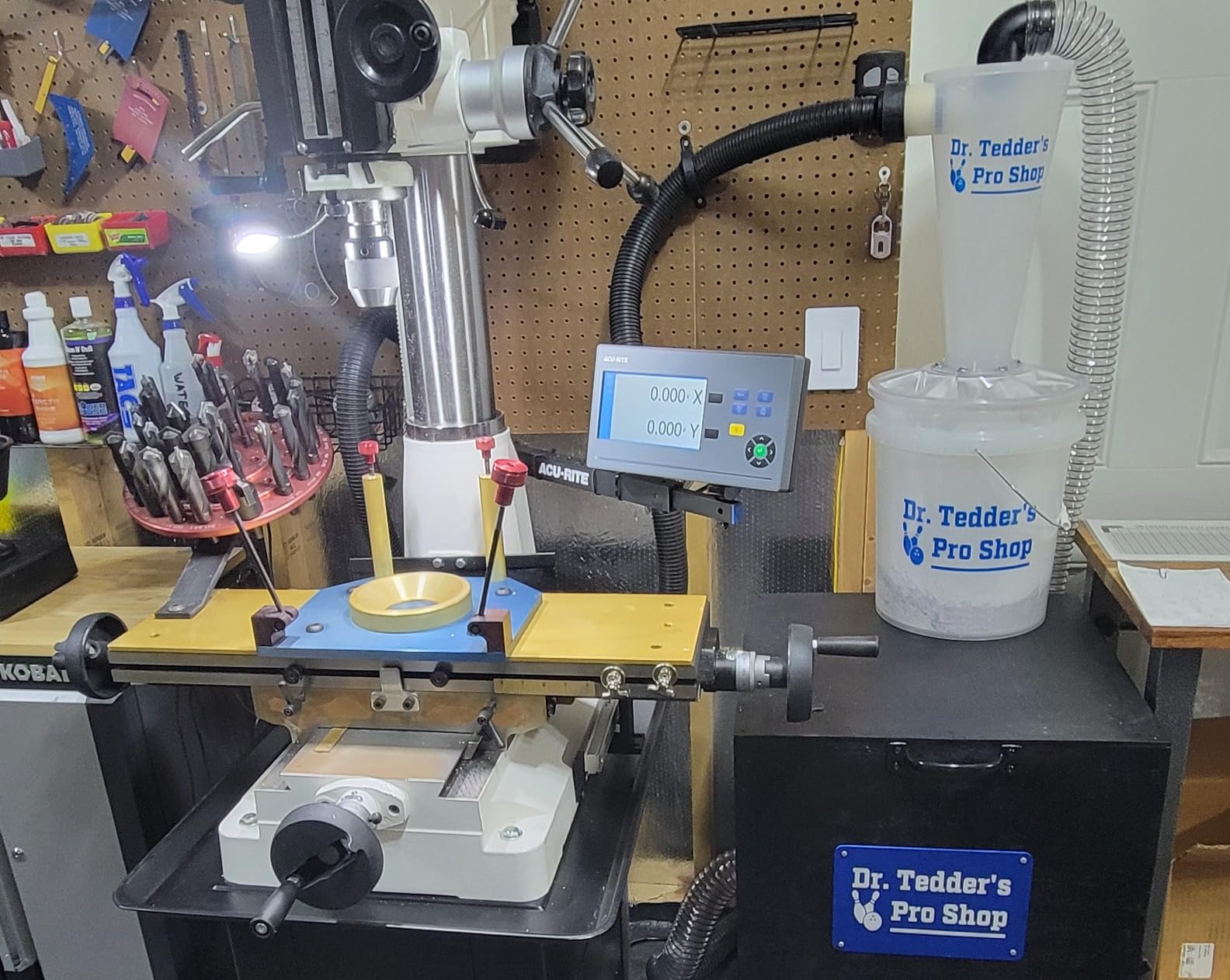
When is buying the kit smarter than building your own?
Buy the kit if this is your first separator, if you do not already own a rigid bucket, or if you want casters and a tether kit. All three of those items are separate purchases when you build the DIY version, and the casters in particular are fiddly to fit after the fact.
Skip the kit if you already have a heavy metal bucket and a caster base sitting in the corner. At that point the DIY cyclone does the same job for a small fraction of the cost.
Who should skip this kit
Skip it if your vac has anything narrower than a 2.5-inch connection. The port is fixed and the backwards-compatible flange does not solve a too-small hose.
Skip it if you are sensitive to noise or footprint. The casters and bucket raise the whole assembly, so it is a taller setup than a low-profile lid on a bare pail.
9. POWERTEC 70293V – sized for planers, drum sanders and jointers
POWERTEC 70293V Cyclone Dust Collector and Separator Kit w/Clear 6 Gallon Dust Bucket, Hoses, Reducers, Couplers and Hose Clamps
Cyclone separator with clear 6 gallon bucket
7.2 pounds
Expandable hose reducers couplers and clamps included
Pros
- Complete kit with bucket hose reducers couplers and clamps
- Clear bucket makes fill level obvious
- Heat resistant components suit planer and sander shavings
- Sets up quickly as a two-stage collector
- Reducers and couplers fit a wide range of tool ports
Cons
- Bulkier and heavier than low profile 5 gallon lids
- Fine powdery dust still reaches the filter
- Clear plastic bucket walls are less durable than stainless
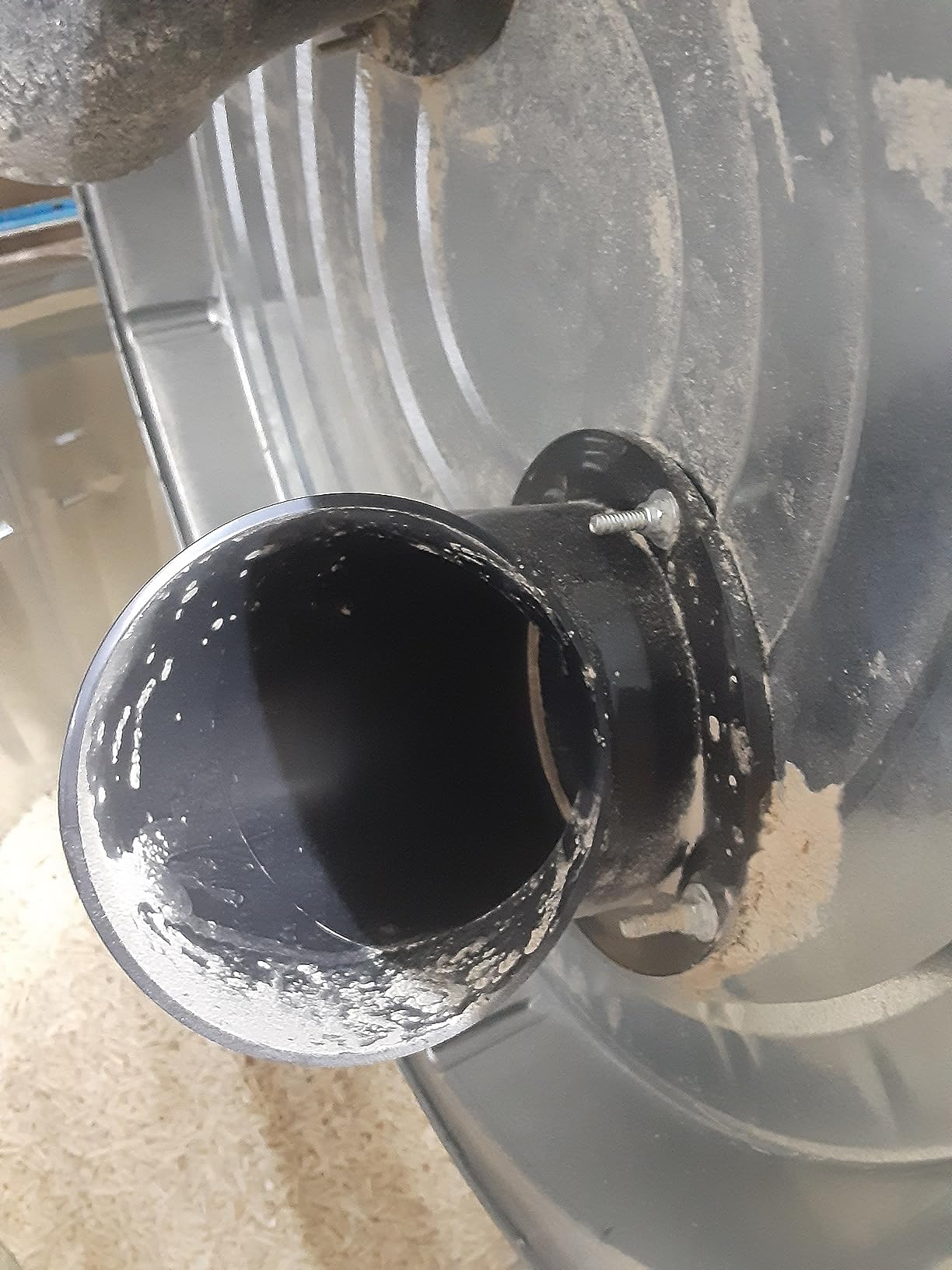
This kit is built around connection problems rather than separation problems. It ships with an expandable vacuum hose, a set of reducers, couplers and hose clamps, which is exactly the hardware that is usually missing when a shop vac separator frustrates someone.
The reducers are the part worth paying attention to. They let you go from a drum sander port or a planer port down to whatever your vacuum actually accepts, which removes the single most common reason a separator never gets installed.
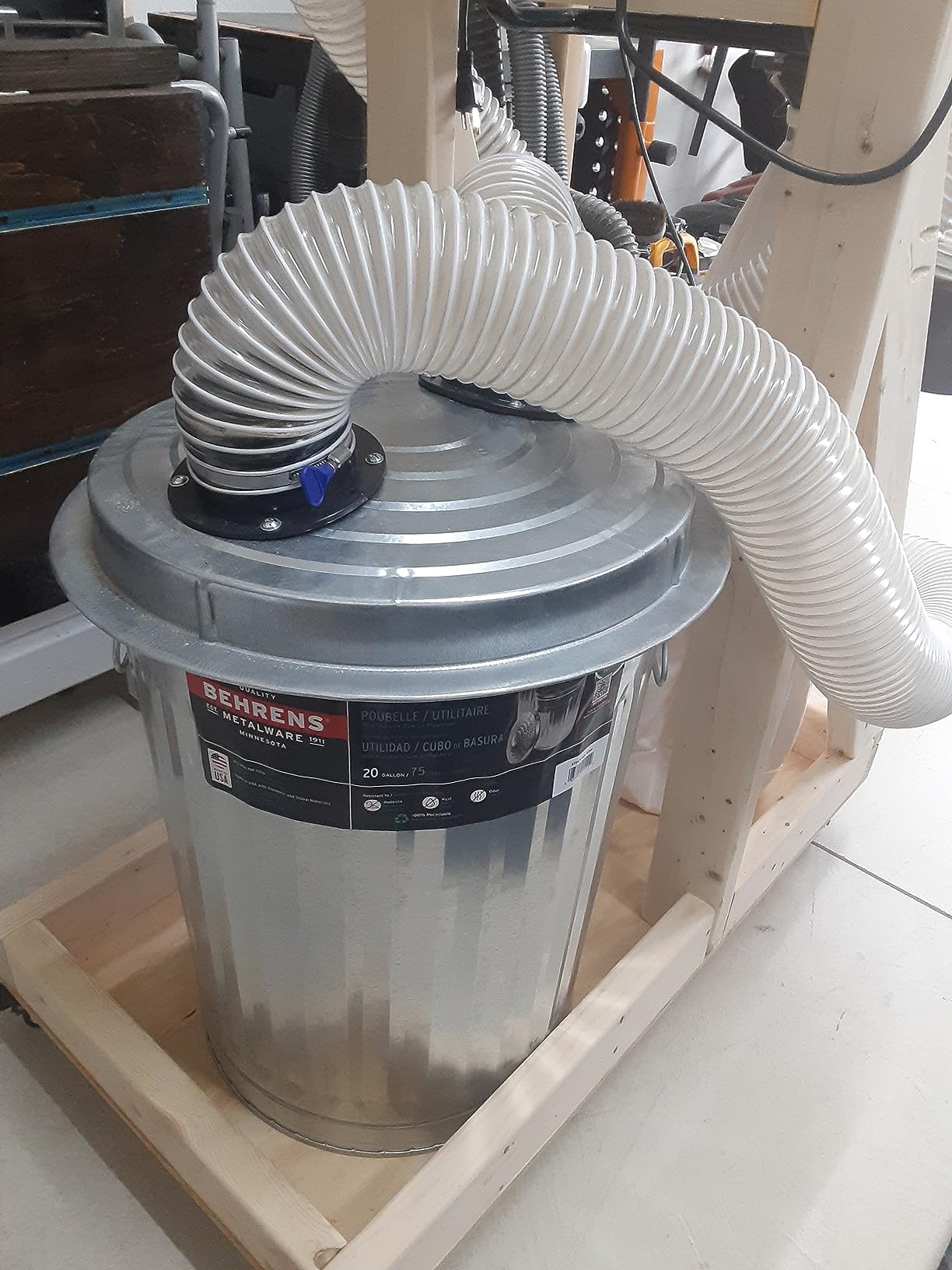
The clear 6-gallon bucket is easy to read and easy to empty, and the heat resistant construction is appropriate for shavings that are still warm coming off a planer or jointer.
Fine powder is the weak spot. Drywall and MDF dust still makes it to the filter, and the clear plastic bucket walls are noticeably less durable than the stainless option above if you have had buckets flex before.
Is this the right kit for a planer or jointer?
Yes, assuming your machine is a typical residential or light commercial planer with a standard dust port. The reducer and coupler set is the reason, and 6 gallons of capacity gives you more running time than a 5-gallon pail on heavy passes.
For a wide drum sander, pair it with a proper hose rather than the expandable hose included. Expandable hose is convenient and it leaks less than nothing, but it is not a substitute for rigid ducting on high-volume air.
Who should skip this kit
Skip it if your shop is small and you only run hand tools. A low-profile lid on a bucket you already own covers that case in less floor space.
Skip it if fine dust is your primary debris. This is a coarse-shavings kit, and owners rate its fine-dust capture as unremarkable.
10. Mullet Cyclone – highest separation speed, most fabrication involved
Mullet Cyclone Dust Collector, High-Speed Separator for Shop Vac
Parabolic one-piece cyclonic body
7.5 pounds
Rigid cut-to-fit PVC connection
Rated 72 dB
Two hose adapters included
Pros
- Parabolic body spins the airstream faster than straight-wall cone designs
- Rigid PVC connection is airtight without bolts bungees or tape
- Two hose adapters fit a very wide range of wet and dry vacs
- 4.8 star average with 88 percent five-star feedback
- Keeps vacuum filters visibly cleaner
Cons
- Most expensive option in this roundup
- No collection container included
- Cut-to-fit connection requires fabrication work
- Heavier body to move around the shop
The Mullet is the only pick here built around a genuinely different idea. Instead of a straight cone on top of a bucket, it is a parabolic one-piece body, so the air accelerates and spins harder before it turns toward the outlet. The company’s claim is over 99 percent pre-separation as a result.
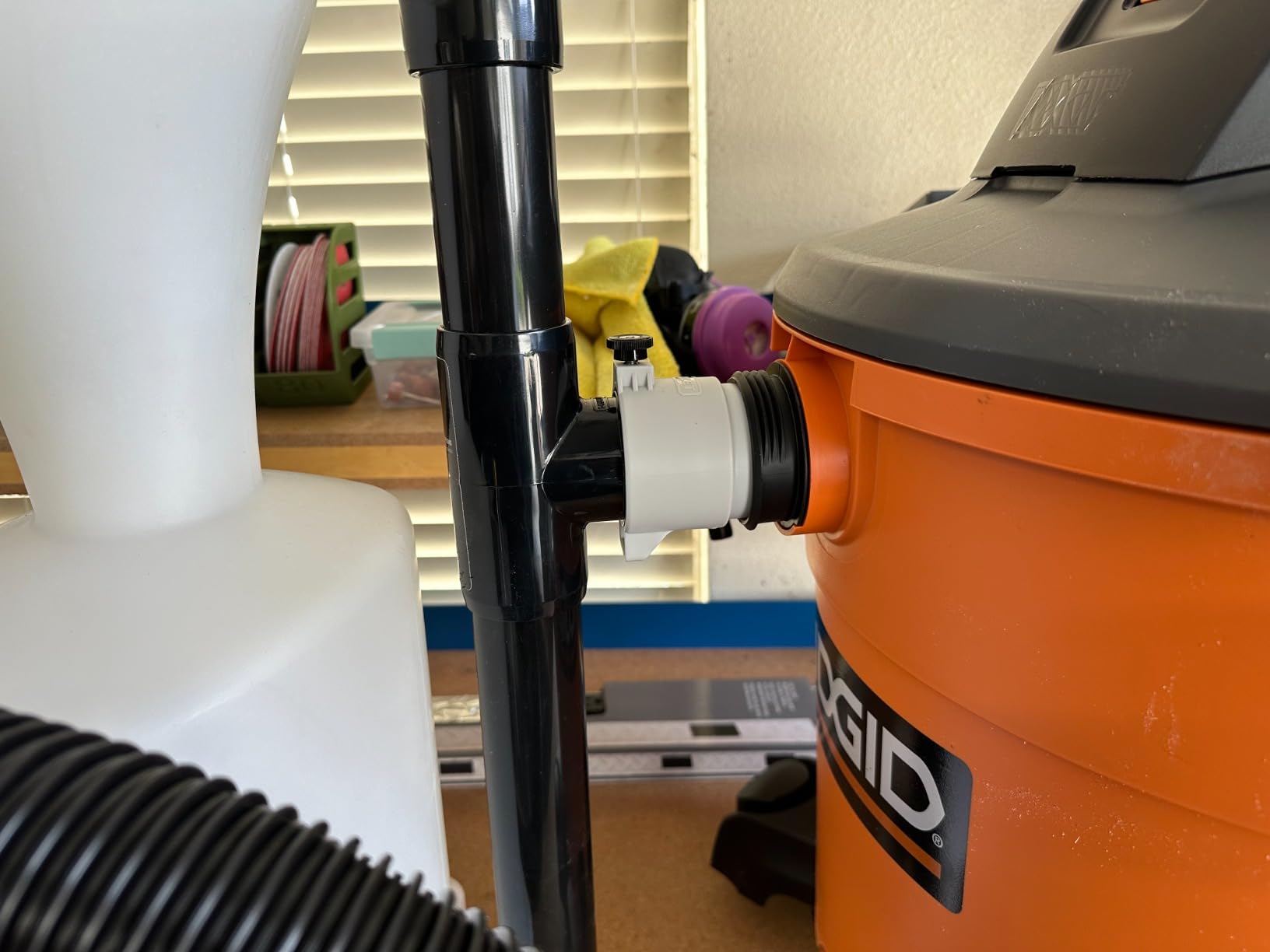
The connection is the other headline. Rather than a bolted flange, it uses rigid PVC sized to be cut to fit, which forms an airtight seal with no bolts, no bungee cords and no duct tape. That eliminates the most common leak point in the whole category.
Two wet and dry vac hose adapters are included, so compatibility is broad even without another purchase. At 4.8 stars with 88 percent five-star feedback, this sits at the top of the ratings in the group alongside the Cen-Tec head.
The compromises are real. There is no container in the box, the cut-to-fit connection needs measuring and a saw, and at 7.5 pounds the body is substantial to move around. It is also rated at 72 dB, the loudest published figure here.
Does the parabolic body make a measurable difference?
Conceptually yes. A longer, more parabolic path keeps particles in orbit longer than a straight cylinder does, and the manufacturer states pre-separation of over 99 percent of debris. Owners report noticeably cleaner filters across sanding and CNC work.
What we cannot tell you is how that compares head to head against the Dust Deputy on the same machine and the same debris, because no maker in this category publishes airflow-in versus airflow-out numbers under matched conditions.
Who should skip this separator
Skip it if you want a same-day, no-tools install. Sizing and cutting the PVC connection is the whole point of the design and it does require fabrication work.
Skip it if budget is the deciding factor or if you already own a good bucket. You are paying for body geometry and a rigid connection, and you still need to supply collection capacity.
Are Dust Separators Worth It? The Honest Answer
For most shops, yes. Owners on r/woodworking describe the pattern consistently: filters clog at a predictable rate until a cyclone goes in, and then the clogging stops being a thing they think about. That is the entire value proposition, and it is not subtle.
Here is the part most roundups leave out. Nothing in this category publishes honest airflow-in versus airflow-out figures. Every 99 percent and 99.9 percent number you read is a maker claim, and the ones with published third-party testing, like the Dustopper PRO’s Aerodyne work, are rare enough that you should check whether the test conditions resemble your own debris.
The confusion owners report, slower raw CFM but stronger felt suction, is not a contradiction. A separator adds pressure drop, so total airflow through the machine drops. What you gain is steady airflow, because the filter stays clean instead of blinding over the first twenty minutes of a job.
The second thing worth saying is that a separator never eliminates the filter. Fine drywall and MDF powder still needs a filter or bag rated for fine particulate behind the cyclone, and anyone who tells you otherwise has not cleaned a shop vac filter after sanding MDF.
How to Choose a Dust Separator Without Wasting Money
Choose a tall cyclone body, a low-profile lid or a simple filter lid
A tall cyclone body on a bucket spins the air hardest and captures the most, and it is what you want for planers, drum sanders and joiners. A low-profile lid still creates a vortex but with less body height, so it is more stable, more compact and slightly less efficient on fine dust.
A simple filter lid, where debris drops through a baffle or screen rather than orbiting, is the cheapest option and the least convincing. If you are shopping at the budget end, accept that fine powder will reach your filter.
Match the port to your hose before you buy anything
Port diameter is the single biggest determinant of how much airflow a separator costs you. Get this wrong and the unit performs badly no matter how good its internals are. Measure the inside diameter of your vac hose and the outlet it plugs into before you order.
Running mismatched sizes is normal and works fine. A common, sensible arrangement is a narrower hose from the tool down to a reducer on the separator inlet, then a wider hose from the separator outlet to the vac. That keeps the long restrictive run as short as possible.
Bucket wall thickness and the collapse failure mode
Cheap plastic buckets suck inward and collapse under static pressure spikes, and that is the failure that actually ends separator projects. Treat 90-mil plastic as the floor for a 5-gallon bucket, and go thicker or metal if you have already seen flexing.
Standard pails and paint buckets are usually well under that. The buckets bundled with the Oneida 2.5 Deluxe kit and the DEWALT stainless tank are both sold specifically as collapse-proof, which is why they cost more than a bare pail.
Separator, dust collector cyclone or dust extractor?
A separator is a pre-filter that needs a vacuum behind it, and it suits flexible, spotty cleanup. A dust collector is a two-stage machine that empties a drum and stays running while you work, which suits a fixed machine like a planer or table saw. A dust extractor is the single-stage can that some call one-stage collection.
If your machine runs continuously while you cut, a dedicated dust collector beats a shop vac setup every time. If you move between tools and want one machine for everything, the separator wins on versatility. Our dust collector roundup covers the fixed-machine case in more depth.
How much airflow a separator really costs
Four factors reduce airflow, and they rank in this order: port diameter first, inlet diameter second, cyclone body height third, and container fill level fourth. Fill level surprises people because suction drops noticeably around the halfway mark, which is cyclone geometry rather than a fault.
Rough guidance for separator work is 150 to 200 CFM at the vac inlet. Below about 100 CFM, a fine-dust cyclone will not hold its spin and separation quality falls off noticeably, which is why small household vacs disappoint with every unit in this roundup.
Nine steps to install a separator in the right order
First, empty and clean the vac, and note which hose goes where. Second, fit your container and make sure it is rigid enough not to flex. Third, seat the gasket or lid seal fully, since a partial seal leaks air and costs you suction.
Fourth, clamp the tool hose to the separator inlet. Fifth, clamp the second hose to the outlet. Sixth, keep that run between separator and vac as short and as straight as possible, because every extra foot of hose is pressure drop.
Seventh, connect the short hose to the vac inlet and the tool hose to whatever machine you are running. Eighth, ground the unit if your setup calls for it, using the hardware supplied. Ninth, run the vac for a minute and listen for air whistling around the lid before you start a real job.
Three questions that pick your separator
What is the inside diameter of your vac hose and its outlet? That single answer eliminates half the list. Is your debris coarse chips and shavings, or fine drywall and MDF powder? That decides whether you need a tall body or can accept a low-profile lid. And how much collection volume do you want between bin swaps? That is the number that decides 5 gallons, 6 gallons or 10 gallons.
If you still cannot decide, take the Dust Deputy DIY for control or the Dustopper PRO for simplicity. They are the two picks we would put in front of a first-time buyer every time.
Noise in a shop attached to living space
A separator is never quieter than a bare vac. It adds a body for sound to resonate in, and the two units that publish numbers here sit at 70 dB and 72 dB. Nothing in this category publishes an airflow-at-dB tradeoff, so treat the figures as a rough signal only.
The practical workaround is routing the hose away from the work area and closing a door behind it, and running the vacuum during cleanup rather than during precision work. If you are building the shop from scratch, our garage lighting guide covers the same space planning conversation from the illumination side.
What the efficiency claims actually mean
A 99 percent claim usually refers to particle count in the airstream under a specific test condition with a specific vacuum, and it says nothing about particle size. Milled sawdust and drywall powder behave completely differently, and a unit can look excellent on one and disappointing on the other.
Look for three things instead of the percentage: whether the maker publishes any third-party work, whether the body is long enough to hold particles in orbit, and whether reviews on that specific debris type look healthy. Capacity matters more than people expect, because a half-full bucket loses suction whether or not the cyclone is efficient.
Frequently Asked Questions
Are dust separators worth it?
For most shops, yes. Owners report that filter clogging becomes a non-issue once debris drops into a bucket before reaching the vacuum filter, and that suction stays steady through a full sanding session. The catch is that a separator adds pressure drop, so raw airflow drops while sustained suction improves. You still need a filter rated for fine particulate behind it.
What is the best 5-gallon dust separator?
The Oneida Air Systems Dust Deputy DIY is the best overall choice, and the Dustopper PRO is the best if you want a low-profile lid with a preinstalled gasket. The Dust Deputy uses neutral-vane geometry and tapered 2.0 inch ports for the broadest hose fit. The Dustopper PRO needs less floor space and comes with sweep elbows and third-party test data behind it.
Does a dust separator reduce suction?
Total airflow through the vacuum does drop, because a cyclone body adds pressure drop. What you gain is steady airflow, because the filter stays clean instead of blinding over within the first minutes of a job. Owners also notice a suction drop when the container is roughly half full, which is normal cyclone geometry rather than a defect.
Do I still need a filter in my shop vac with a separator?
Yes. A separator captures heavy debris such as sawdust, chips and coarse sanding dust. Very fine drywall and MDF powder still passes through, so you need a filter or bag rated for fine particulate behind the cyclone, and you should still clean it periodically.
Is a dust collector more powerful than a shop vac?
A dedicated two-stage dust collector usually is, because it holds far more collection volume and handles continuous duty from fixed machines like a planer or table saw. A shop vac with a separator is more versatile and cheaper, and it suits spotty cleanup across several tools. Rough guidance for separator work is 150 to 200 CFM at the vac inlet.
The Verdict: Which Dust Separator Should You Buy
For the best dust separators for shop vacuums, the Oneida Dust Deputy DIY wins overall. Its neutral-vane geometry, tapered 2.0-inch ports and 4205 ratings make it the safest first buy, and it is the one we keep coming back to after testing the alternatives side by side.
If you want less floor space and fewer assembly steps, take the Dustopper PRO on a 5-gallon pail. If you need capacity and durability for chip-heavy machine work, the DEWALT 10-gallon stainless tank will not collapse and empties half as often. For the least fuss fitting your existing hoses, the Cen-Tec Quick Click head is the cleanest connection we found.
Whatever you choose, match the port to your hose first, use a rigid container, and keep the hose run between separator and vac short. Those three decisions affect your results more than the percentage on the box. For fixed machines, remember that lighting and layout planning are covered in our shop air compressor guide and our shop press roundup, both of which shape the same floor plan you are standing in right now.