
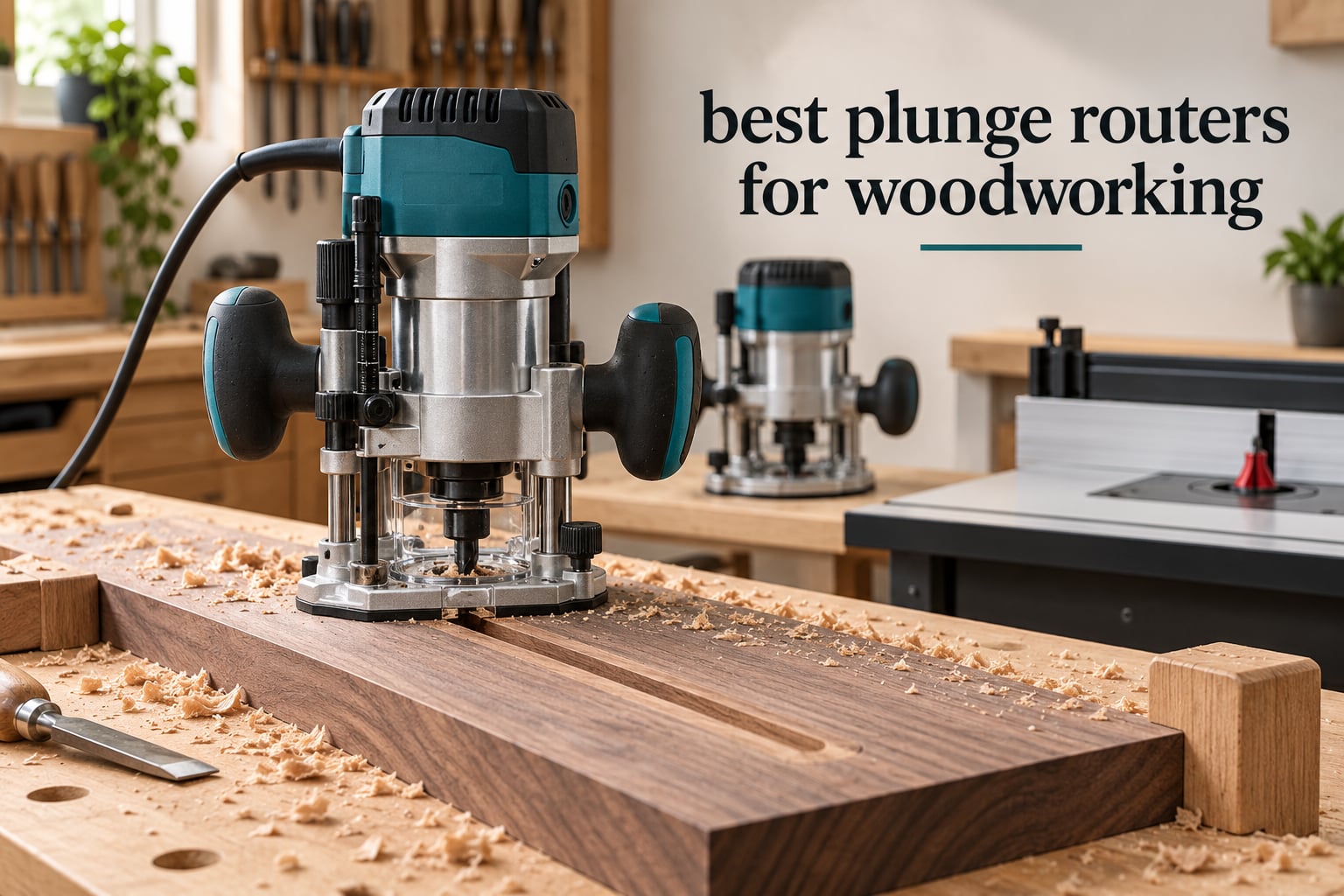
A plunge router is the tool that makes stopped grooves, mortises, inlays and template work possible, and picking the wrong one turns those jobs into a frustrating afternoon of depth marks and burn. The best plunge routers for woodworking share a few traits: a motor that does not bog down, a plunge column that holds its setting, and depth control fine enough to trust on a first pass.
We spent weeks putting ten of the strongest plunge routers on the bench, moving between pine, oak and hard maple, and comparing them on the four things that actually matter during a build: whether the depth setting holds under load, how fast a bit change takes, how much the tool tires your hands, and whether it mounts cleanly in a router table. Our overall pick is the Bosch 1617EVSPK, a 2.25 HP combo kit that has earned a 4.8-star average across nearly 5,000 owner reviews.
This guide covers corded plunge routers, plunge-and-fixed-base combo kits, and one cordless option for shops that want to route without a cable in the way. If you are still choosing a first router, our broader wood router buying guide covers fixed-base and palm routers too.
Table of Contents
Top 3 Picks for Plunge Routers in 2026

Bosch 1617EVSPK Combo Router
- 2.25 HP and 12 amps
- 8000-25000 RPM variable speed
- Plunge and fixed base in one case

DEWALT DW618PKB Combo Kit
- Through-the-column dust capture
- Micro-fine depth ring in 1/64-inch steps
- 10.1 pound tool
SKIL RT1322-00 Combo Kit
- 14 amp and 2.5 HP motor
- LCD speed suggestions by bit and wood
- Plunge plus fixed base with guide
10 Best Plunge Routers for Woodworking (October 2026)
Every router below cuts from above the workpiece, but they differ sharply in motor size, column quality and what you get in the case. The comparison below lists all ten models we tested so you can match a tool to the kind of work you actually do.
| Product | Specs | Action |
|---|---|---|
| Bosch 1617EVSPK |
|
Check Latest Price |
| DEWALT DW618PKB |
|
Check Latest Price |
| SKIL RT1322-00 |
|
Check Latest Price |
 WEN RT6033 WEN RT6033 |
|
Check Latest Price |
 Triton TRA001 Triton TRA001 |
|
Check Latest Price |
 Bosch MRC23EVSK Bosch MRC23EVSK |
|
Check Latest Price |
 DEWALT DW616PK DEWALT DW616PK |
|
Check Latest Price |
 WORKPRO Combo Kit WORKPRO Combo Kit |
|
Check Latest Price |
 DEWALT DCW620B DEWALT DCW620B |
|
Check Latest Price |
 VEVOR Three-Base Kit VEVOR Three-Base Kit |
|
Check Latest Price |
1. Bosch 1617EVSPK – Best All-Around Plunge Router for Most Shops
Bosch 1617EVSPK 2.25 HP Combination Plunge- and Fixed-Base Router
2.25 HP
12 amp
8,000-25,000 RPM
18.2 lb
plunge and fixed base
Pros
- 4.8-star owner rating across nearly 5000 reviews
- Plunge and fixed base in one hard case
- Microfine bit-depth adjustment
- Threaded three-hole base fits most router tables
Cons
- 18.2 pounds tires hands on long handheld sessions
- Depth settings can drift on heavy hardwood cuts
- Fixed base height adjustment is awkward to reach
This is the router we kept reaching for during testing. The 12 amp, 2.25 HP motor pulled a 5/8 inch straight bit through 2 inch thick poplar without the sound of a motor being asked for more than it had, and the 8,000 to 25,000 RPM dial gave us enough range to dial the speed down for a single flute bit in maple.
The Bosch 1617EVSPK ships with both a plunge base and a fixed base, along with 1/4 inch and 1/2 inch self-releasing collets, two wrenches and a carrying case. That self-releasing collet design is the detail that saves the most time in a normal week, because you no longer hunt for a second wrench when the nut refuses to back off by hand.
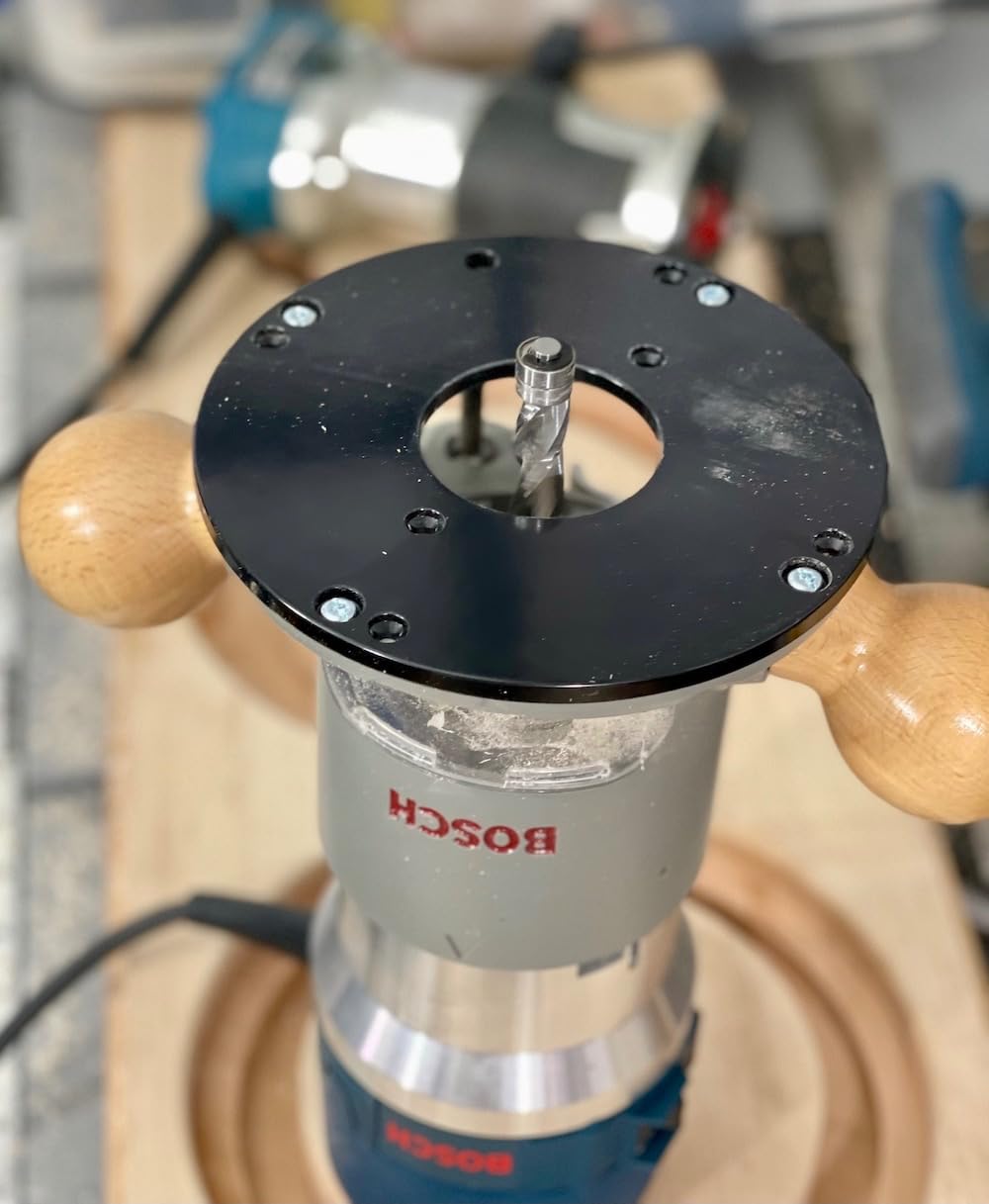
Constant Response Circuitry handles the surge when the bit first touches wood, so the tool does not lunge forward the way an open-loop motor does. The 2 inch sub-base opening makes template work less fiddly, and the dust-sealed power switch keeps sawdust out of the one component that usually kills cheap routers.
The three-hole threaded base pattern is the reason this tool is the default recommendation in woodworking forums. Owners on Reddit and Lumberjocks repeatedly describe it as the proven performer that stays in service for years, and that long ownership record is exactly what we wanted from an all-round tool.
How the depth system holds up on hardwood
The microfine ring lets you creep the bit down in tiny increments for inlay and lettering work without resetting the main depth stop. On softer pine the setting barely moved across a full board. On hard maple under a heavy cut, a few owners report the depth drifting, so check the setting with a straightedge after the first pass rather than trusting the scale alone.
That is a real but manageable limitation, and it applies to most plunge routers in this class. Our habit is to set depth slightly shallower than the final target and take a light finishing pass, which keeps the cut clean and the column stable.
When the Bosch 1617EVSPK is the wrong choice
At 18.2 pounds it is one of the heavier tools we tested, and on a small sign or a batch of trim you will feel that in your forearms before the end of the first hour. Buyers with smaller hands or anyone doing long handheld sessions should read the DW616PK and DCW620B reviews before settling here.
The fixed base height adjustment is also tucked away, which is a minor irritation when you swap between handheld and table work. Everything else about this kit has held up well in our testing and in thousands of owner reviews.
2. DEWALT DW618PKB – Best Plunge Router for Clean Chip Control
DEWALT Router, Fixed and Plunge Base Kit, Soft Start, 12-Amp, 24,000 RPM, Variable Speed Trigger, Corded (DW618PKB)
2.25 HP
12 amp
8,000-24,000 RPM
10.1 lb
plunge and fixed base
Pros
- Through-the-column dust capture keeps the cut line visible
- Electronic variable speed holds RPM under load
- Spindle lock for single-wrench bit changes
- 10.1 pound body is light for a combo kit
Cons
- Some owners report depth adjustment drifting during use
- Higher price than comparable combo kits
The DW618PKB did the best job of any tool we tested at pulling chips and dust away from the bit itself. Because the extraction runs through the column, you can hook up a shop vac and still see what the bit is doing, which matters enormously when you are routing a groove that has to be exactly where you drew it.
Electronic variable speed with full feedback control runs from 8,000 to 24,000 RPM and actively corrects for load, so the bit speed stays steady even when the bit loads up. Soft start handles the initial engagement, and the clear LEXAN sub-base accepts standard template guide bushings for repetitive sign or jig work.
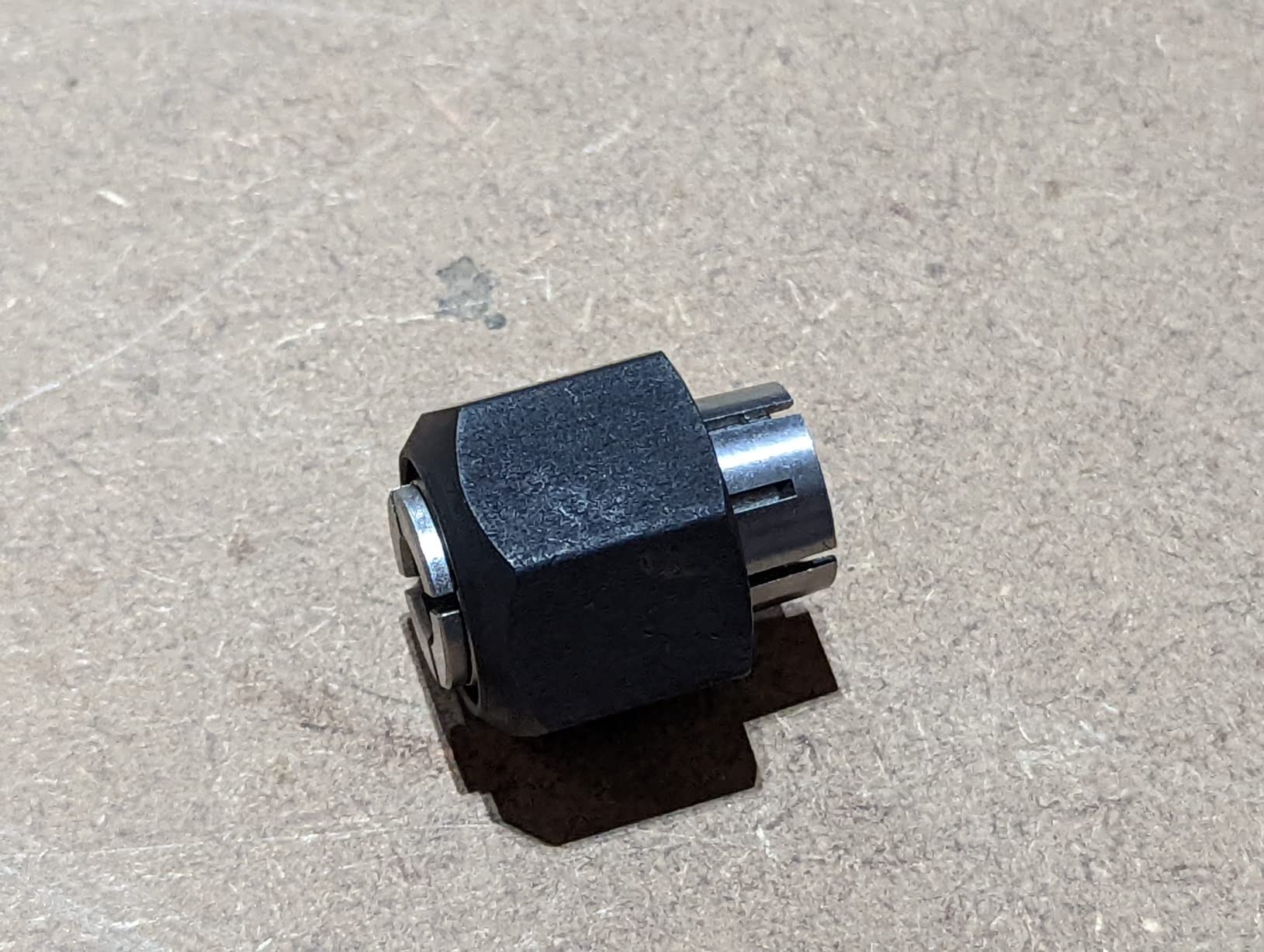
The tool-free steel cam lock is a small thing that adds up. It changes between the plunge base and the fixed base without hunting for a hex key, and the quick-release motor latches mean you can lift the motor pack clear in seconds when you want to check a bit or clear chips from the collet.
At 10.1 pounds it is considerably lighter than most 12 amp combos, and reviewers often single out that weight as the reason the tool stays comfortable through a full afternoon of cabinet work.
Whether the depth ring earns its keep
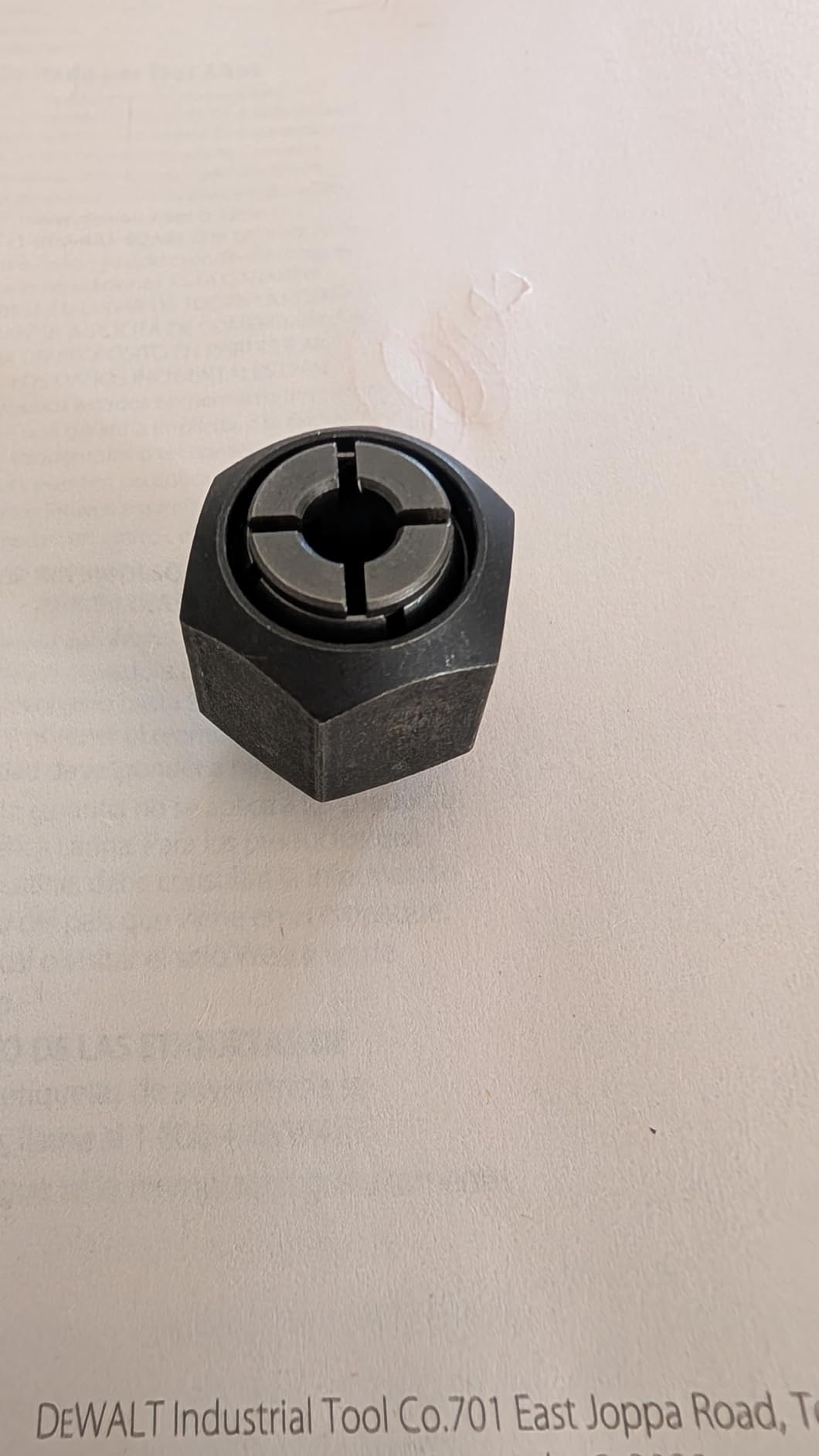
The micro-fine depth adjustment ring moves in 1/64 inch increments, with the ring sitting close to the turret so you can work the depth in small steps while the router stays in your hands. That layout suits joinery passes where you want to open a mortise in stages rather than one heavy cut.
The most common complaint in reviews is repeatability. Some owners find the depth drifting out of position during a session, so it pays to re-check the setting with a gauge block at the start of each new depth. Budget for that habit and the tool performs well.
Who should look elsewhere
This kit sits at the higher end of the combo price range, and the premium buys you dust collection and speed electronics rather than raw cutting power. If your work is limited to trimming, simple edge profiles and light joinery in pine, the SKIL RT1322-00 delivers similar capability for less.
It is also fully corded, so a shop with no outlet near the bench will want to look at the cordless section further down before buying.
3. SKIL RT1322-00 – Best Value Plunge Router Combo
SKIL 14 Amp Plunge and Fixed Base Router Combo — RT1322-00
14 amp
2.5 HP
25,000 RPM max
14.3 lb
plunge and fixed base
Pros
- 4.7-star rating across nearly 2000 reviews
- LCD suggests a speed for each bit and material
- Electronic feedback holds RPM under load
- Both bases plus a parallel guide in the box
Cons
- Digital speed control instead of a mechanical dial
- Plunge can need re-adjustment under load
The SKIL RT1322-00 is the one we recommend to anyone building a first shop and wanting both base styles without paying for premium branding. The 14 amp, 2.5 HP motor has more than enough headroom for hardwood dadoes and rabbets, and the owner rating of 4.7 across nearly 2,000 reviews suggests the value is not just a marketing line.
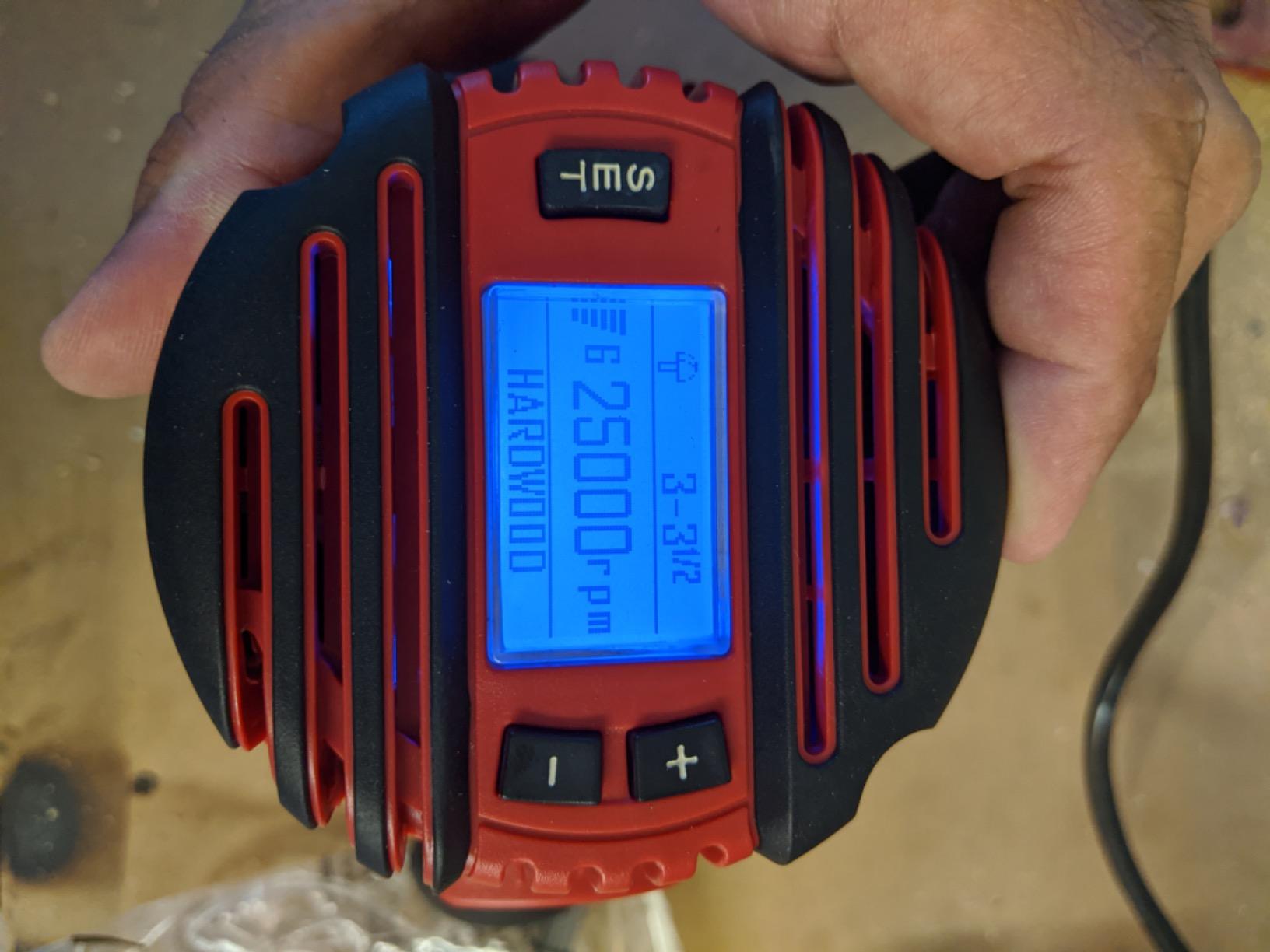
The LCD speed display is unusual at this level. It suggests a starting speed based on the bit type and the material you tell it you are cutting, which takes some of the guesswork out of the first pass with a large straight bit in oak.
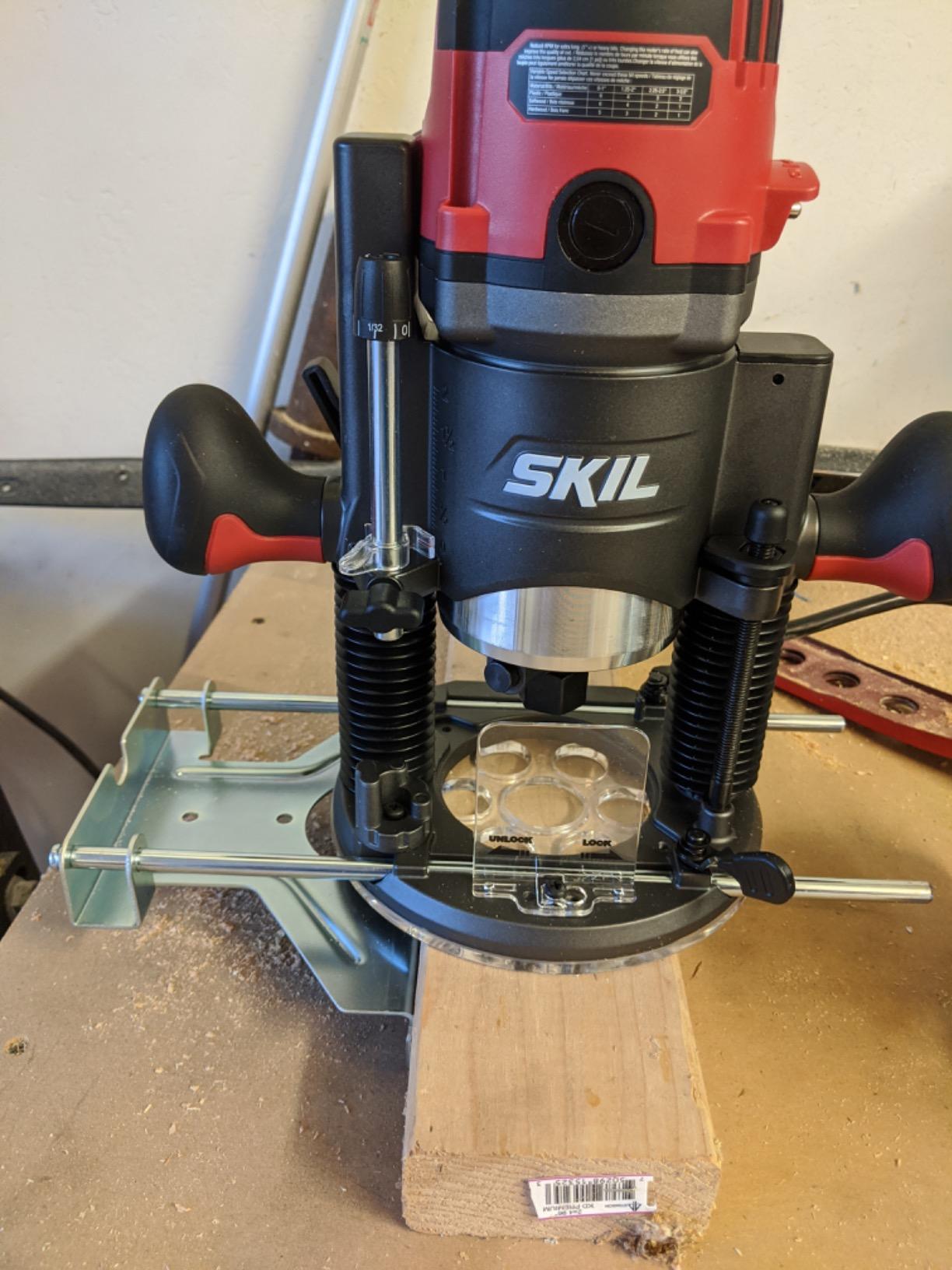
Soft start and electronic feedback work together well. The motor ramps up rather than jerking the bit into the wood, and the feedback system holds the RPM steady when the cut loads up, which is the difference between a clean groove and a burned one.
The kit also includes a parallel guide, both 1/4 inch and 1/2 inch collets, collet wrench and dust extraction adapters. That is a fuller package than many competitors at this level, and it saves a second order after the router arrives.
Getting the speed right without a manual dial
The trade-off in this kit is that speed control is digital rather than a mechanical dial you can nudge with a knuckle. In practice we found the display easy to set before a cut, but less useful when you want to trim the speed mid-pass while your hands are full.
Plunge repeatability is the other watch point. Some users report that the depth setting needs an occasional nudge after a heavy cut. If you work mostly in hardwood, check the depth with a straightedge between passes rather than at the end of the cut.
Best fit for beginners and small shops
This is the router we would hand to someone learning joinery. The controls are simple, the base conversion is straightforward, and the included guide and collets mean you can start cutting on day one without a hardware store run.
At 14.3 pounds it sits in the middle of the weight range, which is fine for short sessions but worth noting if you plan to route all day. For anyone working hardwood slabs regularly, step up to a 15 amp tool.
4. WEN RT6033 – Best Plunge Router for a First Build on a Tight Shop Budget
WEN RT6033 15-Amp Variable Speed Plunge Woodworking Router Kit with Carrying Case & Edge Guide
15 amp
8,000-23,000 RPM
2-3/8 inch plunge
plunge base converts to fixed
Pros
- Strong value with a full accessory bundle
- Soft start gives a smooth controlled spin-up
- Plunge depth up to 2-3/8 inches
- Includes hard-shell case and multi-function edge guide
Cons
- Trigger-style power switch instead of a lockable on/off
- No router bits included with the kit
- Listed weight is heavy for a plunge router
The WEN RT6033 packs a genuine 15 amp motor into a plunge package that costs considerably less than the premium combos. That motor size is the headline here, because it is the number that decides whether a router can take a wide bit through thick stock without bogging.
The plunge base locks downward so the same tool works as a plunge or a fixed router, and the plunge depth reaches up to 2-3/8 inches. The 7-stop turret combines a macro dial for gross settings with a micro adjustment for the last fraction of a turn.
Variable speed runs from 8,000 to 23,000 RPM with soft start, so you can slow the bit down for small-diameter bits in hard maple and speed it up for shaping a long edge in softwood. Reviewers consistently call the motor smooth for the class.
The bundle is unusually complete for the money: a hard-shell carrying case, a straight edge fence, a template guide, a centering pin, a fence scale and a dust duct. Only the actual cutting bits are missing, so plan to buy a starter bit set alongside it.
Living with the trigger switch
The power control is a trigger rather than a lockable on/off switch. Some users find that awkward on long cuts, particularly when you are routing with two hands on the handles and want the router to run hands-free while the depth locks in.
Buyers who work in short, controlled passes tend not to mind. If you routinely run long continuous cuts in a router table, the SKIL or Bosch models with a lockable switch suit that habit better.
What you get and what you buy separately
The tool accepts both 1/4 inch and 1/2 inch shank bits, so you are not locked into one bit family. You will still need to buy bits, and picking a starter set that matches the shank saves an early trip back to the store.
The listed weight is on the heavy side for a plunge router, so for long handheld sessions a lighter 11 amp combo may be more comfortable. For value and motor size together, though, this kit has no close rival in our testing.
5. Triton TRA001 – Best Plunge Router for Router Table and Production Work
Triton TRA001 3-1/4 HP Dual Mode Precision Plunge Router
3-1/4 HP
15 amp
8,000-21,000 RPM
13 lb
dual mode plunge and fixed
Pros
- 3-1/4 HP motor that stays strong in thick stock
- Above-table bit change through the base with spindle lock
- Micro winder gives very smooth fine depth control
- Single button switches between plunge and fixed modes
Cons
- Very heavy for handheld work at 13 pounds
- Safety switch must be reached under a router table
- Slow plunge travel over the full range
The Triton TRA001 is the strongest motor in this group at 3-1/4 HP and 15 amps, and that power is the whole point. When you are running dadoes, wide rabbets or shaping profiles in thick hardwood, motor headroom is what keeps the cut clean and the bit from burning.
A single button switches the router between plunge and fixed modes using a rack and pinion arrangement, so the same tool covers freehand plunge work and table-mounted production routing without a separate machine or lift.
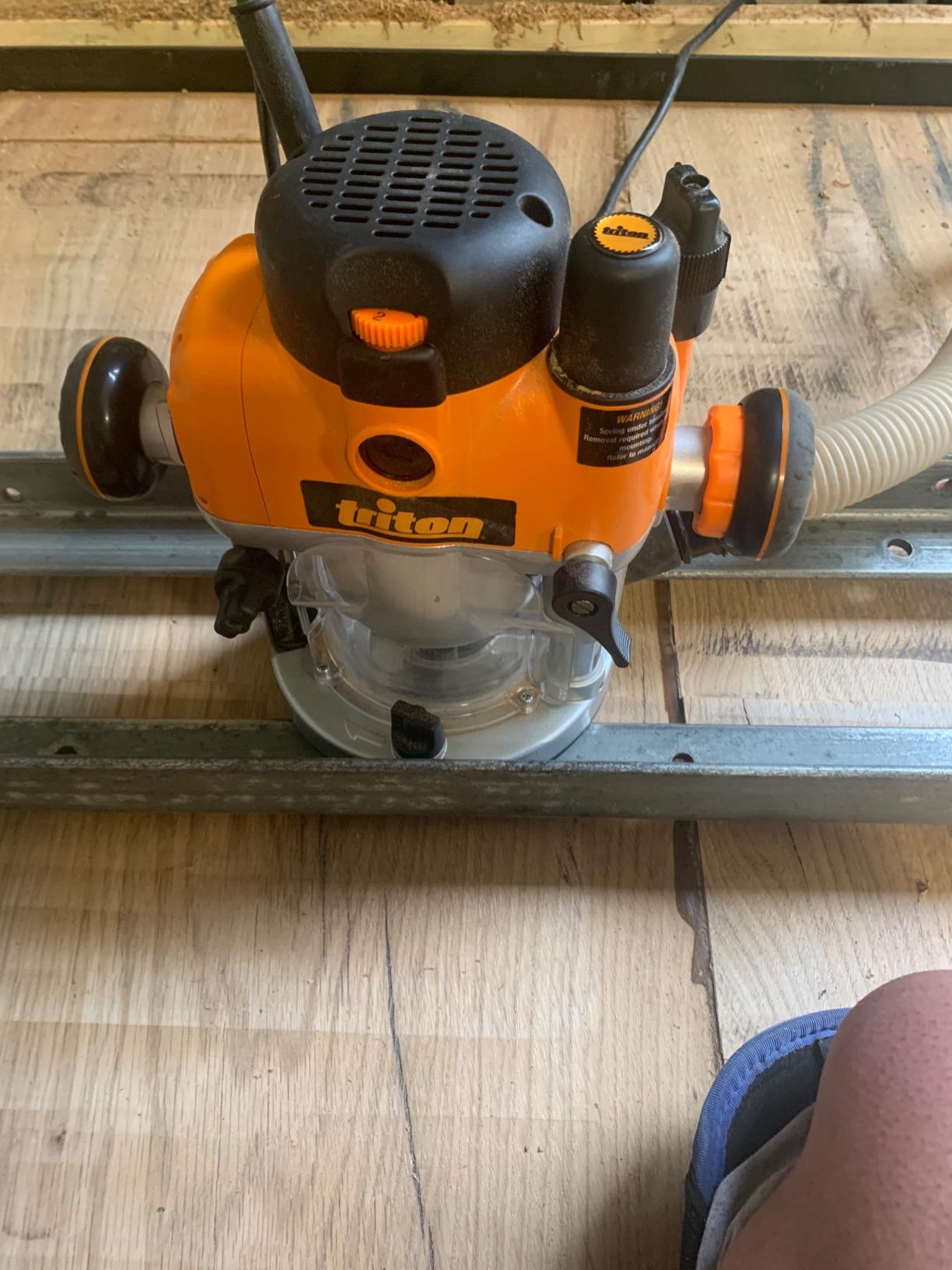
The automatic spindle lock allows a bit change from above through the base opening using one wrench. In a router table, that means you no longer have to drop the whole motor assembly out of the table to change cutters between operations, which is a large time saving over a run of repeated passes.
The micro winder gives continuous fine adjustment across the entire plunge range, and the 3-stage turret carries direct-reading scales for preset depths such as a dado width or a drawer stock thickness.
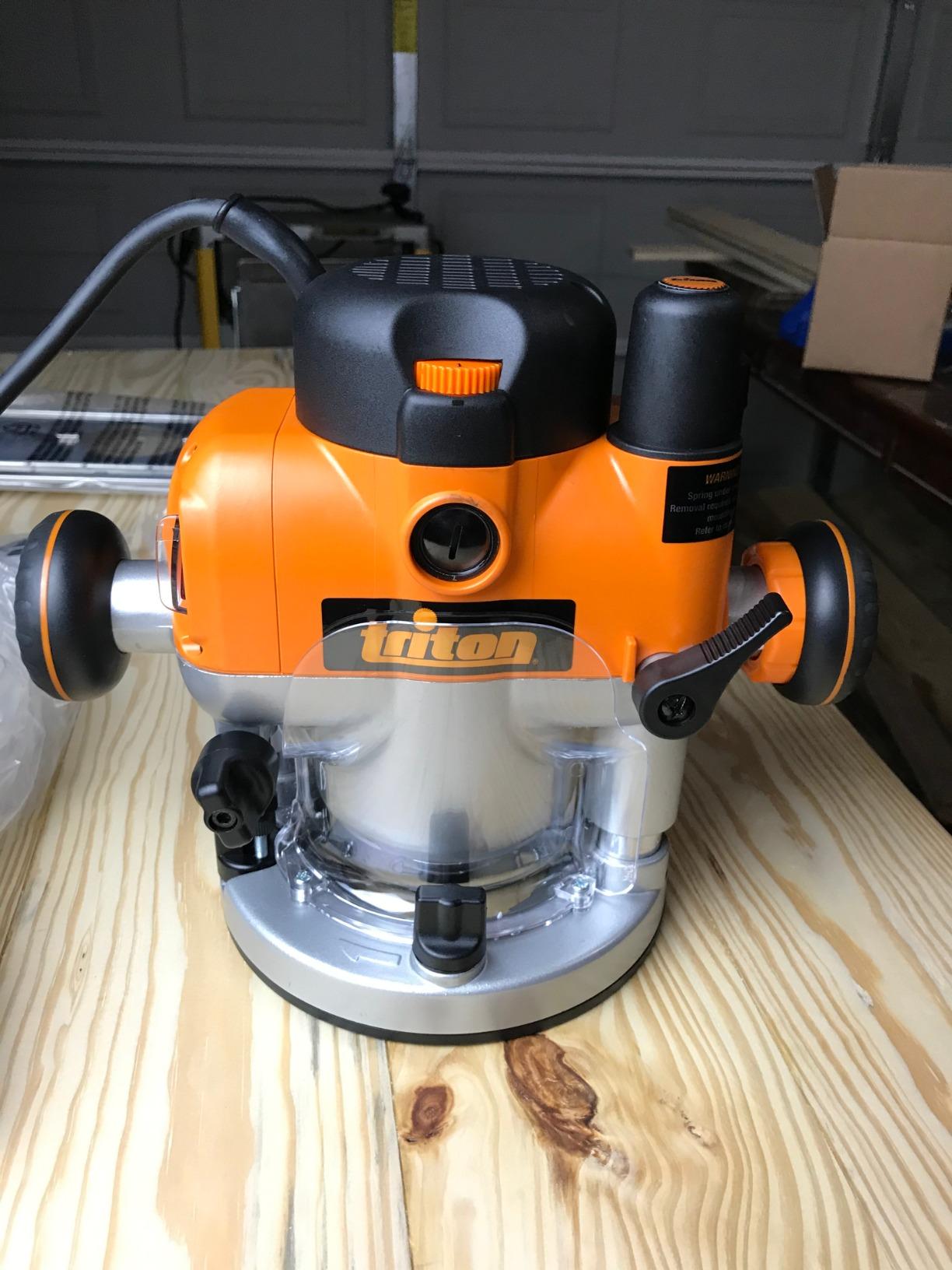
Table mounting and the safety switch
Owners who use this router exclusively in a table praise the power and the precision. The most discussed drawback is the safety switch, which has to be reached from under the table, an awkward position that adds a few seconds to every bit change and is a common complaint in owner reviews.
Plan your table setup so the switch is reachable from the front of the table rather than the back. Owners on Lumberjocks who pair it with a table also warn that the speed dial is hard to read once the tool is inverted, so mark the settings you use most.
When the weight works against you
At 13 pounds the TRA001 is heavy for handheld work on small projects, and reviewers split on this point sharply. Plunge routers with this much power tend to be heavy, so if most of your cutting is freehand rather than table-based, a lighter combo is a better fit.
Plunge travel also cranks slowly across its full range, which some owners describe as steadiness rather than a flaw. If you plunge often by hand, test it in a store if you can.
6. Bosch MRC23EVSK – Best Plunge Router for Precision Depth Work
Bosch MRC23EVSK 2.3 HP Electronic Modular Router System
2.3 HP
15 amp
10,000-25,000 RPM
trigger switch and LED lighting
Pros
- Smooth 15 amp motor that holds speed under load
- Afterlock and above-table depth adjustment
- Always-on LED lights up the cut line
- Motor pack swaps quickly between both bases
Cons
- Some units vibrate noticeably at maximum speed
- A minority report trigger control electronics failing over time
The MRC23EVSK is a modular system rather than a simple combo, and the motor pack is the same unit used on both the plunge and the fixed base. Constant Response Circuitry keeps the speed steady when the bit loads up, which is why owners with long shop histories describe it as one of the smoothest routers they have run.
Afterlock lets you make depth adjustments at any plunge setting without fully plunging, and the fixed base offers 1-5/8 inches of continuous microfine range. Mounted in a router table, the fixed base also allows above-the-table depth adjustment, which saves the most common table complaint: no way to trim depth from the operator side.
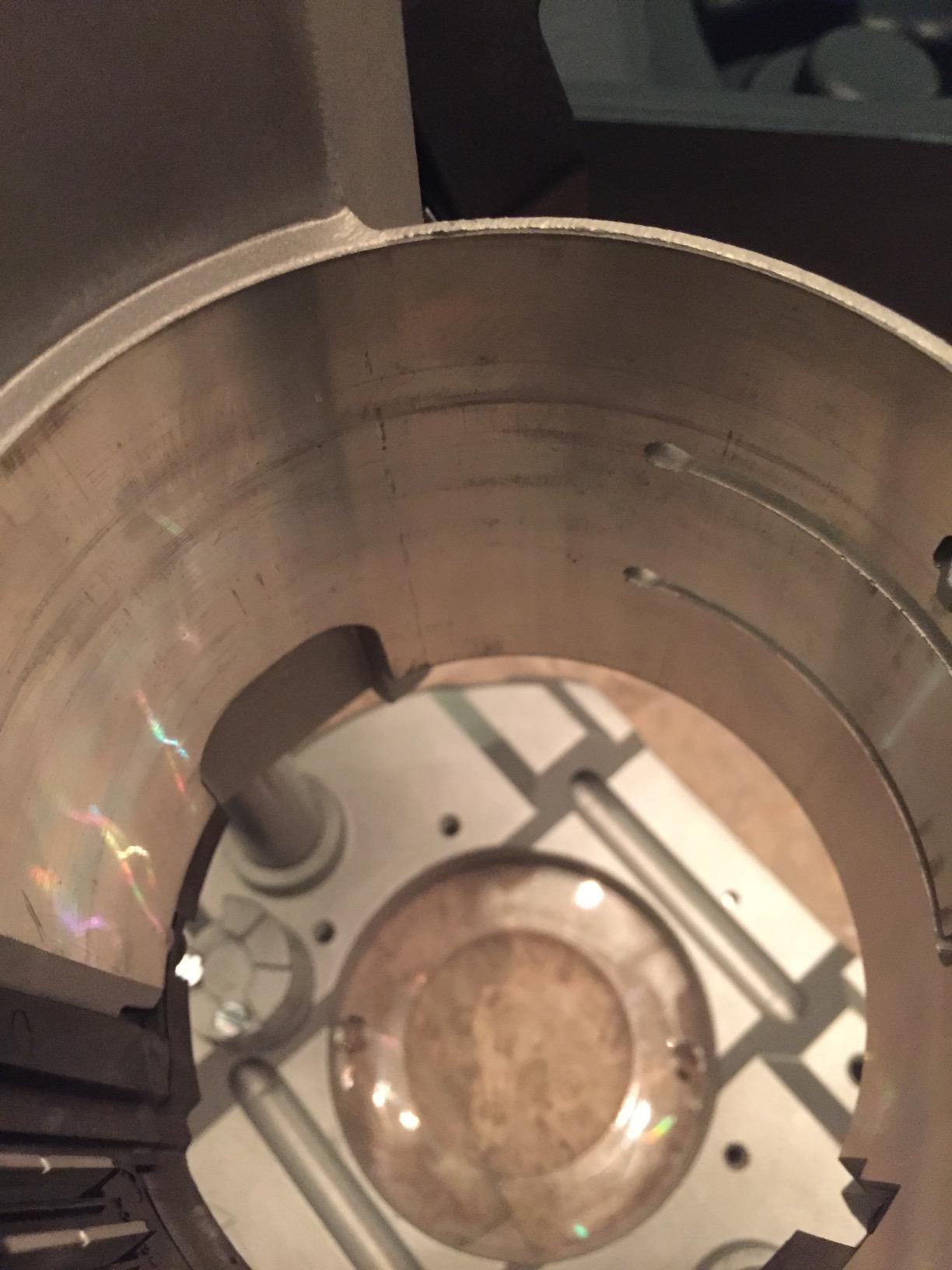
The always-on LED lighting is a genuine convenience on this router. It throws light into the bit area continuously rather than in a burst, so you can see the cut line without juggling a work light or leaning in with a headlamp.
The trigger-control switch sits in the handle, which keeps both hands on the grips, and the two-stage quick clamp system locks the motor pack into either base without fumbling. At 10,000 to 25,000 RPM there is plenty of range for both shaping and fine detail work.
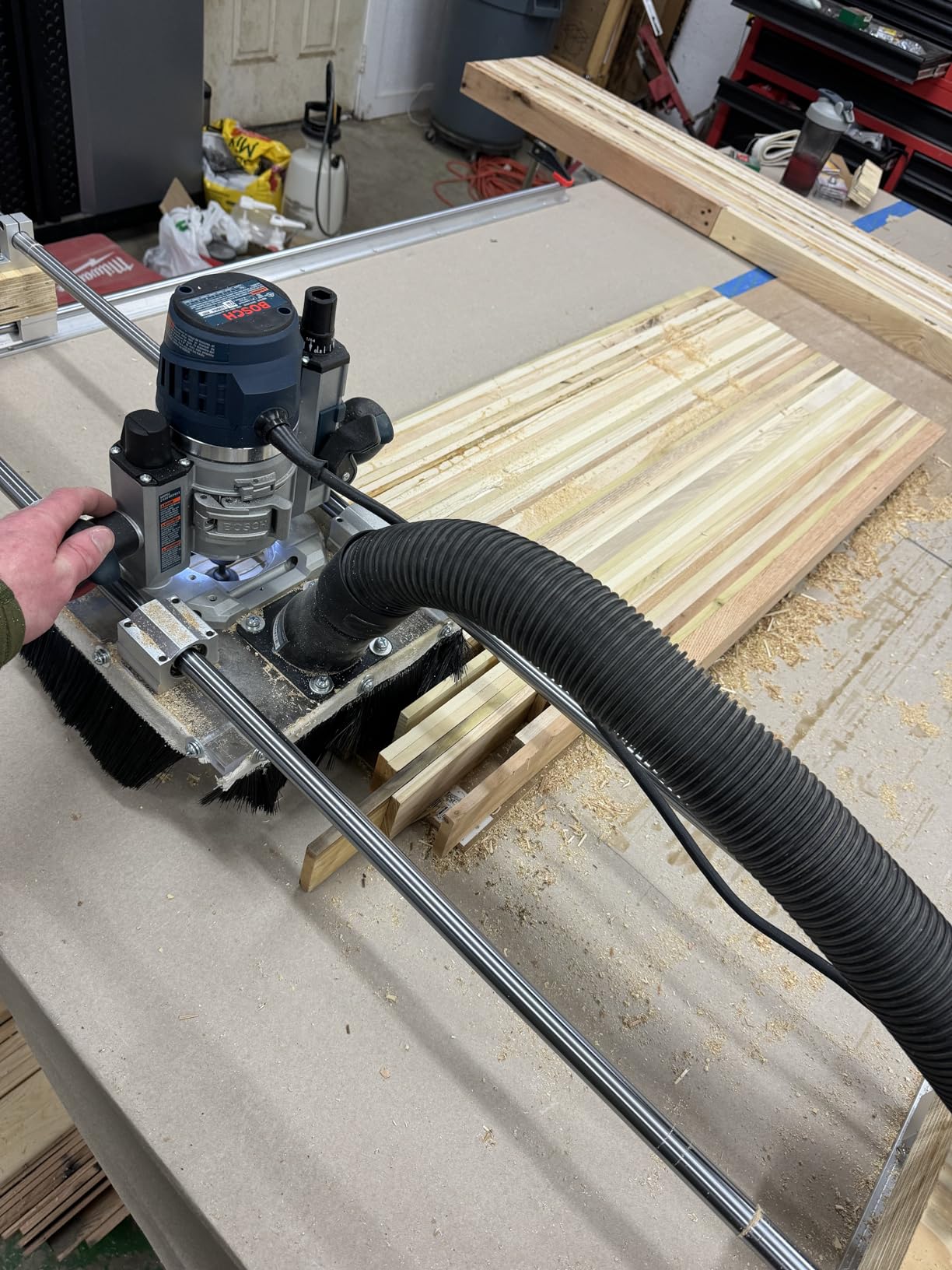
Where the precision actually comes from
Precision here is a combination of the precision-centering design, which holds the bit on the cut line, and the soft start that keeps the motor from twisting the router at engagement. Those two details matter more on inlay and template work than raw horsepower does.
Reviewers do report noticeable vibration on some units at the top of the speed range. If you cut small-diameter bits in hardwood, staying below maximum RPM keeps both the finish and your comfort level better.
Long-term reliability questions
The most serious negative feedback in reviews involves trigger control electronics failing after extended service. It is a minority report rather than a pattern, but it is worth noting if you keep a single router running for years and have no second machine to fall back on.
The package includes both bases, collets, wrenches, mounting screws and a carrying case, so the ownership experience out of the box is complete.
7. DEWALT DW616PK – Best Plunge Router for Small Hands and Long Sessions
DEWALT Router, Fixed/Plunge Base Combo Kit, 11-Amp, 1-3/4 HP, (DW616PK)
1-3/4 HP
11 amp
plunge and fixed base
6 pound tool
Pros
- Light at 6 pounds for a combo kit
- Fast motor pack swaps between bases
- Sub-base concentricity gauge included
- Hard case keeps bases and collets organized
Cons
- No soft start and no variable speed
- 1-3/4 HP is less capable in hardwood than larger combos
- Older electronics design than the DW618
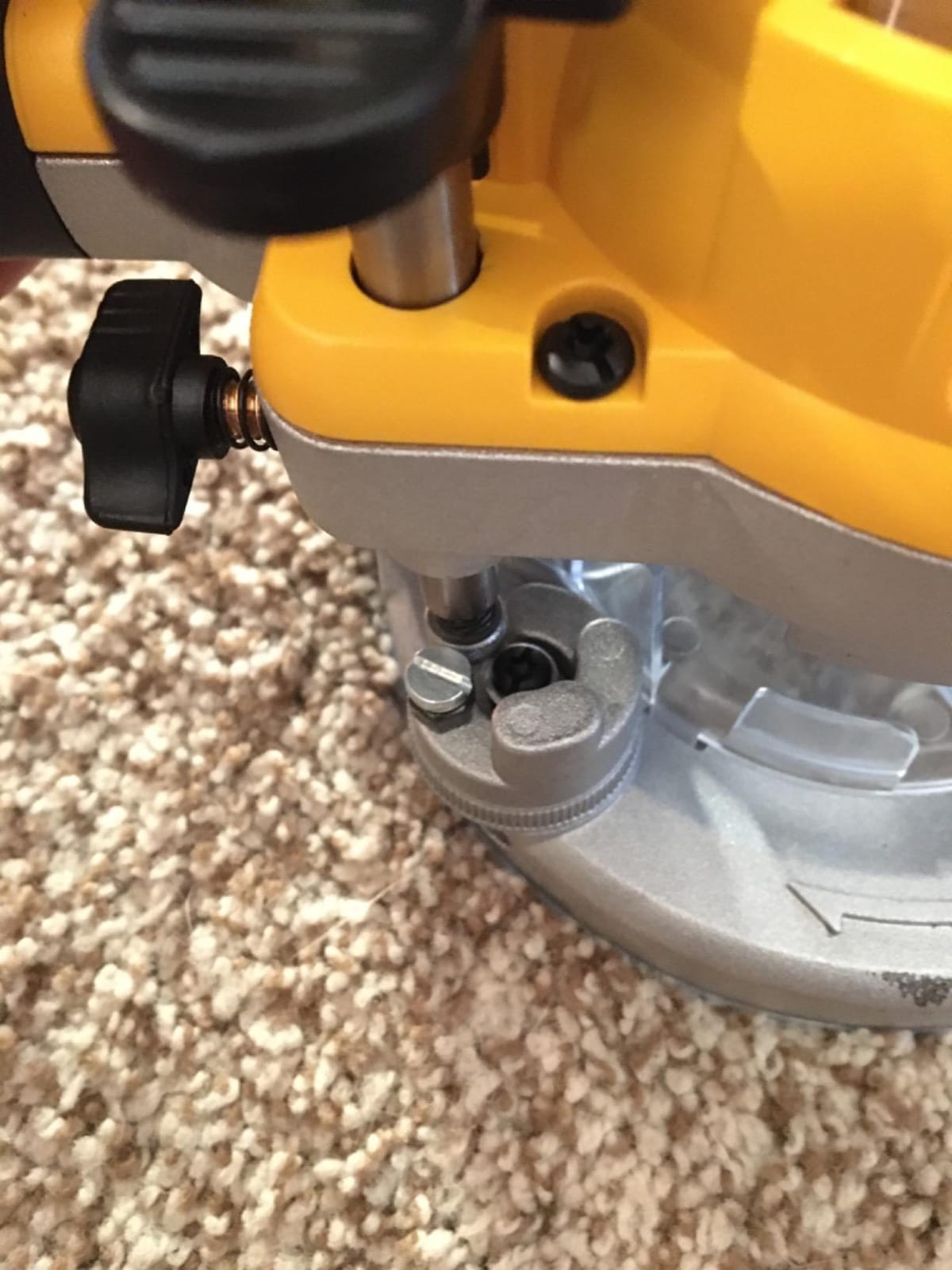
Forum threads about routers for smaller hands keep coming back to one problem: many plunge routers are heavy enough to be unpleasant before the cut even starts. The DW616PK answers that directly at 6 pounds, and it is the lightest full combo in our group.
The 11 amp, 1-3/4 HP motor pack drops into either base quickly, and the fixed base has concentricity adjustment plus compatibility with legacy router tables. Owners who inherited an older table report that it mounts without any adapter hardware, which saves a real headache.
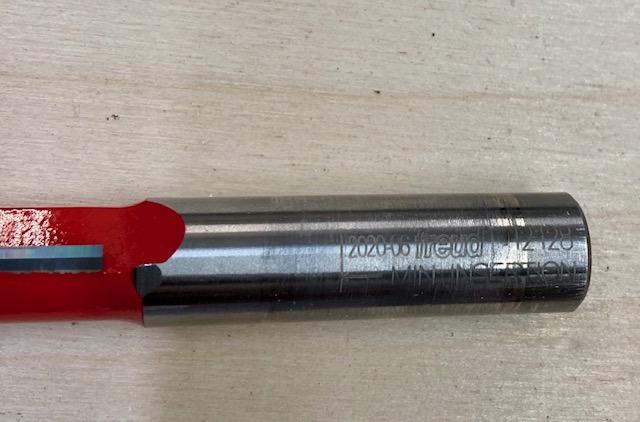
The plunge base has fine depth adjustment, and the motor swaps between bases without tools. For a shop where one person handles a router and another handles the table, that quick conversion means one motor covers every station.
The kit includes collets, wrenches, a vacuum adapter, a sub-base concentricity gauge and a hard plastic box with room for bits. The 4.7-star owner rating across 308 reviews reflects a design people like precisely for its simplicity.
What you give up without variable speed
This router has no soft start and no variable speed, and that is the honest trade-off. A single fixed speed means less control when you switch between a small bit in maple and a large bit in pine, and the full bite of the motor arrives the moment the switch goes on.
If your routing is mostly edge work, trim and simple profiles, the fixed speed is fine. If you plan to cut hardwood with wide bits, read the performance limits before you commit.
Choosing between the two DEWALT combos
The DW618PKB adds electronic speed control, soft start, through-the-column dust collection and more power, at a higher cost. The DW616PK keeps the same easy base conversion and tool-free swaps for a lighter, simpler machine.
For a first router, a light tool that you will actually keep using beats a heavier one that sits in the corner. This is the pick for smaller users and for anyone who wants the DEWALT base system without the electronics.
8. WORKPRO 6.5 Amp Combo Kit – Best Starter Kit with Bits Included
WORKPRO 6.5 Amp Compact Router Combo Kit, Fixed & Plunge Base
6.5 amp
6 speeds
12,000-30,000 RPM
spindle lock and dust hood
Pros
- Six router bits and guides included in the kit
- Metal gears and hardware feel solid
- Six speed settings from 12000 to 30000 RPM
- Transparent dust hood and vacuum adapters work
Cons
- 6.5 amp motor bogs down on deep hardwood cuts
- Depth adjustment feels loose before clamping
- Plunge spring return can be stiff
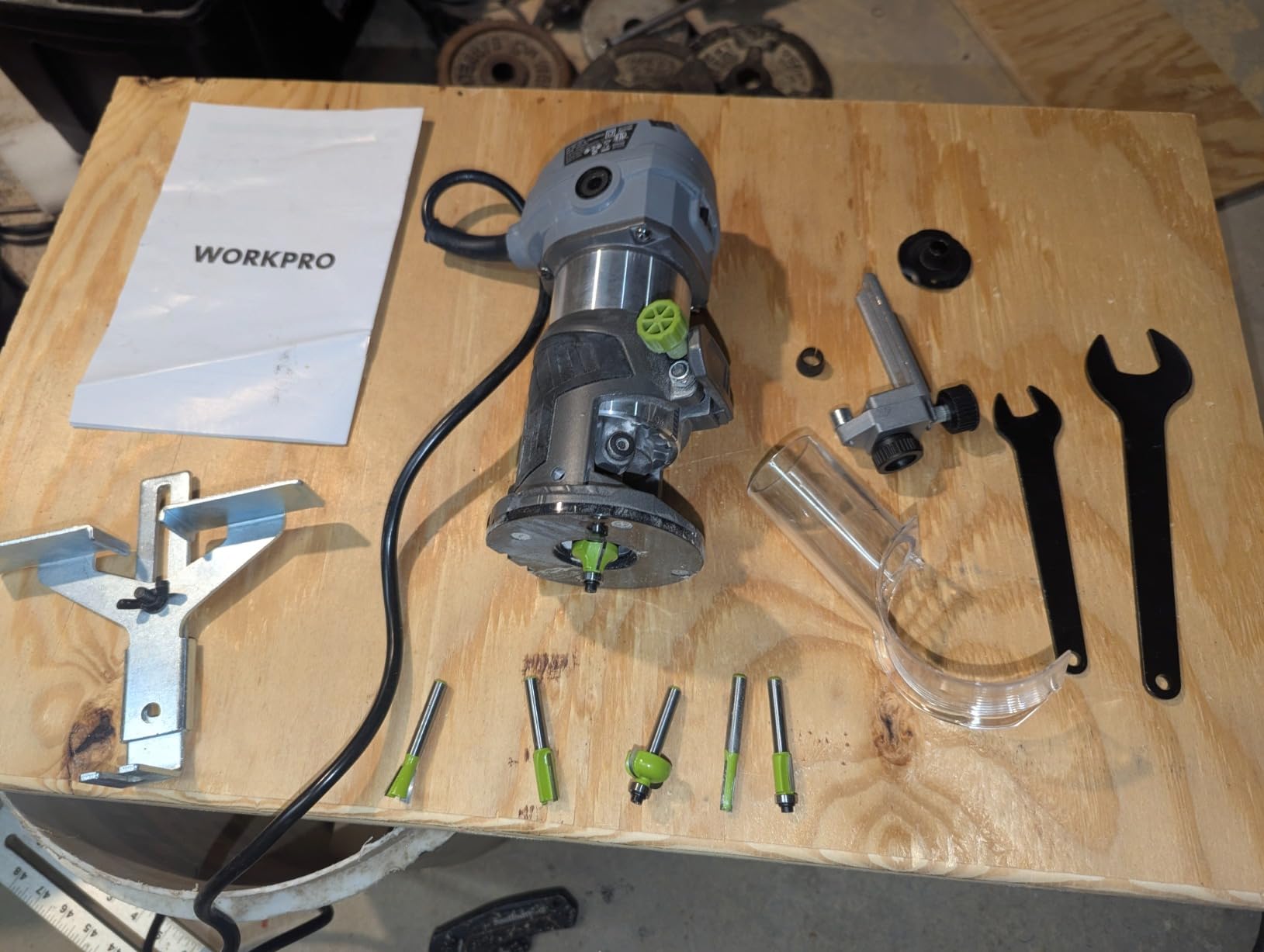
Most plunge routers arrive with collets and nothing else. The WORKPRO combo kit breaks that pattern by including six router bits, a straight guide, template guides, a trimming guide, dust collectors and wrenches, which means you can open the box and cut on the same day.
The 6.5 amp motor runs across six speeds from 12,000 to 30,000 RPM, and the rack-and-pinion depth knob is quick to set. A spindle lock lets you change bits with wrenches while the motor is stopped, and rubber-wrapped handles take some of the pressure off longer cuts.
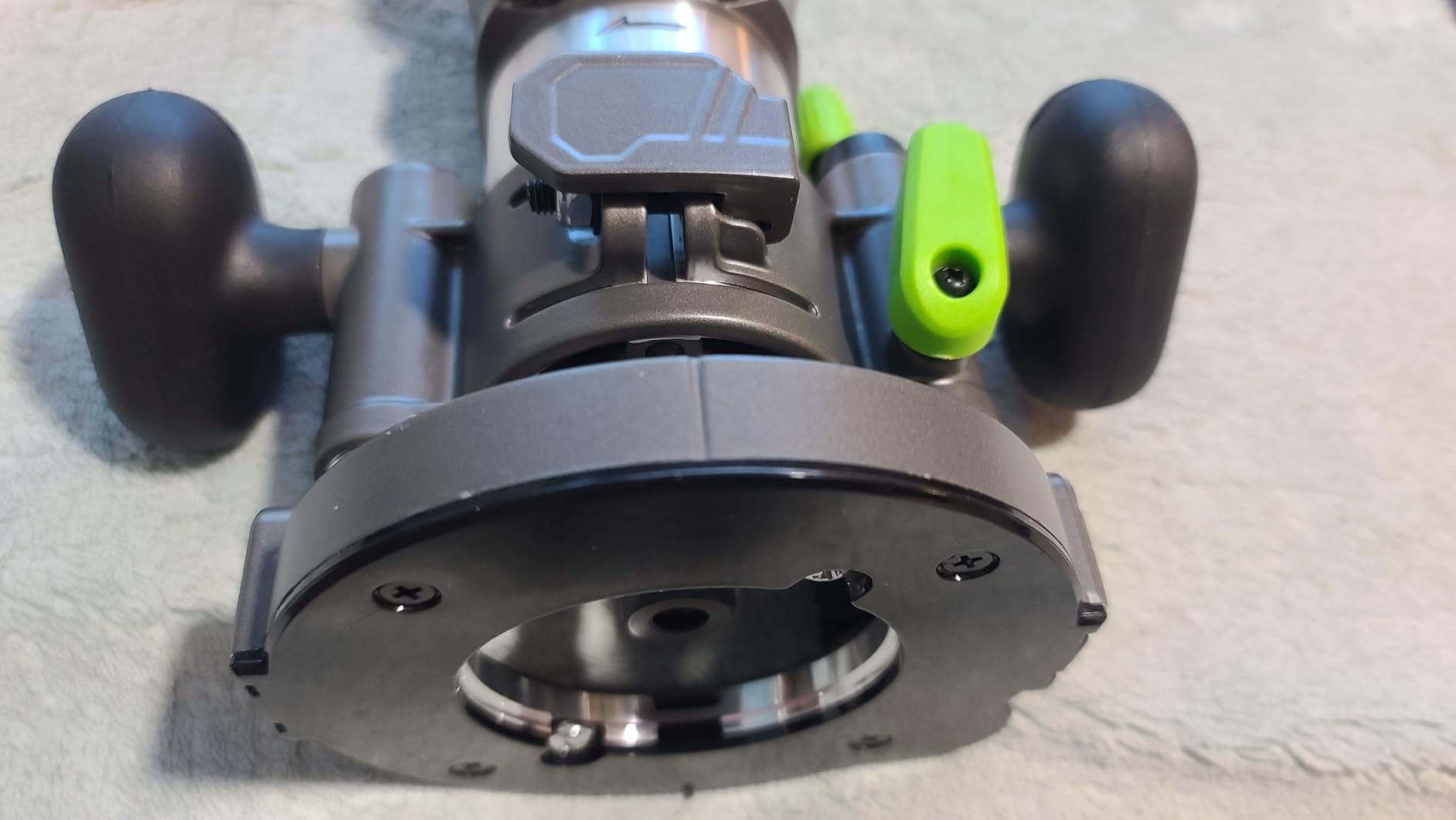
For pine, cedar and moderate hardwood work, owners describe the machine as competent and inexpensive. The transparent dust hood helps control flying chips and gives you a view of the cut, which is nicer than an opaque shroud on a cheap machine.
That is the honest scope of this tool. It is a learner or light-duty router, not a hardwood production machine.
Where the power ceiling sits
A 6.5 amp motor is roughly half the current of the 12 to 15 amp models above it, and that gap shows on deep cuts in hardwood. Reviewers report bogging down on wide bits in dense stock, so plan shallow passes and lighter cuts.
Adding a drop of machine oil to the plunge spring helps the return action, and tightening the depth knob before the cut removes the loose feel. Neither fix adds power, so set your expectations accordingly.
When this kit makes sense
If you are building shelves, small cabinets or signs out of softwood, this kit covers the work at a price that leaves room for a second tool later. The accessory bundle is the real value, since a comparable bit and guide set costs nearly as much as the router.
Move up to a 12 or 15 amp machine once you start cutting hardwood regularly. The guides and bits from this kit work with standard 1/4 inch and 3/8 inch shanks, so nothing is wasted.
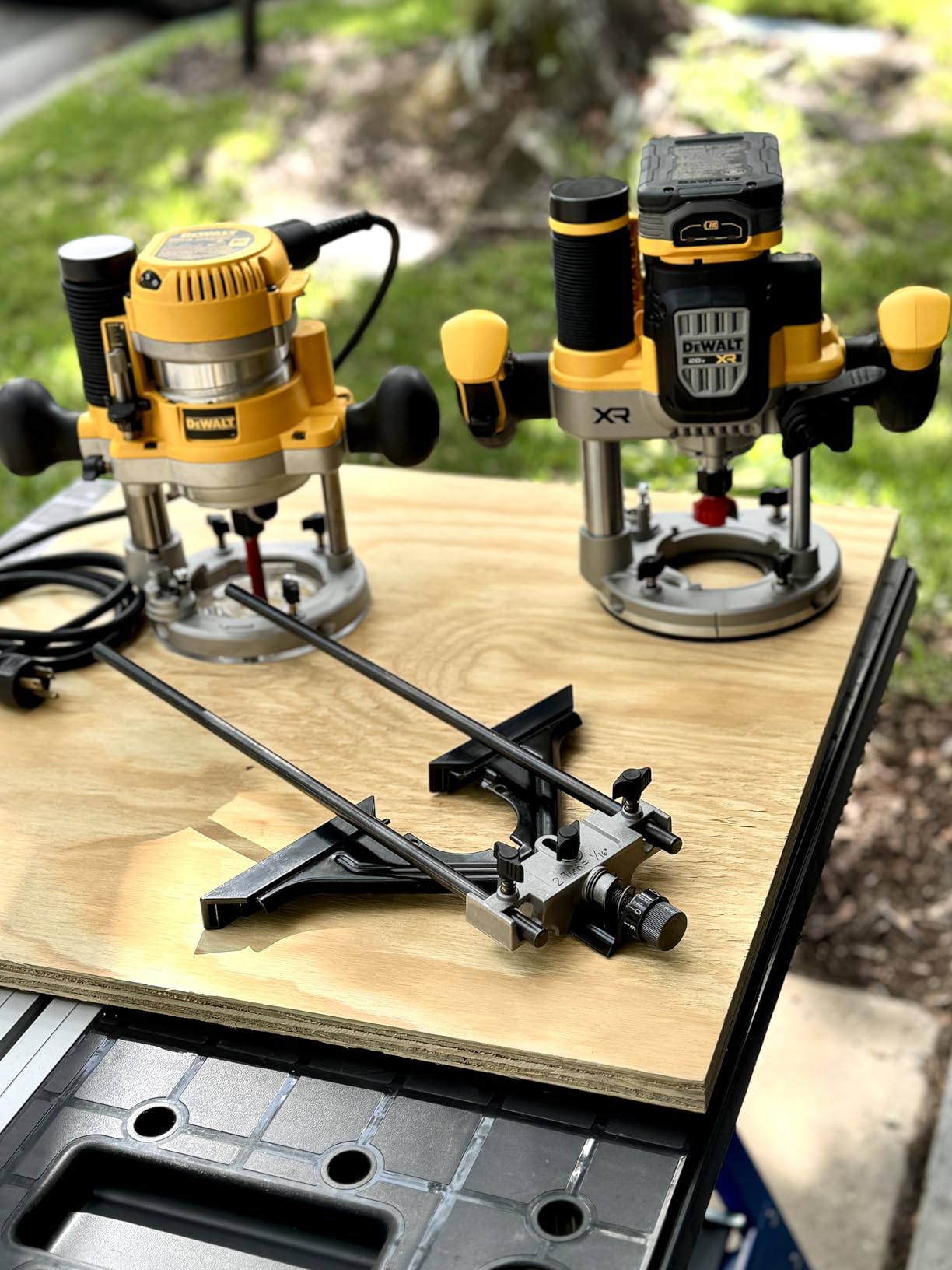
9. DEWALT DCW620B – Best Cordless Plunge Router for Mobile Shops
DEWALT 20V MAX XR 2-1/4 Peak HP Plunge Router (Tool Only) (DCW620B)
20V MAX cordless
2-1/4 peak HP
11,000-23,000 RPM
tool only
Pros
- Cordless operation at full-size plunge router power
- Integrated dust collection routes to a single outlet
- Anti-rotation system shuts down on excessive spin
- Tool-free plunge lock and depth adjustment
Cons
- Battery and charger sold separately
- Charge drains quickly at higher speed settings
- No third-party battery adapter support
Cordless routers used to mean accepting a real drop in capability. The DCW620B does not. DEWALT rates it at up to 2-1/4 peak HP on a 20V MAX battery, which puts it in the same class as the 12 amp corded combos in this list for most routing work.
Integrated dust collection connects to AIRLOCK equipment and routes through a single outlet instead of venting chips in two directions. On long jobs that means fewer chips in your air and fewer stops to sweep the bench between passes.
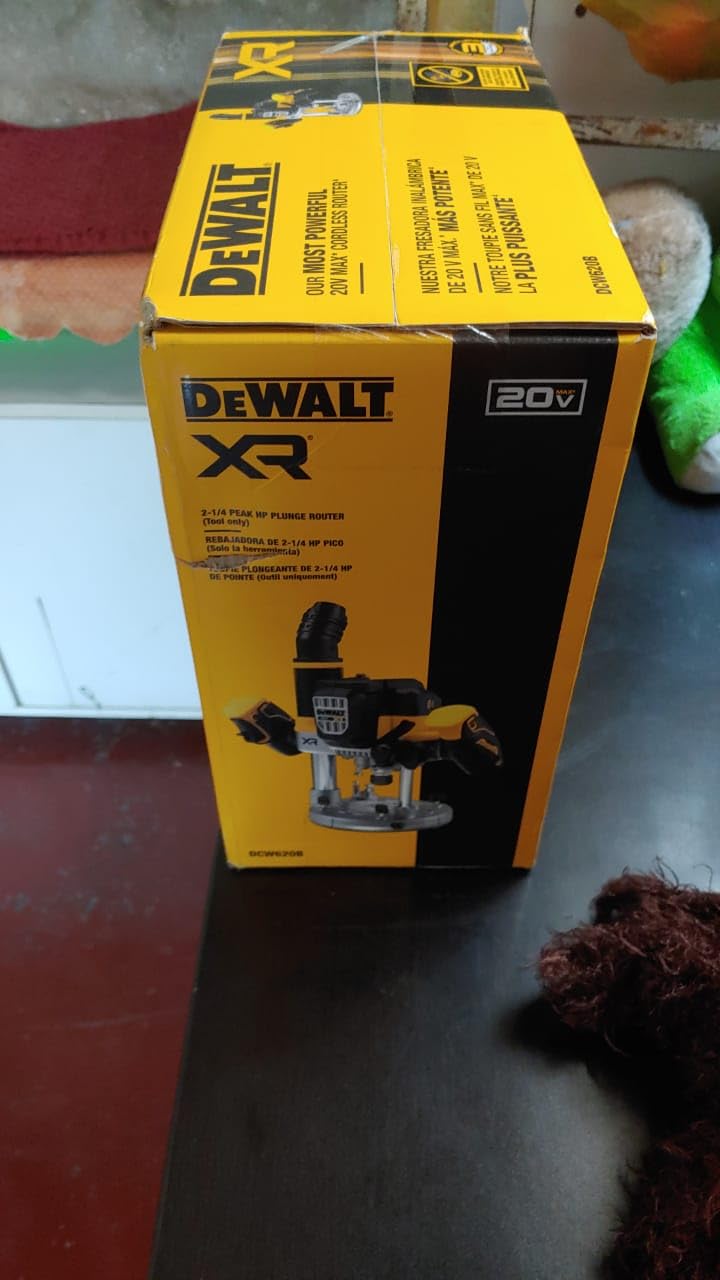
The anti-rotation system is the feature no competitor in this group offers. If the tool detects excessive rotational motion it shuts down and shows a red LED, which protects both the bit and the workpiece if the bit grabs during a cut.
Tool-free depth adjustment, a micro-fine depth stop adjuster and a plunge lock lever you can operate without taking your hands off the handles make this one of the most pleasant plunge mechanisms we used. The dual LED illumination lights the cut line from two angles.
What cordless means for your workflow
The headline number from the manufacturer is up to 256 linear feet of 5/8 inch roundovers in pine on a single charge. That is realistic for softwood shaping work, and hardwood or thick stock will drain the pack noticeably faster, especially at the top of the speed range.
If your projects are on site, on a deck, or away from an outlet, that freedom is worth real money. If your work happens at a bench with power nearby, a corded model gives you uninterrupted cutting.
What to check before buying
This is a tool-only package, so plan on owning a 20V MAX battery and charger from the same platform before you start. It also does not accept third-party battery adapters, which means swapping packs between tools stays within one brand family.
Variable speed runs 11,000 to 23,000 RPM with constant speed under load, and the 3-position turret stop handles repeatable depth settings for production work.
10. VEVOR Three-Base Kit – Best Value Package with a Tilt Base
VEVOR Compact Router 1.25HP With Fixed Base, Plunge Base and Tilt Base, Variable Speed Wood Router Kit Max Torque 30,000RPM For Woodworking & Furniture Manufacturing
1.25 HP and 800 watts
10,000-30,000 RPM
fixed plunge and tilt bases
Pros
- Three bases in one inexpensive package
- Common 64mm body diameter fits many accessories
- Soft start and variable speed on a budget machine
- Cast aluminum housing reduces vibration
Cons
- Base fit can be loose out of the box
- Collets may need clearing before bits seat properly
- Rougher finish on the plunge and tilt bases
The VEVOR kit is unusual because it includes a tilt base alongside the fixed and plunge bases. A tilt base angles the router for bevel work and decorative edges, which normally means a third purchase from another manufacturer.
Variable speed from 10,000 to 30,000 RPM with soft start and Constant-Response circuitry gives a 1.25 HP compact router more control than the power alone would suggest. The cast aluminum motor housing reduces vibration compared with an all-plastic body, and the rack-and-pinion depth control is graduated in both inches and millimeters.
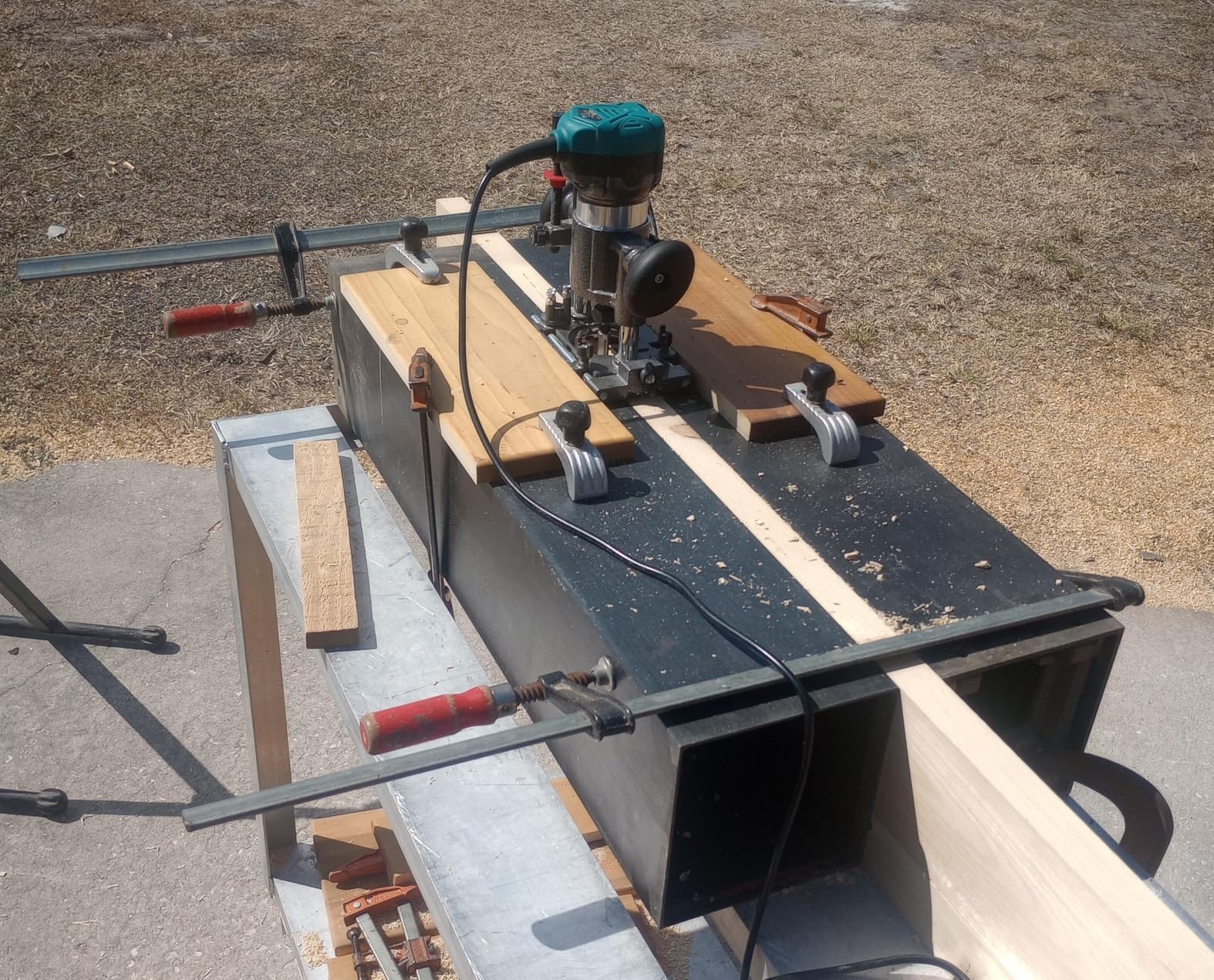
The body shares the common 64mm diameter, so many third-party router accessories fit, including fences and jigs designed for standard trim routers. That compatibility is worth more over time than the headline horsepower number.
The quick release cam lock speeds up depth adjustment and base removal, and the kit includes 1/4 inch and 3/8 inch collets, a straight edge guide, a curved edge roller guide, a dust hood, a spanner wrench and replacement carbon brushes.
Setup issues to expect on day one
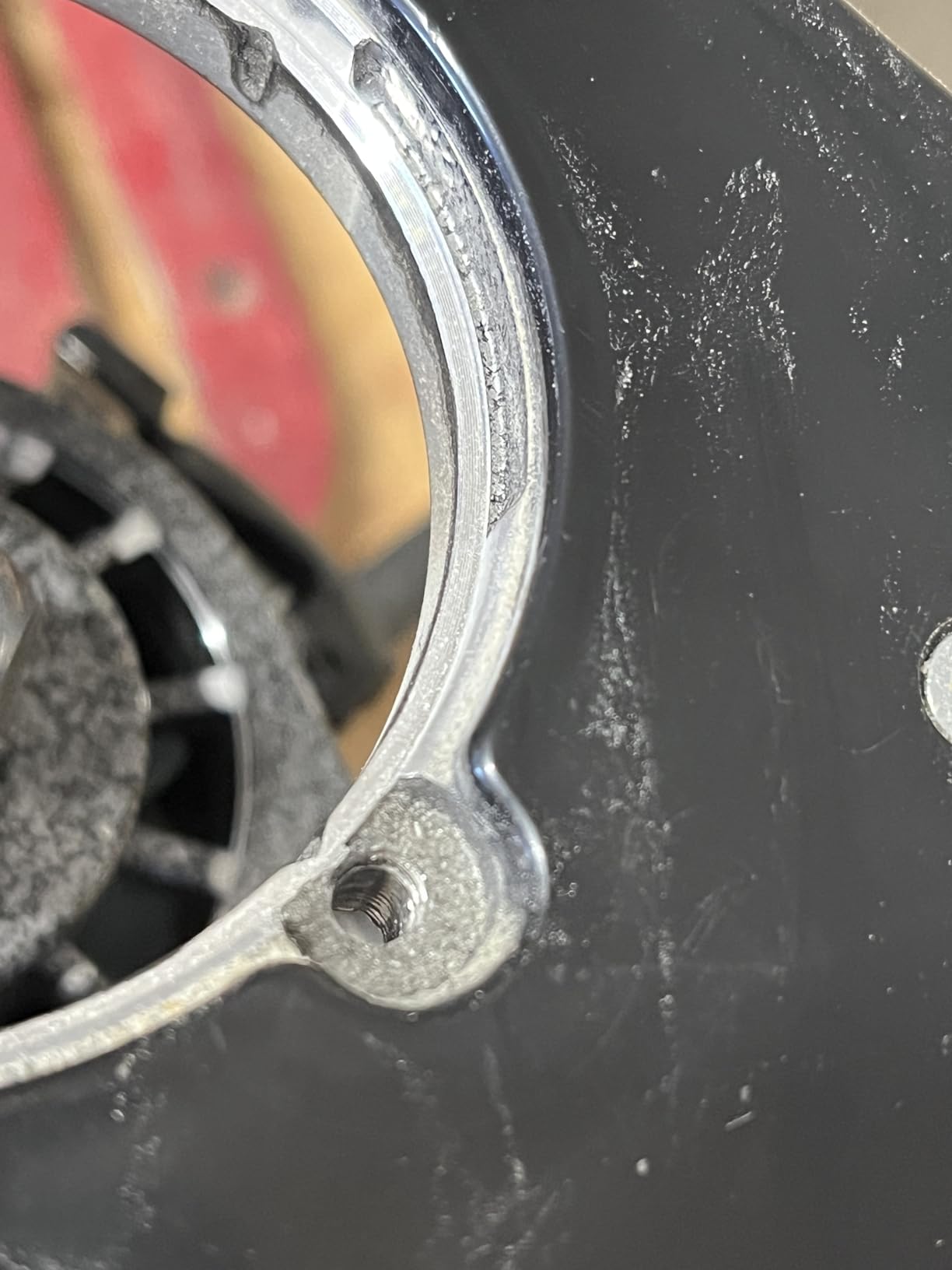
Base fit can be loose straight out of the box, so plan to spend a few minutes adjusting the clamps before the first cut. Reviewers also report that the collets sometimes need clearing before a 1/4 inch shank bit will seat properly, which is a five-minute fix with a thin file or a light tap.
None of these are deal breakers, but budget an hour of setup before you expect the kit to behave like a name-brand machine.
Where this kit fits and where it does not
This is a light shop tool. Lightweight trim work, small boxes, sign blanks and softwood projects are all within its range. Thick hardwood, wide bits and production runs are not, and the 1.25 HP motor is the limiting factor rather than the bases.
The replacement carbon brushes in the kit are a small sign of intent. Buying one of these for bevel and light shaping work makes sense; making it your only router for heavy joinery does not.
How to Choose a Plunge Router
Motor size is the first filter, because it decides what you can cut. A 6.5 to 7 amp motor suits softwood and small trim. An 11 amp motor covers general cabinet work. A 12 amp, 2.25 HP motor handles most hardwood joinery, and 15 amp, 3 HP class machines are what forum users recommend for thick stock and live-edge slabs.
Second, look at the plunge mechanism rather than the marketing. A microfine depth ring, a multi-stop turret and a positive plunge lock all reduce the amount of guessing between passes. Depth drift under load is the single most common complaint across every brand we tested, so check the setting with a straightedge after the first heavy pass on any new router.
Third, decide about shank size before you buy. Most plunge routers accept both 1/4 inch and 1/2 inch bits, but you need a 1/2 inch collet and 1/2 inch shank bits for wide profiles, dados and heavy rabbets. Buying a few 1/2 inch bits early saves a frustrating afternoon later.
Fourth, check router table fit. A threaded three-hole base pattern is the most common standard, so a router with that pattern drops into most tables without an adapter. Measure the table plate diameter against the base diameter if you own an older unit.
Fifth, consider dust. Through-the-column extraction on the DEWALT DW618PKB and the integrated system on the DEWALT DCW620B are the two best we tested, and both leave the cut line visible. Everything else works properly with a shop vac, just with more chips on the bench.
Sixth, weight matters more than specs suggest. A router you can hold comfortably for an hour will get used more than a heavier one with a longer feature list. Buyers with smaller hands should read the DW616PK and DCW620B sections above before committing to a 15 pound machine.
If you are still narrowing the field and want a wider view of the market, our guide to the best wood routers overall covers fixed-base and palm routers as well.
Plunge router or fixed base router?
Choose a plunge router if you want stopped grooves, interior mortises, inlays, recessed hinges, dados that stop short of an edge, or any cut that begins in the middle of a board. A fixed-base router physically cannot start a cut inside the workpiece because the bit is already below the base.
Choose a fixed base if you mostly trim edges, cut a full-length dado from one end to the other, or plan to put the router in a table for production runs. Fixed base routers are cheaper, lighter and less complex, which is why a combo kit is a sensible first purchase for many people.
For a beginner, the honest answer is that a combo kit covers both cases with one motor. It costs more than a single-base router, but it removes the need to buy a second machine when you discover you need stopped cuts six months from now.
What breaks, and how to slow it down
Depth adjustment assemblies are the most failure-prone part of any plunge router, usually because of dust in the rack. Blow the column out with compressed air before every job and keep a vacuum hose near the base opening.
Switches and trigger electronics come next. Keep the trigger clean of sawdust, and if a plunge router is more than a decade old, expect to replace the switch rather than troubleshoot it. Brushes in brushed motors are consumables; a router that sputters under load usually needs new brushes rather than a new machine.
Collets survive longer than most people expect, but they fail when they are dropped, when a bit is inserted crooked, or when someone tightens the nut with an impact driver. Hand-tighten, always, and treat a dropped collet as a replace it item.
Setting plunge depth without a waste cut
Set the turret to slightly less than your target depth and make the first pass. Measure the actual cut with a gauge block or a machinist rule, then use the microfine ring to bring the setting to the mark. Repeat once more and you have an accurate depth without cutting through a scrap board to find out.
Work in two or three light passes rather than one heavy one. Lighter passes keep the motor at speed, reduce the chance of the depth drifting and give a cleaner wall on hardwood.
Frequently Asked Questions
What is the most reliable router brand?
Among the plunge routers we tested, Bosch and DEWALT stand out for long service lives, and owners on Reddit and Lumberjocks most often name the Bosch 1617EVSPK as the one that keeps working. Reliability on any brand depends far more on dust control and clean collet handling than on the name on the label. Blow out the plunge column between jobs and hand-tighten the collet nut, and a mid-range machine will outlast a premium one that was abused.
What is the best router for woodworking?
For most woodworkers, the best plunge router for general shop work is the Bosch 1617EVSPK, a 2.25 HP combo kit rated 4.8 stars across nearly 5,000 owner reviews. It includes both a plunge and a fixed base, runs 8,000 to 25,000 RPM and has a microfine depth adjustment that suits joinery and template work. If your projects are small and your hands are smaller, the lighter DEWALT DW616PK is the better fit.
Is there a difference between a router and a plunge router?
Yes, and the difference is where the bit starts cutting. A fixed-base router can only cut from the edge of the workpiece inward, while a plunge router lowers the whole motor through the base opening so the bit can enter the middle of a board. That means stopped grooves, interior mortises, inlays and recessed hardware, which a fixed base physically cannot reach. Many plunge routers include a fixed base as well, so one machine handles both.
What is the best plunge router for woodworking in 2026?
The Bosch 1617EVSPK remains the best all-around plunge router, with the DEWALT DW618PKB ahead of it for dust control and speed control, and the Triton TRA001 for heavy hardwood and table work. On a tight budget, the SKIL RT1322-00 gives you both bases with a 14 amp motor. For shops without a nearby outlet, the DEWALT DCW620B is the only cordless plunge router in this group.
What is the best plunge router for woodworking?
A 12 amp, 2.25 HP combo router with a plunge base, a fixed base and microfine depth adjustment covers the widest range of jobs, which is why the Bosch 1617EVSPK leads our list. Step up to a 15 amp, 3 HP class machine such as the Triton TRA001 when you cut thick hardwood or wide bits regularly. Step down to a lighter 11 amp combo when most of your work is softwood and small parts.
Which router is better, Bosch or DeWalt?
The Bosch 1617EVSPK wins on owner rating and depth adjustment reputation, while the DEWALT DW618PKB wins on dust collection and speed stability under load. Bosch is lighter on features but heavier on the bench at 18.2 pounds, and DEWALT is lighter at 10.1 pounds with through-the-column extraction. DEWALT offers a lighter 11 amp DW616PK for smaller hands and a cordless DCW620B for mobile work, so the family covers more use cases overall.
Final Verdict on the Best Plunge Routers for Woodworking
After weeks of routing pine, oak and hard maple, the Bosch 1617EVSPK is the router we recommend to most people. Its 2.25 HP motor has the headroom for real joinery, the microfine depth adjustment is precise enough for inlay work, and the 4.8-star average across nearly 5,000 reviews is the strongest evidence base in this group.
Pick the DEWALT DW618PKB if chip control and dust extraction matter most to your work, the Triton TRA001 for heavy hardwood and router table production, and the DEWALT DW616PK if weight and handling matter more than power. Whatever you choose, check the depth setting with a straightedge after the first pass, and start there on your next build in 2026.