
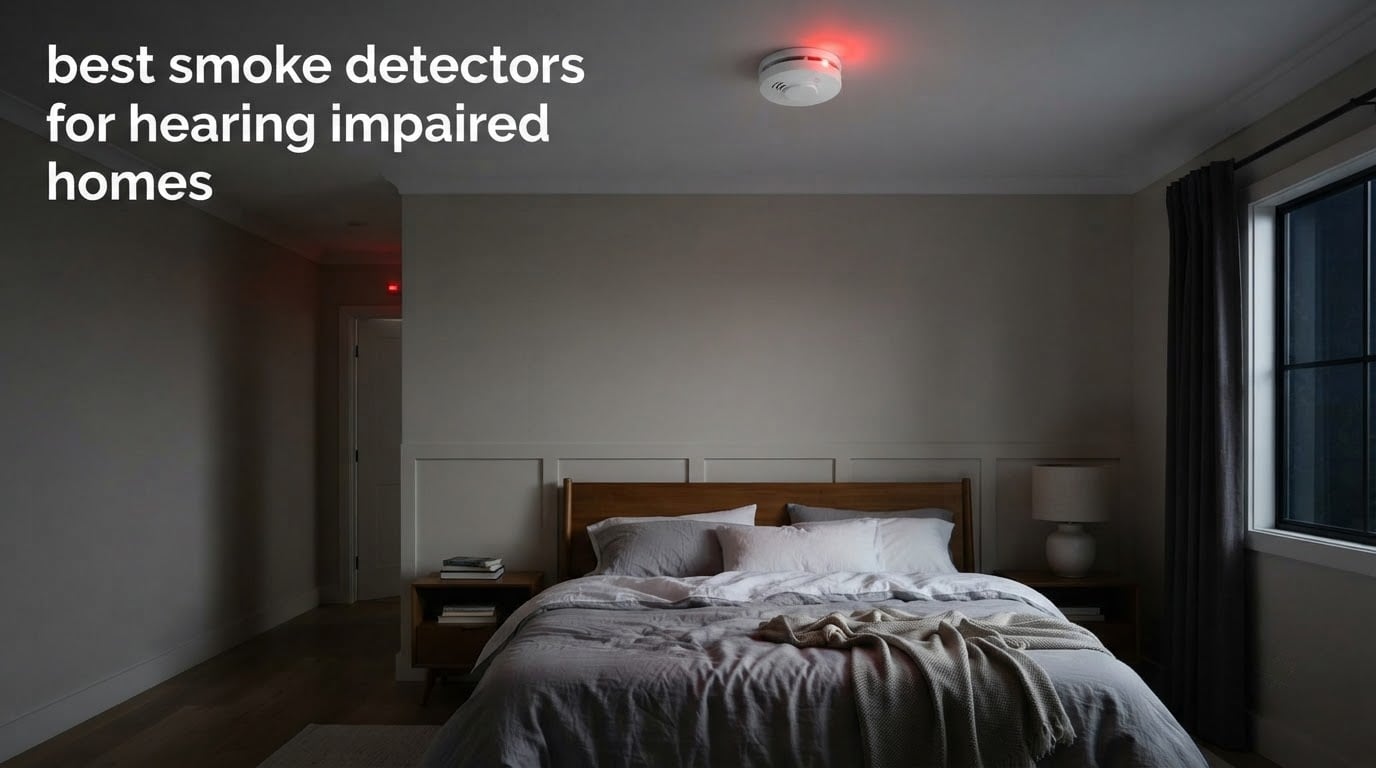
The American Red Cross gives a household roughly two minutes to get out of a burning home, and the large majority of fire deaths come from smoke inhalation rather than burns. That two-minute window only works if someone is awake and aware in the first place. For a deaf or hard of hearing resident, a conventional alarm that only makes noise is not a weak alarm. It is no alarm at all, which is why the search for the best smoke detectors for hearing impaired homes is not a comfort purchase but a life-safety one.
Our team spent several weeks comparing eleven current units, reading owner reviews, and checking what each device actually does when the power goes out, when the alarm is triggered from another room, and when the person wearing it is asleep with their hearing aids removed. The result surprised us. Most products sold in this category are not strobe or bed-shaker devices at all. They are combination smoke and carbon monoxide alarms that add spoken announcements to a standard horn, which helps some hard of hearing users and does nothing for a profoundly deaf sleeper.
Before we get into the picks, it helps to understand the four ways a fire alarm can reach you, and to know which kind of hearing loss each one actually serves. If you are shopping for a family member rather than yourself, our guides to hearing aids for severe hearing loss and over-the-counter hearing aids for mild loss cover what alerts those devices can and cannot deliver on their own.
Quick answer: The First Alert SC7010BV is the best overall smoke detector for hearing impaired homes because its spoken location announcements work on hard of hearing residents day or night. The Kidde battery voice alarm is the best budget pick for renters. The First Alert 7020BSL is the best visual alert at 177 candela. The SimpliSafe listener is best if you want professional monitoring.
Table of Contents
Top 3 Picks for Smoke Detectors for Hearing Impaired Homes (October 2026)

First Alert SC7010BV
- Talking alarm with location announcements
- Smoke and CO combination
- Photoelectric and electrochemical sensors
- Interconnectable with BRK units
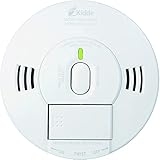
Kidde Hardwired Voice Alarm
- 85 dB horn plus spoken hazard alerts
- Hardwired with 9V battery backup
- Front-access battery door
- Links up to 24 Kidde devices

Kidde Battery Voice Alarm
- Runs on two AA batteries
- Spoken hazard announcements
- Colour-coded LED indicators
- No wiring required
11 Best Smoke Detectors for Hearing Impaired Homes (October 2026)
Every product below is listed in the order we rank them. How each device reaches a person matters more than any other specification, so read the alert column before the feature list.
| Product | Specs | Action |
|---|---|---|
| First Alert SC7010BV Talking Smoke and CO |
|
Check Latest Price |
| Kidde Hardwired Voice Alert Alarm |
|
Check Latest Price |
 Kidde 30CUA10-V 10-Year Backup Kidde 30CUA10-V 10-Year Backup |
|
Check Latest Price |
| Kidde Battery Voice Alarm |
|
Check Latest Price |
 First Alert 7020BSL Strobe First Alert 7020BSL Strobe |
|
Check Latest Price |
 eufy Security Smoke Alarm E10 eufy Security Smoke Alarm E10 |
|
Check Latest Price |
 HEIMAN Wireless Three-Pack HEIMAN Wireless Three-Pack |
|
Check Latest Price |
 SITERWELL Bilingual Voice Alarm SITERWELL Bilingual Voice Alarm |
|
Check Latest Price |
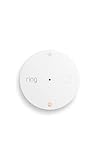 Ring Smoke and CO Listener Ring Smoke and CO Listener |
|
Check Latest Price |
 SimpliSafe Alarm Listener SimpliSafe Alarm Listener |
|
Check Latest Price |
 First Alert SC5 Smart Alarm First Alert SC5 Smart Alarm |
|
Check Latest Price |
1. First Alert SC7010BV: Best Overall for Hard of Hearing Residents
FIRST ALERT Battery Powered BRK SC7010BV Hardwired Talking Photoelectric Smoke and Carbon Monoxide (CO) Detector , White
Talking smoke and CO alarm
Spoken room announcements up to 11 rooms
Photoelectric and CO sensing
Pros
- Voice alerts name the danger type and the room
- Electrochemical CO sensing alongside photoelectric smoke sensing
- Interconnects so compatible BRK alarms all sound
- 10-year limited warranty with end-of-life signal
Cons
- Hardwired so it needs a junction box and wiring work
- Location features must be programmed before they are useful
- Still depends on hearing to be heard
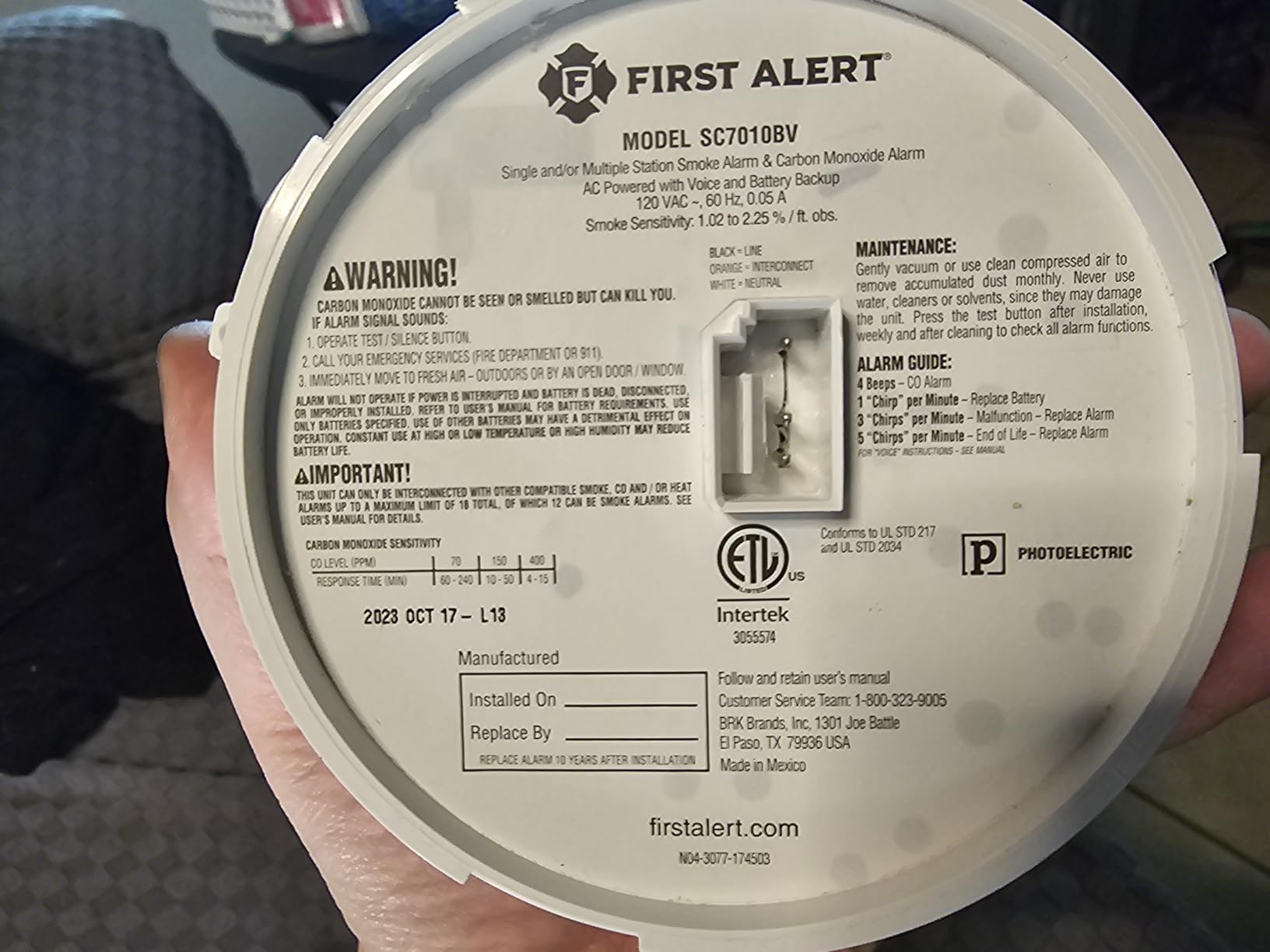
We put the SC7010BV at the top of this list because it does something most competitors do not. It announces the room it detected smoke in. In a mixed household, that means a hard of hearing person on the couch hears “Smoke detected in the kitchen” instead of an undifferentiated shriek from three rooms away and has to guess where to go.
The detection hardware is conventional and proven. An electrochemical sensor handles carbon monoxide and a photoelectric sensor handles smoldering smoke, which is the fire type that kills people in sleeping hours. The manufacturer lists a 10-year limited warranty, and the end-of-life chirp tells you when the unit itself has reached the end of its service life rather than just the battery.
It is also the most reviewed unit in our group, at more than 3900 ratings, so the long-term reliability picture is well documented by owners rather than by the marketing copy.
Be clear about what this device is and is not. It is a voice system. A resident with moderate hearing loss who takes out hearing aids at bedtime gets an enormous benefit from this alarm. A profoundly deaf resident gets nothing at all from it, and would still need a strobe or a bed shaker layered on top.
Programming is the other friction point. The location announcements only work after you set them, and the setup guide assumes some patience with a menu of room names. Owners who rushed this step ended up with a talking alarm that said the same generic phrase in every room, which is better than nothing but not much better.
Installation is the real consideration. This is a hardwired unit with corded electric power, so it needs a junction box and, in most older homes, a visit from an electrician. Budget for that before you buy.
Where the spoken location alerts genuinely help
This alarm is the strongest single purchase for a person with reduced but usable hearing, especially in a two-storey home where the source of the alarm matters as much as the alarm itself. The spoken hazard type also means nobody has to memorise beep patterns.
It also pairs sensibly with a separate carbon monoxide concern: because it handles both hazards in one housing, you cover smoke and CO in a single ceiling location rather than mounting two devices side by side.
Where it falls short for a deaf sleeper
It cannot help anyone who cannot hear speech. If the household includes a profoundly deaf resident, this belongs in the home as a supporting alarm, not as the alarm of record.
The hardwired requirement rules it out for renters, and the programming step is the most common installation complaint in owner reviews. For a rental, the battery voice alarm lower down the list does the same job with no wiring at all.
2. Kidde Hardwired Voice Smoke and CO Alarm: Top Rated Pick
Kidde Smoke & Carbon Monoxide Detector, Hardwired Interconnect, Combination Smoke & CO Alarm with Battery Backup, Voice Alerts
Hardwired with 9V backup
85 dB horn plus spoken hazard alerts
Front-access battery door
Pros
- Highest average rating in the group at 4.6 out of 5
- Front-access battery door speeds 9V changes
- Interconnects with up to 24 Kidde devices
- UL Certified with a 7-year limited warranty
Cons
- Newer Kidde generations use a different electrical connector
- Manufacturer warranty is 7 years
- still shorter than some rivals
- Hardwired install with no battery-only option
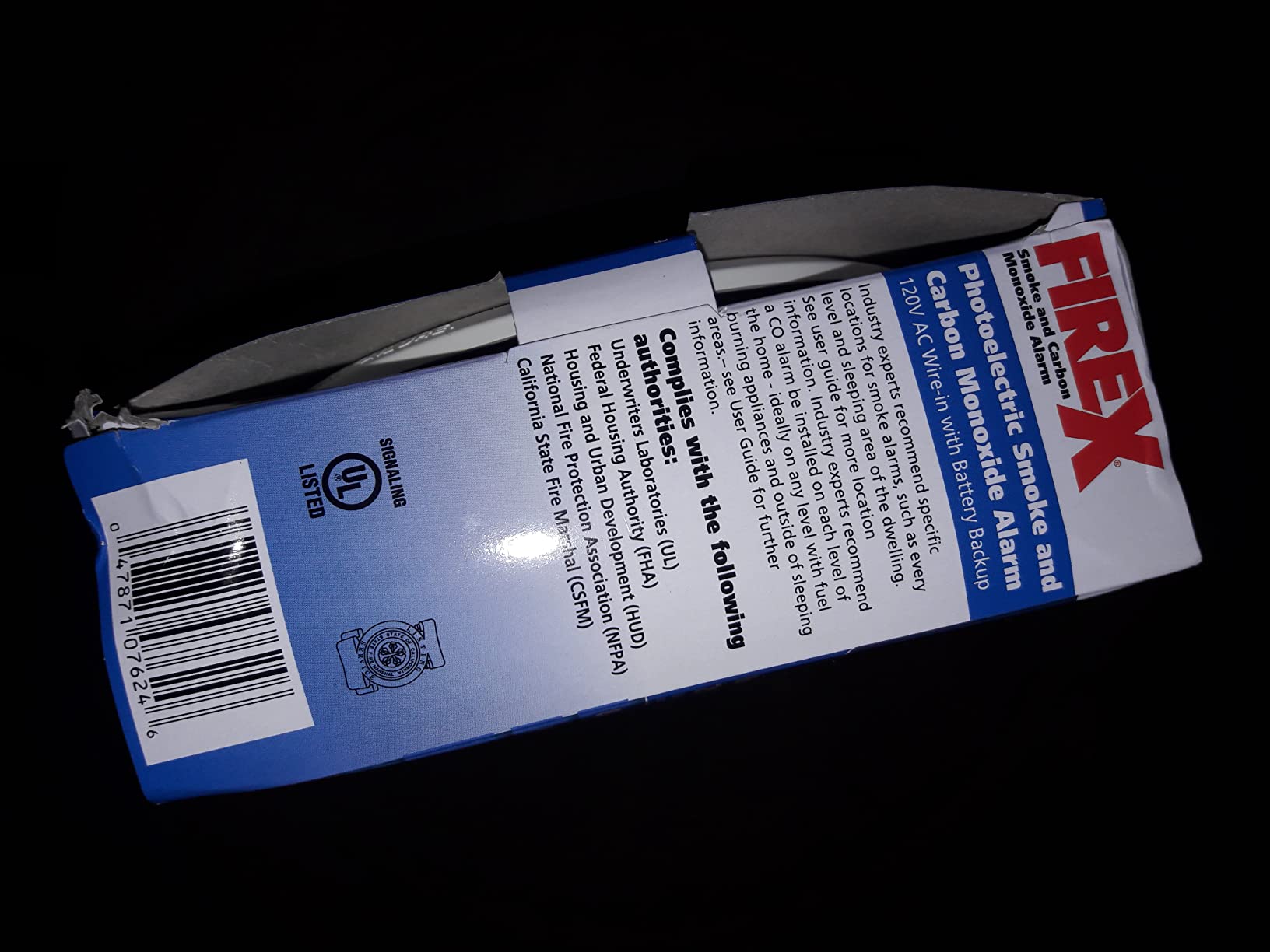
This Kidde hardwired voice alarm carries the highest average rating of anything we reviewed, sitting slightly above the SC7010BV while carrying fewer ratings. Owners repeatedly mention three things: the voice is clear, the battery changes are painless, and it drops into an existing Kidde installation without drama.
That last point is why it earns the premium slot. If your home already runs Kidde alarms on the same interconnect standard, replacing one with this is close to a like-for-like swap. You keep the existing base and wiring harness, and the interconnect chain continues working.
The chain itself is substantial. Kidde lists compatibility with up to 24 devices on one interconnect network, which is more than most households will ever need and more than enough for a large house with a finished basement.
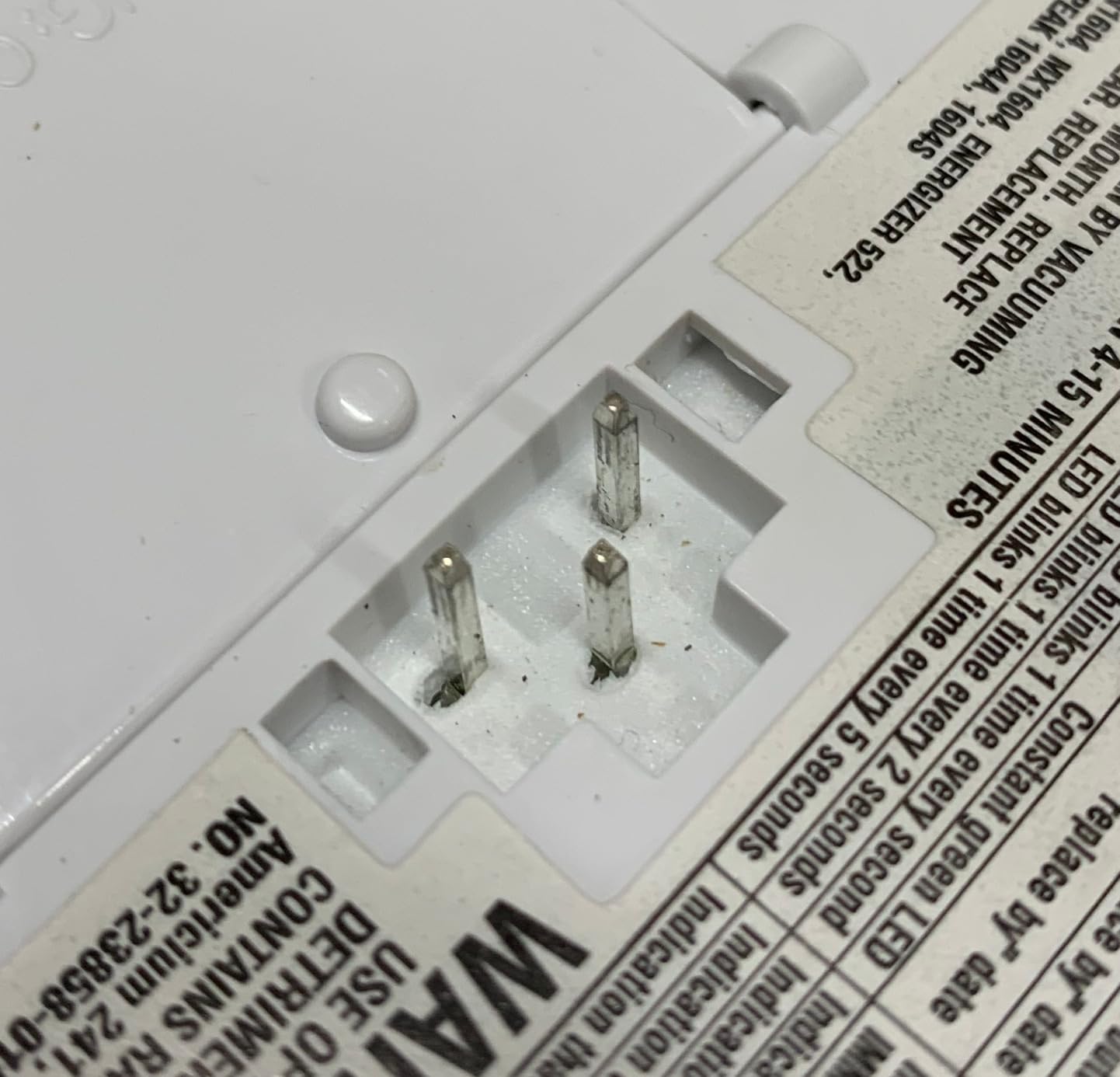
The 85 dB horn is the familiar figure in this category, and here it is paired with a spoken announcement naming the specific hazard. For a hard of hearing resident, the voice is the meaningful part. The horn matters for a light sleeper in the same room who has their aids in.
The battery design deserves a mention because it is one of the more thoughtful details in the category. The 9V backup sits behind a door on the front face, so you change it without standing on a chair, pulling the unit off the ceiling, and fishing behind it blind.
Power loss is the other thing this device handles properly. On hardwired power with a 9V backup, the alarm keeps sounding if the power goes out, which matters in exactly the scenario where a fire starts.
Where this alarm is worth the wiring
Homeowners with an existing Kidde hardwired system get the strongest combination of rating, review depth, and easy integration in this whole roundup. Interconnect across a large home means one alarm anywhere triggers the chain.
It is a good secondary device too, because matching the standard of your existing alarms avoids the mixing-brands interoperability problems that owners complain about on forums.
Where it disappoints
The connector change between Kidde generations is the recurring complaint. Some replacements need rewiring rather than a swap, which turns a ten-minute job into an electrician visit.
The 7-year manufacturer warranty is shorter than the ten-year terms offered by two other units here. And once again, this is a voice and horn device, so a deaf resident gains nothing from the spoken alerts.
3. Kidde 30CUA10-V: Best for a Decade of Maintenance-Free Power
Kidde Smoke and Carbon Monoxide Detector, Hardwired with 10-Year Battery Backup, Voice Alerts, LED, 85 dB, 30CUA10-V, 1 Pack
Hardwired with 10-year sealed battery
85 dB voice hazard calls
UL 217 and UL 2034 tested
Pros
- 10-year sealed backup removes the annual battery-change routine
- Spoken announcement separates fire from carbon monoxide
- Modern UL 217 10th Edition and UL 2034 testing
- Common drop-in replacement for an expired Kidde unit
Cons
- Third interconnect wire may be missing in older homes
- No app or smart home integration
- Included documentation is thin and legacy brackets may need adapters
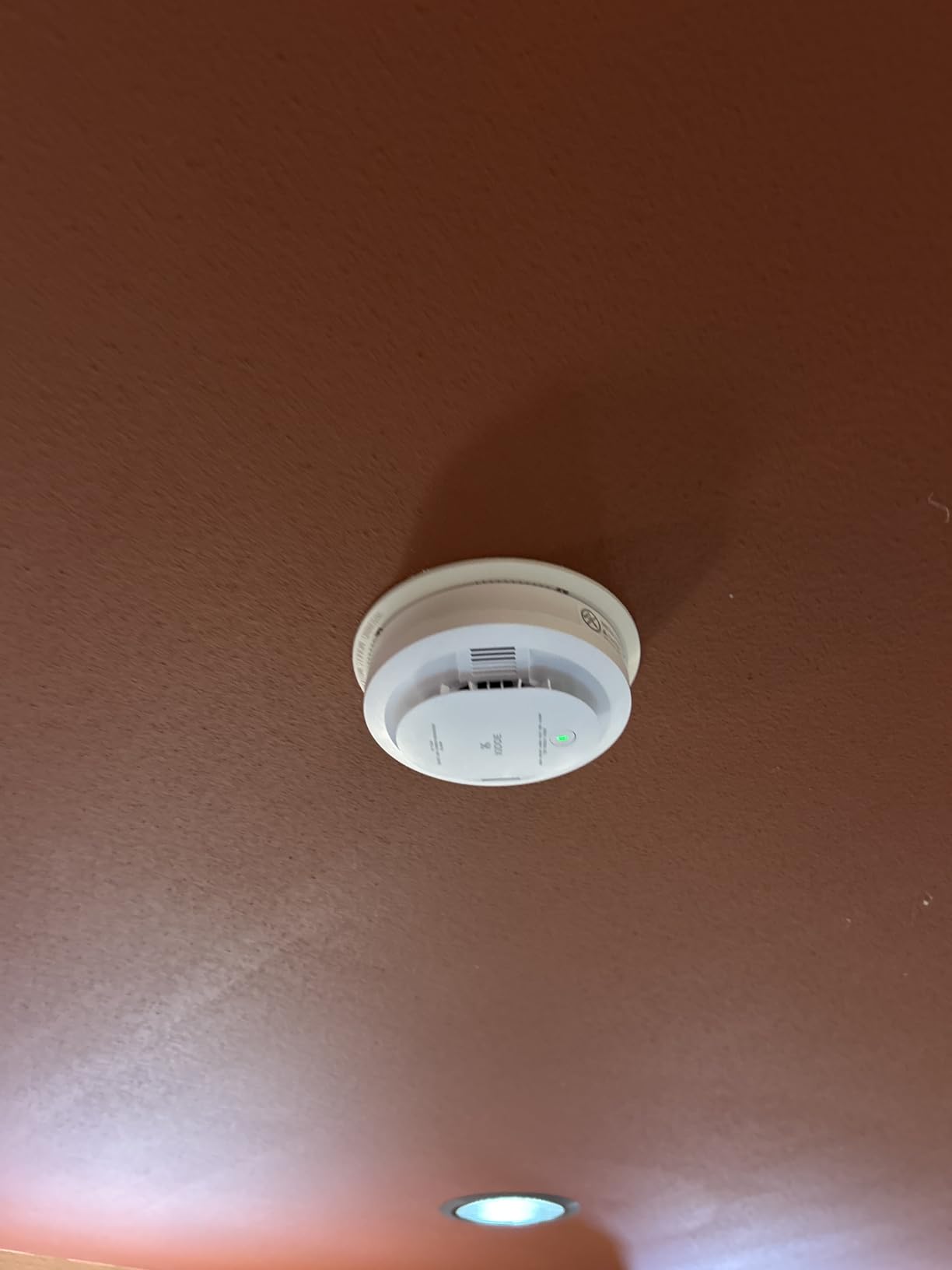
The defining feature of the 30CUA10-V is the ten-year sealed battery backup. On a hardwired unit, that backup is the part that dies first, and this model removes it from your maintenance routine for a decade.
That matters more than usual for this audience. A low-battery chirp is a warning a deaf or hard of hearing resident may never register, which is exactly the kind of silent failure this whole roundup exists to prevent. Owners on r/deaf raise this repeatedly: a battery warning you cannot hear is not a warning at all.
It is also tested to the current UL 217 tenth edition standard for smoke alarms and the UL 2034 fifth edition standard for CO alarms, which is a step up from older hardware still listed against previous editions.
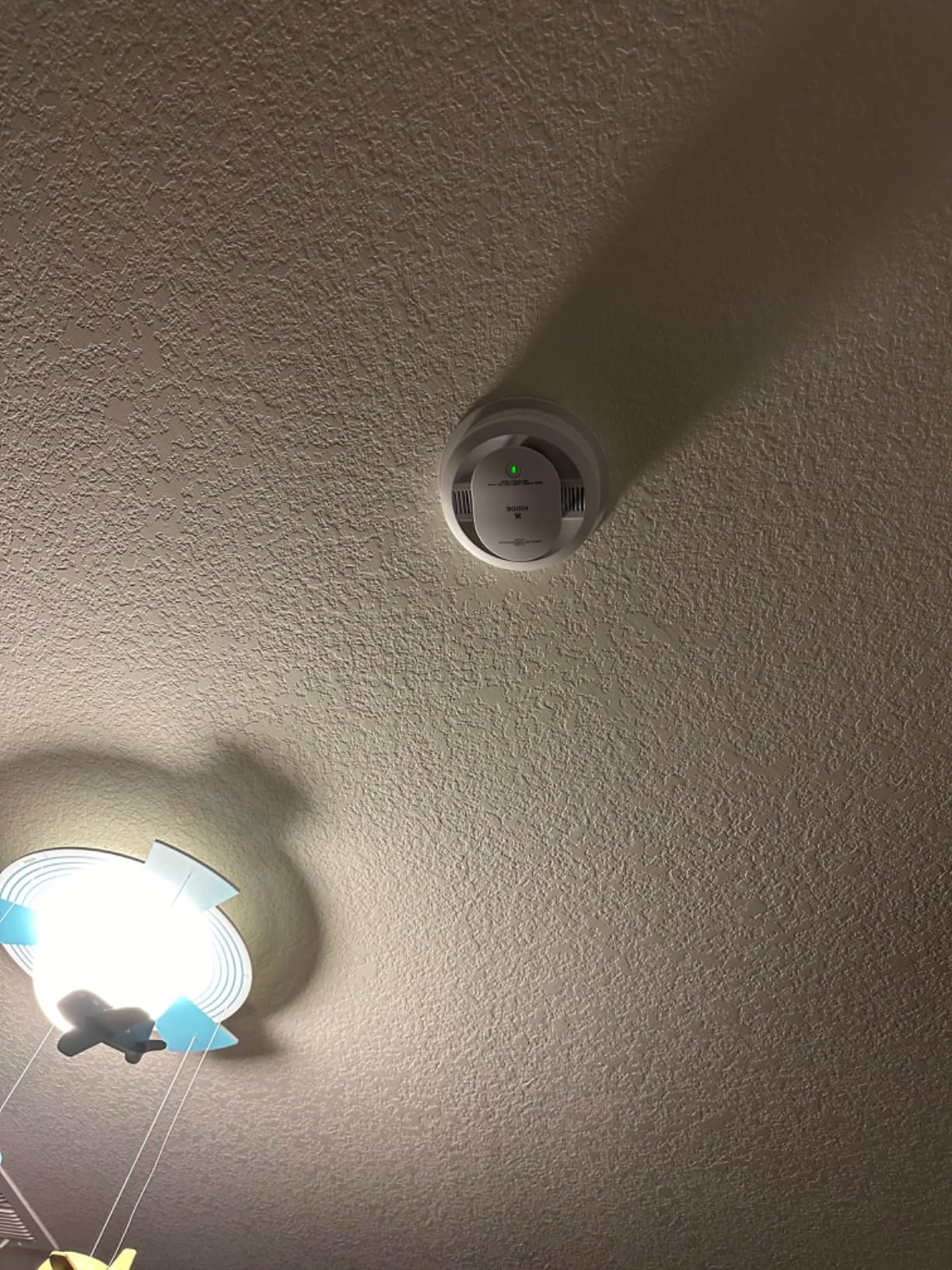
The spoken announcement distinguishes between a fire and a carbon monoxide event rather than giving one generic phrase. Combined with a red LED indicator, that gives a resident two channels of information.
Several owners describe it as a painless in-place swap of an expired Kidde unit, which is a meaningful endorsement because replacement is the most common reason anyone buys this category of product.
The one-star cluster in the reviews concentrates on two things. The first is nuisance alarms, which is a problem across this whole category and not specific to this model. The second is the interconnect wire.
Where the ten-year backup pays off
If your ceiling already has AC wiring, this is the low-maintenance option. Nobody has to climb a ladder every year to change a battery, and the sealed cell keeps working through power cuts.
It is also a sensible whole-home standard if you want one model across every floor, since it interconnects with other Kidde alarms.
Where it disappoints
Many older homes have only two wires reaching the alarm location. This unit uses three, so an extra wire may have to be run before it will work at all.
There is no app, no phone alert, and no strobe. For a profoundly deaf resident it is a conventional alarm with a clearer voice, which is still an improvement over a beep pattern but not a solution on its own.
4. Kidde Battery Voice Smoke and CO Alarm: Most Versatile for Renters
Kidde Smoke & Carbon Monoxide Detector, AA Battery Powered, not wired, Voice Alerts, LED Warning Light Indicators
Battery powered smoke and CO alarm
Spoken alerts for fire, CO, low battery
Colour-coded LEDs
Pros
- Runs on two AA batteries with no wiring at all
- Voice names fire
- carbon monoxide
- and low battery aloud
- Colour-coded LEDs give a second visual channel
- Bracket supports four installation orientations
Cons
- No interconnection with other alarms
- Some owners report false alarms within a few months
- Newer hole spacing may not match an older Kidde bracket
This is the answer for anyone in a rental who cannot open a junction box. It runs on two AA batteries, screws to the ceiling, and is done. That constraint alone puts it ahead of most of this list for apartment and condo residents.
It also speaks. The alarm announces “Fire”, “Warning Carbon Monoxide”, or “Low Battery” out loud, and the low-battery announcement is a genuinely useful feature here, because it converts a chirp into a spoken message that a hard of hearing resident is more likely to catch.
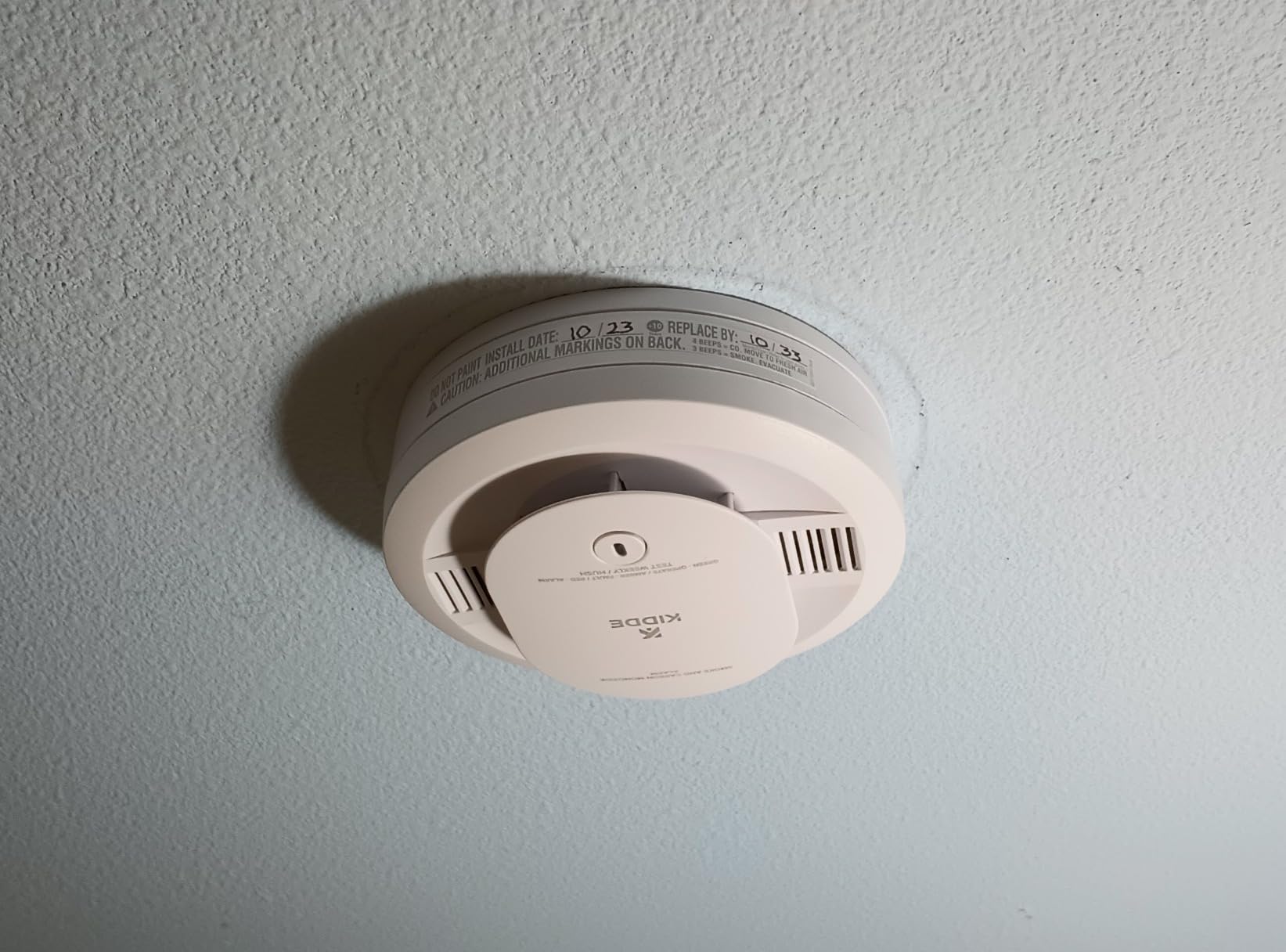
The colour-coded LEDs give a second layer. Green for normal operation, amber for an error or fault, red for danger. That is a real accessibility benefit for a resident who catches movement and colour but not sound.
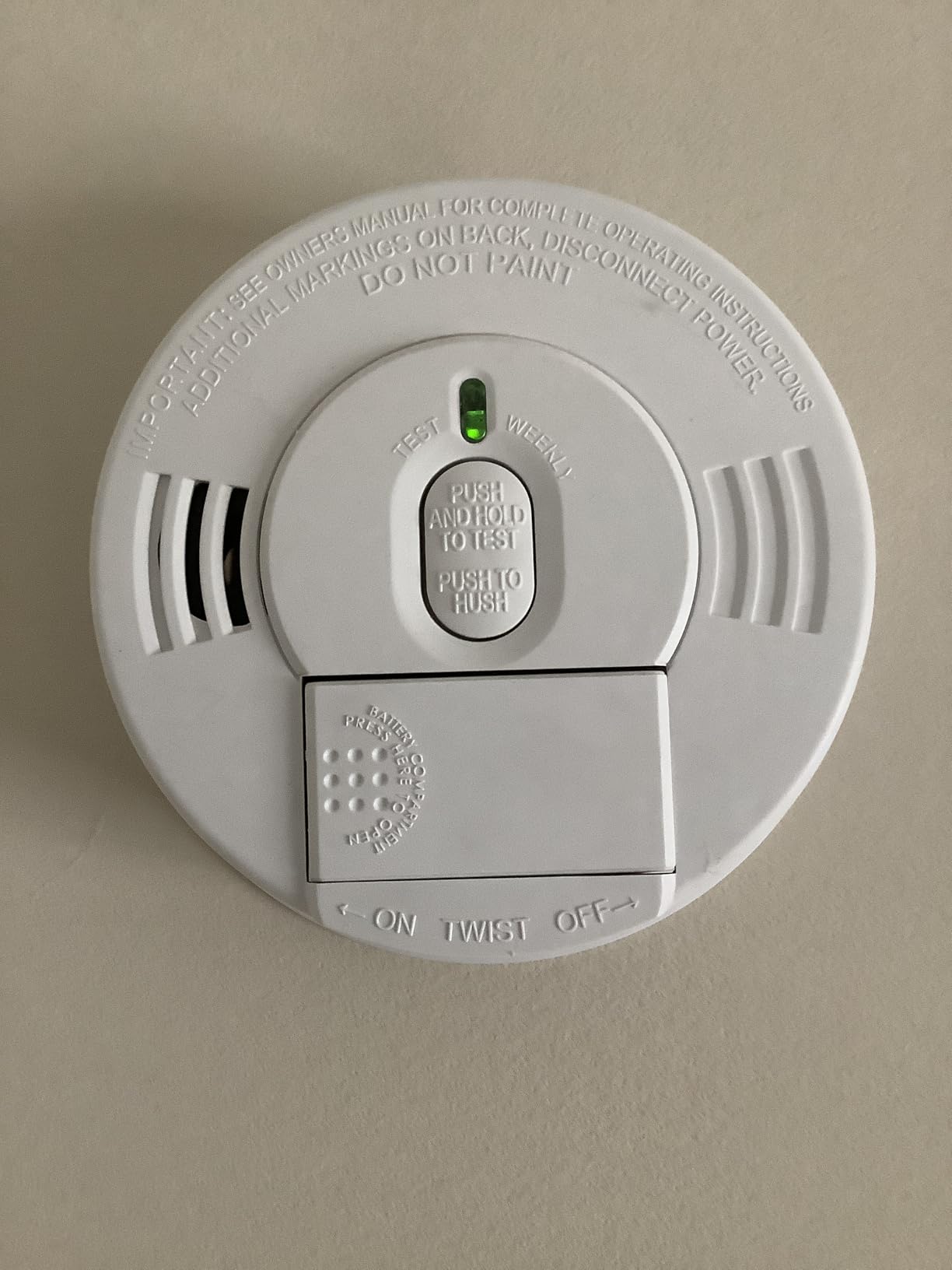
The bracket is the detail we did not expect to care about. It installs in four orientations, which gives you some freedom when the ceiling joists are not where you want them.
There is also a mute button for silencing a nuisance alarm, and the unit runs a self-test that checks its own components continuously.
Owners consistently credit the spoken alerts with removing the guesswork from alarm patterns, which is the core value proposition for a resident with reduced hearing. That is also the honest limit of the device.
Where this is the right call
Renters, students, and anyone in a home where wiring changes are not permitted should start here. Two AA cells and a screw is the whole installation, and it keeps working during a power cut.
For a hard of hearing adult in an apartment, the combination of spoken hazard calls plus colour-coded LEDs is more accessible than a plain horn alarm at a fraction of the effort of a hardwired system.
Where it disappoints
There is no interconnection, so this device cannot be linked to other alarms in the home. One device sounds when it detects something; nothing else joins in.
A minority of owners report false alarms within a few months of installation, and newer hole spacing sometimes means drilling for a new bracket on an older Kidde mount. And again, the alerts are audio. If the resident cannot hear, this does the job of a normal smoke alarm and no more.
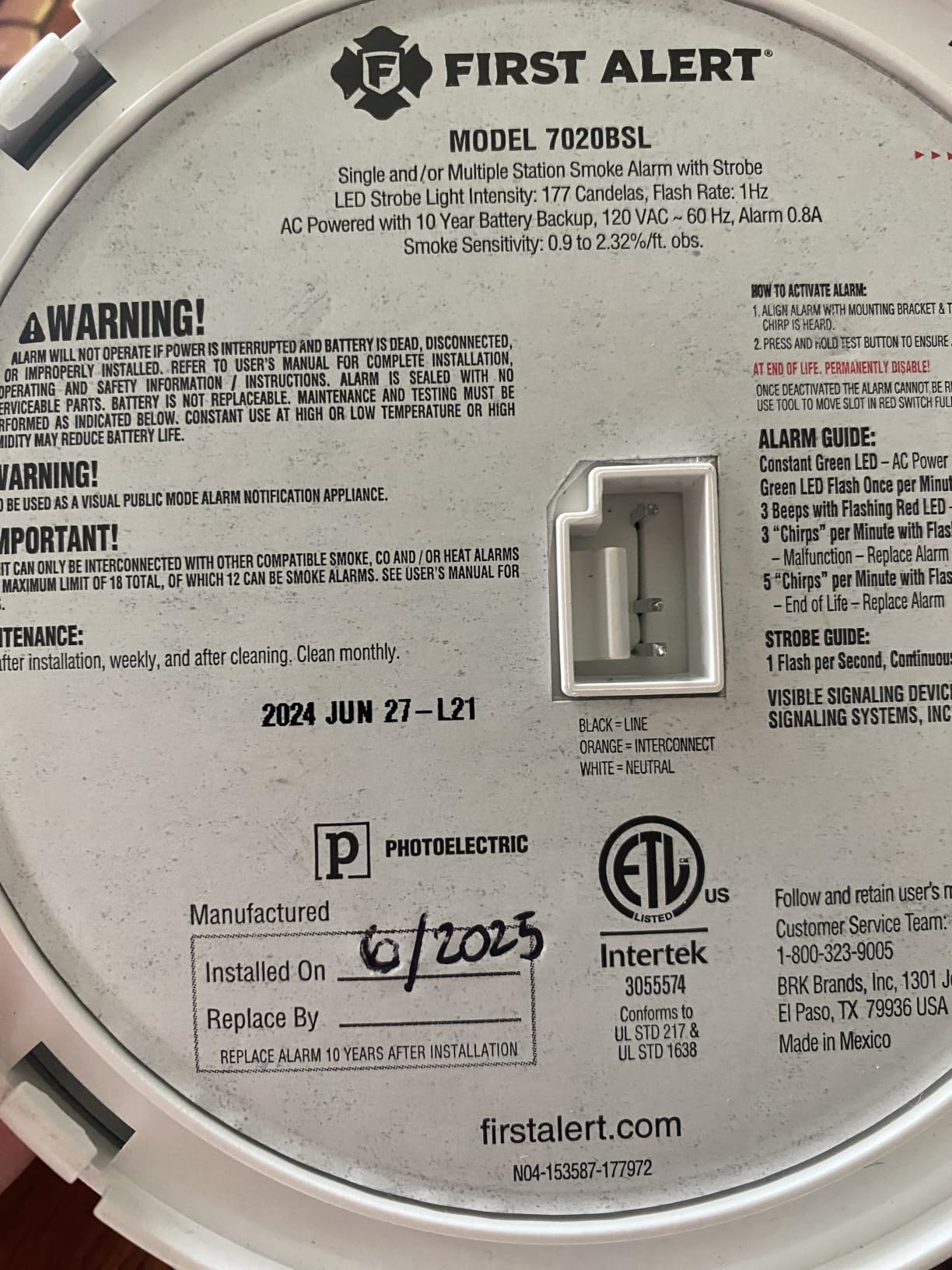
5. First Alert 7020BSL: Best Visual Alert at 177 Candela
First Alert BRK 7020BSL Hardwired Hearing Impaired Smoke Detector with LED Strobe Light , white
177 candela synchronized LED strobe
Smoke alarm and strobe in one box
Separate flash patterns
Pros
- 177 candela is a genuinely strong visual output
- Integrated alarm and strobe need only one junction box
- Multiple units synchronize for unison flashing
- 10-year sealed battery keeps the strobe live in a power cut
Cons
- Smoke detection only
- with no carbon monoxide sensing
- Hardwired installation needs a junction box opened
- Sleeping residents still need line of sight or a reflective ceiling
This is the only dedicated strobe alarm in the group, and for a profoundly deaf resident it is the reason this roundup is worth reading. A 177 candela LED strobe is a serious light output, bright enough to fill a bedroom and to carry through closed eyelids for many sleepers.
Owners highlight the strobe as the decisive feature for alerting deaf household members, and they highlight the single-box design. Because the sensing unit and the strobe share one housing, you need one junction box rather than two devices and two boxes to chase through your ceiling.
The strobes synchronize across multiple installed units. That sounds like a small detail until you install a few of them: the whole house flashes in unison instead of blinking out of sync in different rooms.
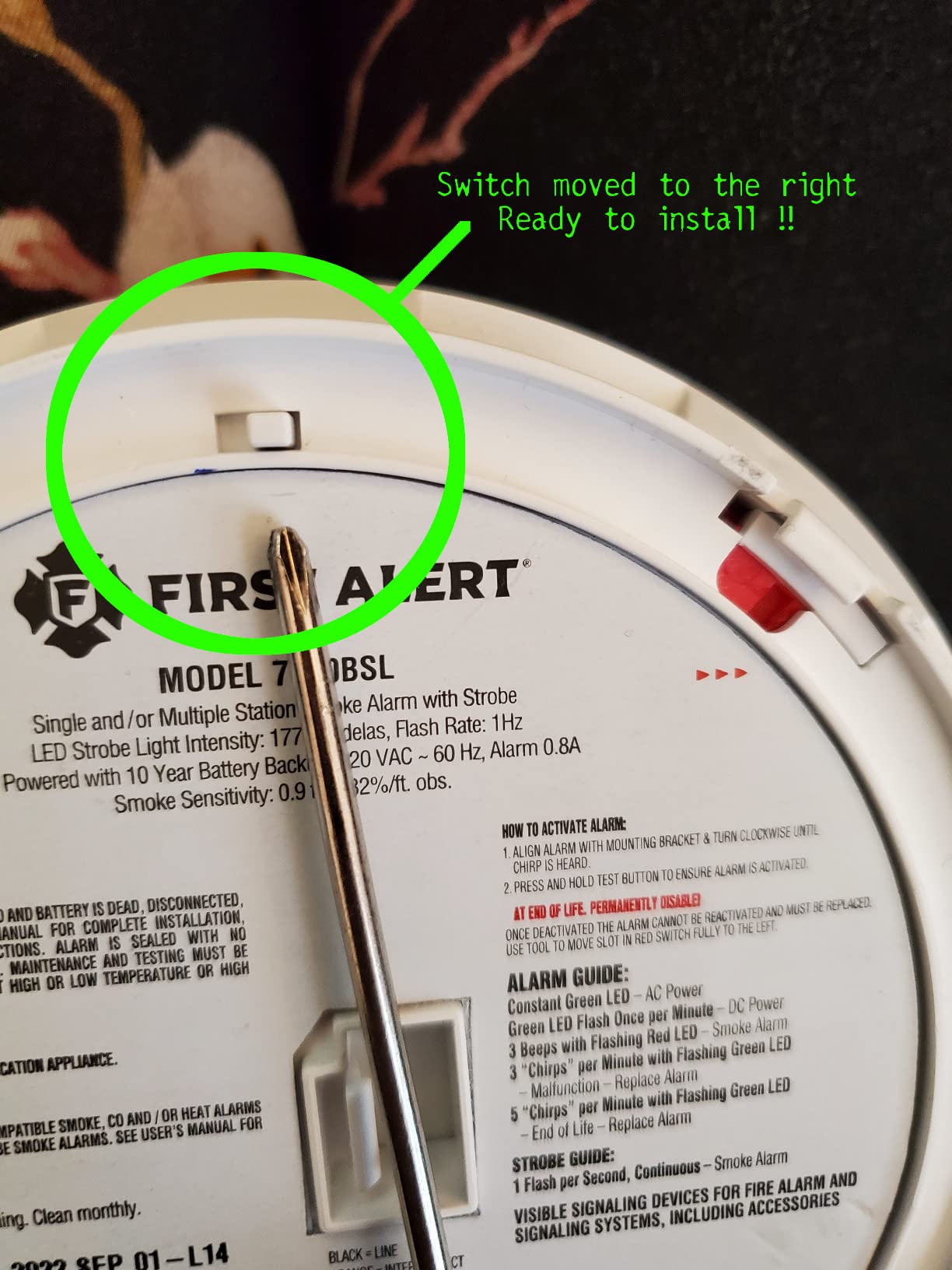
Separate flash patterns for different hazard types matter more than they first appear. A resident who cannot hear the alarm and cannot read a label still needs to distinguish a smoke event from a carbon monoxide event, and pattern coding is the only channel available to them.
Backlight failure is the classic weakness of any strobe alarm, so the power design here is worth noting. AC powered with a ten-year sealed battery backup means the light does not go dark when the power does.
This unit is smoke only. There is no carbon monoxide sensor in the housing, so it needs a companion CO alarm somewhere nearby.
Where the 7020BSL is the right purchase
This is the device to install in a bedroom where a deaf resident sleeps with eyes closed. Choose a mounting position with a clear path to the sleeping area, and add one or more identical units through the house so the flash reaches every floor.
For a mixed-hearing home it also works as a shared alarm: the horn still runs for everyone with usable hearing while the strobe covers the rest.
Where it disappoints
It cannot help a heavy sleeper lying face down under a pillow, because no strobe reaches a covered face. That gap is exactly where a bed shaker takes over, and this package does not include one.
There is no CO detection, and the installation needs a junction box opened, so renters are out. Pair it with a separate CO alarm rather than assuming coverage.
6. eufy Security Smoke Alarm E10: Best Compact Design
eufy Security Smoke Alarm E10, Smoke Detector, Ultra-Compact 70 mm Design
70 mm compact body
5-year sealed lithium battery
Wireless to HomeBase
UL 217 compliant
Pros
- 70 mm body is about a third the diameter of a standard detector
- 5-year sealed lithium battery avoids yearly changes
- UL 217 10th edition compliant sensing
- 656 ft open-air wireless range to the hub
Cons
- Requires a compatible eufy HomeBase to function at all
- Smoke detection only with no CO coverage
- Phone alerts do nothing for a sleeping resident without the hub nearby
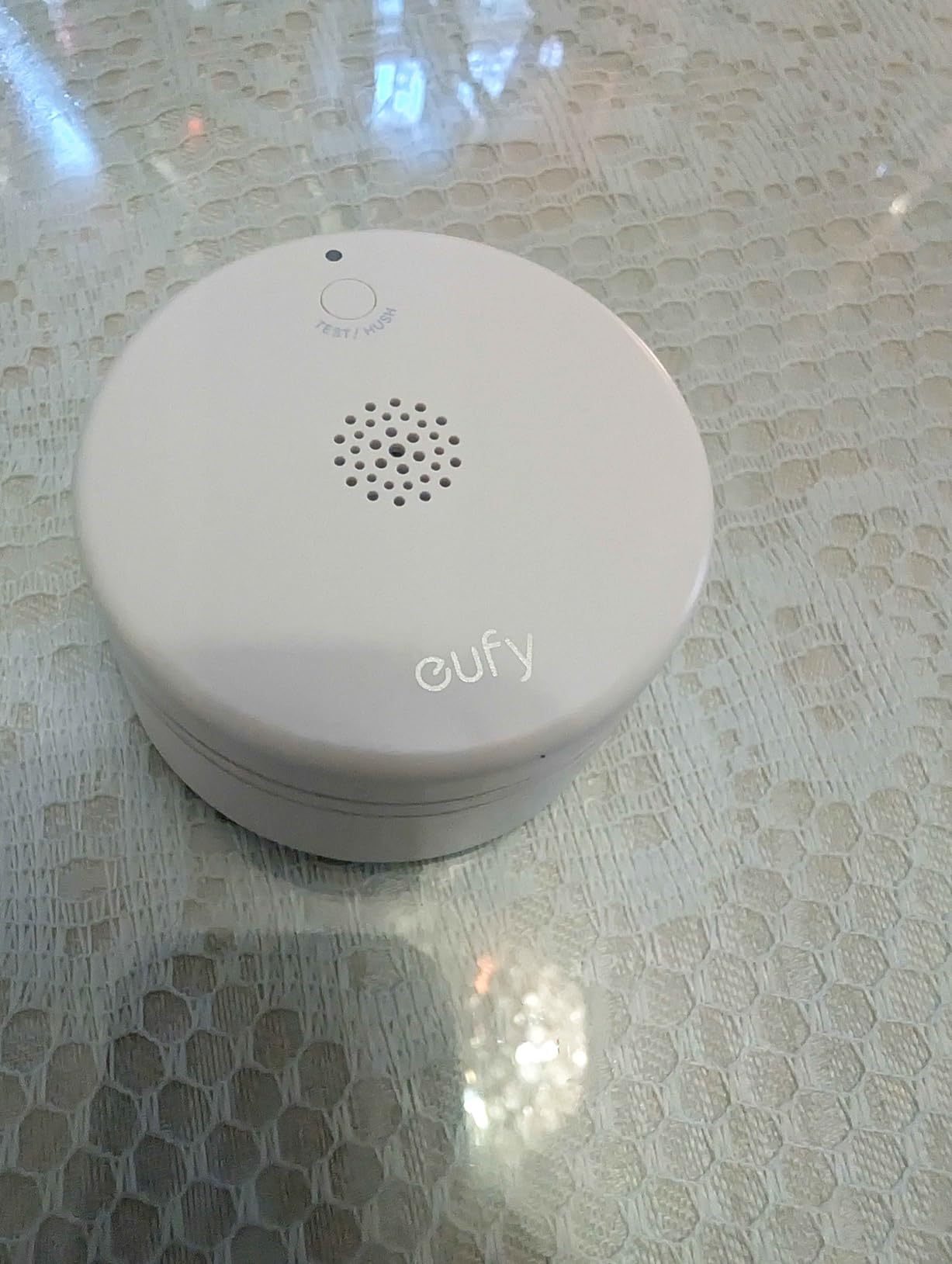
The E10 solves a problem nobody thinks about until they mount one: most smoke detectors look like an institutional disc bolted to a nice ceiling. At 70 mm across, this one is roughly one third the diameter of a traditional unit and reads as a small modern sensor.
The sealed lithium battery is rated for five years, so you are not on an annual ladder schedule either. That removes another failure mode that this audience cannot hear warnings about.
It is listed as UL 217 tenth edition compliant, and owners note the detection is tuned to limit nuisance alarms, which matters because a device you disable out of frustration protects nobody.
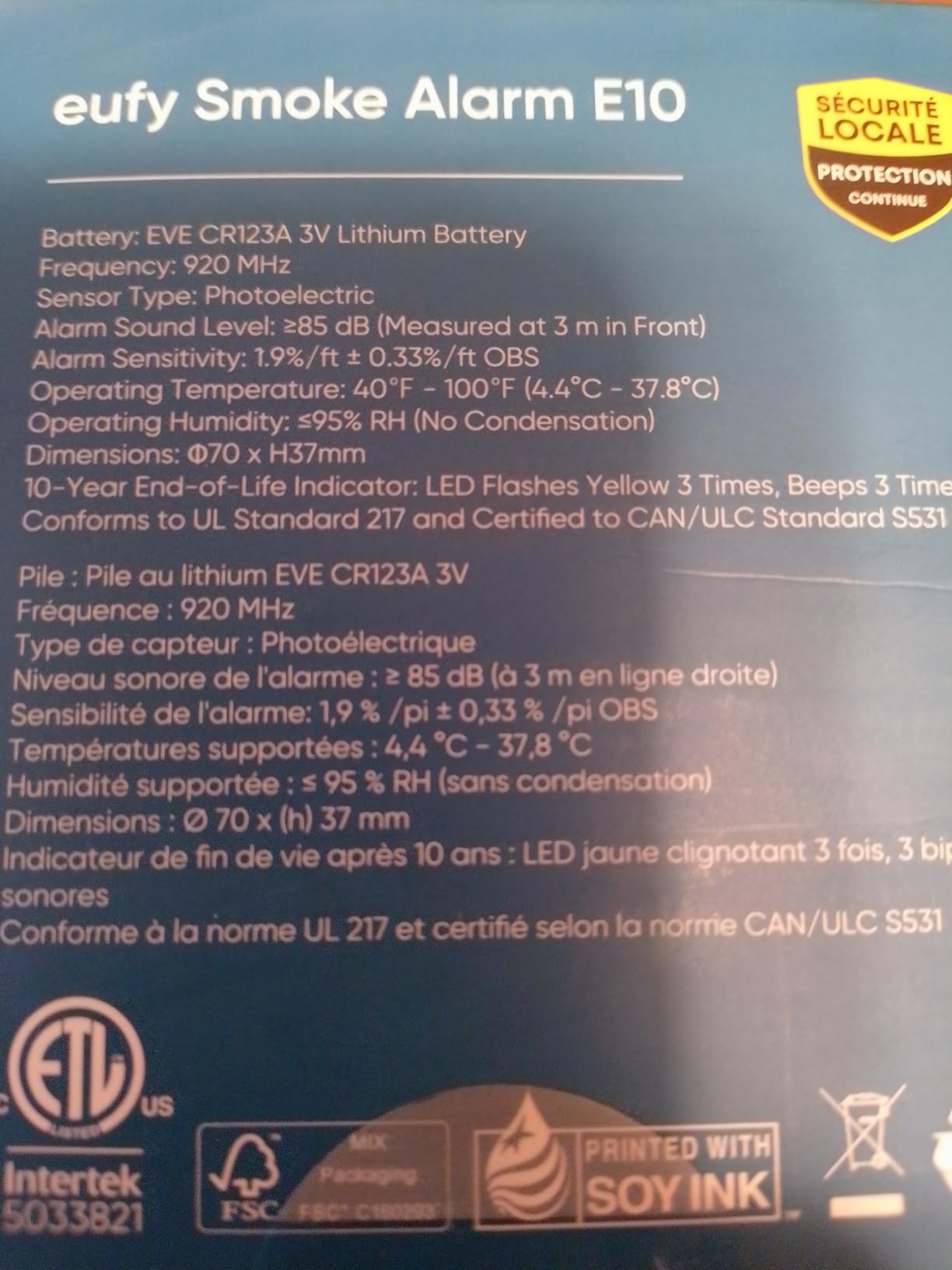
The wireless range is quoted at up to 656 feet in open air to a HomeBase hub, which comfortably covers a two-storey house provided the hub is not buried in a metal cupboard.
App notifications are the real point for some households. If you are at work and a hard of hearing family member is home alone, a phone alert reaches you in seconds.
That same strength is its weakness at night. If the resident is asleep, the alert goes to a phone on a nightstand, and nothing shakes them awake.
Where the E10 fits
Choose it for aesthetics and for away-from-home awareness. A small footprint suits a finished ceiling where a standard disc looks out of place, and app alerts are genuinely useful for a caregiver monitoring a relative remotely.
It is also a good secondary layer in a larger system, since the sealed battery means it keeps reporting during a power cut.
Where it disappoints
The HomeBase dependency is the dealbreaker for most people. Without a compatible eufy hub on current firmware, this device does not operate, so it makes no sense in a home without one.
It is smoke only, and its alerting for a deaf sleeper is limited to the built-in siren plus whatever the phone happens to be doing. It is not a substitute for a strobe or a bed shaker.
7. HEIMAN Wireless Interconnected Three-Pack: Best for Multi-Room Coverage
Heiman Smoke Detector, Wireless Interconnected Smoke Alarm for Home, 3 Pack
Three wireless interconnected alarms
656 ft open-air range
UL 217 certified
Dual-beam photoelectric
Pros
- Three interconnected alarms in one purchase
- Wireless link across 656 ft with no wiring at all
- Dual-beam photoelectric sensing resists steam and cooking smoke
- Screws or magnetic pads so installation takes minutes
Cons
- No app connection
- so the alarms only talk to each other
- Smoke only with no CO sensing
- Some owners report sealed batteries dying before the 10-year claim
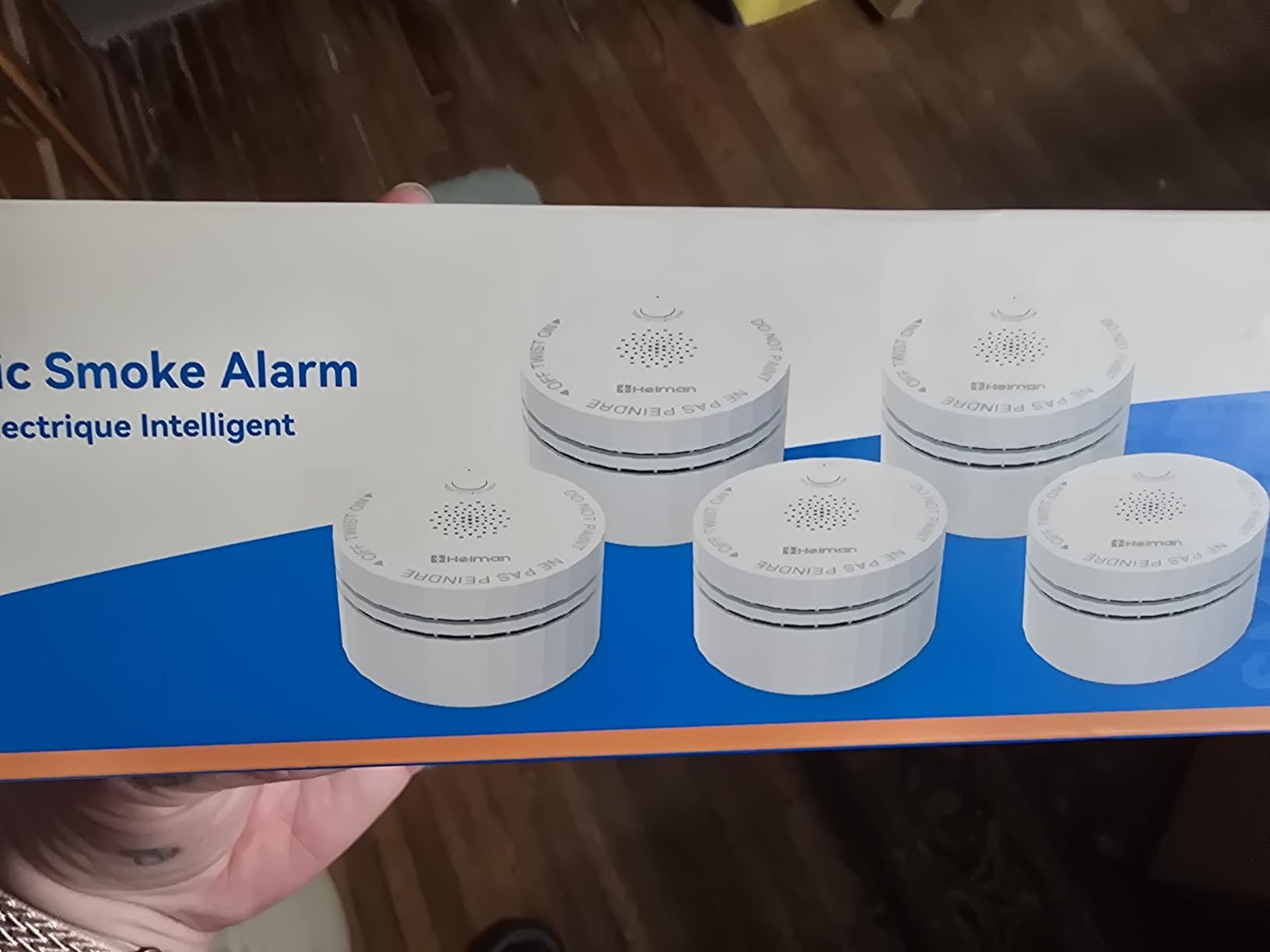
This HEIMAN three-pack is the practical answer to a specific problem: covering several rooms of a home without running wire. You get three alarms that interlink over their own wireless mesh at up to 656 feet in open air, so an alarm triggering in the basement has the kitchen and bedroom joining in.
Owners rate it highly for the small size, the quick magnetic installation, and the fact that all three sound together across the house. The dual-beam photoelectric chamber is tuned for slow smoldering smoke and filters steam, which matters if you plan to mount one near a bathroom or kitchen.
It is UL 217 tenth edition certified, and the flame-retardant housing is rated UL94 V-0.
The test and silence button provides a ten-minute hush, and LEDs show status. The hush matters for nuisance alarms in a home where cooking smoke is a regular event.
Lithium batteries are included, so detection continues through a power cut. The quoted product life is ten years, though some owners report the cells fading sooner.
It installs with screws or adhesive magnetic pads, which takes minutes and makes this one of the few options here a renter could add without a landlord conversation beyond basic permission.
Where this three-pack works well
This suits a house where you want whole-home coverage on a budget and cannot or will not hardwire. Wireless interconnection across that range covers most single-family layouts, and the steam resistance makes it more forgiving near cooking areas.
For a mixed-hearing household it is a good base layer, because a triggering unit anywhere brings the whole set into an alert.
Where it disappoints
There is no Wi-Fi and no app, so the alarms only talk to each other. You get no phone alert when you are away, and no remote check on whether the house is clear.
It is smoke only. And the honest limitation applies again: this is an 85 dB buzzer. A deaf resident receives nothing unless a strobe or shaker is layered on top.
8. SITERWELL Wireless Voice Smoke and CO Alarm: Best Bilingual Voice Alerts
SITERWELL Smoke and Carbon Monoxide Detector 10-Year Battery, Wireless Interconnected Smoke Alarm Carbon Monoxide Detector with Dual Language Voice Alerts for Home and Babyroom, 1 Pack
Wireless interconnected smoke and CO alarm
Dual-language voice alerts
10-year lithium battery
Pros
- Dual-language announcements for bilingual households
- Wireless interconnection across up to 18 devices
- Built-in 10-year lithium battery with fault signalling
- Retrofit wall plate fits many existing detector mounts
Cons
- Rated 3.9 out of 5 with recurring false alarm reports
- Owners report random tripping after install
- Instructions are confusing for some buyers
- Fault signal means outright replacement when the cell depletes
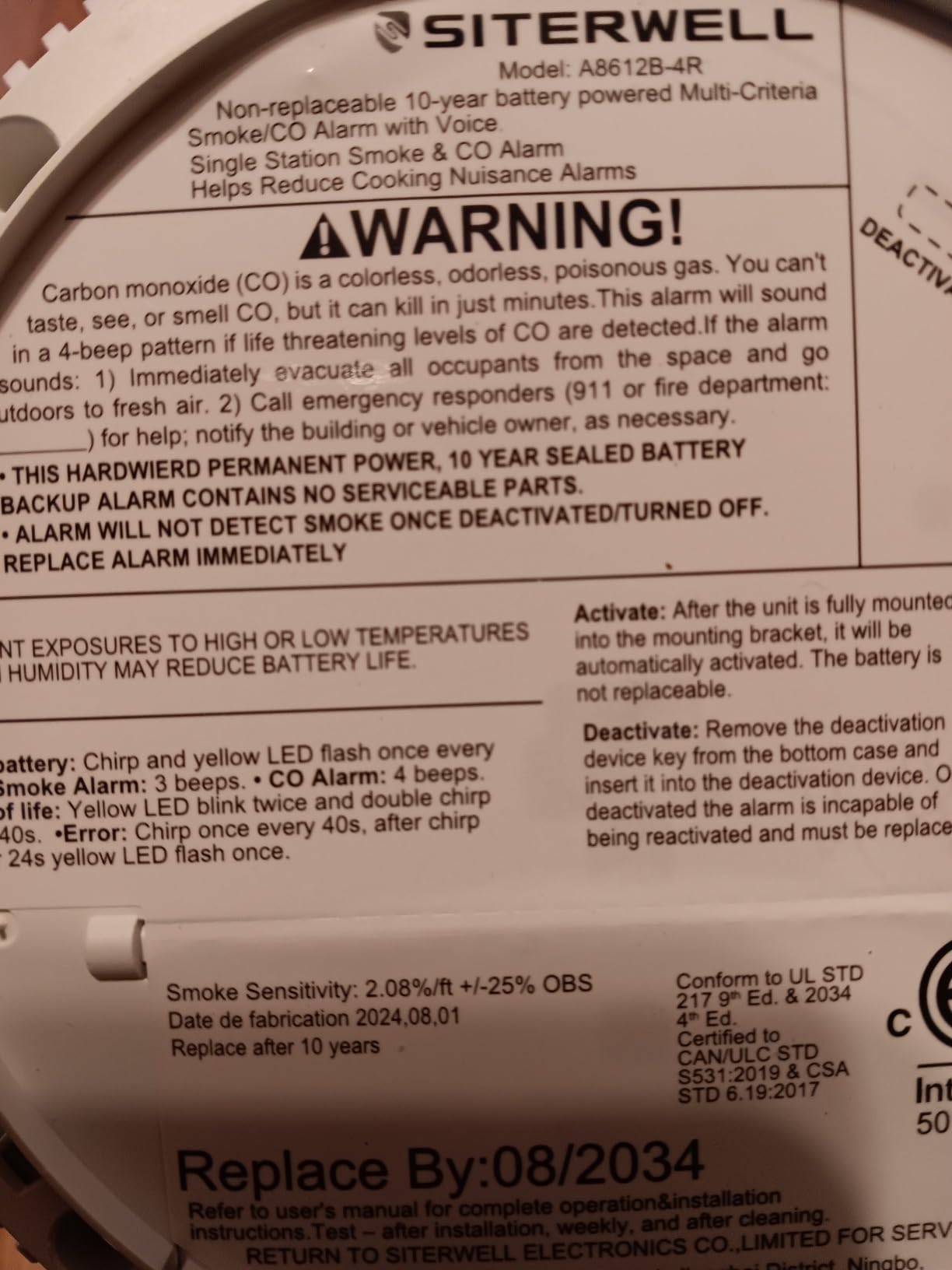
The reason to look at this unit is the language setting. It announces in English or French, which matters in homes where more than one adult reads one language comfortably and another reads the other. A spoken alert in a language the resident does not read is functionally the same as no alert.
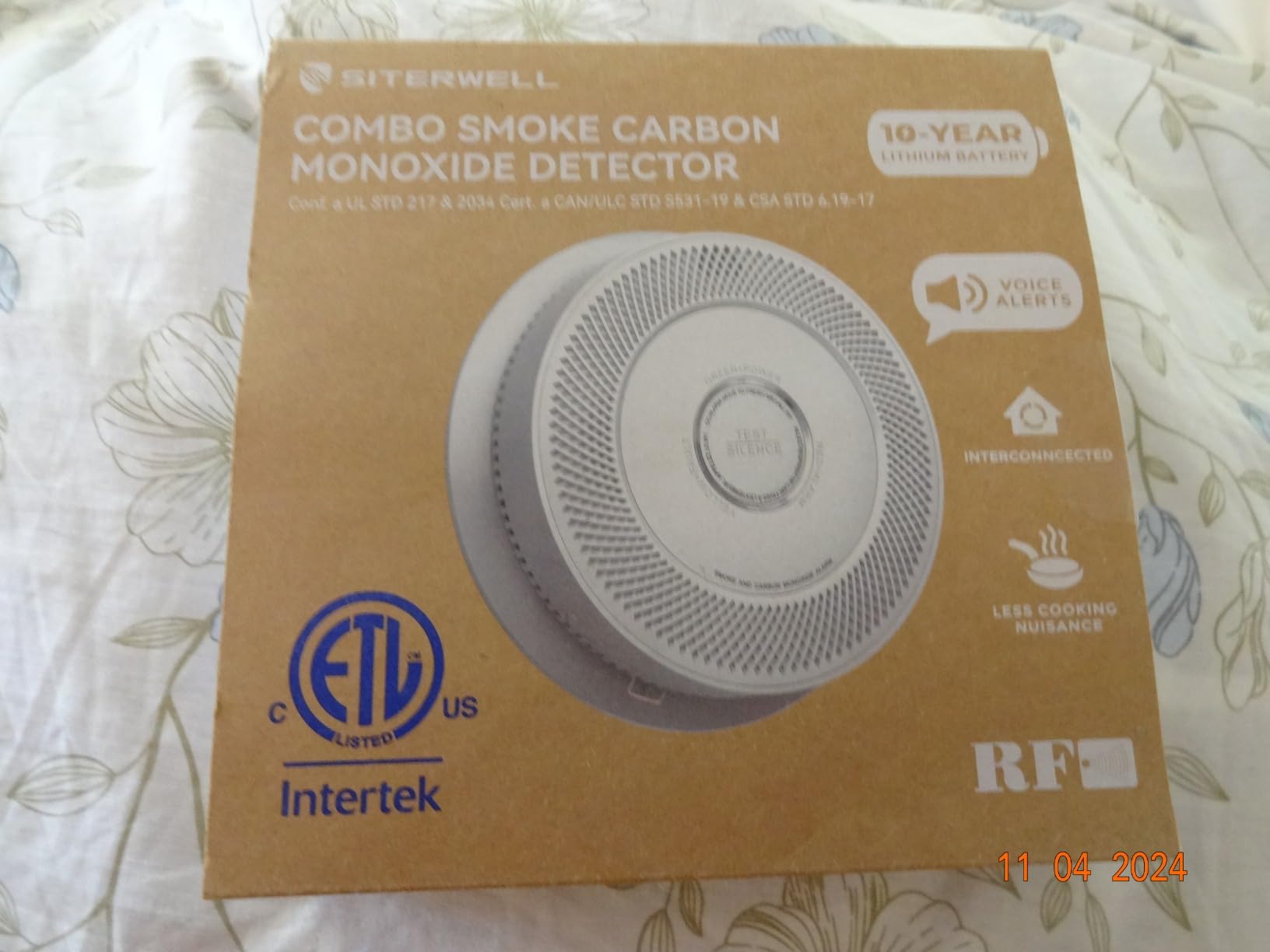
It is also a genuinely capable connected alarm on paper. Wireless interconnection links up to 18 devices, the built-in lithium battery is rated for ten years, and the dual-light-wave sensing is tuned to slow smoldering fires while filtering cooking smoke.
The retrofit wall plate fits many existing detector mounts, and insect mesh blocks bugs larger than two millimetres, which protects against one of the most common false-alarm causes.
A do-not-disturb mode holds alerts quiet for roughly ten hours, which is a thoughtful feature for households where cooking smoke causes regular nuisance trips.
The low-battery and fault signalling is worth pausing on. When the cell depletes the unit raises a fault rather than dying quietly, which is the correct behaviour but leaves you with a replacement rather than a battery change.
Its review base is small, around fifty ratings, so the picture here is thinner than the numbers elsewhere in this roundup.
Where bilingual announcements earn their place
If your household includes a resident who reads French and not English, this is the only unit in our lineup with that capability. For a bilingual family, spoken alerts in the right language turn an inaccessible device into an accessible one.
The eighteen-device wireless link and the ten-year sealed battery also make it a reasonable whole-home retrofit where existing mounts can be reused.
Where it disappoints
This is the lowest-rated product we reviewed, and the reviews explain why. False alarms and random tripping show up repeatedly, and a nuisance-prone device in an accessibility context is genuinely dangerous because it trains residents to ignore it.
Some buyers also found the instructions confusing. Weight and full dimensional detail were not published for this unit either, so there is less to plan an installation around.
9. Ring Smoke and CO Listener: Best Bridge for Existing Alarms
Ring Smoke & CO Listener, get real-time alerts from existing smoke and CO alarms, no base station needed, Professional Monitoring (sold separately)
Listener, not a detector
Mounts within 6 in of an alarm
Works over Amazon Sidewalk
Pros
- Bridges existing wired alarms to phone alerts with no rewiring
- Tool-free and wiring-free mounting in minutes
- No base station required because it runs over Sidewalk
- Useful for households already invested in the Ring ecosystem
Cons
- Does not detect smoke or CO at all
- only listens to nearby alarms
- Setup frequently stalls or fails in the Ring app
- Weak Sidewalk signal causes missed detections
- Pro Monitoring is a separate subscription
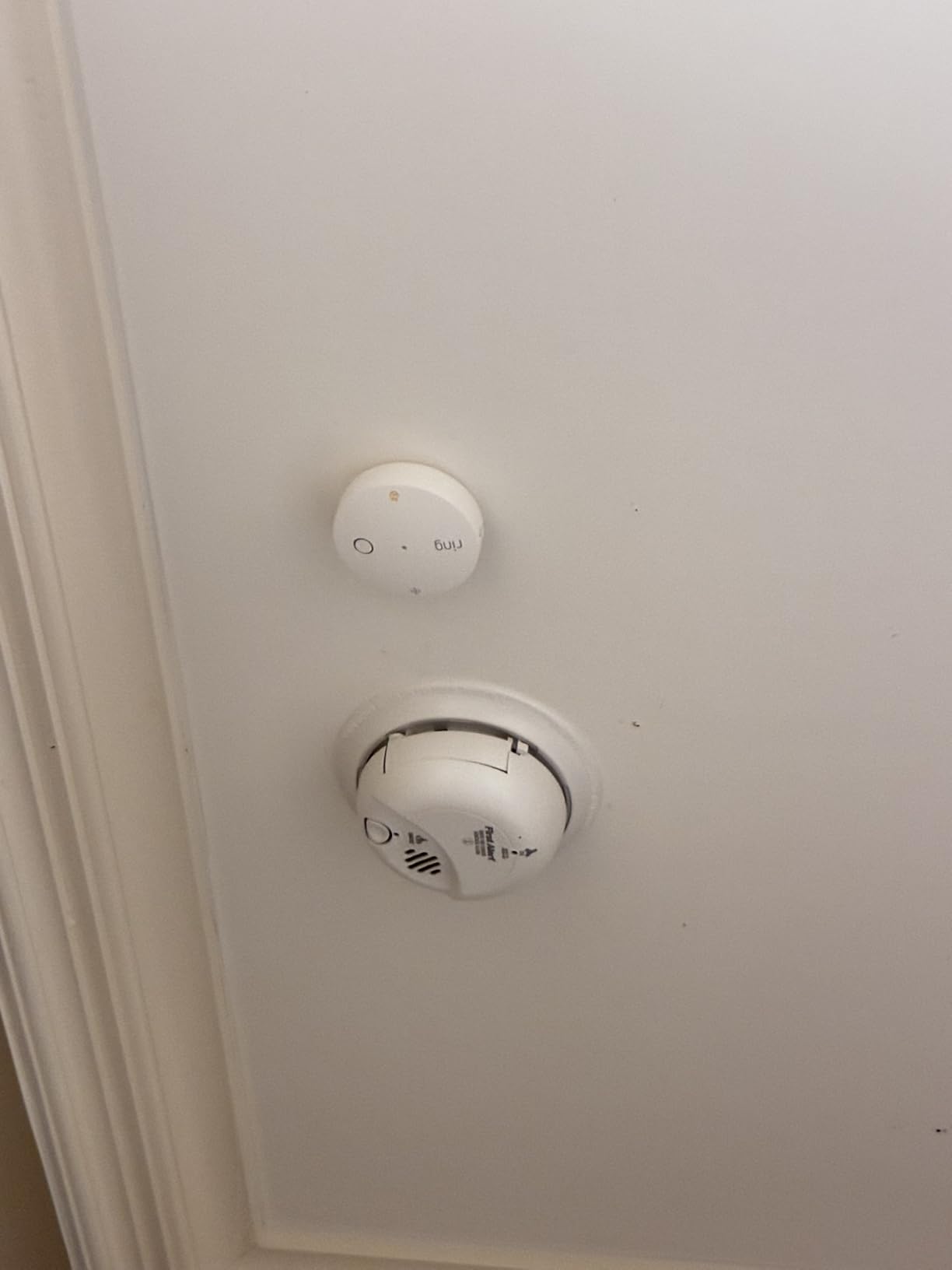
Read the first line of the description carefully: this is a listener, not a detector. It has no smoke chamber and no CO sensor. It mounts within six inches of an existing alarm, listens for that alarm sounding, and then pushes a notification to your phone.
That design makes it attractive for one specific situation. If your home already has hardwired interconnected alarms and you cannot add a strobe without opening up walls, this is a way to get a phone alert out of the system you already have, with no rewiring at all.
Because it runs over Amazon Sidewalk, there is no base station to install. Buyers in strong Sidewalk coverage report it working as advertised.
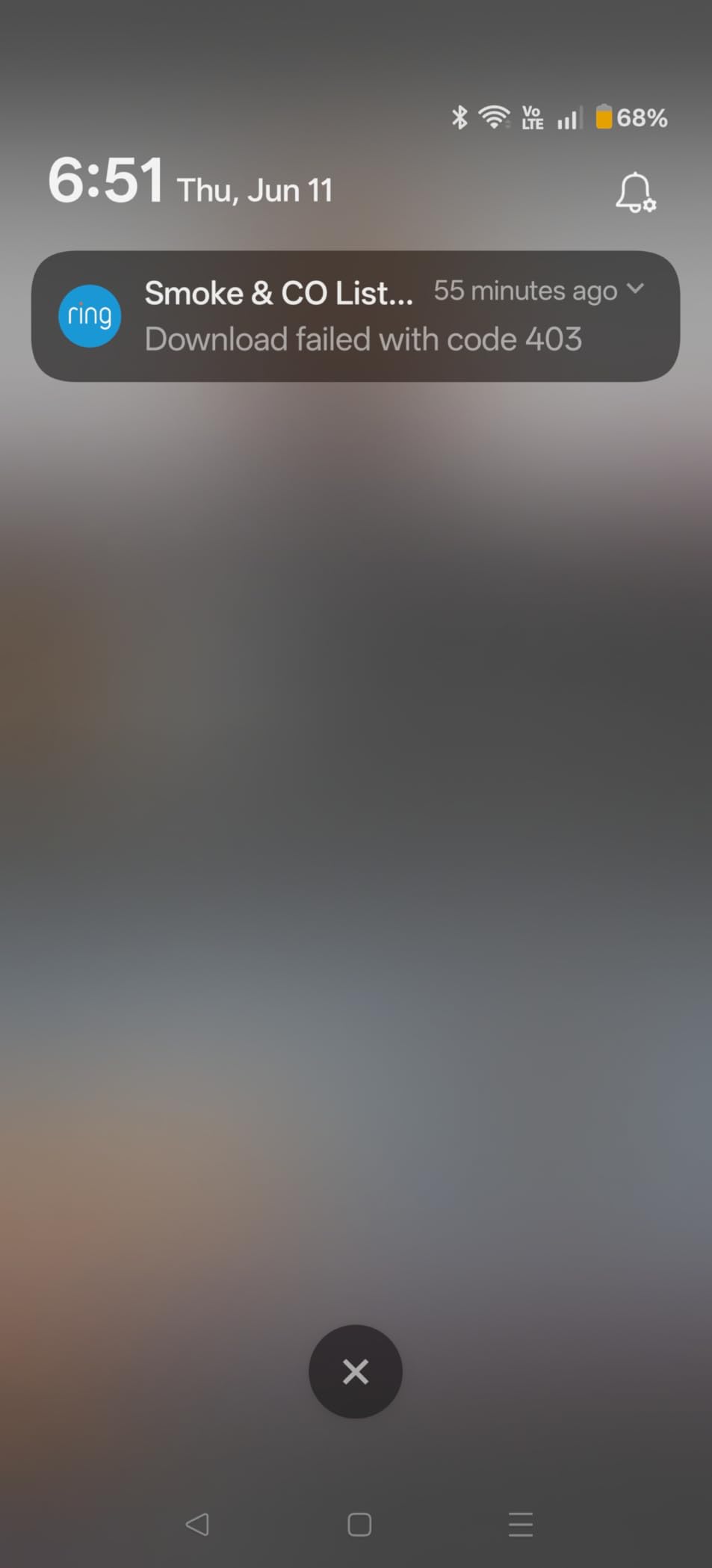
The honest problem is that this is the weakest-reviewed product we included, at 3.2 out of 5 with a large block of one-star ratings. Buyers already running the Ring ecosystem are its happy users. Everyone else reports setup trouble.
Setup stalling or failing in the app is the most common complaint. Weak Sidewalk signal causing missed or unreliable detections comes up too, and Sidewalk coverage depends on where you live.
The most serious report concerns several owners describing it triggering monitoring and dispatching the fire department for non-emergencies. In this category, a false emergency call trains people to ignore the device, which is the opposite of what you want.
Where a listener earns a place
If you live in a rental or an older building where you cannot touch the wiring, and you already have hardwired alarms, this is a way to add remote awareness without a single cable. It also only works with detectors ten years old or less.
For a caregiver living elsewhere, it can turn an existing alarm network into something monitored rather than silent.
Where it disappoints
It is not a smoke detector and should never be counted as one. Mounted alone with no working alarm beside it, it detects nothing.
The setup reliability, missed detections, false emergency dispatch reports, and the separate monitoring subscription make this a device to trial carefully rather than depend on. Our advice is to test it end to end before you rely on it.
10. SimpliSafe Alarm Listener: Best for Professional Monitoring
SimpliSafe Smoke & Carbon Monoxide Alarm Listener
Listener for existing alarms
Mounts within 4 in of a detector
Feeds professional monitoring
Pros
- Connects existing hardwired alarms to professional monitoring
- One unit can cover a whole home of interconnected detectors
- App shows device status and battery level
- Installs within 4 inches of a detector with no rewiring
Cons
- Does not detect smoke or CO on its own
- Low-battery alert cannot be silenced at the base station
- Included no-name battery reported failing well before its stated life
- Monitoring plan required for emergency dispatch
This is the one listener in the group we would actually consider, and the difference is the monitoring. It connects to SimpliSafe professional monitoring, which means a verified alarm reaches a human response team rather than only your phone.
For a hard of hearing resident who lives alone, that distinction is the whole argument. The failure mode of a phone-only alert is that it depends on you waking up, unlocking a phone, and reading a screen in the dark at three in the morning. Monitored dispatch removes every step in that chain.
It mounts within four inches of an existing detector, and one unit covers a home with interconnected hardwired alarms. So the install is one small device, not a rewired house.
Owners report it testing correctly and triggering monitoring as expected, and a few mention insurance discounts after adding it. The app shows whether the device is online and what the battery level is, which solves the invisible low-battery problem we raised earlier.
Its review base is the smallest here, around thirty ratings, so treat the pattern as encouraging rather than settled.
Two gripes recur. The low-battery condition cannot be silenced at the base station the way other SimpliSafe sensors can, which is a genuine design flaw in a product sold partly to solve silent warnings. And the included CR123A battery is a no-name cell reported failing well before its stated three-year life. Replace it with a name-brand cell on day one.
Where monitored response is worth it
This suits a deaf resident living alone, or an older person whose relatives want visibility. Hardwired interconnected alarms plus professional monitoring is one of the strongest combinations available for this audience.
It is also a reasonable add for a home that already runs SimpliSafe, since it feeds the same base station and app.
Where it disappoints
It detects nothing. It listens. If the alarms it depends on are ten years old or failing, the listener cannot rescue the situation.
You need an active monitoring plan for dispatch to happen, and the unsilenceable low-battery alert is a real ongoing nuisance. Small review base, so long-term reliability is less documented than elsewhere in this roundup.
11. First Alert SC5 Smart Alarm: Best for Nest Protect Swaps
First Alert SC5 Battery Smart Smoke & Carbon Monoxide Alarm
Battery smart smoke and CO alarm
Fits the Nest Protect bracket
App and voice alerts
Pros
- Fits the Nest Protect bracket for like-for-like swaps
- Works with the Nest thermostat to cut HVAC power on alarm
- Low-battery notifications replace late-night chirping
- Voice alerts give hazard type and location
Cons
- Uses its own app rather than integrating into Nest
- Reported Wi-Fi dropouts and devices going offline daily
- False alarms that cannot be silenced from the app or button
- Voice audio is less clear and build feels cheaper
The SC5 exists in a very specific lane. If your ceiling is full of expired Google Nest Protect units, this alarm fits the existing Nest Protect mounting bracket, which turns a replacement into a straightforward swap instead of a rewiring job.
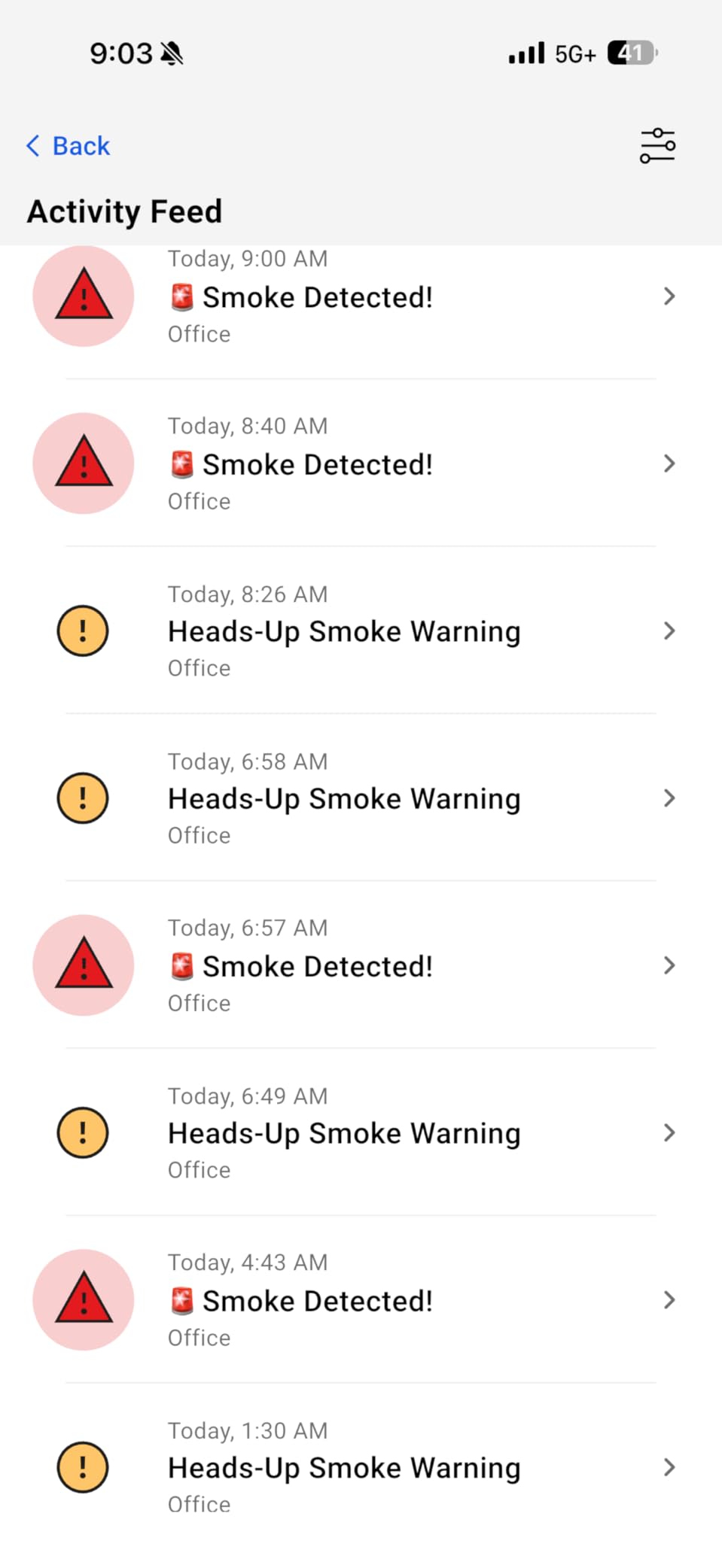
The smart features are real rather than decorative. Phone alerts come through the First Alert app, and voice alerts give both the hazard type and the location. Low-battery notifications go to the phone, which is a genuinely valuable accessibility feature in a home where a chirp would go unheard.
It also works with the Nest thermostat to cut power to the HVAC when an alarm triggers, which is a useful behaviour in a fire involving heating equipment.
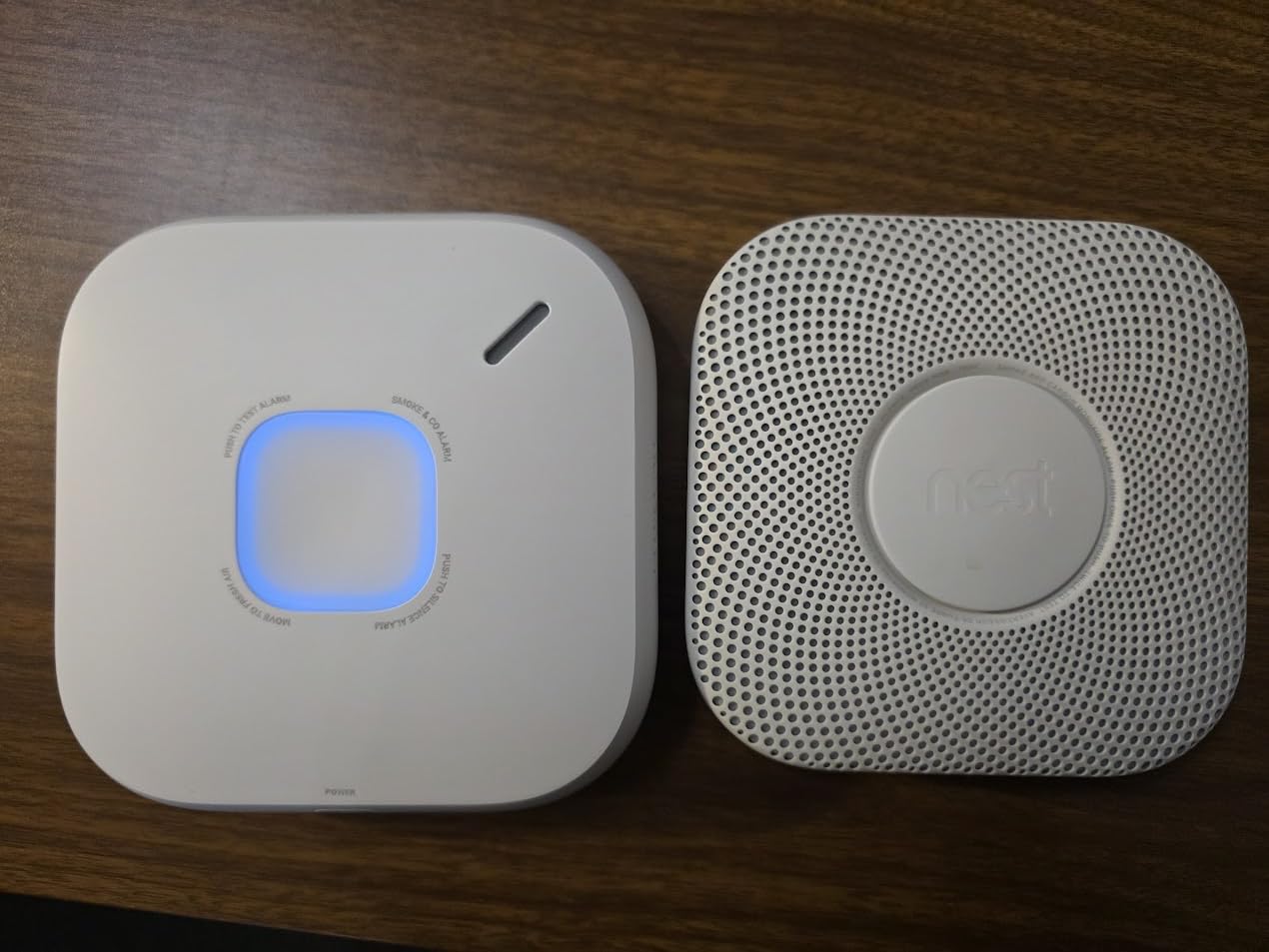
Here is the catch, and it is a large one. The rating is 3.2 out of 5, with roughly a third of ratings at one star, and the pattern in those reviews is consistent: people upgrading expired Nest Protects feel this is a downgrade.
Connectivity is the main complaint. Owners report Wi-Fi dropouts and devices going offline daily. In a safety product, a device that regularly drops off its network is not providing the reassurance it was bought for.
There are also reports of false alarms that cannot be silenced from either the app or the physical button. That combination, nuisance alarms plus no way to quiet them, is how people end up disabling a detector.
Where the SC5 fits a specific home
If you are mid-Nest migration with a wall full of Nest Protect brackets, this is the least disruptive path to a working combination alarm with phone alerts. The bracket compatibility alone justifies the choice in that situation.
For a resident with reduced hearing who checks a phone before bed, the app alerts and spoken location warnings add real value over a conventional horn.
Where it disappoints
It uses a separate First Alert app and account rather than joining your Nest setup, so you end up managing two ecosystems. It also lacks the Nest path light feature.
The connectivity complaints, un-silenceable false alarms, and less clear voice audio are the reason this sits last despite a healthy rating count. For a hearing impaired household, an unreliable network connection is a safety gap, not an inconvenience.
How to Choose a Smoke Detector for Deaf and Hard of Hearing Residents
Choose the alert path before you choose the model
Decide how the alarm needs to reach the person, then shop for a device that does it. Someone with reduced hearing who wears aids to bed is well served by any voice-enabled alarm. A profoundly deaf sleeper needs a strobe or a shaker. A deaf resident living alone needs monitored dispatch, because no notification is useful if nobody is awake to receive it.
Then check whether the device actually covers carbon monoxide as well as smoke. Three of the devices here detect smoke only, and that gap has to be closed with a separate CO alarm.
Candela, ADA, UL 1971 and NFPA 72 in plain English
Candela is the unit of light intensity used for strobes. Higher numbers mean a brighter flash that reaches further across a room and is more likely to wake a sleeping person through closed eyelids. The 7020BSL in this roundup is rated at 177 candela.
UL 1971 is the standard that covers smoke detectors themselves. UL 2034 covers carbon monoxide alarms. UL 217 tenth edition is the current smoke alarm edition, and the eufy, HEIMAN, and Kidde 30CUA10-V are all listed against it.
NFPA 72 is the National Fire Alarm and Emergency Notification Code. It governs how notification appliances are installed and where, and it is what public buildings and assisted living facilities are held to.
The ADA sets accessibility requirements for public accommodations and workplaces, not for a private home. It does not mandate a strobe in your bedroom. What it does is establish the principle that an audible-only alarm is not an accessible means of warning, which is exactly the argument deaf advocates make in product requests.
Renters and homeowners need different plans
Homeowners with existing AC wiring can install hardwired interconnected units, which is the arrangement the r/deaf community wiki ranks first. Add a strobe unit like the 7020BSL in every sleeping area and you have coverage that survives a power cut.
Renters cannot do any of that without a landlord conversation. Their realistic options are the battery voice alarm, the wireless interconnected three-pack, or a listener that bridges whatever alarms the building already has. Each of those works without touching a wire.
Where to place a bed shaker and a strobe
Placement decides whether a tactile or visual alert works at all, and most devices come with no placement guidance. For a strobe, mount it where the light reaches the sleeping position without an obstruction: on the wall beside the bed, on the ceiling near the room, or in a hallway the sleeper must face. A reflective or light-coloured ceiling bounces the flash toward a closed-eyed sleeper and measurably improves the odds.
For a bed shaker, the consensus placement from community discussion is the edge of the mattress near the head, with the cord routed so it cannot snag, and a pad under the pillow as a second contact point. The cable is roughly nine feet, so measure the distance from the alarm to the head of the bed before you commit to a location.
Whichever you use, test it with your eyes closed. If you cannot tell it fired, move it.
Where to install detectors and how to test them
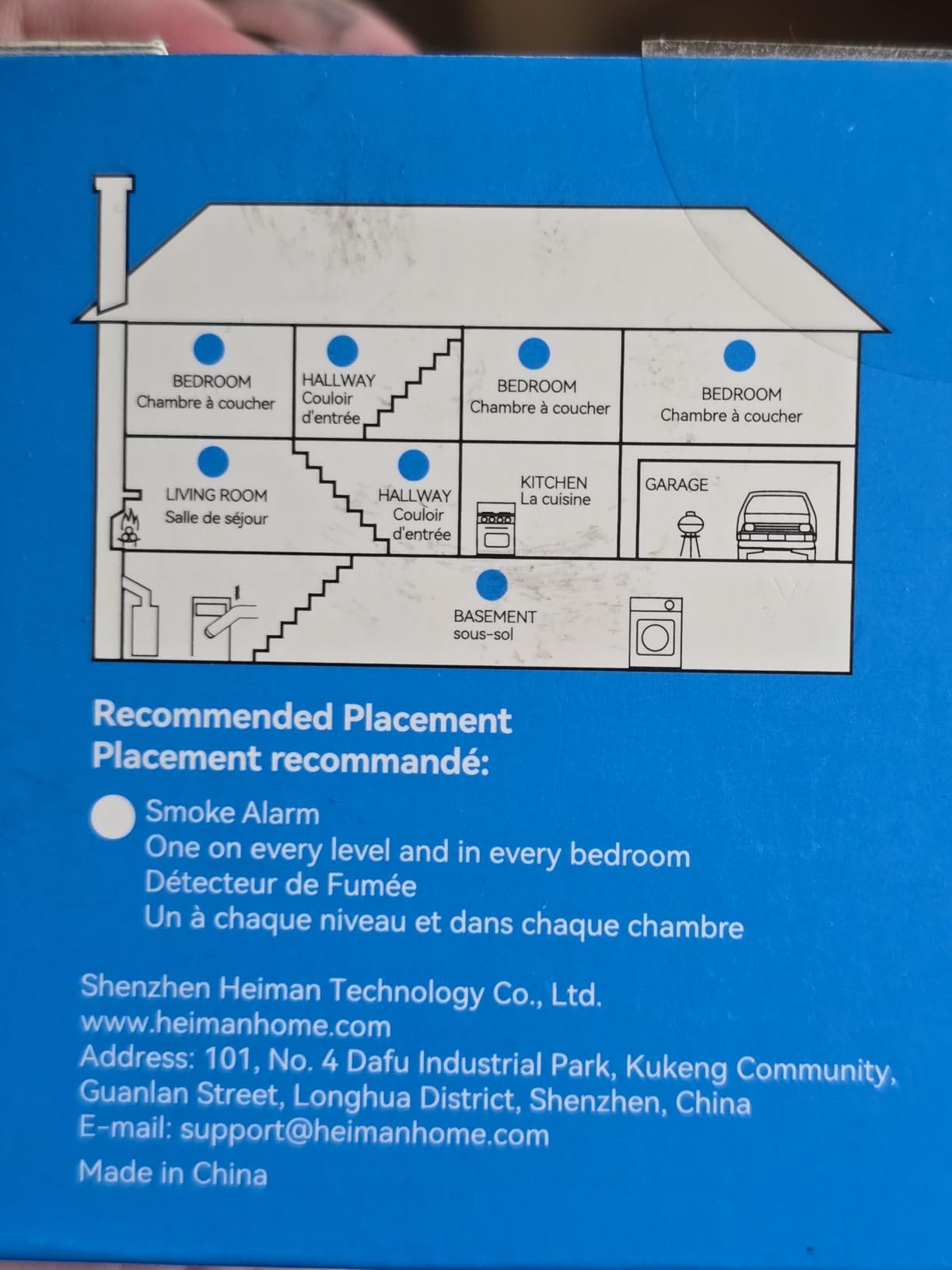
Fire officials consistently recommend at least one alarm inside every sleeping room, one outside each sleeping area, and one on every level of the home. Placement goes on the ceiling, away from corners where smoke collects last, and away from kitchen and bathroom doors where humidity and steam cause nuisance trips.
Test every unit monthly using its test button, not by waving a lighter at it. Check the batteries on the schedule the manufacturer lists, replace any unit with an end-of-life or fault signal rather than trying to clear it, and replace smoke detectors wholesale at ten years from manufacture even if they still seem to work.
Build the low-battery check into a monthly routine rather than relying on the chirp. For a resident who cannot hear it, the chirp is not a warning.
Where free and subsidized alarms come from
Strobe and bed shaker alarms are frequently available at no cost through local fire departments, American Red Cross chapters, and sometimes hearing aid providers. Owners on r/deaf and r/firealarms ask this question repeatedly, and the recurring answer is that these programs exist in many areas and are underused.
Call your local fire department’s prevention office and ask specifically for an accessible alarm program rather than asking about smoke detectors in general. If you wear hearing aids, ask your provider directly, because clinics often have stock or a referral list.
Check whether your state vocational rehabilitation agency offers assistance. Programs are easier to find than most people expect, and being told no by one office is not the end of the search.
Frequently Asked Questions
What are some smoke alarms suitable for people with hearing difficulties?
The most suitable alarms for people with hearing difficulties are combination units that add a spoken hazard announcement or a high-intensity strobe to the standard horn. A voice alarm announces the type and location of danger and works for anyone with reduced but usable hearing. A strobe alarm reaches a deaf sleeper through closed eyelids. For a resident who cannot hear at all, a strobe or a bed shaker is the only reliable path, and a monitored service is the safest option for someone living alone.
How do deaf people know when a fire alarm is going off?
Deaf residents are alerted by a visual strobe, a bed shaker or vibrating pillow pad, or a monitored notification rather than by sound. A high-intensity strobe throws light across the room and often reaches a sleeper through closed eyelids. A bed shaker produces vibration through the mattress or pillow and is the only alert that works on a deeply sleeping person with eyes closed. A phone app alert works only if the person is awake and holding the phone.
What is the best bed shaker alarm for people with deafness?
A bed shaker is the most reliable alert for a profoundly deaf sleeper, and none of the devices in this roundup include one as part of the package. Choose a system where the shaker connects to a photoelectric alarm by a cable roughly nine feet long, then place the pad under the edge of the mattress near your head and route the cord so it cannot snag. Add a second contact under the pillow. Test with your eyes closed and reposition if you do not feel it.
Can strobe smoke detectors be used by people who are deaf?
Yes, strobe smoke detectors are built specifically for deaf and hard of hearing residents and are the top-ranked option on the r/deaf community wiki. The limitation is line of sight. A strobe does nothing for a person lying face down under a pillow, so mount it where light reaches the bed, ideally on or near the ceiling with a light-coloured reflective surface nearby. Pair it with a bed shaker for heavy sleepers.
What are the ADA requirements for fire alarm strobes?
The ADA does not mandate strobes in a private home. It sets accessibility requirements for public accommodations and workplaces, establishing that an audible-only alarm is not an accessible warning. For homes, the relevant references are UL 1971 for smoke detectors, UL 2034 for carbon monoxide alarms, and NFPA 72 for how notification appliances are installed. In practice, that means picking a listed strobe unit and following its placement instructions.
What are the recommended candela ratings for fire alarm strobes?
Higher candela means a brighter flash that reaches further across a room and is more likely to wake a sleeper through closed eyelids. Residential notification appliances commonly run between 110 and 177 candela, with 177 candela at the upper end. The First Alert 7020BSL in this roundup is rated at 177 candela. For a bedroom, err toward the higher number and make sure the mounting position gives a clear path to the sleeping area.
Conclusion
The best smoke detectors for hearing impaired homes fall into two families, and buying the wrong one wastes money on a device that cannot reach the person who needs it. Voice and horn alarms serve hard of hearing residents who take out hearing aids at night. Strobes, bed shakers, and monitored dispatch serve deaf residents for whom sound is not an option at all.
Our overall pick is the First Alert SC7010BV, because spoken location announcements are the biggest practical improvement available for a hard of hearing household and it is the most thoroughly reviewed unit here. For renters, the Kidde battery voice alarm needs two AA batteries and no conversation with a landlord. For a deaf sleeper, the First Alert 7020BSL at 177 candela is the one to install beside the bed. And for someone living alone, monitored dispatch removes the dependency on waking up at all.
Whichever you choose, add a carbon monoxide alarm if the device does not include one, test every unit monthly with the test button, and ask your local fire department about free accessible alarm programs before you assume you have to pay full price. Our broader guides to smart smoke detectors and Bluetooth hearing aids for seniors cover the parts of this picture that sit outside accessibility-specific alerts. This roundup was reviewed and updated in 2026.